Explore our primary industrial chemicals, sizing auxiliaries, and dye formulations engineered for optimal performance in paper mills.
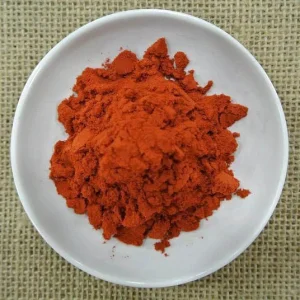
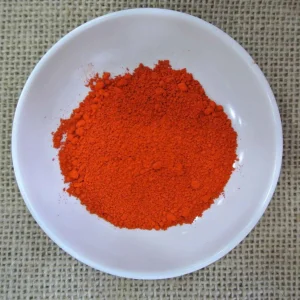
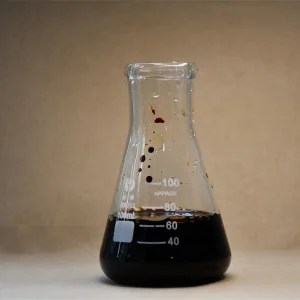
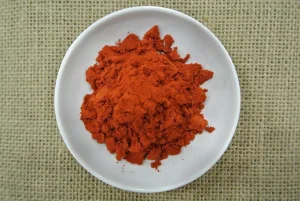
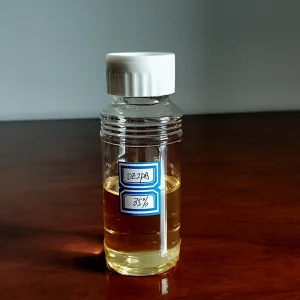
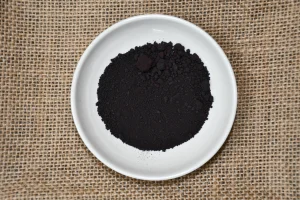
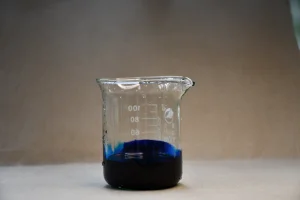
In high-speed paper manufacturing, visual brightness is a primary metric of quality. Optical Brightening Agents (OBA), also known as Fluorescent Whitening Agents (FWA), play an indispensable role in altering the spectral reflectance of paper. Unrefined cellulose fibers inherently absorb blue light, giving raw paper a yellowish hue. OBAs resolve this issue by absorbing invisible ultraviolet radiation (typically between 340-380 nm) and re-emitting it in the blue visible spectrum (420-470 nm).
This electromagnetic shift masks the yellowness and increases both ISO Brightness and CIE Whiteness values. Achieving the optimal balance requires a deep understanding of molecular configurations. Depending on the processing stage and the substrate, manufacturers must specify between di-sulfonated, tetra-sulfonated, and hexa-sulfonated stilbene derivatives.
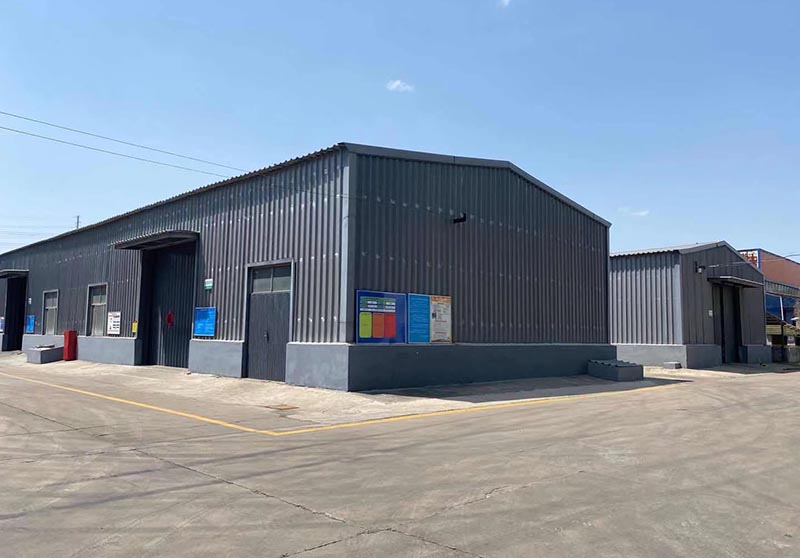
Uncompromising scale, strict quality oversight, and verified environmental credentials.
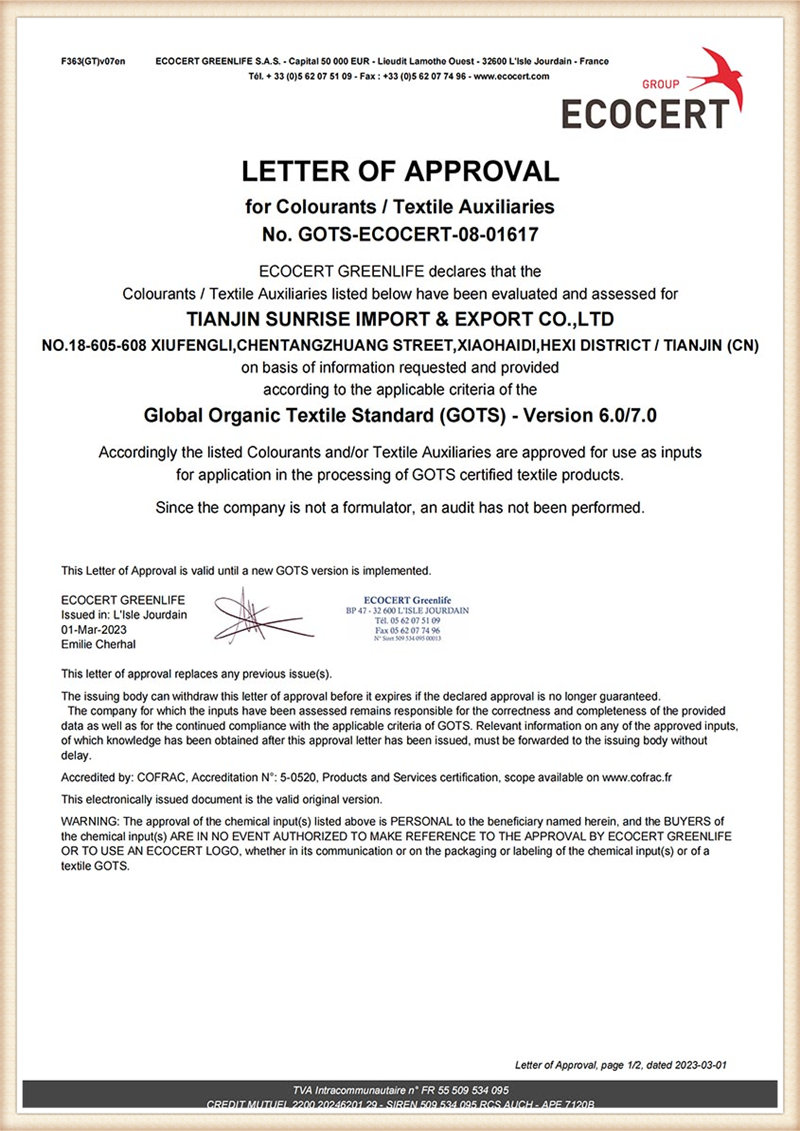
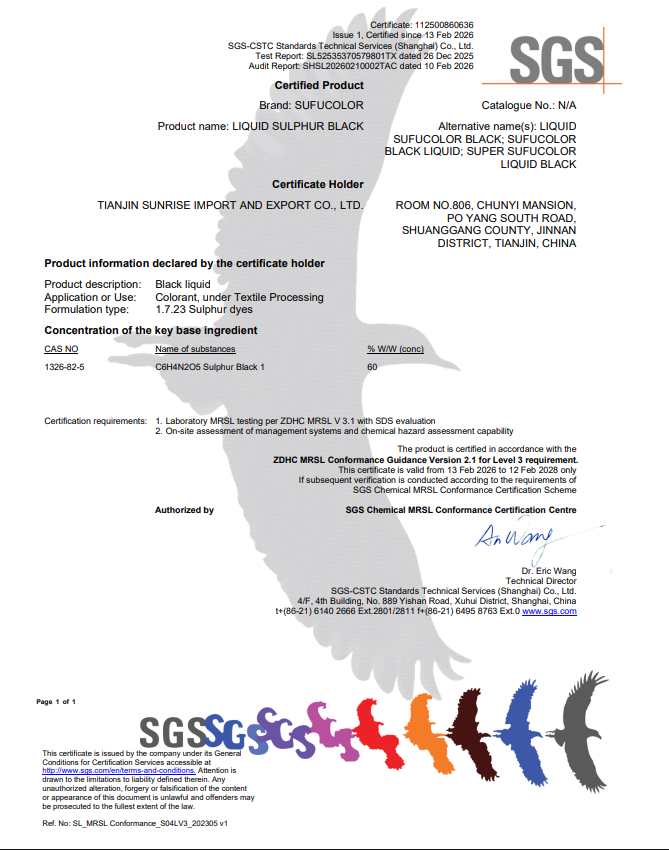
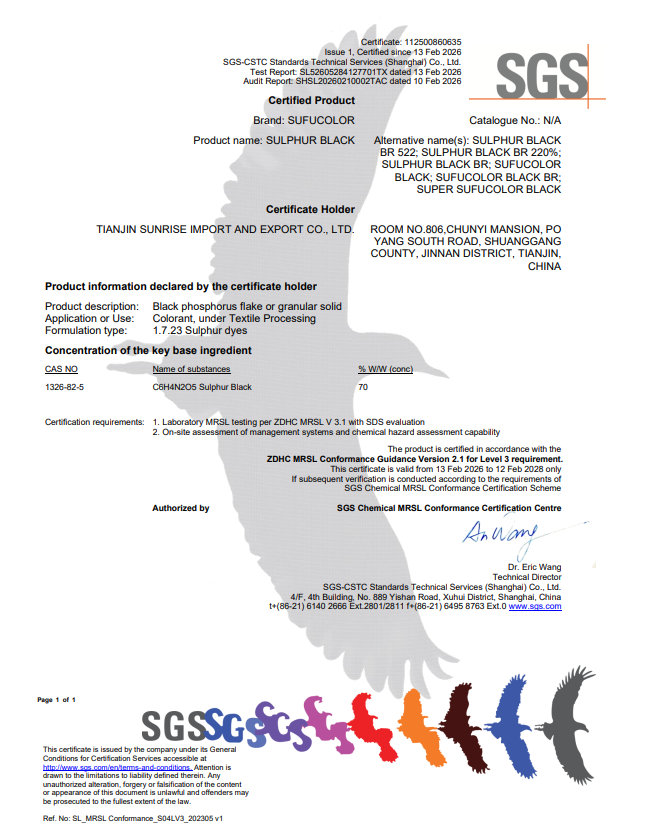
Tianjin Sunrise Chem Group is committed to sustainable chemical development. By enforcing ZDHC (Zero Discharge of Hazardous Chemicals) Level 3 and GOTS (Global Organic Textile Standard) protocols, we ensure our colorants and optical brighteners do not burden downstream industrial wastewater systems, facilitating cleaner production for global mills.
For global paper mills, supply chain interruptions translate directly to costly line stoppages. Procurement teams face volatile raw material costs, shifting trade regulations, and variable logistics timelines. Partnering with a vertically integrated Chinese manufacturer like Tianjin Sunrise Chem Group mitigates these risk factors.
Our manufacturing plants utilize advanced automated synthesis controls to deliver stable batch-to-batch consistency. Located strategically near primary transit terminals, we maintain immediate access to critical chemical raw materials and efficient export pathways. This ensures predictable lead times, even during periods of heavy seasonal demand.
Modern automated lines guarantee uniform chemical structure and concentration.
Sited near Tianjin port, cutting transit times and handling costs.
Optimizing the introduction point of OBA is critical to preventing greening-out issues and maximizing chemical efficiency.
Designed for maximum retention on wood pulp fibers. Typically utilizes Di-sulfonated or Tetra-sulfonated OBAs. Must be added before sizing agents or alum to avoid interfering with charge balance.
Applied directly to the surface of the dry sheet alongside carrier starches. Tetra-sulfonated OBAs excel here, utilizing starch as a carrier to improve retention and prevent optical migration.
Used for premium art papers and boards. Requires highly soluble Hexa-sulfonated OBAs that co-exist stably with polyvinyl alcohol (PVA), latex binders, and white pigments like kaolin clay.
| OBA Type | Molecular Affinity | Optimal pH Range | Ideal Application Point | Key Performance Limit (Greening Point) |
|---|---|---|---|---|
| Di-sulfonated Stilbene | Very High | 4.5 - 6.5 (Acidic/Neutral) | Wet-End Pulp Chest | Low-Medium (Saturation occurs early) |
| Tetra-sulfonated Stilbene | Moderate | 6.0 - 9.0 (Neutral/Alkaline) | Wet-End / Size Press | High (Most versatile general brightener) |
| Hexa-sulfonated Stilbene | Low | 7.0 - 10.0 (Alkaline Coating) | Size Press / Coating Heads | Very High (Extremely high whiteness ceilings) |
Modern consumer markets demand eco-responsible supply chains. For packaging board and paper grade manufacturers catering to food-contact applications, compliance is strict. The chemicals utilized must align with German BfR Recommendation XXXVI and US FDA regulations.
Tianjin Sunrise Chem Group produces high-purity OBAs and specialized direct dyes with controlled trace impurities. Our formulations undergo strict testing to confirm minimal environmental migration. This simplifies safety certification processes for packaging converters selling to international food service and retail brands.
"Our ZDHC Level 3 certification reflects our integration of clean chemical manufacturing. By systematically tracking input chemicals, we exclude restricted substances before production begins, ensuring zero environmental release of hazardous residues."
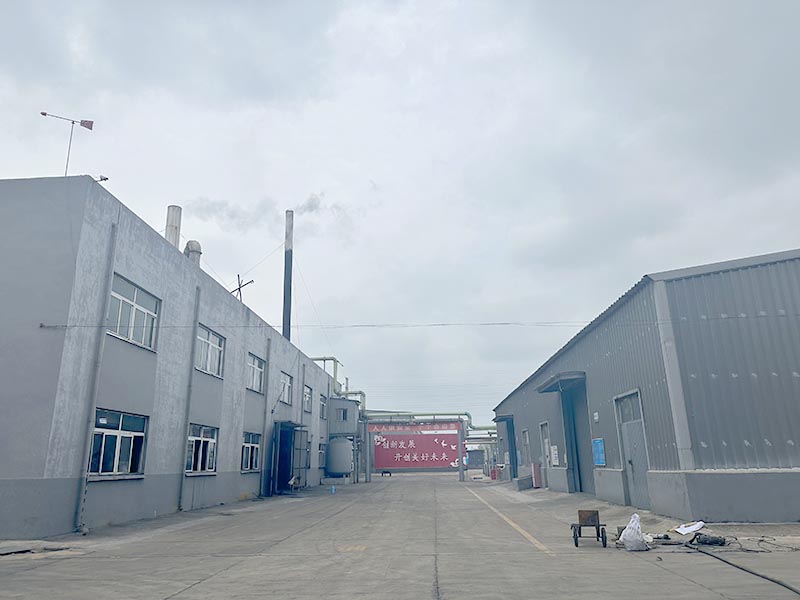
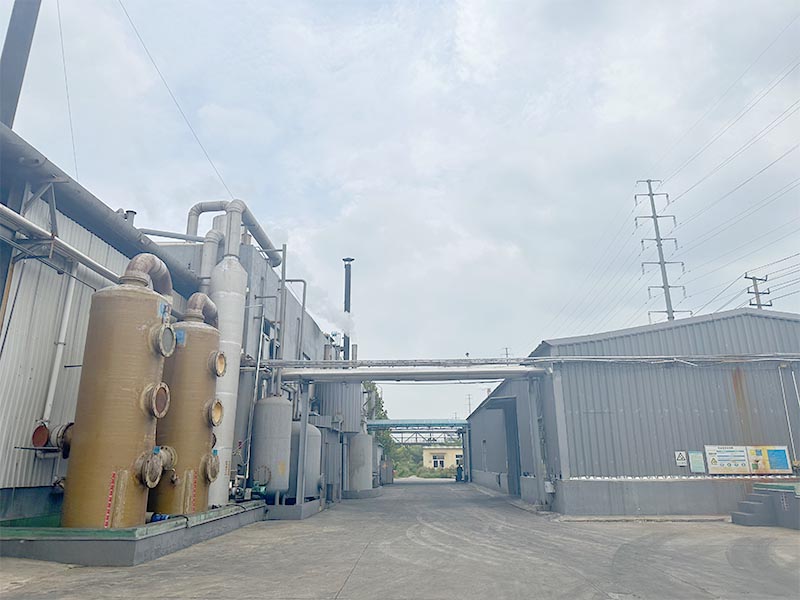
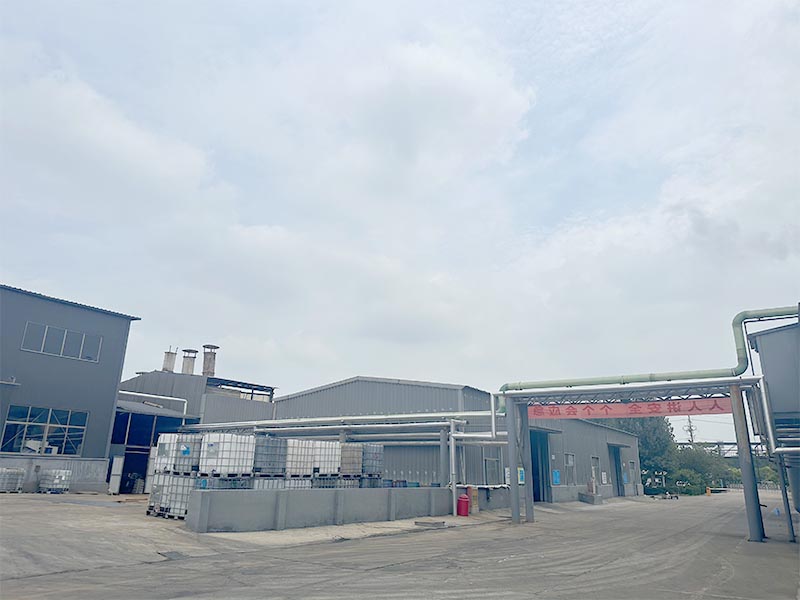
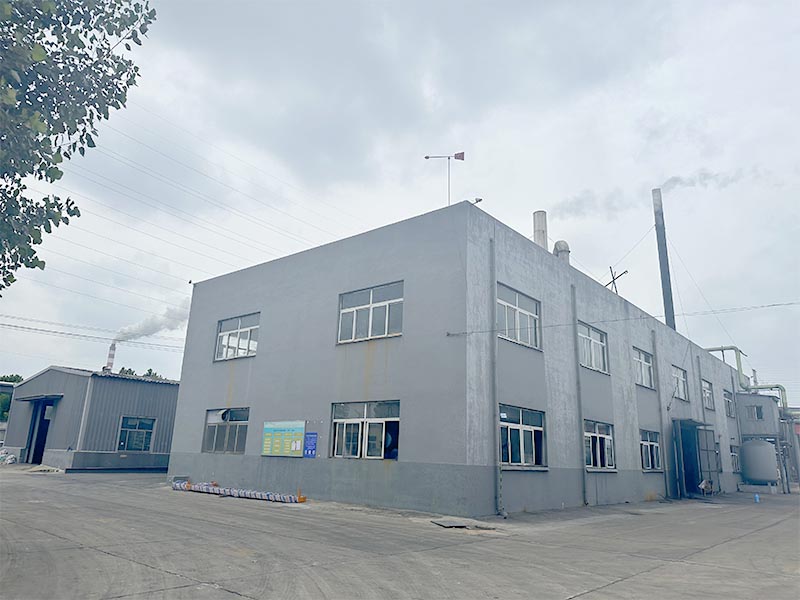
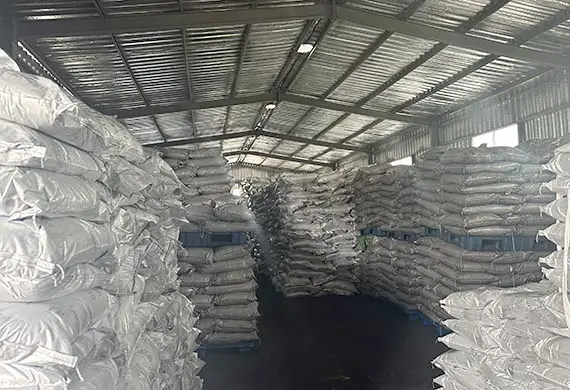
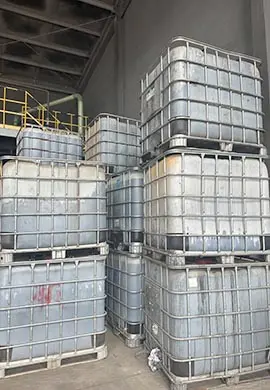
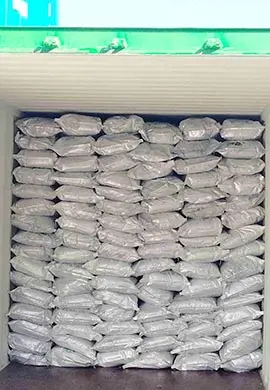
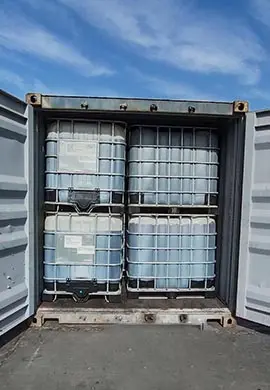
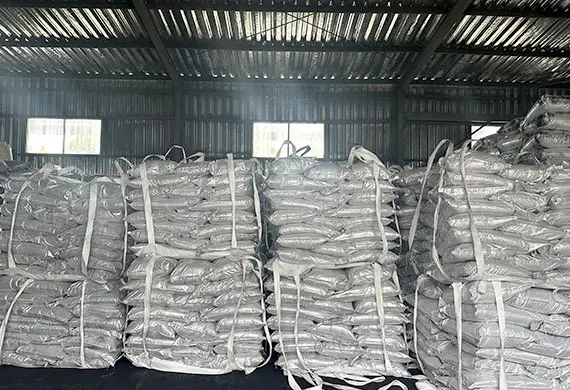
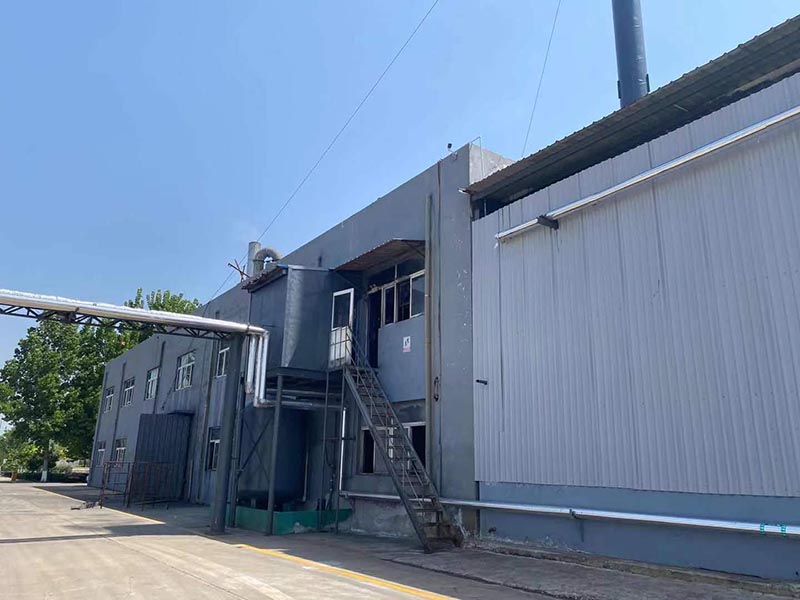
Visualizing our raw material processing, warehousing, and shipping systems.
Technical innovations designed to reconcile high yield demands with strict environmental parameters.
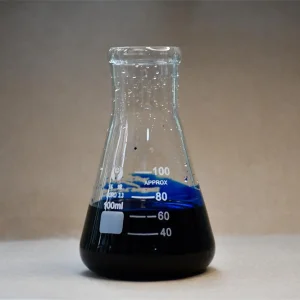
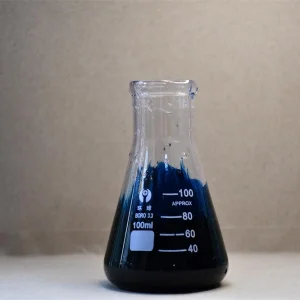
Industrial mills are increasingly moving away from powder formulations in favor of liquid dyes and brighteners. Liquid options simplify automated dosing systems, reduce handling dust, and improve color changeover efficiency, lowering material waste during grade transitions.
Wastewater regulatory limits require colorants with lower environmental footprints. Modern OBAs are designed to associate tightly with cellulose fibers, minimizing residual chemical concentrations in process water and reducing overall aeration system loads.
With rising demands for digital printing, surface quality is paramount. Using premium polyvinyl alcohol (PVA) as a greening carrier enables high-affinity OBAs to remain on the print surface, delivering optimal light fastness and ink adhesion.
To maintain reliable production runs, we subject every batch to strict analytical verification. Our internal quality assurance teams test for molecular weight distribution, active brightener solids concentration, color tone shifts, and solubility thresholds.
This detailed verification prevents process variations at client mills. Customers receive standardized chemicals that perform predictably under set temperatures, pH ranges, and shear configurations.
Standardized laboratory testing ensures consistency, eliminating chemical variance across international shipments.
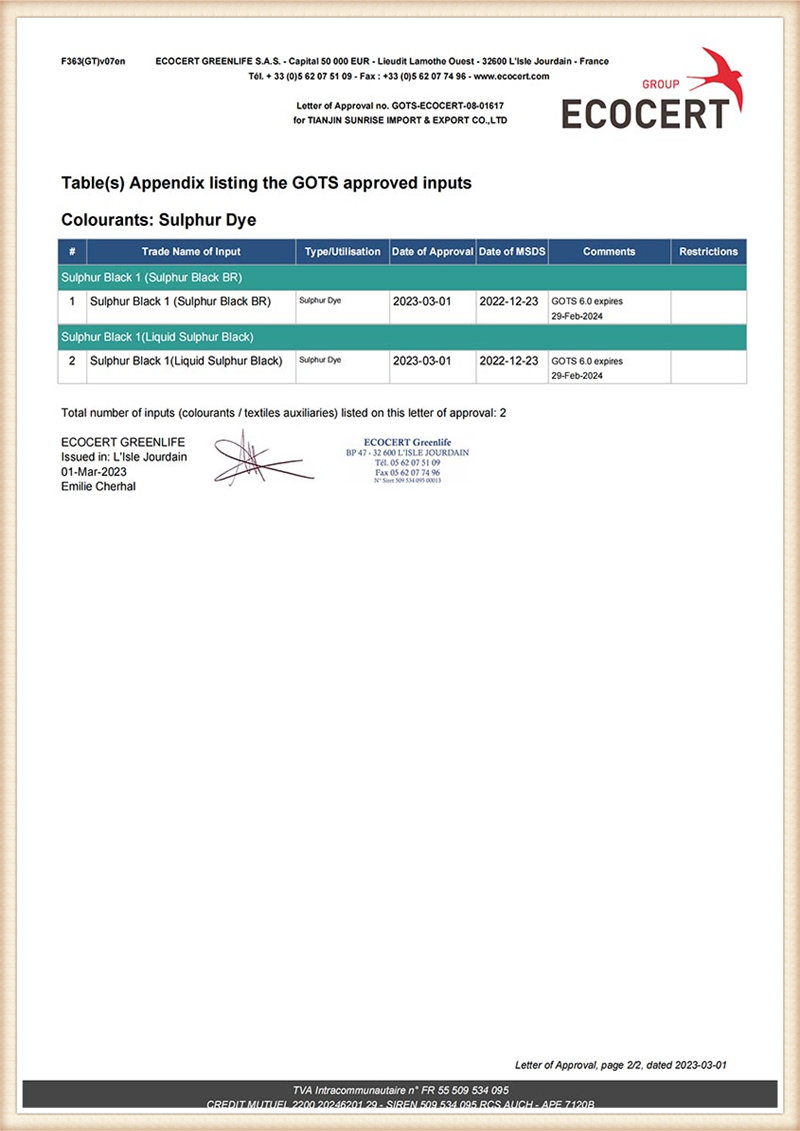
We maintain verified certifications to support sustainable global supply chains.
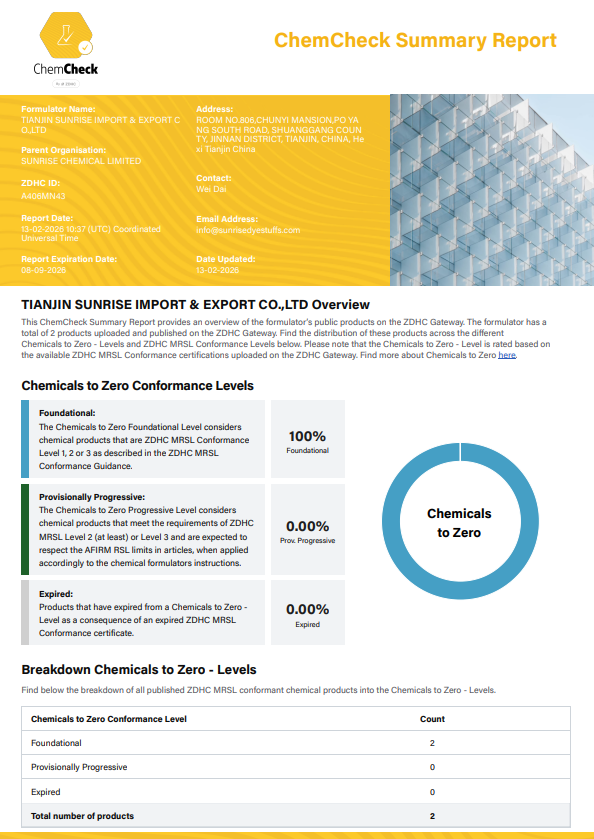
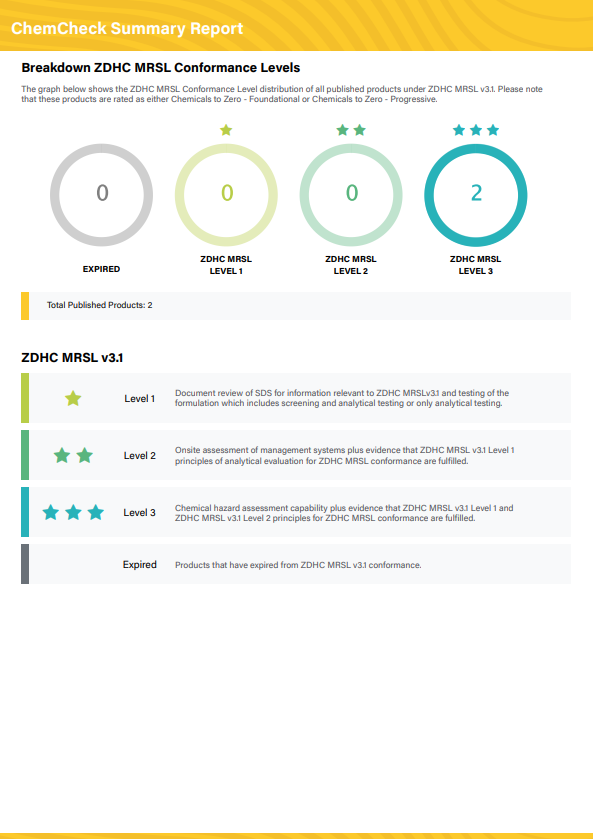
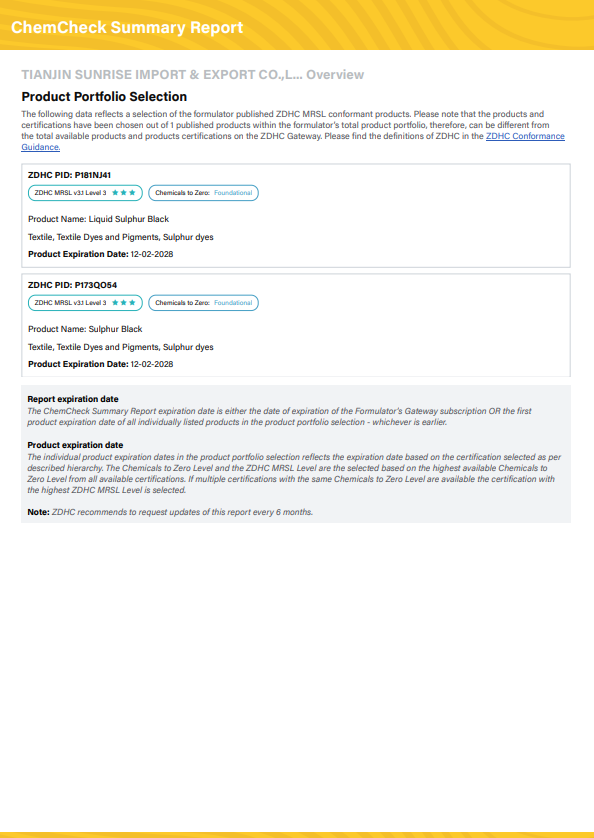
Technical answers regarding OBA selection, storage conditions, and application optimization.
Greening-out occurs when the OBA concentration on the fiber exceeds its saturation threshold. Beyond this point, the stilbene molecules aggregate rather than dispersing uniformly, shifting light absorption from UV into the visible blue spectrum. This reduces whiteness and gives the paper a yellowish-green tint. To avoid this, monitor addition rates carefully, match the pulp affinity to the OBA type, and introduce carrier co-agents like PVA or PEG to stabilize the formulation.
ZDHC Level 3 is a comprehensive certification indicating that the supplier's chemical formulations do not contain restricted substances (MRSL-compliant). For international paper mills exporting to European and North American consumer markets, sourcing ZDHC Level 3 components reduces compliance risk, simplifies local effluent discharge permitting, and confirms compliance with strict environmental criteria.
Tetra-sulfonated OBAs function best within a neutral to alkaline pH range (6.5 to 9.0). If the wet-end pH drops below 6.0 (due to high alum dosing or acidic sizing systems), the OBA molecules can precipitate out of solution, leading to lower whiteness yields and potential processing issues. For acidic papermaking systems, using specialized di-sulfonated OBAs is recommended.
Yes, but only under strict purity specifications. The OBA must comply with food-contact standards (like BfR XXXVI and US FDA CFR 21). Free stilbene content and trace heavy metals must be kept below regulated levels. It is critical to coordinate with our technical department to select the correct grade for direct food packaging applications.
Liquid OBAs are sensitive to temperature extremes and UV exposure. They should be stored between 5°C and 30°C in opaque containers protected from direct sunlight. Freezing can cause irreversible crystallization of the active stilbene compounds, while high temperatures can lead to phase separation.
Select dyes, pigments, and specialized process chemicals for textiles, leather, and paper systems.
 Sunrise