Product Detail
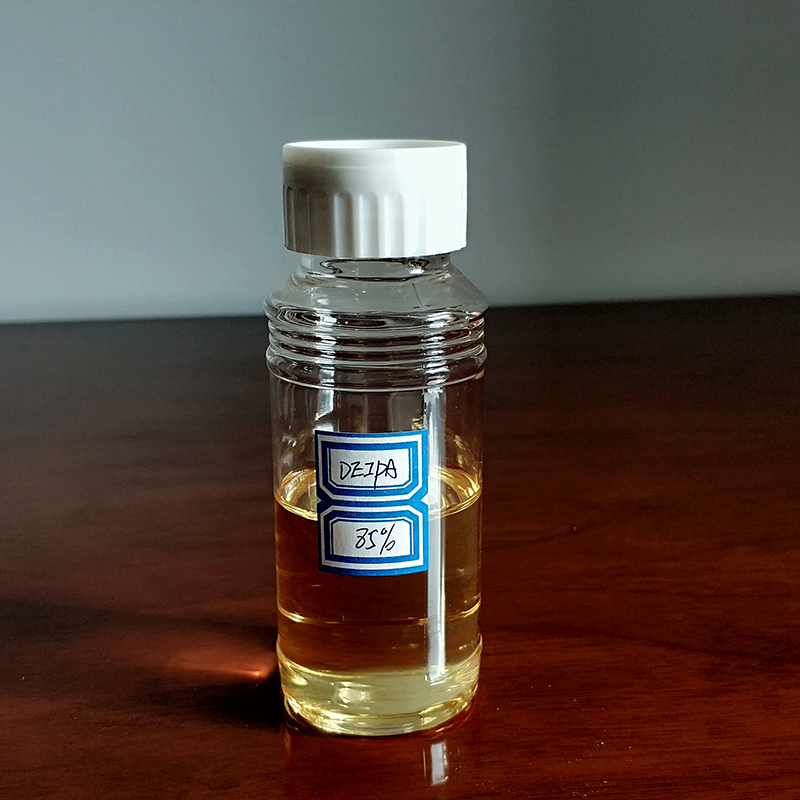
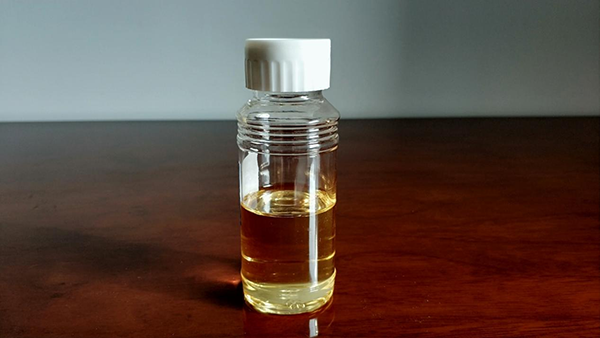
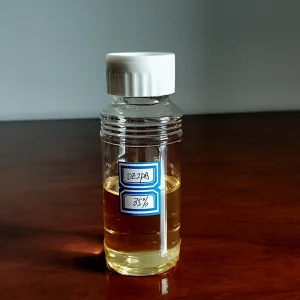
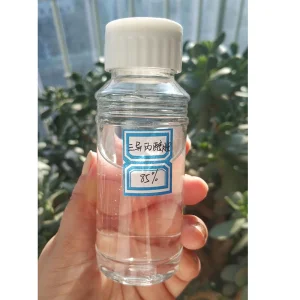
Diethanolisopropanolamine, also known as 1-[N,N-(2-hydroxyethyl)amino]-2-propanol. Diethanolisopropanolamine (DEIPA) is mainly used in cement grinding aids as a replacement for Triethanolamine (TEA) and Triisopropanolamine (TIPA), offering an extremely good grinding effect. With Diethanolisopropanolamine as the core material, the formulated grinding aid improves the strength of cement at 3 days (early strength) while simultaneously enhancing the strength at 28 days (later strength). Under adaptable conditions, its early strength performance is higher than Triisopropanolamine but slightly lower than Triethanolamine in general. However, it significantly increases the later strength, generally exceeding both Triethanolamine and Triisopropanolamine. It is an excellent choice for cement-improving chemicals in construction applications.
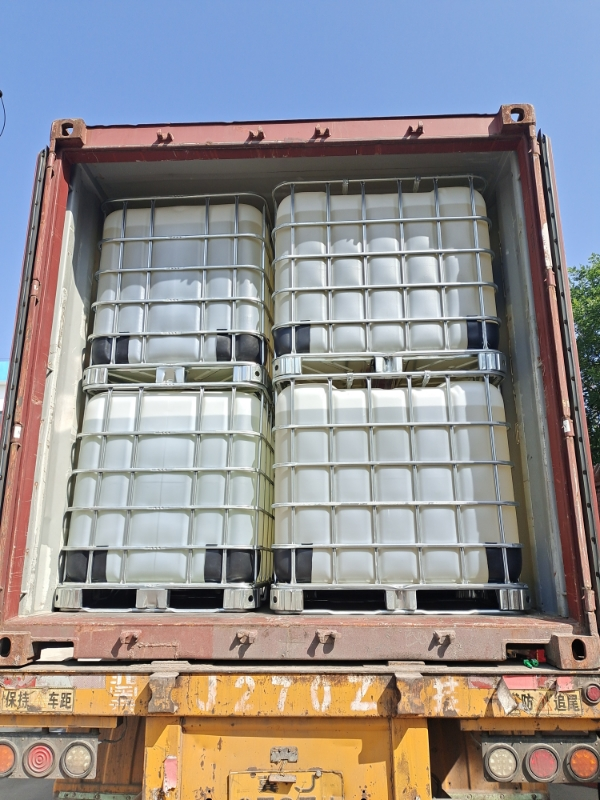
Packing specification: 220 kg/drum, with other specifications available depending on user requirements.
Storage transport: Sealed transportation. Prevent collision, sunlight, and rain. Keep away from fire sources. Store in a clean, dry, cool, and ventilated place.
FAQ
Do you have a minimum order quantity?
Yes, we require all international orders to have an ongoing minimum order quantity. The MOQ is 500kg for each single product.
What is your delivery time?
For samples, we have stock. For FCL (full container load) orders, the goods can normally be ready within 15 days after the order is confirmed.
What kinds of payment methods do you accept?
We accept TT, LC, DP, and DA. It depends on the order quantity and the specific conditions of different countries.
What is the primary function of Diethanolisopropanolamine (DEIPA) in cement?
DEIPA is mainly used as a cement grinding aid. It serves to replace Triethanolamine (TEA) and Triisopropanolamine (TIPA) to improve grinding efficiency and enhance both early (3-day) and later (28-day) cement strength.
Can DEIPA be formulated with other chemicals?
Yes. This product can be used alone or combined with other alcohol, amine, or ester materials such as Triethanolamine (TEA) and Triisopropanolamine (TIPA). Its molecular structure allows it to react with various materials to form esters, amines, or salts.
How should Diethanolisopropanolamine be stored and transported?
It should be transported in sealed containers, protected from physical collision, direct sunlight, and rain. Keep it away from fire sources and store it in a clean, dry, cool, and well-ventilated area.
 Sunrise