Explore our premium industrial product collection. Designed by a leading pigments manufacturer, this selection covers architectural coatings, textile chemistry, polymer masterbatches, and paper manufacturing. Every shipment undergoes rigorous testing to guarantee quality and environmental compliance.
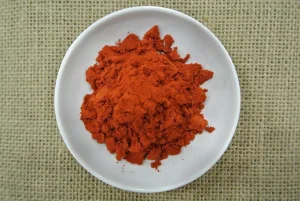
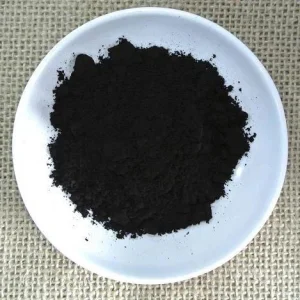
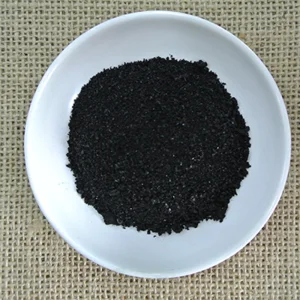
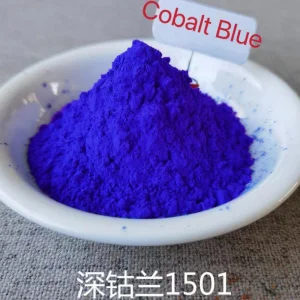
In the global chemical manufacturing industry, pigments and dyestuffs serve as critical functional materials. Modern architectural coatings, high-performance engineering plastics, high-speed inks, and specialized textiles depend on these compounds. As a leading pigments manufacturer, we focus on material design, environmental compliance, and supply chain reliability to support industrial procurement managers.
Selecting a pigment manufacturer requires evaluating more than just chemical purity. Industrial buyers must assess molecular dispersion properties, UV stability under extreme conditions, chemical resistance in polymer systems, and regulatory alignments like ZDHC Level 3 and GOTS. This guide reviews the engineering behind advanced colorants, highlights Chinese manufacturing advantages, and outlines strategies to optimize sourcing processes.
Tianjin Sunrise Chem Group specializes in manufacturing high-quality dyestuffs. Our portfolio includes Direct dyes, Acid dyes, Basic dyes, Sulphur dyes, Solvent dyes, Liquid dyes, and Fluorescent dyes.
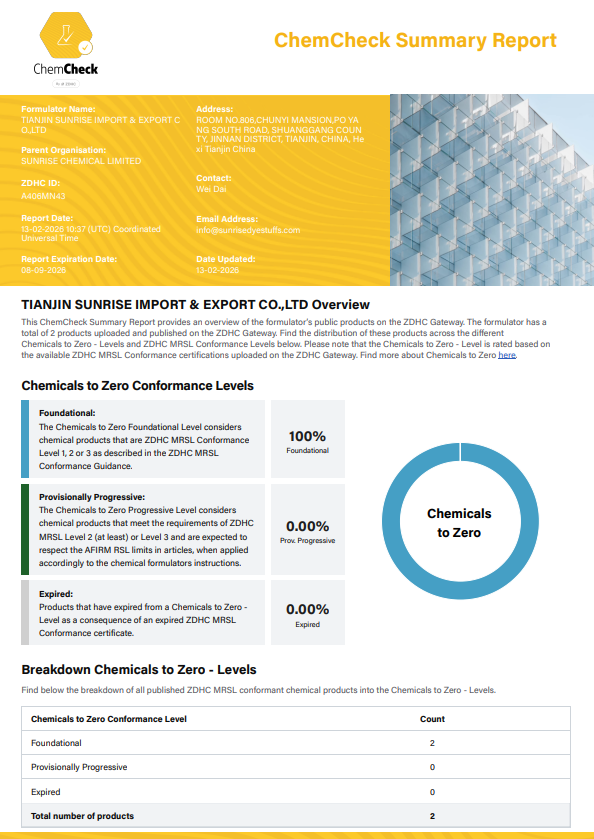
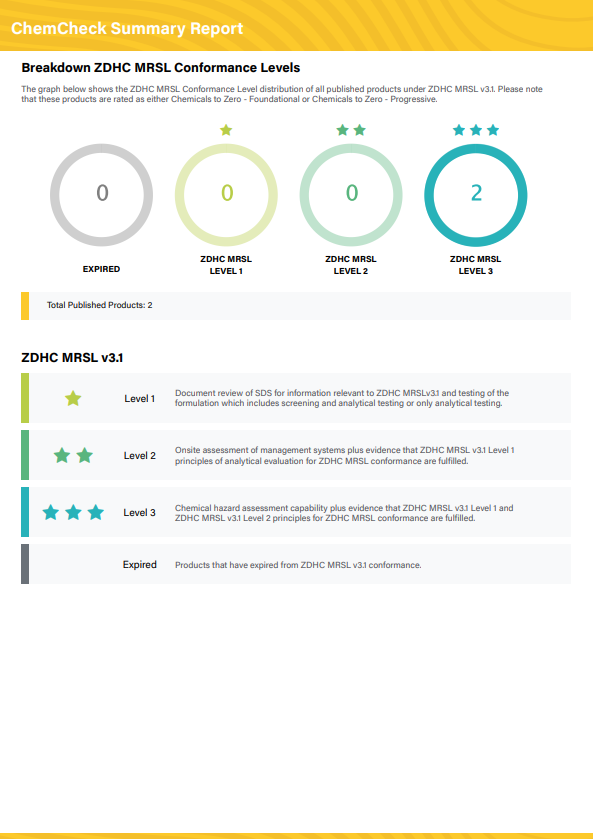
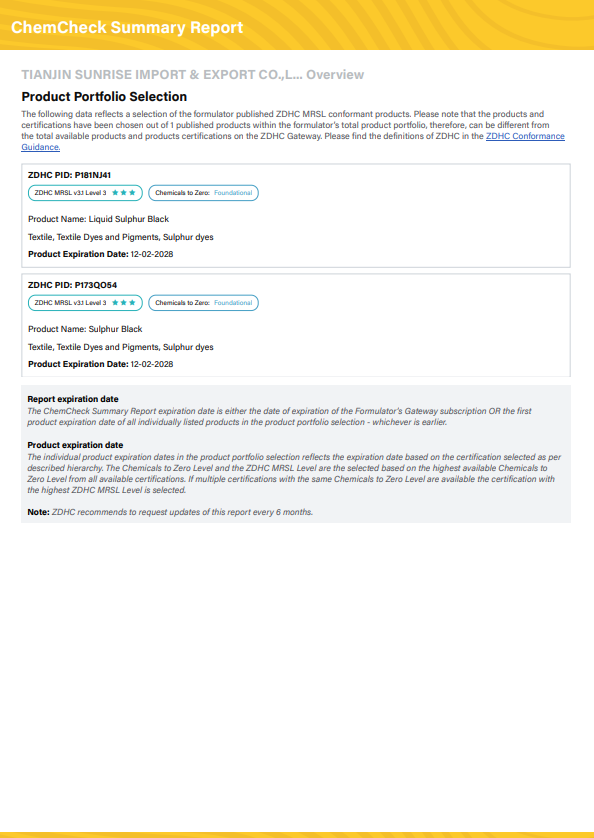
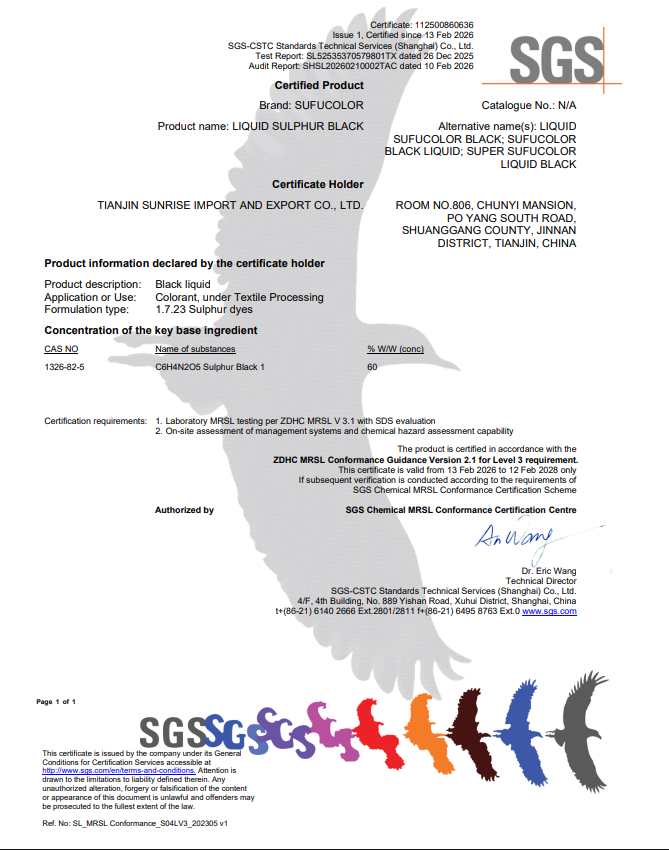
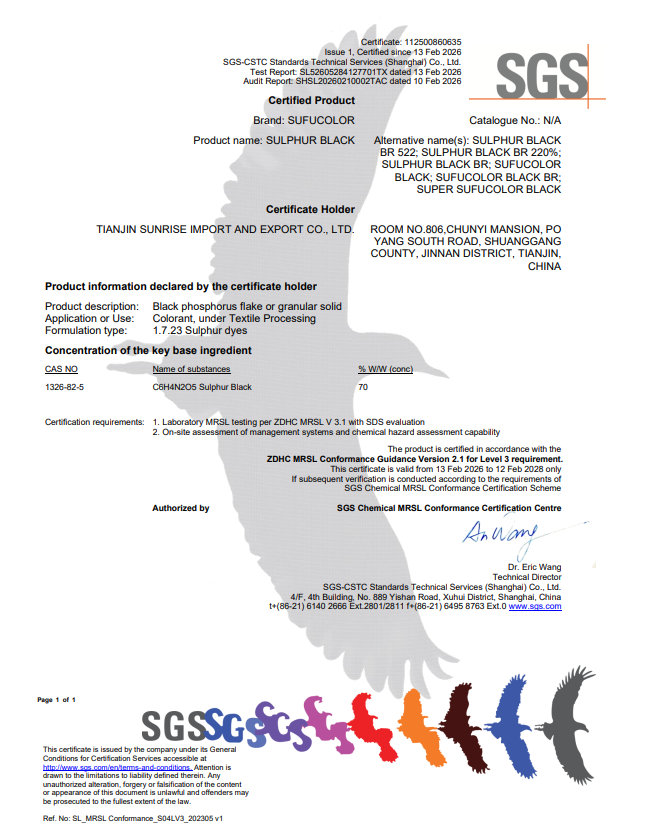
Backed by decades of industry and export experience, we have built a reputation for reliability and excellence, serving clients from diverse sectors including denim, textile, leather, paper, and plastic. We always highly focus on the goods' quality and stability. Each shipment has been tested before sending to the port. Our ZDHC level 3 and GOTS certificate ensure your quality standards are consistently met.
We pride ourselves on offering customized solutions. Our team of experts works closely with clients to understand their unique needs and delivers tailored products and services. We actively seek strategic partnerships to expand our reach and enhance our offerings. Collaborate with us to explore mutual growth opportunities.
Environmental protection is the cornerstone of our innovation. We dedicate ourselves to providing clients with eco-friendly, high-quality colorants that balance productivity with environmental harmony, driving the industry towards a more sustainable development path while delivering high-performance products—for a greener textile industry and a sustainable future.
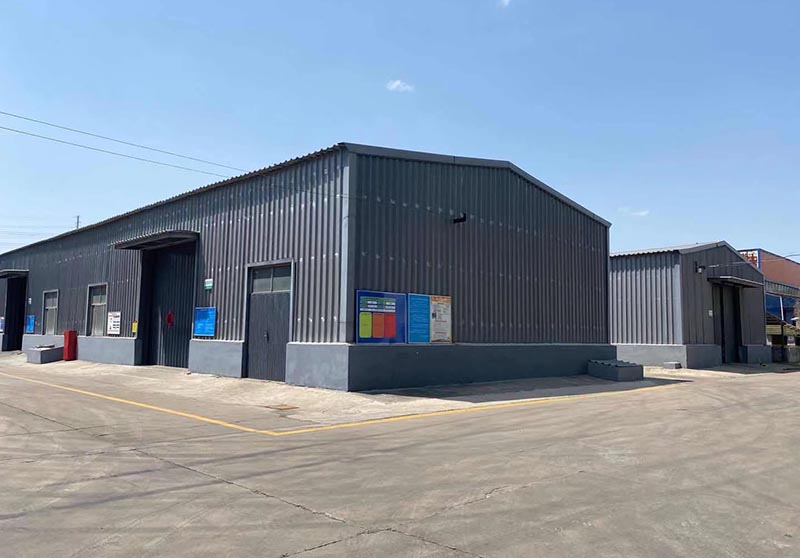
"Cooperating with textile and paper mills for many years shows that the factory has established a strong and reliable business relationship. This kind of long-term collaboration can bring numerous benefits, such as consistent orders, shared resources, and mutual support. It also indicates that the factory has a good track record of delivering quality products and meeting the needs of its partners. Our mission is to drive business growth by providing reliable and customized products. Our goal is to make a significant contribution to our customers' success by consistently delivering first-class products and exceptional customer service. By building lasting partnerships, we strive to be a catalyst for our clients' success."
With years of experience, we have successfully established strong partnerships in many countries. Our dedication to meeting global demands and exceeding customer expectations has earned us a reputation as a reliable supplier worldwide. If you are looking for reliable, high-quality Dyes, we invite you to choose us as your trusted partner.
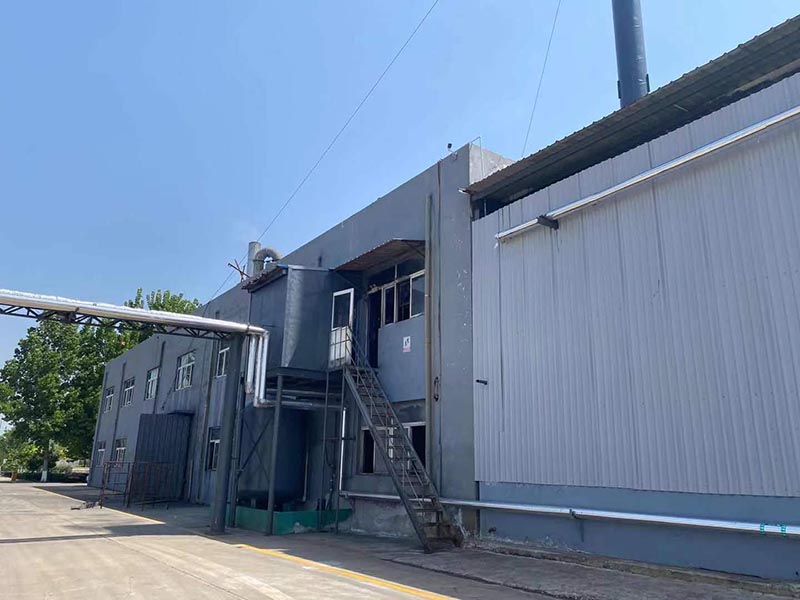
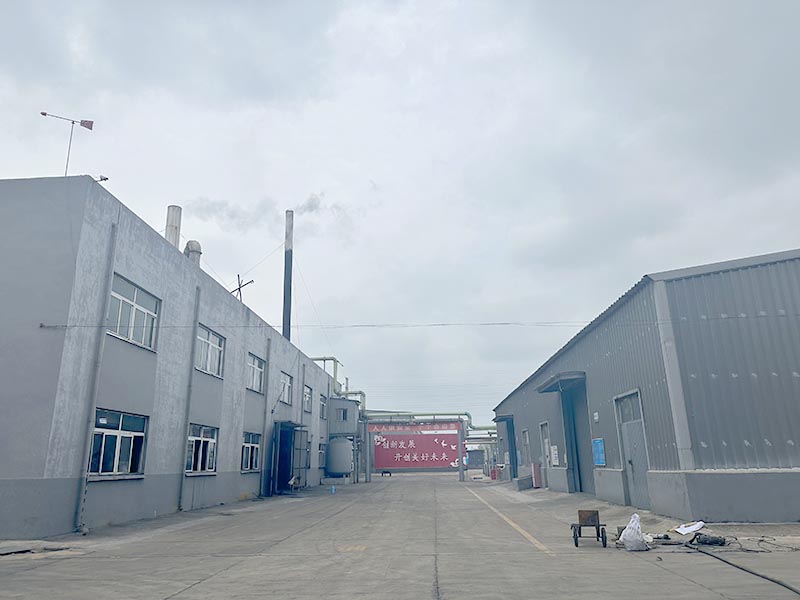
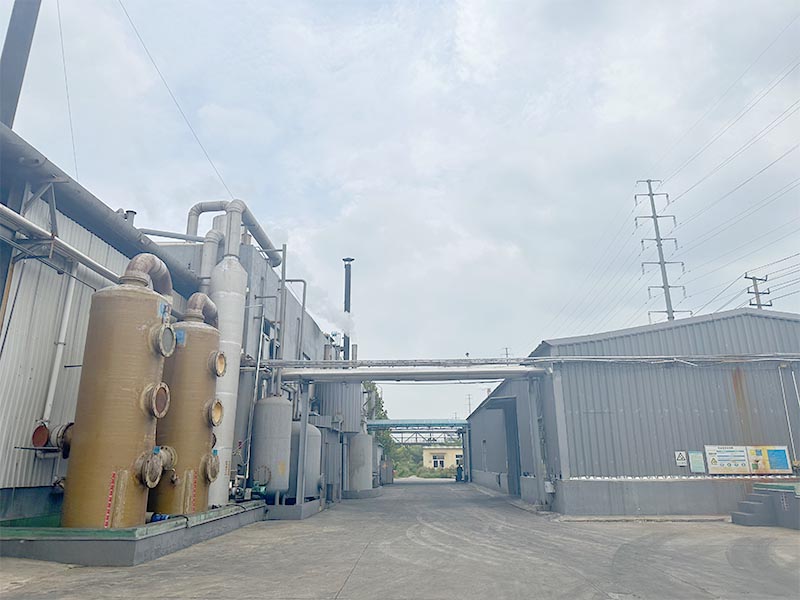
China has transitioned from a high-volume manufacturing center to a hub for advanced chemical production. For global buyers, partnering with a Chinese pigment factory offers several strategic benefits:
Proximity to raw materials and core chemical inputs ensures stable production schedules and mitigates global logistics disruptions.
Modern plants operate with complete environmental control technology. Compliance with ZDHC Level 3, GOTS, and EU REACH ensures smooth import processes.
Advanced laboratories allow technicians to adjust color strength, heat stability, and dispersion properties to match client specifications.
Different industrial sectors require distinct chemical properties. The table below outlines key formulations and their specific applications, matching target parameters with industrial needs:
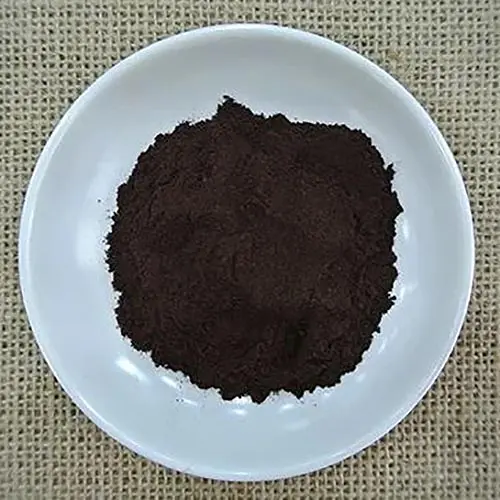
Optimized for chemical bonding with protein fibers. Provides deep penetration and high lightfastness on premium leather goods.
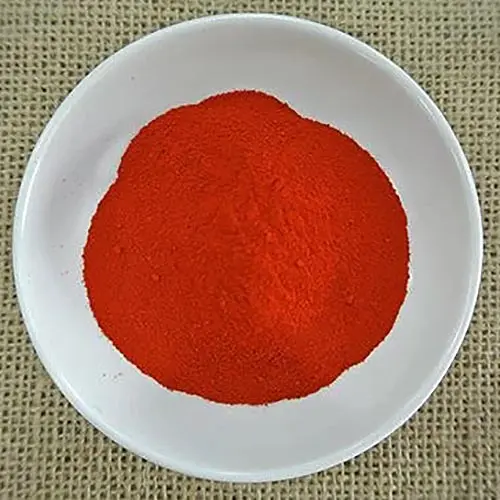
Provides bright color values and consistent absorption properties on delicate wool and natural silk fibers.
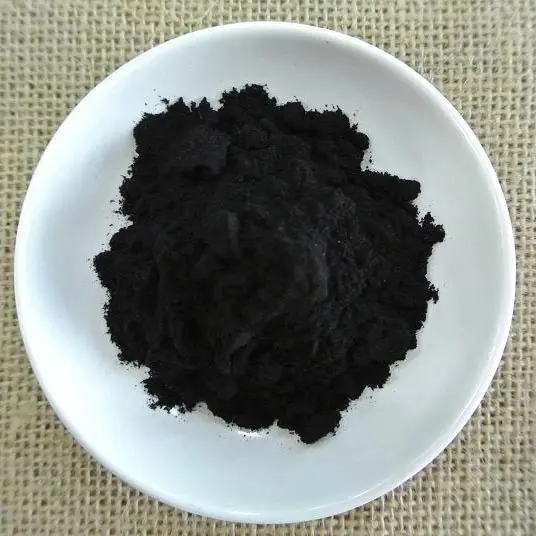
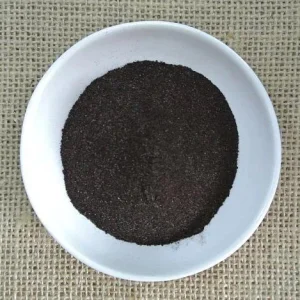
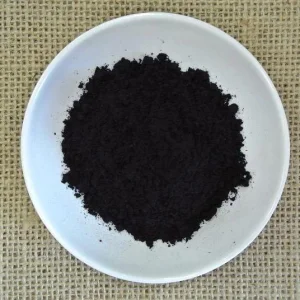
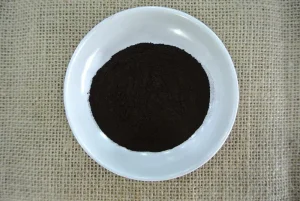
A high-concentration formulation designed for deep black shades with reliable washing and friction fastness.
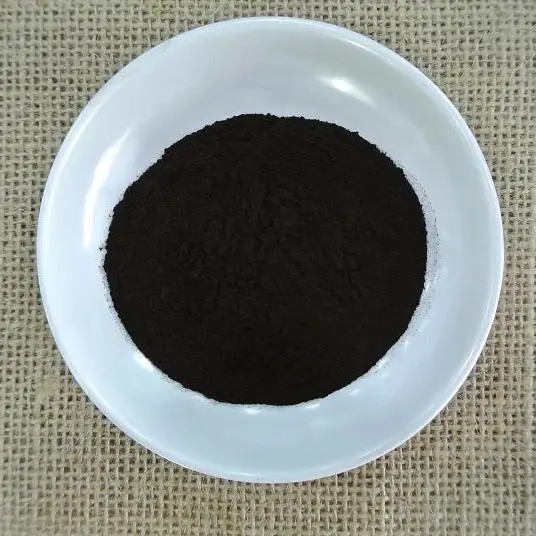
Finely milled particles suitable for latent print development and forensic investigation applications.
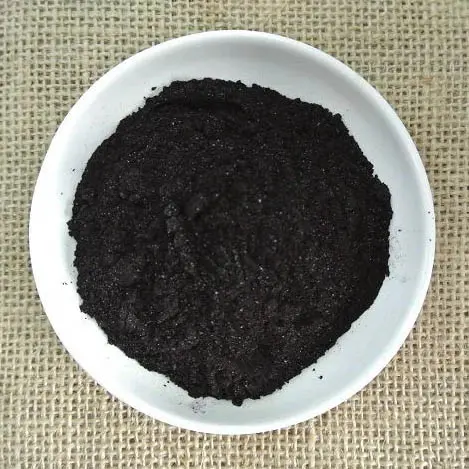
Optimized for denim processing, delivering deep navy shades and characteristic wash-down effects.
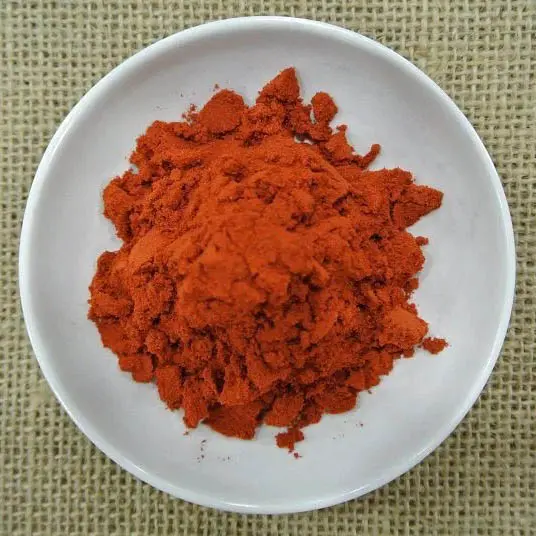
A highly soluble direct dye that simplifies application on cotton knit fabrics and blended cellulosics.
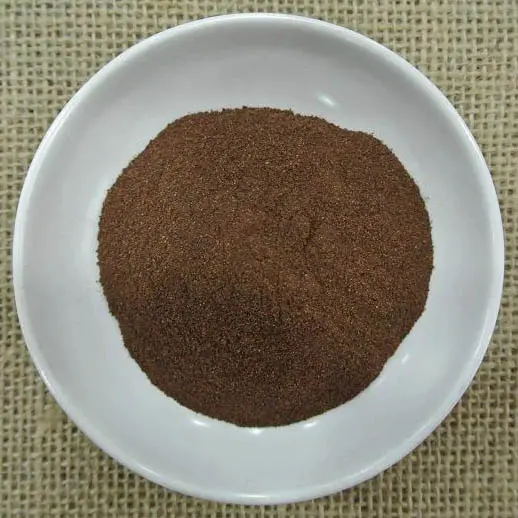
Engineered for high affinity to cellulose pulp. Minimizes color bleeding and backwater discoloration during production.
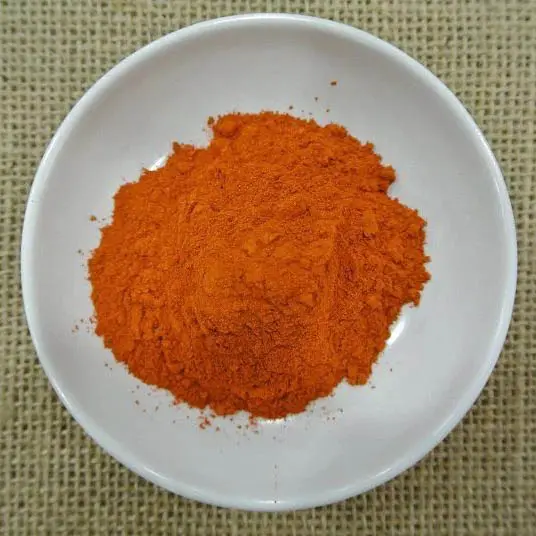
Used in large-scale packaging board production. Combines dry strength compatibility with cost efficiency.
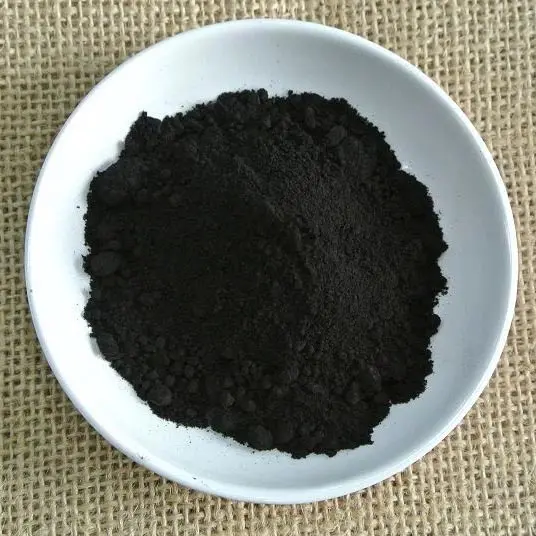
An inorganic pigment featuring high thermal resistance. Ideal for compounding engineering plastics and exterior coatings.
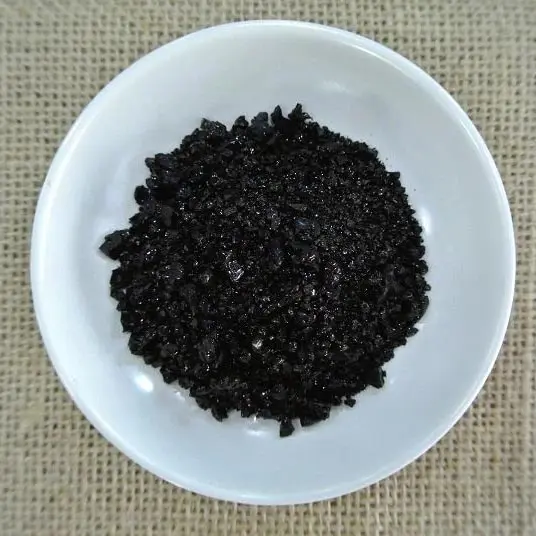
Highly soluble in polar solvents and water. Commonly used in marker inks, wood stains, and technical coatings.
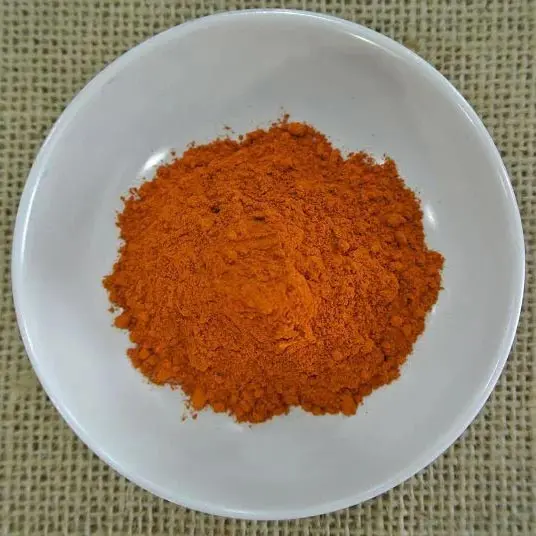
Provides bright yellow shades on nylon and silk fabrics, supported by excellent levelness properties.
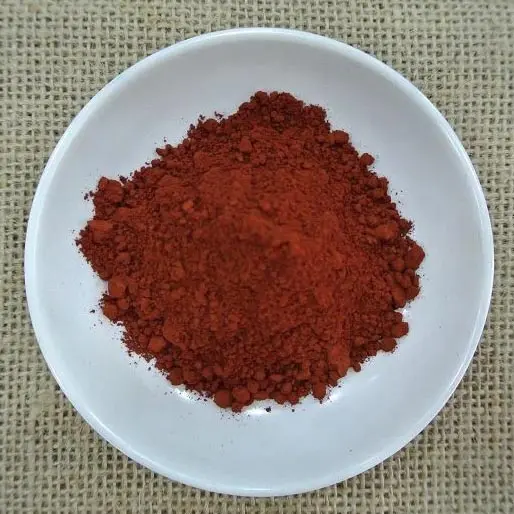
A versatile dye offering strong substrate affinity and color yield for leather and synthetic polyamide fibers.
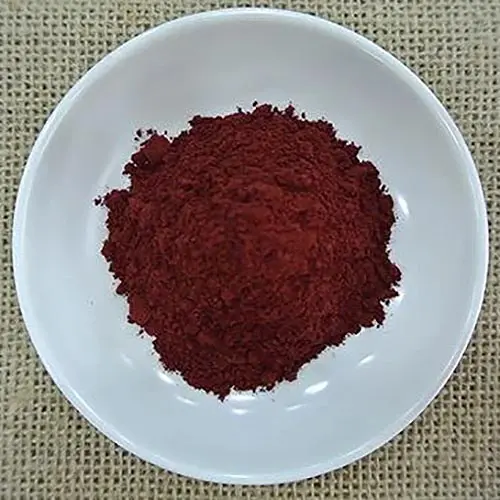
An anionic dye designed for batch dyeing and continuous coloring of wool, nylon, and blend textiles.
The global pigment market is evolving rapidly. Manufacturers must continuously innovate to meet new technical and regulatory standards. Key trends currently shaping the industry include:
Modern coatings increasingly use waterborne systems rather than solvent-based carriers. This requires pigment manufacturers to modify surface treatments, ensuring correct dispersion and stability without agglomeration.
Plastics and exterior paints demand higher thermal resistance. High-performance organic pigments (HPPs) are replacing traditional heavy-metal formulations, providing safety and durability under intense heat.
Spectrophotometers and digital color formulation tools enable fast, precise shade matching. This matching system reduces lab turnaround times from weeks to hours.
The Roadmap to Zero Programme (ZDHC) helps brands, retailers, and chemical suppliers in the textile and footwear sectors manage chemical use. Reaching ZDHC Level 3 shows that a chemical supplier has implemented reliable controls. Our manufacturing process verifies that all formulations comply with these limits, preventing restricted substances from entering the downstream supply chain.
Every regional market operates under specific environmental policies and end-user demands. Below is a summary of how we address localized requirements across global industrial centers:
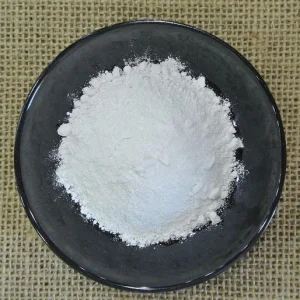
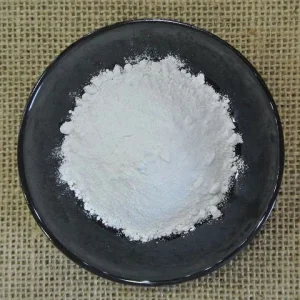
Architectural paint producers in North America focus on long-term weatherability. Our rutile titanium dioxide grade is treated with alumina-silica coatings, which helps prevent chalking and preserves color integrity under UV exposure.
European regulations restrict heavy metals in food contact materials. Our organic solvent dyes and mineral pigments are formulated to meet EU REACH standards, helping plastic processors comply with packaging waste regulations.
Major textile processing centers in India, Bangladesh, and Vietnam require certified dyestuffs to qualify for global retail distribution. Our GOTS-certified sulphur black and direct dyes help mills meet brand requirements for eco-friendly production.
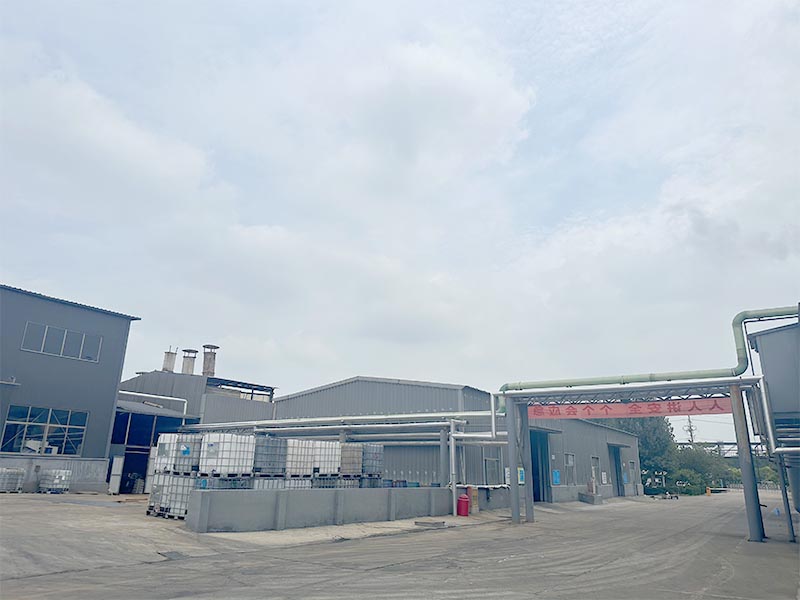
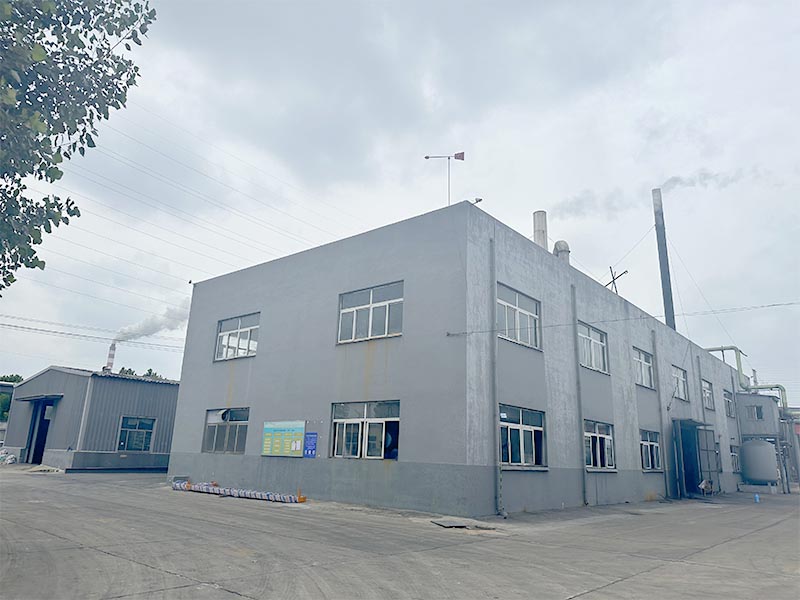
We coordinate logistical operations from our central warehouse to major international container ports. Below are records of our warehouse storage and export shipping routines:
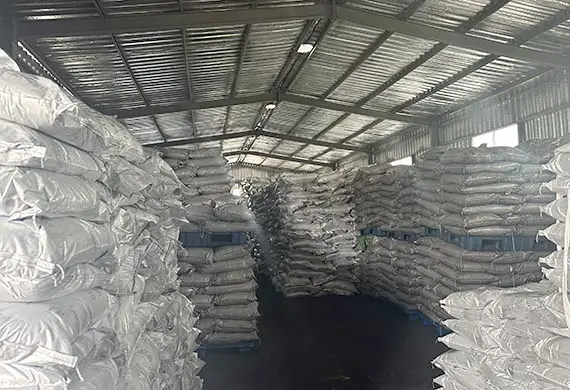
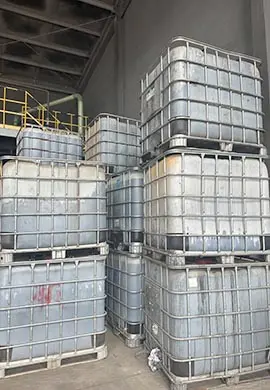
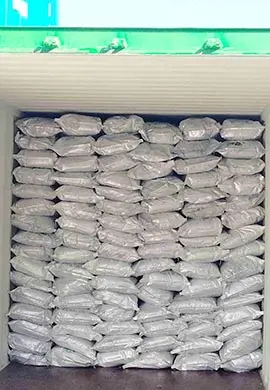

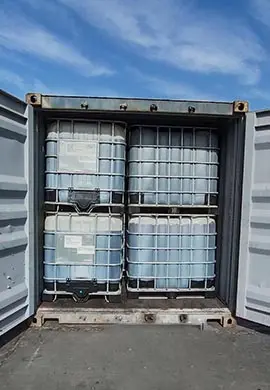
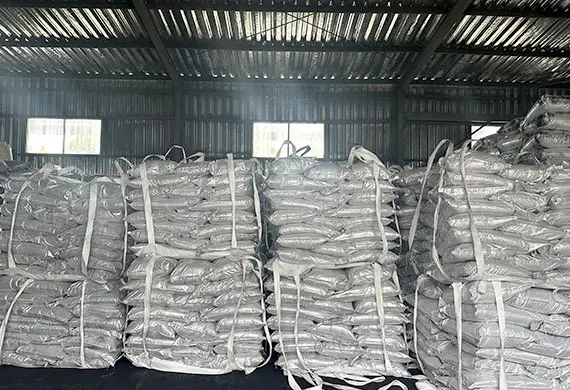
"We not only produce and export dyes and pigments but also prioritize long-term cooperation with our customers, providing them with quality services that exceed their expectations. Allow us to explain why choosing us is the best decision for your business."
Our business model focuses on supply continuity, color consistency, and ecological safety. By reducing variations between production batches, we help clients minimize manufacturing down-time and maintain stable product quality.
This section provides answers to common technical and regulatory questions received by our technical support department:
Rutile and Anatase are the two main crystal structures of titanium dioxide (TiO2). Rutile TiO2 has a higher refractive index (2.73) compared to Anatase (2.55), which gives it superior opacity, hiding power, and UV stability. It is the preferred grade for outdoor paints, industrial coatings, and plastics. Anatase TiO2 is less abrasive and has a bluer tone, making it suitable for paper, cosmetics, and internal fiber applications where UV exposure is minimal.
ZDHC Level 3 represents the highest level of compliance in the Roadmap to Zero program. It certifies that the manufacturer's chemical formulations are audited by an independent third party and do not contain substances restricted by the ZDHC MRSL. This helps textile and leather manufacturers prevent contamination issues and ensures compliance with international brand standards.
Solvent dyes are molecularly soluble in organic solvents and plastics. Because they dissolve directly into the polymer matrix, they provide high color transparency and tinting strength without scattering light. This makes them ideal for amorphous plastics like polystyrene (PS), polycarbonate (PC), and polymethyl methacrylate (PMMA). However, their thermal stability must match the processing temperature of the specific polymer to prevent migration or discoloration during molding.
Lightfastness depends on the chemical structure of the pigment molecule, its crystal form, particle size distribution, and the binder system used. Organic pigments like phthalocyanines and quinacridones offer superior resistance to photo-oxidation compared to simple azo pigments. To improve performance in outdoor coatings, manufacturers use inorganic surface treatments (such as silica or alumina encapsulation) to shield the organic core from UV radiation and moisture.
Sulphur Black is water-insoluble in its oxidized state. During the dyeing process, it is reduced to a soluble leuco form using reducing agents, allowing it to penetrate the cotton fiber. Once absorbed, it is oxidized back to its insoluble state inside the fiber. This chemical change provides good washing fastness. Proper washing and neutralization steps after dyeing prevent acid degradation and sulfur oxidation, preserving tensile strength.
Browse the second half of our specialized colorant range. These products are formulated for demanding industrial applications including textile processing, concrete coloring, and ink manufacturing.
 Sunrise