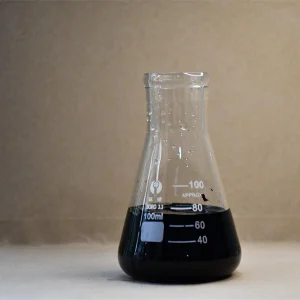
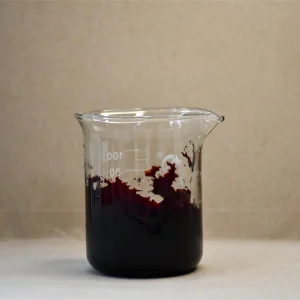
 Sunrise
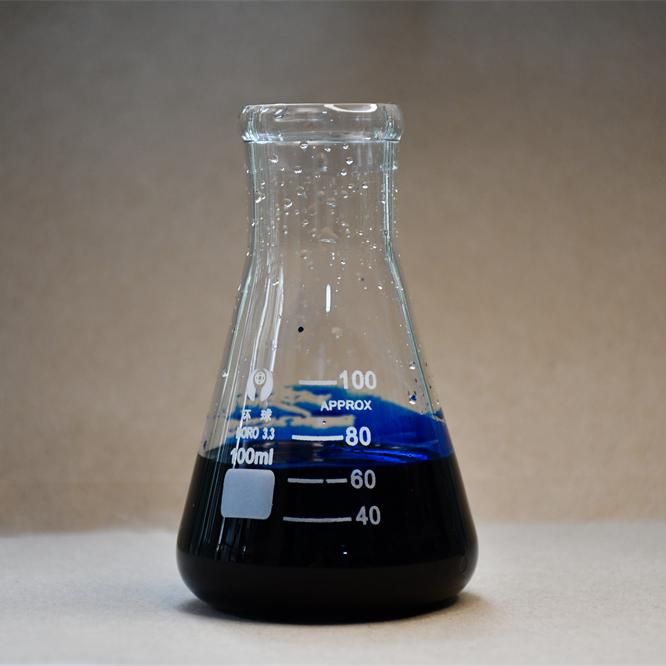


1 / 3
Make sure the fabric or material to be dyed is clean and free of any dirt, oil or impurities. Pre-wash fabric if necessary.
Prepare a dyebath by dissolving the required amount of Direct Blue 86 Dye in hot water. The specific dye to water ratio can vary depending on the shade and intensity desired. See manufacturer's instructions for recommended ratios.
Dip the fabric or material into the dye bath liquid blue 100% and agitate gently to ensure even dye penetration. Maintain a consistent temperature and stir occasionally to promote even color.
Once desired color is achieved, rinse dyed fabric thoroughly with cold water to remove excess dye. Then wash in warm or cold water with a mild detergent to remove any remaining dye. Finally, rinse again with cold water until the water runs clear.
Hang or lay the fabric flat in a well-ventilated place to dry out of direct sunlight as sunlight can cause fading. Once dry, iron the fabric at a temperature appropriate for the fabric type to set the dye.
Always follow the manufacturer's guidelines. Small tests on fabric scraps or samples are recommended to determine the desired color and assess any potential problems before proceeding with large scale dyeing.
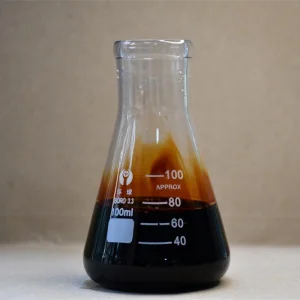
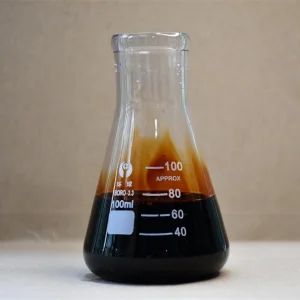
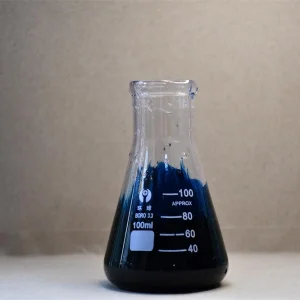
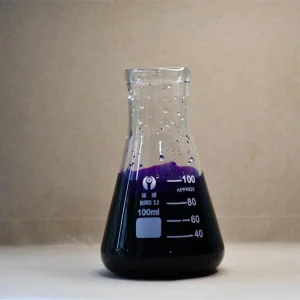
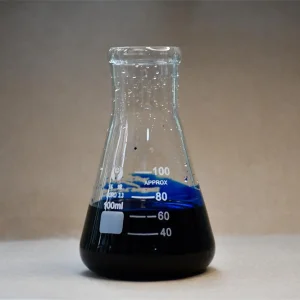
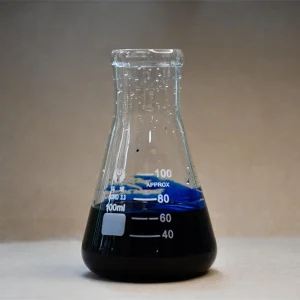
Liquid blue for paper dyeing choose our direct blue 86 liquid is the best.
Blue liquid color
For paper color dyeing
High standard packing options
Bright and intense paper color
| Specification Parameter | Details |
|---|---|
| Produce Name | Liquid Direct Blue 86 |
| C.I. NO. | Direct Blue 86 |
| COLOUR SHADE | Reddish |
| STANDARD | 100% |
Direct blue 86 liquid can be used for dyeing paper and textiles. Using liquid dye can be a fun and creative way to add color to a variety of projects, such as fabric dyeing, tie dyeing, and even DIY crafts.
Steps taken to guarantee the quality of products or services:
Define specific criteria and benchmarks that determine what defines a high-quality product or service for your business. This could include aspects like durability, reliability, performance, or customer satisfaction.
Provide comprehensive training to your employees to ensure they understand the importance of quality and are equipped with the skills and knowledge needed to maintain it. This can include training on quality control techniques, product knowledge, and customer service.