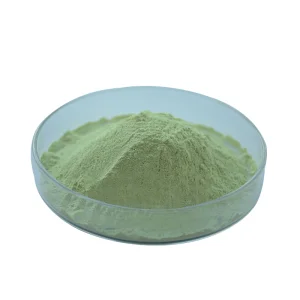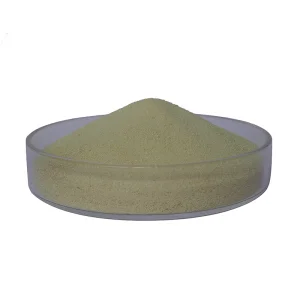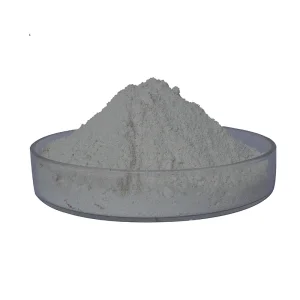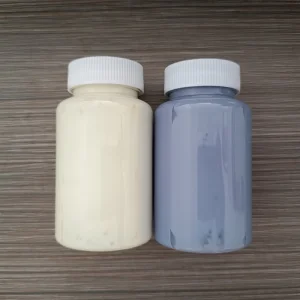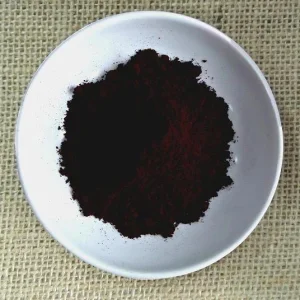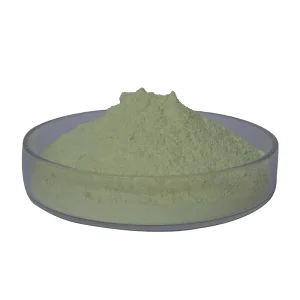
Optical Brightener Agents (OBAs), alternatively designated as Fluorescent Whitening Agents (FWAs), are chemical formulations engineered to dramatically elevate the perceived whiteness and brightness of substrates. In the modern manufacturing landscape, products ranging from synthetic polymers, writing paper, premium cotton textiles, to consumer detergents frequently exhibit a natural yellowish cast. This optical discoloration is primarily caused by the organic composition of these raw materials absorbing short-wave electromagnetic radiation within the ultraviolet and violet spectra.
The fundamental working mechanism of an OBA lies in its unique light absorption and emission properties. OBAs absorb invisible electromagnetic waves in the near-ultraviolet range (typically between 340 nm and 380 nm) and re-emit this energy within the visible blue-violet region (typically 400 nm to 440 nm). Through this process of fluorescence, the blue light emitted complements the inherent yellowish tint of the material, establishing an optical compensation effect. Consequently, the human eye perceives the combined light as a cleaner, brighter white.
Key Application Principle: Real-world industrial applications demand highly specialized molecular structures of OBAs, including stilbene, biphenyl, and coumarin derivatives. Choosing the correct chemical variant guarantees compatibility with temperature thresholds, pH environment, and mechanical processing conditions.
Tianjin Sunrise Chem Group specializes in manufacturing high-quality dyestuffs. Our comprehensive product portfolio includes Direct dyes, Acid dyes, Basic dyes, Sulphur dyes, Solvent dyes, Liquid dyes, and Fluorescent dyes. Backed by decades of industry and export experience, we have built a reputation for reliability and excellence, serving clients from diverse sectors including denim, textile, leather, paper, and plastic.
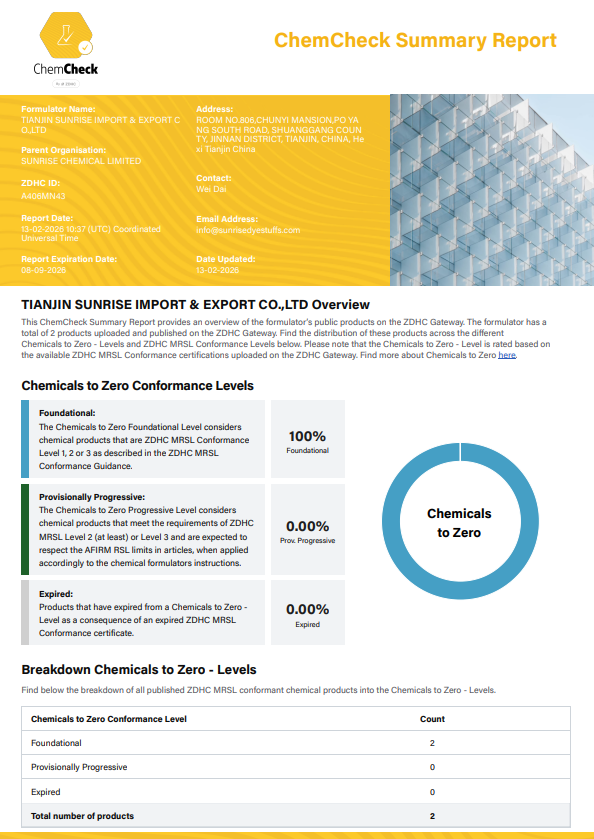
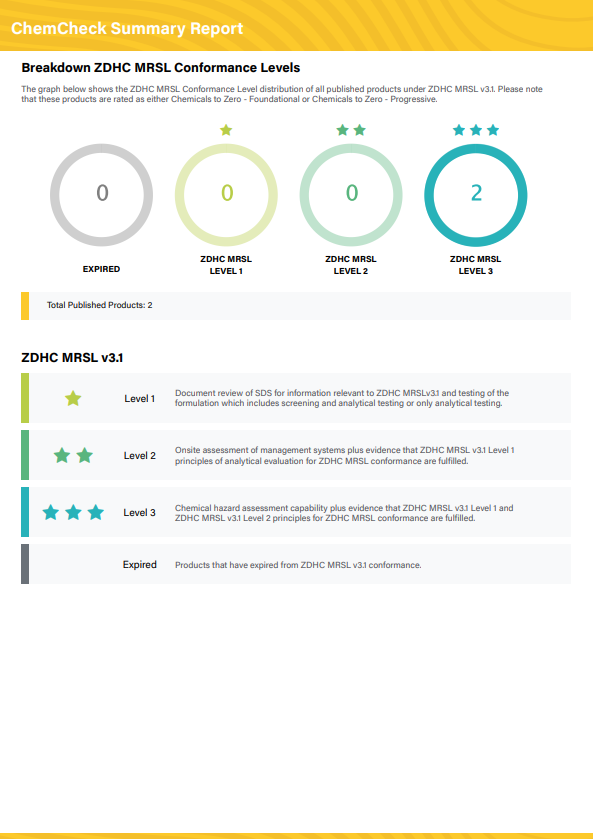
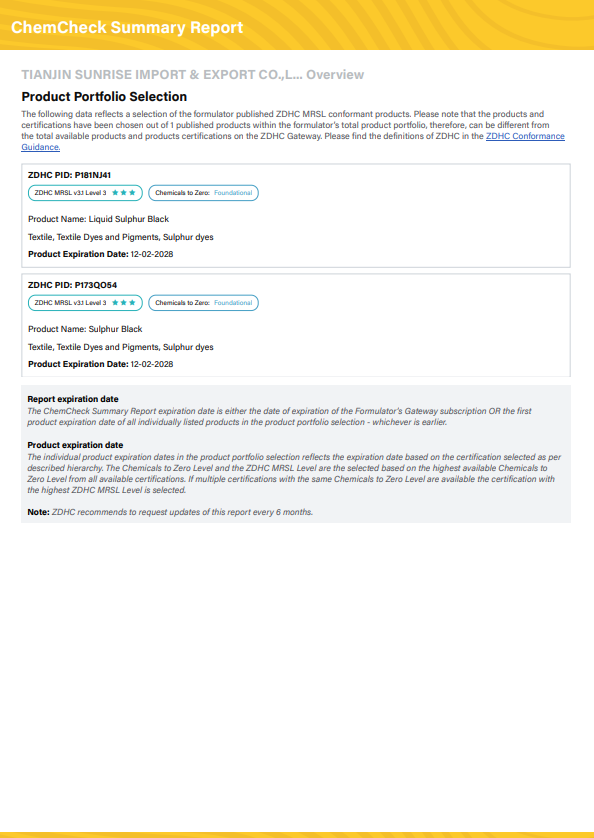
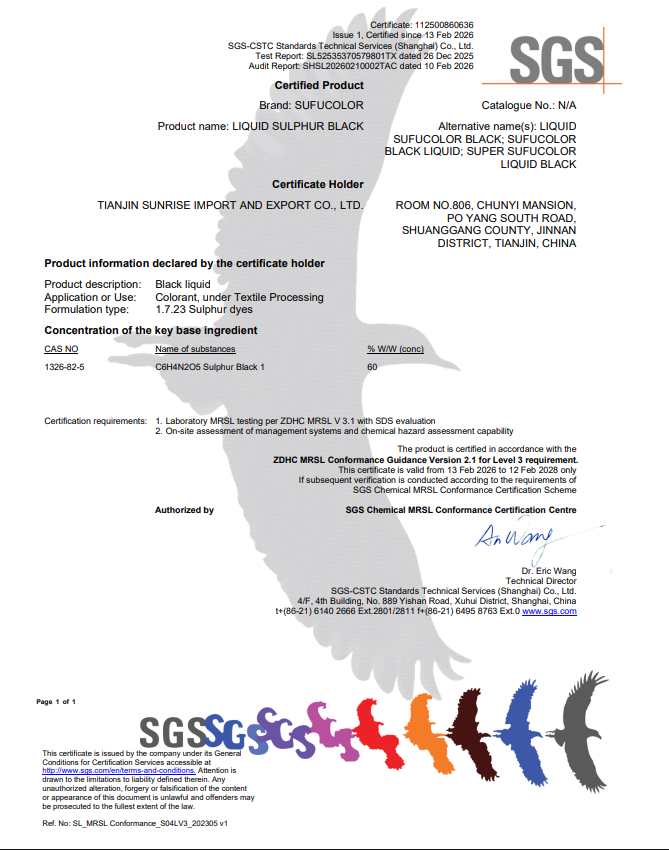
At SUNRISE, we always highly focus on the goods quality and stability. Each shipment is thoroughly tested before sending to the port. Our ZDHC level 3 and GOTS certificates make your quality guaranteed. We pride ourselves on offering customized solutions; our team of experts works closely with clients to understand their unique needs and delivers tailored products and services. We actively seek strategic partnerships to expand our reach and enhance our offerings. Collaborate with us to explore mutual growth opportunities.
Environmental protection is the cornerstone of our innovation. We dedicate ourselves to providing clients with eco-friendly, high-quality colorants that balance productivity with environmental harmony, driving the industry towards a more sustainable development path while delivering high-performance products—for a greener textile industry and a sustainable future.
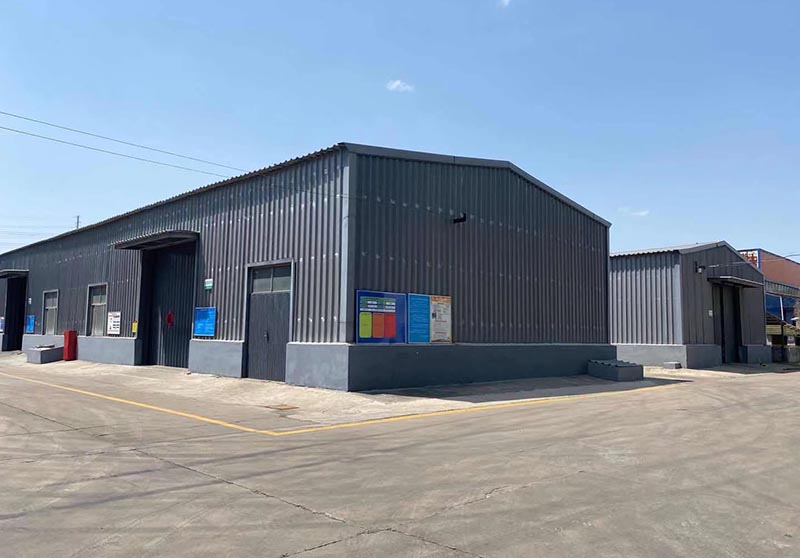
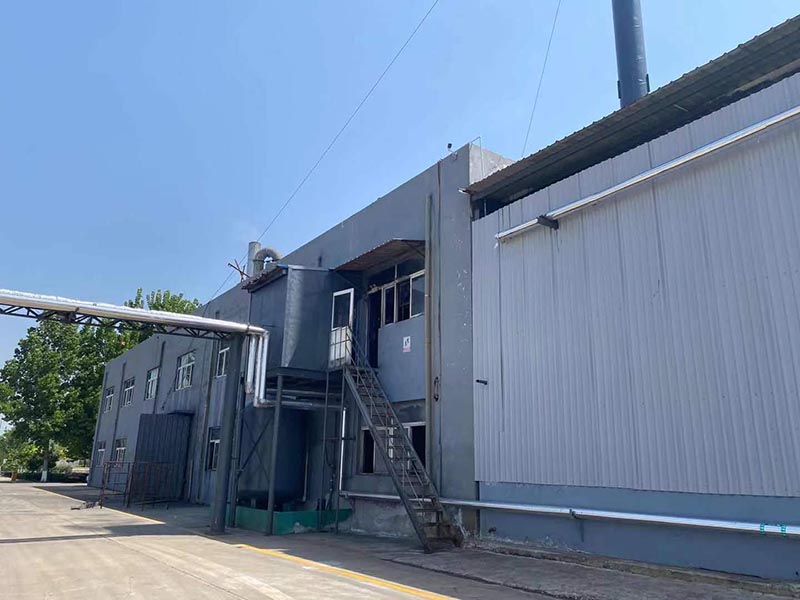
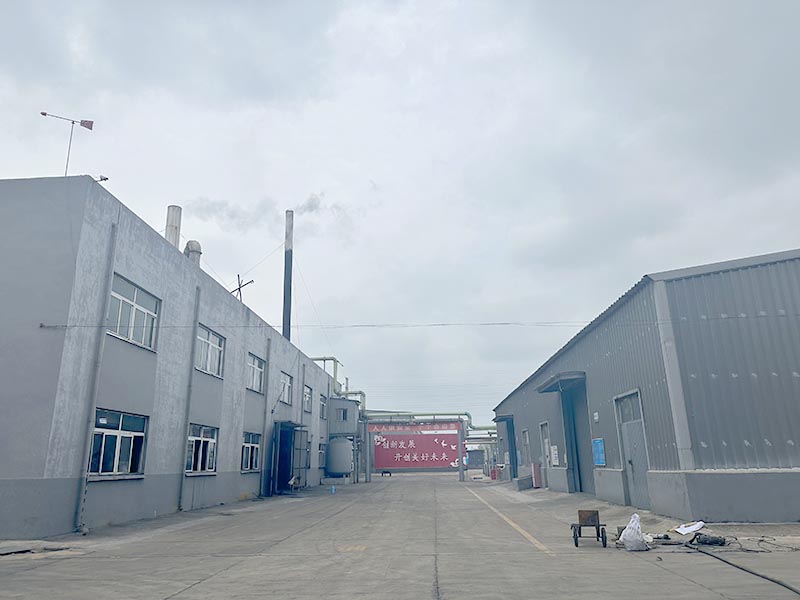
Sourcing Optical Brighteners and dyestuffs globally requires balancing product yield, stable raw material costs, and logistics. China's chemical supply chain is highly integrated, particularly around major industrial clusters. Located in the industrial belt of northern China, Tianjin Sunrise Chem Group utilizes nearby port access, raw material processing zones, and comprehensive energy infrastructure.
This physical proximity ensures that chemical precursors are procured efficiently, insulating global buyers from supply disruptions. Additionally, our automated multi-stage reaction vessels facilitate scale economies. With continuous production lines, Sunrise meets large bulk requests while keeping chemical properties within strict margins of error. This reliability ensures a stable price-to-performance ratio that smaller regional suppliers struggle to match.
Purchasing agents from multinational paper mills, plastic compounders, and textile finishers face distinct operational challenges. For instance, European paper manufacturers require optical brighteners that comply with Food Contact regulations and show high affinity for cellulose fibers to minimize environmental runoff. In contrast, polymer extruders in South America and the Middle East need OBAs that can withstand processing temperatures up to 300°C.
To meet these diverse needs, Sunrise offers specialized formulations:
High compatibility with finishing auxiliaries, providing wash-fast whitening for natural cotton fibers and polyester blends under varying pH environments.
Direct liquid brightener formulations that allow for automatic dosing in wet-end or surface sizing applications, optimizing production yield.
Thermally stable pigments and OBAs (such as OBA BA or BBU) that disperse evenly in polyethylene, polypropylene, and engineering plastics.
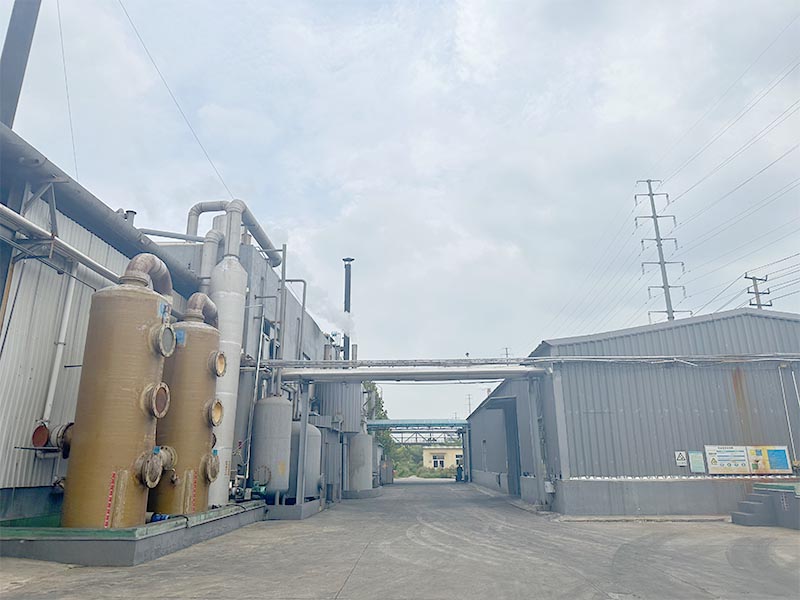
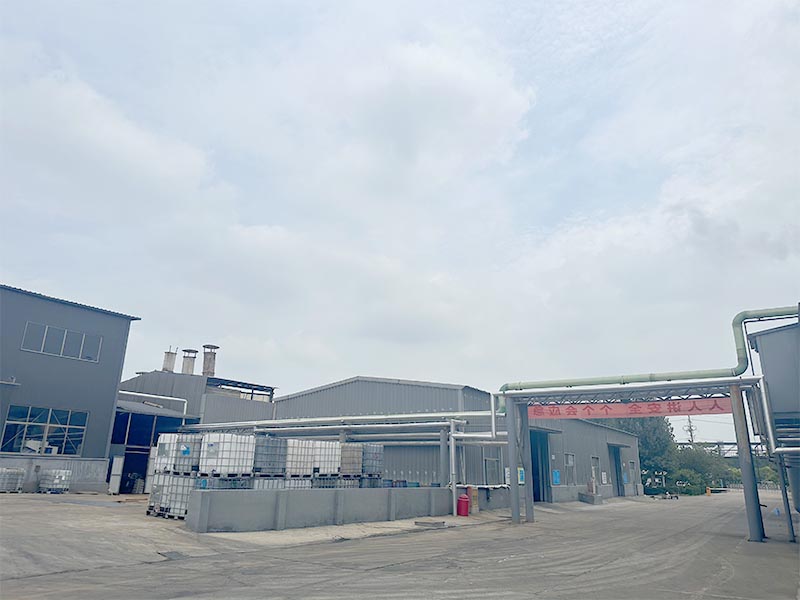
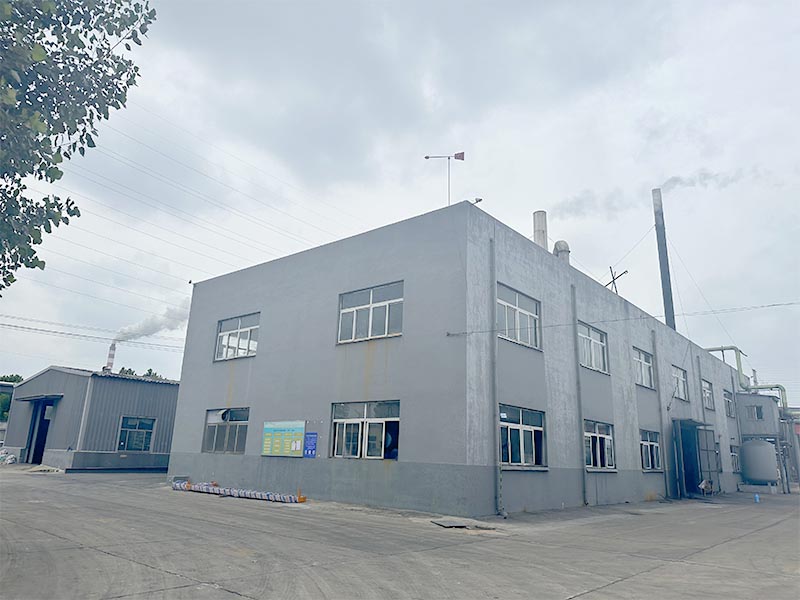
Compliance is a key factor in chemical sourcing. The Zero Discharge of Hazardous Chemicals (ZDHC) program is a collaborative effort by leading brands, retailers, and suppliers in the textile and footwear industry to reduce the use of hazardous chemicals. The focus of this certification is on eliminating the release of hazardous chemicals into the environment throughout the entire supply chain.
Achieving ZDHC Level 3 certification indicates that our company has implemented robust chemical management procedures and has met the stringent requirements for chemical handling, wastewater treatment, and pollution prevention.
Similarly, the Global Organic Textile Standard (GOTS) is a certification that ensures the organic status of textiles from the harvesting of raw materials to environmentally and socially responsible manufacturing. The GOTS certification guarantees that the textiles are made from organic fibers, that chemical inputs are minimized, and that strict environmental and labor standards are met throughout the production process. GOTS certified products are considered to be sustainable, safe, and ethical.
Both certifications are important in the context of sustainable and responsible textile production. ZDHC focuses on the elimination of hazardous chemicals, while GOTS certification guarantees the organic and ethical aspects of the textile production.
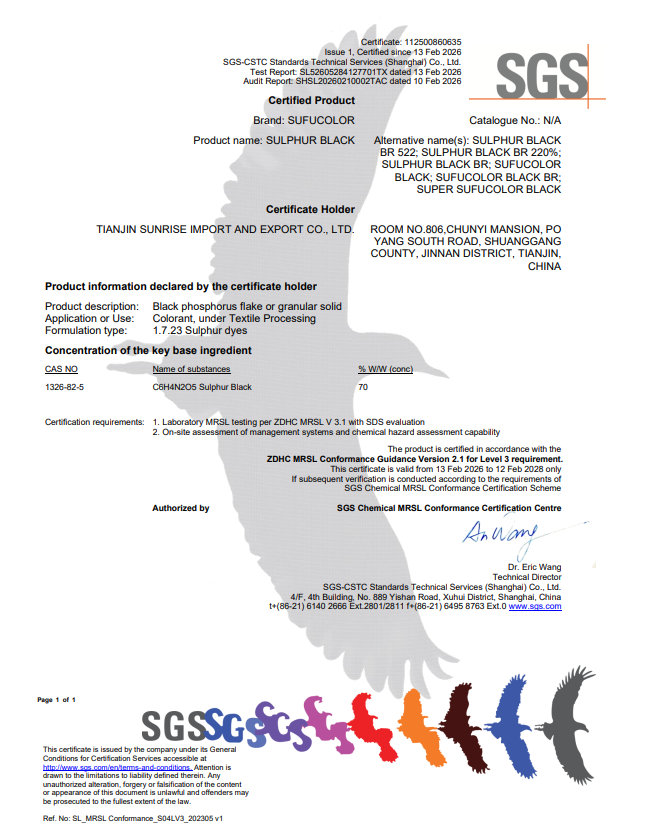
The optical brightener industry is moving toward high-solubility liquids, dust-free powders, and biodegradable active agents. In industrial mills, using automated dosing systems has made liquid dyes and brighteners more popular, as they improve dosing accuracy and reduce workplace airborne particulate levels.
Cooperating with textile and paper mills for many years shows that the factory has established a strong and reliable business relationship. This kind of long-term collaboration can bring numerous benefits, such as consistent orders, shared resources, and mutual support. It also indicates that the factory has a good track record of delivering quality products and meeting the needs of its partners.
Our mission is to drive business growth by providing reliable and customized products. Our goal is to make a significant contribution to our customers' success by consistently delivering first-class products and exceptional customer service. By building lasting partnerships, we strive to be a catalyst for our clients' success.
We not only produce and export dyes and pigments but also prioritize long-term cooperation with our customers, providing them with quality services that exceed their expectations. Choosing us is a reliable decision for your business.
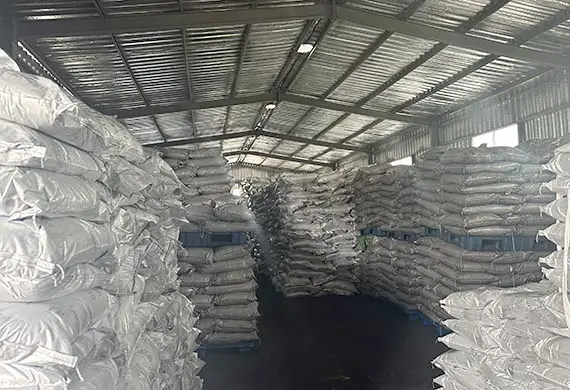
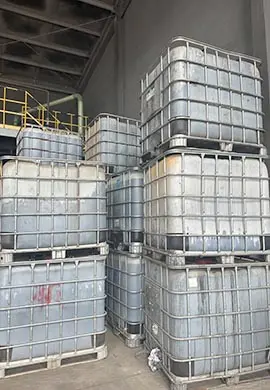
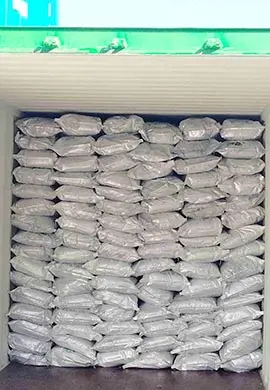

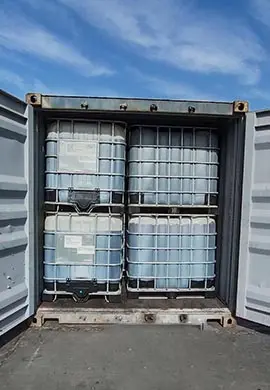
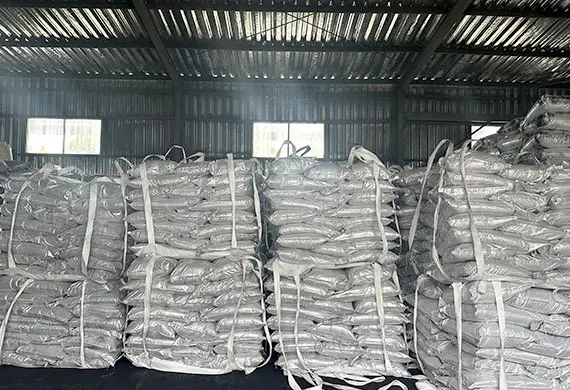
Our comprehensive production capacity stretches from specialized acid dyes to tailored structural brighteners. Below is a portfolio of our targeted product applications across textile, leather, wood staining, and agricultural processing sectors:
Detailed answers addressing core inquiries related to sourcing, regulatory standards, and physical properties of Optical Brighteners.
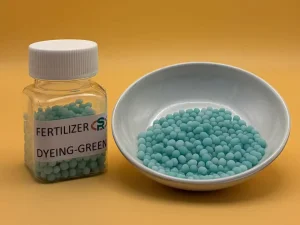
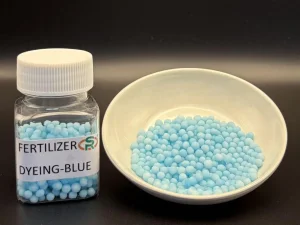
 Sunrise