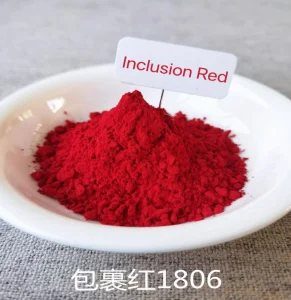
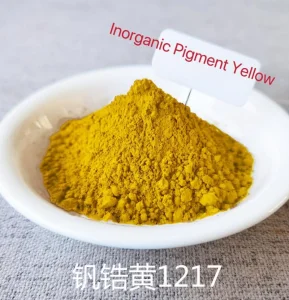
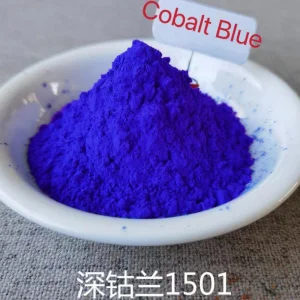
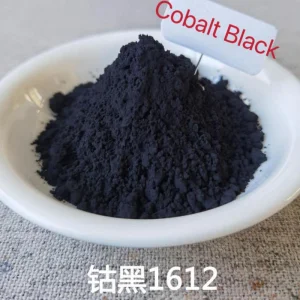
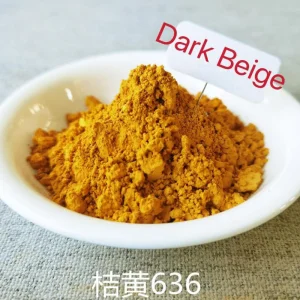
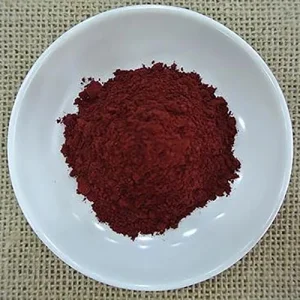
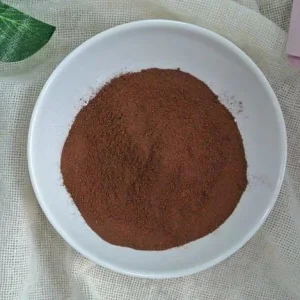
Engineered for extreme heat, stability, and color accuracy in ceramic bodies, glazes, and modern inkjet printing systems.
The modern architectural ceramics industry demands unprecedented precision, vivid color representation, and thermal resilience from raw colorants. Ceramic tile pigments, typically classified as complex inorganic color pigments (CICPs), must withstand firing temperatures exceeding 1200°C without undergoing phase transformation, structural breakdown, or color degradation. For procurement directors and raw material engineers in tile factories, selecting a reliable manufacturer is not merely about finding the lowest cost per metric ton; it is a critical step in securing stable rheological performance, high tinctorial strength, and absolute batch-to-batch consistency.
As digital inkjet printing dominates modern manufacturing, the particle size distribution ($D_{50}$ and $D_{90}$) and dispersibility of inorganic pigments determine the success of color preparations. This document outlines the technological integration of high-temperature stains, eco-friendly colorants, and the global compliance strategies implemented by leading Chinese factories to ensure supply chain resilience, cost efficiency, and environmental responsibility.
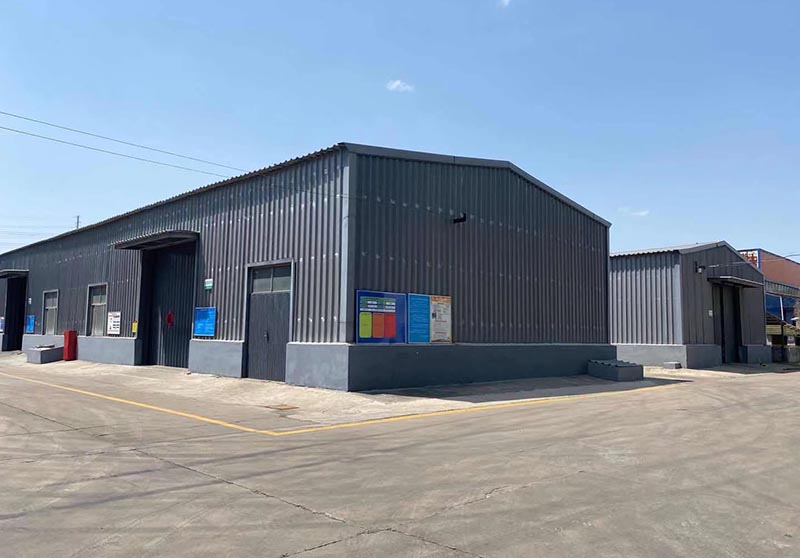
Decades of exporting experience, delivering unmatched color consistency and chemical stability globally.
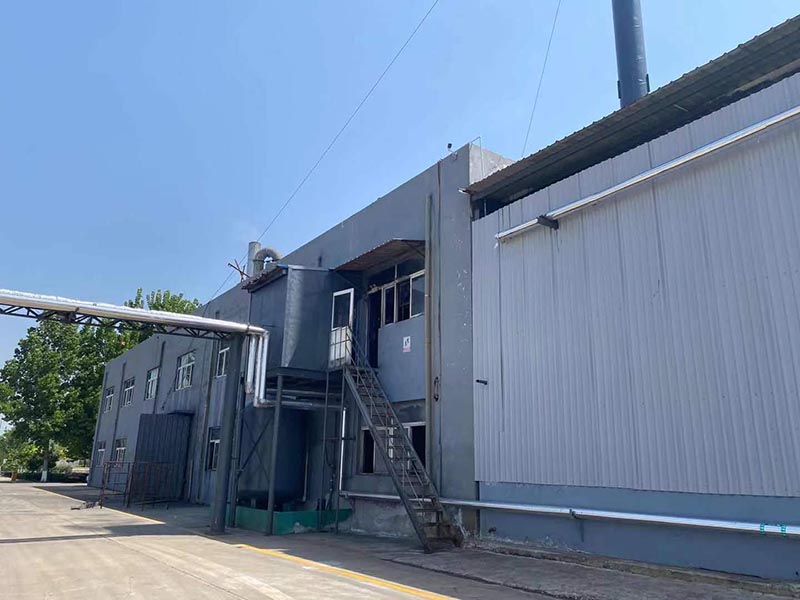
Tianjin Sunrise Chem Group, specializes in manufacturing high-quality dyestuffs. Including Direct dyes, Acid dyes, Basic dyes, Sulphur dyes, Solvent dyes, Liquid dyes and Fluorescent dyes.
Backed by decades of industry and export experience, we have built a reputation for reliability and excellence, serving clients from diverse sectors including denim, textile, leather, paper and plastic.
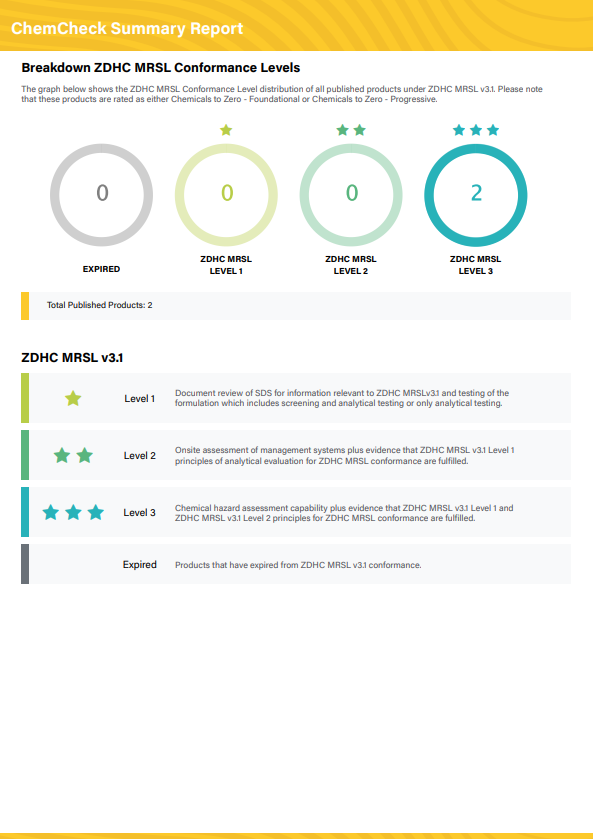
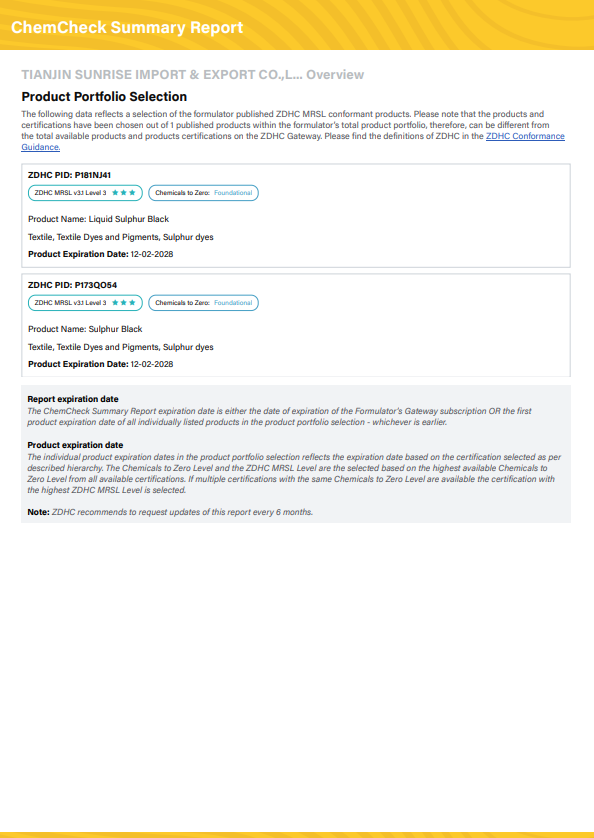
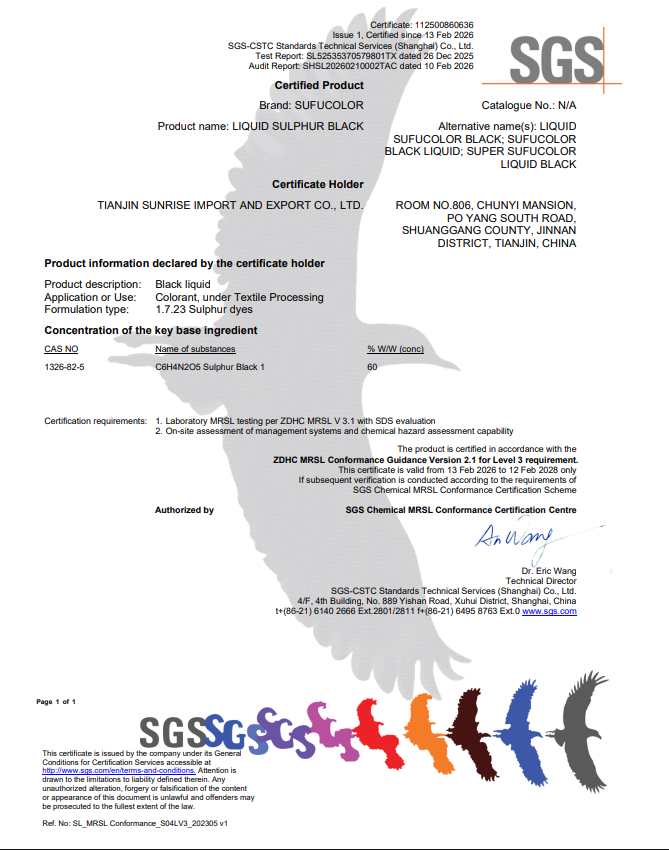
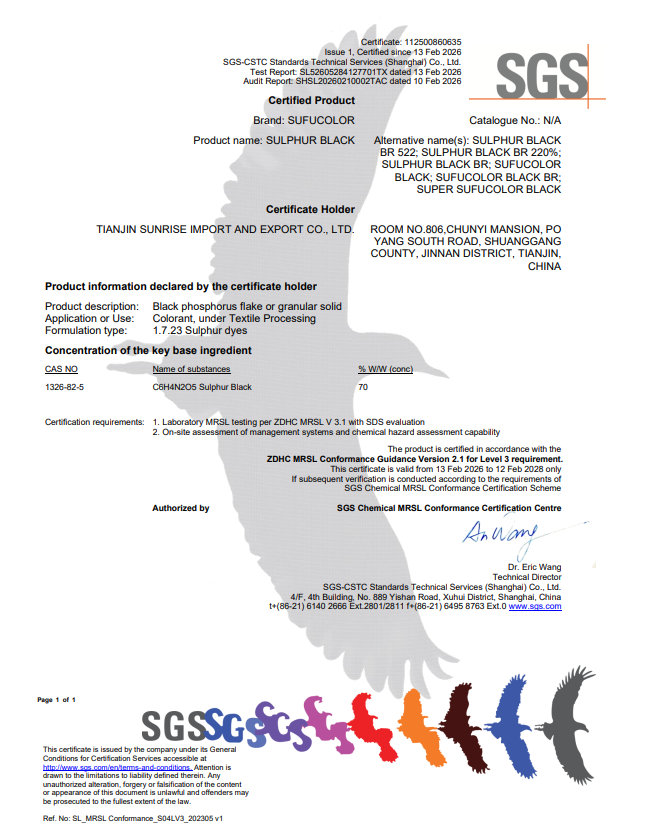
We always highly focus on the goods quality and stability. Each shipment has been tested before sending to the port. ZDHC level 3 and GOTS certificate makes your quality guaranteed.
We pride ourselves on offering customized solutions. Our team of experts works closely with clients to understand their unique needs and delivers tailored products and services. We actively seek strategic partnerships to expand our reach and enhance our offerings. Collaborate with us to explore mutual growth opportunities.
Environmental protection is the cornerstone of our innovation. We dedicate ourselves to provide clients with eco-friendly, high-quality colorants that balance productivity with environmental harmony, driving the industry towards a more sustainable development path while delivering high-performance products—for a greener textile industry and a sustainable future.
The synthesis of ceramic pigments relies heavily on calcination, a process where metal oxides react at solid-state levels within temperatures spanning from 1000°C to 1350°C. Modern engineering categorizes these pigments based on crystal structures which include:
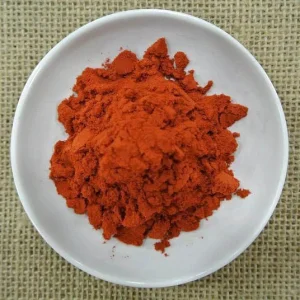
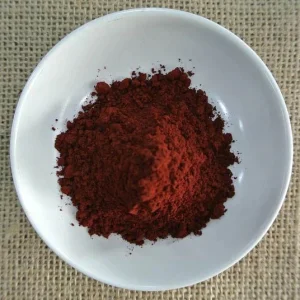
Exemplified by Zirconium Praseodymium Yellow and Zirconium Iron Pink, these pigments offer exceptional chemical resistance to molten glaze attacks at high temperatures, ensuring color fastness and durability in demanding conditions.
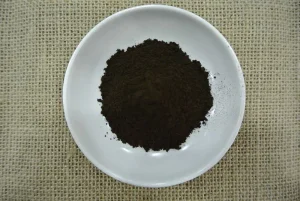
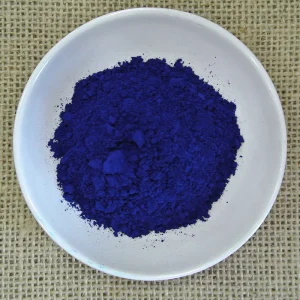
Including Cobalt Aluminum Blue and Iron Chrome Black. Spinel lattices present a stable thermal matrix, preventing chromophores from dissolving into the surrounding silica-based glaze formulations during high-heat kiln cycles.
Widely utilized in yellow, beige, and tan body stains. By replacing titanium ions with chrome, antimony, or manganese, suppliers achieve cost-effective and highly stable shades for bulk ceramic porcelain production.
Traditionally, ceramic glazes were colored using dry-blend or wet-milled glaze stains with particle sizes averaging between 5 and 15 microns. However, the rise of digital single-pass inkjet printers in major Italian, Spanish, Chinese, and Indian tile factories necessitated a technological shift. Modern ceramic inks require nano-dispersions where pigment particles are milled below 1 micron—ideally with a $D_{50}$ of approximately 250nm to 350nm.
Without meticulous surface modification, organic dispersant integration, and phase stability, nanoparticles quickly agglomerate, causing nozzle clogging, erratic printhead deflection, and catastrophic production downtime. Consequently, forward-looking suppliers like Sunrise Chem invest extensively in raw materials that boast clean, well-controlled calcination curves, ensuring zero structural defects prior to microscopic wet bead milling.
Modern raw material sourcing agents require dynamic chemical portfolios that span several overlapping industries. A reliable pigment supplier must offer tailored colorant formulations that meet the strict physical and ecological requirements of distinct sectors, ensuring versatility and adaptability across various manufacturing streams.
For double-charging, rustic glazes, and sanitaryware bodies, inorganic pigments must survive firing cycles ranging from 45 to 90 minutes at temperatures exceeding 1200°C. Here, Zirconium-based and Spinel stains prevent color fade and glaze pinholing. Sourcing agents demand low iron and titanium impurities in white ceramic glazes to maintain pristine, high-gloss finishes.
Cooperating with textile and paper mills for many years shows that the factory has established a strong and reliable business relationship. This kind of long-term collaboration can bring numerous benefits, such as consistent orders, shared resources, and mutual support. It also indicates that the factory has a good track record of delivering quality products and meeting the needs of its partners. Our mission is to drive business growth by providing reliable and customized products. Our goal is to make a significant contribution to our customers' success by consistently delivering first-class products and exceptional customer service. By building lasting partnerships, we strive to be a catalyst for our clients' success.
Polymers like PE, PP, and PVC require colorants that remain stable during high-shear melt-extrusion (typically 200°C - 300°C). Solutions like Iron Oxide Black 27 and Pigment Blue 15:0 are crucial for plastics, providing exceptional lightfastness, weatherability, and migration resistance in masterbatch compounds.
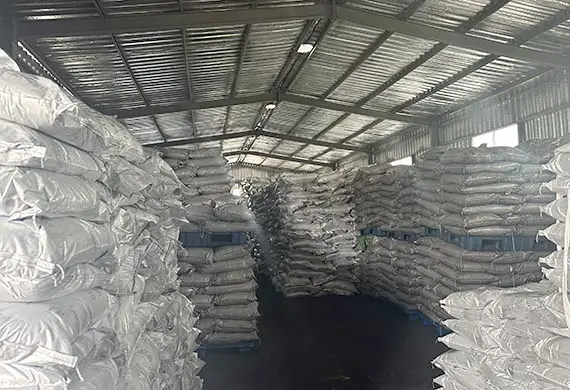
Operating from industrialized chemical corridors in Northern and Eastern China, modern dye and pigment factories have transformed their infrastructure. By transitioning from batch processing to automated continuous rotary calcination kilns, companies reduce energy waste and optimize raw material conversion rates. Key advantages include:
This systematic shift toward automation enables Chinese chemical factories to maintain stable prices and consistent supply chains, even amidst fluctuating global raw material markets.
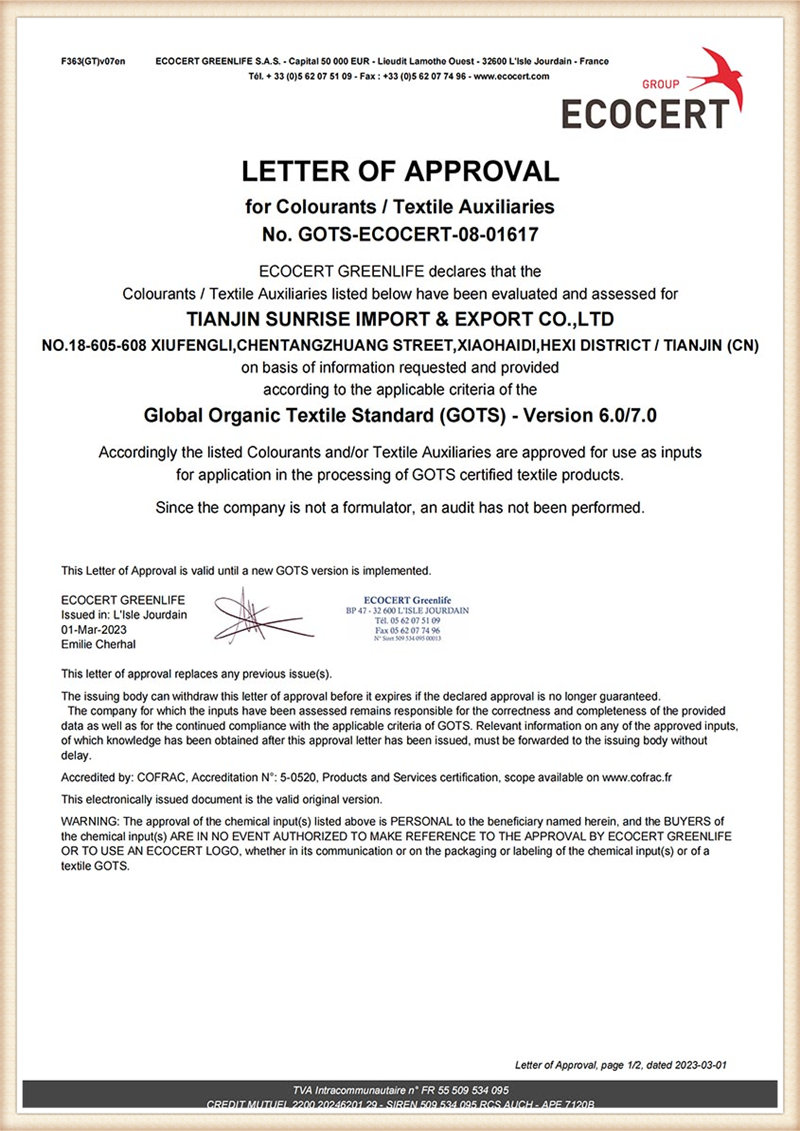
In today's regulatory climate, chemical safety and supply chain traceability are vital. Modern procurement teams in North America and Western Europe require independent verification of chemical safety, environmental safety, and ethical labor standards before onboarding new vendors.
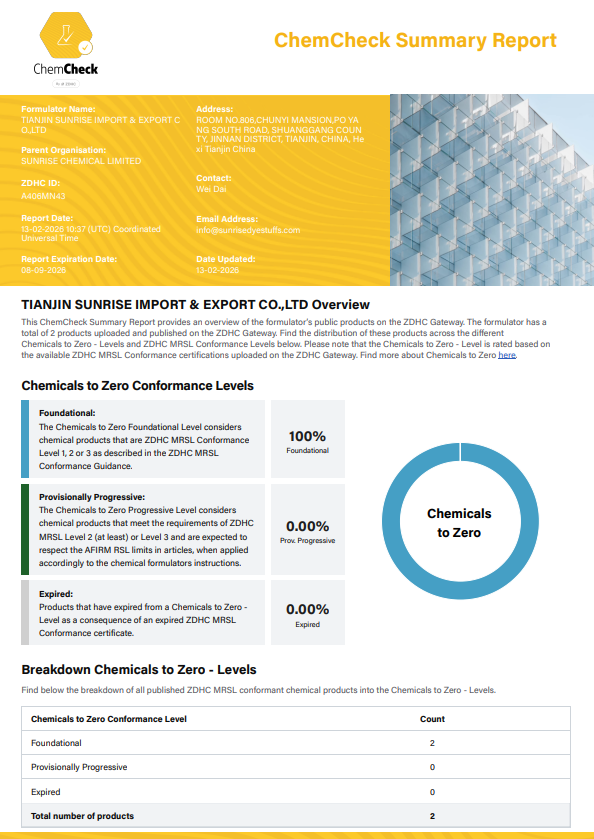
The ZDHC (Zero Discharge of Hazardous Chemicals) program is a collaborative effort by leading brands, retailers, and suppliers in the textile and footwear industry to reduce the use of hazardous chemicals. The focus of this certification is on eliminating the release of hazardous chemicals into the environment throughout the entire supply chain. Achieving ZDHC certification indicates that our company has implemented robust chemical management procedures and has met the stringent requirements for chemical handling, wastewater treatment, and pollution prevention.
The Global Organic Textile Standard (GOTS) is a certification that ensures the organic status of textiles from the harvesting of raw materials to environmentally and socially responsible manufacturing. The GOTS certification guarantees that the textiles are made from organic fibers, that chemical inputs are minimized, and that strict environmental and labor standards are met throughout the production process. GOTS certified products are considered to be sustainable, safe, and ethical.
Both certifications are important in the context of sustainable and responsible textile production. ZDHC focuses on the elimination of hazardous chemicals, while GOTS certification guarantees the organic and ethical aspects of the textile production.
With years of experience, we have successfully established strong partnerships in many countries. Our dedication to meeting global demands and exceeding customer expectations has earned us a reputation as a reliable supplier worldwide.

We firmly believe in building relationships with our clients based on trust and mutual benefit. We know that our customers' success is our success, so we are committed to providing quality services to meet their needs. Our dedicated customer support team is on hand to address any questions or concerns you may have. We value your feedback and strive to continuously improve our operations to serve you better. Our purpose is not just to supply dyes, but to be your trusted partner in achieving your business goals. By choosing us, you choose a partnership built on reliability, transparency and mutual success.
In a word, when choosing a dye factory with stable supply, high quality and excellent service, we are your best choice. With our attractive range of dyestuffs, coupled with our professional and customer-centric approach, we assure you that your decision to choose us as your preferred dyestuff factory will be a fruitful one. Contact us today and let's embark on a journey to success together.
Answers to critical chemical, application, and compliance questions compiled by our technical directors.
The stability of ceramic pigments is primarily dictated by the crystalline host lattice (e.g., Zircon structure, Spinel structure). At high temperatures, the metal chromophores are chemically locked inside these lattices, preventing them from dissolving into the silica-based glaze flux. Proper calcination during synthesis is crucial to ensure complete crystalline formation, which protects the pigment from chemical decomposition.
ZDHC Level 3 is the highest tier of chemical compliance. It verifies that the chemical formulation, manufacturing processes, and final products do not contain hazardous chemical substances banned under the ZDHC MRSL (Manufacturing Restricted Substances List). Level 3 status confirms that the factory actively monitors and controls its raw materials, chemical reactions, and wastewater discharge.
Digital printheads utilize microscopic nozzles that are sensitive to pigment size. Traditional glaze stains (particle size > 5 microns) quickly clog printheads. Modern ceramic inks require nano-scale pigment dispersions (ideally $D_{50} < 0.35$ microns). Accurate particle size distribution is necessary to ensure stability, prevent sediment build-up, and deliver clear, high-resolution printing.
Yes. By adjusting raw oxide ratios, mineralizer additives, and the temperature profiles of our calcination kilns, our R&D team can customize ceramic pigments to match specific firing cycles (fast firing vs. slow firing) and glaze systems (lead-free, zinc-containing, or high-boron glazes).
High-purity organic colorants, solvent dyes, and eco-certified chemicals engineered for textiles, masterbatches, and paper processing.
 Sunrise