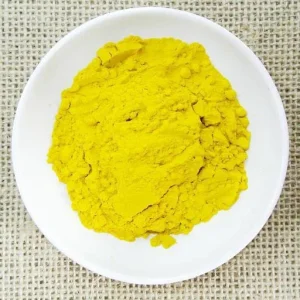
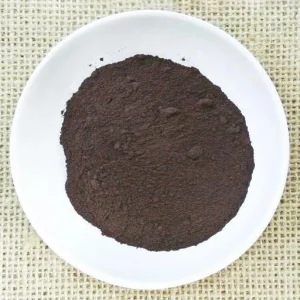
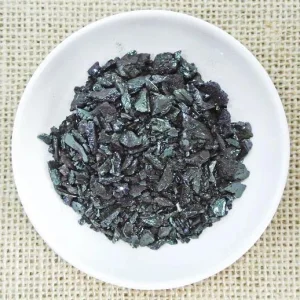
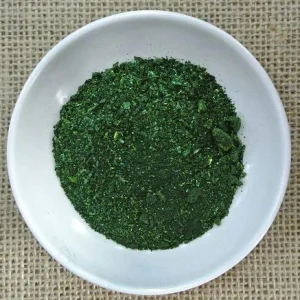
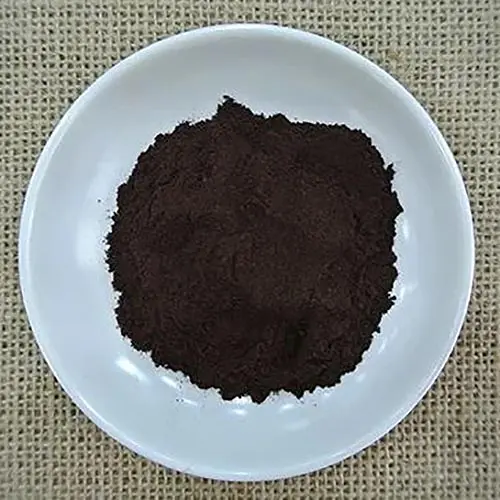
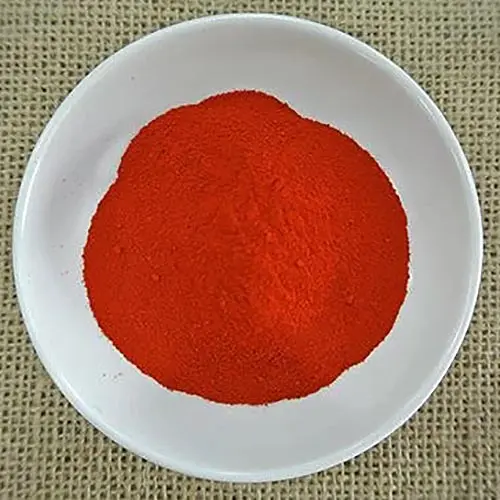
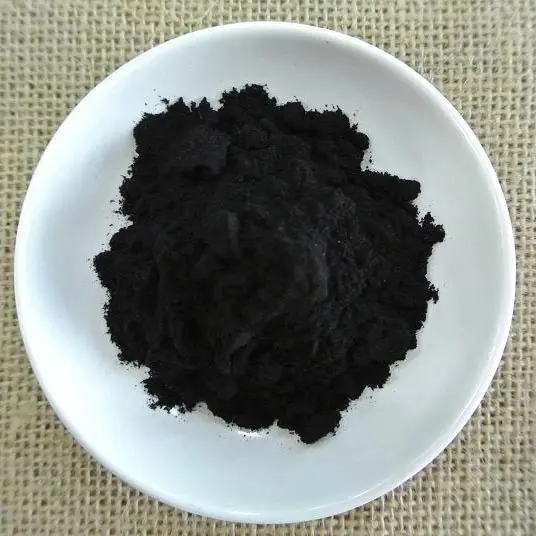
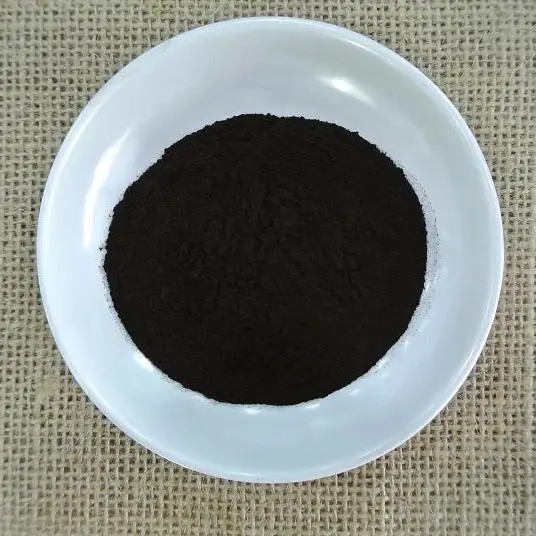
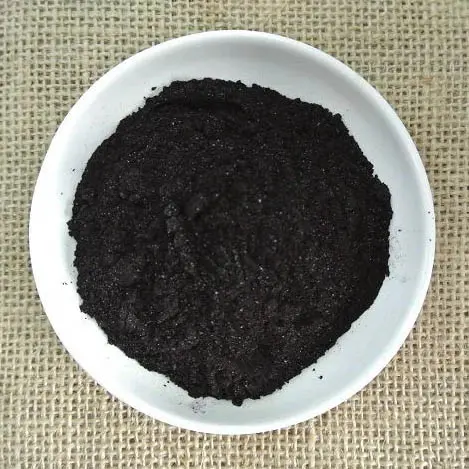
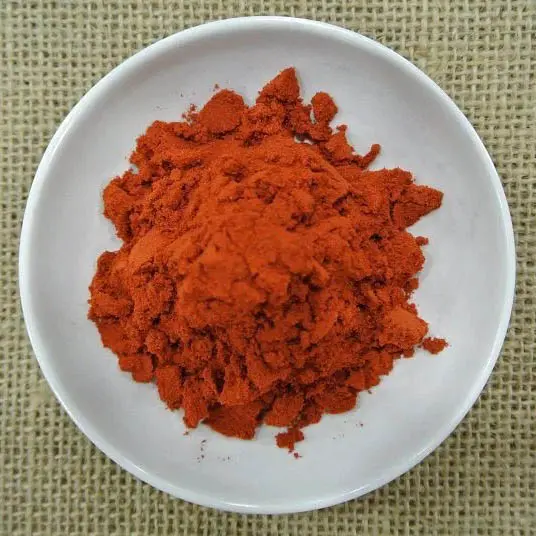
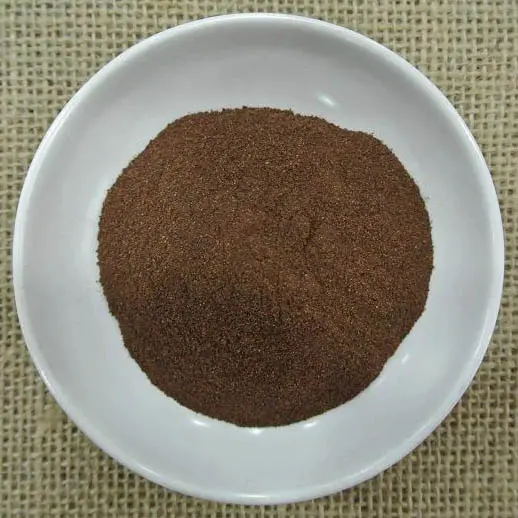
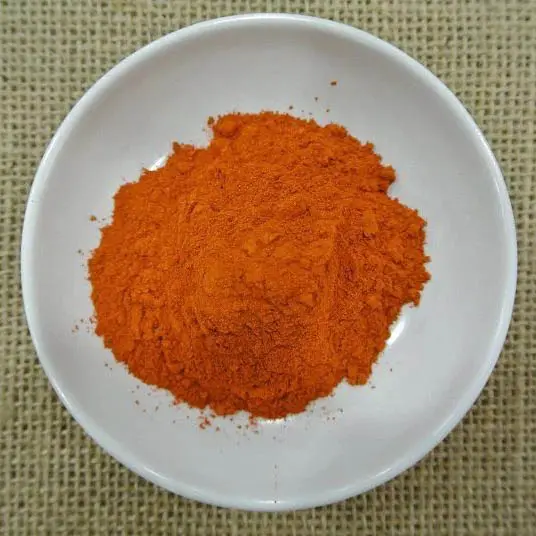
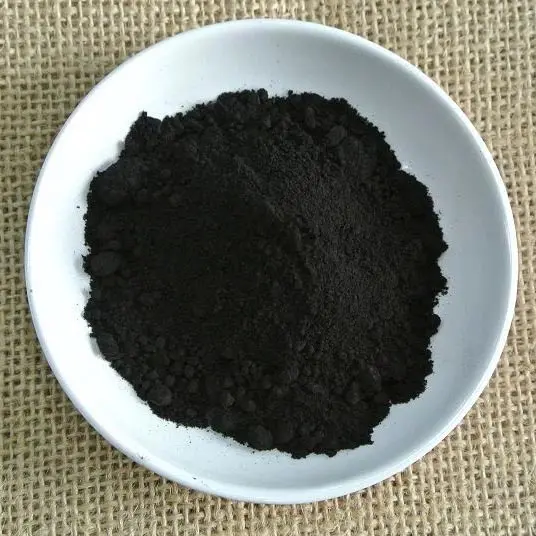
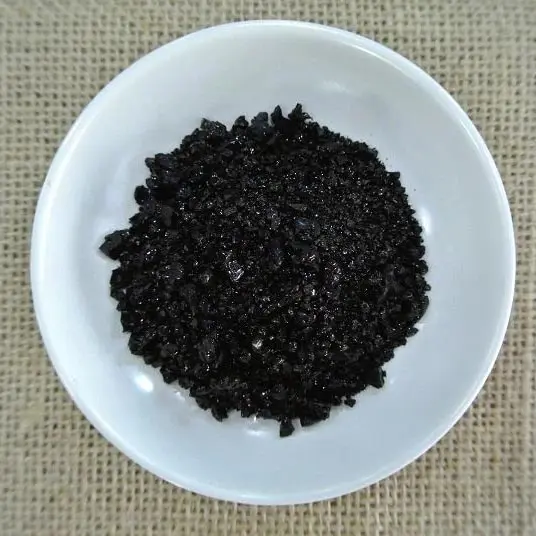
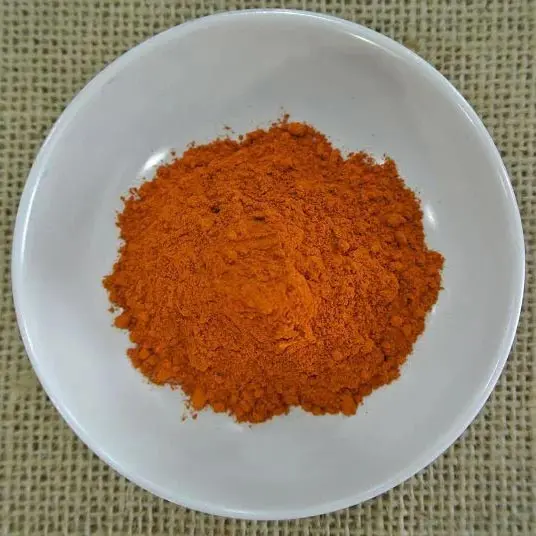
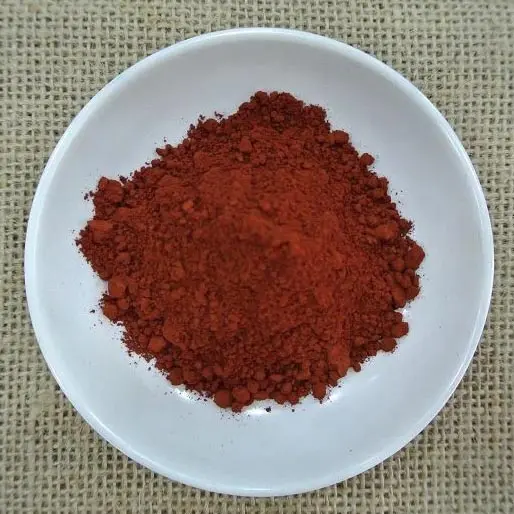
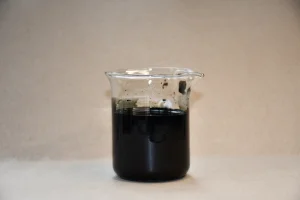
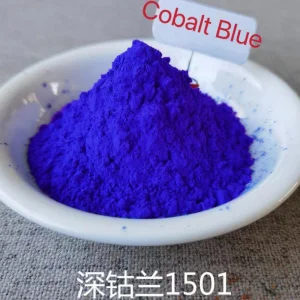
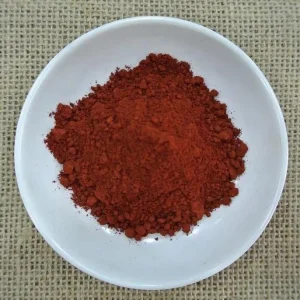
Explore our top-tier cationic colorants optimized for paper dyeing, acrylic fibers, leather applications, and industrial products.
Basic dyes, fundamentally known as cationic dyes, are water-soluble salts containing positively charged chromophores. Their molecular structure allows them to exhibit unparalleled affinity for negatively charged substrates. This electrostatic attraction makes basic dyes the absolute standard for coloring synthetic fibers (specifically polyacrylonitrile or acrylics), modified polyesters, cationic dyeable nylons, and cellulose-rich materials like wood pulp and unbleached papers.
In the current global chemical manufacturing ecosystem, the demand for high-strength, brilliant-shade dyestuffs is escalating. Industries ranging from traditional textiles to high-tech diagnostic reagents require strict batch-to-batch consistency. As leading basic dyes suppliers, modern manufacturers must transition from mere bulk output to precise molecule manipulation—ensuring maximum color yield, high thermal stability, and reduced chemical footprints.
How leading manufacturing divisions integrate cationic dyestuffs to achieve high fastness, brilliant hues, and cost efficiency.
Basic dyes such as Auramine O, Bismark Brown G, and Methyl Violet 2B are highly sought after in the paper industry. Because unbleached mechanical pulp and wastepaper contain significant amounts of lignin (which contains free phenolic hydroxyl groups and carries an anionic charge), basic dyes bond instantly without mordants. This creates highly economical, intensely colored boards, kraft papers, and tissue wrap.
With the advent of polyacrylonitrile (acrylic) fibers, basic dyes gained absolute dominance. Acrylic fibers contain acidic groups (sulfonic or carboxylic acid groups) introduced during polymerization. Cationic dyes align perfectly with these sites, producing shades with excellent lightfastness and wetfastness, outperforming all other dye categories on synthetic blends.
Beyond traditional fabrics, basic colorants like Rhodamine B and Malachite Green serve specialized niche sectors. These include the coloration of mosquito coils, incense, agricultural seed dressing (color coding), wood stains, and non-destructive crack-detection fluids in engineering inspection fields.
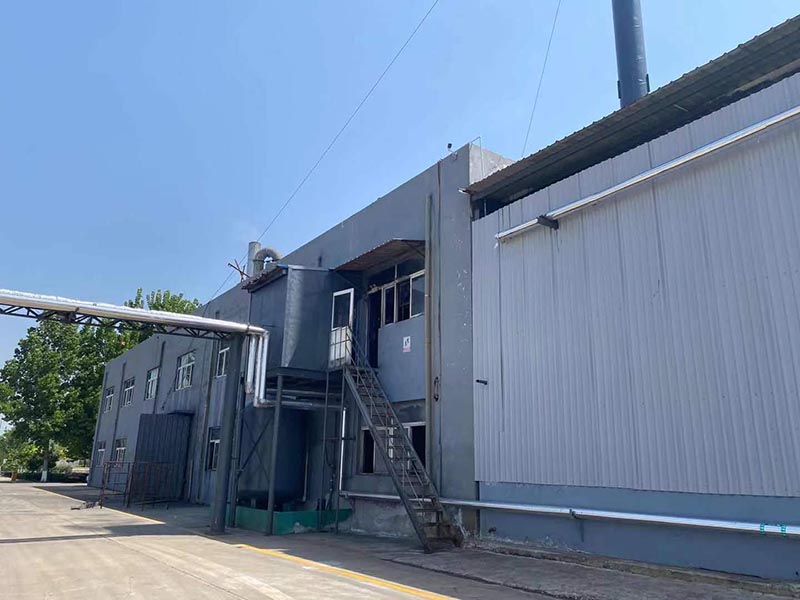
Tianjin Sunrise Chem Group specializes in manufacturing and exporting high-quality dyestuffs. Our comprehensive color portfolio includes Direct Dyes, Acid Dyes, Basic Dyes, Sulphur Dyes, Solvent Dyes, Liquid Dyes, and Fluorescent Dyes.
Backed by decades of industry and export experience, we have built a worldwide reputation for reliability and excellence. We serve global clients across diverse sectors including denim, textiles, leather tanning, paper production, and plastics processing.
Cooperating with textile and paper mills for many years demonstrates that the factory has established a strong and reliable business relationship. This kind of long-term collaboration brings numerous benefits, such as consistent orders, shared resources, and mutual support. It also indicates that the factory has a good track record of delivering quality products and meeting the needs of its partners. Our mission is to drive business growth by providing reliable and customized products.
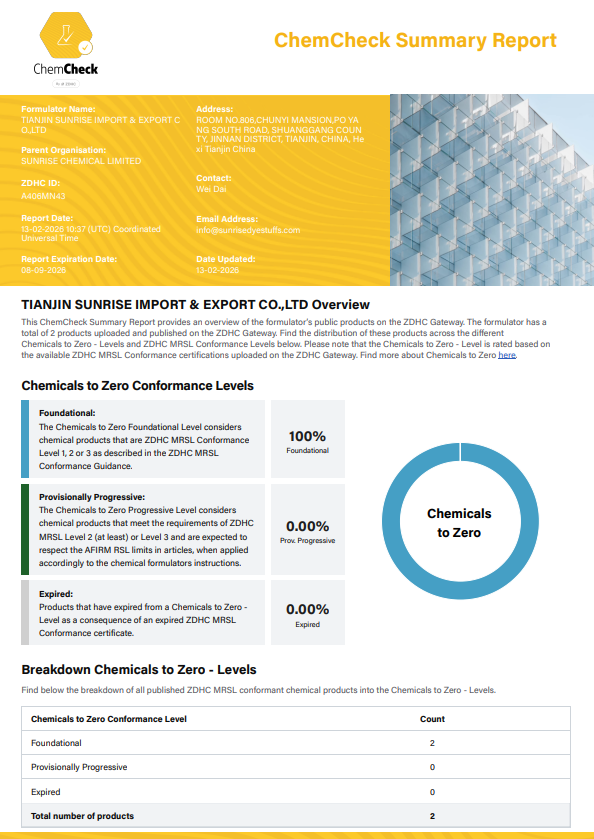
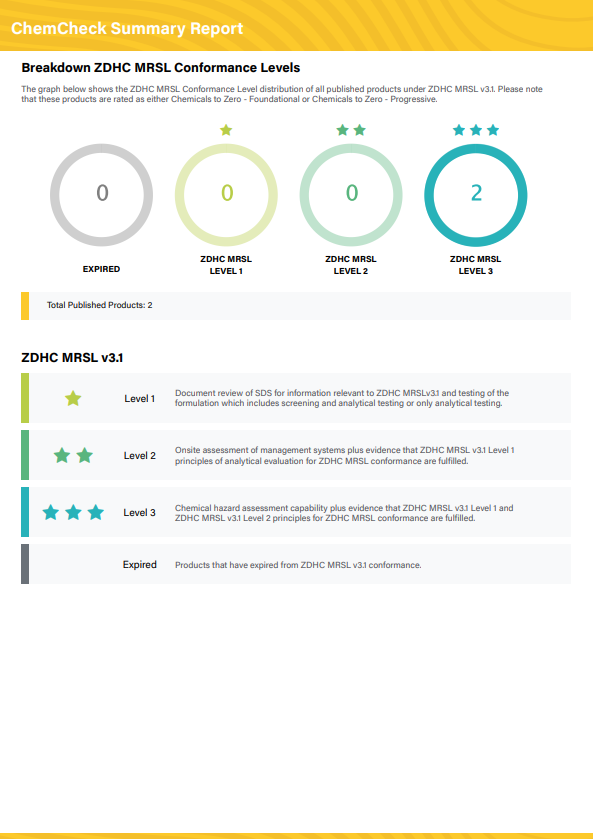
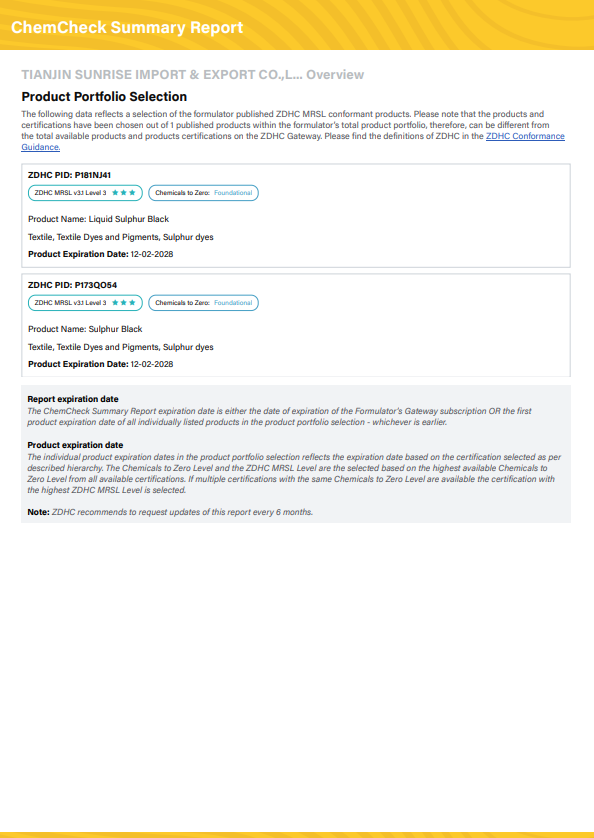
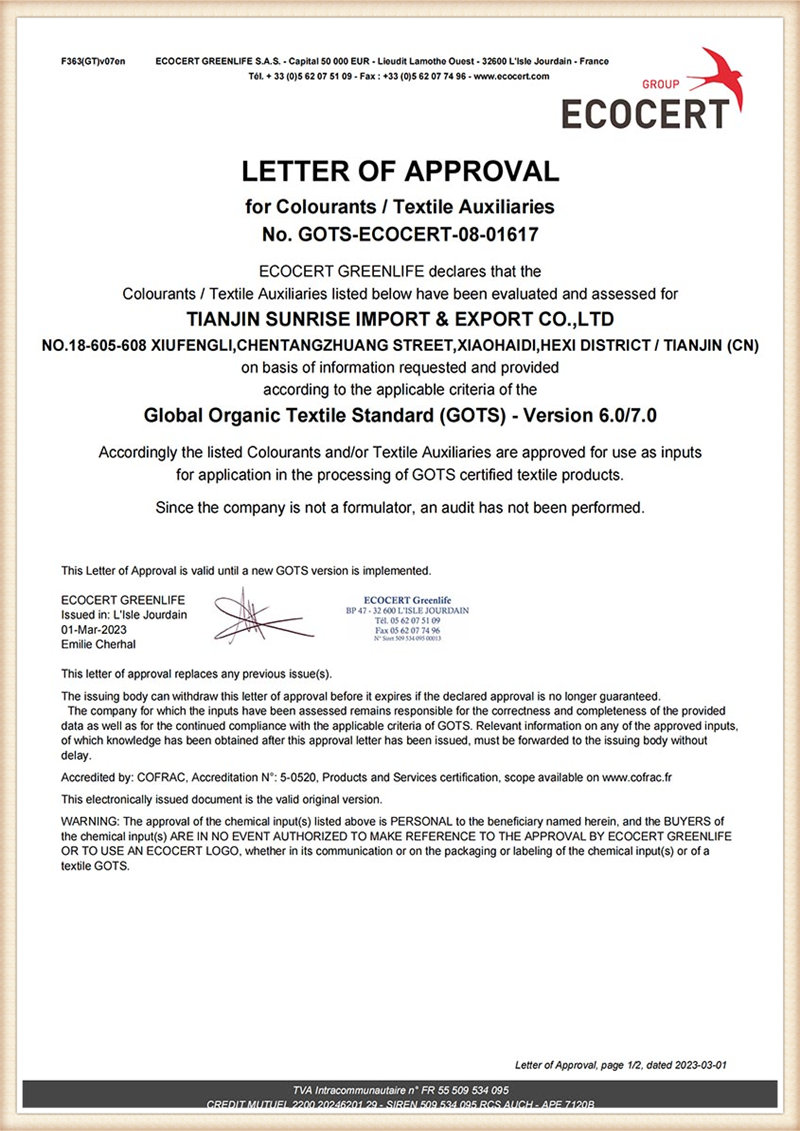
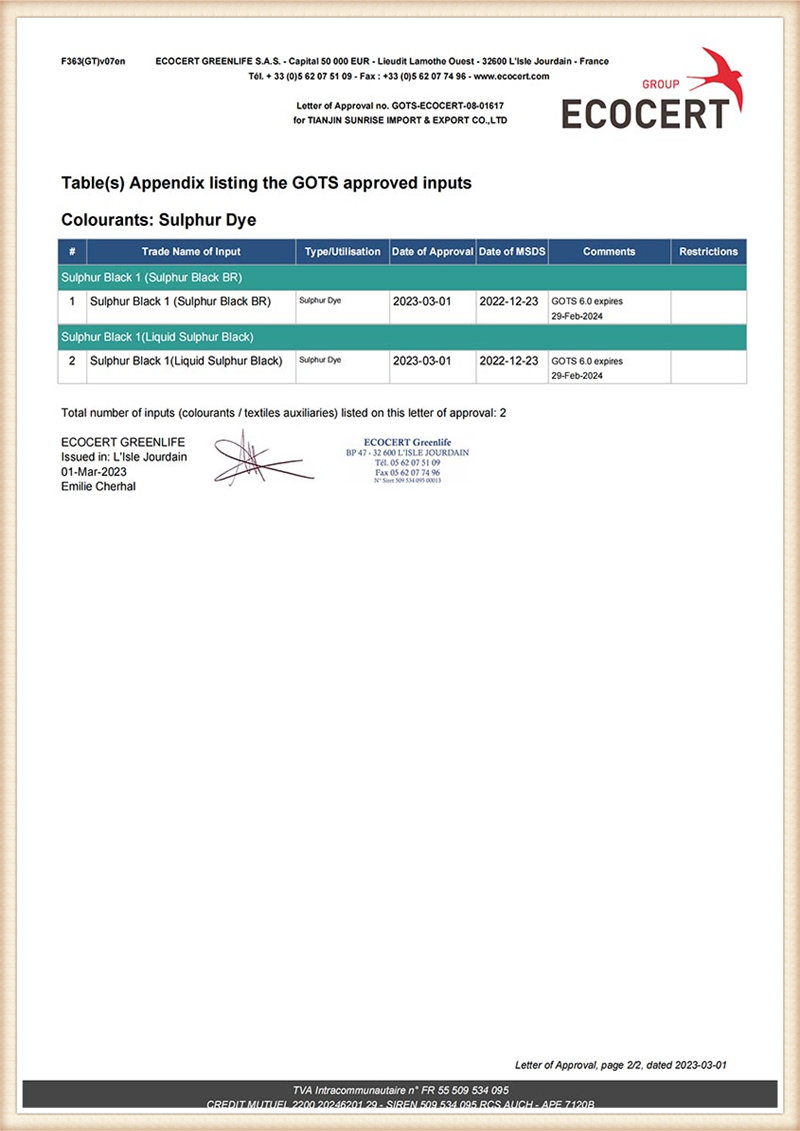
Environmental protection is the cornerstone of our innovation. We dedicate ourselves to providing clients with eco-friendly, high-quality colorants that balance productivity with environmental harmony, driving the industry towards a more sustainable development path while delivering high-performance products—for a greener textile industry and a sustainable future.
To meet these rigorous criteria, Sunrise Chem adheres strictly to internationally recognized frameworks. We emphasize two key global standards:
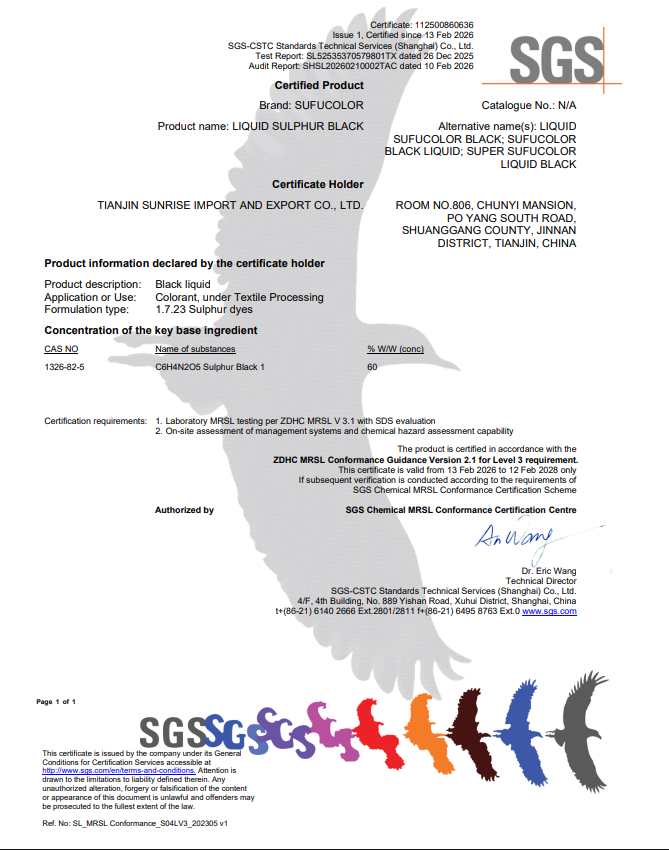
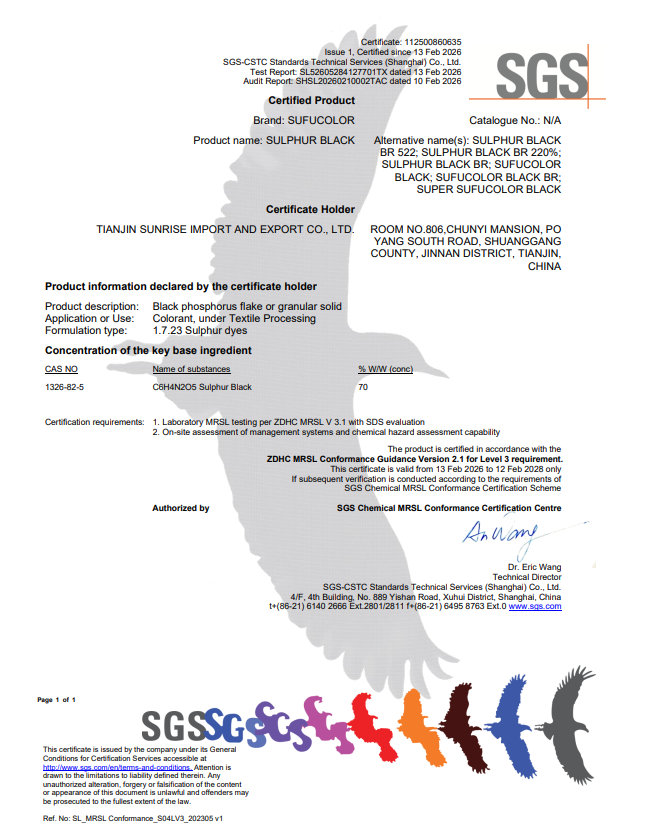
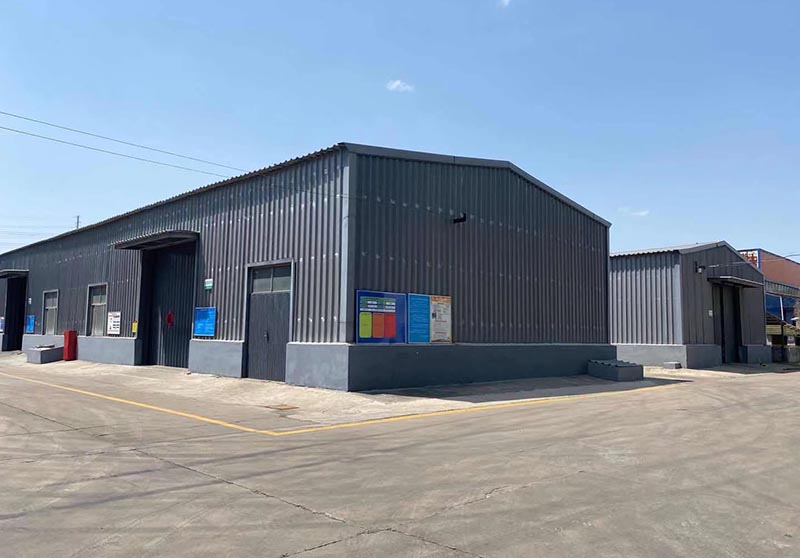
A look inside our manufacturing processes, warehousing capability, and secure container loading procedures for heavy-volume exports.
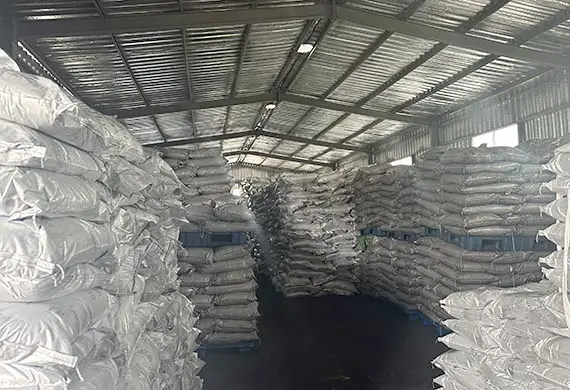
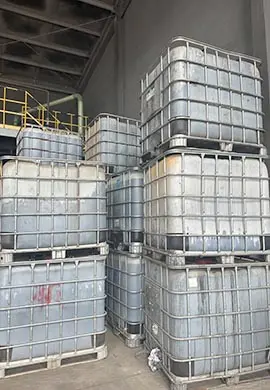
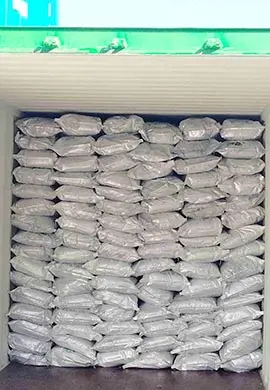
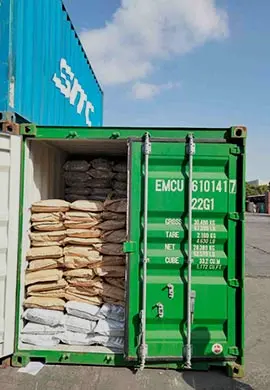
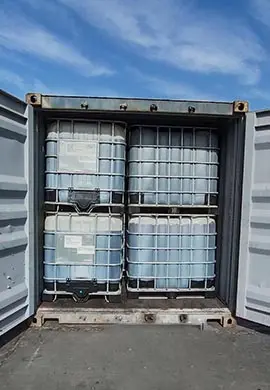
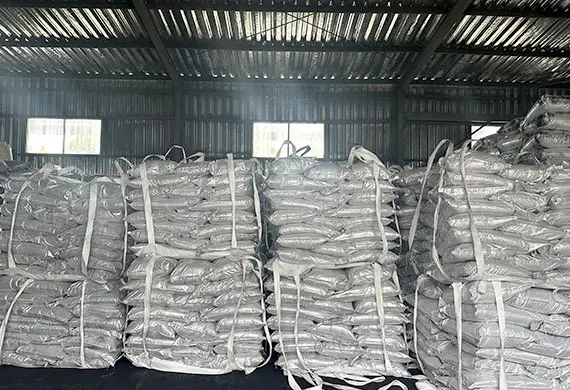
One of the main reasons why customers choose us is the stable supply of dyes we provide. We have developed efficient manufacturing processes to ensure a continuous supply of our products. Our factories feature state-of-the-art equipment and a knowledgeable workforce, which enables us to fulfill the most demanding orders. With us, you can begin your manufacturing journey with confidence knowing that dye availability will never be an issue.
Apart from a steady supply, the quality of our dyes is another reason why we stand out in the market. We, SUNRISE CHEM, take pride in our commitment to producing dyes that consistently meet high standards of quality. Our experienced technicians carefully monitor the manufacturing process, ensuring that each batch of dyes is carefully tested for color fastness, durability and other essential parameters. By choosing us, you can rest assured that your products will stand out in the market due to the vibrant and long-lasting color our dyes provide.
Various applications for fibers, wood, pulp, leather, and glazing. Preserved historical catalog details.
We firmly believe in building relationships with our clients based on trust and mutual benefit. We know that our customers' success is our success, so we are committed to providing quality services to meet their needs. Our dedicated customer support team is on hand to address any questions or concerns you may have. We value your feedback and strive to continuously improve our operations to serve you better.
Our purpose is not just to supply dyes, but to be your trusted partner in achieving your business goals. By choosing us, you choose a partnership built on reliability, transparency and mutual success. With our attractive range of dyestuffs, coupled with our professional and customer-centric approach, we assure you that your decision to choose us as your preferred dyestuff factory will be a fruitful one.
Critical answers regarding basic dyes chemistry, application handling, ecological safety, and customization capabilities.
At Tianjin Sunrise Chem Group, every step of the synthesis process is monitored by state-of-the-art analytical equipment. Liquid chromatography, spectrophotometry, and trial dye baths ensure that our basic dyes deliver consistent performance. Because paper mills and textile houses rely on exact shade configurations, we maintain a comprehensive archive of control samples for every batch shipped.
Our commitment to quality extends past chemical purity. We evaluate solubility limits, dust behavior, viscosity profiles, and migration patterns. This deep engineering approach makes us the preferred OEM partner for major international brands seeking chemical suppliers in Asia.
Premium cationic and direct dyes formulation range optimized for high-tinting strength and sustainable processing.
 Sunrise