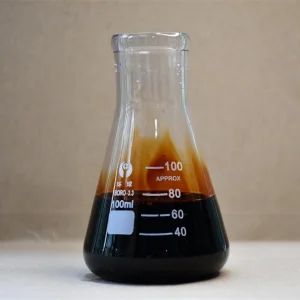
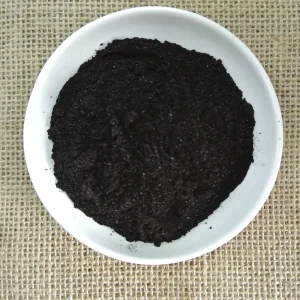
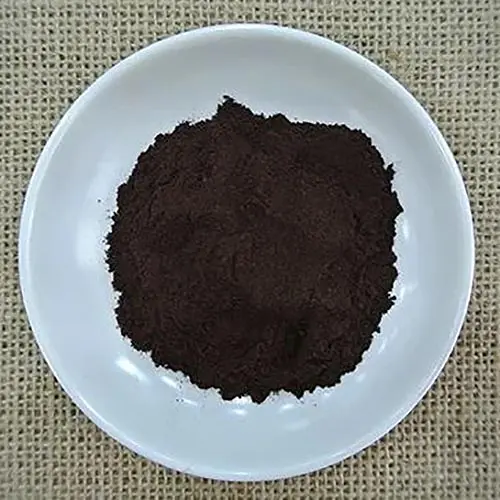
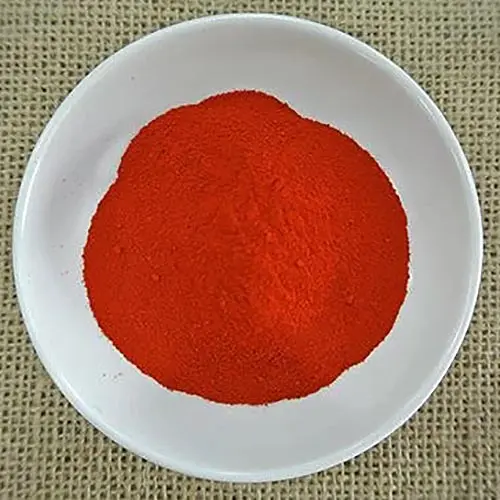
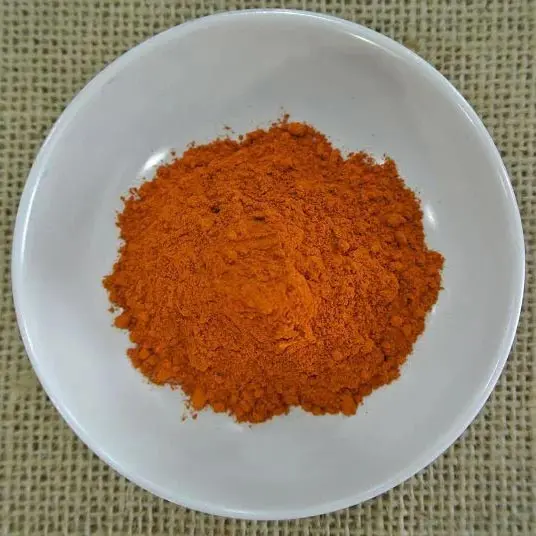
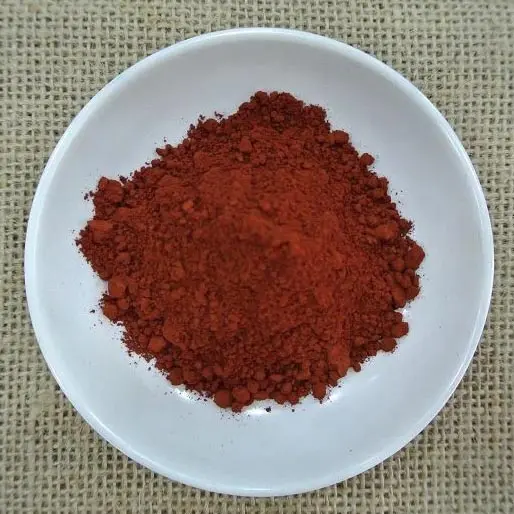
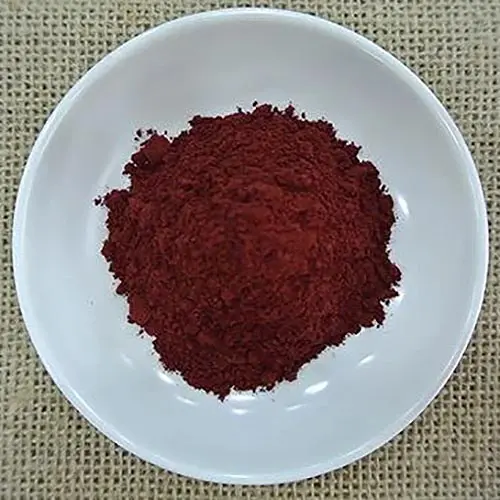
High-purity industrial colorants engineered for extreme stability, dispersion excellence, and chemical migration resistance.
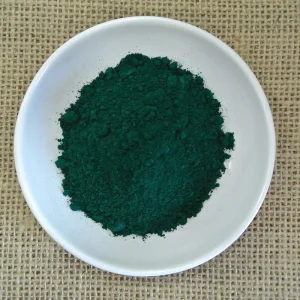
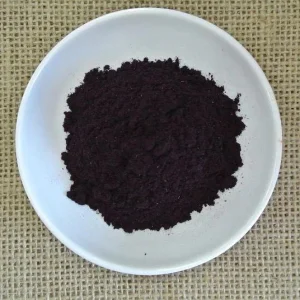
A deep dive into structural performance, molecular configurations, and sustainability paradigms in global organic pigment production.
Organic pigments are highly sophisticated synthetic compounds designed to impart chromatic characteristics to diverse substrates through selective absorption and scattering of light. Unlike dyes, which dissolve in the application medium, organic pigments remain in a crystalline, solid particulate state. This structural integrity requires precise engineering of physical properties, including crystalline form, particle size distribution, and surface morphology. The demand for high-performance organic pigments (HPPs) has risen as modern industrial applications mandate colorants capable of surviving aggressive thermal, chemical, and physical processing environments.
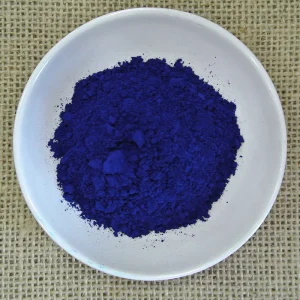
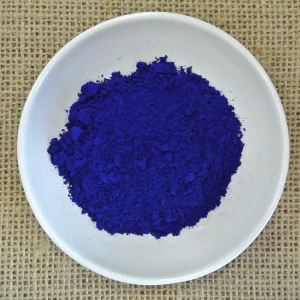
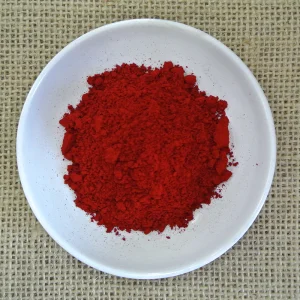
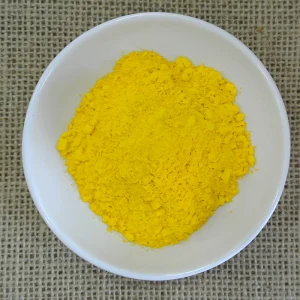
From a chemical standpoint, organic pigments are classified into distinct molecular families. Phthalocyanines (such as Pigment Blue 15 and Pigment Green 7) represent the pinnacle of stability, providing exceptional lightfastness, heat resistance, and solvent fastness due to their highly conjugated macrocyclic system containing copper complexes. In contrast, Azo pigments (including monoazo, disazo, and benzimidazolone structures) dominate the yellow, orange, and red spectrum, offering vibrant hue angles and excellent tinting strength. Balancing these inherent chemical traits with application demands is critical to selecting the proper colorant.
Experience and Authoritative Insight: In modern color formulation, selecting the proper organic pigment goes beyond matching a color shade. It requires analyzing the vehicle chemistry, processing temperatures, and environmental exposures. Our technical team works alongside global polymer compounders and ink formulation chemists to select pigments that avoid recrystallization, plate-out, or mechanical degradation during fabrication.
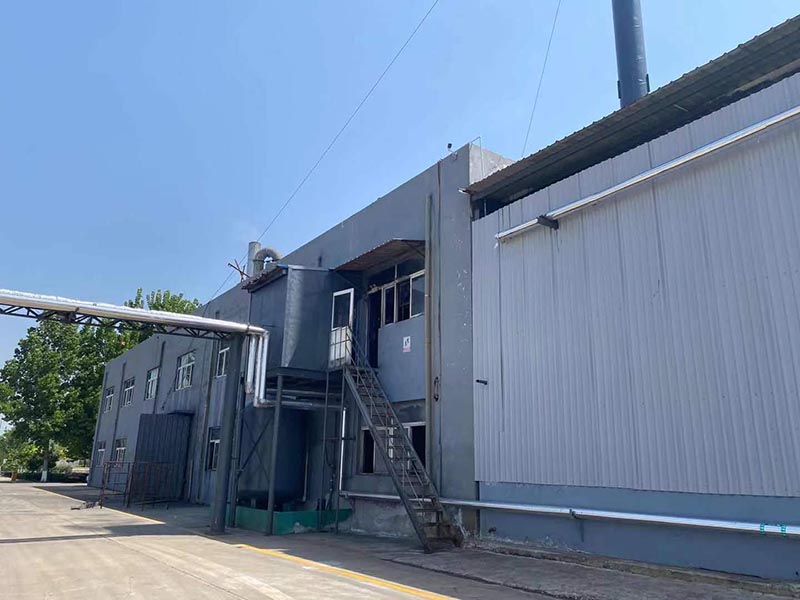
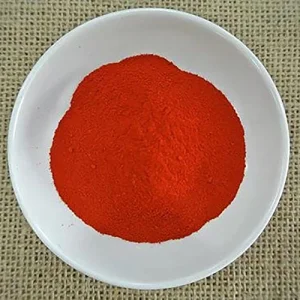
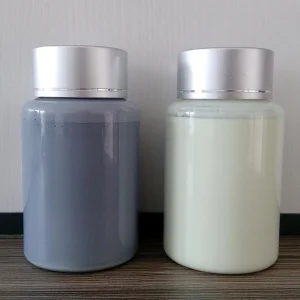
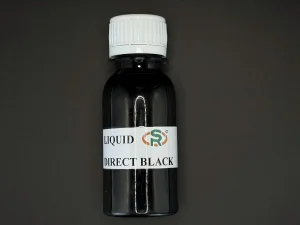
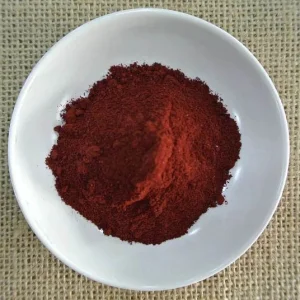
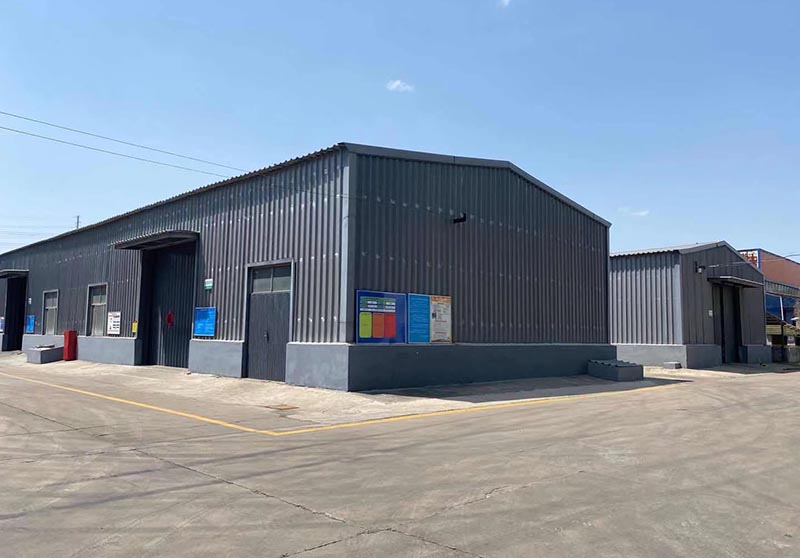
Tianjin Sunrise Chem Group specializes in manufacturing high-quality dyestuffs and organic pigments. Our comprehensive product portfolio includes Direct dyes, Acid dyes, Basic dyes, Sulphur dyes, Solvent dyes, Liquid dyes, and Fluorescent dyes, designed to meet strict industrial requirements across diverse target applications.
Backed by decades of industry and export experience, we have built a reputation for reliability and excellence, serving clients from diverse sectors including denim, textile, leather, paper, and plastic. We focus continuously on product quality and stability. Every batch of colorants undergoes rigorous analytical and physical testing before dispatch, ensuring color uniformity, dispersibility, and fastness properties remain consistent over consecutive orders.
We pride ourselves on offering customized solutions. Our team of experts works closely with clients to understand their unique needs, delivering tailored products and services. We actively seek strategic partnerships to expand our reach and enhance our offerings. Collaborate with us to explore mutual growth opportunities and optimize your supply chain.
Evaluating organic pigments for commercial use requires measuring key performance indicators (KPIs) under conditions that simulate end-use environments. The table below highlights the performance variables for the core pigment classes offered by global factories, guiding procurement and chemical engineers in selecting the correct formulation.
| Pigment Group | Common Index Codes | Heat Stability (°C) | Lightfastness (1-8 Scale) | Migration Resistance | Key Industrial Applications |
|---|---|---|---|---|---|
| Phthalocyanine Blue | Pigment Blue 15:0 - 15:4 | 280 - 300°C | 8 (Excellent) | 5 (No Migration) | Masterbatches, Plastics, Automotive Paints |
| Phthalocyanine Green | Pigment Green 7 | 280 - 300°C | 8 (Excellent) | 5 (No Migration) | Epoxy Resins, Engineering Plastics, Exterior Coatings |
| Monoazo Red / Yellow | Pigment Red 57:1, Yellow 12 | 180 - 200°C | 5 - 6 (Moderate) | 3 - 4 (Medium) | Flexographic Inks, Paper Dyeing, Textile Inks |
| Solvent Dyes | Solvent Blue 35, Yellow 14 | 240 - 260°C | 6 - 7 (Very Good) | N/A (Soluble in medium) | Engineering Resins, Industrial Waxes, Plastics |
Beyond thermal limits, particle size engineering is a major factor in performance. Smaller particle sizes (less than 100 nm) yield higher transparency and tinctorial strength, which is ideal for high-definition packaging inks. Larger particle sizes (above 200 nm) enhance opacity and weatherability, making them suitable for construction materials, industrial paints, and agricultural films.
Cooperating with textile and paper mills for many years demonstrates that a factory has established strong and reliable business relationships. This kind of long-term collaboration brings numerous benefits, such as consistent orders, shared resources, and mutual technical support. It also indicates that the factory has a good track record of delivering quality products and meeting the needs of its partners. Our mission is to drive business growth by providing reliable and customized products. Our goal is to make a significant contribution to our customers' success by consistently delivering first-class products and exceptional customer service. By building lasting partnerships, we strive to be a catalyst for our clients' success.
With years of experience, we have successfully established strong partnerships in many countries. Our dedication to meeting global demands and exceeding customer expectations has earned us a reputation as a reliable supplier worldwide. If you are looking for reliable, high-quality colorants, we invite you to choose us as your trusted partner.
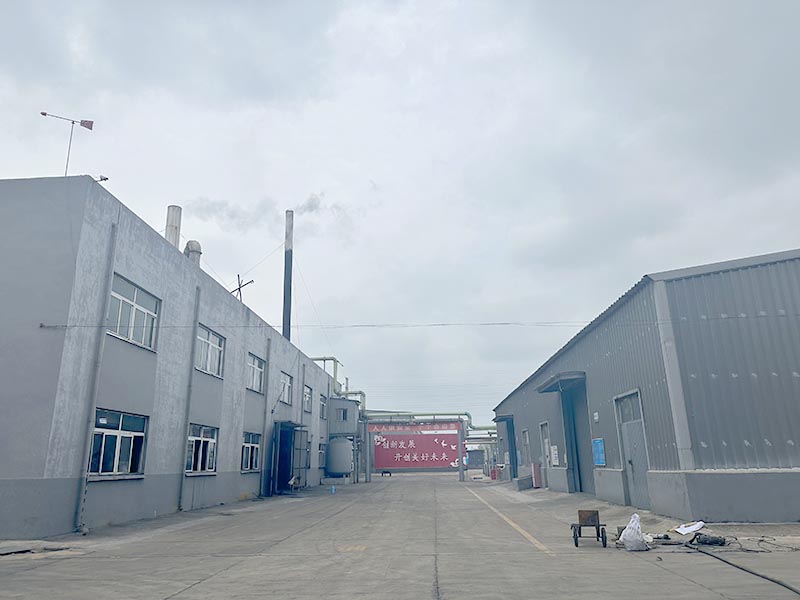
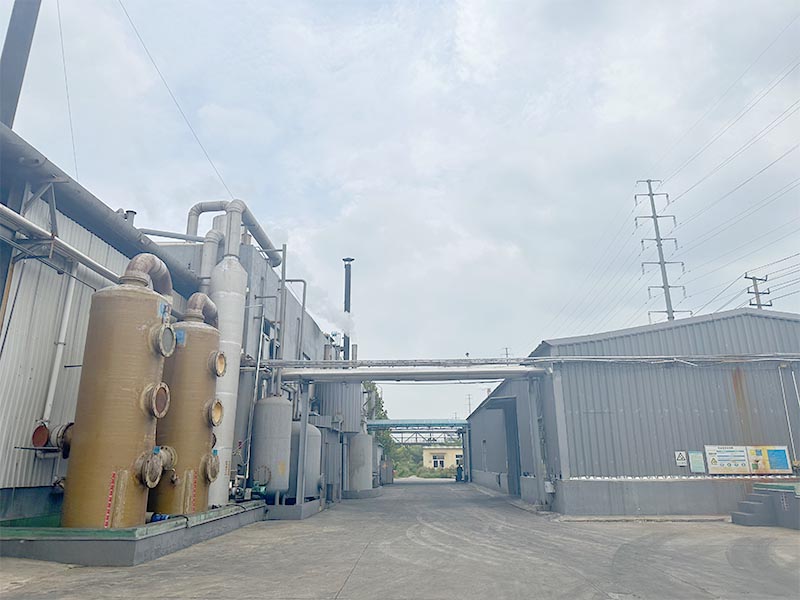
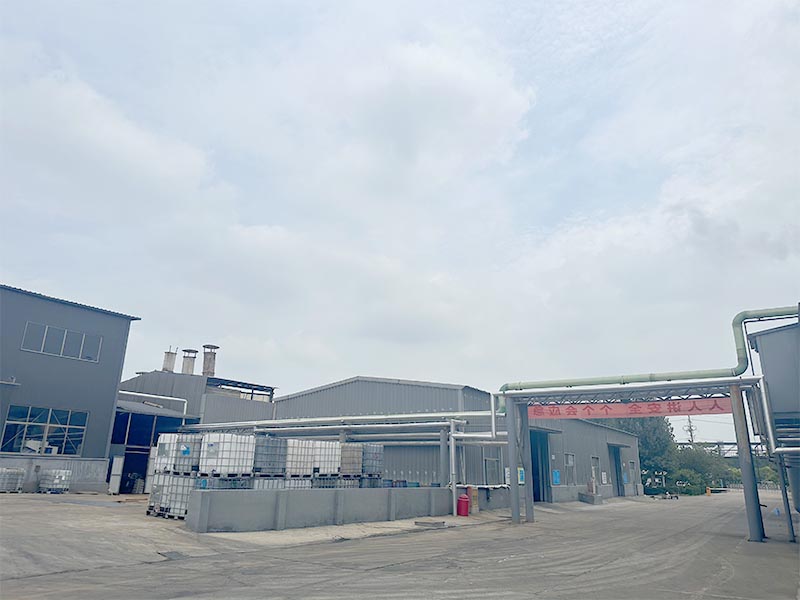
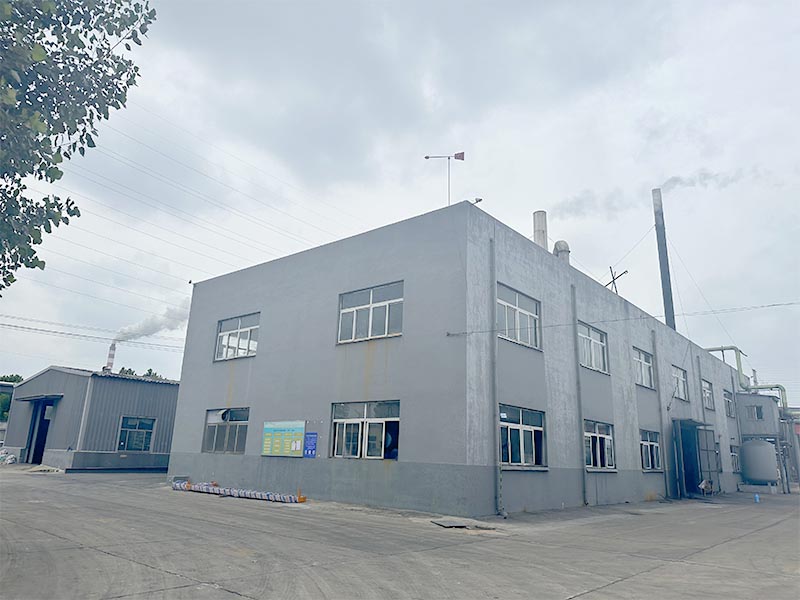
Pioneering ecologically conscious manufacturing in color chemistry through strict chemical controls and certification frameworks.
Environmental protection is the cornerstone of our innovation. We dedicate ourselves to providing clients with eco-friendly, high-quality colorants that balance productivity with environmental harmony, driving the industry towards a more sustainable development path while delivering high-performance products—for a greener textile industry and a sustainable future.
In response to international directives such as EU REACH, EPA regulations, and domestic environmental acts, modern chemical suppliers must implement comprehensive purification and filtration processes. Eliminating heavy metal impurities, free aromatic amines, and hazardous volatile organic compounds (VOCs) is essential to qualify for use in consumer products.
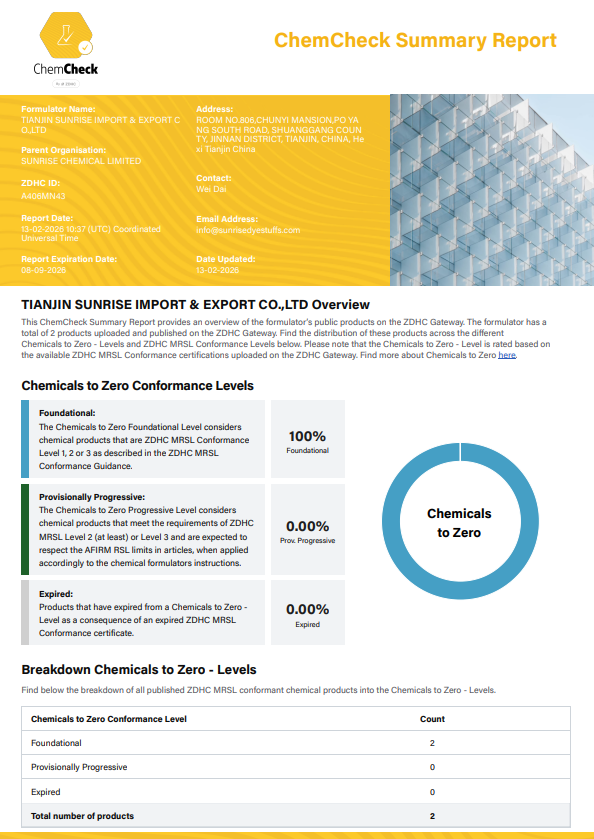
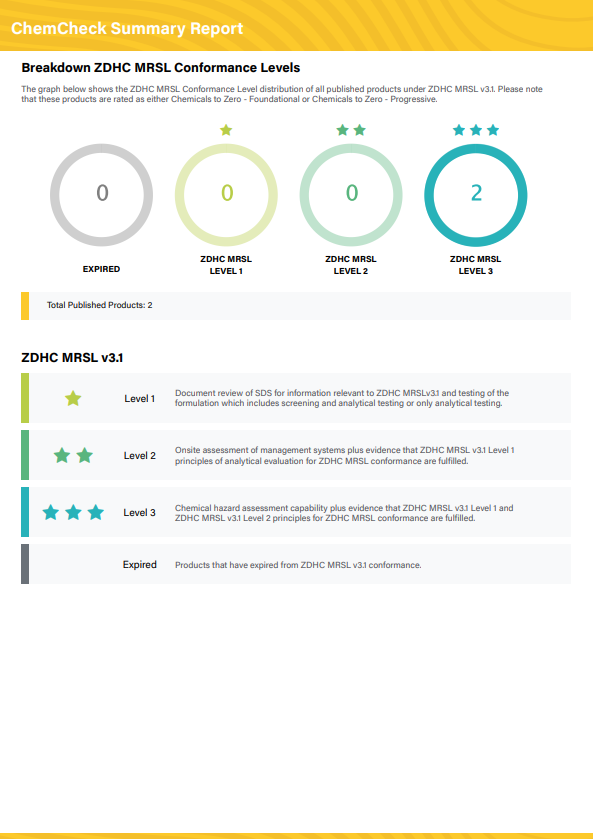
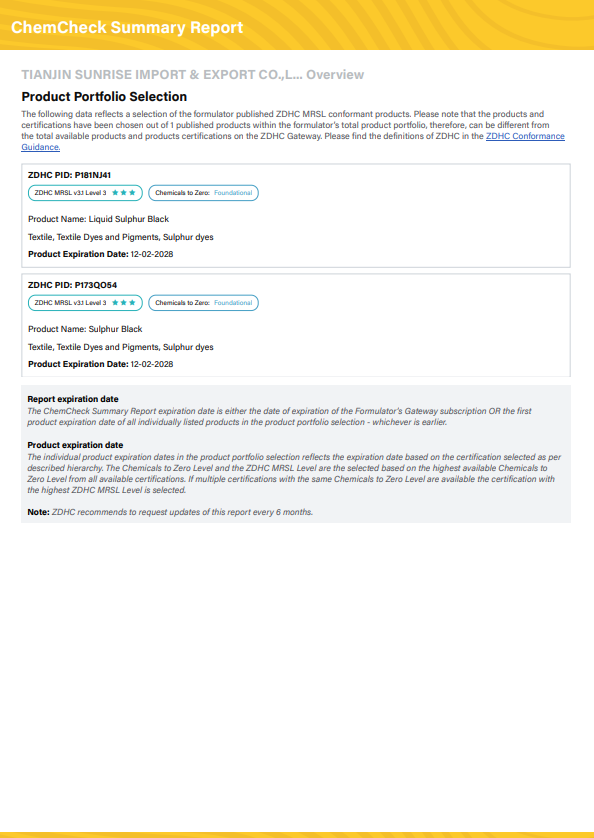
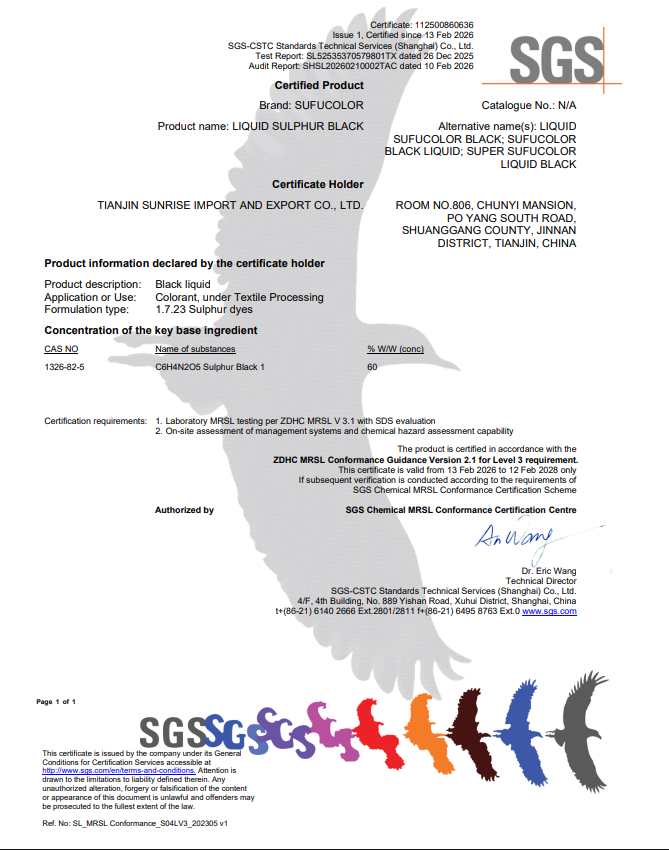
The ZDHC (Zero Discharge of Hazardous Chemicals) program is a collaborative effort by leading brands, retailers, and suppliers in the textile and footwear industry to reduce the use of hazardous chemicals. Achieving ZDHC Level 3 certification indicates that our company has implemented robust chemical management procedures and met the stringent requirements for chemical handling, wastewater treatment, and pollution prevention throughout the entire supply chain.
The Global Organic Textile Standard (GOTS) is a certification that ensures the organic status of textiles from the harvesting of raw materials to environmentally and socially responsible manufacturing. GOTS certified products are considered sustainable, safe, and ethical, guaranteeing that chemical inputs are minimized and strict social criteria are met.
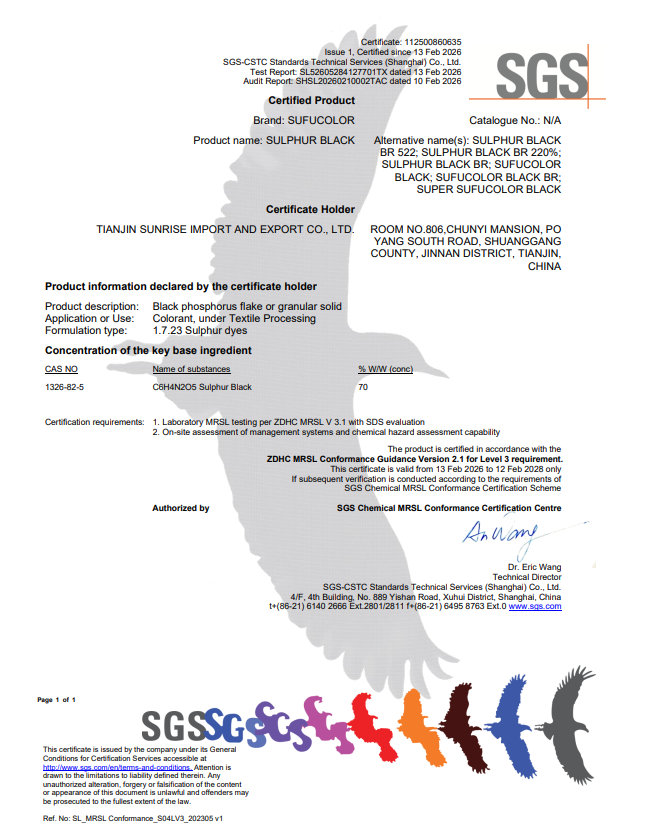
Different industrial processes impose distinct chemical constraints on organic pigments. Below is an analysis of how color chemistry is tailored to meet sector-specific demands:
In polymer extrusion, pigments are exposed to high shear forces and temperatures that can exceed 300°C. Organic pigments like Pigment Blue 15:0 must be engineered to prevent molecular thermal degradation. Insufficient heat stability leads to loss of tinctorial strength and shifts in hue. Furthermore, the pigment must not act as a nucleating agent in semi-crystalline polymers like PP or HDPE, as this can cause warping, shrinkage, and structural defects in the molded parts.
Exterior coatings require color stability under long-term UV exposure, moisture, and atmospheric pollutants. Here, Phthalocyanine Green 7 and specialized azo pigments are preferred. These pigments are selected for their resistance to acid rain, industrial emissions, and photo-oxidation, helping prevent chalking and fading over extended exposure periods.
For synthetic fiber spin dyeing (dope dyeing), the pigment must be dispersed to a sub-micron level to prevent clogging of spinnerets. Our pigments are tested for Filter Pressure Value (FPV) to ensure smooth, continuous extrusion. In textile printing, compatibility with GOTS and ZDHC Level 3 certifications ensures that the final apparel meets international safety guidelines for skin contact.
Packaging gravure and flexographic inks require high color yields, low viscosity, and fast drying times. Pigment Red 57:1 is widely used for its rich color density and compatibility with water-based and solvent-based ink binders. For food packaging, strict migration limits must be maintained, requiring pigments with low solvent solubility and high molecular weight.
A transparent look at our warehousing, shipping standards, and manufacturing infrastructure.
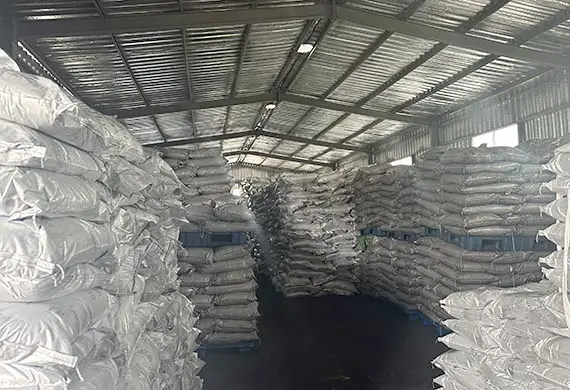
Sulphur Black Warehouse
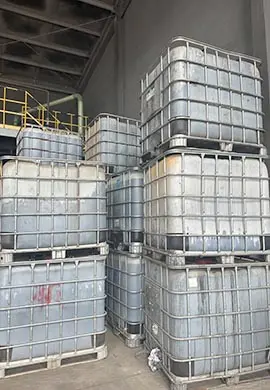
Liquid Dyestuff Production
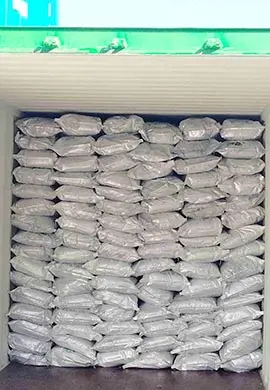
Sulphur Black Container Loading

Direct Dyes Container Loading
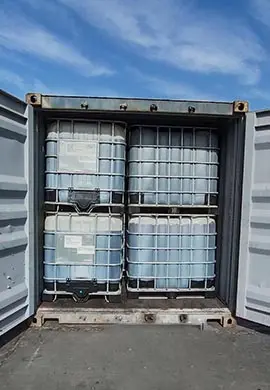
Liquid Dyes Container Loading
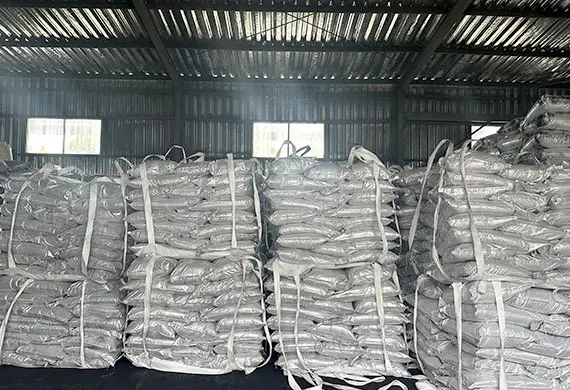
Industrial Facility Loading
Our commitment extends beyond colorant synthesis. We maintain structured logistics pathways to prevent environmental release and maintain product purity during transit. By deploying certified container loading systems, we ensure all materials reach international destinations intact and ready for production.
Explore our specialized acid, direct, and sulphur chemical classifications, optimized for leather, wool, paper, and textile fiber applications.
Answers to common chemical engineering and procurement questions regarding organic colorants.
A complete selection of chemical formulations including iron oxides, fluorescent brighteners, and direct colorants.
 Sunrise