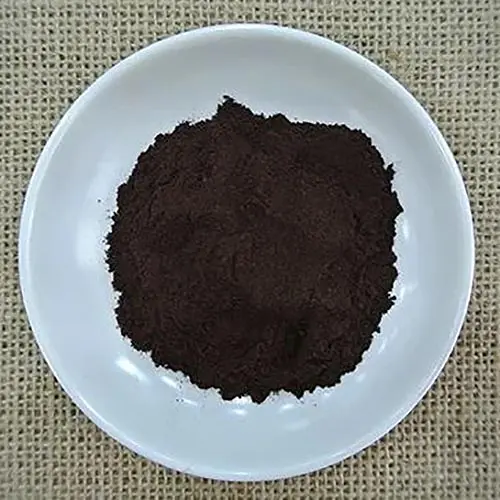
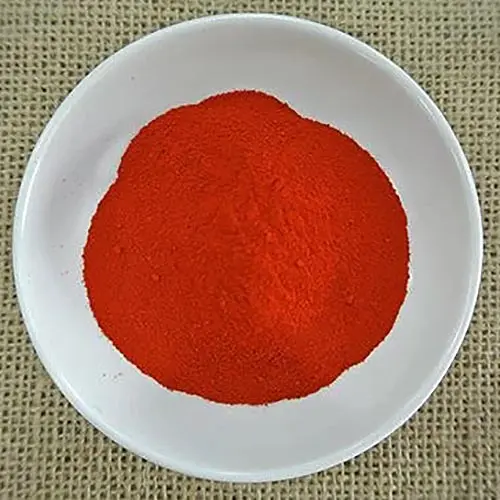
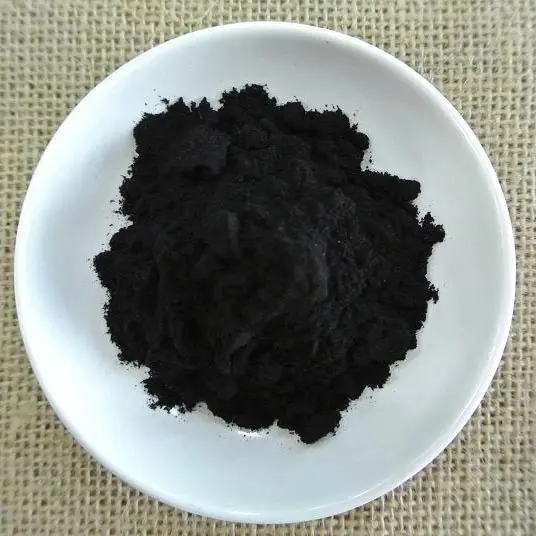
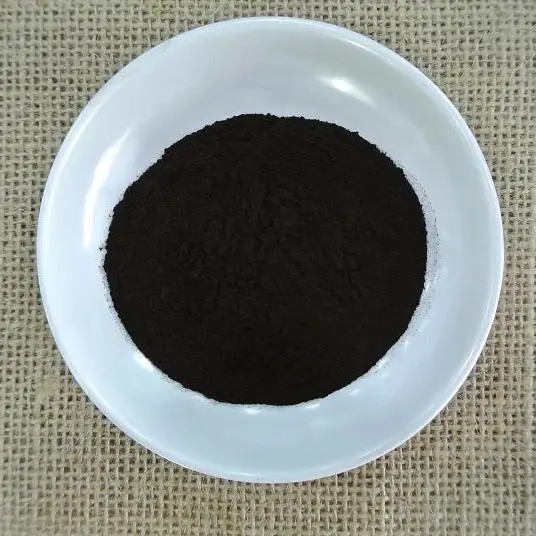
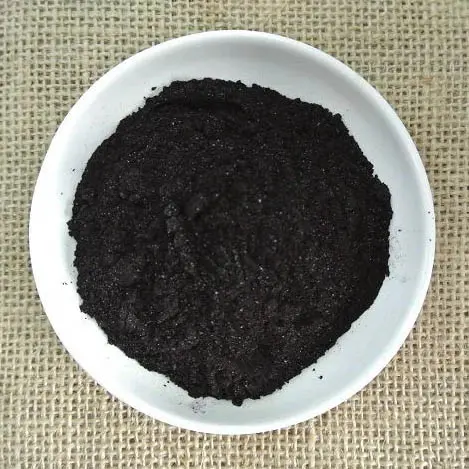
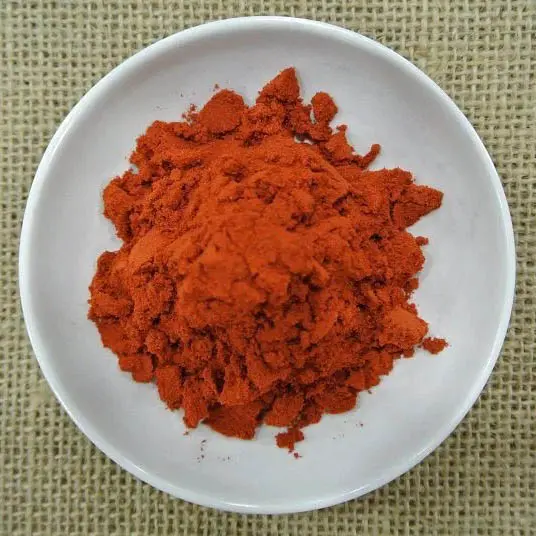
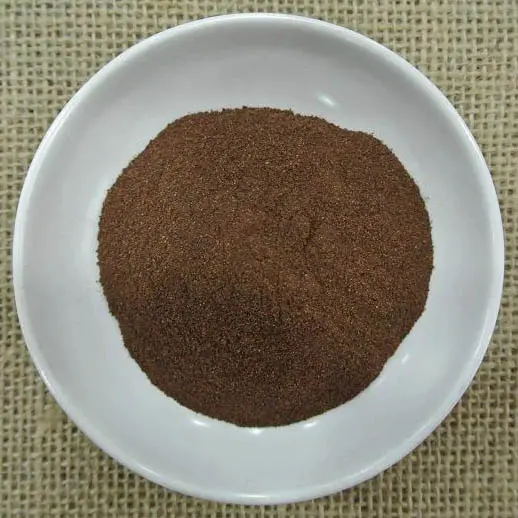
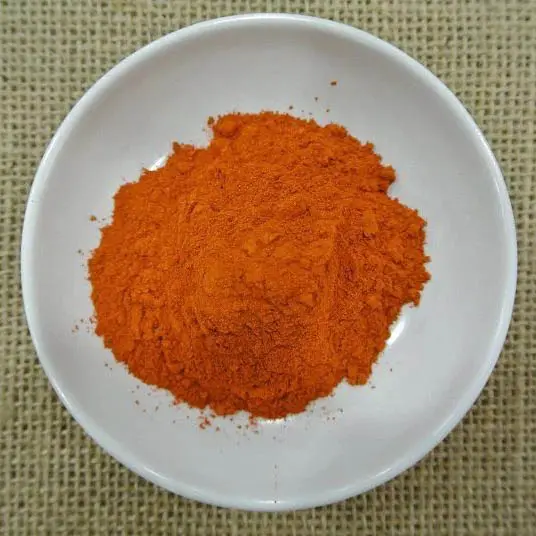
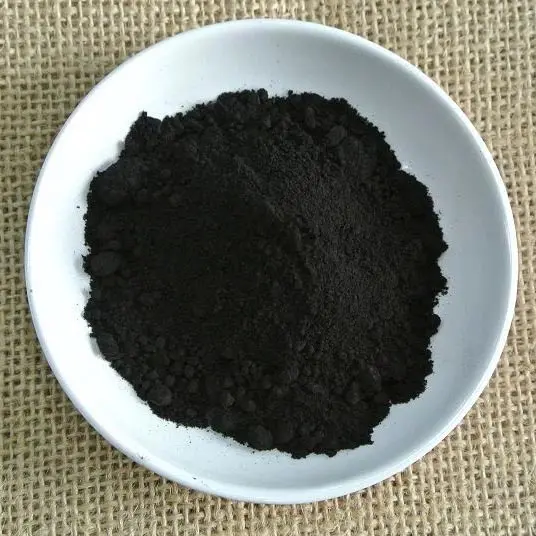
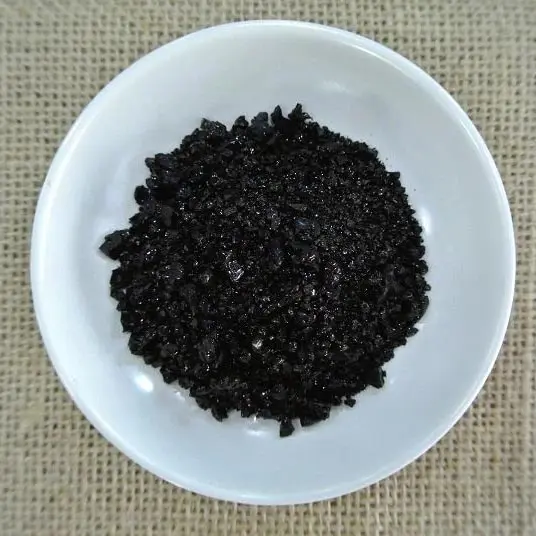
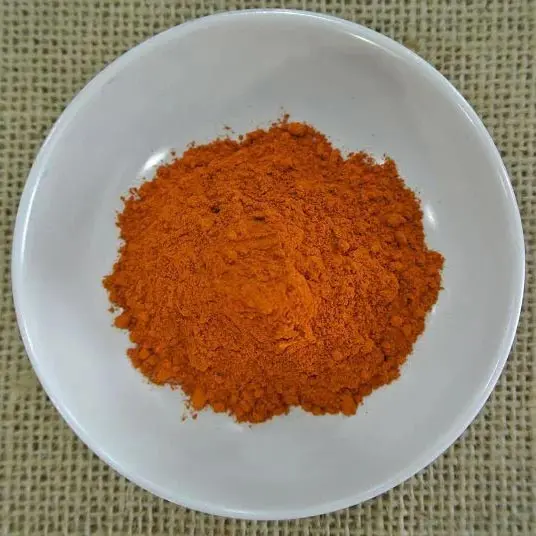
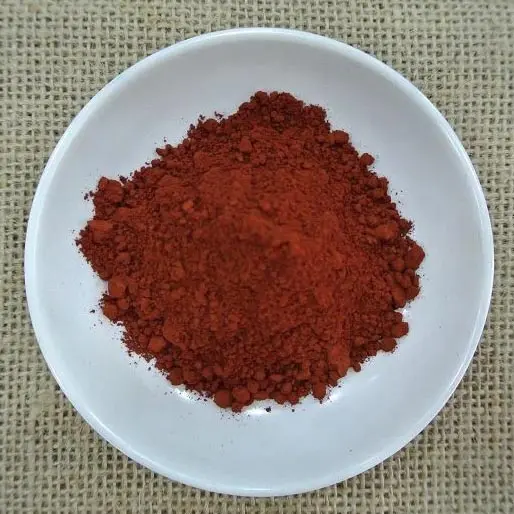
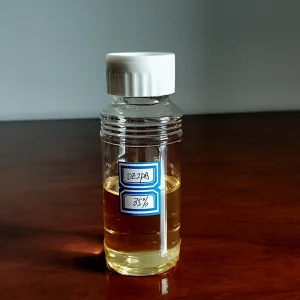
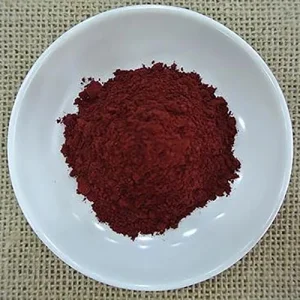
High-performance industrial colorants and specialty compounds engineered for PVC applications
Polyvinyl Chloride (PVC) stands as one of the most versatile and widely utilized synthetic polymers globally. However, coloring PVC compounds, especially rigid and plasticized systems, poses unique thermodynamic and chemical challenges. Selecting the correct colorant requires a comprehensive understanding of the polymer matrix, processing temperature, plasticizer interaction, and the end-use environment.
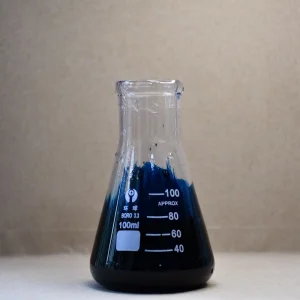
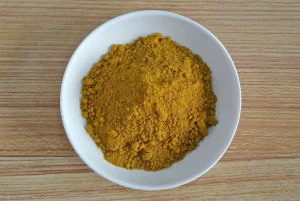
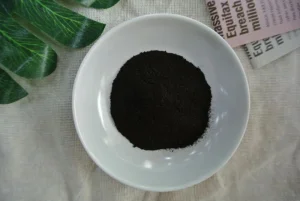
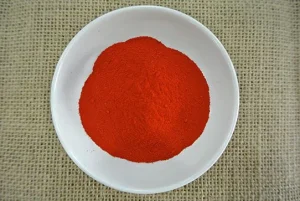
Unlike organic pigments, which remain dispersed as discrete crystalline particles in the polymer matrix, solvent dyes dissolve molecularly within the PVC compound. This molecular-level dispersion delivers exceptional transparency, high color tinting strength, and vividness. In this technical guide, we examine the critical parameters of solvent dyes, their compatibility profiles, and the engineering frameworks that make Tianjin Sunrise Chem Group a premier manufacturer for global supply chains.
For a dye to be effective in PVC, it must possess strong compatibility with the polymer and any associated plasticizers, such as dioctyl phthalate (DOP) or alternative non-phthalate systems like DOTP or DINCH. Solvent dyes, classification-wise, are generally non-ionic, lipophilic organic colorants. Their lack of polar groups makes them highly soluble in organic solvents and plastics.
When integrated into the PVC formulation, the solvent dye dissolves within the plasticizer or amorphous regions of the polymer during heat gelation (usually between 150°C and 200°C). This dissolution produces a clear, uniform color. The key parameters that determine a solvent dye's performance in PVC are:
Migration is the transport of colorant molecules to the surface of a plastic article, creating an undesirable powdery layer. Because solvent dyes are soluble, they can migrate if the system becomes supersaturated or if the molecular size of the dye is too small to be locked within the polymer-plasticizer network. Tianjin Sunrise Chem Group employs advanced molecular design strategies to synthesize high-molecular-weight solvent dyes with limited diffusion coefficients, preventing blooming and bleeding in both rigid and flexible PVC.
The global demand for high-performance colored PVC materials continues to grow, driven by sectors such as infrastructure development, automotive engineering, medical devices, and high-performance wire insulation. North America, Europe, and the Asia-Pacific remain the largest consumers, with regional markets shifting toward eco-labeled, high-purity colorant solutions.
In industrial production, polymer compounders require color solutions that deliver consistency across batches. A slight deviation in dye purity can alter the final color, physical properties, or processing safety of the plastic compound. Consequently, modern factories prioritize sourcing from certified manufacturers who provide comprehensive testing data and batch-to-batch consistency. Tianjin Sunrise Chem Group addresses this market need through automated synthesis and strict quality control.
Tianjin Sunrise Chem Group specializes in manufacturing high-quality dyestuffs, including Direct dyes, Acid dyes, Basic dyes, Sulphur dyes, Solvent dyes, Liquid dyes, and Fluorescent dyes. Backed by decades of industry and export experience, we have built a reputation for reliability and excellence, serving clients from diverse sectors including denim, textile, leather, paper, and plastic.
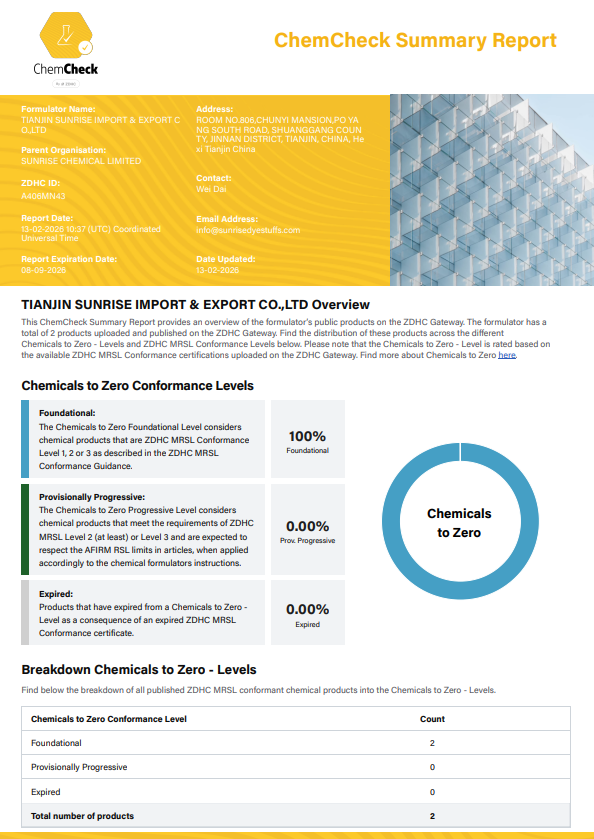
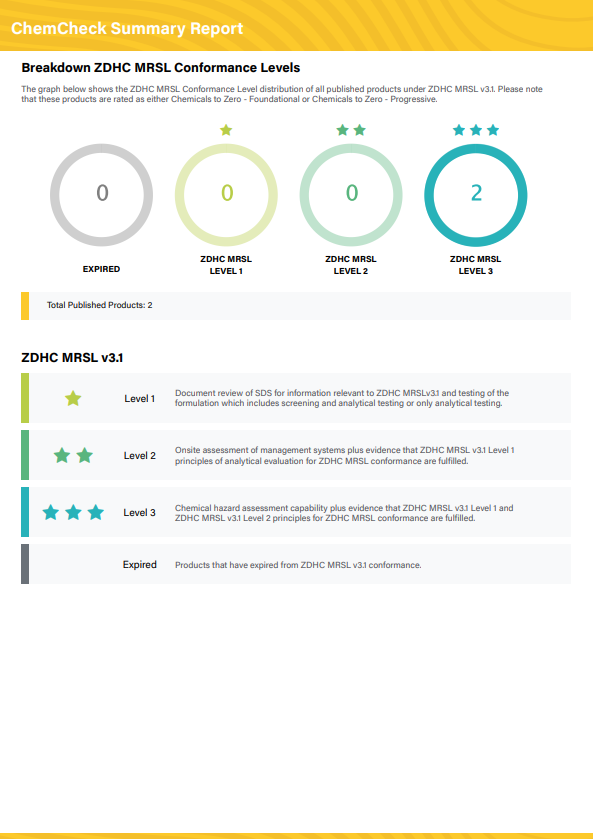
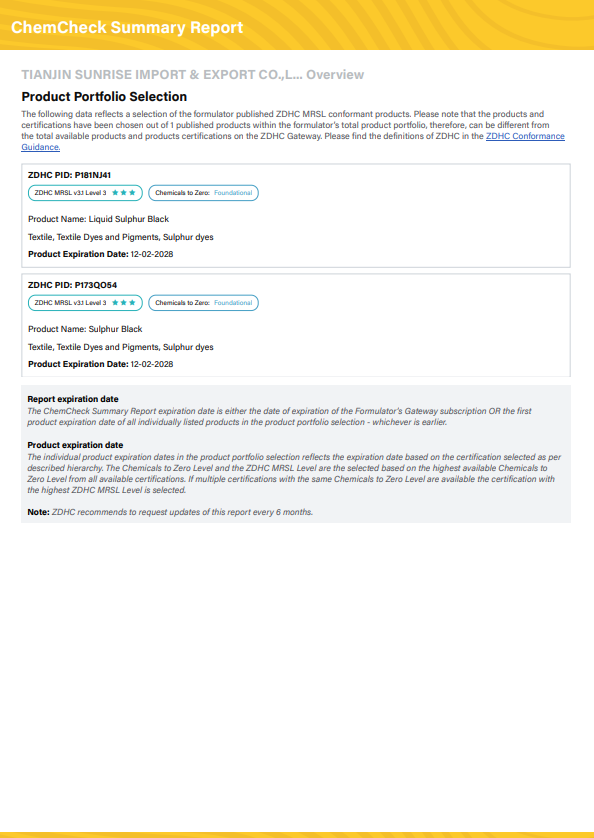
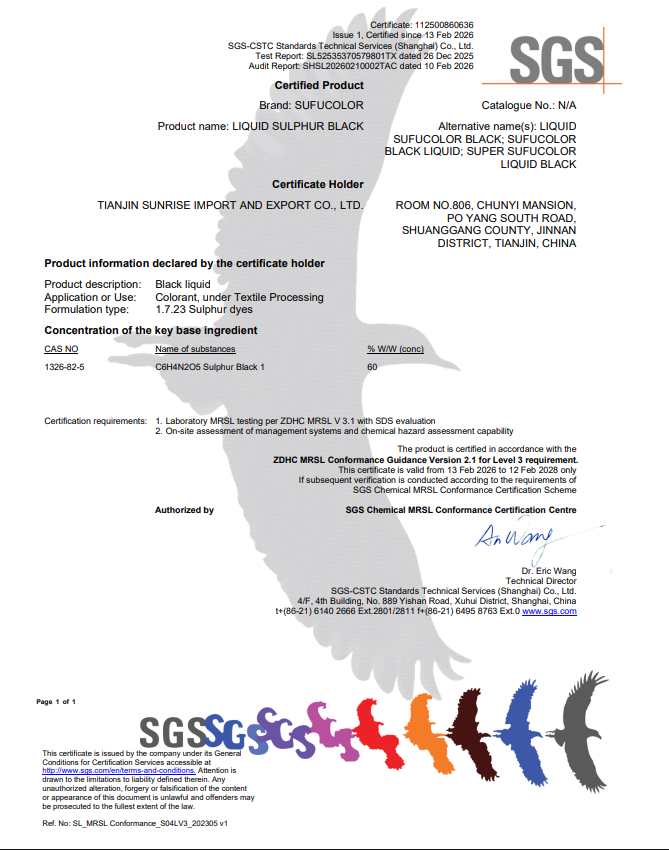
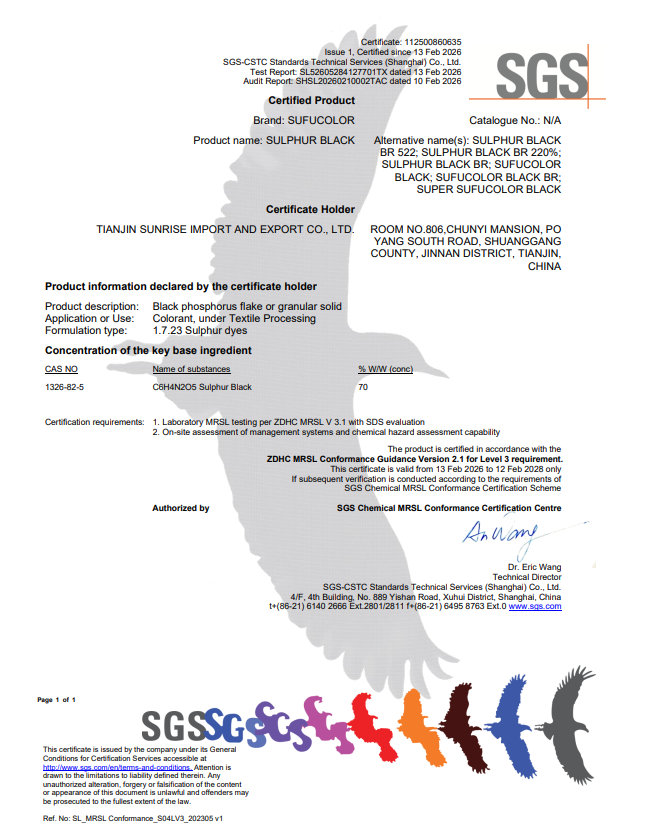
We maintain a high focus on product quality and stability. Every shipment is tested prior to port delivery. With ZDHC level 3 and GOTS certifications, our customers receive verified quality assurance.
We customize solutions to meet specific customer requirements. Our team of experts works closely with clients to understand their needs and deliver tailored products. We actively establish strategic partnerships globally to expand our reach and support mutual growth.
The global plastics industry is moving rapidly toward sustainable, non-toxic, and low-carbon-footprint colorants. Regulatory frameworks like EU REACH, RoHS, and food-contact material regulations strictly limit the use of certain heavy metals, primary aromatic amines (PAAs), and halogenated components in dyes. This transition shapes how solvent dyes are manufactured and utilized today.
In addition, global brands and retailers demand supply chain traceability. This transparency is certified through third-party platforms like ZDHC (Zero Discharge of Hazardous Chemicals) and GOTS (Global Organic Textile Standard). The implications for solvent dyes are significant:
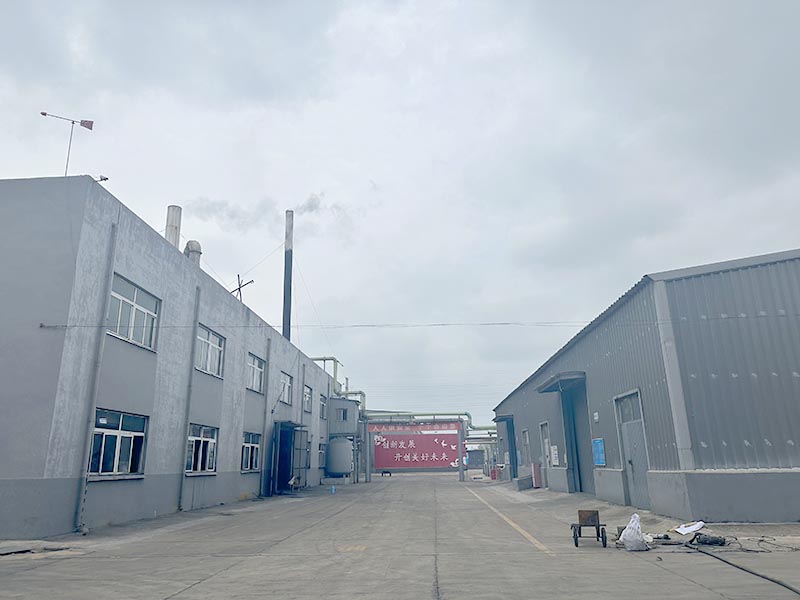
Cooperating with textile, paper, and polymer mills for many years has helped our factory build strong and reliable business relationships. This long-term collaboration delivers benefits such as consistent production, shared technical resources, and mutual developmental support. Our mission is to support our customers' growth by providing reliable, compliant, and customized colorant solutions.
Environmental protection is a core pillar of our product development. We focus on providing eco-friendly, high-performance colorants that balance manufacturing productivity with environmental care, supporting a sustainable path for both the plastics and textile industries.
The functional requirements for solvent dyes in PVC vary by application scenario and regional standards. Below, we review five key fields of application:
Insulation sleeves require distinct, long-lasting colors for circuit safety. Dyes must be highly compatible with plasticizers to prevent migration, ensuring the electrical insulation properties remain stable under continuous thermal loads.
PVC-based automotive interiors are subject to high temperatures and sunlight. Dyes used in these applications require high lightfastness to resist fading and thermal stability to prevent VOC emissions.
Flexible PVC tubing and fluid bags require non-extractable, heavy-metal-free dyestuffs. Colorants must comply with bio-safety standards and resist leaching when in contact with fluids.
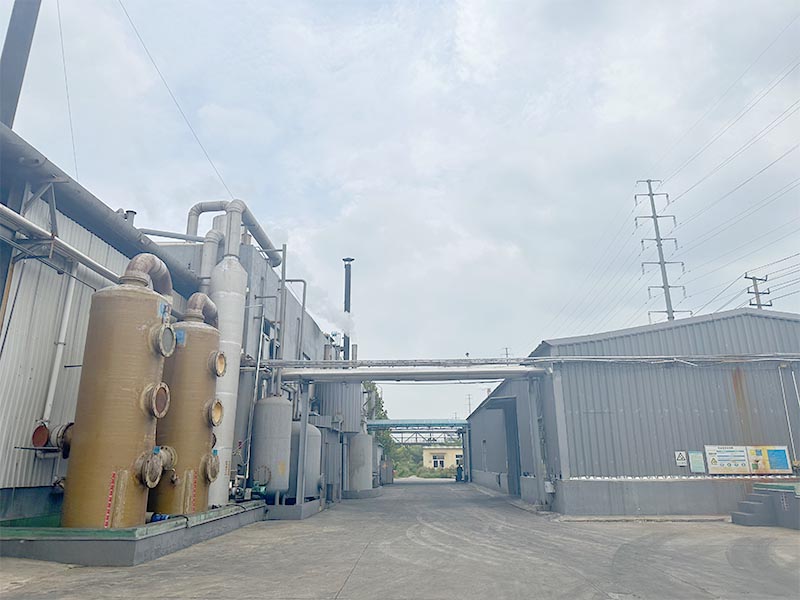
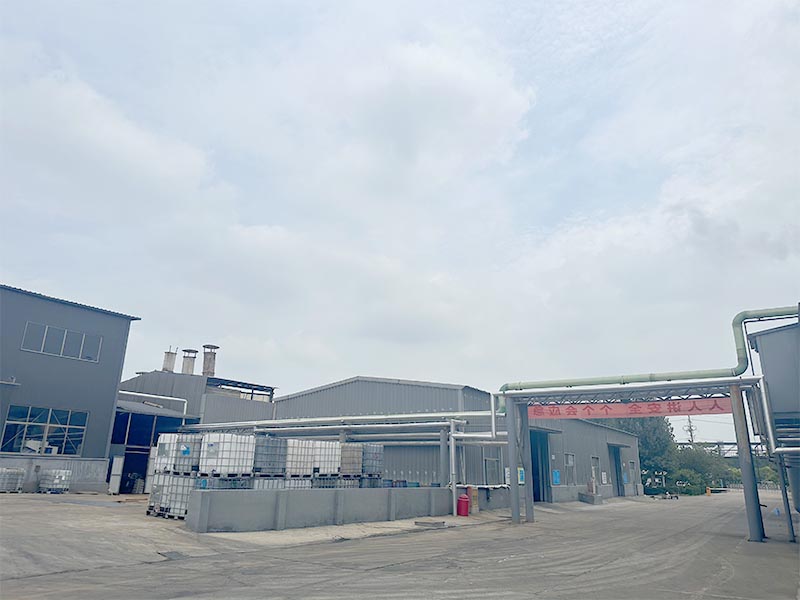
The colorant industry is developing technologies to improve both compatibility and processing efficiency. The current technical roadmap highlights several key directions:
Researchers are developing modified solvent dye structures with higher molecular weights. These structures are designed to maintain high solubility in PVC matrices while preventing migration and evaporation during high-temperature extrusion processes.
Standard powder dyes can generate dust during compounding, raising industrial hygiene and clean-room filtration concerns. A primary developmental focus is the production of dust-free micro-granular dyes that flow easily and improve safety in mixing areas.
With the rise of bio-plasticizers in flexible PVC formulations, solvent dyes are being pre-dispersed in bio-based esters. This approach simplifies automatic dosing and maintains the overall bio-content of the final plastic compound.
As post-consumer PVC recycling gains scale, colorants must either withstand multiple heat cycles or allow selective extraction during physical recycling processes, supporting circular economy initiatives.
Tianjin Sunrise Chem Group aligns its R&D with global trends by investing in high-purity synthesis processes, developing low-dust alternatives, and ensuring compliance with updated environmental regulations.
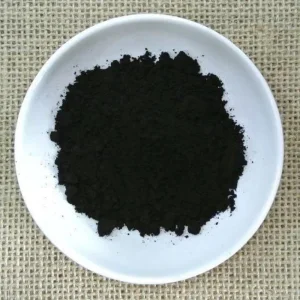
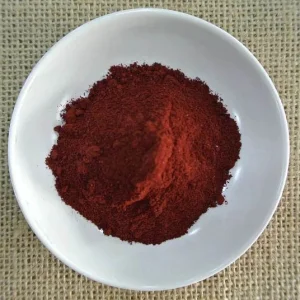
Expertly formulated color solutions designed for industrial polymer, wood, and textile processors
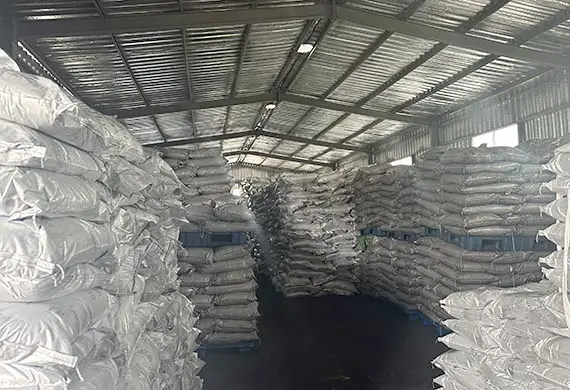
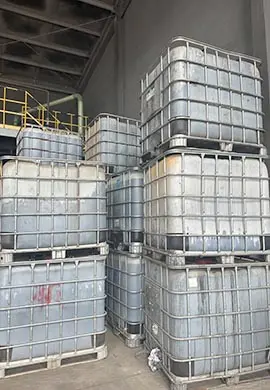
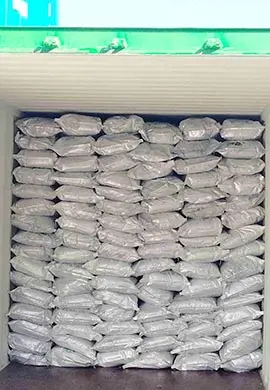
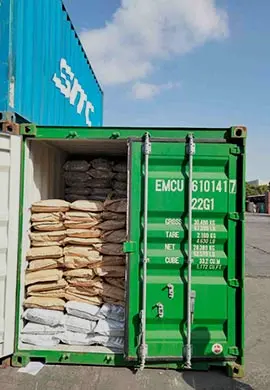
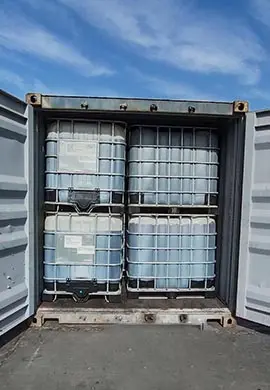
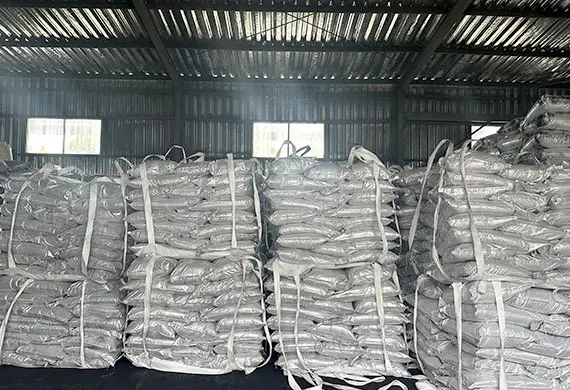
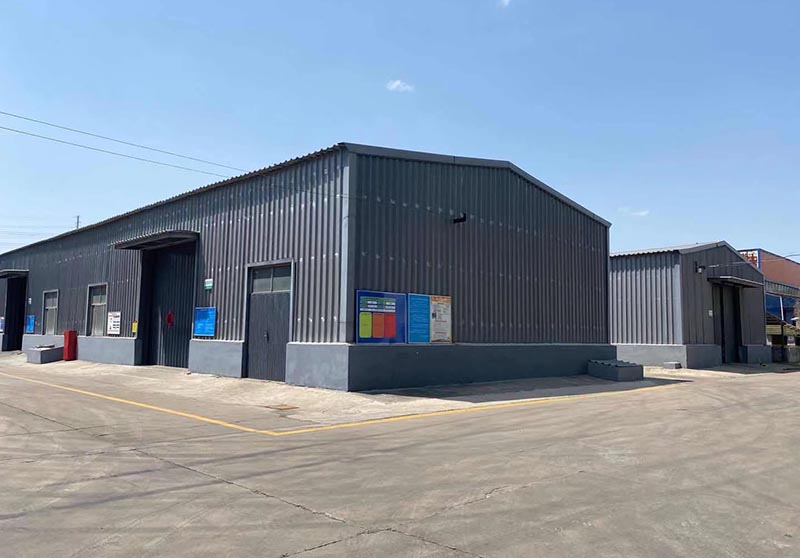
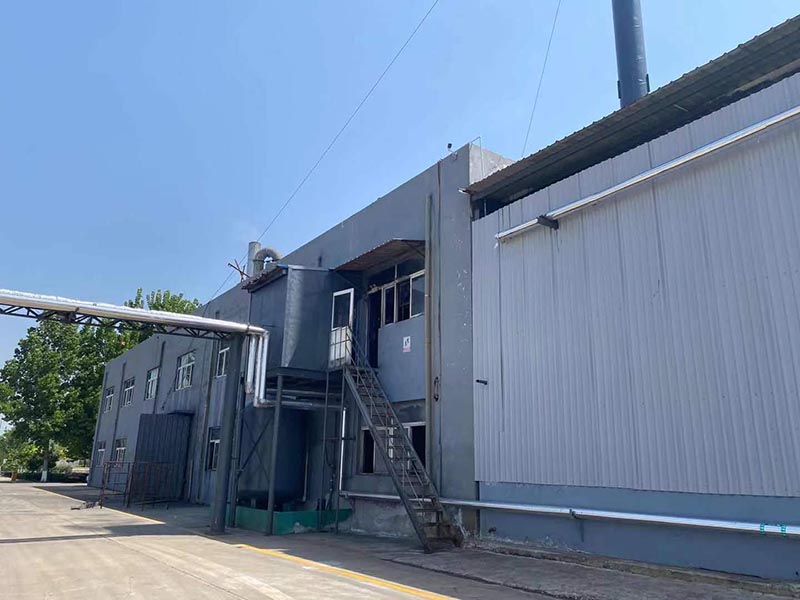
Reliable production capacity and global delivery infrastructure
Expert technical answers regarding PVC colorant selection, processing, and compliance
Solvent dyes dissolve molecularly within the PVC matrix and plasticizers during processing. This provides high transparency and color strength, making them suitable for transparent or semi-transparent PVC products. Organic pigments, by contrast, remain as insoluble particles suspended in the polymer, which can cause scattering and opacity.
Plasticizers increase polymer chain mobility, which can facilitate dye migration to the surface (blooming) or to contacting materials (bleeding). Choosing solvent dyes with larger molecular structures or higher molecular weights helps mitigate migration by slowing the rate of diffusion within the plasticized PVC matrix.
PVC is typically processed between 150°C and 200°C, and up to 250°C in high-shear extrusion or calendering. Solvent dyes must maintain molecular structure at these temperatures without degrading or subliming. Product specifications from suppliers like Tianjin Sunrise indicate the maximum thermal stability limits for each dye formulation.
These certifications verify that chemical inputs meet strict ecological and toxicological standards, excluding restricted hazardous substances. Sourcing certified colorants simplifies compliance with regulatory systems like EU REACH and RoHS for downstream manufacturers.
For outdoor applications, the colorant must resist photodegradation from UV exposure. Solvent dyes generally exhibit lower outdoor weatherability than inorganic pigments. When transparency is required outdoors, compounders often add UV stabilizers or select high-performance solvent dyes with superior lightfastness ratings.
High-purity technical colorants for industrial compounding, coating, and textile plants
Fully compliant with the highest levels of global environmental and safety standards
 Sunrise