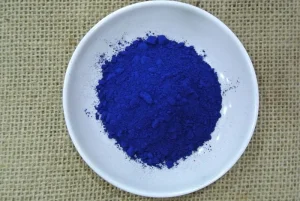
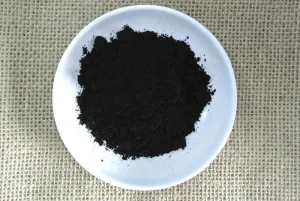
 Sunrise
1 / 1
Using solvent red 8 is a simple and effective process. It is worth noting that this particular dye cannot be applied directly to wood surfaces. Instead, it must first be dissolved in a solvent. This allows the dye to blend seamlessly with resins and additives to form effective wood coatings that provide excellent stain results.
One of the outstanding features of our dyes is its compatibility with different solvents and binders. This ensures that it can be seamlessly incorporated into various formulations without compromising its effectiveness. This versatility enables wood stain manufacturers to create custom solutions that meet specific project requirements, whether for interior or exterior applications.
Our solvent dyes are known not only for their exceptional color performance, but also for their durability. Once the dye is incorporated into the wood finish, it forms a strong bond with the wood surface, making it less prone to chipping, peeling and cracking. This ensures that your stained wood surface will not only look beautiful, but will also stand the test of time.
| Product Specification | Details |
|---|---|
| Product Name | Solvent Red 8 |
| CAS NO. | 21295-57-8 |
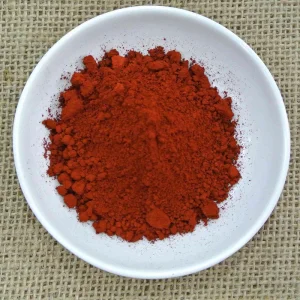
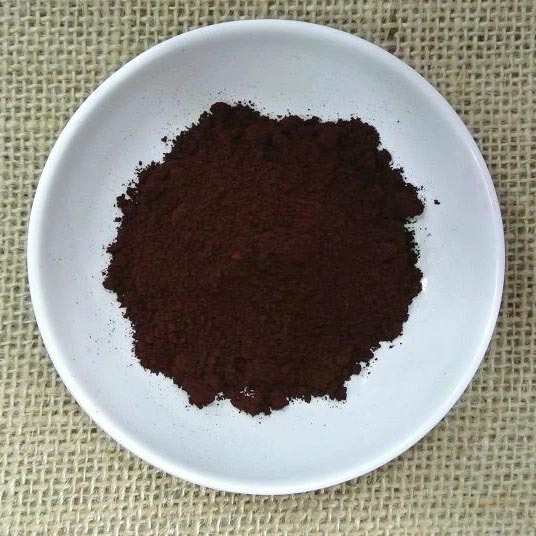
| APPEARANCE | Red Powder |
| C.I. NO. | solvent red 8 |
| STANDARD | 100% |
Solvent Dye Red 8, also known as CI Solvent Red 8, is a specially formulated dye designed to provide excellent color fastness and fading resistance for wooden surfaces.
No, this specific dye cannot be applied directly to wood. It must first be dissolved in a suitable solvent, allowing it to blend seamlessly with resins and additives to create effective wood coatings.
Its compatibility with different solvents and binders allows it to be incorporated into custom wood stain formulations for both interior and exterior applications without losing its effectiveness.
Once incorporated into the wood finish, the dye forms a strong bond with the wood surface. This makes the finished surface highly resistant to chipping, peeling, and cracking over time.
It adapts to various wood types including hardwood, softwood, and plywood. It can be applied using techniques such as spraying, brushing, and dipping to achieve even color distribution.