Explore our top-tier dye and pigment offerings synthesized for modern industrial requirements, packaging, and textile manufacturing.
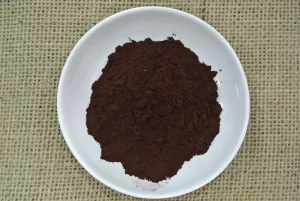
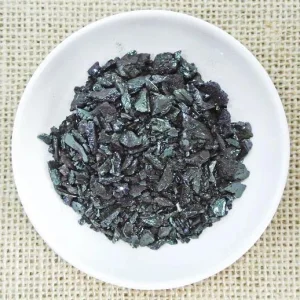
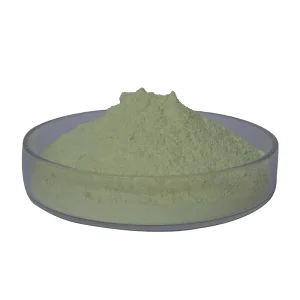
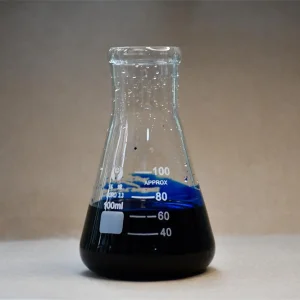
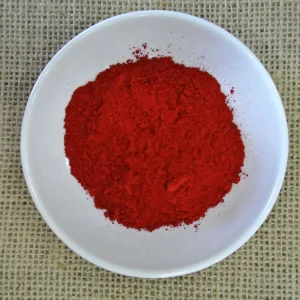
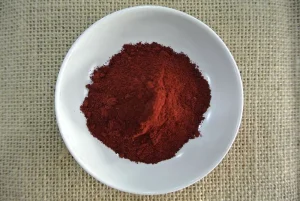
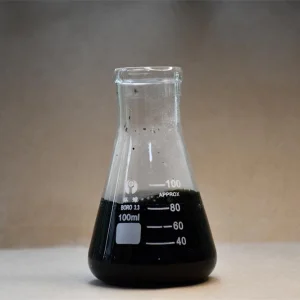
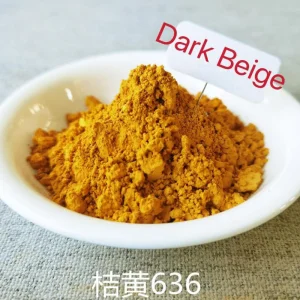
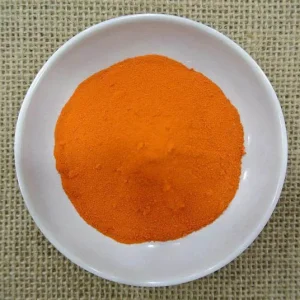
The global dyestuff landscape is undergoing a significant transition toward high-purity, environmentally compliant chemical syntheses. At the core of this transition lies the need for highly stable, rich cationic colorants. Basic Orange 2 (commonly known in the chemical industry as Chrysoidine Y, C.I. 11270) has long established itself as a foundational dye. Structurally characterized as a monoazo dye, Basic Orange 2 features basic amino groups that carry a positive charge in acidic or neutral environments, allowing for strong ionic bonding with negatively charged sites on various substrates.
Tianjin Sunrise Chem Group stands at the forefront of this manufacturing domain. With decades of intensive production experience and custom formulations, we bridge the gap between traditional chemical processing and next-generation environmental standards. Our modern production lines produce Chrysoidine crystals and powders designed for industrial uses, prioritizing batch-to-batch consistency and high color yield.
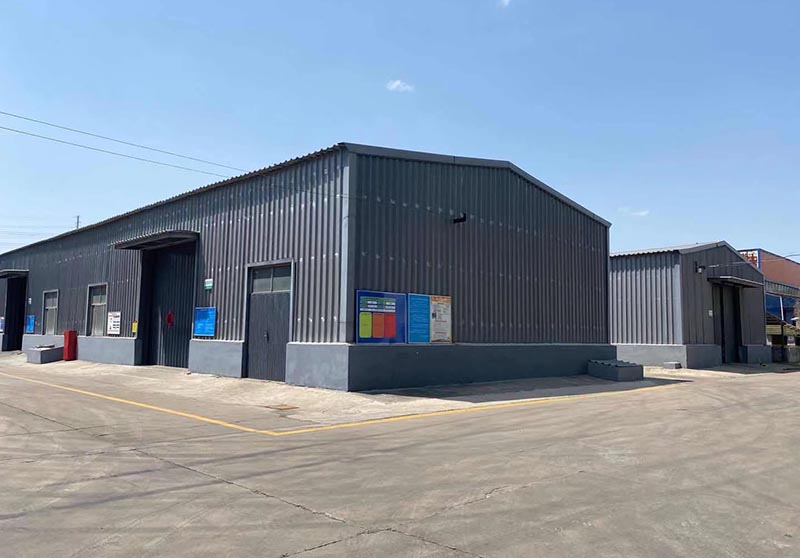
From an international industrial perspective, Basic Orange 2 is a crucial component in global supply chains. Primarily demanded across wood finishing, paper pulp coloration, acrylic fiber processing, and leather finishing, its applications are widespread. In the modern commercial market, supply chain disruptions and stringent environmental regulations require buyers to seek direct factory support rather than relying on trading intermediaries.
As a leading supplier, Tianjin Sunrise Chem Group operates structured manufacturing facilities that ensure cost-stable, high-volume production. Whether providing wood stains in Southeast Asia or high-strength coloration for European packaging manufacturers, our global distribution network ensures timely supply and regulatory compliance.
By establishing dedicated partnerships with paper mills and leather processing plants, we guarantee consistent pricing structures, secure chemical storage options, and technical support. This reduces production downtime and improves color consistency across batches.
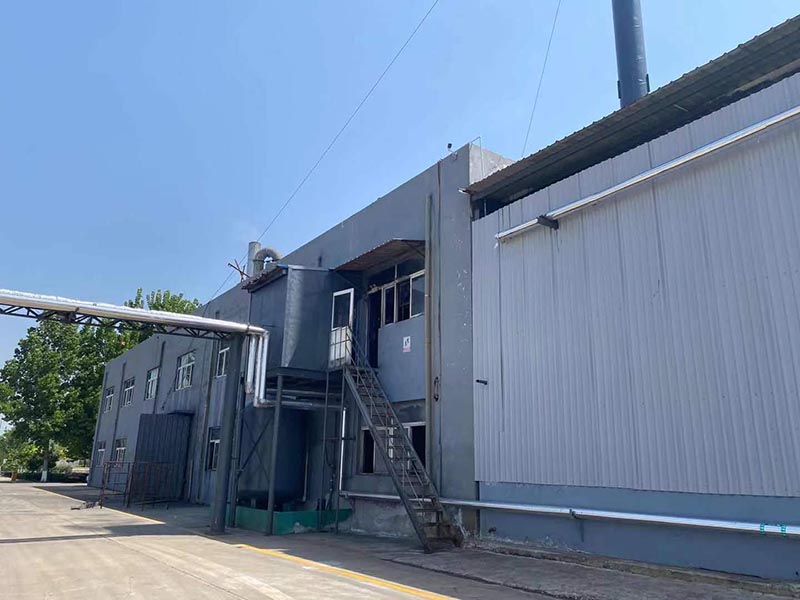
Our operations span multiple continents, ensuring container-load shipping, stable storage, and verified tracking.
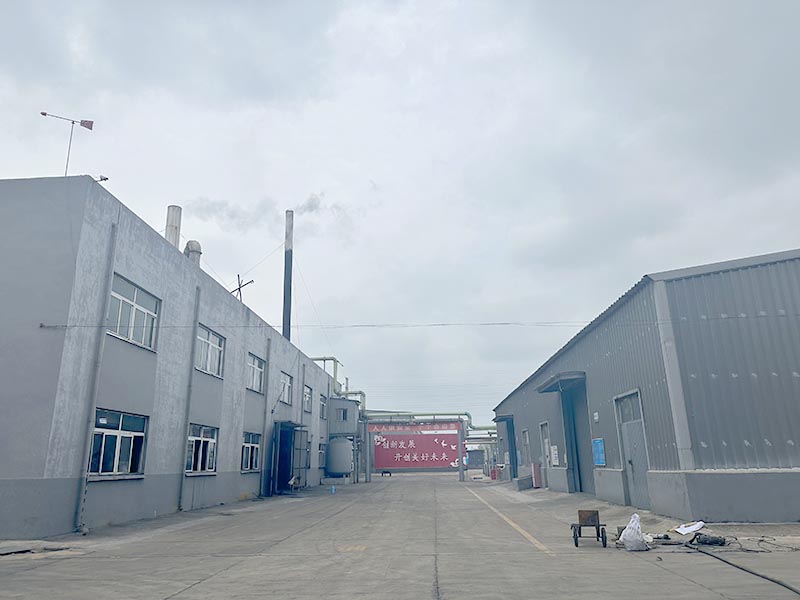
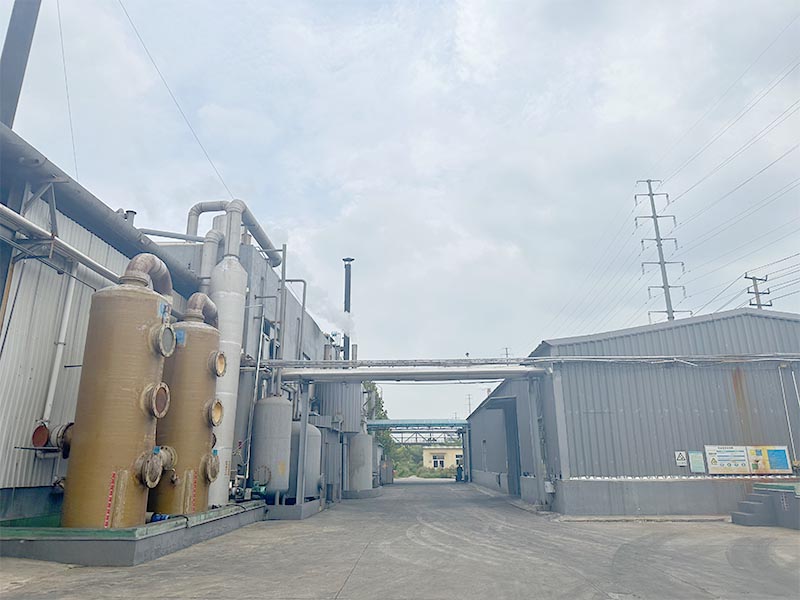
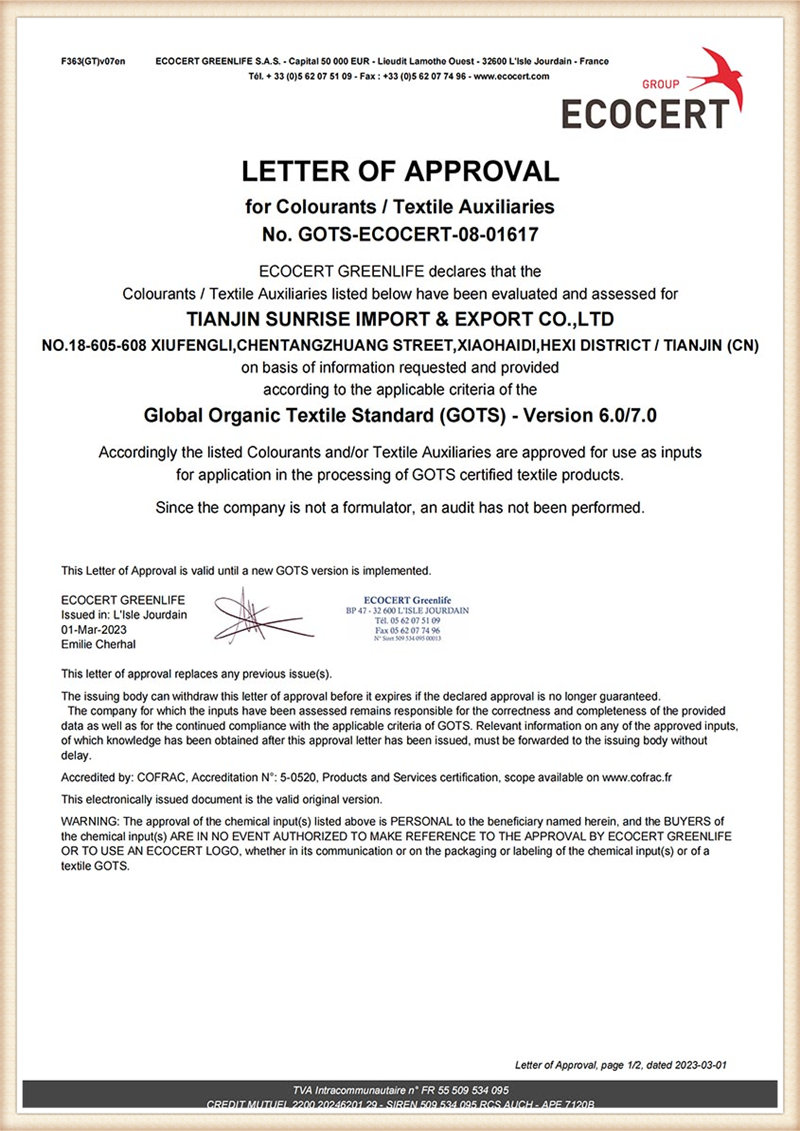
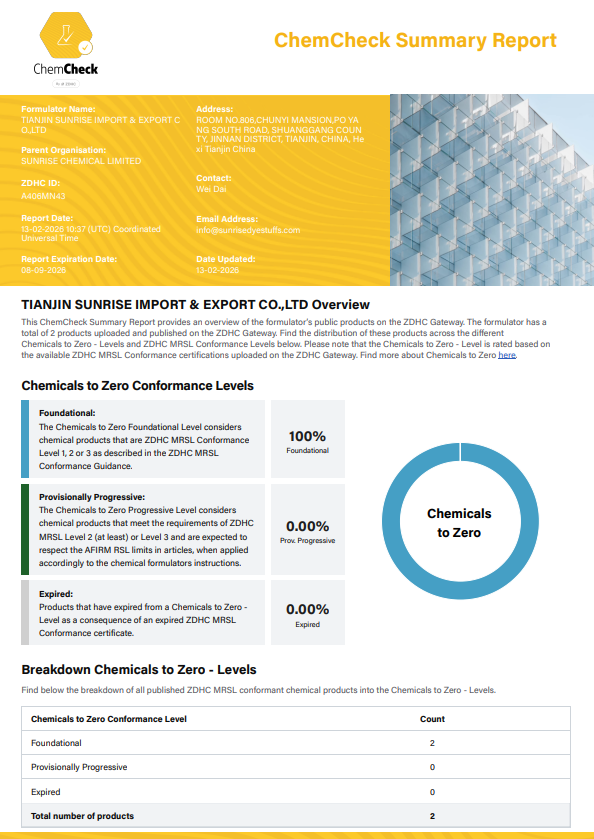
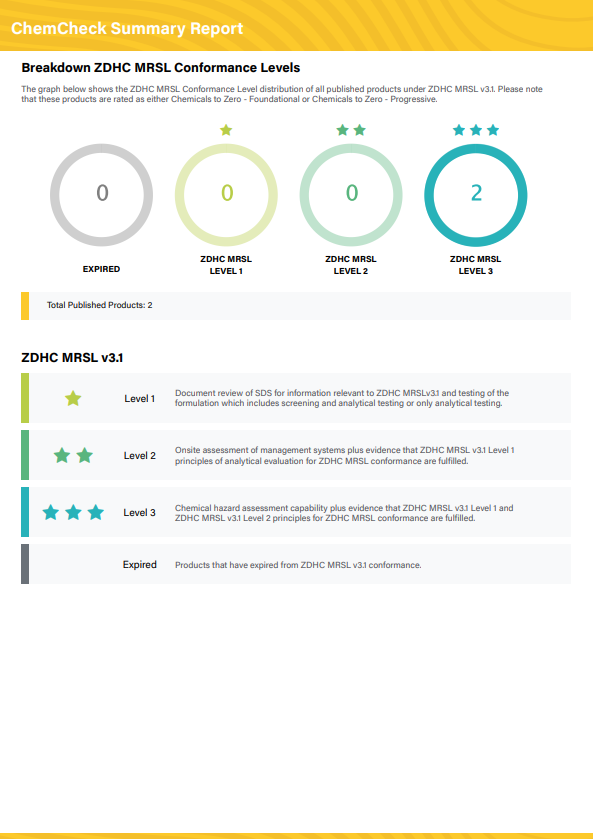
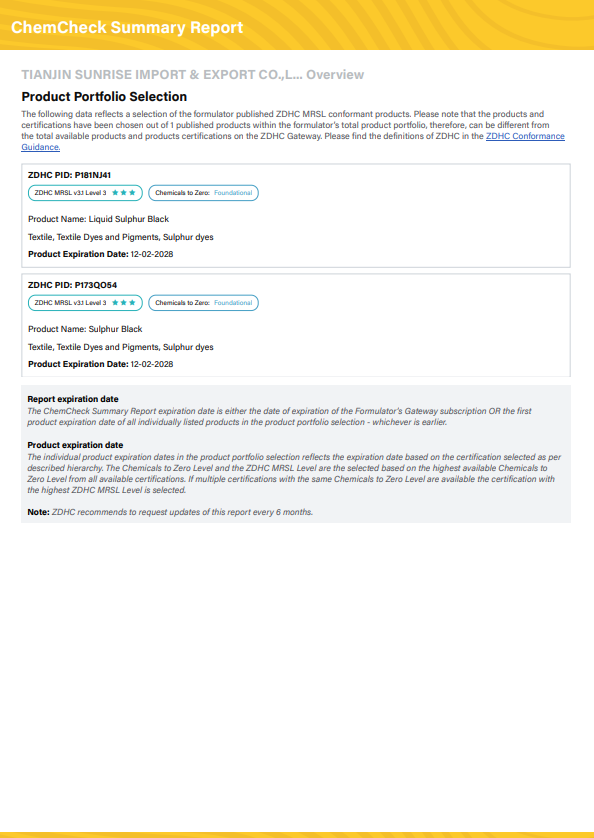
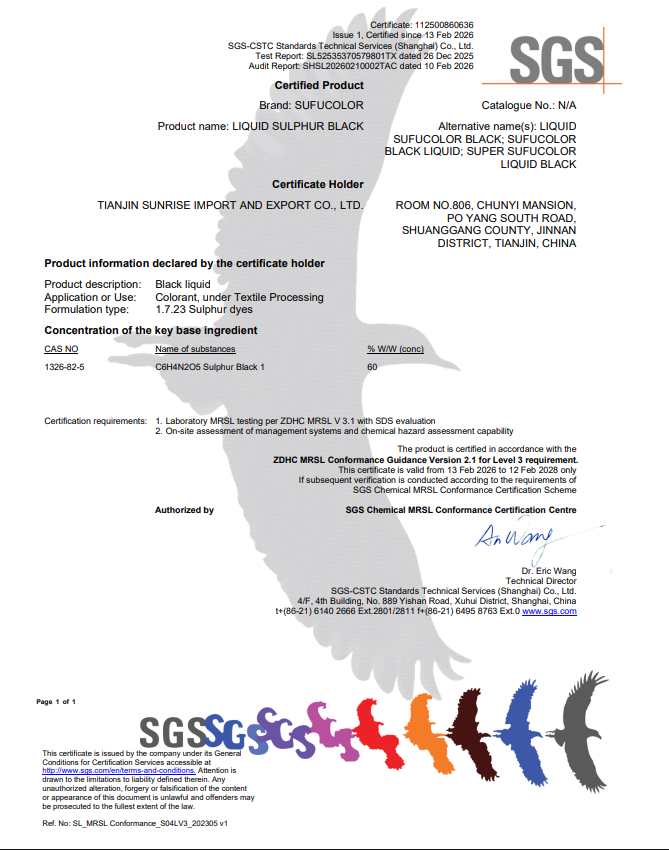
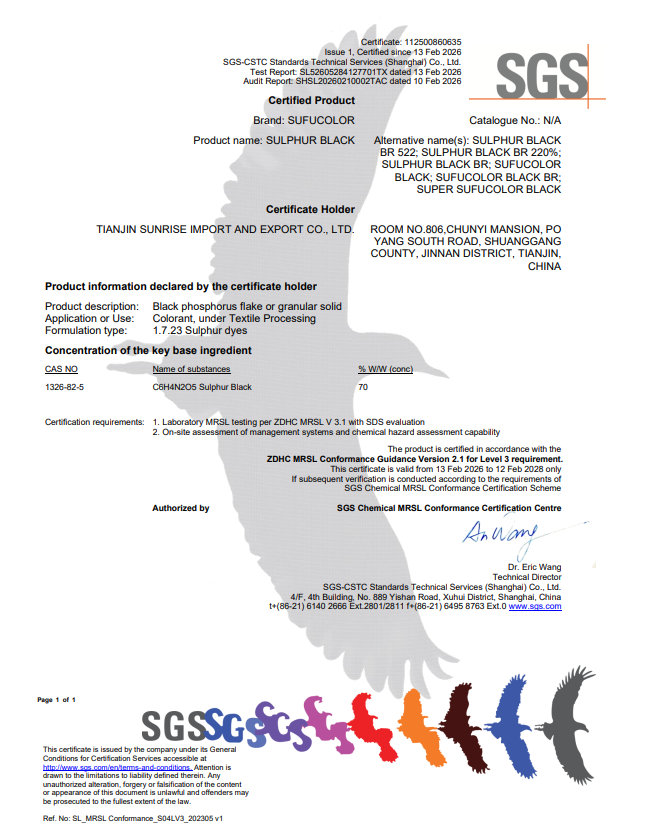
Environmental standards like ZDHC (Zero Discharge of Hazardous Chemicals) and GOTS (Global Organic Textile Standard) have changed how colorants are bought and sold globally. Tianjin Sunrise Chem Group ensures our chemical systems meet these strict requirements.
Our ZDHC Level 3 certification demonstrates that we minimize hazardous inputs throughout our manufacturing line. This helps downstream dyehouses meet strict municipal discharge requirements. Similarly, our GOTS-certified dyes support organic textile processing, ensuring that safety standards are maintained from raw fibers to finished garments.
For chemical buyers in Europe and North America, navigating regulatory compliance is critical. We provide comprehensive documentation for our Basic Orange 2 products, including detailed safety data sheets (SDS) and REACH compliance information.
Additionally, our laboratory provides specialized support for color matching. Clients can submit substrate samples (wood, paper, or fibers) to receive customized dye formulations, helping to ensure consistent color quality in production.
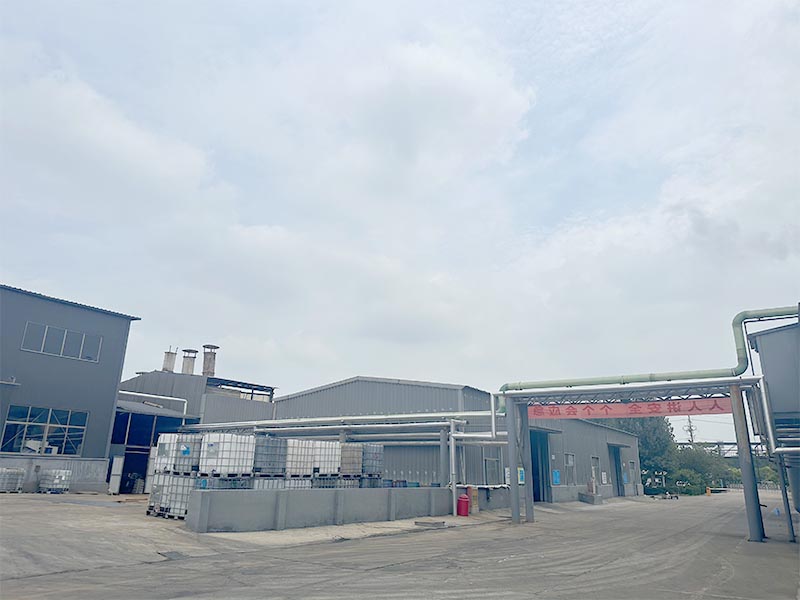
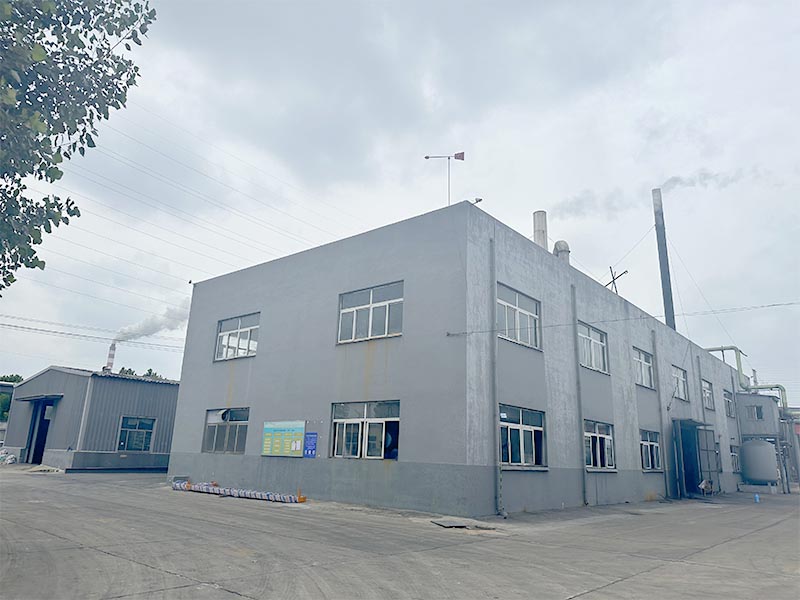
A look inside our warehouses, manufacturing systems, and shipping procedures.
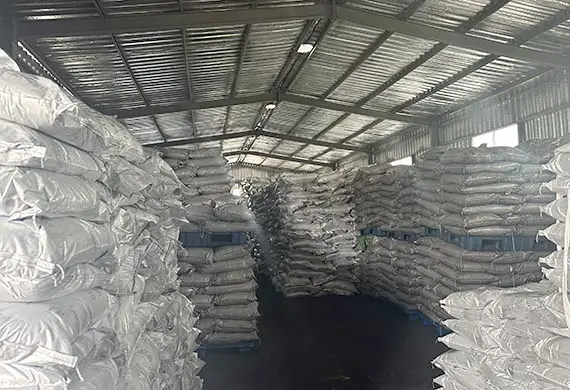
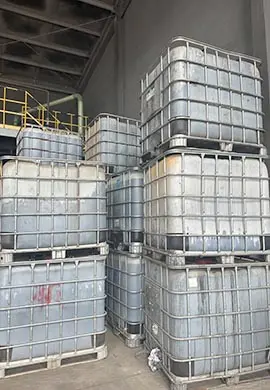
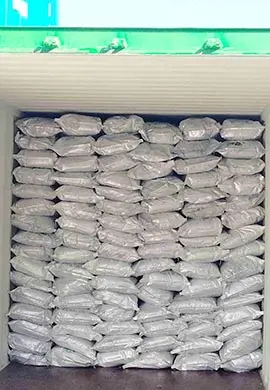
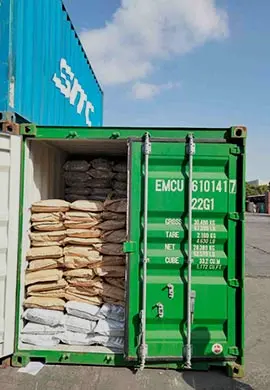
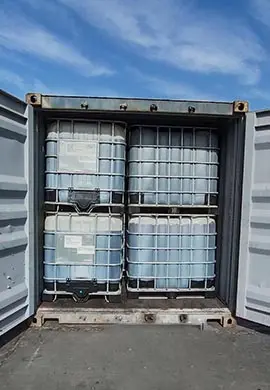
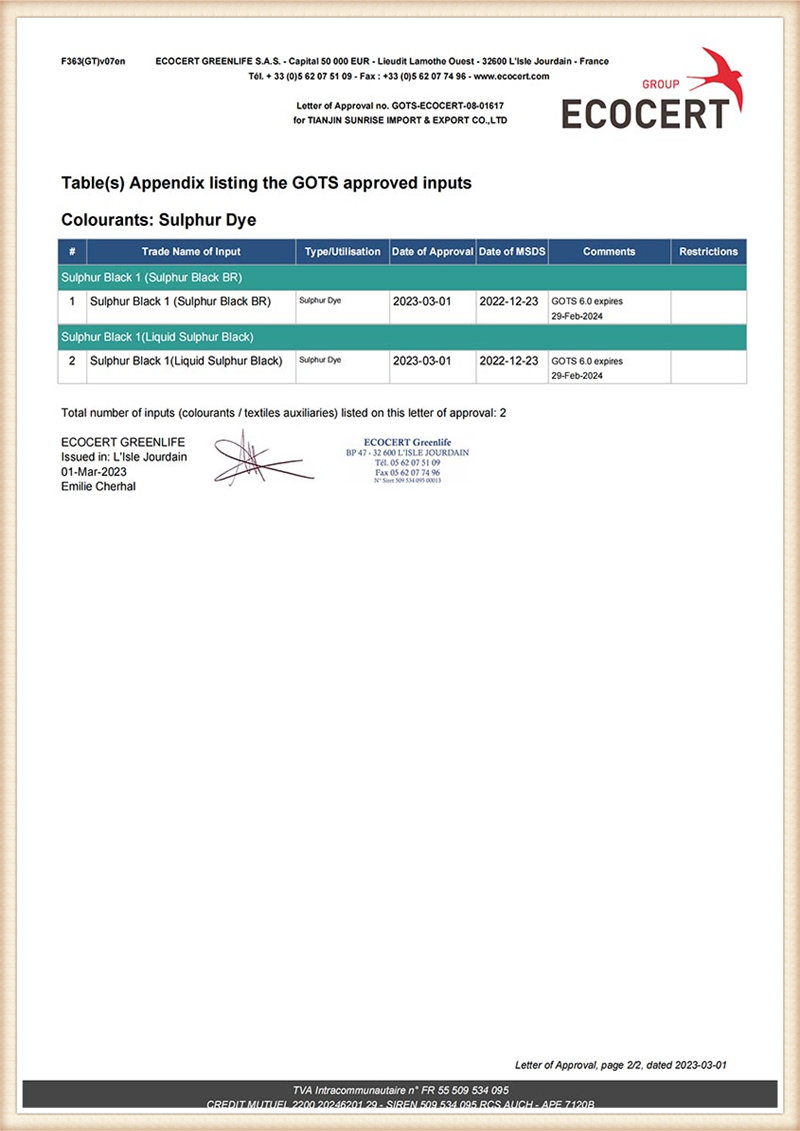
Different materials require specific chemical approaches to achieve optimal color yield. Understanding these variables is key to achieving consistent results.
Wood substrates depend on dyes that can penetrate cellulose structures without altering the wood's natural grain. Basic Orange 2 crystals dissolve easily in water or solvents, allowing the color to penetrate deep into wood pores and providing resistance to water leaching.
For packaging and kraft paper, cost-effectiveness and color yield are critical. Basic Orange 2 binds strongly to unbleached chemical and mechanical pulps, ensuring even distribution across the sheet. This makes it an economical choice for brown and orange cardboards.
Modified acrylics have negatively charged sites that form strong ionic bonds with Basic Orange 2. In leather dyeing, the dye penetrates the skin structures, creating bright surface colors that resist fading and rubbing.
Looking ahead, we are focusing our R&D efforts on three key areas: reducing salt content in our formulations to minimize environmental impact, developing liquid forms of our dyes for cleaner and easier handling in automated systems, and optimizing our processes to lower energy consumption.
These initiatives help us support the transition to cleaner, more efficient industrial dyeing processes worldwide.
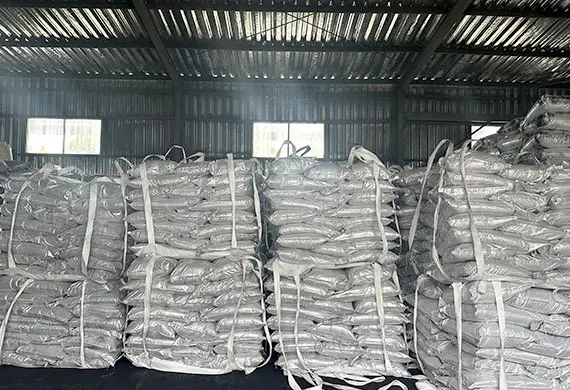
Common questions answered by our laboratory staff and chemical engineers.
Basic Orange 2 dissolves readily in water at 60°C to 80°C. We recommend dissolving the dye in hot water with continuous stirring before adding it to the main bath to prevent aggregation.
No. Mixing cationic dyes (basic dyes) directly with anionic dyes (direct or acid dyes) in a single bath will cause precipitation. They must be applied separately or used in custom formulations.
ZDHC Level 3 is the highest level of chemical conformance. It verifies that our formulations do not contain banned substances, helping buyers meet global brand compliance requirements.
Our standard packaging is 25 kg iron drums or bags. When stored in a cool, dry, and well-ventilated warehouse away from direct sunlight, the product remains stable for up to 36 months.
It shows high affinity for unbleached and recycled pulps because the cationic dye binds strongly to the residual lignin, providing an economical way to color cardboard packaging.
To minimize bleeding, mix the dye with a suitable solvent carrier (such as alcohol) or apply a protective topcoat after the stain has fully dried.
Operators should wear standard PPE, including dust masks, gloves, and safety goggles, to prevent inhalation of dust and direct contact with skin and eyes.
Yes. Every shipment is tested in our laboratory prior to dispatch, and we provide a Certificate of Analysis (COA) for each batch.
Yes, we can produce customized liquid formulations to suit automated color-dosing systems in paper and textile mills, reducing dust in the workplace.
Please contact our sales team to request pre-shipment or trial samples. We can customize the samples to match your specific production requirements.
Our extended range of acid, basic, direct, and sulphur dyes developed for diverse fiber substrates.
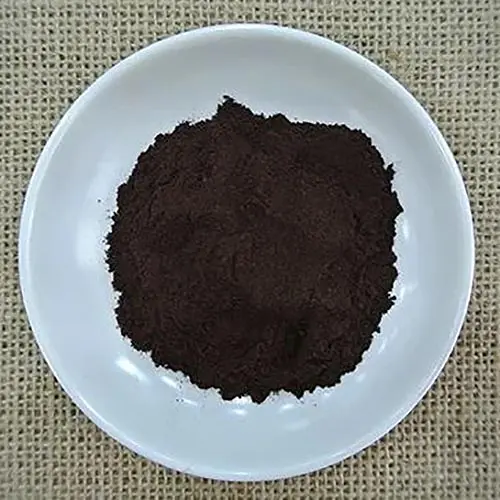
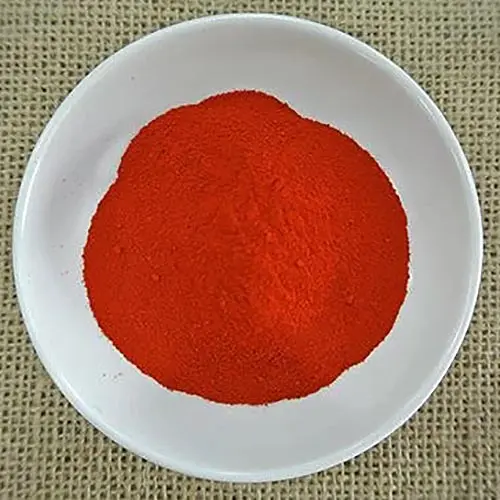
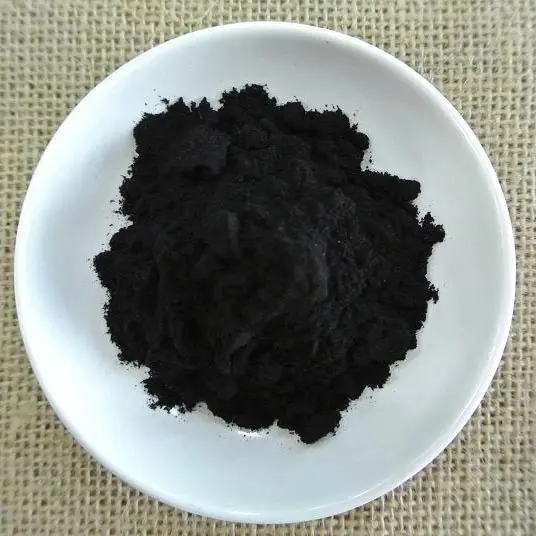
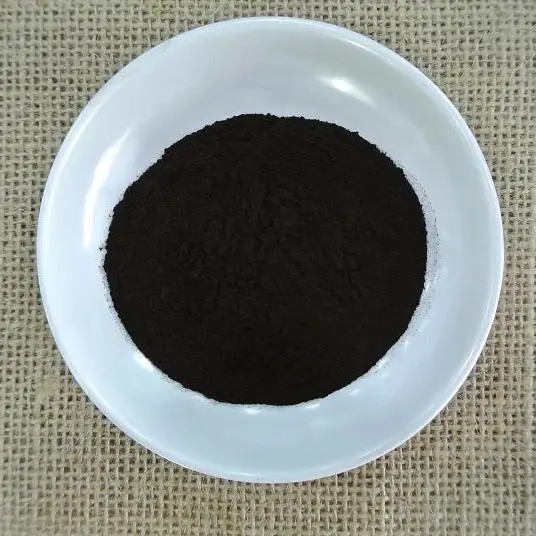
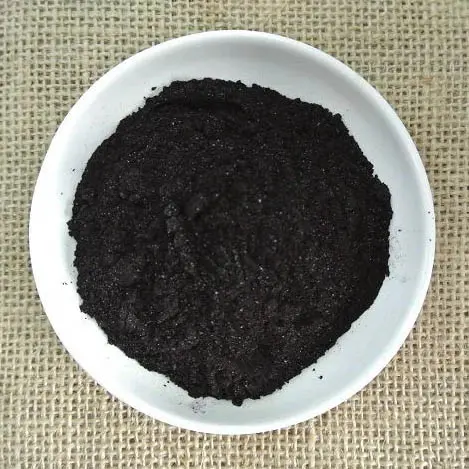
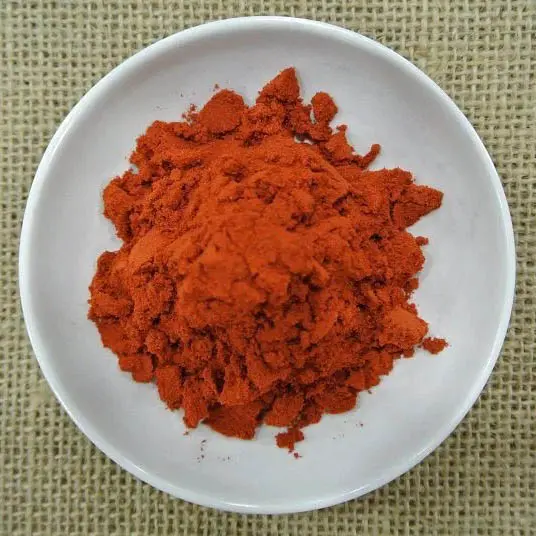
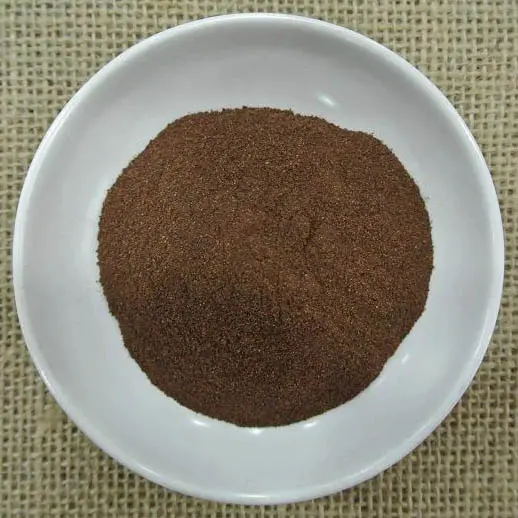
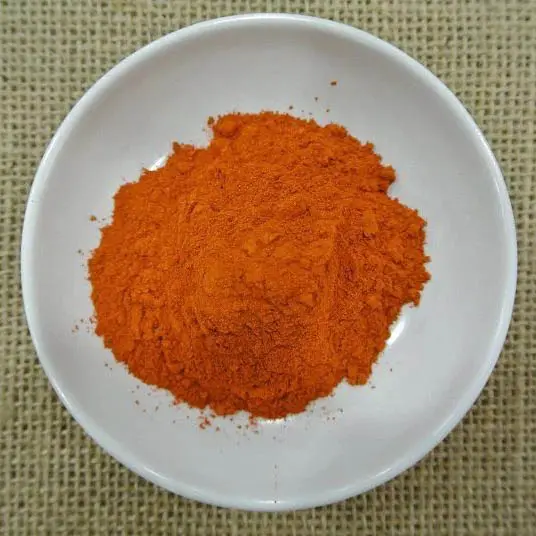
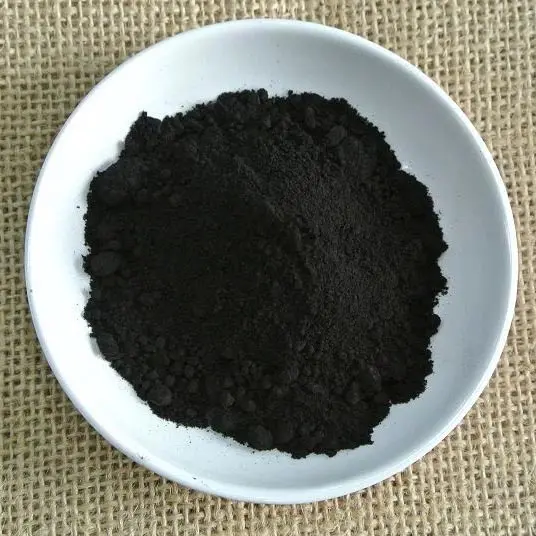
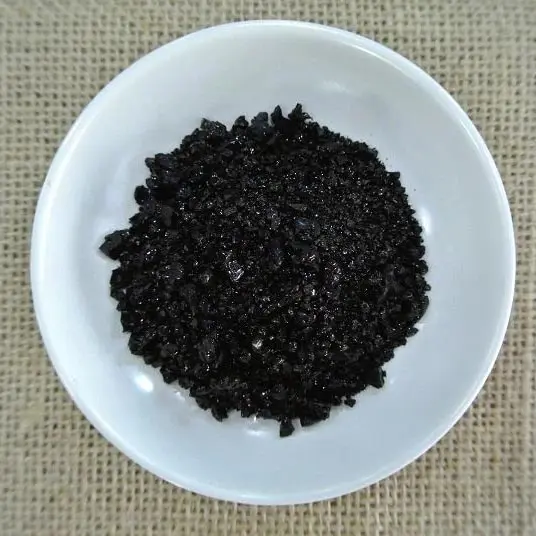
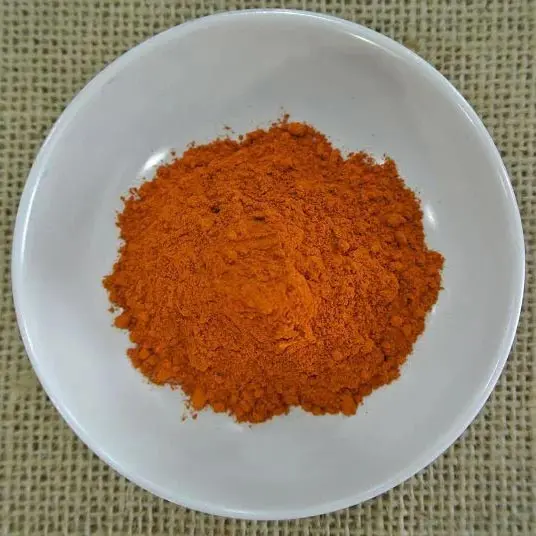
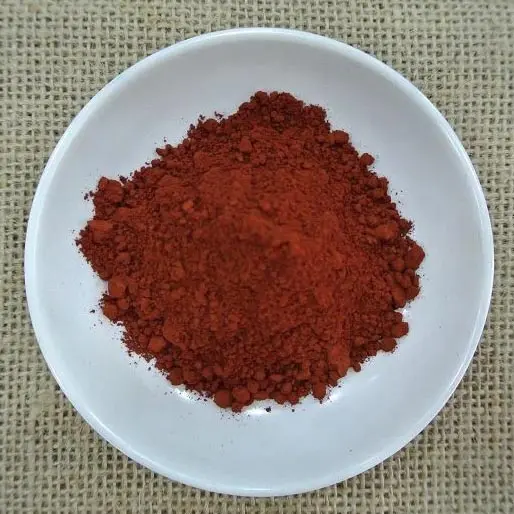
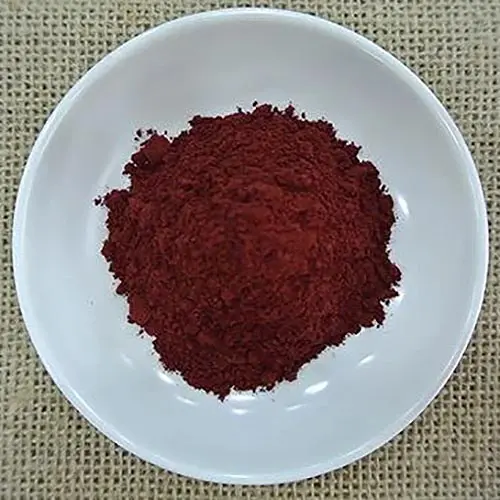
Premium selection of acid, basic, solvent, and water-soluble dyes developed for global buyers.
 Sunrise