 Sunrise
1 / 2
However, it is important to note that Chrysoidine Crystal can be harmful if mishandled or ingested. It is recommended to use proper safety precautions, such as wearing gloves and a mask, when handling this substance. Additionally, ensure that you are compliant with any local laws and regulations regarding the use and transportation of hazardous materials. Always handle with care and follow safety instructions when using.
Availability: High quality Chrysoidine Crystal is commercially available in a variety of forms, including powder or solution.
It has historically been used as an antiseptic to treat various skin conditions and wounds. Remember to always follow recommended protocols and safety guidelines when using Methyl Violet 2B to ensure proper use and minimize potential risks.
| Produce Name | Chrysoidine Crystal |
| C.I. NO. | Basic Orange 2 |
| COLOUR SHADE | Reddish; Bluish |
| CAS NO | 532-82-1 |
| STANDARD | 100% |
Chrysoidine Crystal can be used for dyeing paper, textile. It can be a fun and creative way to add color to a variety of projects, such as fabric dyeing, tie dyeing, and even DIY crafts.
After soaking, wash the fabric by hand or in the washing machine using cold water and a gentle, color-safe detergent. Follow the instructions on the detergent packaging for the correct amount to use.
Once the wash cycle is complete, check the fabric for any remaining dye stains. If the stain is still visible, repeat steps 3-5 or try a different stain removal method.
After washing, air dry the fabric to avoid setting in any residual dye. Once dry, check the fabric again and repeat the stain removal process if necessary.
Keep in mind that some dyes may be more stubborn and difficult to remove. It's always a good idea to test any stain removal method on a small, inconspicuous area of the fabric before treating the entire stain.
It is highly recommended to use proper safety precautions, including wearing protective gloves and a face mask. Ensure you follow all safety guidelines to prevent accidental ingestion or skin contact, and remain compliant with local laws and regulations regarding the transport and handling of hazardous materials.
Chrysoidine Crystal is a cationic dye widely used for coloring paper products and textiles. It is suitable for fabric dyeing, tie-dyeing, and various DIY craft projects.
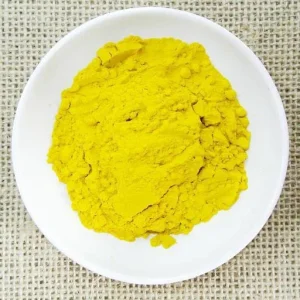
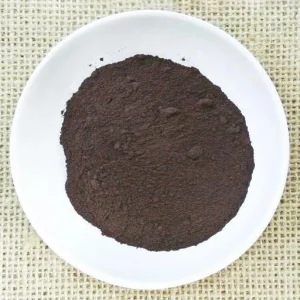
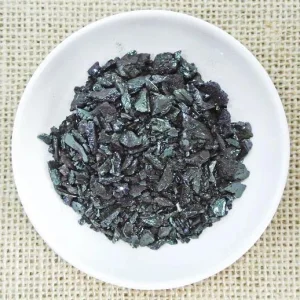
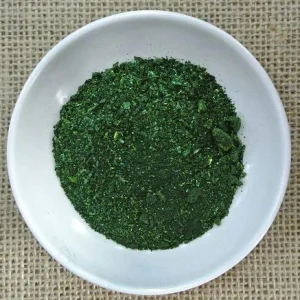
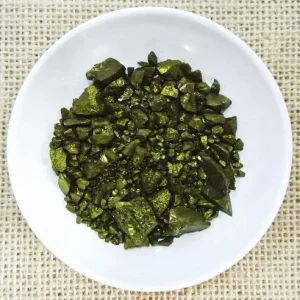
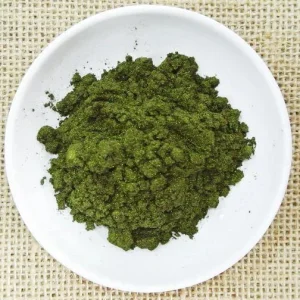
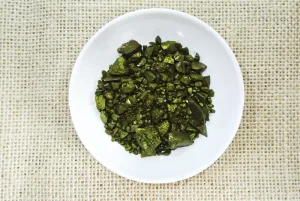
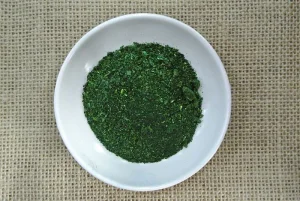
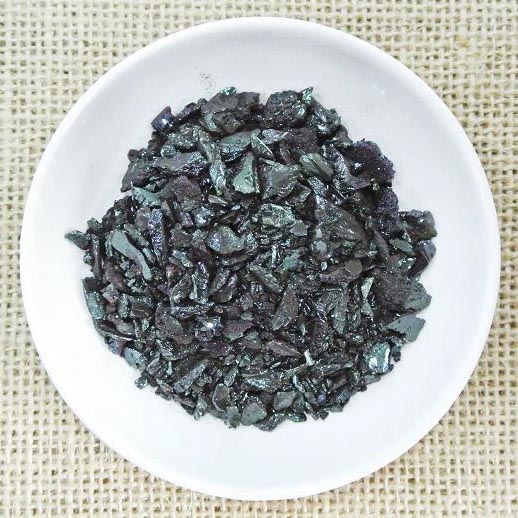
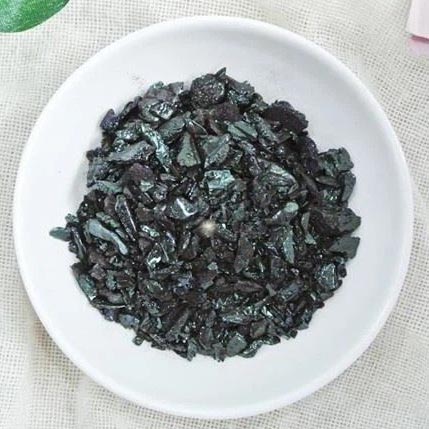
It presents as red-brown crystals, classified as Basic Orange 2 (CAS Number 532-82-1) with a standard concentration of 100%. It is available in shades ranging from reddish to bluish.
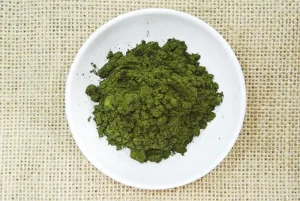
High-quality Chrysoidine Crystal is commercially supplied in multiple physical forms, primarily as a powder or in solution, allowing compatibility with different dyeing processes.
After soaking, wash the fabric in cold water by hand or using a washing machine with a gentle, color-safe detergent. Make sure to air dry the fabric afterward to prevent setting any residual dye, and check for remaining stains before applying further treatment.
Some dyes can be highly resistant. It is advised to test any stain removal techniques on a small, hidden portion of the fabric first to protect the material before attempting to treat the entire stained area.