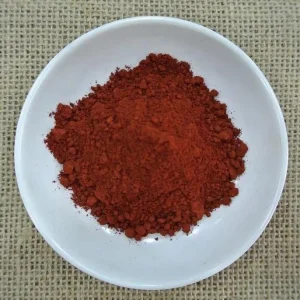
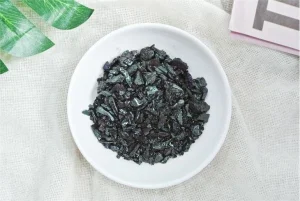
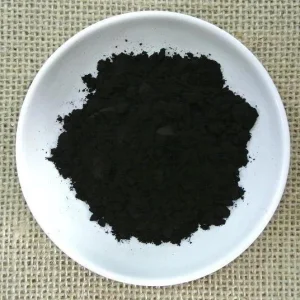
Premium colorants formulated to exceed rigorous global manufacturing requirements. Engineered for exceptional stability, brilliant color yields, and deep molecular penetration.
In the global dye manufacturing sector, Basic Blue 41 (C.I. 11154) stands as a cornerstone cationic colorant. Recognized for its excellent structural affinity to acrylic, modacrylic, and anionic-dyeable polyester fibers, it represents the gold standard for producing intense, bright, and durable blue shades. As supply chain volatility continues to impact chemical buyers, sourcing directly from reliable Chinese manufacturers with integrated production pipelines has become a primary driver of cost-efficiency and quality control.
This whitepaper explores the chemical architecture, global commercial trends, processing guidelines, and sustainable breakthroughs surrounding Basic Blue 41. Drawing on the long-term expertise of Tianjin Sunrise Chem Group, we highlight the technical advantages and chemical management procedures that ensure batch consistency and regulatory compliance in modern industrial environments.
Information Gain Indicator: Learn how the coordination of structural purity, low-dusting formulation, and dynamic chemical balance enhances bath stability and limits effluent load in modern textile mills.
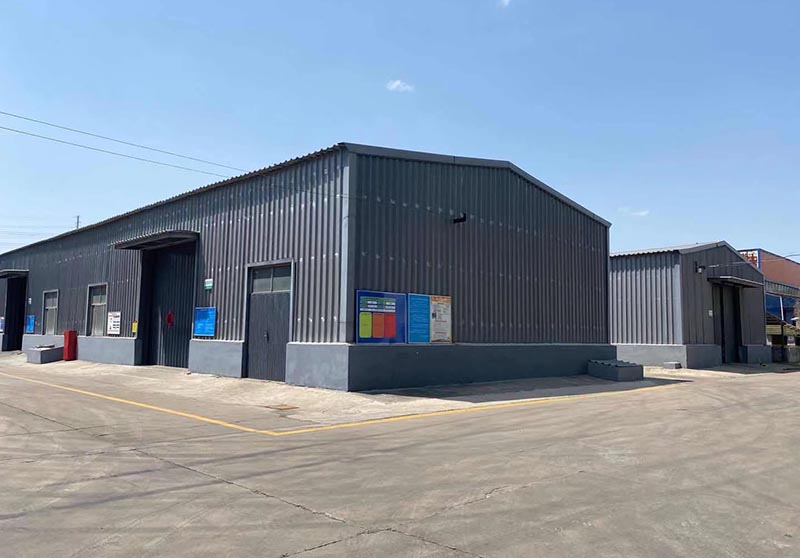
Understanding the molecular dynamics and specifications that govern dye performance and application efficiency.
An azo-methine cationic dye structurally characterized by a quaternary ammonium group, giving it a strong positive charge that binds to anionic fibers.
Demonstrates high affinity below the boiling point. Exhaustion is highly temperature-dependent, peaking between 85°C and 98°C.
Classified under K=3 to K=3.5, requiring precise temperature control and non-interfering leveling agents during the heating phase.
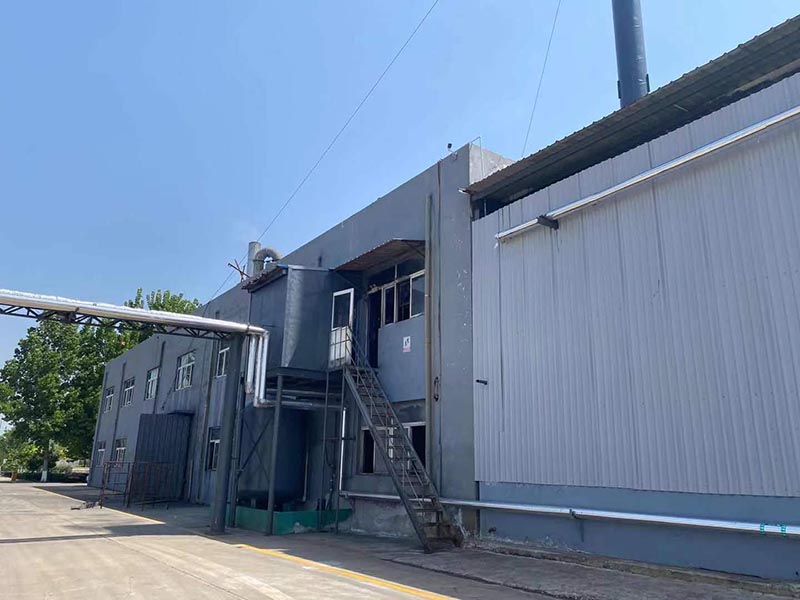
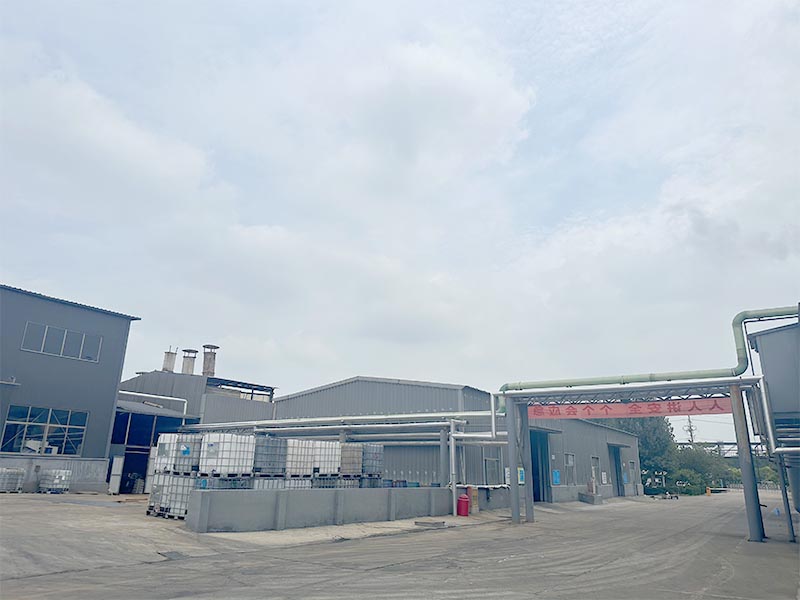
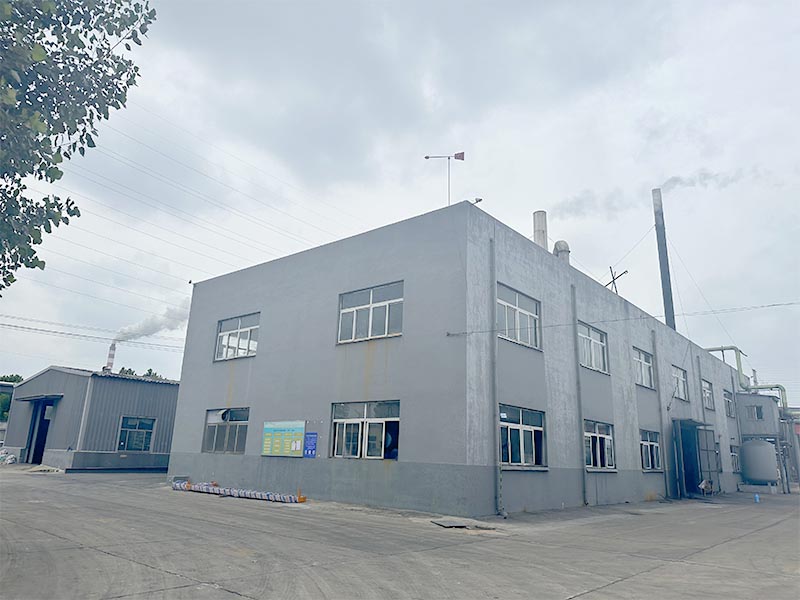
Tianjin Sunrise Chem Group specializes in manufacturing high-quality dyestuffs, offering an extensive catalog that includes Direct dyes, Acid dyes, Basic dyes, Sulphur dyes, Solvent dyes, Liquid dyes, and Fluorescent dyes. Backed by decades of industry and export experience, we have built a reputation for reliability and excellence, serving clients from diverse sectors including denim, textile, leather, paper, and plastic.
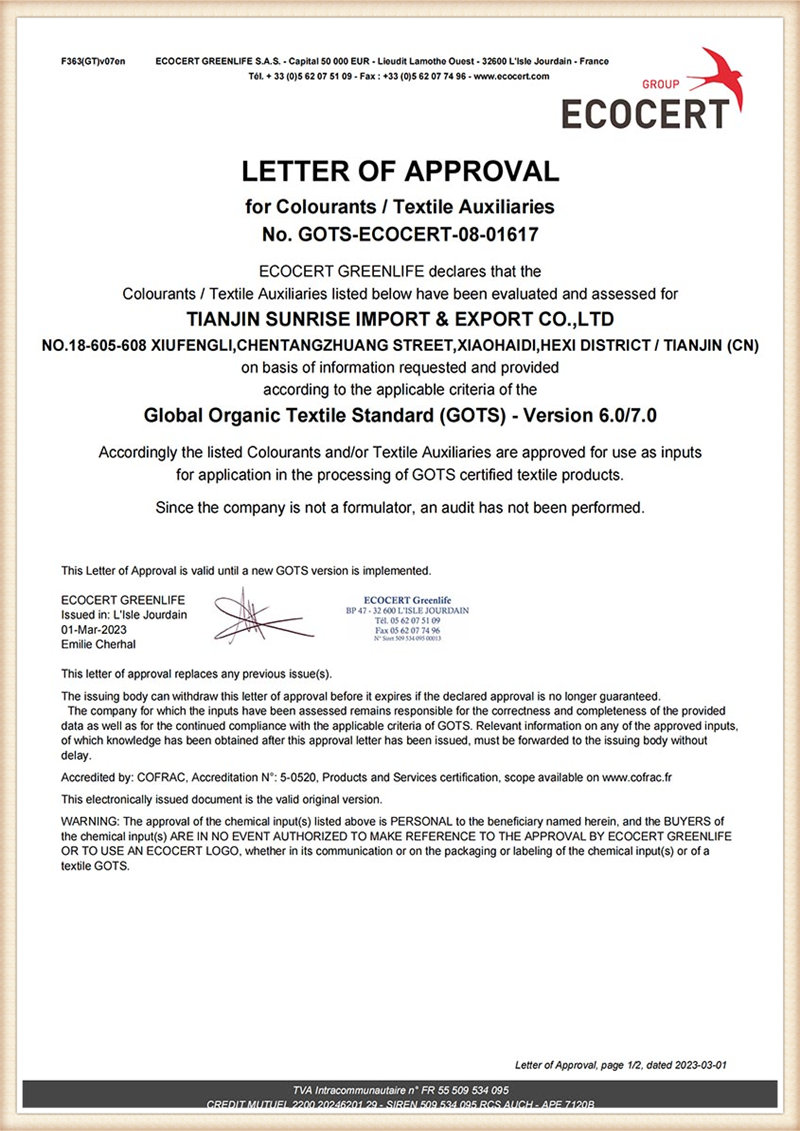
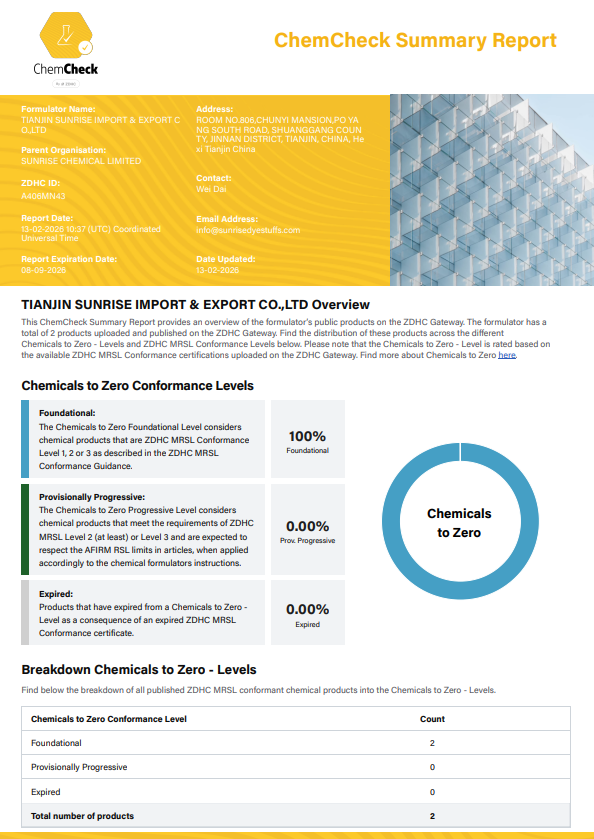
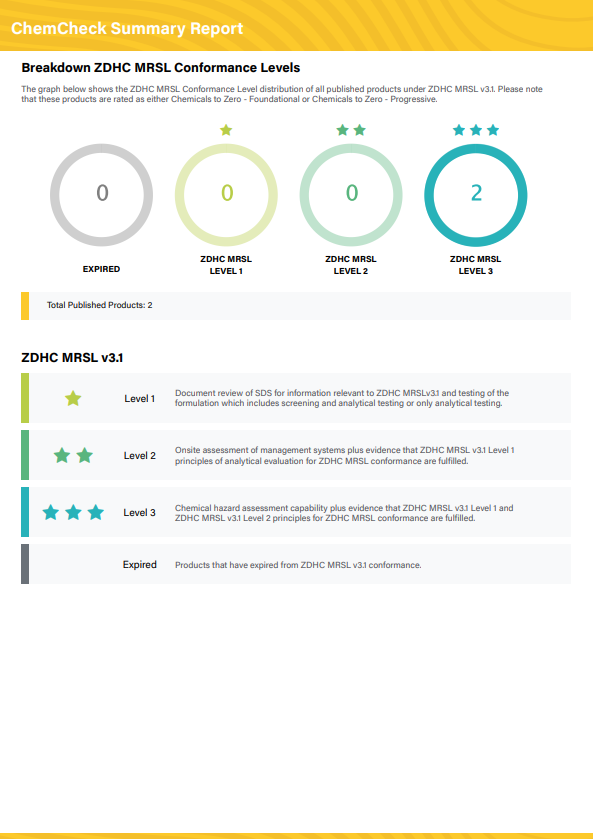
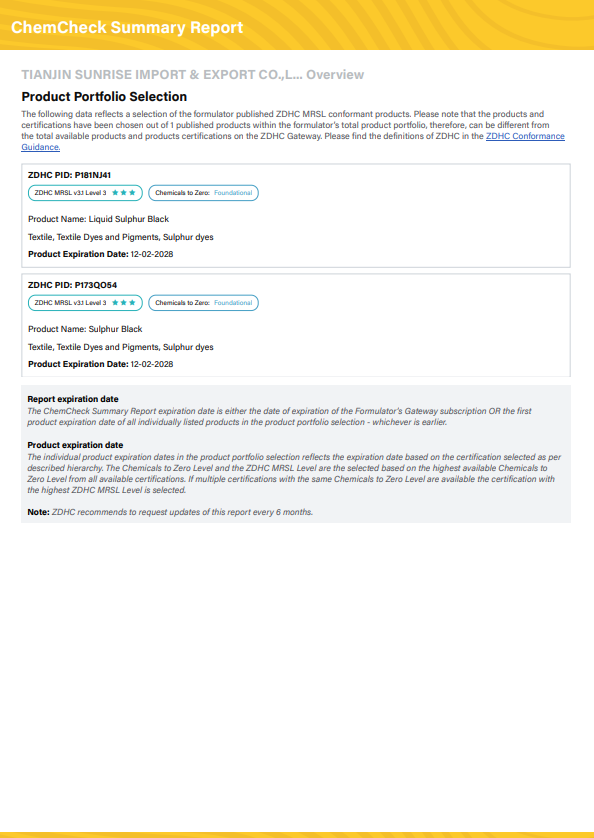
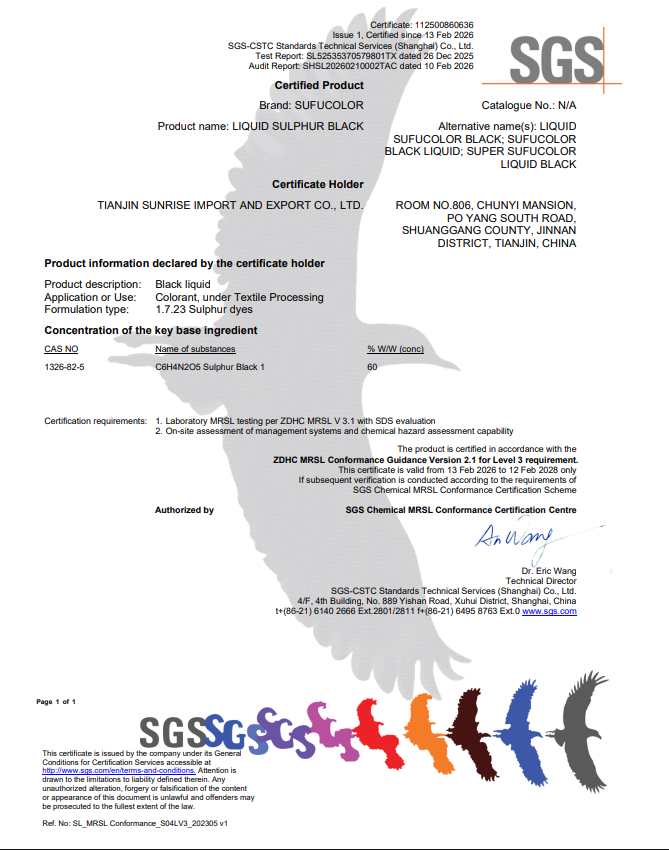
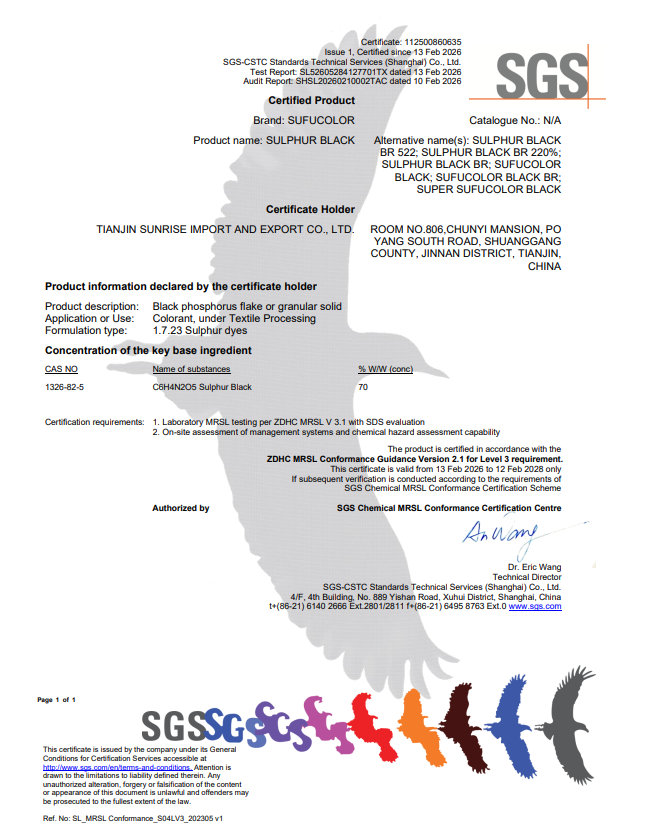
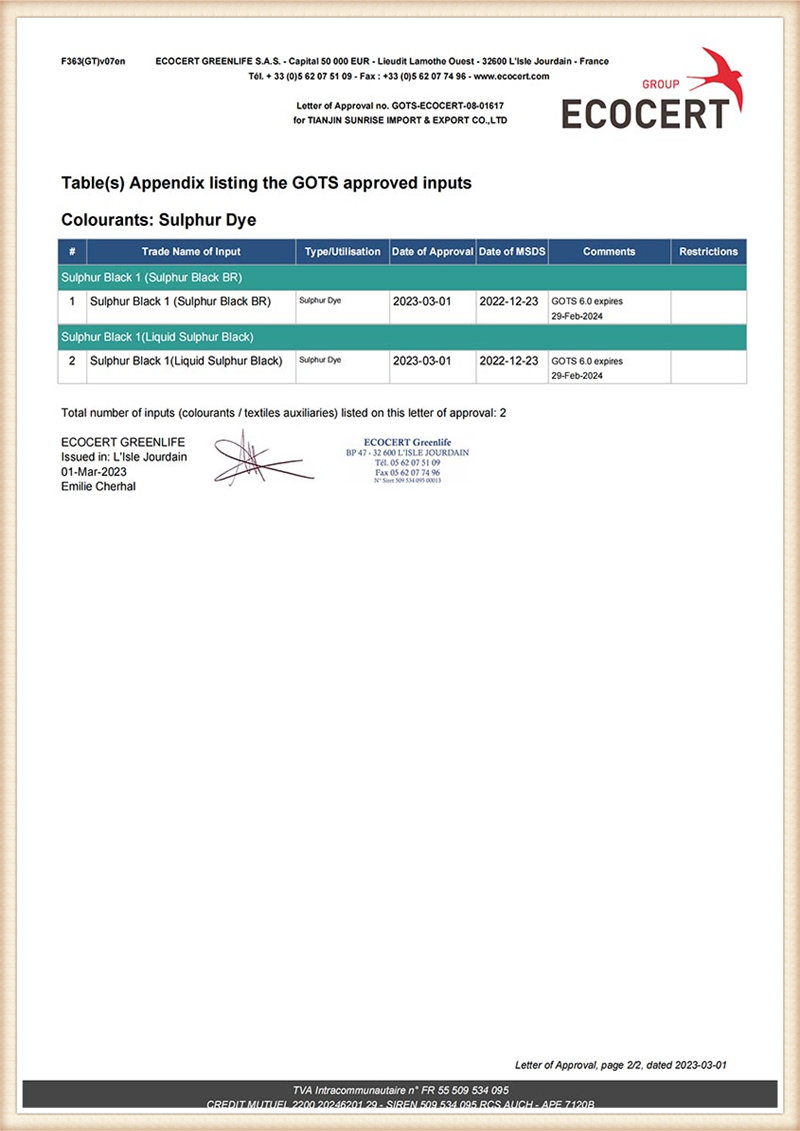
We highly focus on product quality and batch stability. Every single shipment undergoes strict testing in our laboratory before being dispatched to the port. Our ZDHC Level 3 and GOTS certificates ensure your quality is guaranteed, helping you meet international environmental standards.
We pride ourselves on offering customized solutions. Our team of experts works closely with clients to understand their unique needs and delivers tailored products and services. We actively seek strategic partnerships to expand our reach and enhance our offerings. Collaborate with us to explore mutual growth opportunities.
How Chinese chemical manufacturing infrastructure delivers unmatched value to global buyers.
By sourcing raw materials directly from local chemical complexes, we avoid intermediate markups. This ensures a stable price point and continuous production, even during raw material shortages.
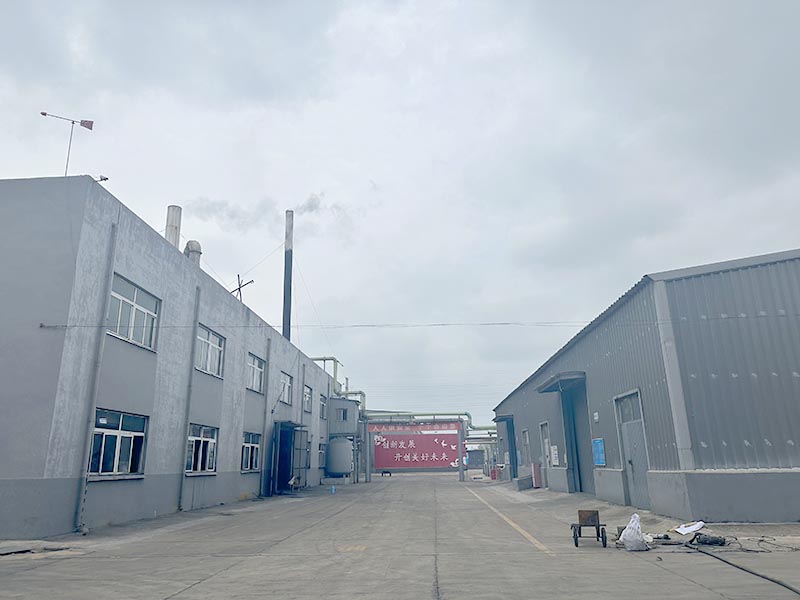
Our manufacturing facility utilizes modern DCS-monitored reactors that control reaction temperatures within margins of ±0.5°C. This level of control stabilizes the molecular weight and purity of Basic Blue 41.
Our proximity to Tianjin Port provides major freight advantages. We can fast-track container packing, export customs clearances, and shipping schedules, reducing total lead times by up to 20% compared to inland factories.
Best practices for utilizing Basic Blue 41 across different industrial sectors and materials.
Basic Blue 41 exhibits high affinity for acrylic fibers. Because acrylic fibers contain negative sulfonic or carboxylic groups, the cationic dye molecules quickly align with these sites. Below 75°C (the glass transition temperature $T_g$), dyeing is minimal. Above $T_g$, the fiber opens up, causing the dye to strike rapidly. Using a retarding agent helps control the rate of absorption and prevents uneven coloration.
For blends containing wool or cotton, a two-step bath process is generally recommended. Because anionic dyes (such as Acid dyes for wool or Direct dyes for cotton) can react with cationic dyes, using non-ionic dispersing agents helps prevent co-precipitation. This keeps both dye classes stable in the bath.
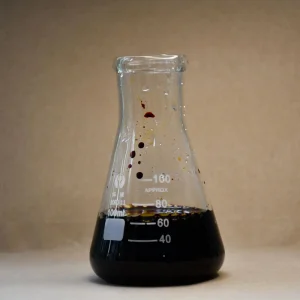
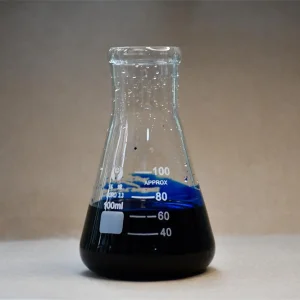
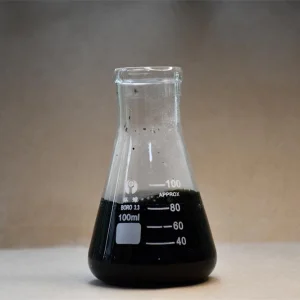
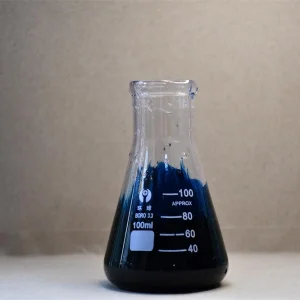
In paper manufacturing, Basic Blue 41 is often used in liquid form to dye pulps. It binds strongly to the negatively charged cellulose fibers, resulting in clear backwaters and reducing chemical loss. Liquid formulations are also easier to dose and prevent dust in the workspace.
Dyeing Protocol Tip: Maintain the dye bath pH between 4.0 and 4.5 using an acetic acid-sodium acetate buffer. This range keeps the basic dye stable and protects the acrylic fibers from damage.
Our operations are structured to manage volume demands and ensure safe, compliant shipping across international borders.
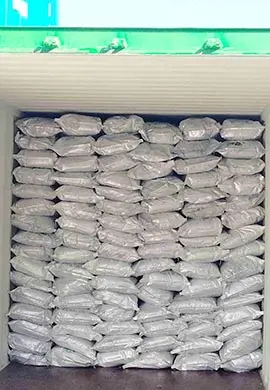
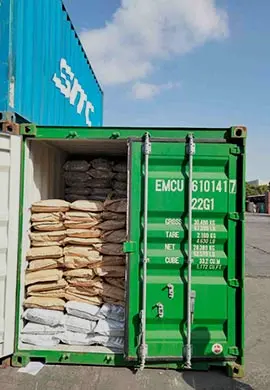
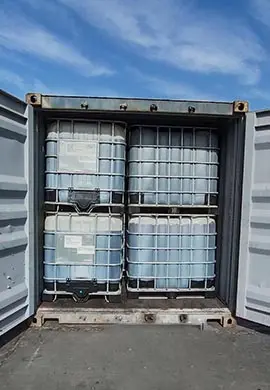
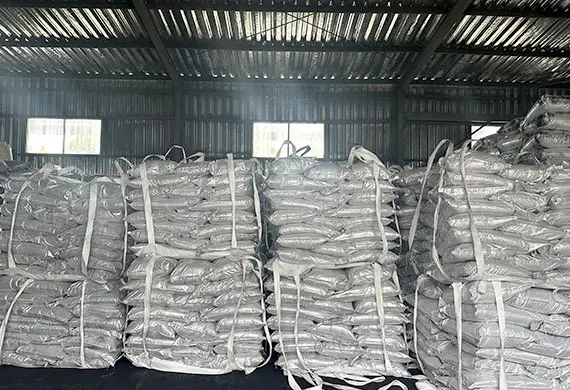
Eco-friendly practices are central to our product development. We are committed to supplying high-performance, eco-friendly colorants that balance manufacturing needs with environmental care, supporting a sustainable path for the textile industry.
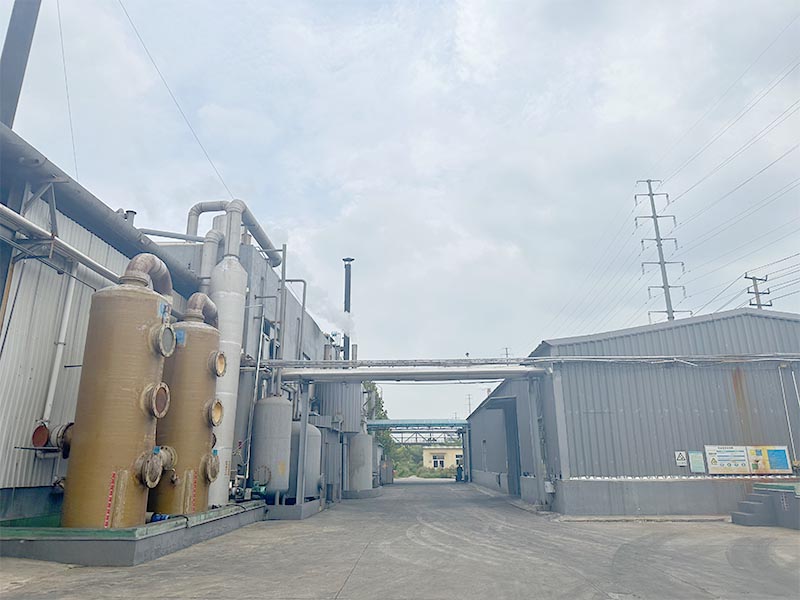
Our company implements chemical management procedures that meet international requirements for wastewater treatment and pollution prevention.
Our certifications guarantee that the chemicals and textiles we process meet strict environmental and labor standards.
ZDHC Certification focuses on eliminating hazardous substances, while GOTS Certification ensures the organic status of textile products from fiber sourcing to final delivery.
When buying Basic Blue 41 in bulk, procurement managers should evaluate suppliers against several key criteria to ensure consistency and quality:
Expert advice on troubleshooting application issues and understanding the supply chain dynamics of Basic Blue 41.
Basic Blue 41 (CAS Number 12221-37-3) is an azo-based cationic dye containing a quaternary ammonium group. This molecular structure gives the dye a permanent positive charge, allowing it to form secure ionic bonds with the negatively charged sulfonic and carboxylic acid sites in acrylic and modacrylic fibers.
Because cationic dyes strike rapidly above the glass transition temperature of acrylic (approx. 75-80°C), controlling the rate of temperature rise is critical. We recommend heating at a rate of 0.5°C to 1.0°C per minute between 75°C and 95°C. Additionally, using a cationic retarding agent helps slow down the strike rate by temporarily competing for dye sites on the fiber.
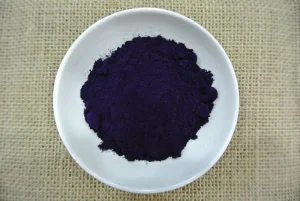
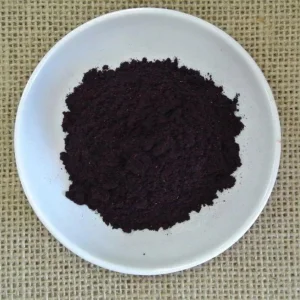
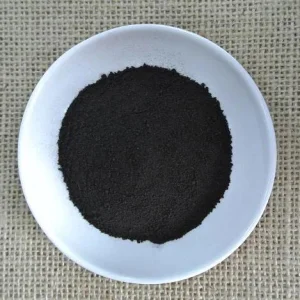
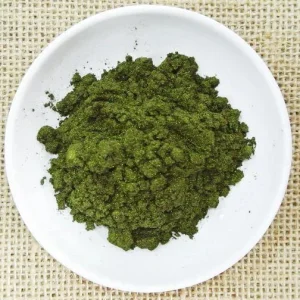
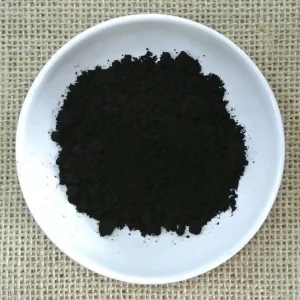
Basic Blue 41 powder is highly concentrated and offers long-term storage stability, but it requires careful mixing to prevent dust in the workspace. The liquid form provides a dust-free alternative that can be dosed automatically, though it must be stored within a moderate temperature range to avoid sedimentation.
ZDHC Level 3 certification ensures that our dye formulations comply with the Manufacturing Restricted Substances List (MRSL). This gives global buyers confidence that the raw materials used do not contain prohibited hazardous substances, protecting both workers and the environment.
Because cotton and wool do not have the same anionic structure as acrylic, Basic Blue 41 has low affinity for these fibers on its own. For blends, a two-step process is recommended. Using a non-ionic dispersing agent helps keep the different dye classes stable in the bath and prevents spotty dyeing.
Precipitation occurs when anionic dyes (like direct or acid dyes) combine with cationic dyes in the same bath. To avoid this, use a non-ionic dispersing agent to stabilize the bath, or run a two-bath process where the fiber types are dyed in separate stages.
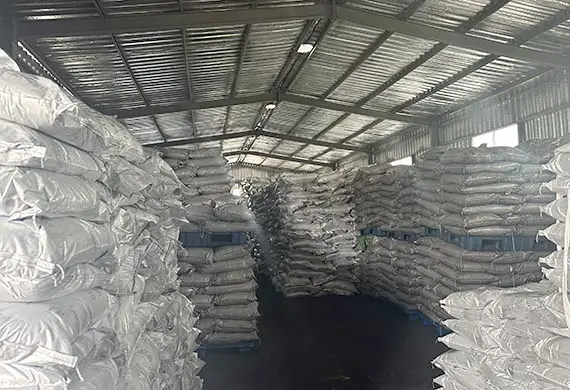
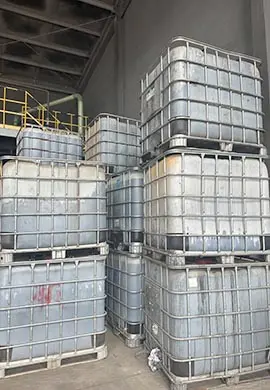
We ship our powder dyes in 25kg iron drums, carton boxes, or woven bags lined with polyethylene bags. Our liquid dyes are shipped in 200kg plastic drums or 1000kg IBC containers to ensure safe transport.
Every production batch undergoes spectrophotometer testing in our laboratory to check for color strength and shade. We also keep counter-samples from each batch for a minimum of two years to verify quality and trace any issues.
Our complete product range is engineered to deliver reliable color performance across diverse industrial applications.
 Sunrise