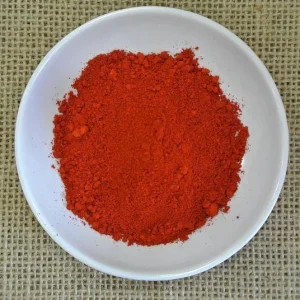
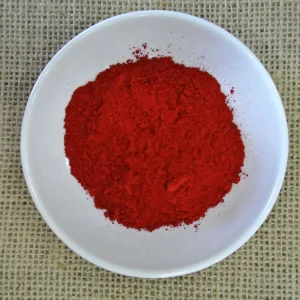
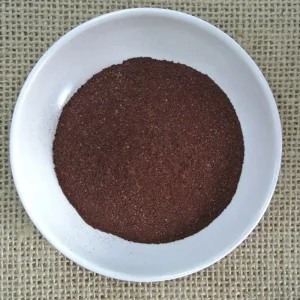
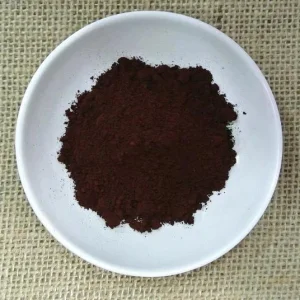
Explore our certified industrial chemical dyes, manufactured to global purity and stability criteria.
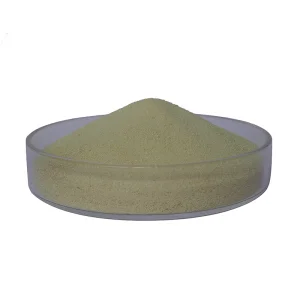
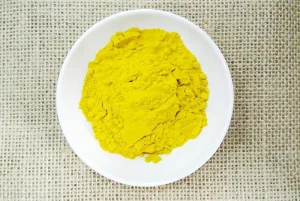
Basic Yellow 37 (also classified under cationic dyestuffs) represents a cornerstone in the coloration of high-performance acrylic fibers, paper substrates, and specialized copolymer textiles. Structurally similar to diarylmethane and ketonimine structures, Basic Yellow 37 delivers a highly intense, bright greenish-yellow hue. Unlike traditional azo dyes, Basic Yellow 37 relies on a specialized quaternary nitrogen chromophore system that aligns with negatively charged groups found in acrylic polymers (polyacrylonitrile) and wood pulps containing residual lignins.
For global procurement officers and chemical engineers, procuring Basic Yellow 37 from an established OEM manufacturer is a vital strategy. It guarantees structural consistency, batch uniformity, and low trace-impurity levels. Tianjin Sunrise Chem Group has optimized the organic synthesis of this dye, ensuring that ionic activity and structural configurations remain stable across high-volume production cycles. This whitepaper analyzes the core technical properties, downstream applications, regulatory developments, and optimization strategies necessary to extract maximum value from this important colorant.
“Stability in cationic dyestuffs is a direct function of reaction temperature regulation and ionic standardization. At Tianjin Sunrise Chem, our OEM production facilities utilize automated continuous reaction pathways to guarantee that our clients receive a dye that resists structural breakdown even under high-temperature pressurized dyeing conditions.”
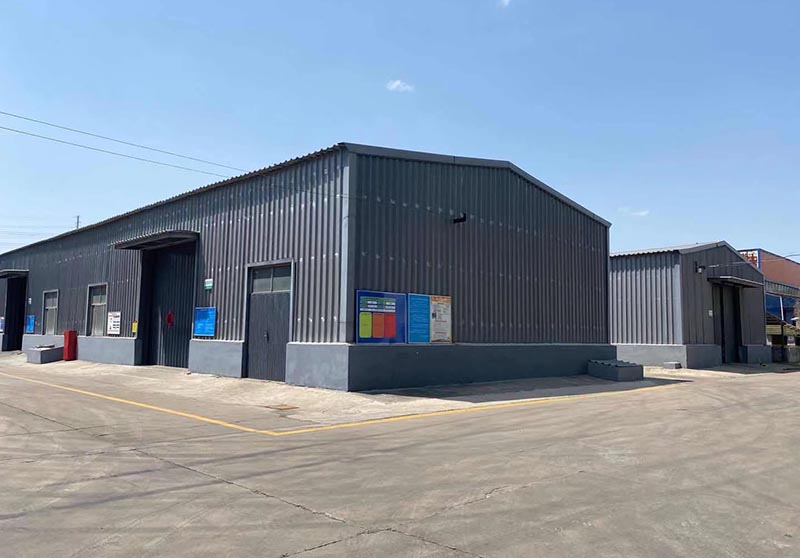
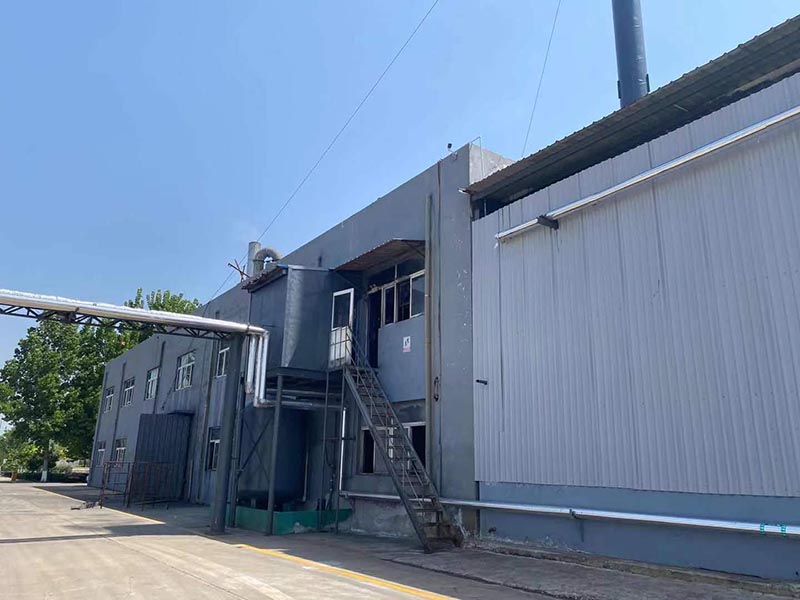
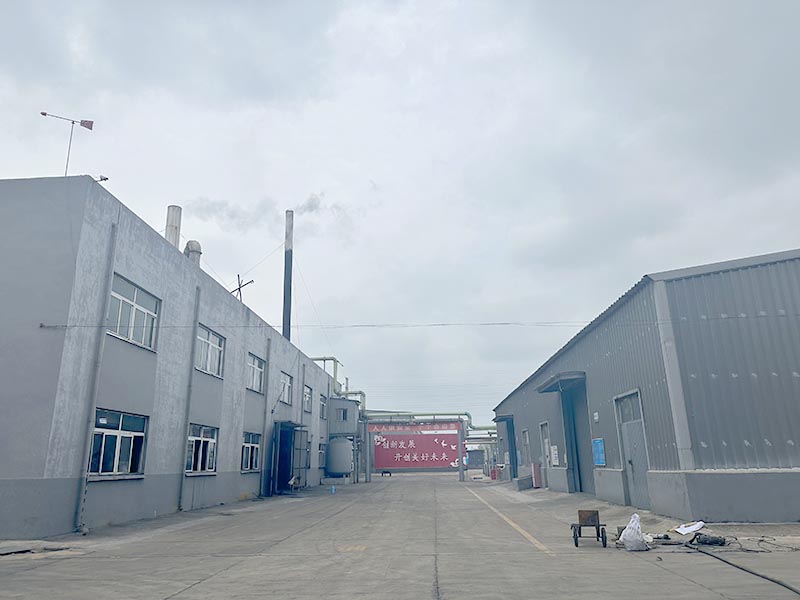
The chemical synthesis of Basic Yellow 37 requires strict parameters to prevent the generation of trace secondary amines and heavy metal residues. Our manufacturing plants operate modern batch and continuous reactors where raw material purity is monitored in real-time. By managing the stoichiometry of alkylation stages, we maximize dye yield while minimizing unreacted intermediates.
Tianjin Sunrise Chem Group, a leading developer and manufacturer of high-quality dyestuffs, has spent decades building reputation and reliability in the chemical sector. Our dye portfolio ranges from Direct dyes, Acid dyes, Basic dyes, Sulphur dyes, Solvent dyes, Liquid dyes to Fluorescent dyes, supporting clients in denim processing, textile manufacturing, leather tanning, paper mills, and plastics production.
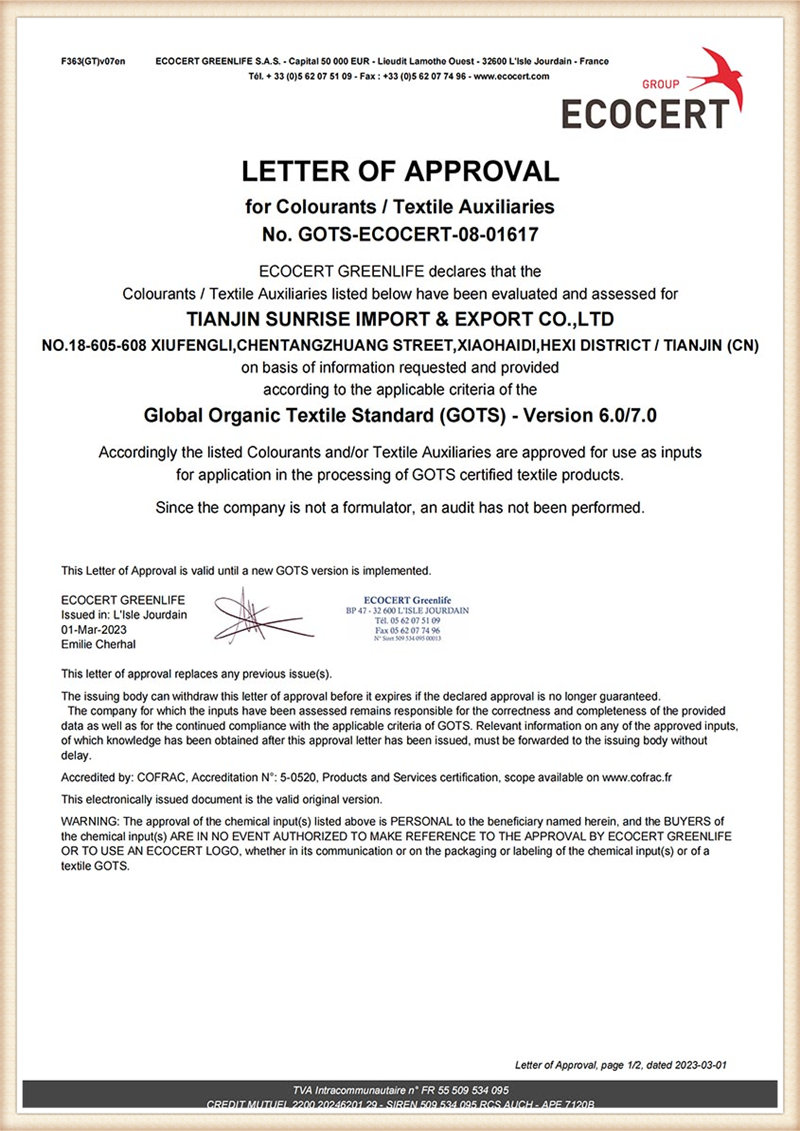
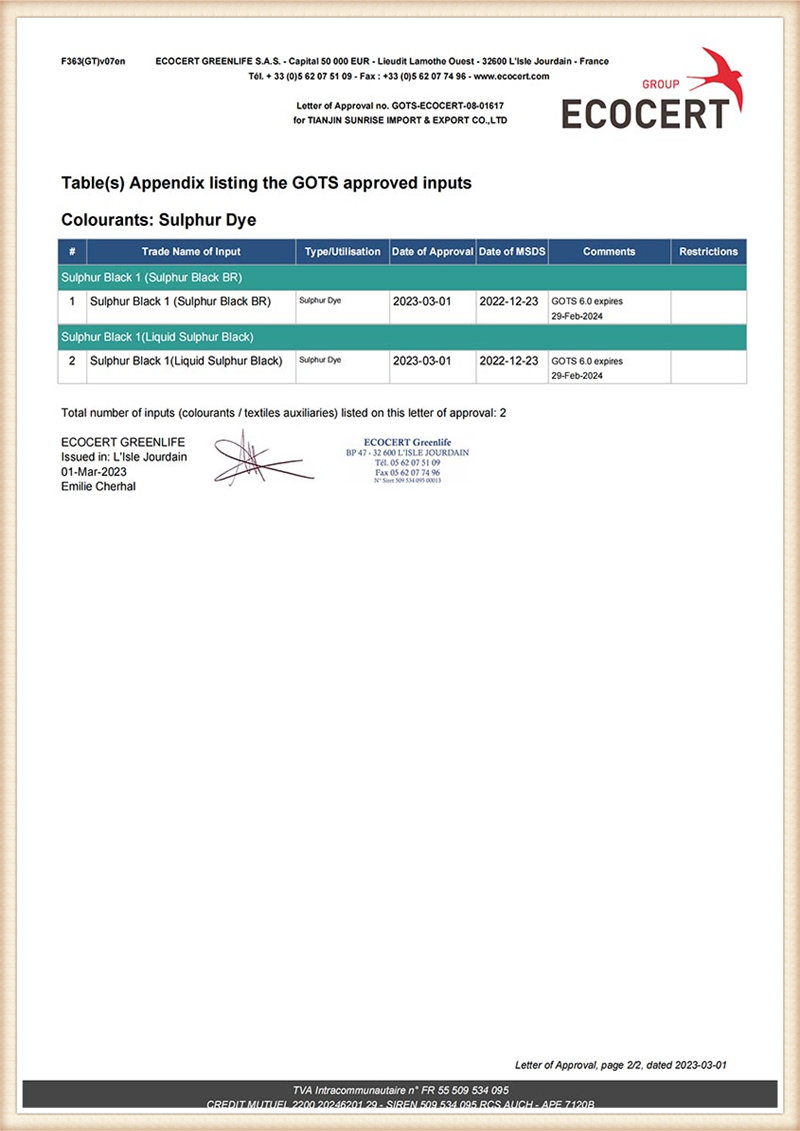
We focus heavily on product quality and batch stability. Every single batch is physically and chemically validated before transport. Our ZDHC Level 3 and GOTS certificates ensure that your quality and regulatory requirements are fully met.
Basic Yellow 37 is designed for key industrial markets where high lightfastness, heat stability, and brilliant shade development are required. Below are three main downstream applications where our OEM formulations provide a functional advantage:
In acrylic dyeing processes, the anionic sites within the fiber bind with the cationic charge of Basic Yellow 37. Due to the high affinity of the dye, leveling agents must be carefully chosen to avoid uneven dye distribution. Our OEM formulations exhibit a controlled strike rate, which ensures even dye migration during high-temperature pressure dyeing cycles (100°C to 105°C). This makes it suitable for fine knitwear, industrial yarns, and outdoor acrylic textiles where bright color must match high washfastness.
Paper mills require cost-effective colorants that bind to unbleached pulps and mechanical wood fibers. Basic Yellow 37 is highly effective in coloring kraft paper, industrial cardboard, and specialized tissue grades. The lignin in unbleached fibers has an abundant negative charge, which naturally attracts the cationic structure of our Basic Yellow 37. To meet modern wet-end dosing requirements, we offer custom liquid formulations that reduce dust generation and simplify automatic chemical feed systems.
For premium leather finishes, Basic Yellow 37 is used in spray-dyeing and surface coloration methods. Its high solubility index and compatibility with organic solvent blends ensure deep penetration into the leather matrix, delivering a bright, stable finish without altering the leather's natural texture.
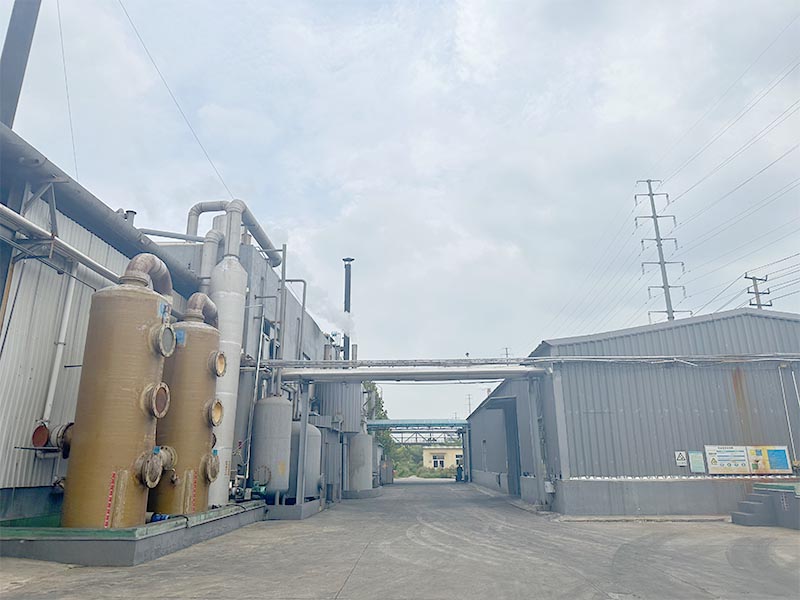
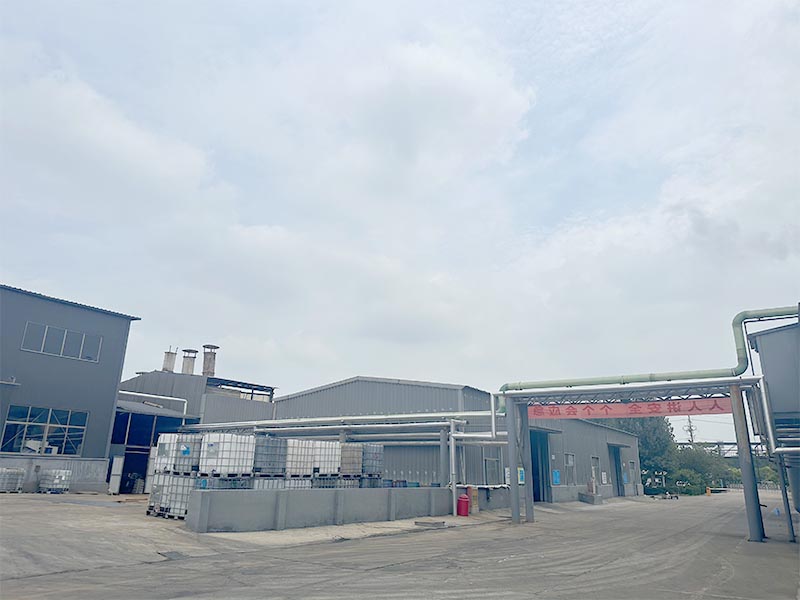
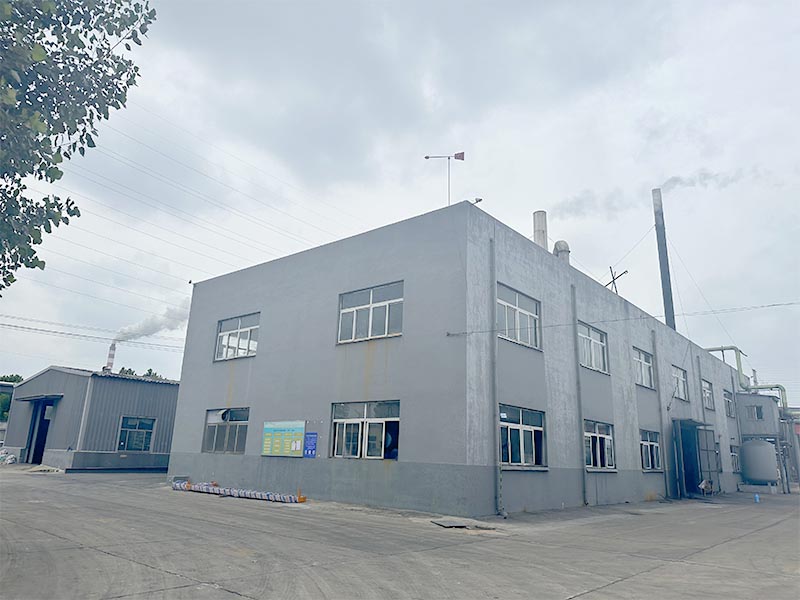
Regulatory compliance is central to our chemical manufacturing process. International standards are continuously updating their limits on hazardous chemical residues. For colorant buyers, sourcing products that match strict environmental criteria is a prerequisite for downstream supply chain acceptance.
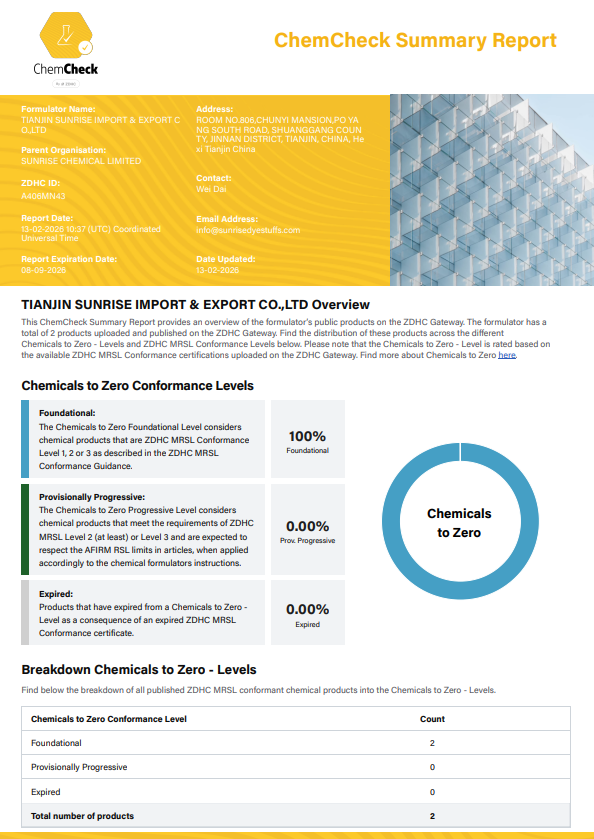
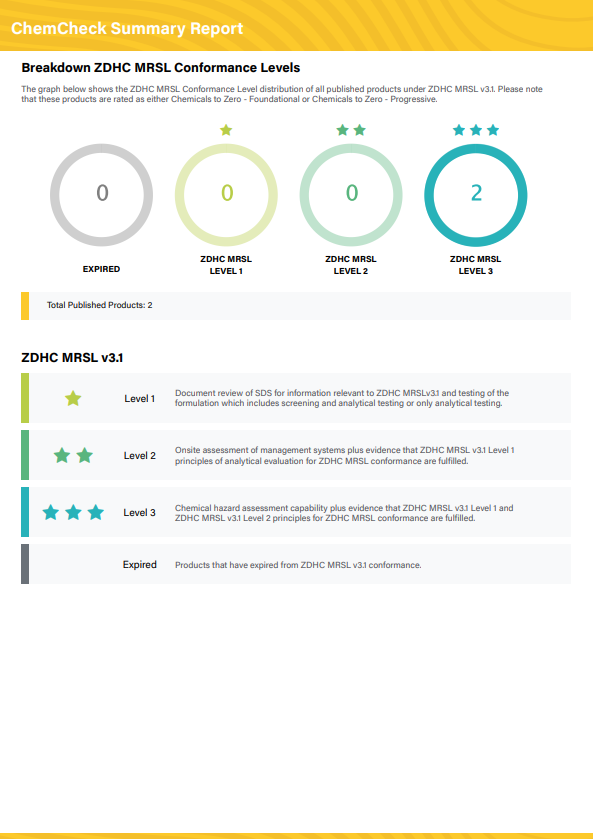
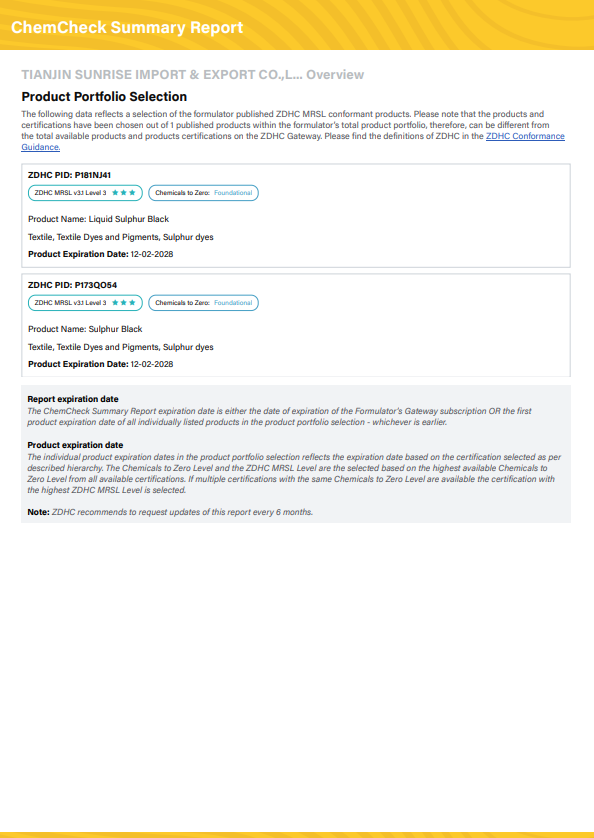
ZDHC Level 3 Certification: The Zero Discharge of Hazardous Chemicals (ZDHC) program represents a collaborative industry initiative to eliminate harmful chemical output across the textile and footwear value chains. Achieving ZDHC Level 3 indicates that our raw materials, reaction processes, and chemical formulations have undergone thorough third-party evaluation. This confirms that the dye is formulated without restricted heavy metals, banned aromatic amines, or alkylphenol ethoxylates (APEOs).
Global Organic Textile Standard (GOTS): GOTS remains the global standard for organic fiber processing. To obtain GOTS compliance, our Basic Yellow 37 and related colorants must pass toxicity, biodegradability, and environmental footprint evaluations. Utilizing GOTS-compliant dyes ensures that downstream manufacturers can supply certified organic products to top-tier retailers worldwide.
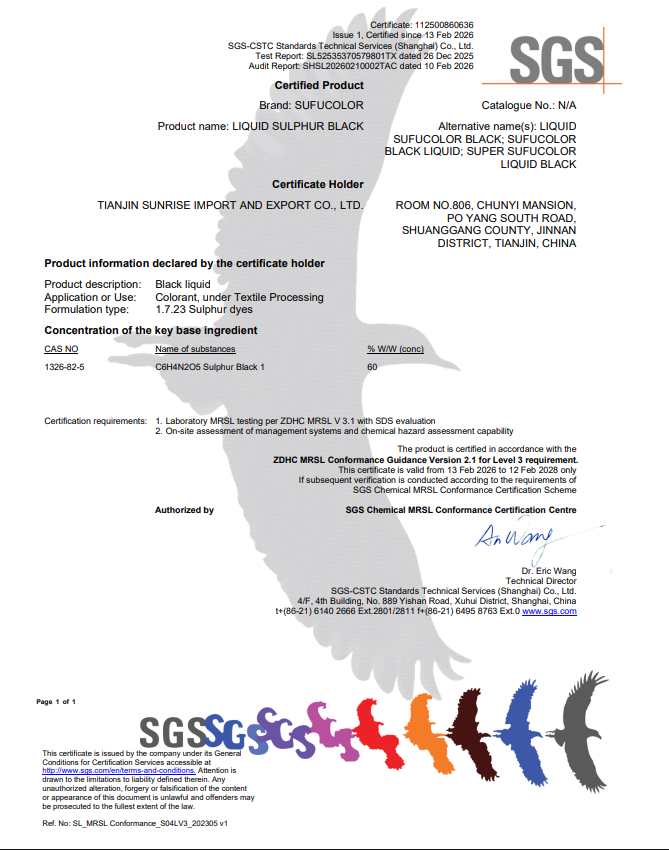
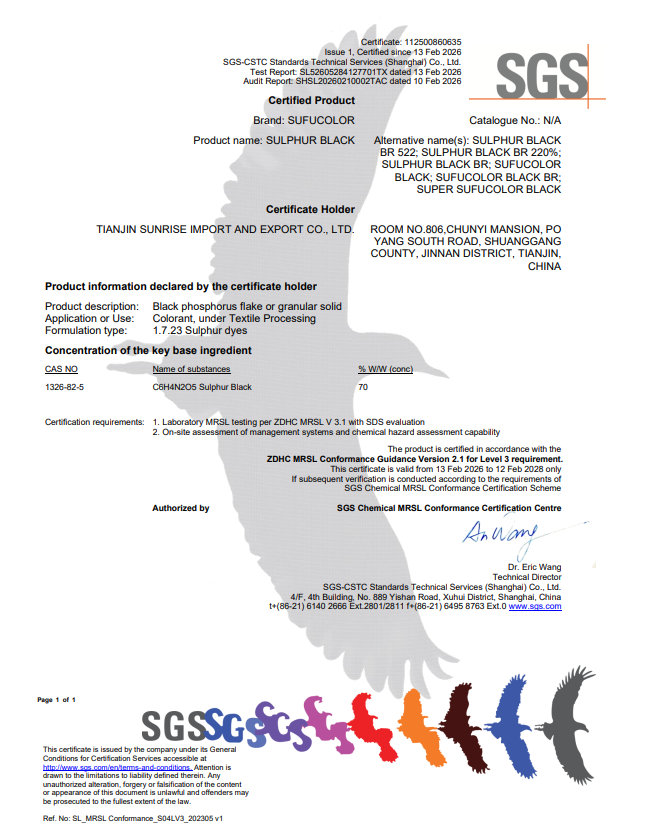
By working with Tianjin Sunrise Chem Group, you are not simply choosing a pigment supplier; you are building a partnership centered on transparency, strict compliance, and chemical responsibility.
Ensuring a stable supply of dyes is essential to maintaining uninterrupted production lines. We have optimized our manufacturing processes and logistics structures to guarantee consistent product availability, even during seasonal shifts in raw material supply.
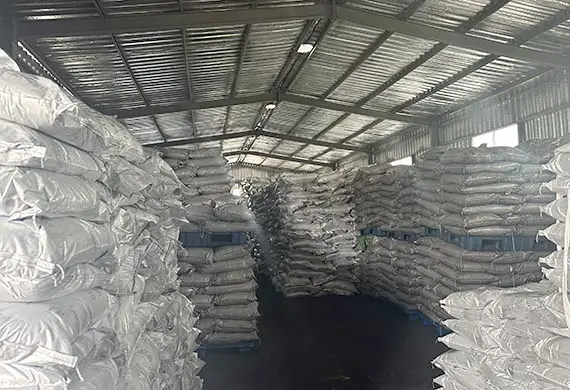
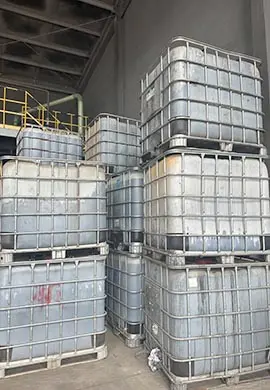
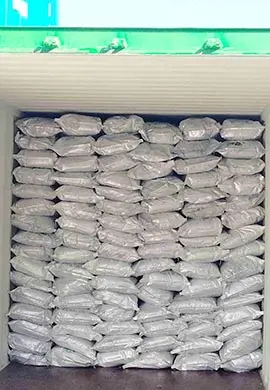
Our factories utilize advanced synthesis reactors, and our warehouse management systems ensure inventory safety levels. Each shipment undergoes thorough testing for shade conformity, moisture content, and solubility before it is scheduled for container loading.
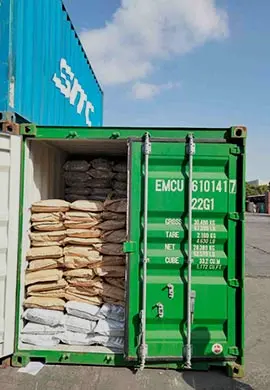
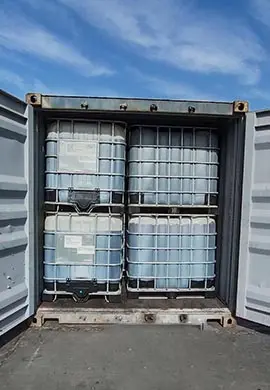
With years of export experience, we have built strong relationships with customers in many countries. Our team handles international documentation, safety certifications, and logistics routing to ensure seamless customs clearance and timely deliveries.
As environmental rules tighten and client requirements evolve, chemical manufacturers must innovate. Our research and development teams are actively working on next-generation coloring processes. Our technical development plan focuses on three primary goals:
Developing high-concentration liquid dyes with minimal mineral salts, reducing wastewater treatment requirements for downstream mills.
Researching bio-derived chemical intermediates to substitute petroleum-based components in dye synthesis, lowering the overall carbon footprint.
Optimizing molecular binding efficiency to achieve higher fixation rates, decreasing the amount of wash cycles required during textile production.
Upgrading our own synthesis factories with zero-liquid-discharge (ZLD) purification systems to recycle water and chemical by-products.
Premium grade direct, acid, solvent, and basic dyes for international manufacturing applications.
 Sunrise