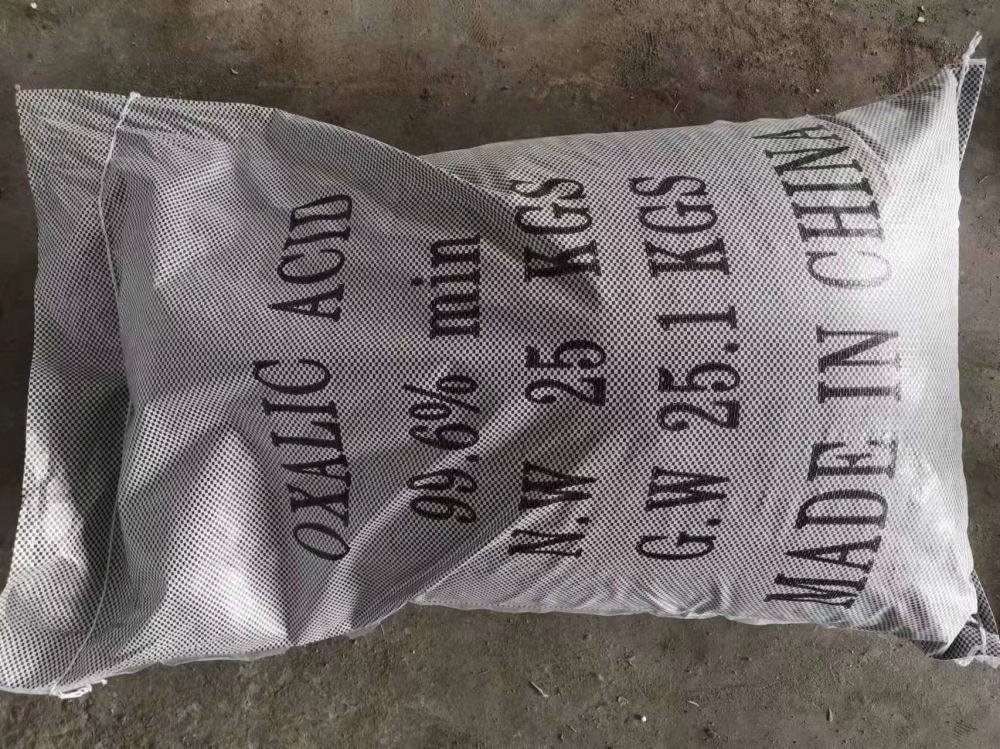
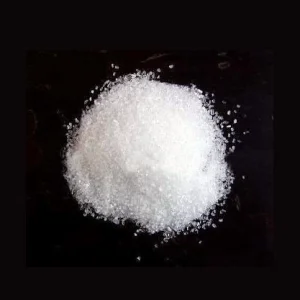
Oxalic acid, also known as ethanedioic acid, is a colorless crystalline solid with the chemical formula C2H2O4. It is a naturally occurring compound found in many plants, including spinach, rhubarb, and certain nuts.
Oxalic acid, also known as ethanedioic acid, is a colorless crystalline solid with the chemical formula C2H2O4. It is a naturally occurring compound found in many plants, including spinach, rhubarb, and certain nuts.
Key Uses of Oxalic Acid
Oxalic acid has various applications across multiple industries, including:
Cleaning Agent
Due to its acidic nature, oxalic acid is used to remove rust and mineral deposits from various surfaces, such as metal, tiles, and fabrics.
Bleaching Agent
It is used as a bleaching agent in some industries, including textile and wood pulp processing.
Pharmaceutical & Medical
Oxalic acid derivatives are used in pharmaceutical formulations, particularly as a reducing agent in certain medications.
Chelating Agent
Oxalic acid can form strong complexes with metal ions, making it useful in various industrial processes.
Photography
Oxalic acid is used in some photographic processes as a developing agent.
Key Properties & Applications
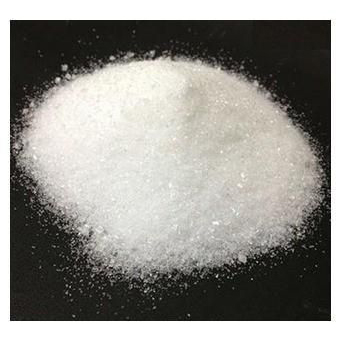
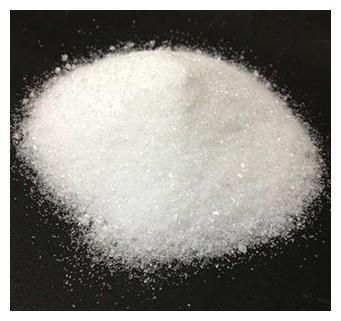
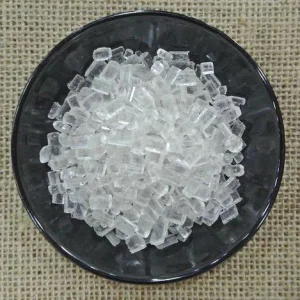
Appearance: White Granular.
Common Applications: High compatibility for use in textile and leather industries.
Solubility: Soluble in water. Also features medical, photographic, and environmental applications.
Product Specifications
Produce Name
Standard
Oxalic Acid
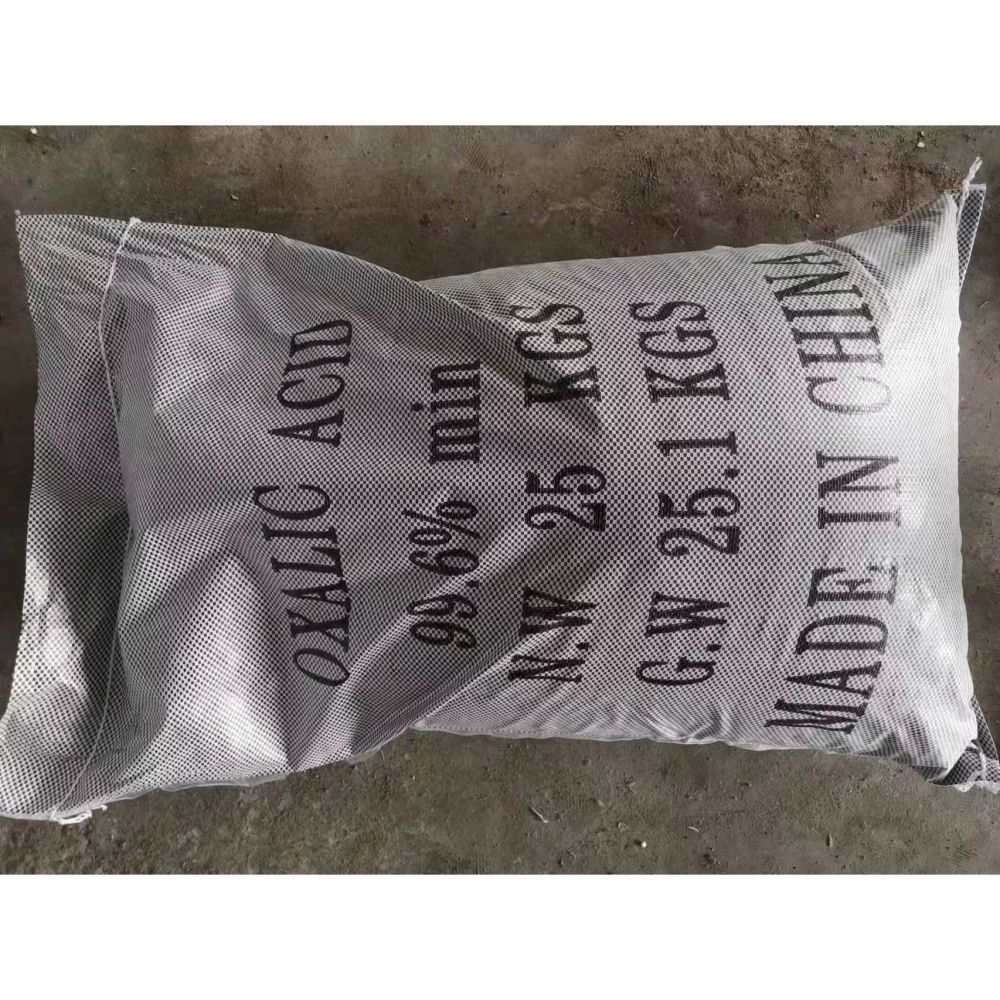
99%
Safety & Environmental Guidelines
Safety precautions: Oxalic acid is toxic and corrosive. When handling oxalic acid, it is important to wear appropriate protective gear, including gloves and goggles, to avoid contact with the skin or eyes. Inhalation or ingestion of oxalic acid can be harmful, so it is important to work in a well-ventilated area and avoid ingestion.
Environmental impact: Excessive amounts of oxalic acid can be harmful to the environment. Care should be taken when disposing of oxalic acid solutions, as they should not be released directly into water bodies. Proper waste management practices should be followed to prevent contamination.
Health concerns: Accidental ingestion or prolonged exposure to oxalic acid can lead to various health issues. It may irritate or burn the skin and eyes, and can cause digestive disturbances if ingested. Ingesting large amounts of oxalic acid can lead to the formation of kidney stones. It is advisable to follow safety guidelines and handle oxalic acid with caution. If you require further information or have specific questions about oxalic acid, it is recommended to consult a qualified professional or refer to relevant material safety data sheets.
Frequently Asked Questions
1. What is the delivery time for orders?
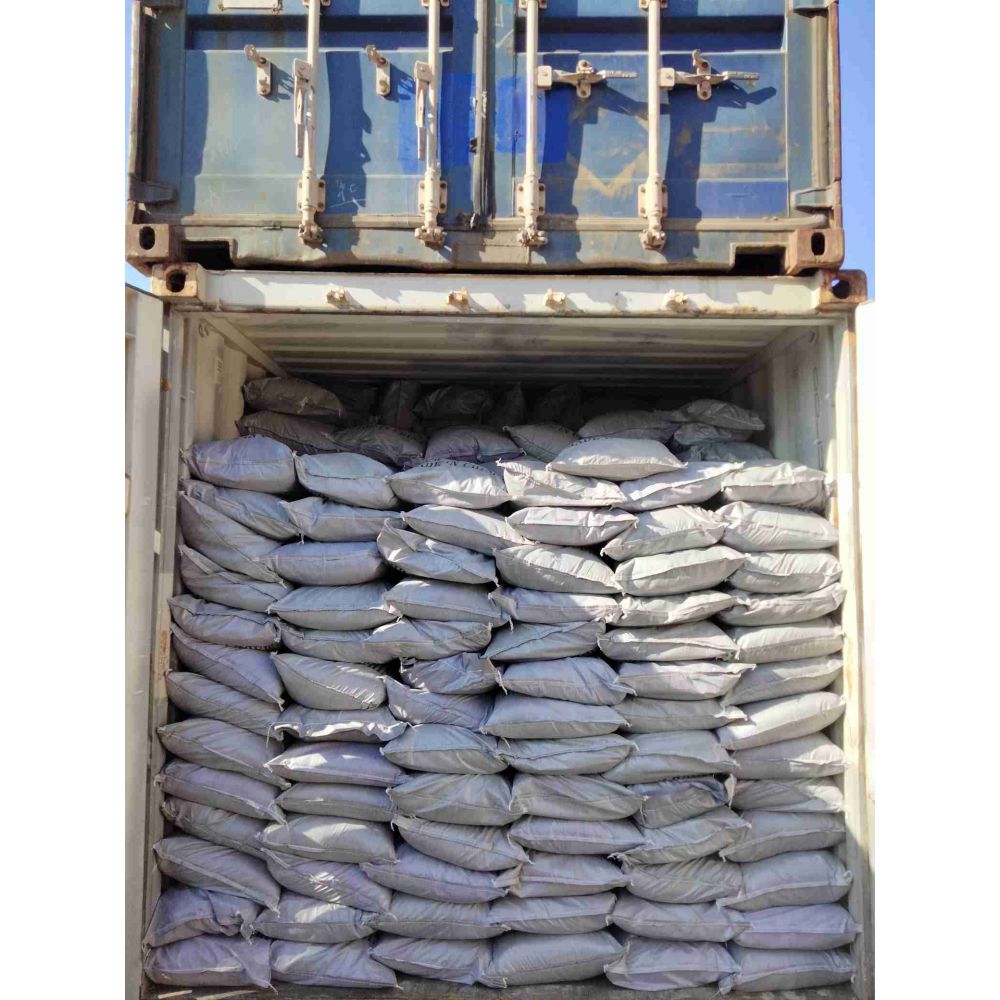
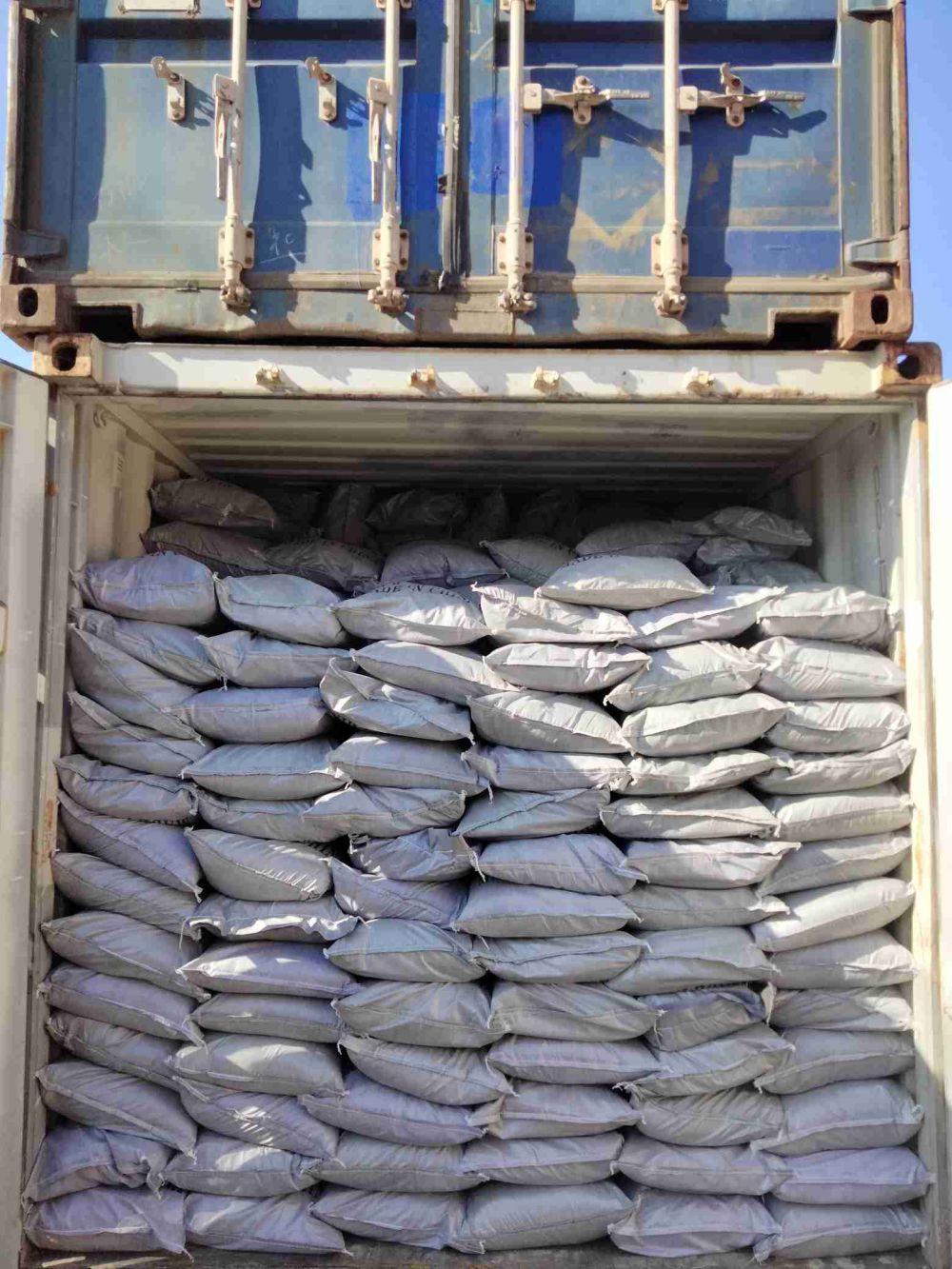
Within 15 days after the order is confirmed.
2. What's the loading port?
Any main port of China is workable.
3. What is Oxalic Acid?
Oxalic acid, also known as ethanedioic acid, is a colorless crystalline solid with the chemical formula C2H2O4. It is a naturally occurring compound found in many plants, including spinach, rhubarb, and certain nuts.
4. What safety precautions should be taken when handling Oxalic Acid?
Oxalic acid is toxic and corrosive. It is important to wear appropriate protective gear, including gloves and goggles, to avoid contact with the skin or eyes. Always work in a well-ventilated area and avoid inhalation or ingestion.
5. What are the potential health concerns related to exposure?
Prolonged exposure or accidental ingestion may irritate or burn the skin and eyes, cause digestive disturbances, or lead to the formation of kidney stones.
6. How should environmental disposal of Oxalic Acid be managed?
Excessive amounts of oxalic acid can be harmful to the environment. Avoid releasing solutions directly into water bodies. Proper waste management practices should be followed to prevent contamination.
 Sunrise