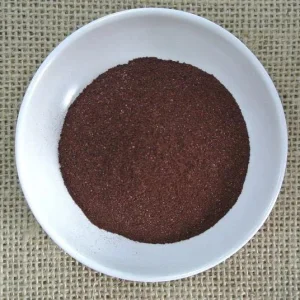
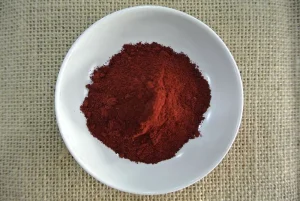
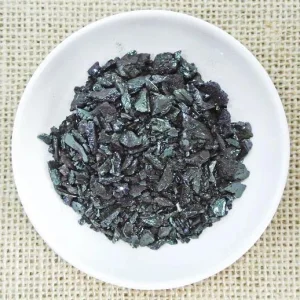
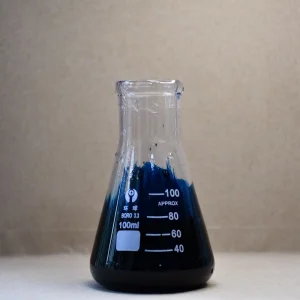
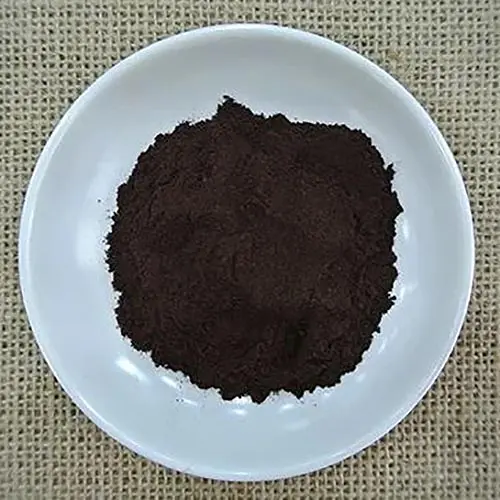
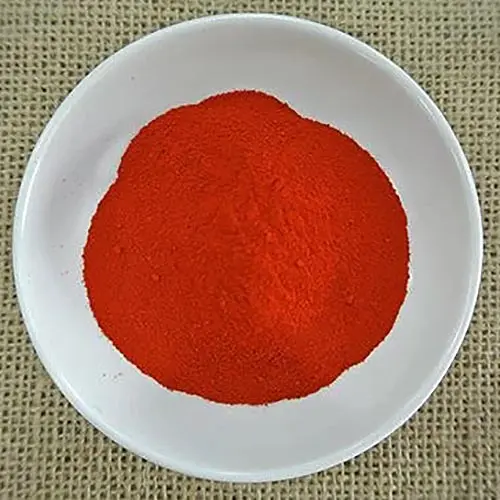
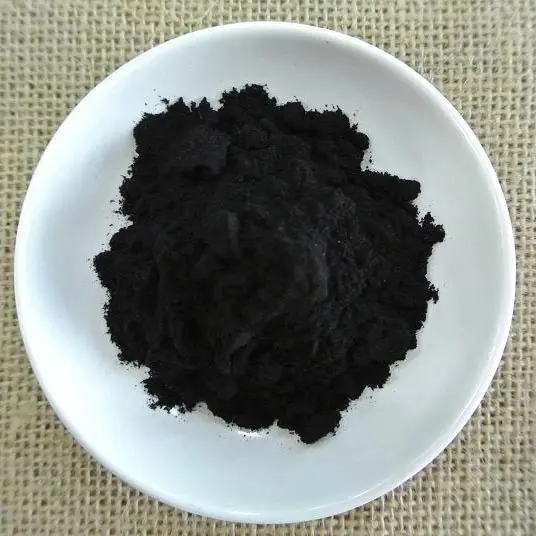
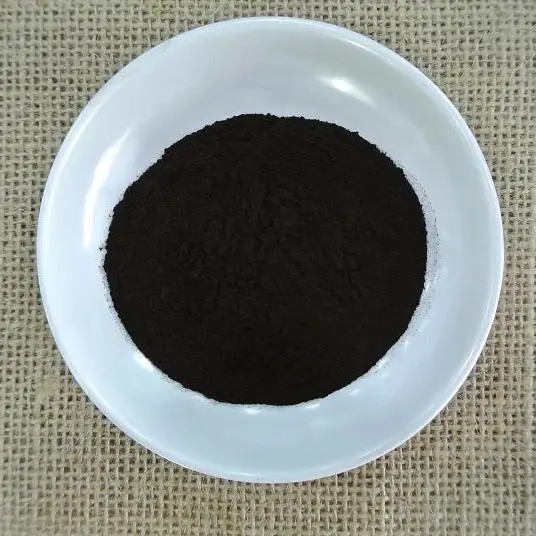
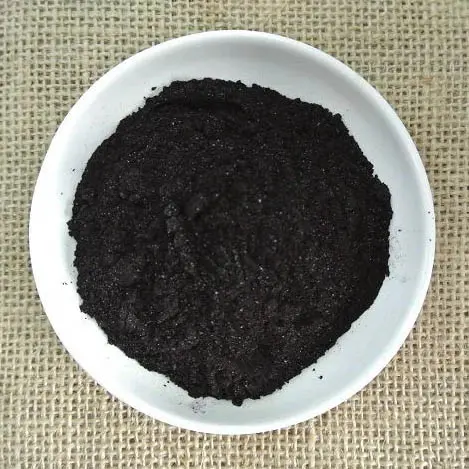
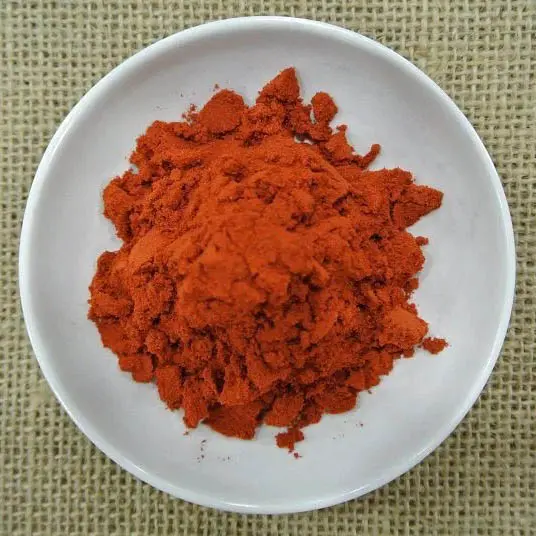
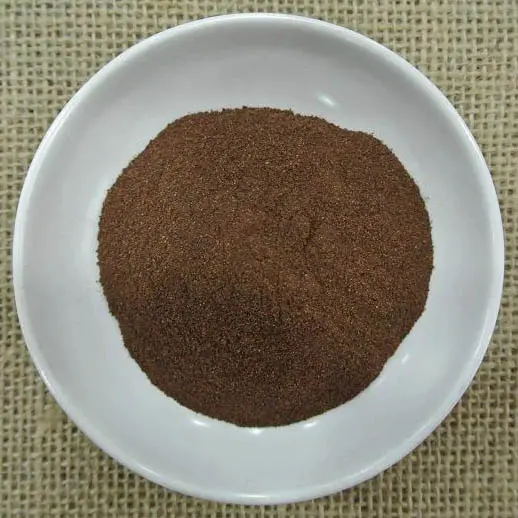
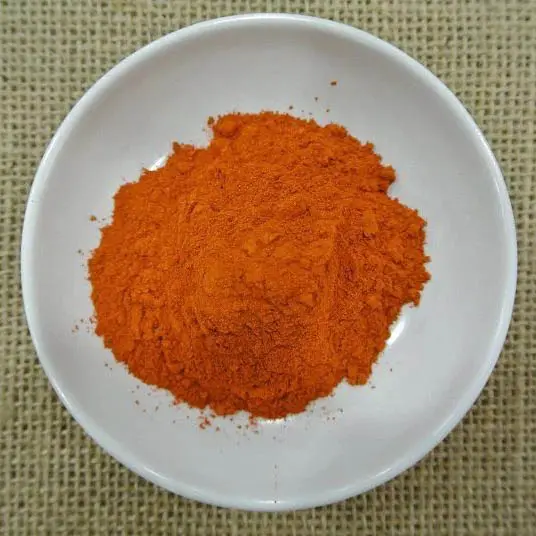
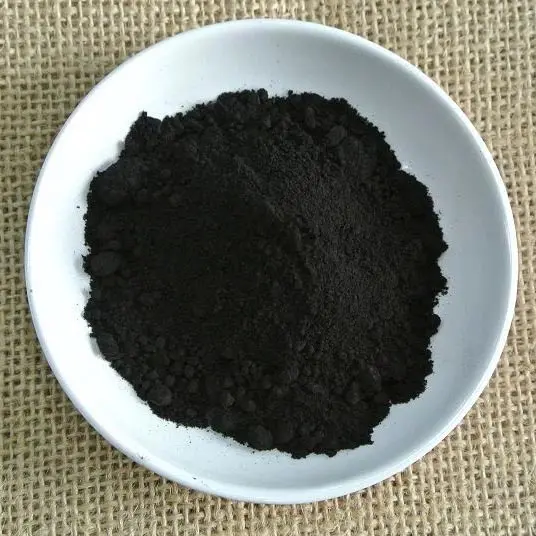
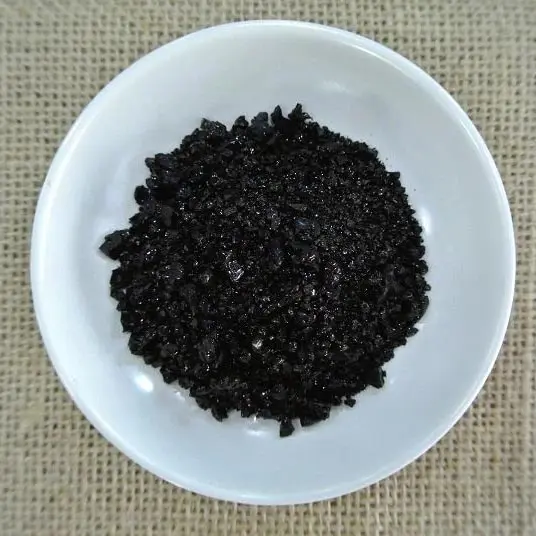
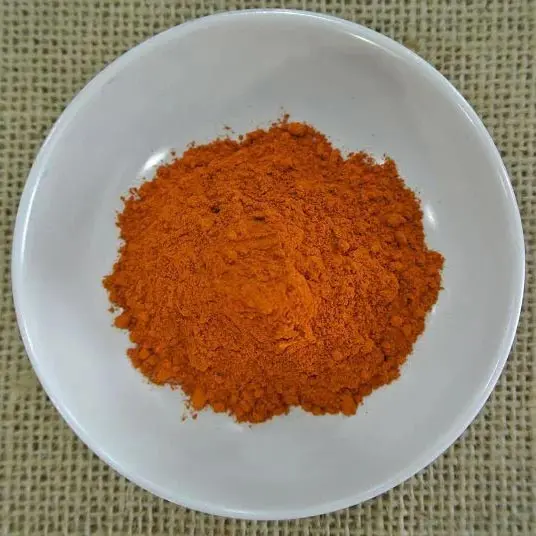
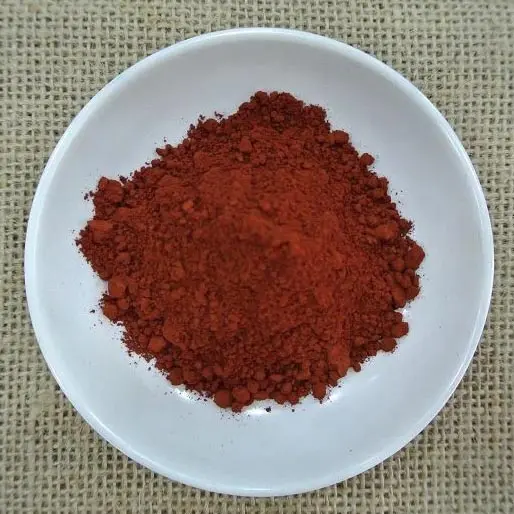
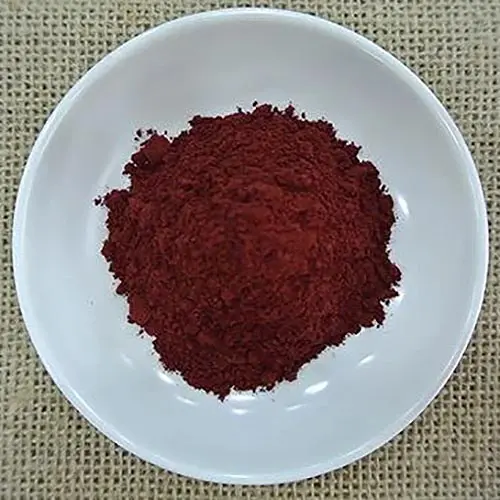
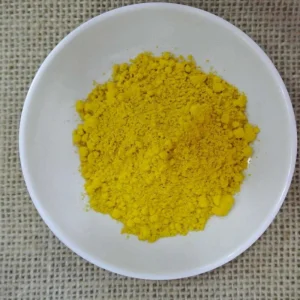
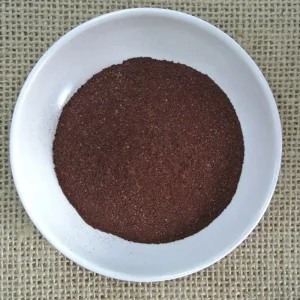
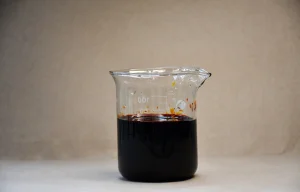
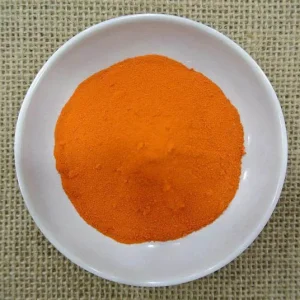
Explore our top industrial-grade colors engineered for optimal absorption, high fastness, and compatibility across paper, cotton, and synthetic matrices.
Acid Orange II, chemically categorized under the Color Index system as C.I. Acid Orange 7 and possessing the Chemical Abstracts Service number CAS 633-96-5, is an anionic monoazo dye. This benchmark compound stands as one of the pillars of synthetic dye history and modern industrial coloring. It features a bright, clean orange hue characterized by remarkable leveling capabilities, making it indispensable across a spectrum of manufacturing ecosystems.
Synthetically derived through the diazotization of sulfanilic acid followed by electrophilic aromatic coupling with 2-naphthol, Acid Orange II presents as a water-soluble sodium salt. Its molecular structure consists of an azo linkage (-N=N-) coordinating an aromatic naphthol rings system with a polar sulfonic acid group ($C_{16}H_{11}N_{2}NaO_{4}S$). This unique layout is key to its outstanding solubility profile and high affinity for nitrogenous fibers. When dissolving in water, it dissociates into dye anions, which actively seek out cationic sites on fibers under acidic conditions.
"The efficacy of Acid Orange II as an industrial colorant rests on its charge dynamics: its anionic nature drives precise ionic bonding with protonated amino groups in proteins (wool, silk) and polyamides (nylon), achieving unparalleled color consistency."
Understanding the micro-properties of this colorant is crucial for optimizing modern processing conditions. At the manufacturer level, precise parameters govern the solid state—such as managing molecular salt retention (chiefly sodium chloride from the salting-out process) and ensuring the absence of structural isomers. OEM configurations demand strict control over these metrics, as salt loading directly affects dye yield, dissolution speed, and formulation safety.
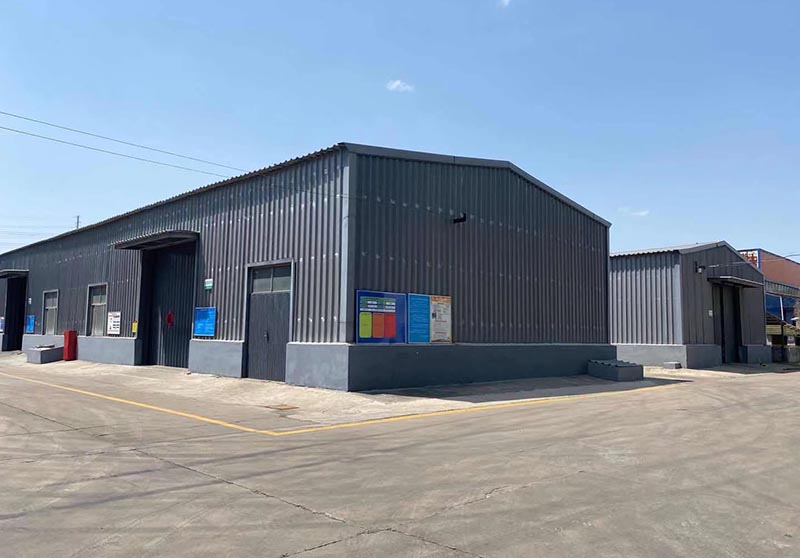
How macroeconomic pressures, shifting regulatory benchmarks, and regional capabilities define the global commerce of Acid Orange II.
Advanced OEM services allow custom adjustments of color intensity, particle distribution, and solubility thresholds. Industrial clients require tailored specifications for wood staining, paper pulp coloration, and leather processing.
Modern geopolitics requires diversified production hubs. Relying on primary factories with high stock stability guarantees consistent shipments to key logistics corridors across Europe, Asia-Pacific, and the Americas.
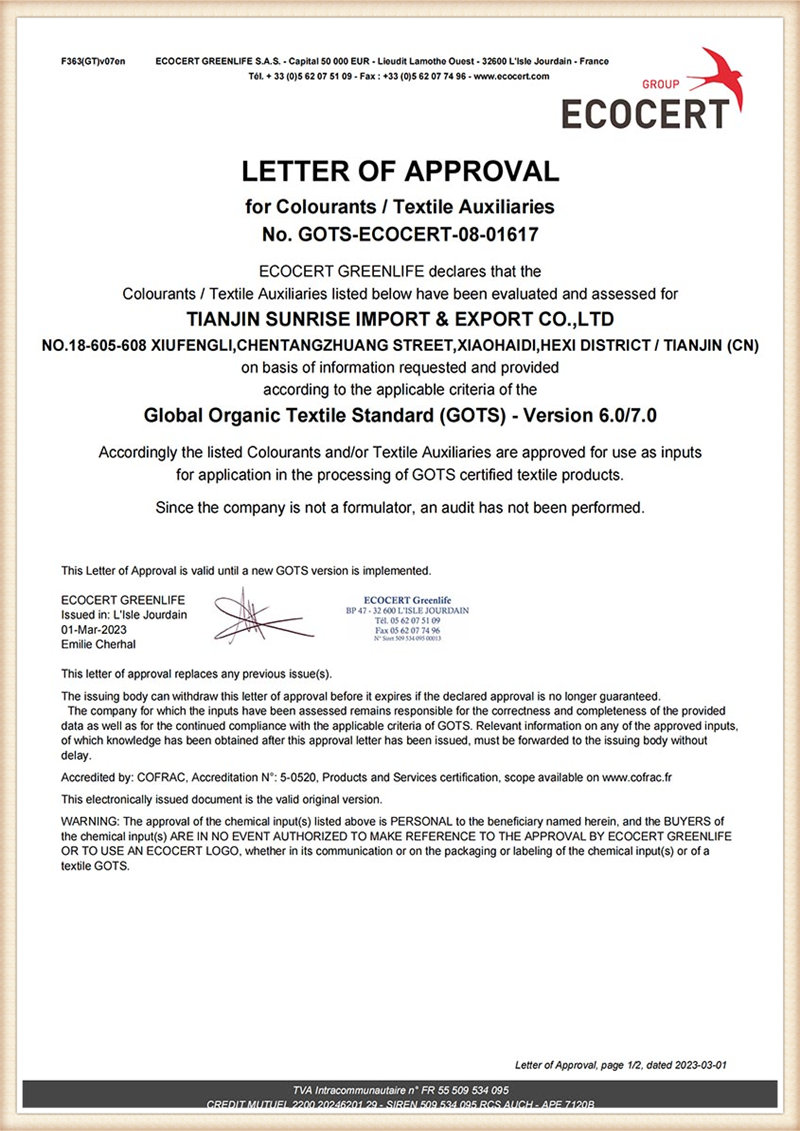
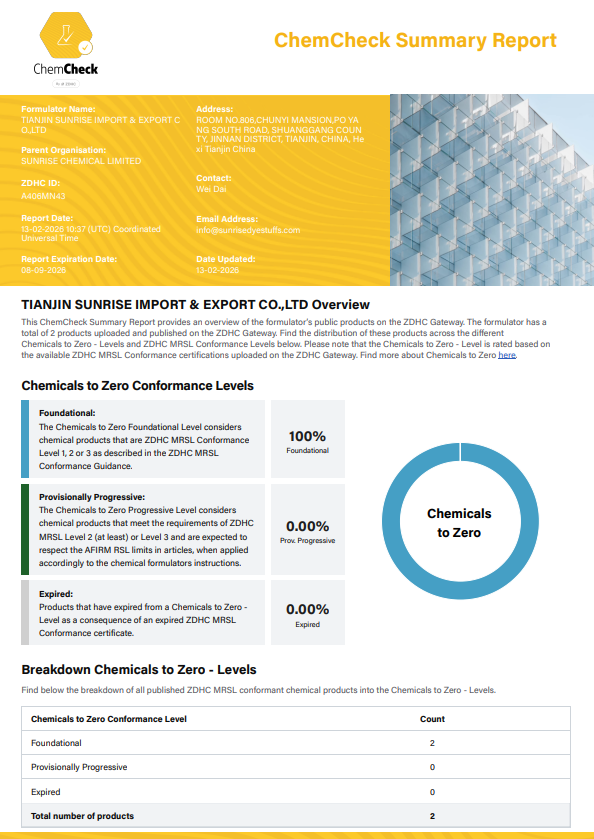
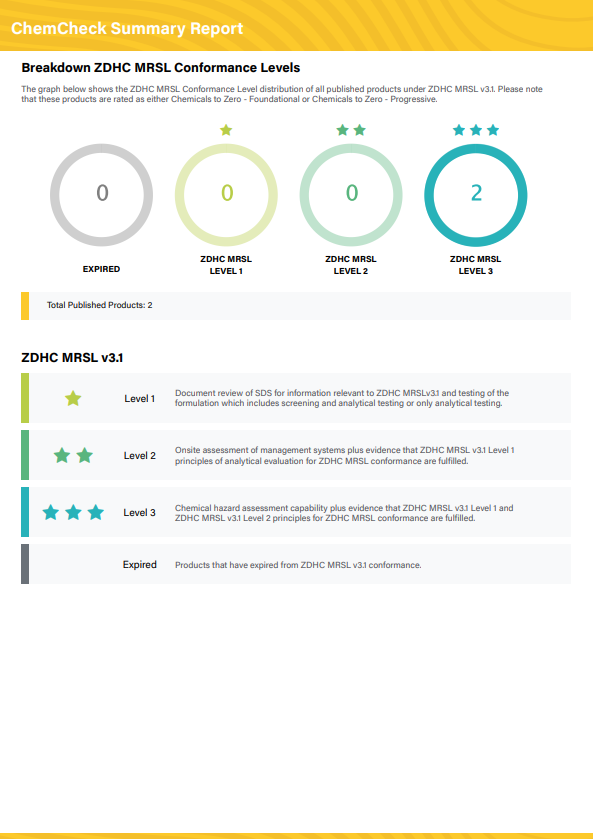
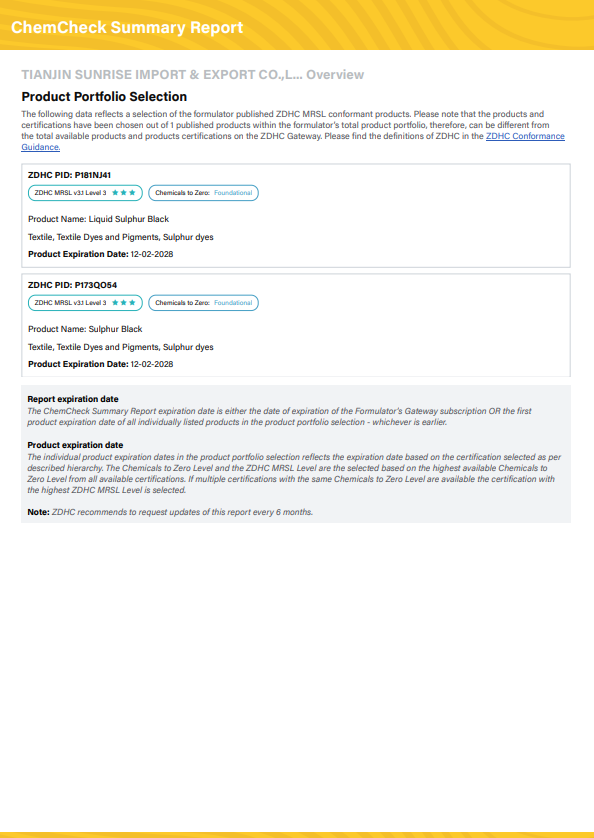
With regulations tightening worldwide, compliance with standards like ZDHC Level 3 and GOTS is no longer optional. Industrial leaders are migrating toward zero discharge of hazardous chemical pathways.
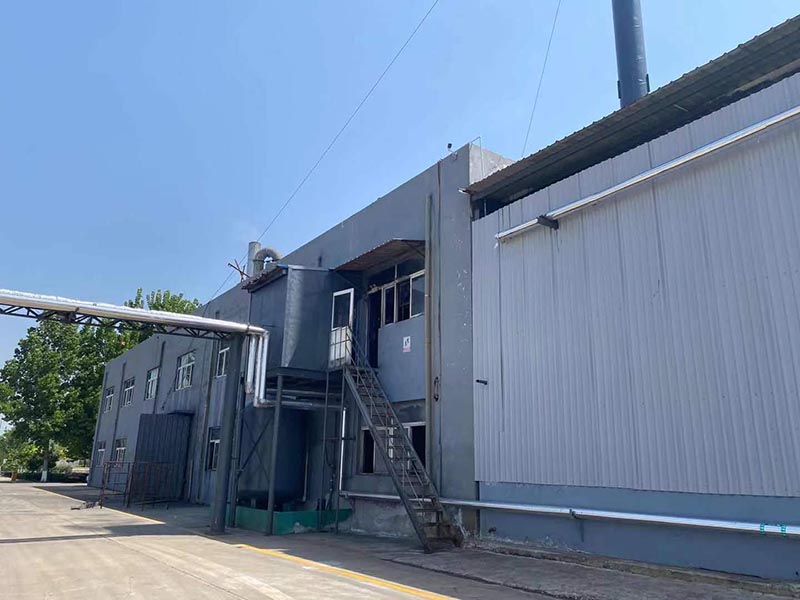
Tianjin Sunrise Chem Group specializes in manufacturing high-quality dyestuffs, serving as a trusted bedrock for modern colored-goods production. Our comprehensive portfolio includes Direct dyes, Acid dyes, Basic dyes, Sulphur dyes, Solvent dyes, Liquid dyes, and Fluorescent dyes, catering to diverse global industries.
Backed by decades of deep industry and export experience, we have built a reputation for reliability and excellence. We serve a vast network of clients in crucial sectors including denim, textiles, leather, paper, and plastics. By maintaining consistent production cycles and robust logistics relationships, we ensure that interruptions are prevented across our partners' supply chains.
Quality control is the foundation of our philosophy. Every batch undergoes rigorous internal analysis before dispatch, guaranteeing that parameters like color fastness, shade consistency, and chemical purity match international expectations.
"By holding ZDHC level 3 and GOTS certifications, Sunrise Chem assures international buyers that our dyestuffs meet the most stringent ecological standards in the market."
In the global market for Acid Orange II, a standard "one-size-fits-all" product often falls short. Modern production lines utilize different mechanisms, machinery, and solvents. As an established OEM manufacturer, Sunrise Chem adapts chemical and physical characteristics to fit your exact processes:
1. Strength and Concentration Adjustments: While standard commercially traded Acid Orange 7 is commonly cut to 100% concentration, we supply concentrations ranging from standard cuts up to high-strength 150% and 200% configurations. This flexibility allows buyers to reduce freight volumes and optimize cost-per-liter parameters.
2. Physical Form Customization: Traditional fine powders present dust hazards, impacting health and safety conditions on factory floors. Sunrise Chem offers dust-free granular forms and concentrated liquid solutions, facilitating cleaner dispensing, precise automated dosing, and improved safety.
3. Salt-Free and Desalinated Grades: For specialized applications like ink-jet printing or highly delicate paper pulp matrices, standard inorganic salts (NaCl, $Na_{2}SO_{4}$) can compromise viscosity and stability. We employ membrane-filtration techniques to manufacture desalinated, ultra-pure Acid Orange II.
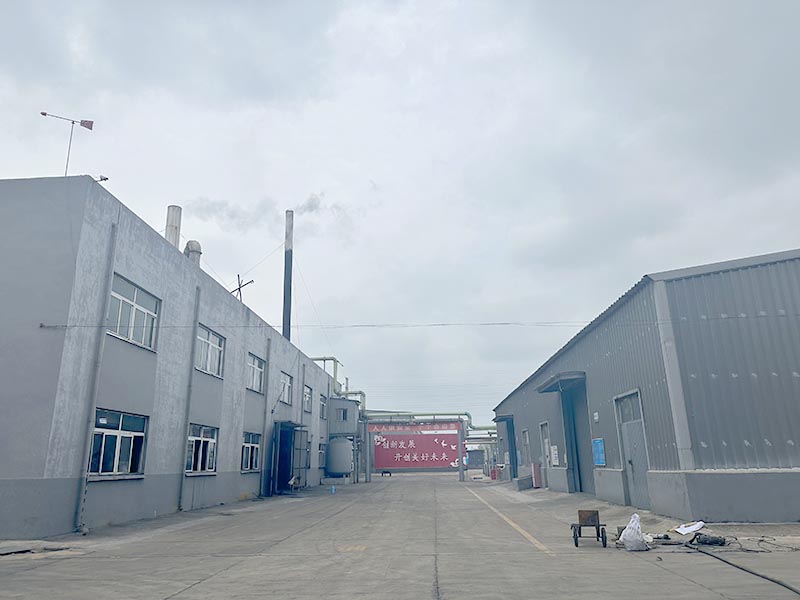
A technical guide to implementing Acid Orange II across diverse manufacturing industries.
In acidic bath conditions (pH 4.0 - 5.5 adjusted via acetic or formic acid), Acid Orange II molecules align with amine sites on wool and silk fibers. This pathway delivers excellent levelness and vibrant shades, though post-dyeing treatment with leveling agents is recommended to maximize washing fastness.
For paper manufacturing, Acid Orange II serves as an efficient direct additive for pulp coloration and surface coating. It demonstrates excellent affinity for bleached wood pulps, resulting in uniform shade distribution across packaging materials and tissues without causing mottling.
In chrome-tanned and vegetable-tanned leather processing, the anionic dye penetrates deep into the collagen matrix. When applied in drumming sequences, it provides uniform surface coverage and rich depth of shade, preparing the base leather for subsequent top-coating processes.
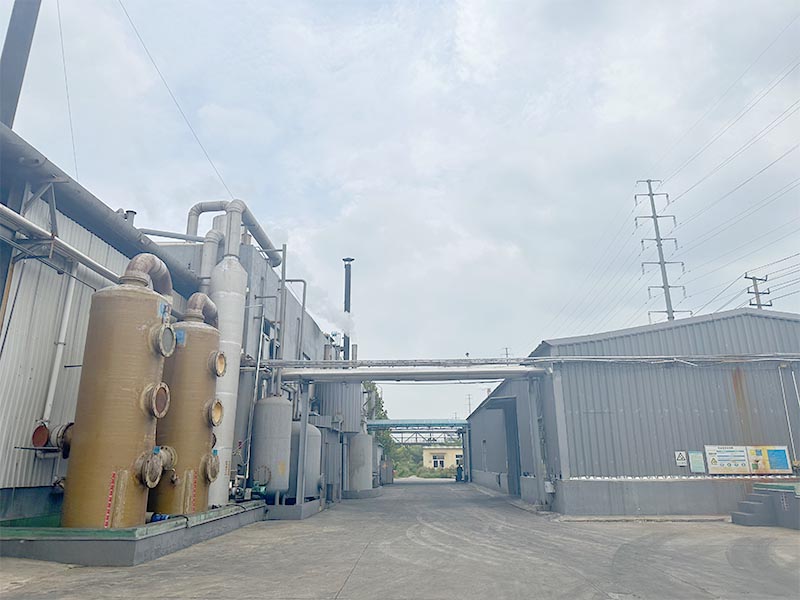
The manufacturing pathway for Acid Orange II relies on controlled, two-stage chemical reactions: diazotization and coupling. Initially, sulfanilic acid reacts with sodium nitrite under acidic, low-temperature conditions (0–5°C) to form diazonium salt. This intermediate is then coupled with 2-naphthol dissolved in an alkaline sodium hydroxide solution.
Maintaining tight temperature and pH parameters prevents side-product formation and preserves dye purity. Once coupling is complete, sodium chloride is added to precipitate the dye from the aqueous phase. The raw cake is then filtered, washed, dried under temperature-controlled conditions, and milled into its final powder or granular form.
Research & Development Roadmap: Sunrise Chem's current R&D efforts focus on reducing salt and water footprints. Our teams are refining reverse-osmosis filtration setups to recycle wastewater during the salting-out stage. We are also researching bio-derived aromatic intermediates to offer a renewable version of Acid Orange II that maintains high fastness and solubility.
Explore our targeted product range, highlighting Acid Orange 7 and other performance-matched formulations developed for global paper and textile industries.
Environmental safety remains the cornerstone of modern chemical manufacturing. Sunrise Chem operates with a clear commitment to environmental stewardship, striving to balance high performance with ecological harmony.
Our production facilities comply with ZDHC Level 3 (Zero Discharge of Hazardous Chemicals) and GOTS (Global Organic Textile Standard) guidelines. The ZDHC framework helps ensure that hazardous materials are systematically restricted from our processes, reducing the risk of environmental releases. Our GOTS certification confirms that our dyes meet strict criteria for organic and responsible textile processing, from raw materials to final packaging.
In addition to certifications, we invest in wastewater treatment systems. Standard azo dye production can generate complex effluent streams. To address this, our facilities utilize advanced biological treatments, oxidation processes, and membrane technologies to clean wastewater prior to discharge, helping protect local aquatic ecosystems.
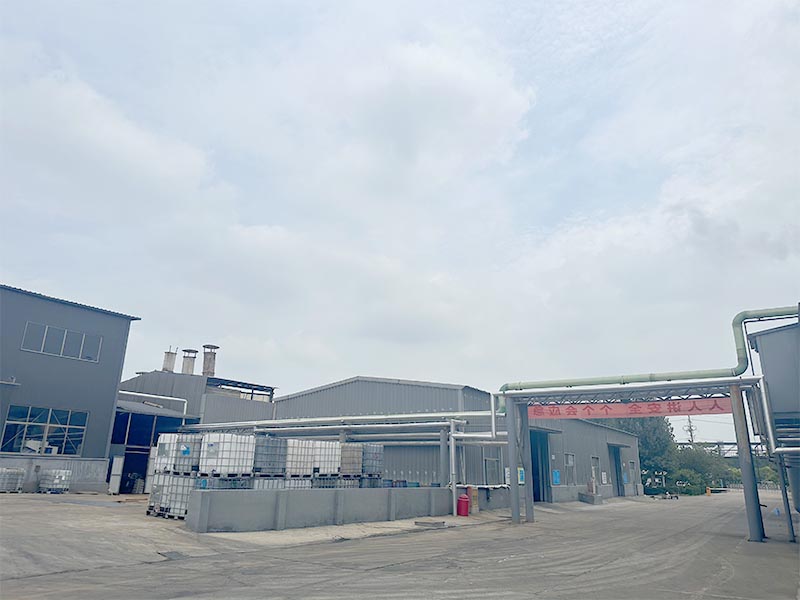
Our operations leverage optimized warehousing and container transport solutions to ensure dependable supply networks worldwide.
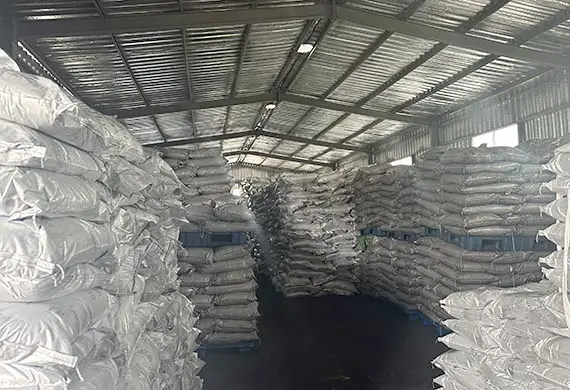
High capacity inventory management.
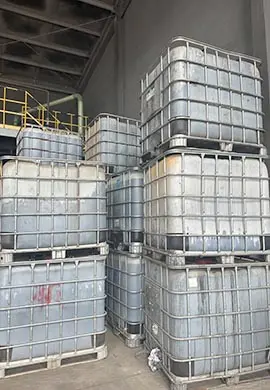
Specialized liquid packaging lines.
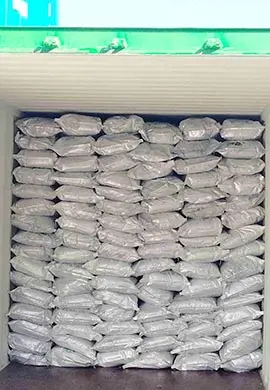
Secure packing for overseas transit.
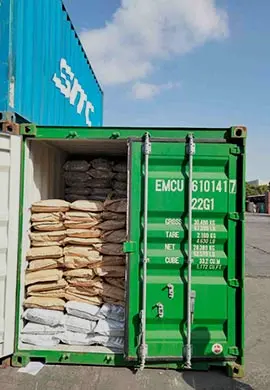
Optimized dry container packing.
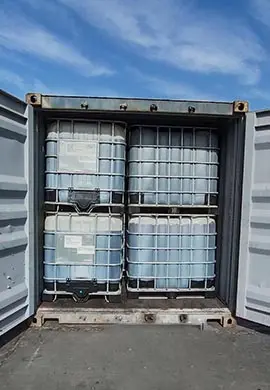
Spill-proof, temperature-controlled shipping.
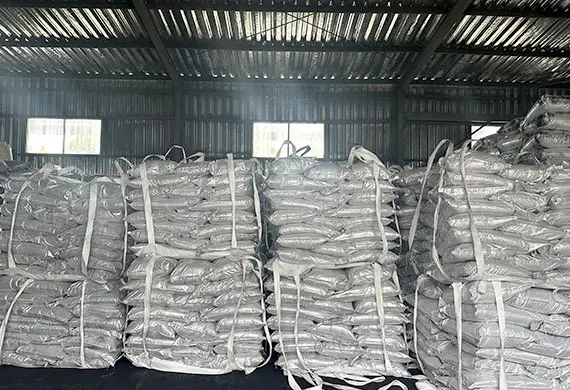
Daily dispatches supporting global clients.
At Sunrise Chem, we view our client interactions as long-term strategic collaborations built on transparency, consistency, and shared growth. Over years of service, we have established stable partnerships with textile mills, paper manufacturers, and chemical distributors in many countries.
These collaborations bring mutual benefits, including consistent order planning, shared market insights, and tailored product development. Our technical support teams work closely with client engineers to resolve application challenges and optimize dyeing setups.
Whether you require standard bulk consignments of Acid Orange II or specialized desalinated formulations, our team is equipped to support your production goals. We invite you to explore a partnership focused on reliability, quality, and technical expertise.
"Reliability in supply is key to keeping industrial lines running. Our warehousing capacity and structured logistics integrations help protect your processes from supply disruptions."
Expert answers addressing the chemistry, compliance, safety, and application protocols of Acid Orange II.
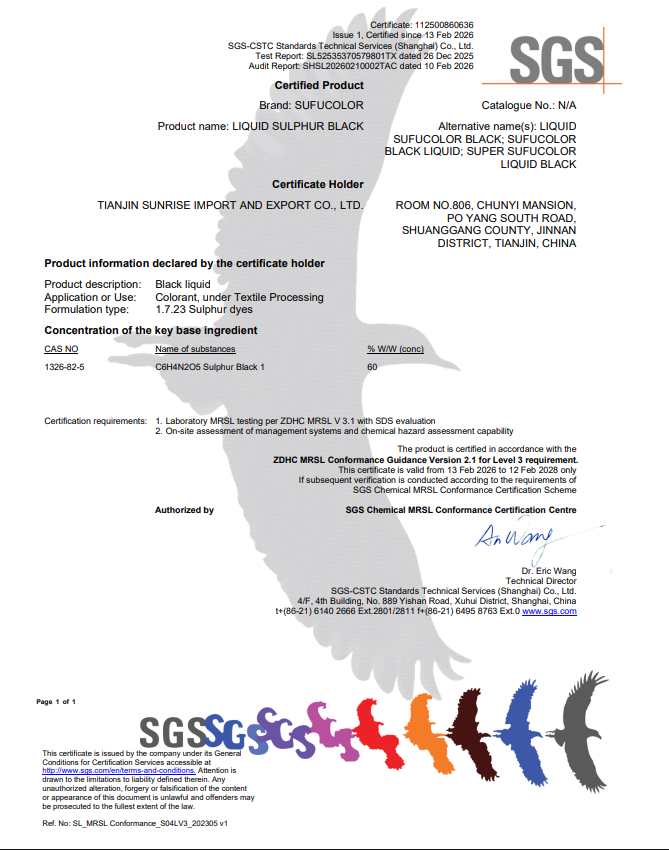
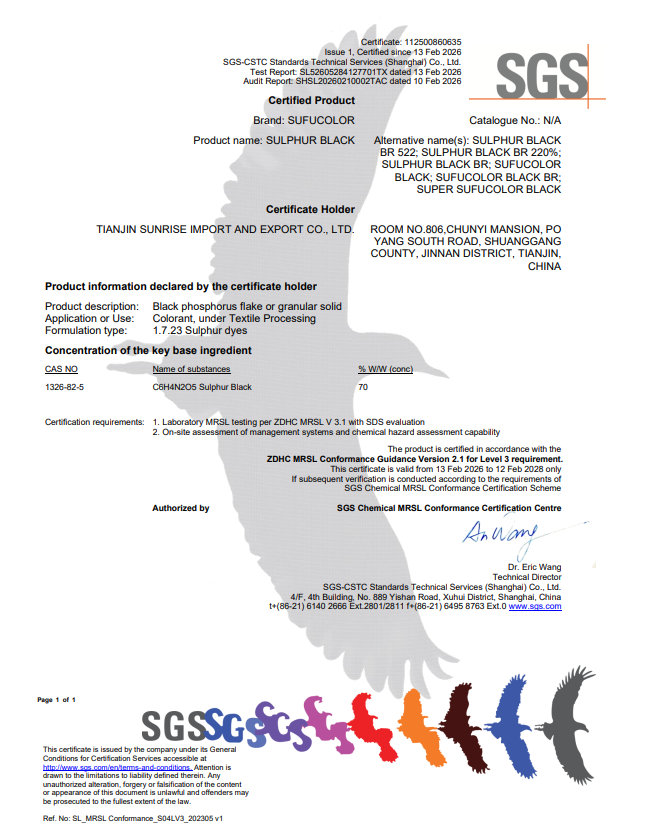
From organic cotton colorants to solvent wood staining agents, discover products engineered for consistent performance.
 Sunrise