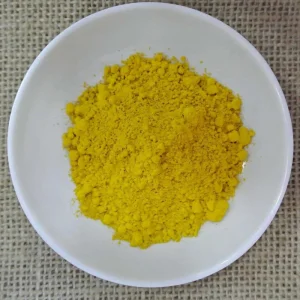
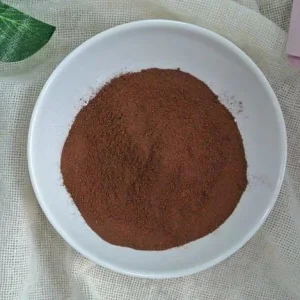
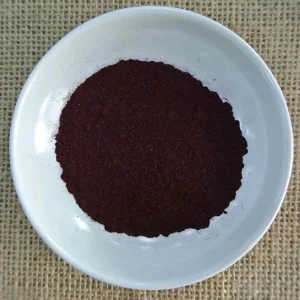
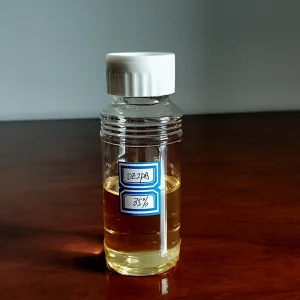
Explore our high-performance line of synthetic dyes, pigments, and chemical agents engineered for superior stability, consistent yield, and ecological compliance.
In the modern textile, pulp, and leather processing sectors, the choice of coloration technology dictates not just product quality, but operational throughput and environmental stewardship. Historically, powdered dyestuffs served as the default option. However, the manufacturing landscape is undergoing a critical transformation toward high-efficiency Liquid Dyes, notably Liquid Sulphur Black, Liquid Direct Dyes, and Liquid Acid Colorants.
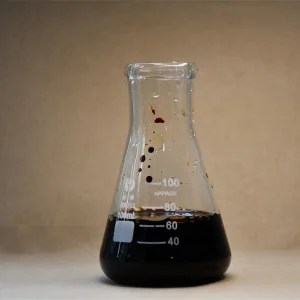
Industrial "Black Liquid" represents a highly stable, pre-reduced, and solubilized form of dye. Unlike dry powders, liquid dyestuffs eliminate hazardous particulate dust within factory environments, greatly improving worker health and safety conditions. More importantly, liquid formulations facilitate fully automated dosing and metering systems, ensuring precision coloring, reducing shade variation across production batches, and decreasing processing waste. This change is vital for facilities aiming to align with global environmental mandates.
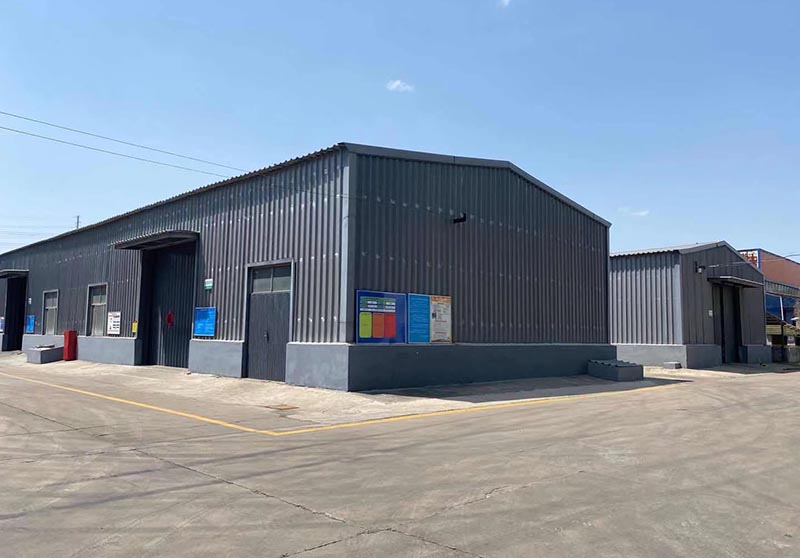
Analyzing global raw material requirements, market growth drivers, and chemical standardization requirements across international territories.
Liquid Sulphur Black is the primary colorant for manufacturing denim fabrics worldwide. As consumer preferences tilt towards deep, rich, wash-fast blacks, demand for highly concentrated liquid formulations has surged. Modern vertical denim mills require dyes that yield excellent wash-down behavior and high oxidation stability while consuming less rinsing water.
Large-scale paper mills, producing cardboard, heavy kraft papers, and specialized functional packaging, require continuous addition of high-solubility liquid dyes. Liquid Direct Yellow, Liquid Basic Yellow 103, and Liquid Direct Black ensure uniform pulp coloration with minimal ecological footprint. These liquid agents prevent clogging in high-speed machinery and reduce clean-out down-time.
The leather sector demands uniform, deep penetration of dyes without altering the hide's natural texture. Liquid black dyes like Acid Black ATT and Liquid Nigrosine provide outstanding coverage, high lightfastness, and wet-rubbing resistance. These characteristics are critical for automotive leather, fashion items, and upholstery manufacturers.
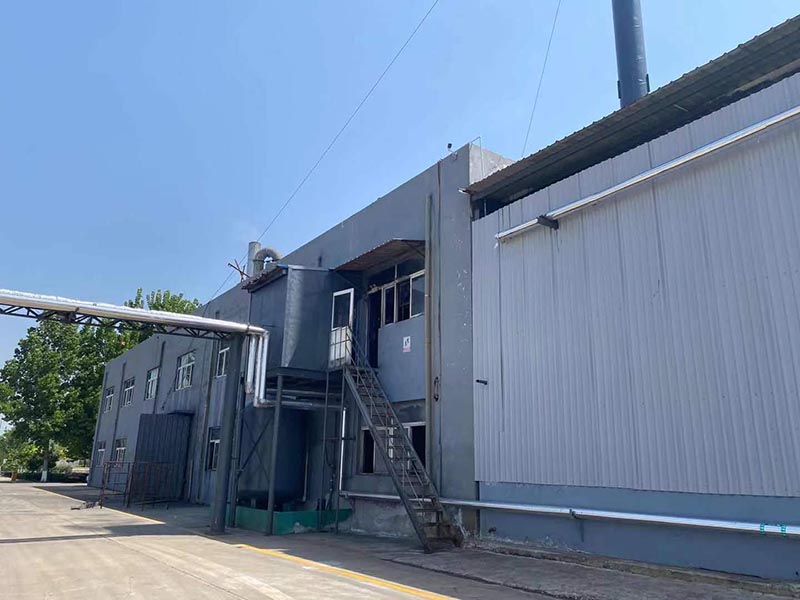
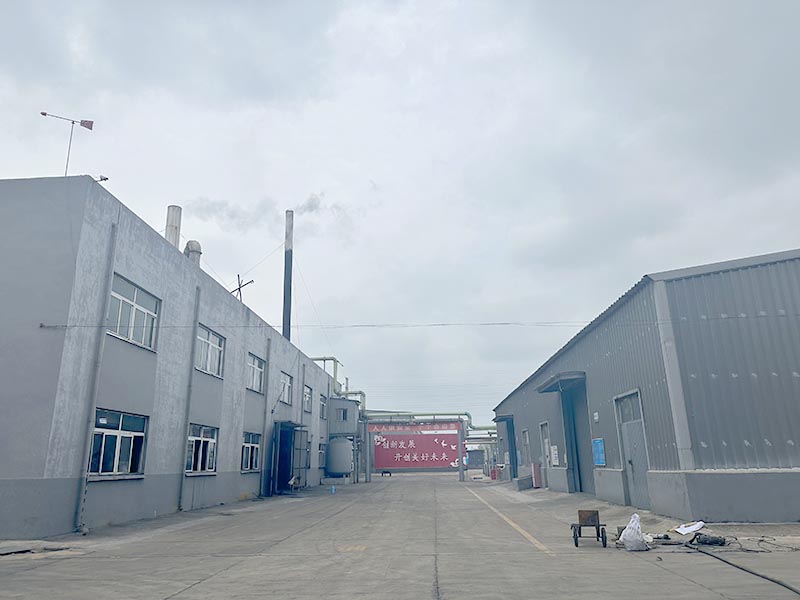
As international supply chains navigate geopolitical volatility, the concept of supply chain resilience has become a priority for procurement executives. Chinese chemical manufacturing facilities have evolved, transitioning from raw volume output to automated Smart Production (Industry 4.0).
By integrating automated DCS (Distributed Control Systems) for chemical synthesis, facilities maintain precise control over critical chemical parameters: pH value, dye density, viscosity, and chemical concentration. This high level of process control minimizes batch-to-batch variation, resolving a common challenge in large-scale dyeing operations.
Furthermore, China's extensive chemical industrial parks provide vertical integration of key raw material inputs, protecting production schedules from sudden market shortages. Coupled with infrastructure near major shipping hubs like Tianjin Port, manufacturers can ensure rapid container loading and reliable, stable supply agreements for international clients.
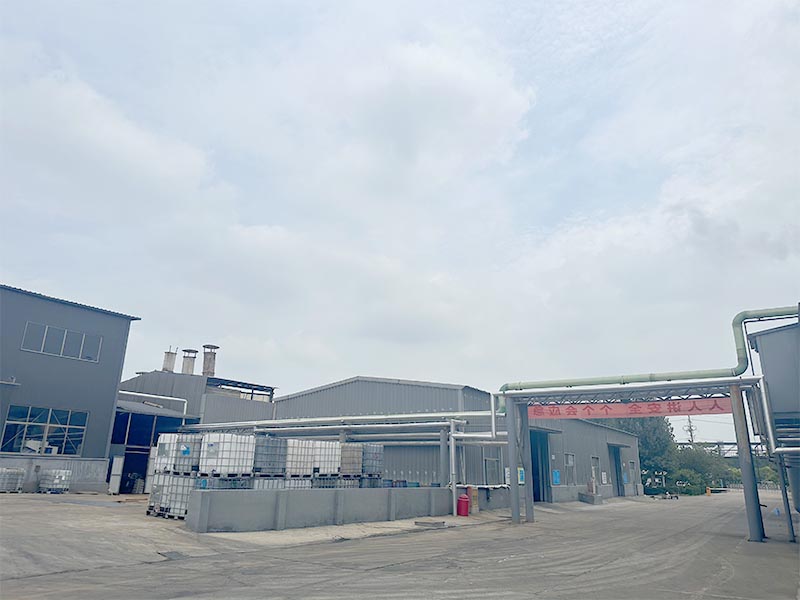
Tianjin Sunrise Chem Group specializes in manufacturing high-quality dyestuffs, offering an extensive catalog that includes Direct dyes, Acid dyes, Basic dyes, Sulphur dyes, Solvent dyes, Liquid dyes, and Fluorescent dyes. Backed by decades of industry and export experience, we have built a reputation for reliability and excellence, serving clients from diverse sectors including denim, textile, leather, paper, and plastic.
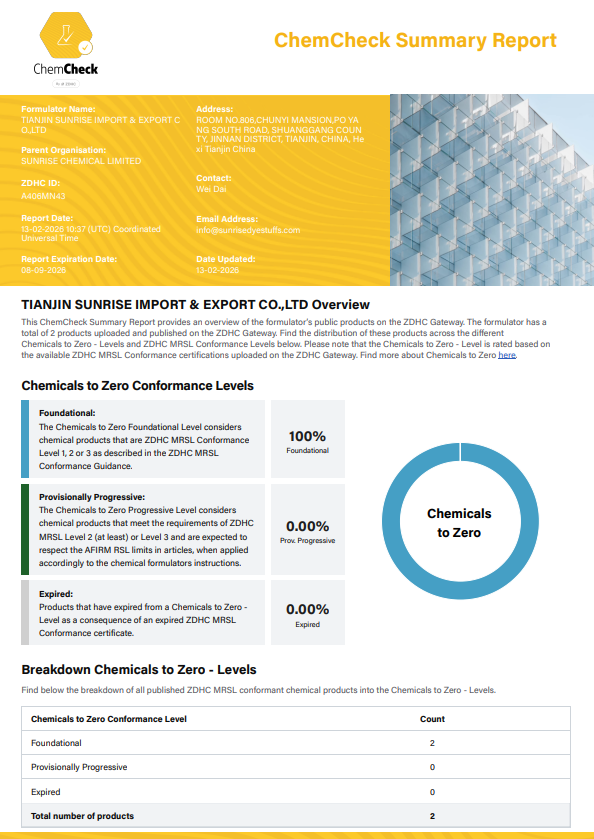
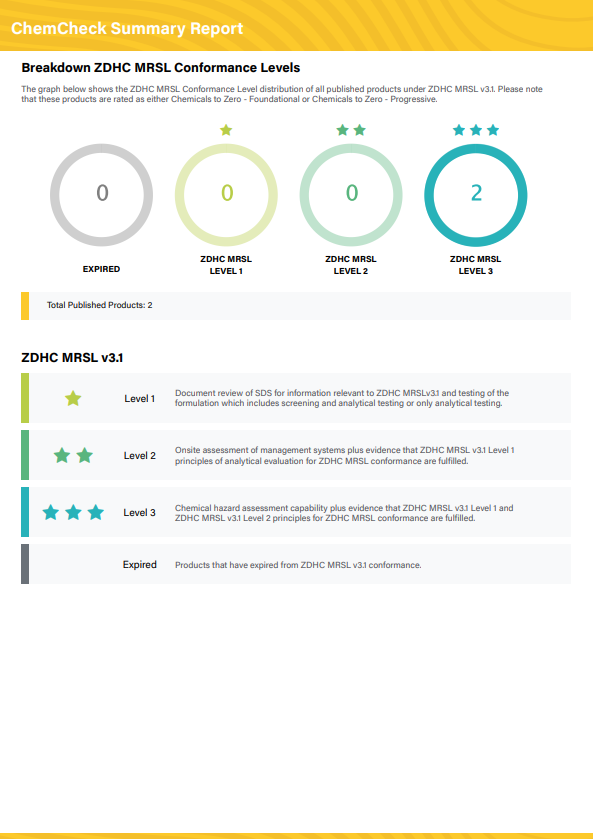
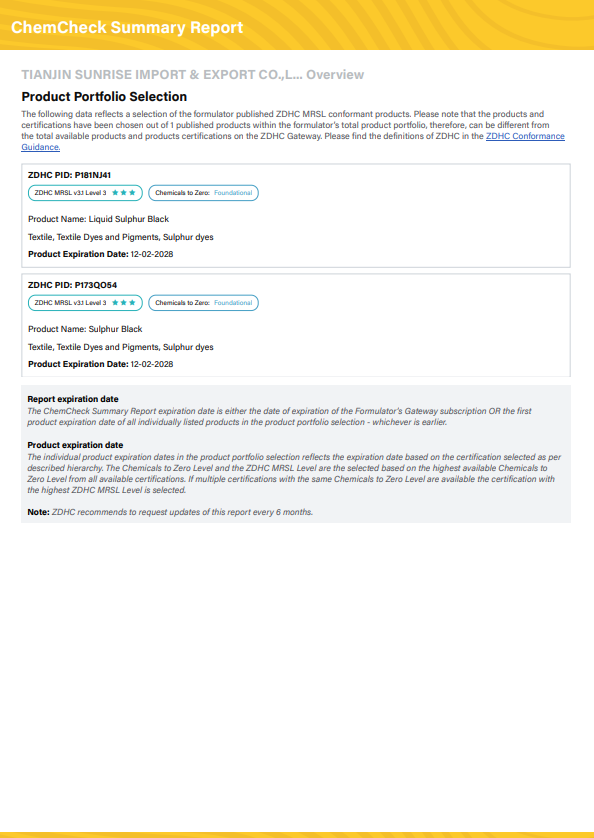
We place high focus on product quality and consistency. Each shipment undergoes testing before being dispatched to port. Our certification under ZDHC Level 3 and the Global Organic Textile Standard (GOTS) helps ensure that our products meet demanding international environmental and safety standards.
We pride ourselves on offering customized solutions. Our team of experts works closely with clients to understand their unique needs and delivers tailored products and services. We actively seek strategic partnerships to expand our reach and enhance our offerings. Collaborate with us to explore mutual growth opportunities.
Environmental protection is a core driver of our chemical innovation. We are dedicated to providing clients with eco-friendly, high-quality colorants that balance high performance with environmental care, helping move the industry toward a sustainable future.
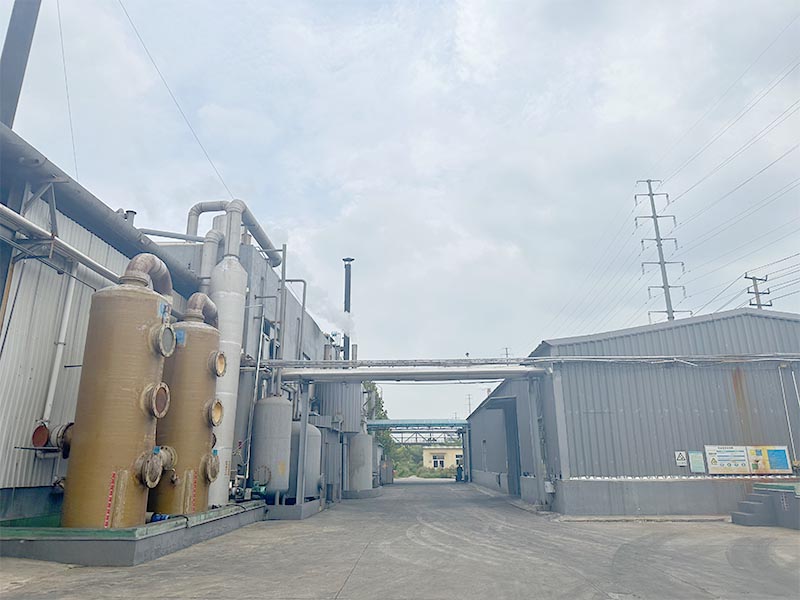
Modern chemical procurement is heavily shaped by environmental regulations. Global buyers must comply with restrictions on banned substances, heavy metals, and toxic chemical runoffs. For dye manufacturers, certifications like ZDHC (Zero Discharge of Hazardous Chemicals) and GOTS are key indicators of quality and safety.
ZDHC Level 3 represents the highest level of chemical management compliance. It indicates that the manufacturer's chemical formulations are consistently checked for compliance with the ZDHC MRSL (Manufacturing Restricted Substances List). This certificate confirms that the chemical synthesis processes do not introduce hazardous agents into the local ecosystem.
GOTS Certification verifies the organic status of textile products across the supply chain. In terms of dyestuffs, it guarantees that all colorants and chemical auxiliaries used meet strict environmental, toxicological, and social criteria. Choosing GOTS-certified dyes helps brands market their final products as environmentally responsible and safe for consumers.
Our production protocols are verified by leading international certification standards:
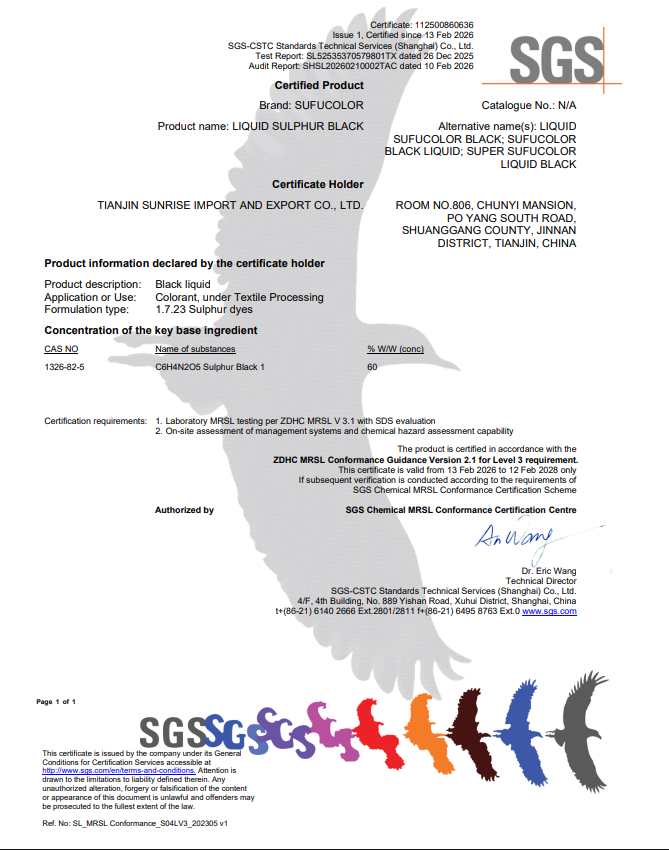
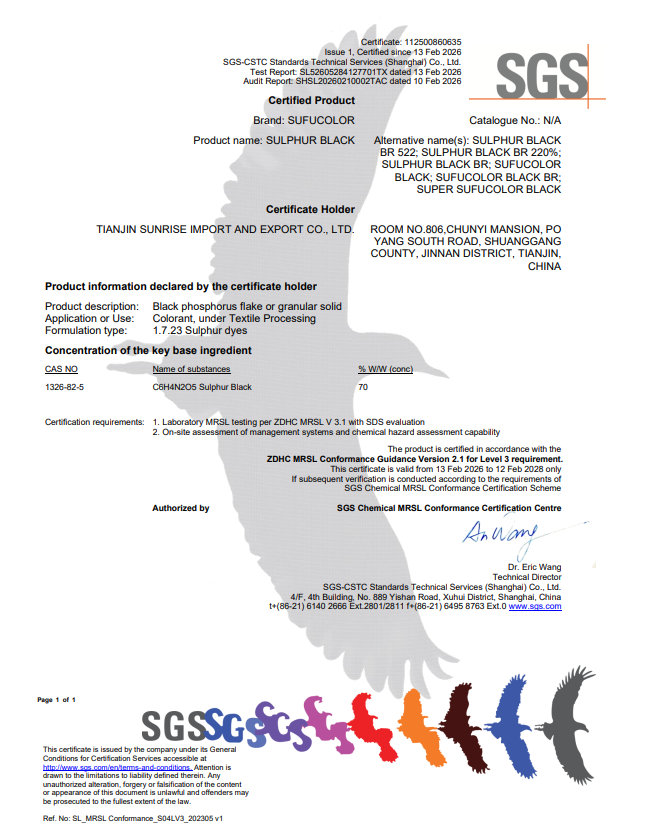
This technical comparison outlines the characteristics of key industrial dyes. Each class of dye has unique chemical qualities designed for specific substrates, absorption properties, and processing demands.
| Dye Class | Primary Substrates | Application Method | Lightfastness (1-8 Scale) | Key Strengths & Industrial Uses |
|---|---|---|---|---|
| Liquid Sulphur Dyes | Cotton, Denim, Viscose | Exhaust Dyeing, Continuous Pad-Steam | 6 - 7 (Very High) | Excellent wash durability, deep black shades, economical for large-scale denim production. |
| Acid Dyes (Powder/Liquid) | Wool, Silk, Nylon, Leather | Acid Bath Exhaust, Spraying, Tanning | 5 - 6 (High) | Bright shades, strong affinity for protein fibers, uniform coverage on premium leathers. |
| Direct Dyes | Cellulose, Cotton, Paper, Rayon | Direct Bath Exhaust, Pulp Blend Inflow | 4 - 5 (Moderate) | Easy application, good solubility, primary choice for coloring paper packaging. |
| Basic Liquid Dyes | Acrylic, Modified Polyester, Paper | Continuous Dosing, Acidic Exhaust | 5 - 6 (High) | High color strength, excellent water solubility, widely used in paper mills. |
| Solvent Dyes | Plastics, Waxes, Wood Stains, Inks | Solvent dissolution, Melt coloring | 6 - 7 (Very High) | Excellent thermal stability, highly soluble in organic solvents, resistant to bleeding. |
Consistent, timely supply is a critical requirement for manufacturing plants. We manage the supply chain carefully, maintaining structured warehousing and standardized shipping procedures to ensure safe, on-time delivery across international shipping routes.
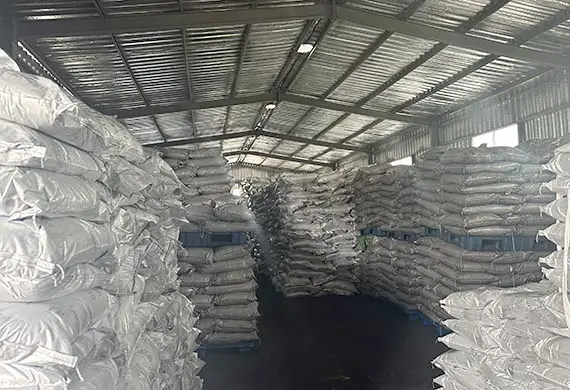
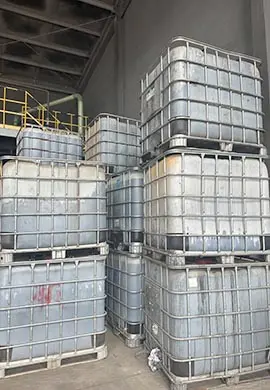
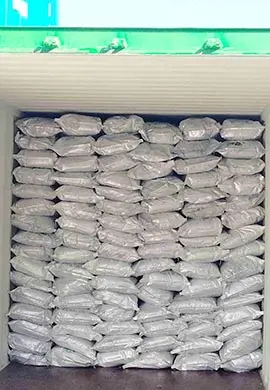
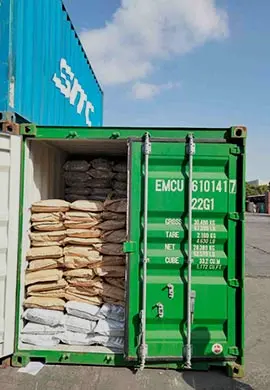
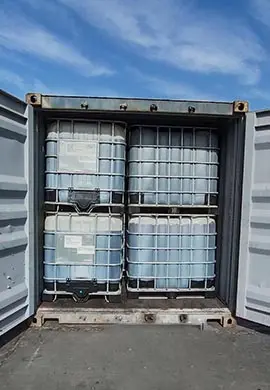
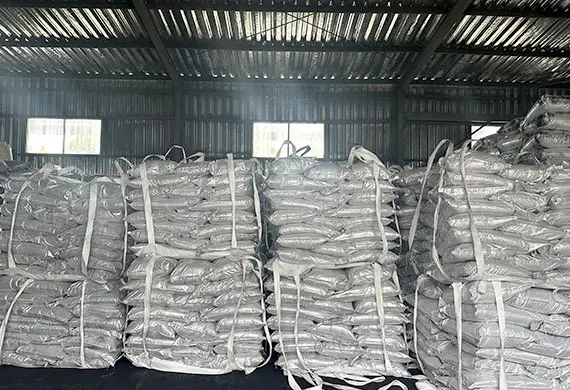
Our logistics network handles both powdered and liquid dyestuff consignments. Liquid products are packaged in robust IBC containers or heavy-duty drums, configured to withstand long ocean transits. By enforcing rigorous container-loading protocols, we ensure that products arrive at client facilities in optimal condition, ready for direct integration into production systems.
Find answers to common technical, logistics, and environmental compliance questions about our industrial liquid dyestuffs.
Complete your procurement order with our specialized dyes, solvent-based colorants, and high-purity processing aids.
 Sunrise