 Sunrise
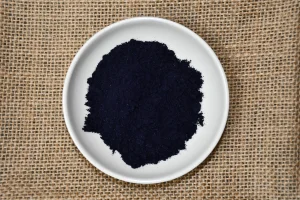
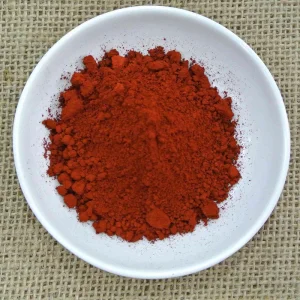
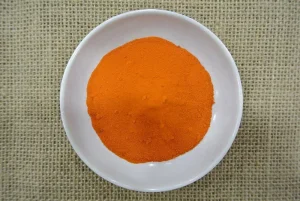
An Executive Guide to Basic Orange 22: Commercial Realities & Sourcing Strategies
Understanding the chemical properties, industrial applications, and supply chain metrics that govern global distribution.
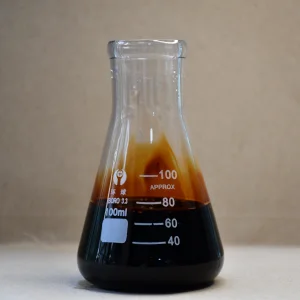
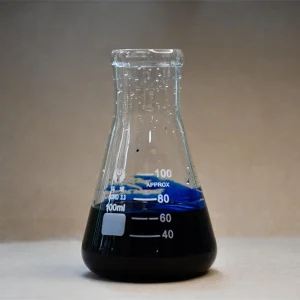
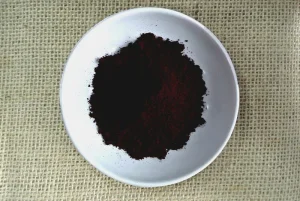
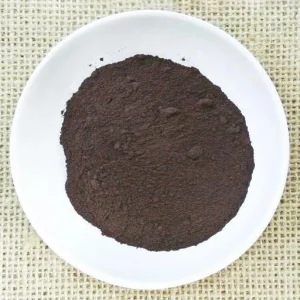
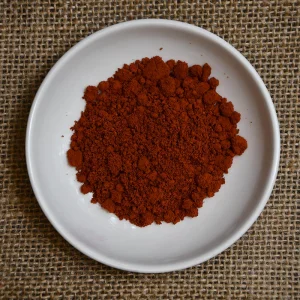
In modern industrial synthesis, the search for high-chroma, high-affinity dyes leads color chemistry specialists straight to Basic Orange 22. Historically utilized in premium paper processing, textiles, acrylic fibers, and specialized coating applications, this cationic dye is prized for its intense color yield, excellent water solubility, and outstanding binding capacity. However, sourcing Basic Orange 22 in today's highly regulated market requires more than just searching for a supplier; it requires a deep structural alignment with a manufacturer capable of guaranteeing quality, consistency, and compliance.
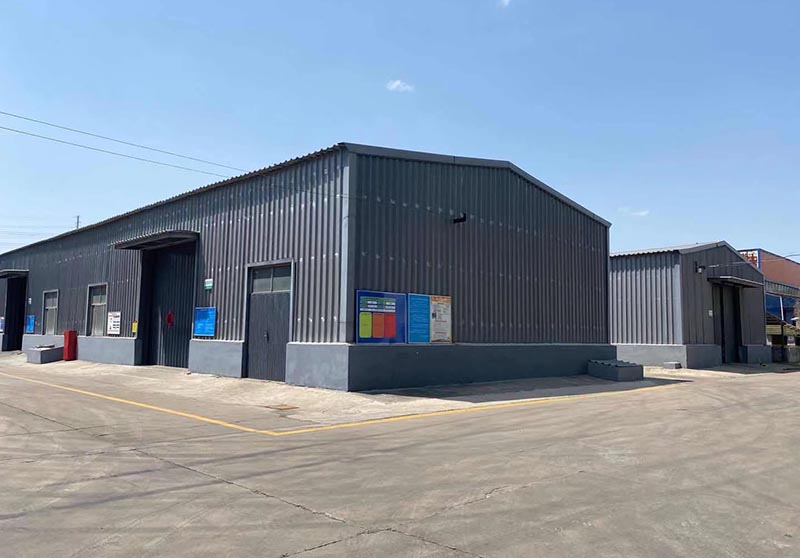
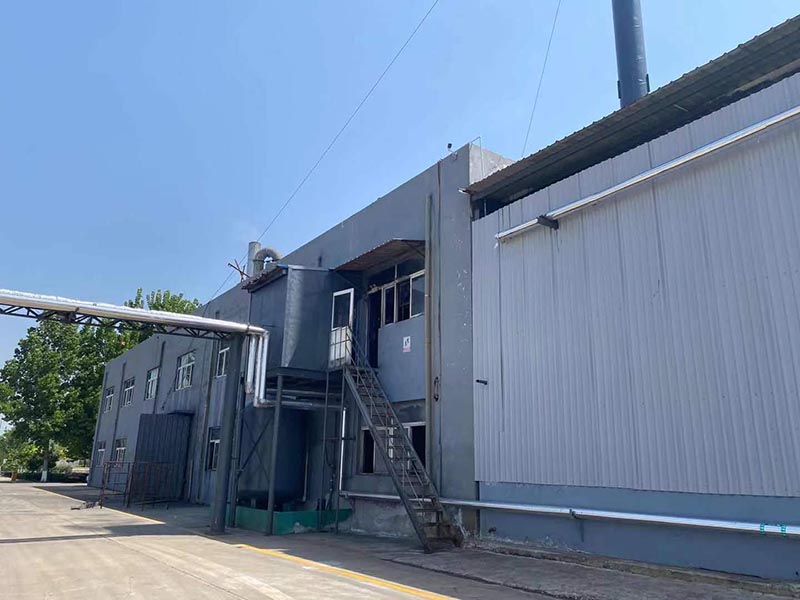
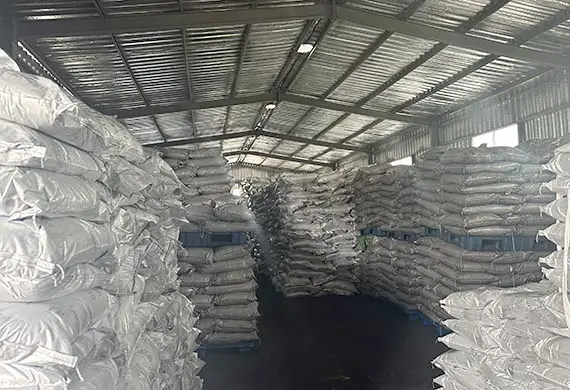
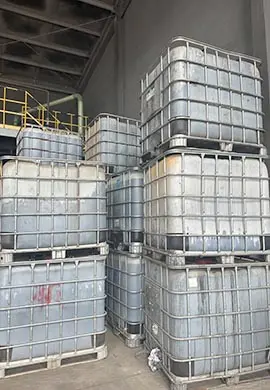
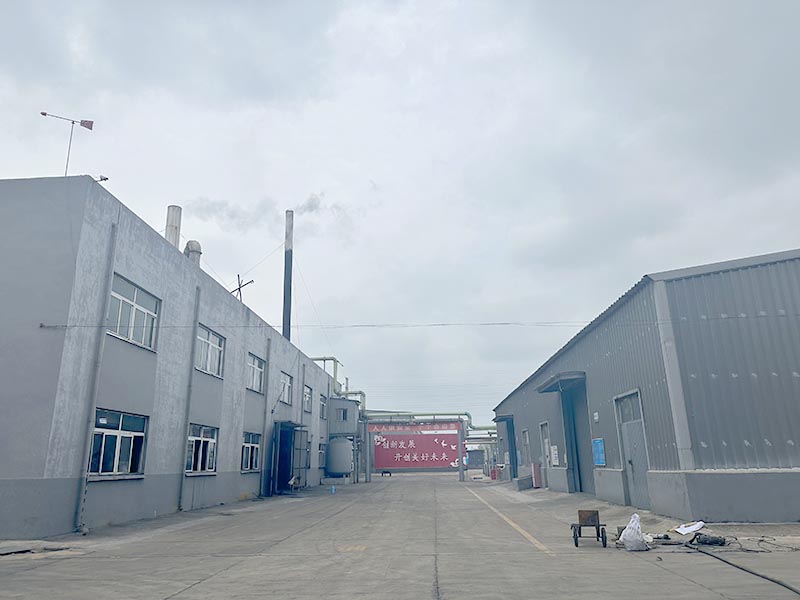
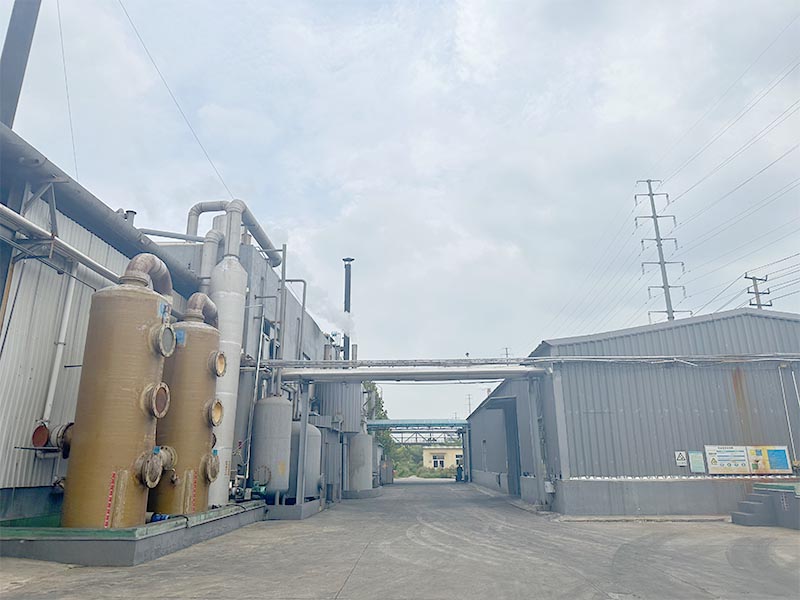
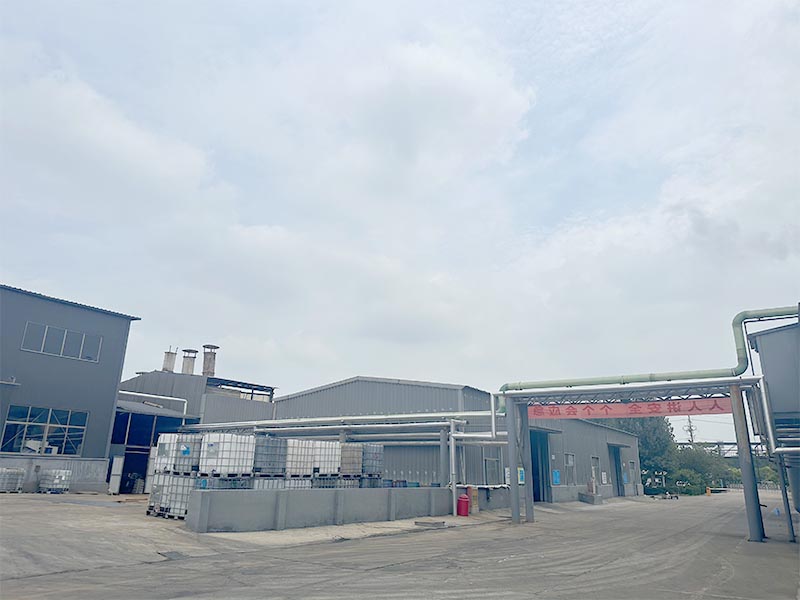
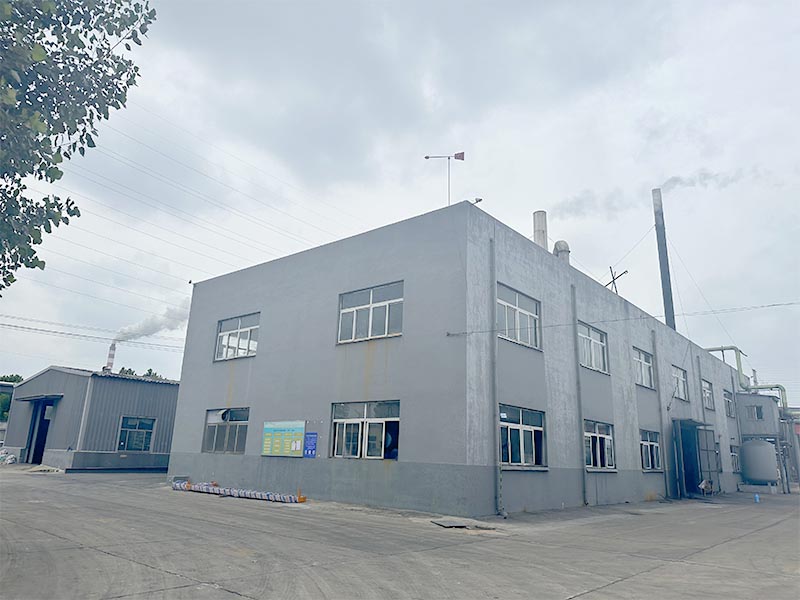
As a leading Chinese dyestuff enterprise, Tianjin Sunrise Chem Group stands at the forefront of this category. We specialize in synthesizing high-purity Basic Orange 22 alongside a complete range of Direct dyes, Acid dyes, Basic dyes, Sulphur dyes, Solvent dyes, Liquid dyes, and Fluorescent dyes. Backed by decades of industry and export experience, we have built a reputation for reliability and excellence, serving clients from diverse sectors including denim, textile, leather, paper, and plastic.
Global Commercial & Industrial Status
The global demand for Basic Orange 22 is driven by its irreplaceable role in paper tinting and acrylic fiber dyeing. Cationic or basic dyes are intrinsically positively charged, allowing them to form strong ionic bonds with negatively charged materials such as tannic acid-mordanted cotton, bast fibers, polyacrylonitrile (acrylic), and unbleached kraft pulps. This chemical binding mechanism ensures high color fastness to wet treatments and exceptional brightness that direct or acid dyes struggle to match.
In terms of geographical demand, North American and European paper mills rely on high-concentration Basic Orange 22 formulations for specialty packaging and technical boards, where high readability and color consistency are vital. Concurrently, emerging textile hubs across Southeast Asia (such as Vietnam, Bangladesh, and Indonesia) drive demand for cationic acrylic-wool blends. Keeping pace with these dynamics requires a supplier who can scale up production without compromising environmental thresholds.