Explore our core selection of dyes, liquids, and solvents engineered for precision industrial applications.
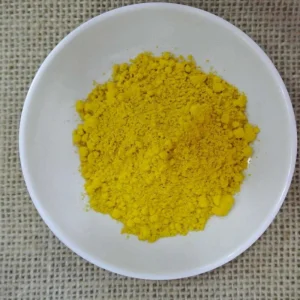
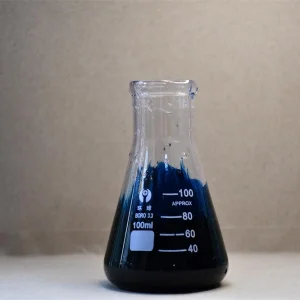
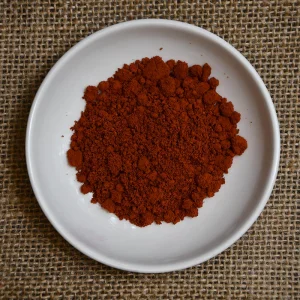
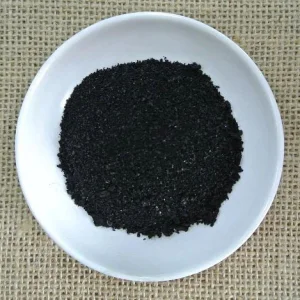
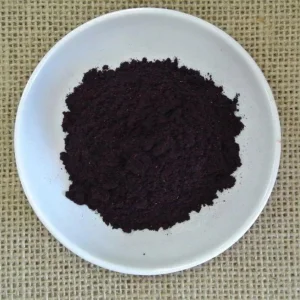
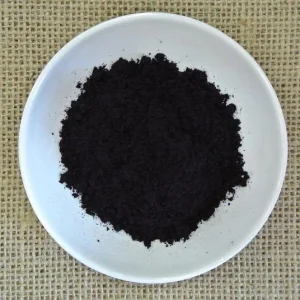
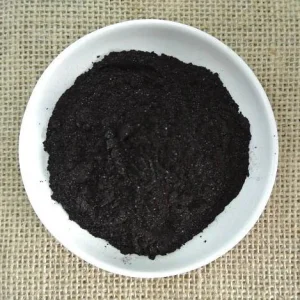
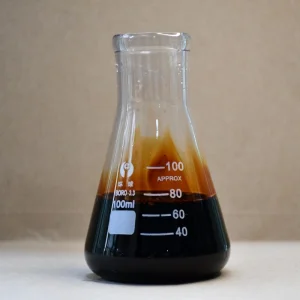
Operating at the global nexus of industrial color chemistry, Tianjin Sunrise Chem Group has consolidated its position as a leading global manufacturer and strategic exporter of high-grade dyestuffs. Our chemical architecture specializes in the R&D, synthesis, and scale supply of Direct Dyes, Acid Dyes, Basic Dyes, Sulphur Dyes, Solvent Dyes, Liquid Dyes, and Fluorescent Dyes.
With decades of cross-border trade experience, Sunrise Chem is a key link in the supply chains of multinational paper mills, packaging plants, textile conglomerates, and plastic polymer compounders. Our primary commitment is focused on chemical consistency, high affinity, and environmental sustainability. Each shipment undergoes rigorous batch testing to ensure consistent quality from our laboratory to global ports of destination.
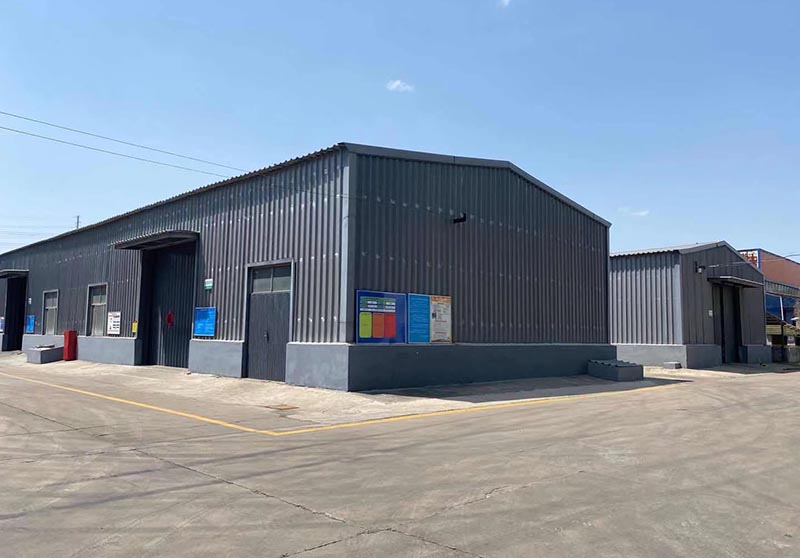
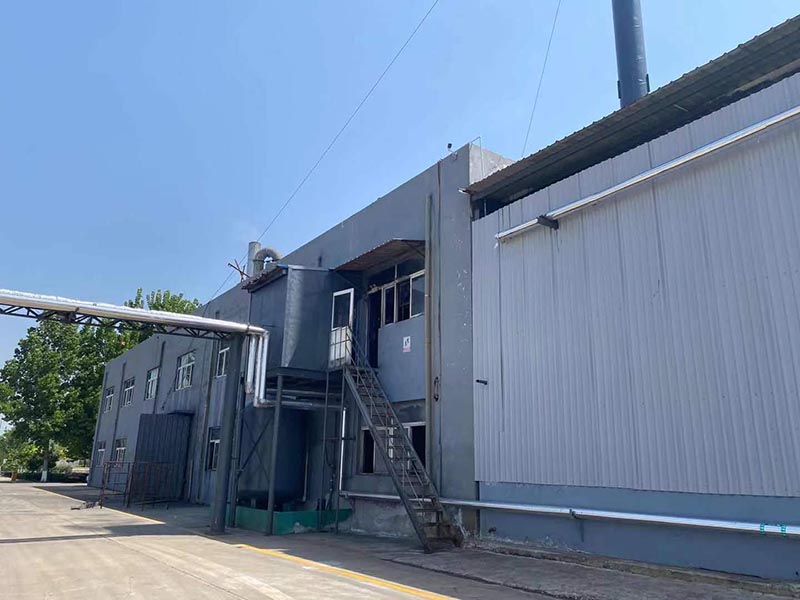
The global pulp and paper industry is undergoing rapid changes due to environmental policies and changing consumer preferences. Standard colorants are no longer enough for modern operations. Today's procurement managers face strict regulations, including limits on chemical oxygen demand (COD), bans on specific heavy metals, and requirements for biodegradability.
As a reliable manufacturing partner, Sunrise Chem supplies high-quality, eco-compliant colorants that support efficient industrial runs. By working closely with leading paper mills, we design dyes that maintain shade consistency across varied batches of recycled fibers. This approach helps minimize production downtime, optimize dye usage, and reduce the costs of wastewater treatment.
A comprehensive breakdown of dye categories and their physical chemistry applications in pulp, paper, and polymer matrices.
Highly soluble and displaying a natural affinity for cellulosic fibers, Direct Dyes are the backbone of modern paper and cotton dyeing. Due to their planar molecular structure, they establish strong hydrogen bonds with the cellulose structure, ensuring high exhaustion rates.
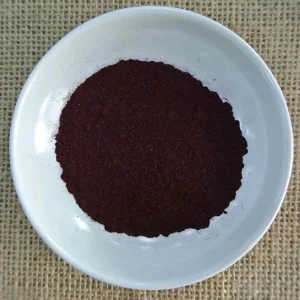
Examples like Direct Yellow 11 and Direct Yellow 12 are widely used for coloring packaging grades, tissue papers, and writing papers, offering good lightfastness and reliable retention.
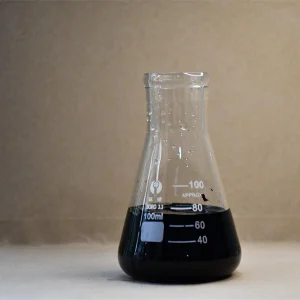
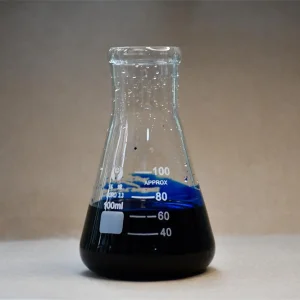
Designed for modern automated dosing systems, our liquid formulations—such as Direct Red 239 Liquid, Direct Blue 86 Liquid, and Basic Brown 23 Liquid—help eliminate airborne dust in the mill.
These stable liquid dyes disperse quickly in the pulp slurry, allowing for real-time color adjustments, minimizing color variation, and reducing cleaning cycle times.
For specialized applications, Basic Green 4 Liquid provides bright shades on unbleached wood pulps and mechanical pulps due to its cationic charge.
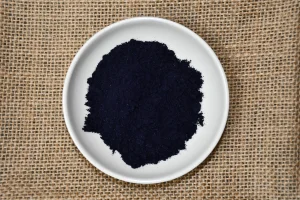
Additionally, our high-purity Solvent Dyes, including Solvent Blue 35 and Solvent Blue 36, provide excellent solubility in organic matrices, making them suitable for plastics, specialized printing inks, and lacquers.
Achieving shade stability in paper manufacturing requires careful control of wet-end chemistry. The interaction between cellulose pulp, mineral fillers, retention aids, sizing agents, and dyestuffs must be managed to ensure color uniformity and structural integrity.
Tianjin Sunrise Chem Group offers complete macro solutions for paper mills, covering both mass coloration (wet-end addition) and surface coloring (size press application).
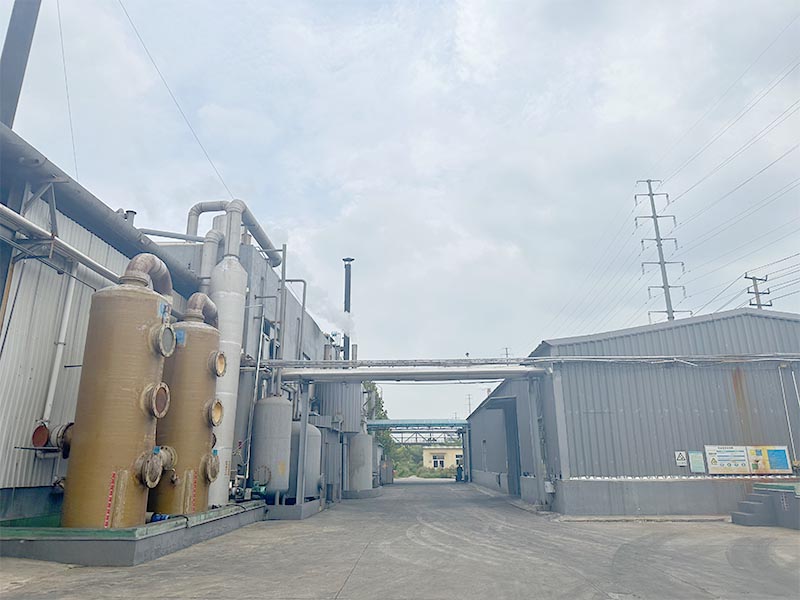
Comprehensive direct, acid, and solvent dye formulations for diverse industrial applications.
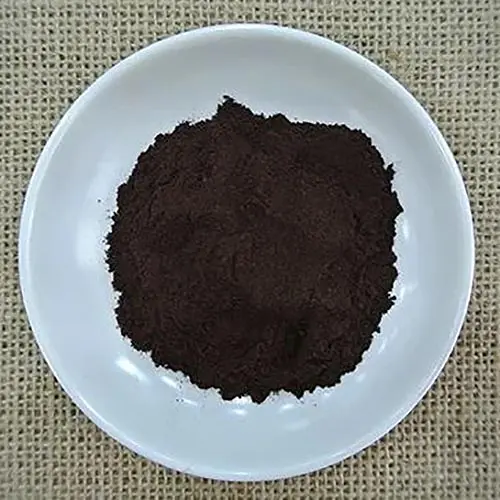
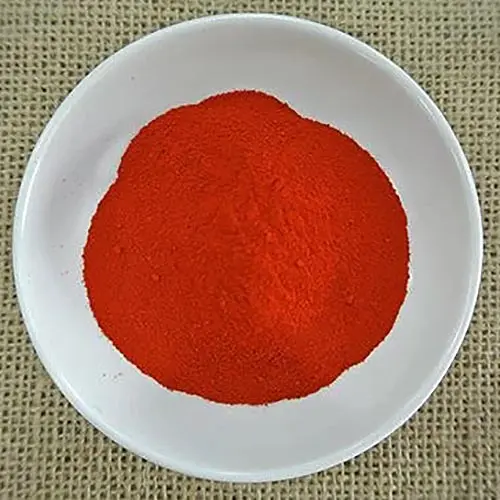
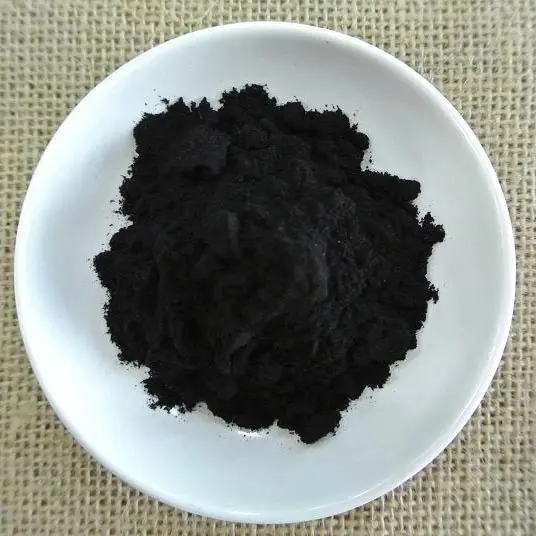
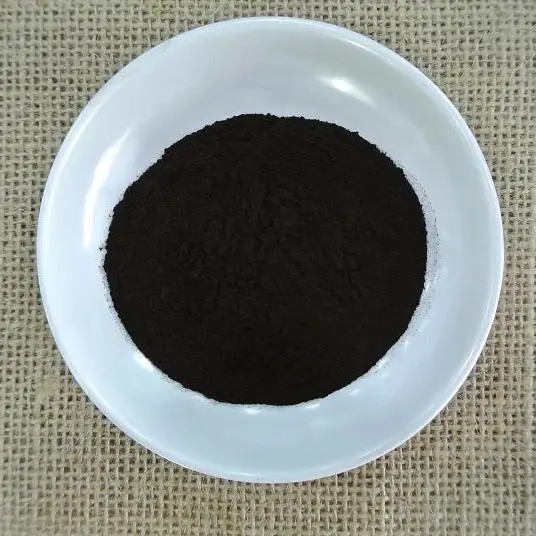
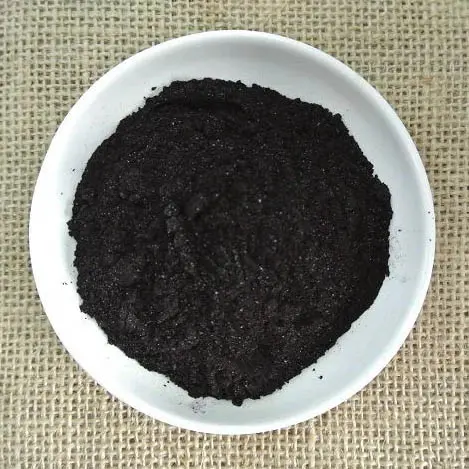
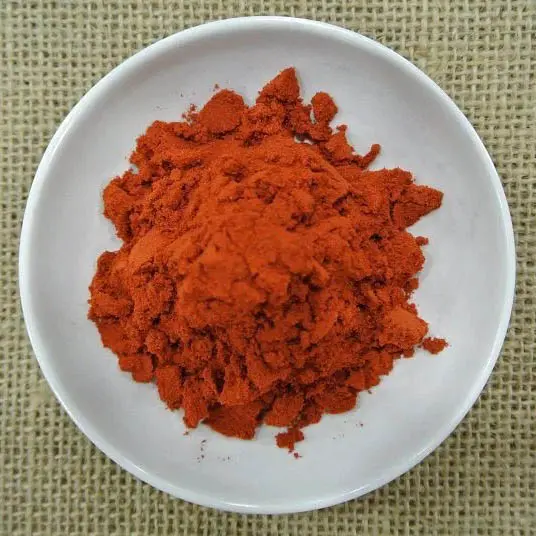
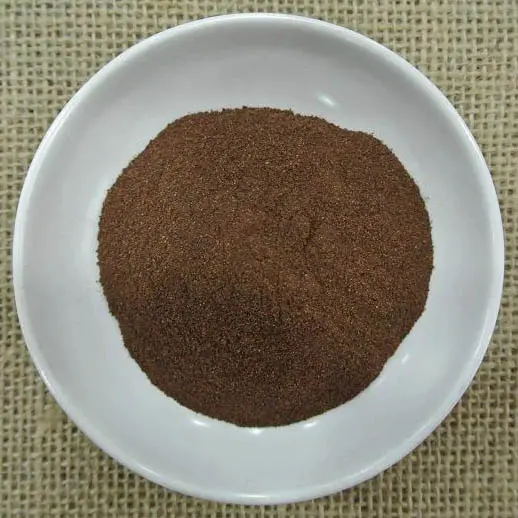
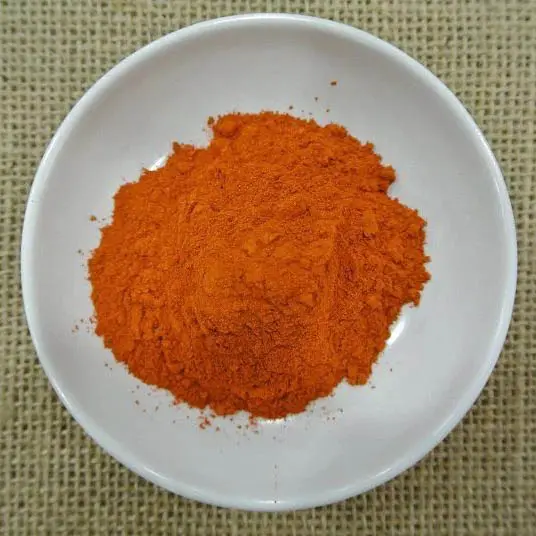
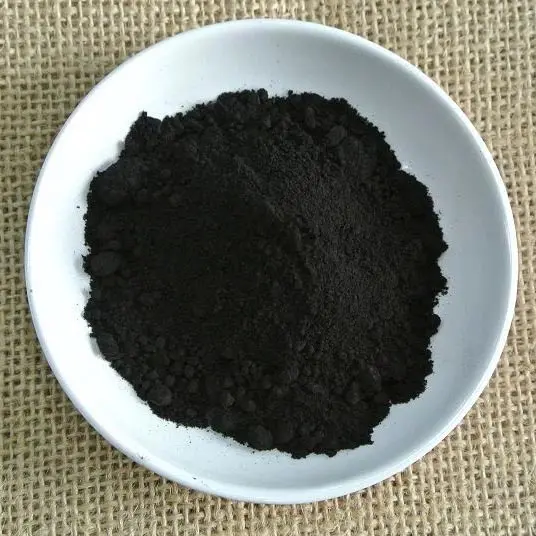
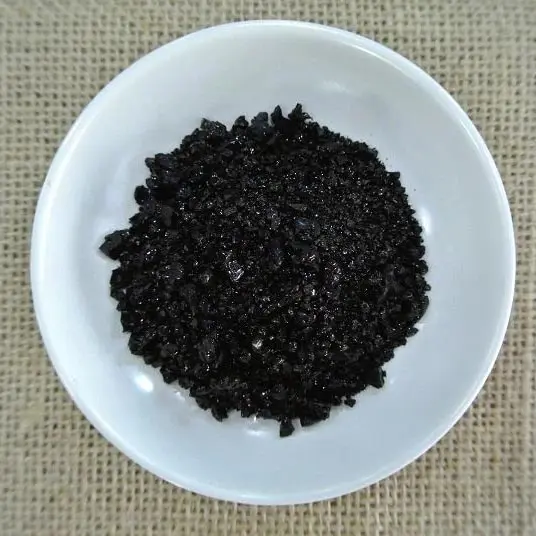
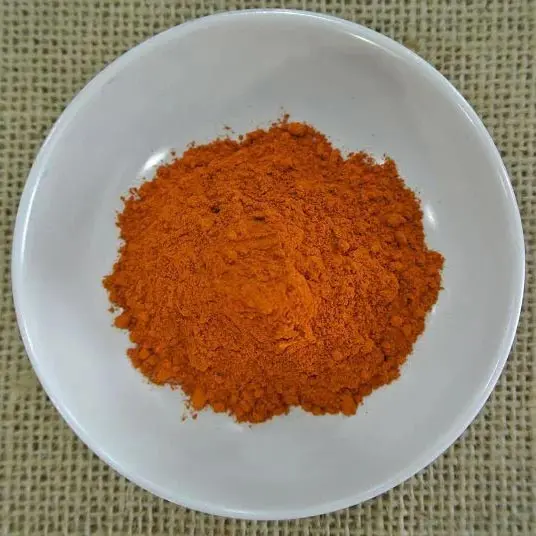
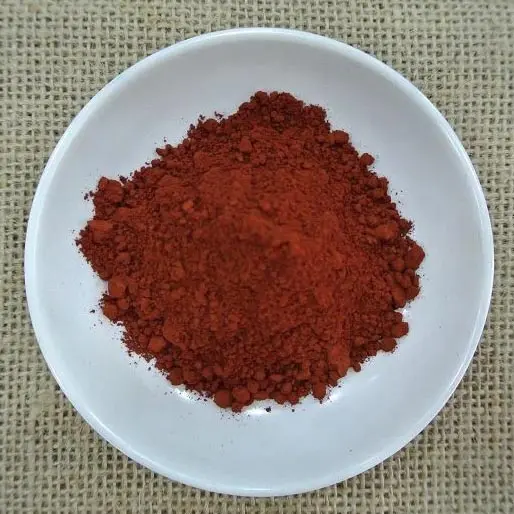
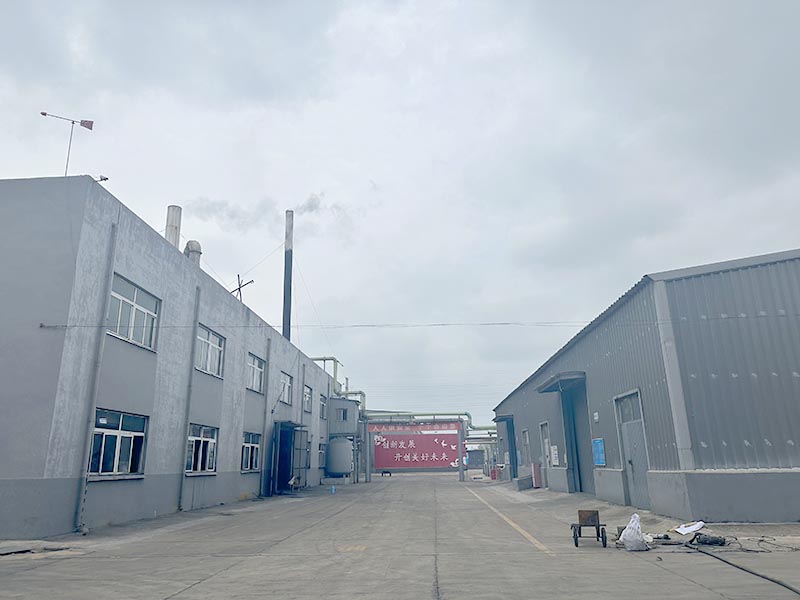
Environmental management is a core priority for Sunrise Chem. In the modern industrial color industry, eco-friendly manufacturing is essential for sustainable development. Our R&D team works to balance high-performance coloration with low environmental impact.
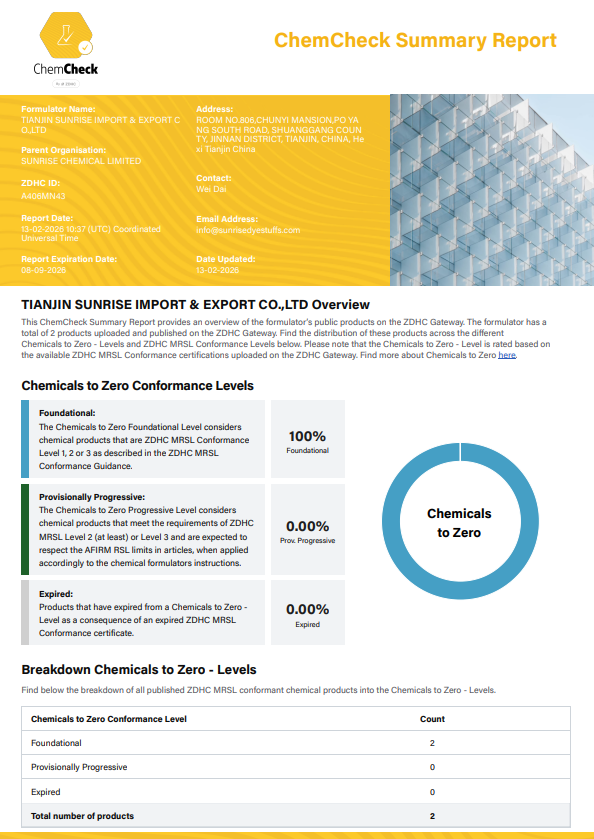
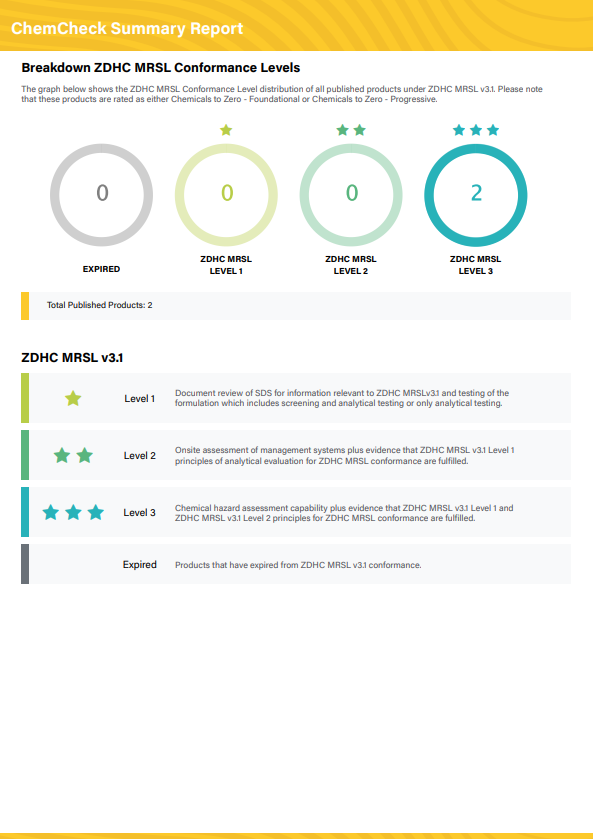
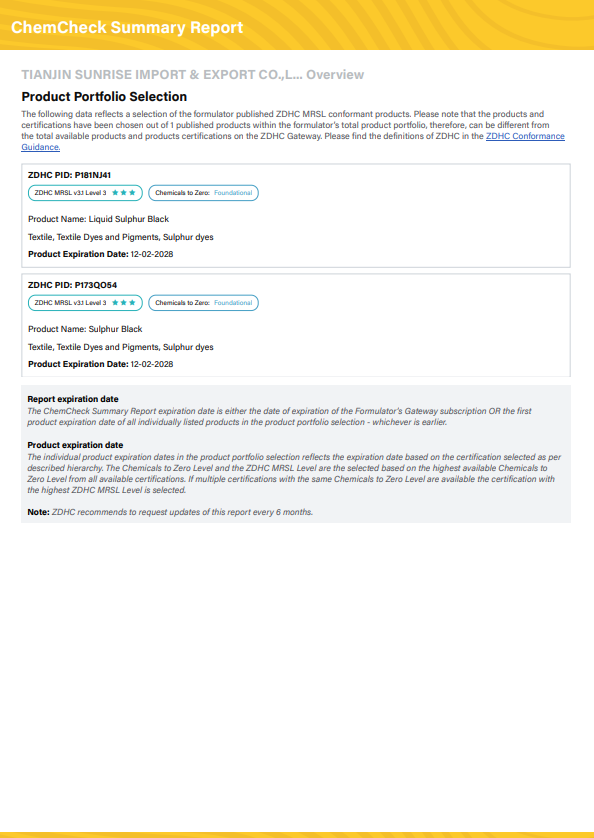
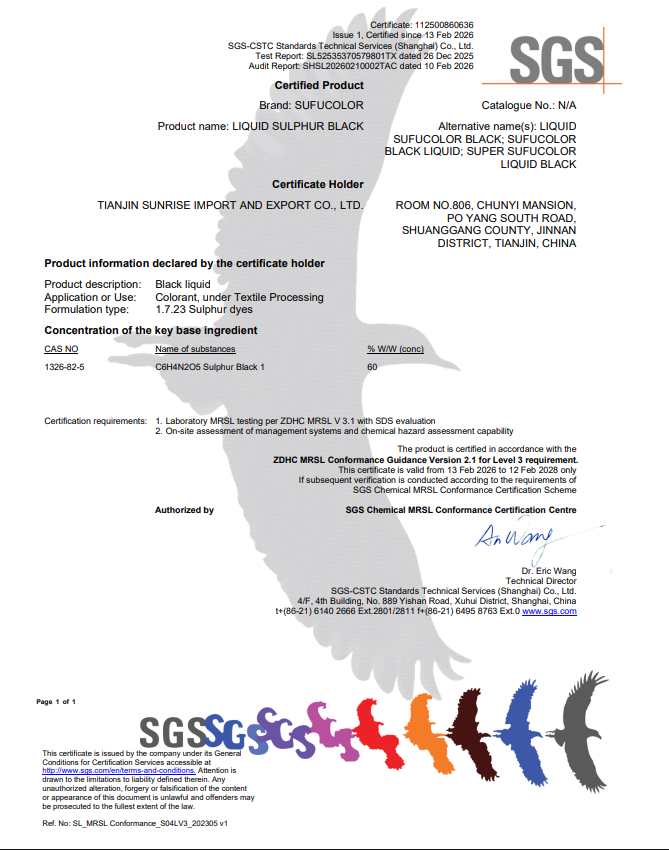
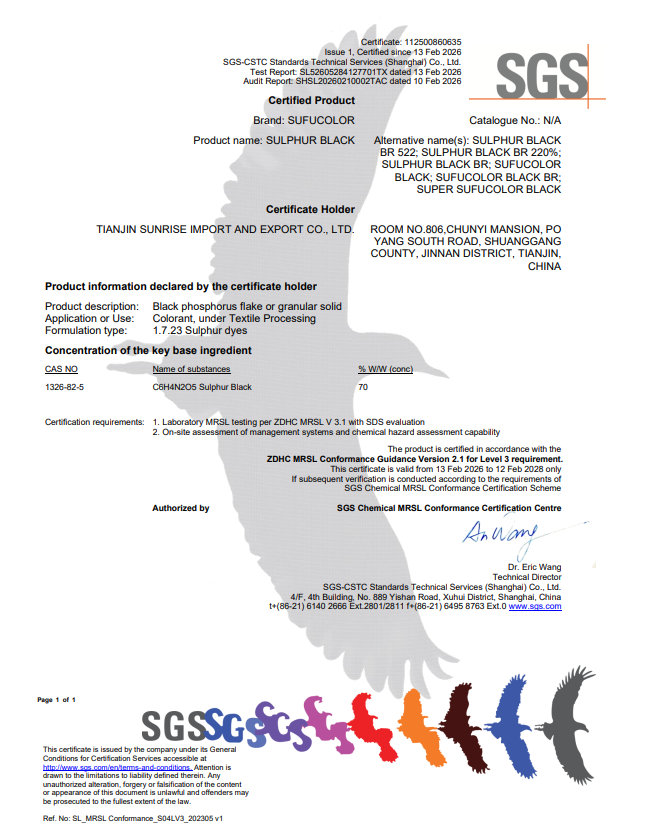
Our formulations meet international eco-standards. We are proud to have achieved both ZDHC Level 3 and GOTS (Global Organic Textile Standard) certifications. These standards support the exclusion of restricted chemicals, heavy metals, and harmful arylamines from our production processes.
By maintaining these high certification levels, we help our partners navigate strict international trade rules. Whether supplying paper mills or consumer packaging plants, our products support compliance with REACH, OEKO-TEX, and other global environmental mandates.
Quality control at Sunrise Chem relies on advanced analytical tools. Our laboratories use gas chromatography-mass spectrometry (GC-MS) and high-performance liquid chromatography (HPLC) to test raw materials and evaluate completed batches.
We measure crucial parameters like color fastness, shade depth, pH stability, solubility, and dynamic viscosity. This testing ensures that our liquid and powder dyes remain stable during storage and perform consistently in automated industrial dosing systems.
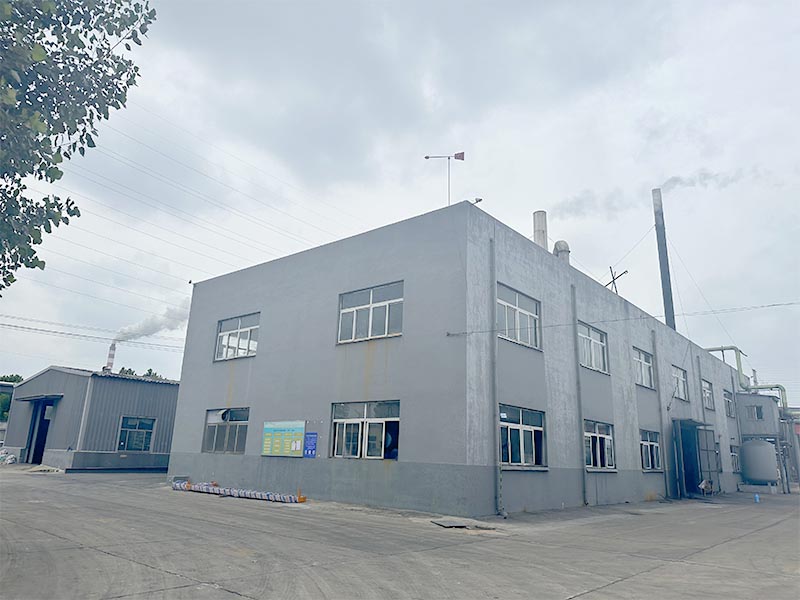
A look at our warehousing, shipping preparation, and reliable logistics operations supporting global deliveries.
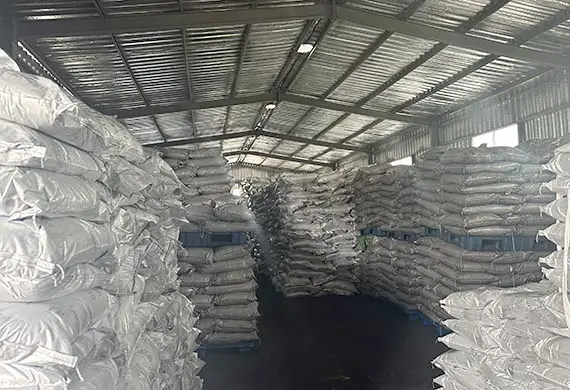
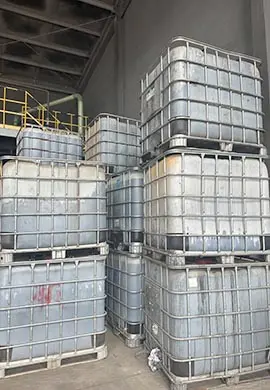
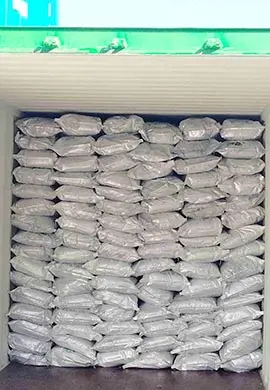
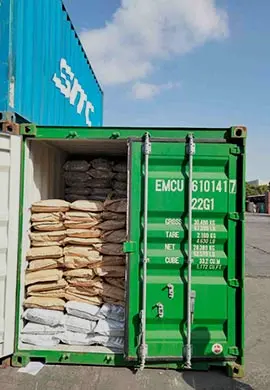
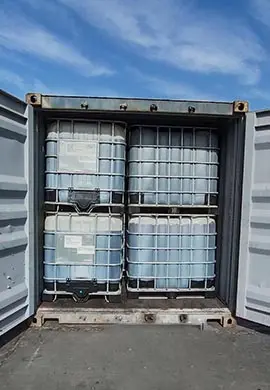
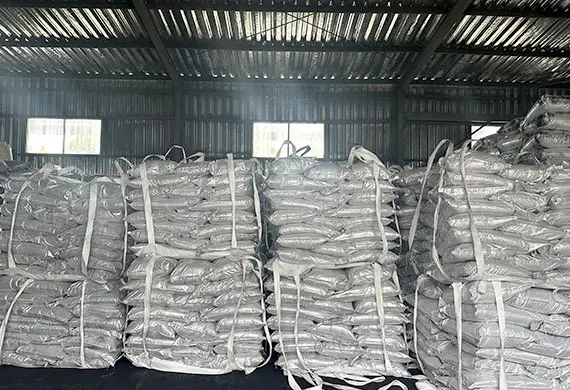
Effective delivery logistics require both reliable packaging and safe handling. Sunrise Chem coordinates shipment logistics through dedicated loading controls and strategic partnerships with shipping lines. We offer options like moisture-resistant packaging, standard drums, and IBC totes to ensure our colorants arrive safely at your plant.
We manage documentation requirements for cross-border logistics, providing Certificates of Analysis (COA), safety data sheets (SDS) aligned with local GHS systems, and detailed customs paperwork.
Adapting to environmental requirements and technological changes in industrial color manufacturing.
We are working to develop dyes with improved chemical structures that require less salt during synthesis. This approach helps reduce the salt content in paper mill wastewater, supporting wastewater treatment operations.
We continue to expand our range of liquid dyestuffs to meet the needs of automated paper manufacturing. Liquid formulations simplify metering, reduce handling dust, and support continuous dosing processes.
We study bio-based raw materials and natural dispersing agents to replace oil-derived alternatives. This work helps lower the carbon footprint of our dyes while maintaining performance.
Expert answers to common questions about paper dyes, procurement, and environmental compliance.
Direct dyes have an anionic structure and establish hydrogen bonds with cellulose, making them suitable for cotton and bleached wood pulps without requiring extra fixatives. Basic dyes are cationic, bonding strongly with the negative sulfonic or carboxylic groups in unbleached pulps and groundwood. Acid dyes have low direct affinity for cellulose and are typically applied using alum or size-press coatings for surface coloring.
ZDHC (Zero Discharge of Hazardous Chemicals) Level 3 certification verifies that our chemical products and manufacturing processes exclude restricted substances. This certification helps global manufacturers show compliance with international environmental standards and simplify wastewater management.
Liquid dyes are popular for automated, continuous dosing systems because they can be metered directly without prior dissolving. This helps eliminate chemical dust in the preparation area, reduces handling hazards, and supports quicker shade adjustments during production runs.
Recycled pulp often varies in fiber length and sizing levels, which can lead to color inconsistency. To manage this, we use direct dyes with high cellulose affinity combined with anionic or cationic retention aids. Regular spectrophotometric testing and adjustable automated liquid dosing help maintain color consistency.
For products like printing inks and packaging plastics, we recommend high-purity solvent-soluble dyes like Solvent Blue 35, Solvent Blue 36, and Solvent Yellow 114. These colorants dissolve well in organic solvents and polymers, offering good heat stability and resistance to migration.
Browse our selection of OEM-grade direct, liquid, and pigment formulations for global supply chains.
 Sunrise