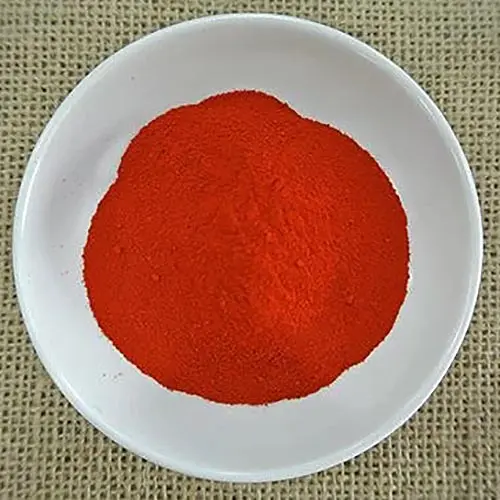
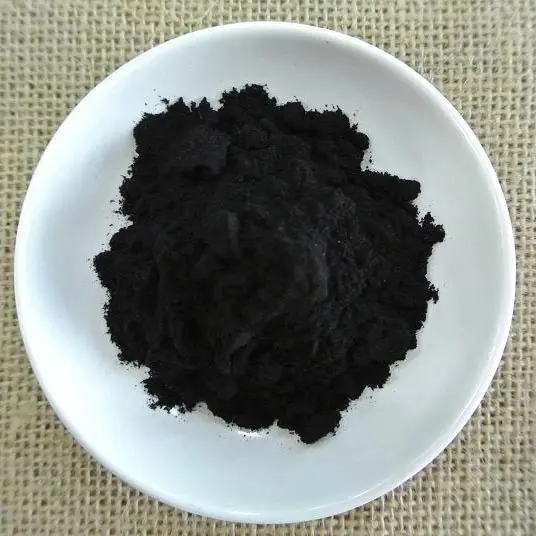
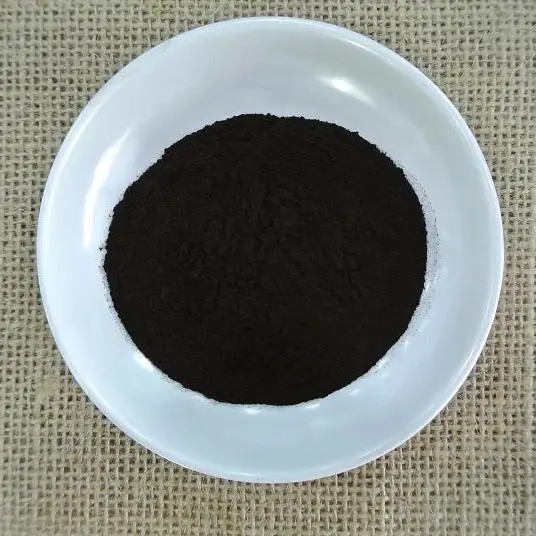
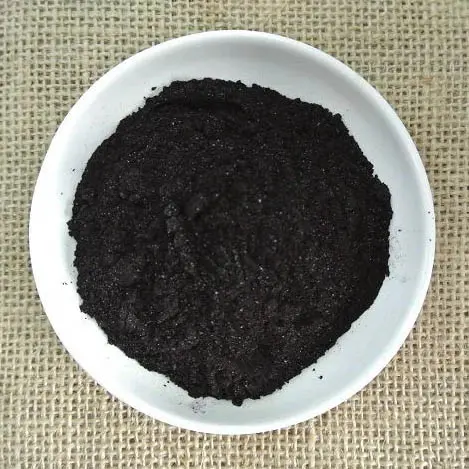
Leading-edge pigment solutions engineered for outstanding dispersion, stability, and compatibility across Spanish and global manufacturing hubs.
A deep dive into Catalonia's chemical hub, global regulatory frameworks, and market integrations.
Barcelona and the surrounding Catalonia region constitute the backbone of Southern Europe’s chemical manufacturing network. Historically representing over 45% of Spain's total chemical production, the region benefits from the port infrastructure of the Port of Barcelona and the nearby industrial clusters of Tarragona. This chemical corridor serves as a crucial point of entry for essential intermediate reagents and a vital outbound logistics hub for distributing high-performance organic pigments across Europe.
For industrial ink manufacturers, masterbatch compounders, and automotive coating plants situated in the Martorell and Vallès industrial zones, local availability of stabilized organic pigments is a foundational requirement. By aligning production capacities with advanced shipping connections, manufacturers can assure short lead times and robust buffer inventories, protecting regional industries from global supply chain disruptions.
The organic pigment market has transitioned away from basic chromophore chemistry toward high-performance, functionalized pigment particles. The primary challenge faced by B2B buyers is the balance between cost-competitiveness and strict compliance with environmental regulations. In the European Union, the REACH registration requirements dictate that every chemical substance manufactured or imported above one tonne per year must undergo rigorous toxicological and ecotoxicological evaluation.
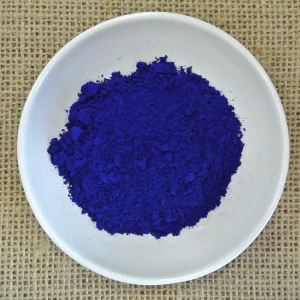
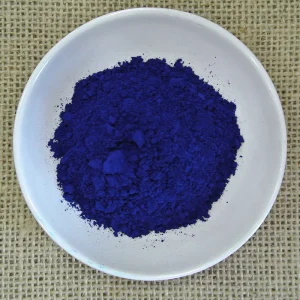
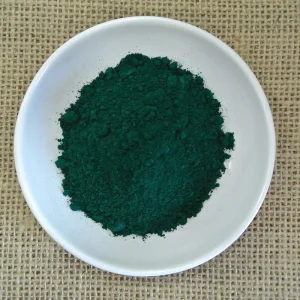
This regulatory ceiling has forced many legacy factories in Europe to limit production or shut down due to compliance costs, opening opportunities for global strategic partnerships. Top-tier global manufacturers like Sunrise Chem Group have successfully bridged this gap by aligning their production lines in Asia with European compliance frameworks. This integration provides European businesses with a secure pipeline of pigments such as Pigment Blue 15:3 (phthalocyanine blue) and Pigment Green 7 (phthalocyanine green) without exposing them to regulatory risks.
Decades of Industrial Colorant Synthesis, Global Quality Leadership, and Eco-Conscious Chemistry
Tianjin Sunrise Chem Group specializes in manufacturing high-quality dyestuffs and pigments, including Direct dyes, Acid dyes, Basic dyes, Sulphur dyes, Solvent dyes, Liquid dyes, and Fluorescent dyes. Backed by decades of industry and export experience, we have built a reputation for reliability and excellence, serving clients from diverse sectors including denim, textile, leather, paper, and plastic processing.
We always highly focus on goods quality and stability. Each shipment is tested before being sent to the port. Our ZDHC Level 3 and GOTS certifications guarantee compliance with safety and environmental standards. We pride ourselves on offering customized solutions: our team of experts works closely with clients to understand their unique needs and delivers tailored products. We actively seek strategic partnerships to expand our reach and explore mutual growth opportunities.
Environmental protection is the cornerstone of our innovation. We dedicate ourselves to providing clients with eco-friendly, high-quality colorants that balance productivity with environmental harmony, driving the industry towards a more sustainable development path for a greener textile industry and a sustainable future.
Advanced formulations optimized for performance polymers, wood staining, and high-visibility applications.

How advanced surface-modification technologies solve critical performance limits in polymer and coating systems.
The dispersion quality of an organic pigment dictates its color strength, gloss, and rheological performance in final applications. Unmodified organic pigment particles, particularly Copper Phthalocyanine complexes (such as Pigment Blue 15:3 and Pigment Green 7), tend to form tight agglomerates due to strong intermolecular Pi-Pi stacking forces. To overcome this, our manufacturing plants employ advanced surface treatments using hyperdispersants and pigment derivatives.
By coating the pigment crystals with thin layers of tailored polymers, we introduce steric hindrance and electrostatic stabilization. This ensures that when the pigment is introduced into epoxy resins, water-based paints, or plastic masterbatches, the energy required for de-agglomeration is significantly reduced. The result is a consistent, high-chroma distribution with minimal sedimentation and no nozzle clogging in industrial printing systems.
Barcelona's environmental regulatory bodies, operating in line with Spain's national implementation of EU directives, enforce strict guidelines concerning wastewater discharge from dyehouses and paint factories. Adopting ZDHC Level 3 certified colorants is a direct route to compliance for local manufacturers.
ZDHC Level 3 certification guarantees that our raw materials do not contain hazardous chemical impurities above the restricted limits. This simplifies municipal wastewater treatment processes for factories in Catalonia, helping them avoid hefty clean-up fees and regulatory penalties while protecting local aquatic ecosystems.
Using OEM Pigment Blue 15:3 in Catalonia's automotive coatings clusters to achieve excellent weatherability, high transparency for metallic basecoats, and reliable gloss retention under intense UV exposure.
Utilizing ZDHC Level 3 and GOTS certified Direct and Sulphur Dyes in regional fabric mills near Barcelona, satisfying international brand audits for toxicological safety and organic garment verification.
Dispersion-optimized Pigment Blue 15:0 and Pigment Green 7 integrated into packaging film masterbatches, yielding thin films without pinholes or mechanical weakness during high-speed extrusion lines.
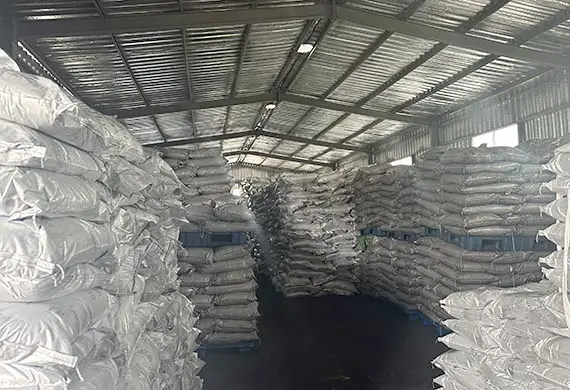
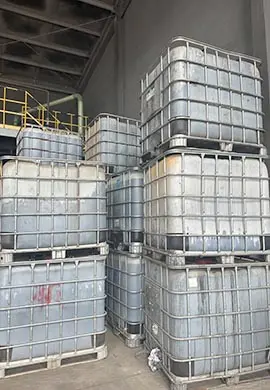
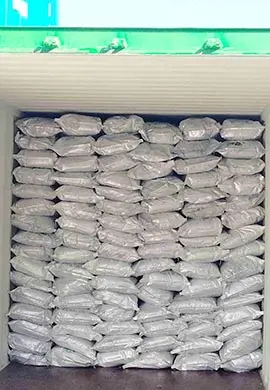
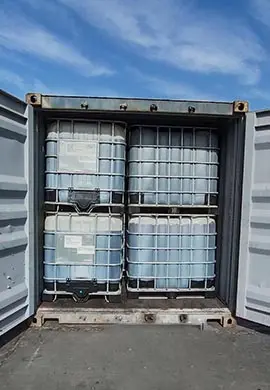
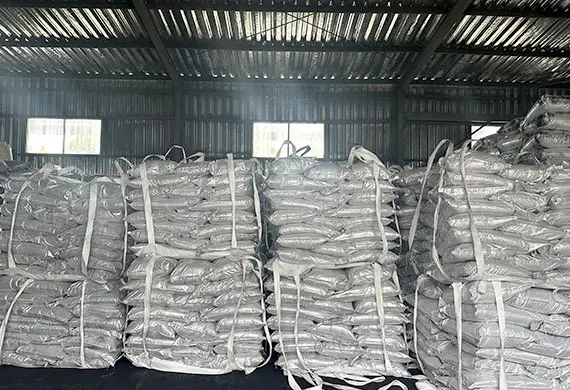
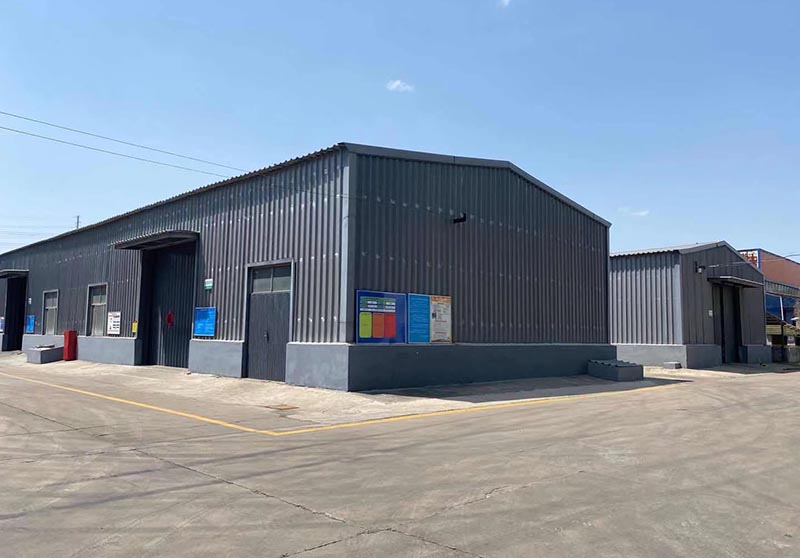
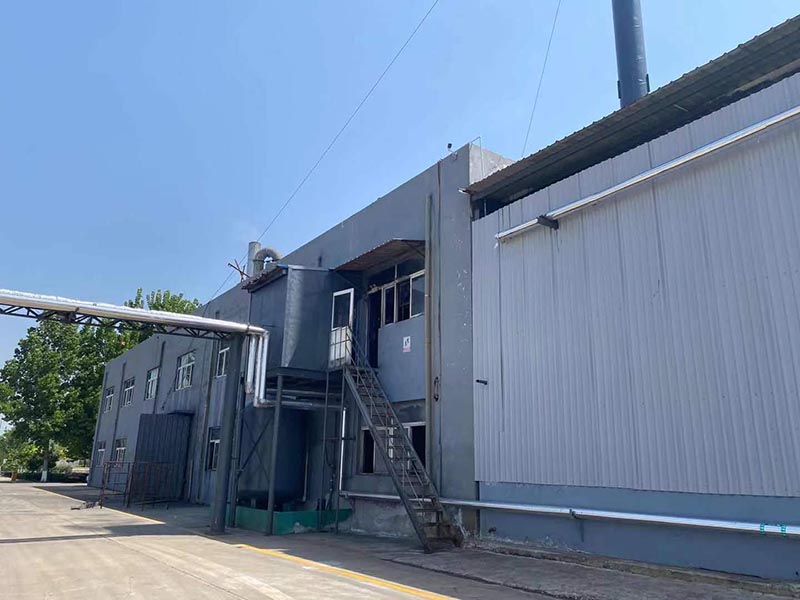
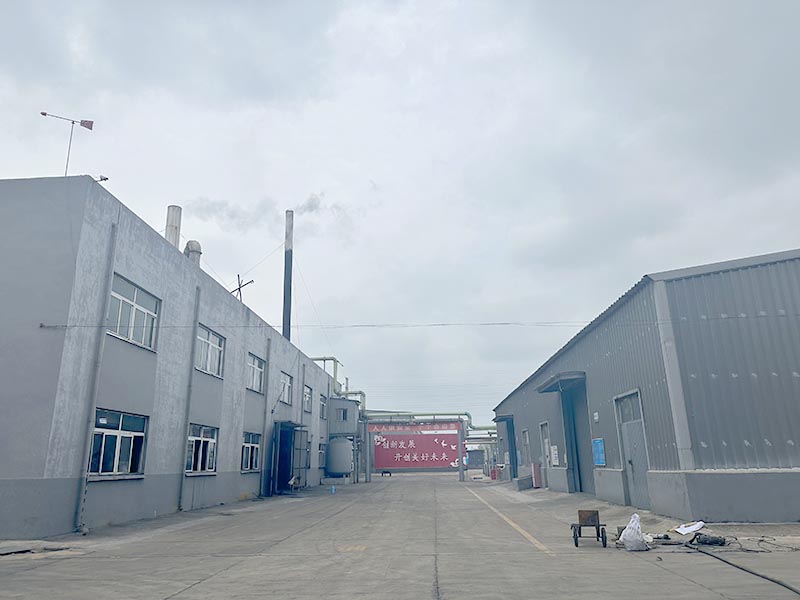
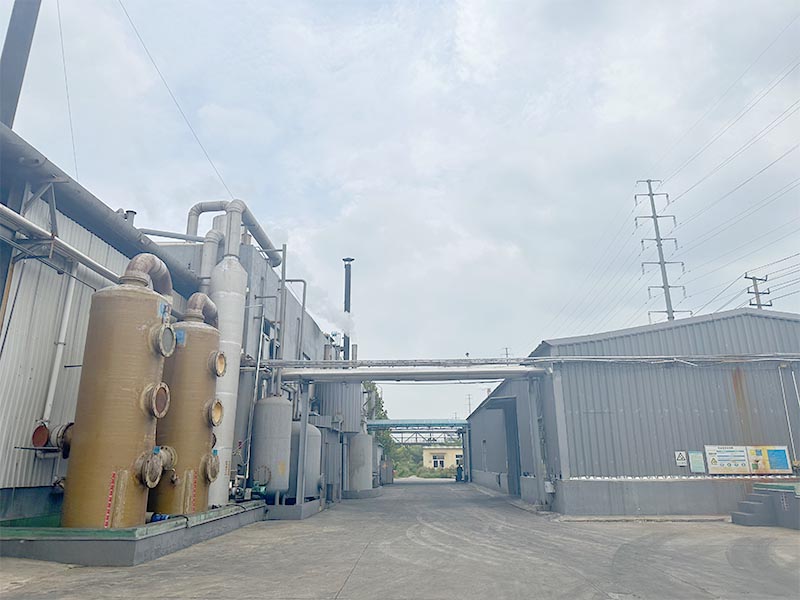
Real-world logistics management and storage facilities supporting international shipments to Barcelona and other key European ports.
Our technicians can match color index characteristics, shade properties, and delivery schedules.
Contact Technical TeamAnswers to critical questions regarding chemical composition, logistics, and compliance for buyers in Barcelona and Europe.
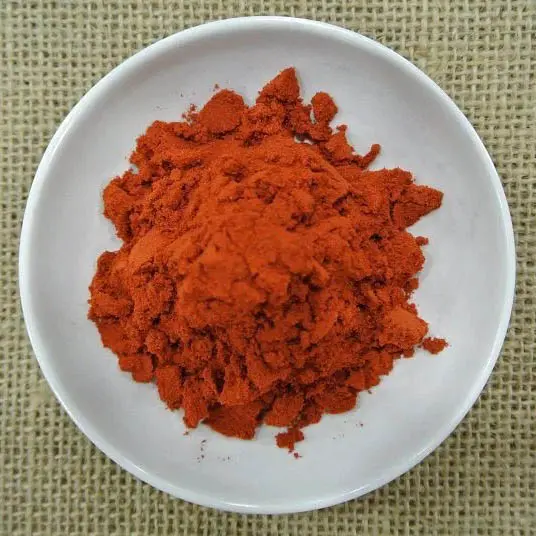
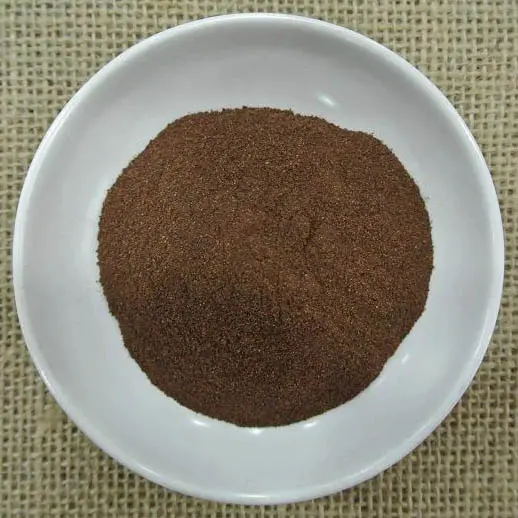
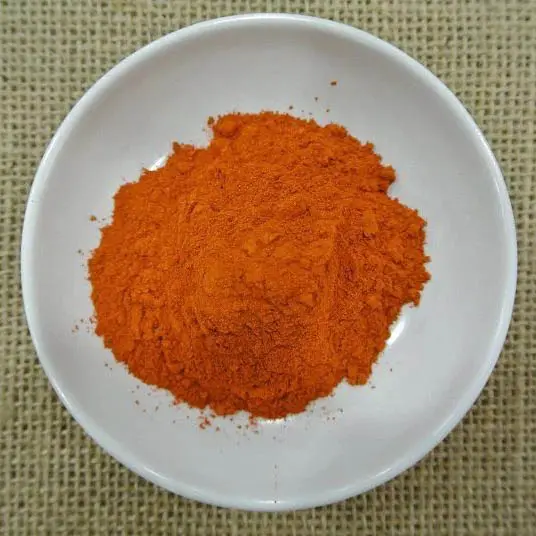
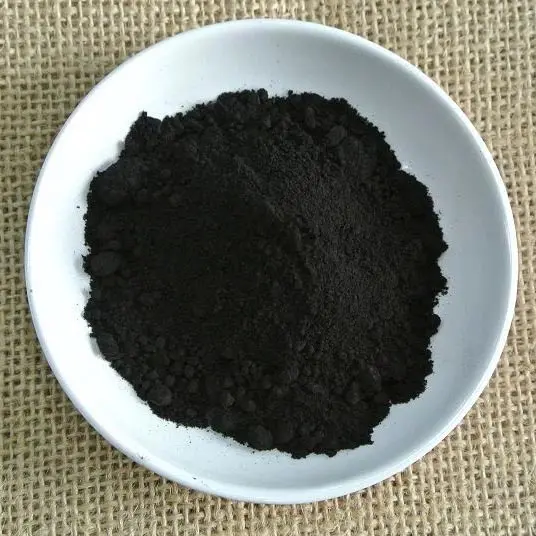
A comprehensive selection of dyestuffs, pigment powders, and fluorescent agents engineered for direct compatibility with paper, textile, and polymer matrices.
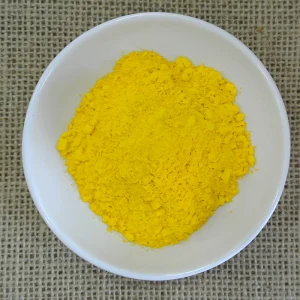
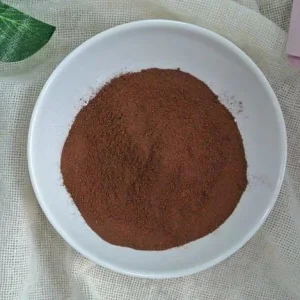
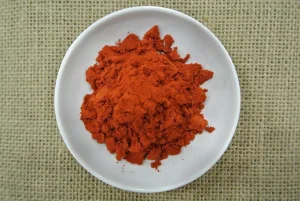
Ensure chemical compliance, stable pricing, and batch-to-batch consistency for your manufacturing plant in Barcelona and beyond.
Send Inquiry Now Sunrise