Engineered to fulfill specialized industry requirements, these high-affinity fluorescent whitening formulations deliver unmatched performance parameters across textiles, paper manufacturing, and synthetic polymer processing.
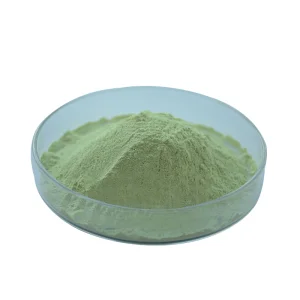
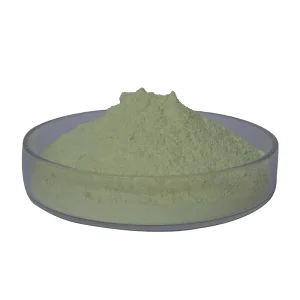
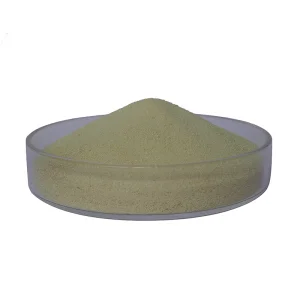
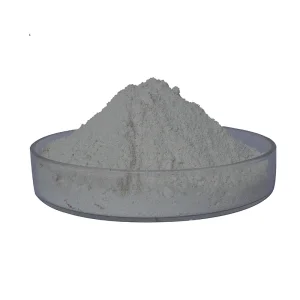
Portugal’s manufacturing landscape displays a profound reliance on advanced industrial chemical inputs. The historic Norte Region textile cluster—spanning Guimarães, Vila Nova de Famalicão, and Santo Tirso—stands as a pillar of European apparel production. In tandem, the robust Portuguese pulp and paper sector, led by major global entities in the Setúbal and Figueira da Foz basins, represents one of Europe's largest markets for high-quality chemical auxiliaries.
For these critical industrial divisions, achieving a high-performance CIE Whiteness Index is not merely an aesthetic preference but a rigorous commercial necessity. Optical Brightening Agents (OBAs), or Fluorescent Whitening Agents (FWAs), function by absorbing invisible ultraviolet radiation (typically between 340-380 nm) and re-emitting it in the visible blue spectrum (400-440 nm). This offsets the natural yellowish cast inherent to natural fibers and wood cellulose, yielding a bright, stark white.
Portuguese mills require chemical formulations that remain stable under severe industrial thermal cycles, maintain exceptional affinity (substantivity) to cotton and synthetic fibers, and align with strict European Union environmental mandates. Our high-efficiency production processes address these local criteria with precision, ensuring that the supply chain serving Lisbon, Porto, and Leiria remains resilient, reliable, and compliant.
The global OBA market is experiencing a significant transition driven by regulatory guidelines, technological integration, and energy efficiency demands. Procurement agents at multinational enterprises prioritize chemical suppliers that can guarantee high performance, regulatory compliance, and carbon footprint accountability.
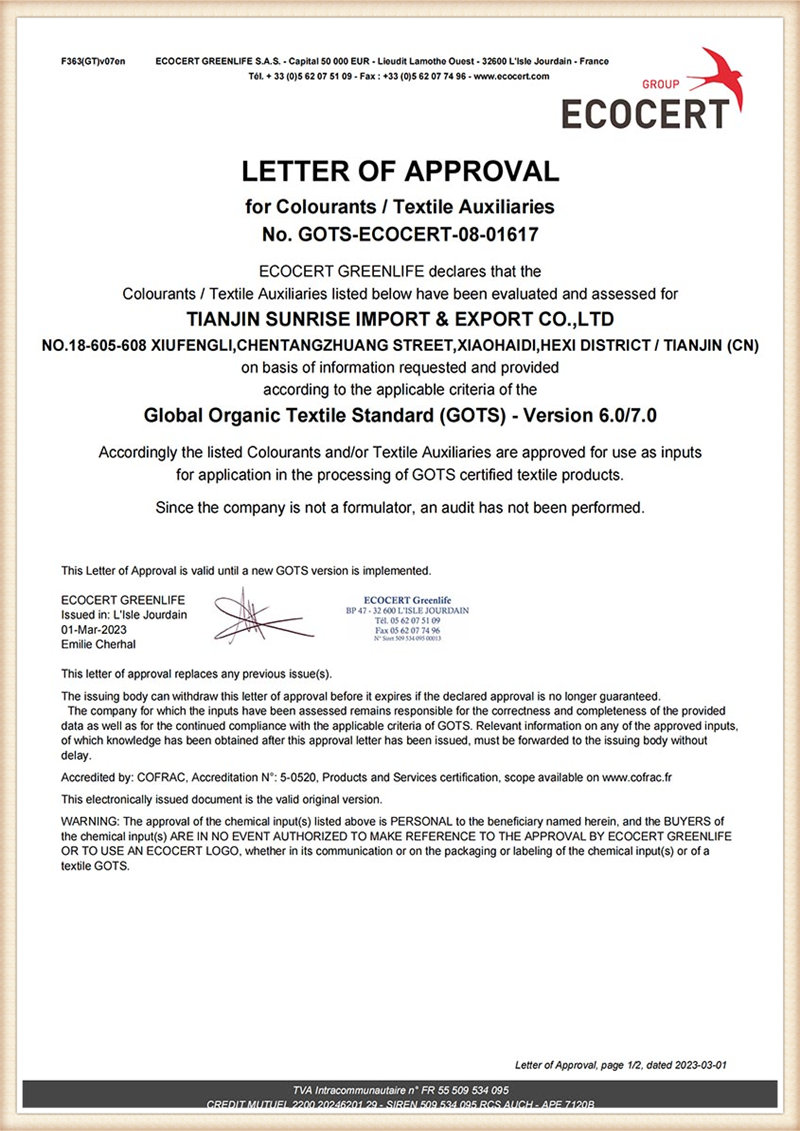
Regulatory frameworks such as REACH in Europe, alongside certifications like GOTS (Global Organic Textile Standard) and ZDHC (Zero Discharge of Hazardous Chemicals), dictate OBA sourcing. Procurement managers require products free from hazardous impurities, heavy metals, and alkylphenol ethoxylates (APEOs).
In plastic extrusion and paper sizing processes, processing temperatures often exceed 200°C. FWAs must retain structural integrity without thermal degradation, yellowing, or volatile outgassing, ensuring reliable whitening performance throughout production.
Modern processing plants seek OBA formulas that maximize exhaustion rates onto substrate fibers. High-substantivity compounds minimize chemical wash-off, resulting in lower wastewater chemical oxygen demand (COD) levels and improved cost efficiency per ton of processed goods.
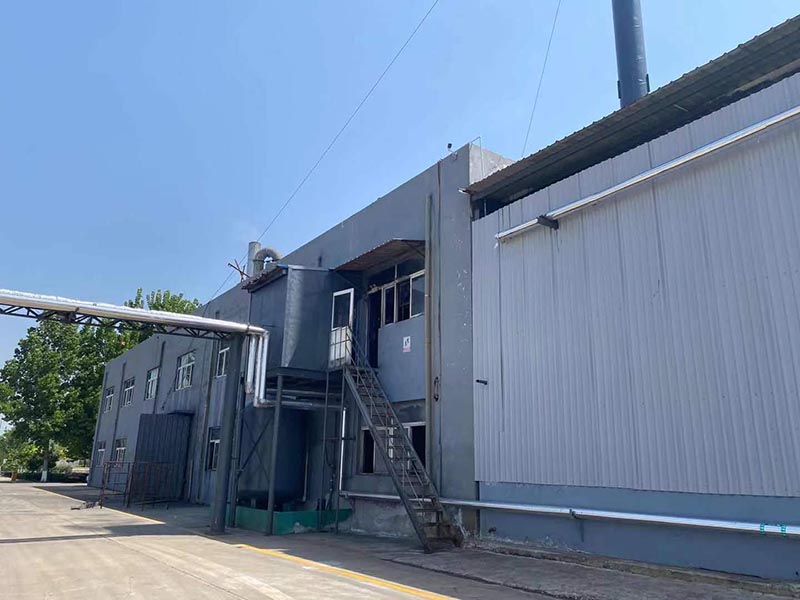
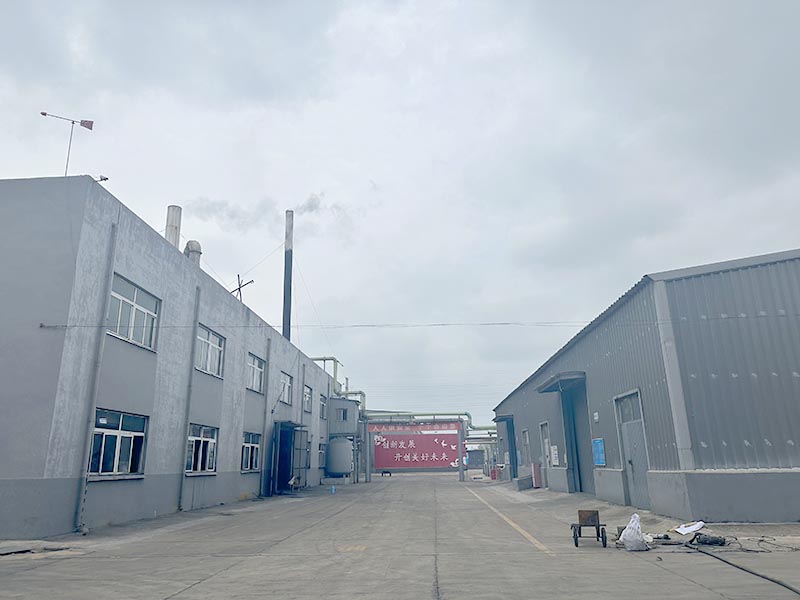
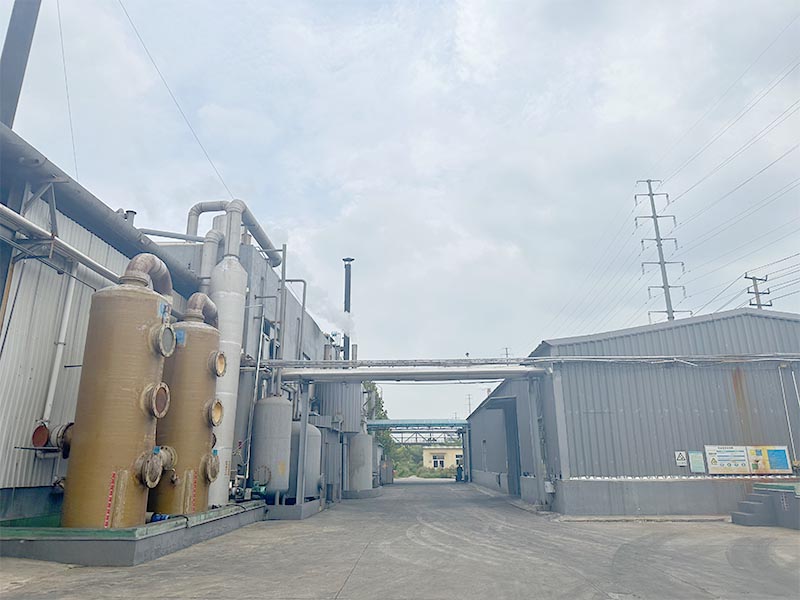
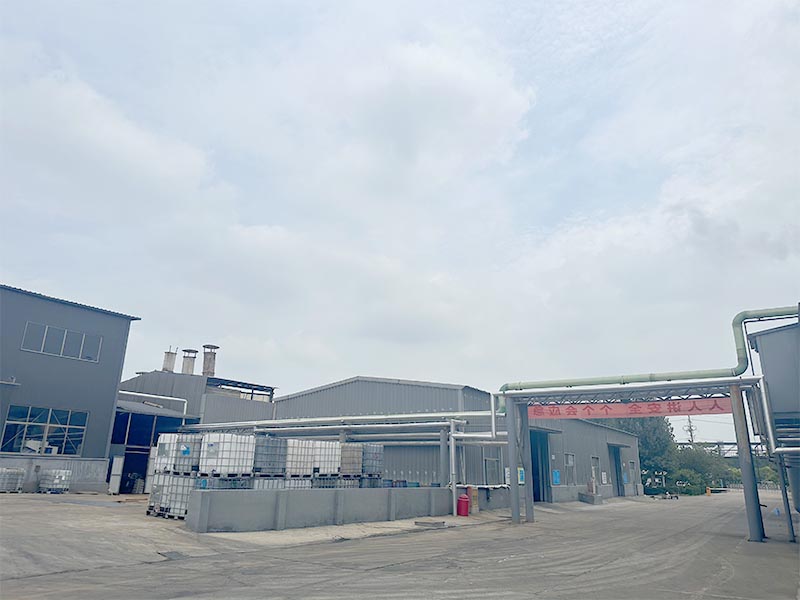
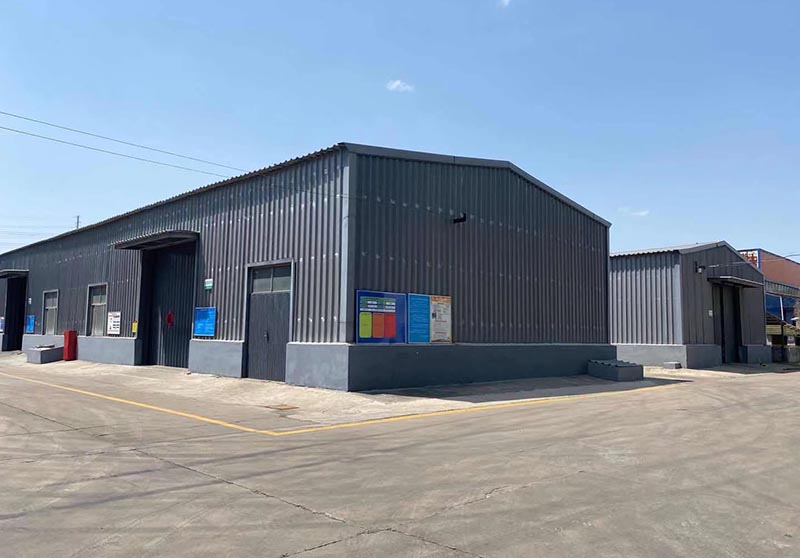
At Tianjin Sunrise Chem Group, our production methodologies have evolved beyond conventional chemical synthesis into a fully integrated, automated, and digitalized framework. Operating under Factory 4.0 standards, our production lines utilize continuous process automation, DCS (Distributed Control Systems), and real-time analytical monitors.
This high degree of automation ensures batch-to-batch consistency for complex molecular arrangements, such as disulfonic, tetrasulfonic, and hexasulfonic stilbene derivatives. By standardizing manufacturing inputs and using automated monitoring at every stage of synthesis, we eliminate human error and control variation to within negligible parameters.
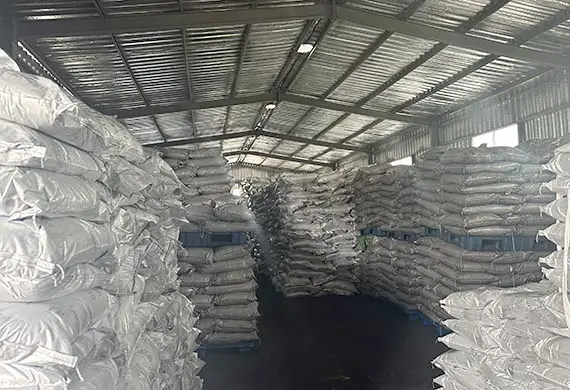
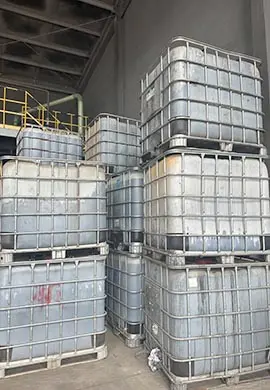
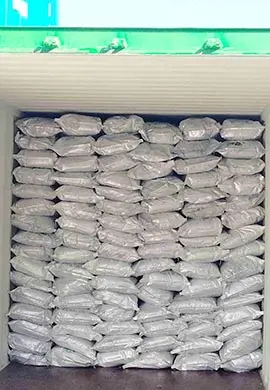
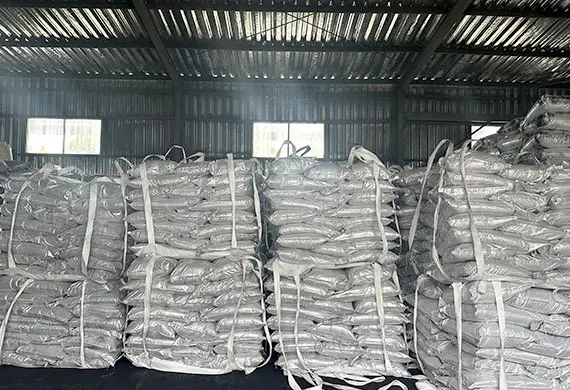
For partners in Portugal and globally, this translates to reliable supply security. We maintain strategic warehouses, real-time tracking, and integrated container stuffing operations. We ensure that global shipping disruptions are mitigated through buffer stock management, direct port access, and export-compliant pallet packaging designed for maritime transit.
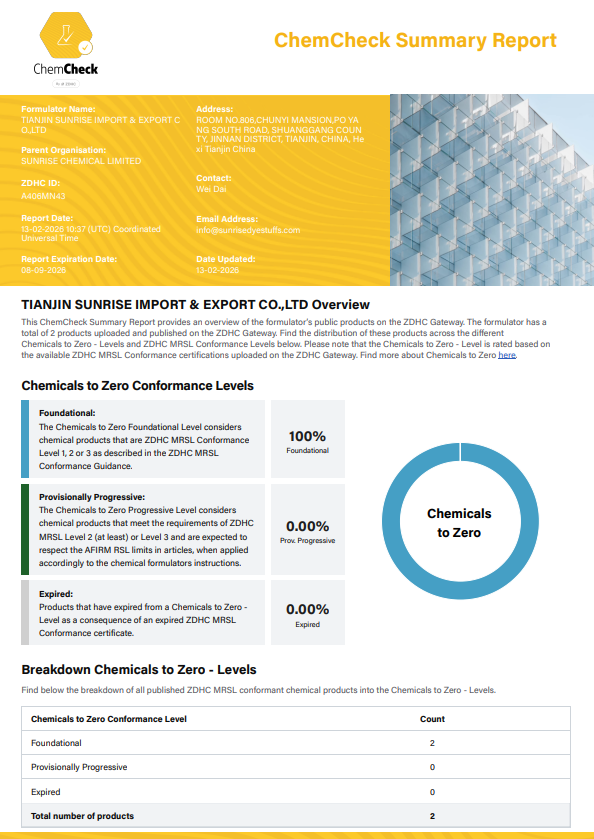
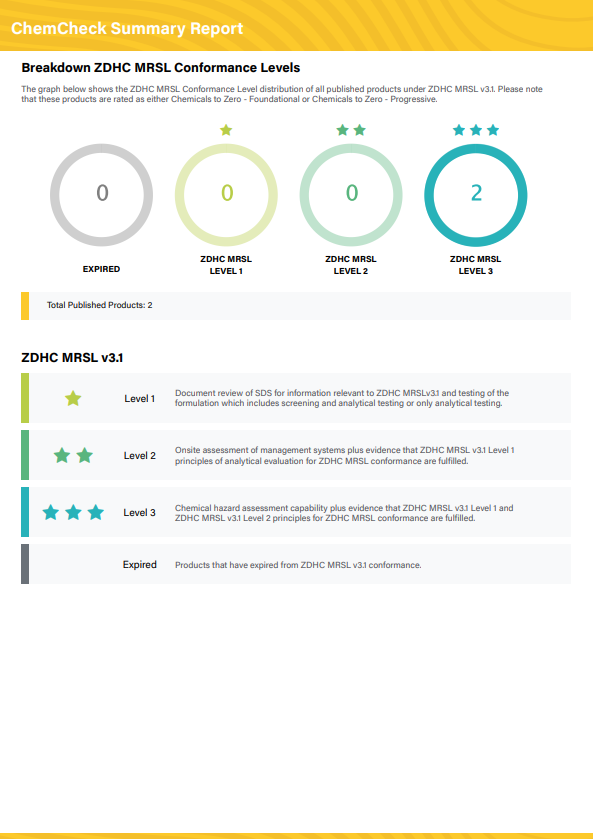
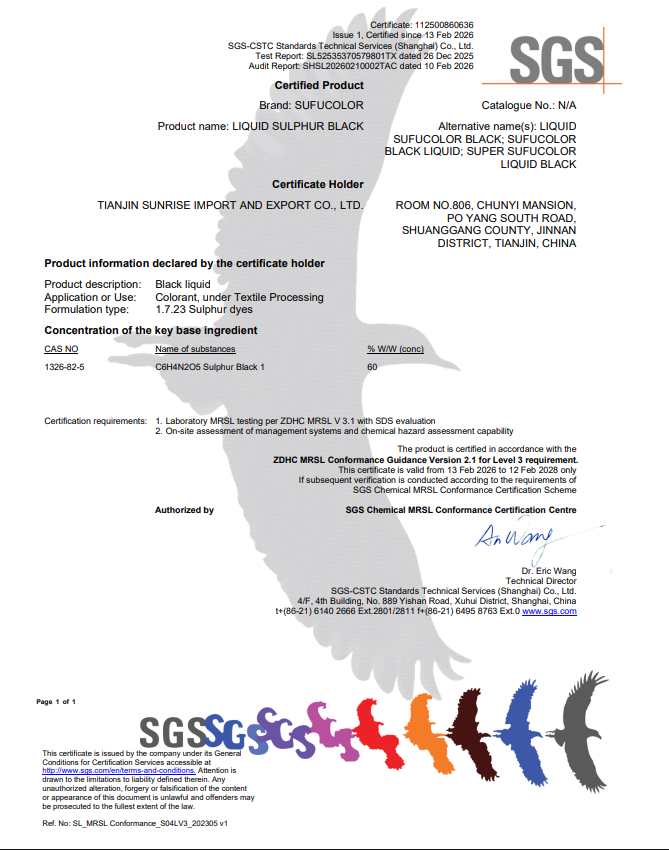
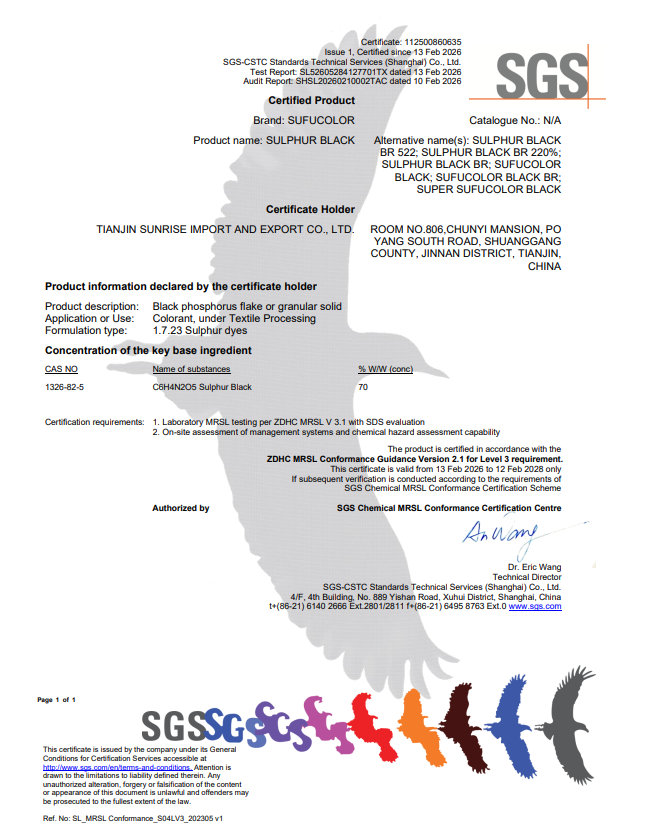
Furthermore, environmental compliance forms the core of our operations. With certifications including ZDHC Level 3 and GOTS, our processes are designed to support sustainable development. By using advanced wastewater filtration, catalytic oxidation, and closed-loop process recycling, we provide Portuguese textile finishing plants, paper mills, and plastics manufacturers with high-performance whitening chemistry that meets environmental criteria.
Industrial manufacturing processes require specific OBA classes depending on the substrate structure, application temperature, and required fastness properties. Below is a breakdown of OBA implementations tailored for Portuguese manufacturing sites:
Portuguese textile finishing plants utilize disulfonic and tetrasulfonic OBA styles via exhaust and continuous pad dyeing routes. Our agents offer high affinity for cellulosic fibers, maintaining high stability even in hydrogen peroxide bleaching baths, resulting in uniform whiteness.
In the manufacture of high-quality printing paper and packaging board, hexasulfonic OBAs are used in size press applications. These agents perform reliably in starch and PVA sizing systems, producing high CIE whiteness values without greening effects.
For polymer processing in Leiria, brighteners must withstand high extrusion temperatures. Our benzoxazole-class brighteners offer thermal stability up to 300°C, providing heat-resistant whitening for polyester, polyamide, and polyolefin materials.
Through close coordination with textile, paper, and polymer manufacturers, we have established robust trade pathways from our automated plants to ports including Leixões, Lisbon, and Sines. Our operations focus on reliable logistics, quality assurance, and consistent chemical properties.


The efficiency of an optical brightener depends on its molecular configuration and ionic affinity for target substrates. At Tianjin Sunrise Chem Group, we utilize specific chemical synthesis paths to optimize substantivity, solubility, and fastness properties:
Featuring two sulfonic acid groups, these compounds exhibit moderate solubility and high affinity under acidic to neutral conditions. They are suitable for nylon, wool, and cotton fibers, particularly in exhaust dyeing processes with high electrolyte concentrations.
With four sulfonic acid groups, these molecules represent a versatile class of optical brighteners. They display high water solubility and balanced affinity, making them suitable for use in size press applications, coating mixtures, and continuous pad dyeing of cellulose.
This class contains six sulfonic acid groups, resulting in high water solubility and low affinity. They are designed for surface sizing and paper coatings, performing consistently even in the presence of cationic sizing agents or high calcium concentrations.
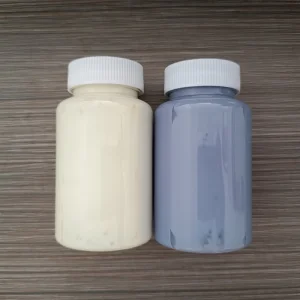
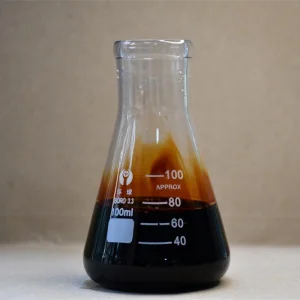
Explore our complete catalog of high-purity pigments, optical brighteners, and industrial processing aids designed to optimize production efficiency and product quality.
In the modern textile, pulp, and polymer sectors, manufacturing quality and compliance are essential requirements. Tianjin Sunrise Chem Group operates with certification under global ecological frameworks, including ZDHC Level 3 and GOTS (Global Organic Textile Standard).
ZDHC Level 3 Compliance: This standard ensures that our formulation, manufacturing, and distribution stages prevent the introduction of restricted substances into the waste stream. For finishing plants in regions like Portugal, sourcing ZDHC Level 3 inputs minimizes chemical filtration requirements and supports compliance with European environmental limits.
GOTS Certification: This certification confirms that our colorants and whitening agents meet criteria for organic textile processing. It verifies the minimization of synthetic chemical hazards throughout our production processes, ensuring that finished goods are suitable for global organic textile markets.

Get insights from our laboratory engineers on chemical interactions, application dosage, and selection criteria for optical brighteners.
Partner with an established dyestuff and optical brightener manufacturer. Our technical sales and chemical engineering teams can assist with product selection, recipe optimization, and trial evaluations.
 Sunrise