 Sunrise
Deep Technical Analysis: The US Metal Complex Solvent Dyes Landscape
An authoritative guide to chemistry, application parameters, and macro-industrial sourcing demands within North America.
1. Market Dynamics & The Industrial Footprint in the USA
In the United States, Metal Complex Solvent Dyes play an indispensable role in maintaining the structural aesthetics and functional properties of manufactured materials. Unlike direct or pigment dispersion methods, metal complex dyes offer key molecular advantages—namely coordinate bonding with metals such as Chromium (Cr) or Cobalt (Co)—which lock chromophores in a highly stable structural framework.
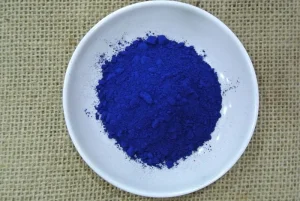
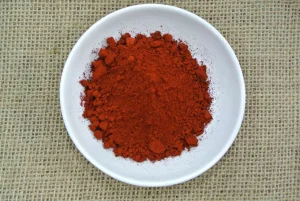
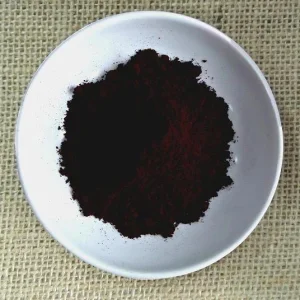
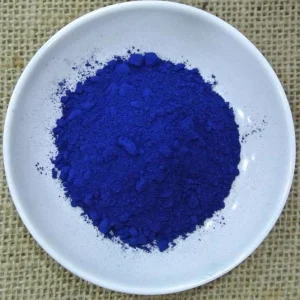
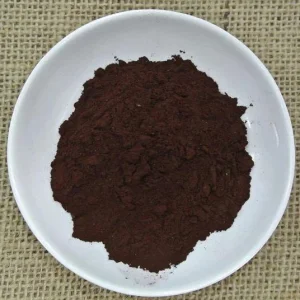
Within the heavy-duty manufacturing centers of the American Midwest and South, these colorants are primary components in high-end automotive refinish coatings, premium OEM clearcoats, and high-performance industrial coatings. The demand for transparent metallic effects (such as the deep colors on automotive alloy parts or luxury metal trim) depends heavily on the exceptional optical properties of dyes like Solvent Blue 70 and Solvent Orange 62. Furthermore, the rapid growth of localized consumer goods packaging demands high-speed, high-fidelity flexographic and gravure printing inks that require rapid solvent release and compatibility with polymers like cellulose acetate, acrylics, and polyurethanes.
2. Chemical Structural Mechanics & Solvent Coordination
Metal complex dyes are 1:1 or 1:2 metal-ligand coordinate complexes. The central metal ion functions as a stabilizer, dramatically reducing photochemical oxidation and shielding the chromophoric azo linkage from UV degradation. This configuration provides superior lightfastness (ranking 6 to 8 on the blue wool scale in optimized binders) compared to standard basic or organic acid dyestuffs.
For American compounders and ink formulators, solubility profiles are a critical operational KPI. In regions with strict VOC regulations, such as California (CARB regulations) and the Northeast OTC states, the choice of solvent is highly constrained. Sunrise Metal Complex Solvent Dyes are specifically formulated to exhibit high compatibility with:
- Esters: Ethyl Acetate, n-Butyl Acetate (widely used in wood coatings and automotive paints).
- Alcohols: Ethanol, Isopropanol, n-Propanol (standard for flexographic packaging applications).
- Ketones: Methyl Ethyl Ketone (MEK), Acetone (highly demanding solvent systems requiring rapid drying profiles).
- Glycol Ethers: Propylene Glycol Monomethyl Ether (PM), which helps balance drying speeds under high-humidity factory floor conditions in Southern US states.
3. Global Procurement Trends & Supply Chain Resilience
Global industrial purchasing directors focus heavily on chemical security, quality stability, and regulatory transparency. Under the strict oversight of the US EPA (Environmental Protection Agency) and the TSCA framework, raw material suppliers must guarantee not only chemical performance but also the absence of restricted impurities, specifically free heavy metals, PCBs, and unreacted amine intermediates.
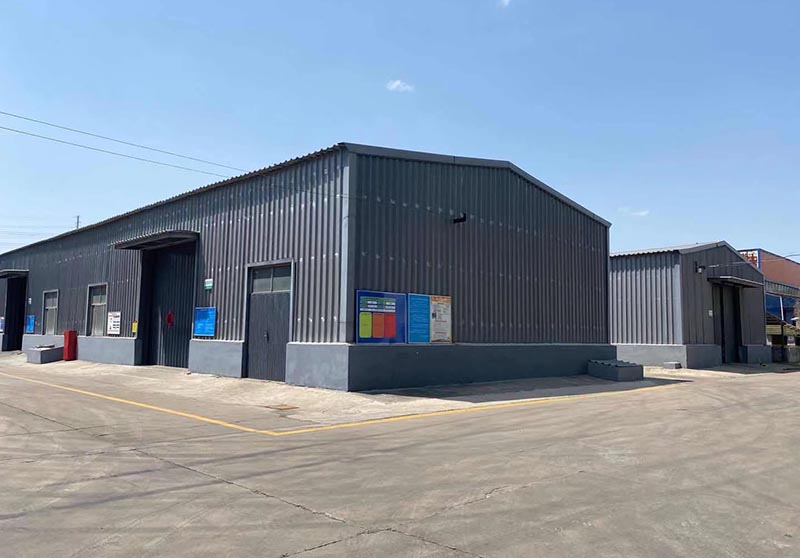
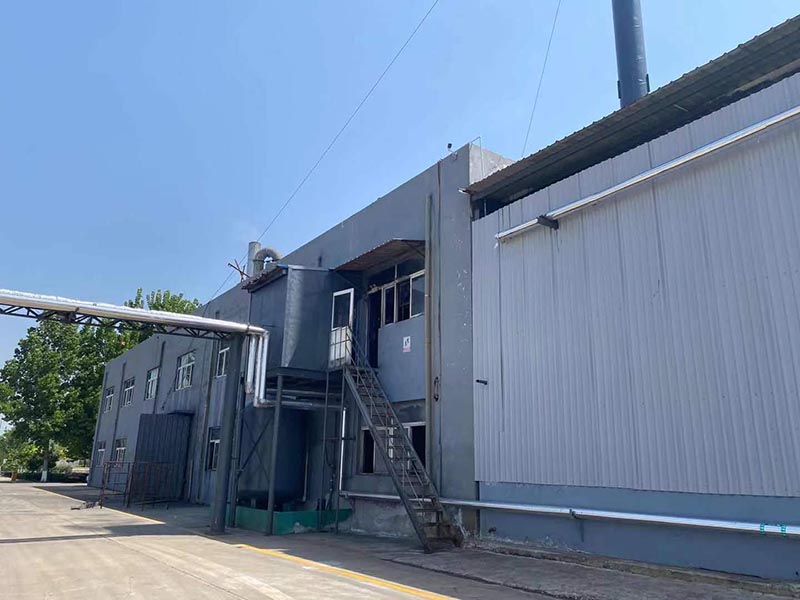
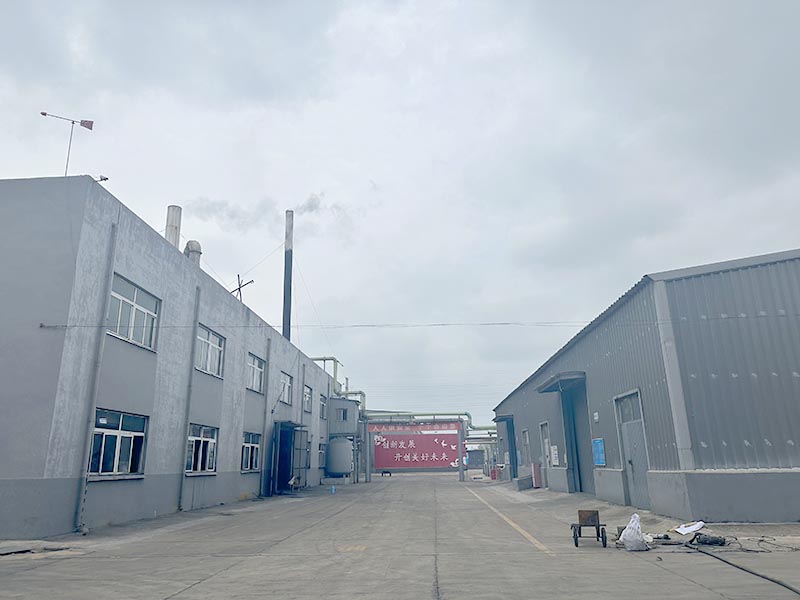
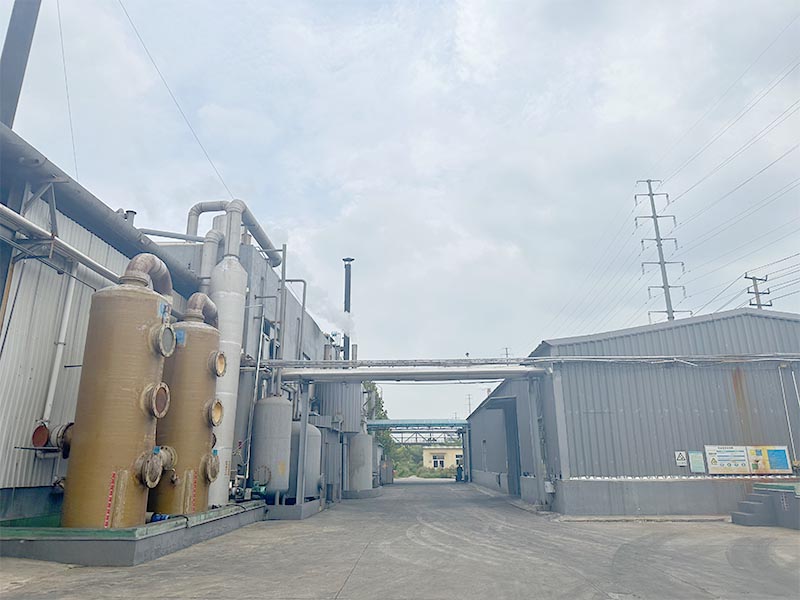
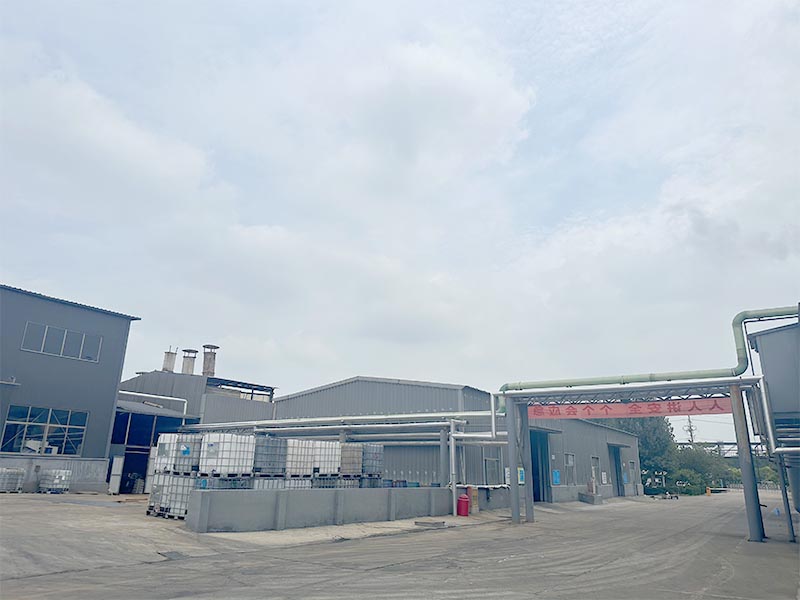
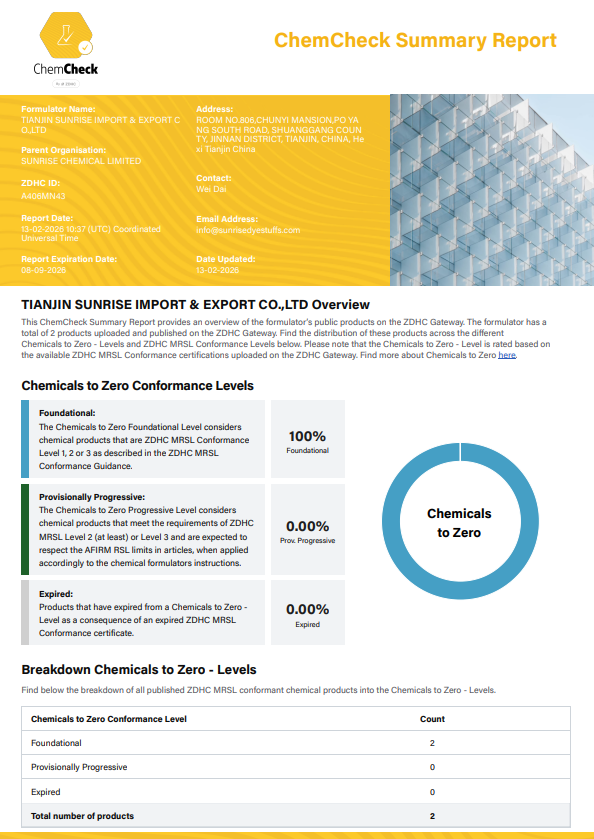
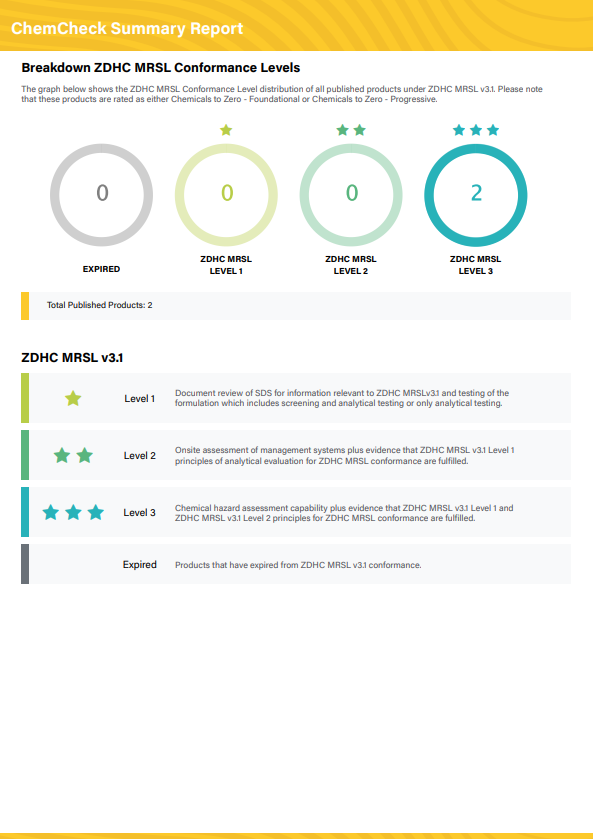
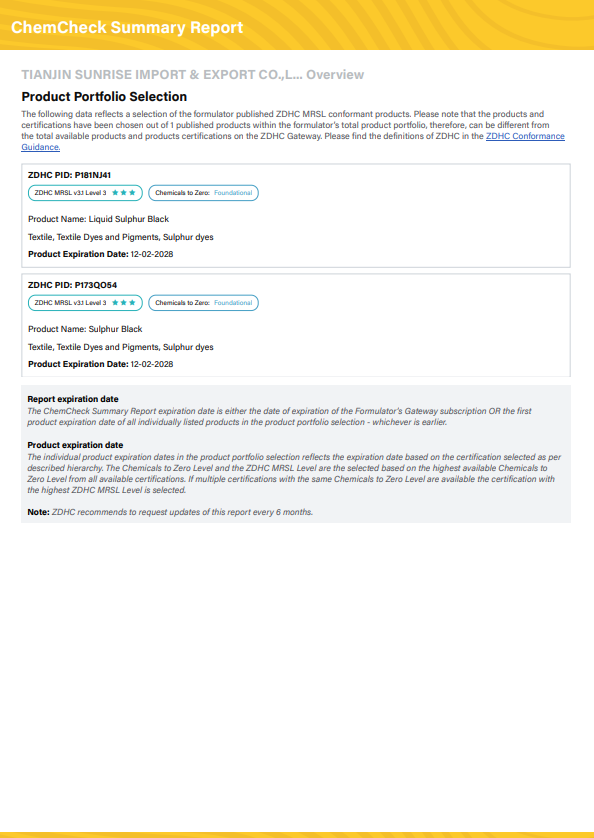
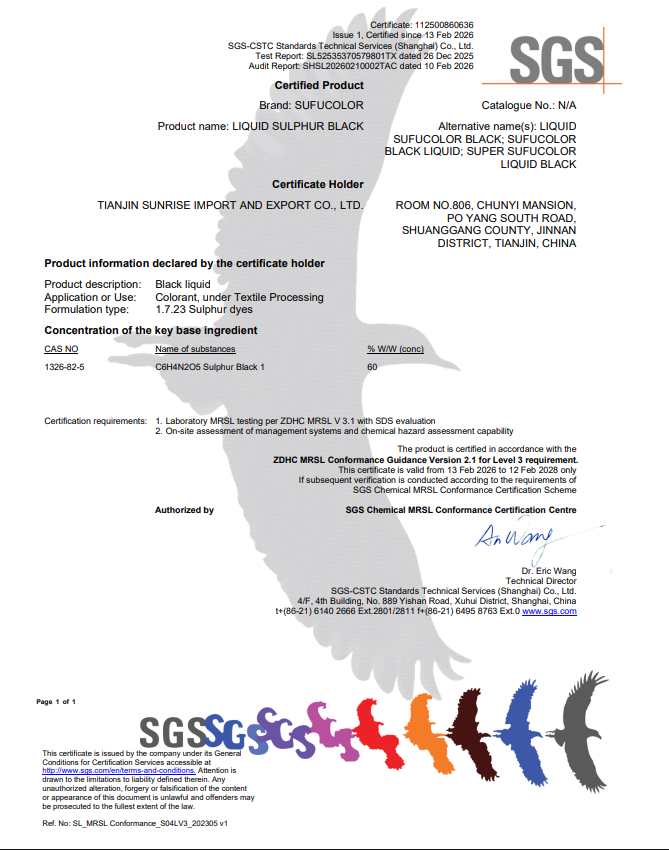
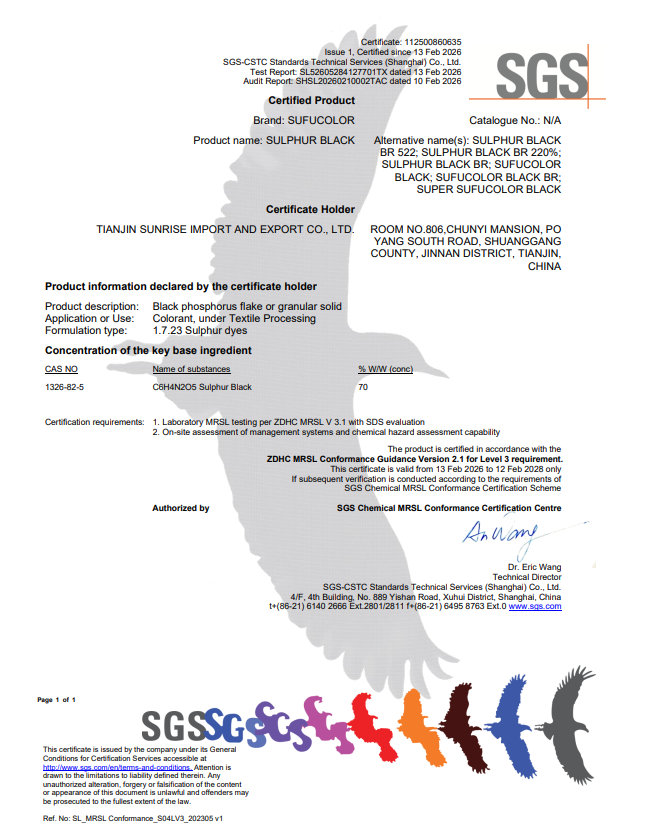
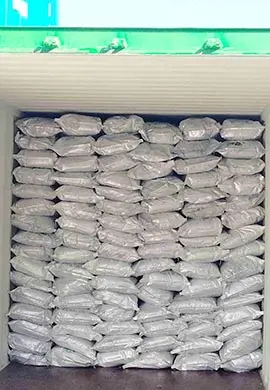
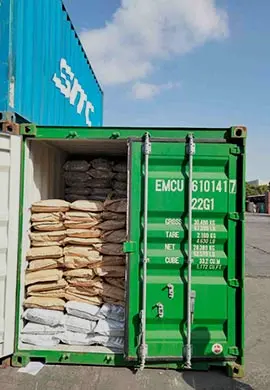
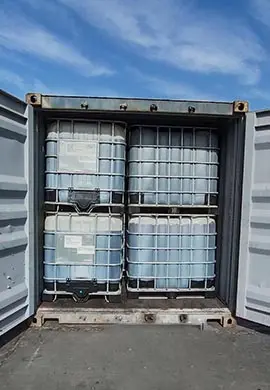
Tianjin Sunrise Chem Group addresses these critical requirements by integrating an advanced QA laboratory directly at the factory stage. This ensures that every bulk container shipped to the Port of Los Angeles, Port of Houston, or Port of Newark matches the precise color coordinates, tinting strength, and thermal tolerance curves requested by the client. The rising demand for eco-certified textiles, high-end leather, and sustainable plastics has also driven the rapid adoption of certifications like ZDHC Level 3 and the Global Organic Textile Standard (GOTS).
4. Technical Roadmap: Transitioning to Low-impact and High-stability Chemistries
The future of solvent dyes in the US market lies in three core technical advancements:
- Low-VOC Solvent Compatibility: Transitioning away from aromatic hydrocarbon solvents toward bio-based and renewable green ester solvents without losing solubility.
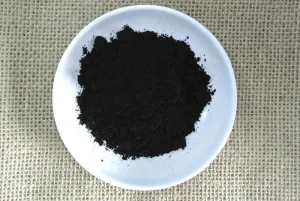
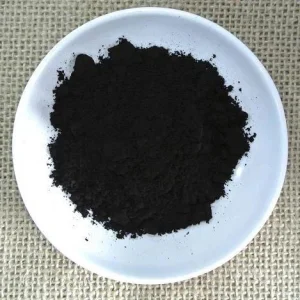
- High Heat-Stabilized Formulations for Engineering Plastics: As US auto manufacturers adopt high-temperature polymers like PA66, PC, and PEEK, the thermal stability threshold for colorants has risen beyond 280°C. OEM Solvent Black 27 and Solvent Orange 54 are designed to resist thermal cracking during high-shear extrusion processes.
- Heavy Metal Replacement: R&D efforts to develop non-toxic chelating rings to minimize or eliminate environmental footprint while retaining the classic deep transparency of traditional metal complex structures.