Formulated to meet Washington state standards, our primary chemical agents provide exceptional performance for paper mill processes, high-performance concrete construction, and environmental remediation.
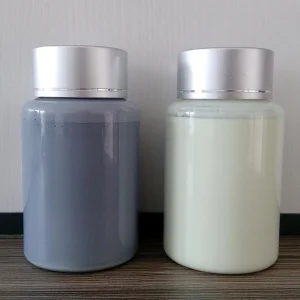
High-efficiency brightening agent for paper, textile, and plastic applications, optimized for Puget Sound's rigorous manufacturing standards.
Product Details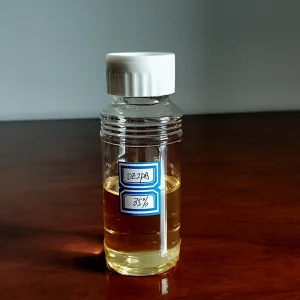
Specially formulated alkanolamine used as a concrete admixtures base to optimize early strength and durability in Seattle urban developments.
Product Details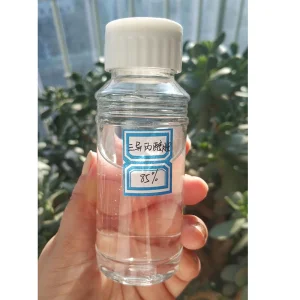
A key concrete processing chemical that enhances cement hydration and overall compressive strength, critical for local marine-environment construction.
Product Details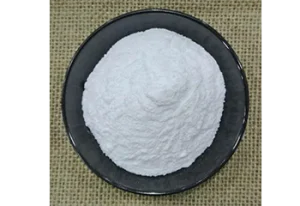
A high-purity reducing agent and dechlorinator ideal for industrial wastewater treatment and municipal filtration in King County.
Product DetailsAs the largest metropolitan hub in the Pacific Northwest, Seattle and the wider Puget Sound region support a highly complex and rapidly changing industrial footprint. While traditionally celebrated as a premier technology and aerospace capital, Western Washington also serves as a crucial node for heavy manufacturing, concrete infrastructure, pulp and paper processing, and sustainable textile development. The demand for industrial chemicals and specialty dyestuffs in Seattle is unique. It requires a synergy of high-volume supply capabilities with strict adherence to environmental regulations and regional sustainability mandates.
Our commitment as a leading chemical supplier serving Seattle is built on understanding these localized regional requirements. We supply raw materials and specialized formulations that empower Seattle-based manufacturers to maintain peak operational efficiency while complying with the strict guidelines enforced by the Washington State Department of Ecology. From advanced concrete grinding aids that support Seattle’s structural growth to green-certified colorants for packaging and industrial textiles, our technical solutions align with the region’s dual focus on technological growth and environmental stewardship.
Seattle’s chemical procurement trends are shifting rapidly. Across the global market, chemical sourcing is no longer determined solely by pricing. It is dictated by supply chain reliability, purity tolerances, and carbon footprint metrics. Several micro- and macro-economic factors shape the Pacific Northwest chemical market:
Managing chemical supply chains for Seattle businesses involves navigating the complexities of oceanic shipping, port logistics, and local drayage. Leveraging direct access through the Port of Seattle and the Port of Tacoma, our logistics team ensures seamless transit from our manufacturing units to local warehousing facilities. With extensive experience in container optimization, custom clearance procedures, and hazardous material management, we mitigate the risks of transit bottlenecks, ensuring consistent raw material flow.
Whether handling dry dye powders, crystalline salts, or liquid solutions, we utilize bulk container loading techniques that protect product stability against maritime moisture and temperature shifts. This consistent supply chain infrastructure gives Seattle manufacturers the confidence to plan production cycles without the threat of unexpected material shortages.
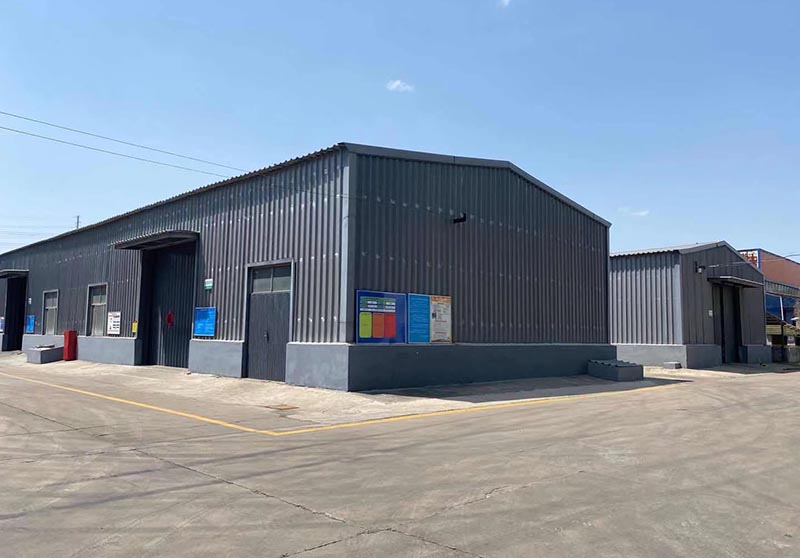
Our production base is equipped with state-of-the-art synthesis reactors, automated packaging lines, and dedicated quality assurance laboratories. We specialize in custom-tailored colorant manufacturing and chemical processing to meet precise customer specifications.
Each batch undergoes rigorous chromatographic analysis and purity testing prior to dispatch, ensuring that our clients in Seattle receive consistent, high-specification shipments every time.
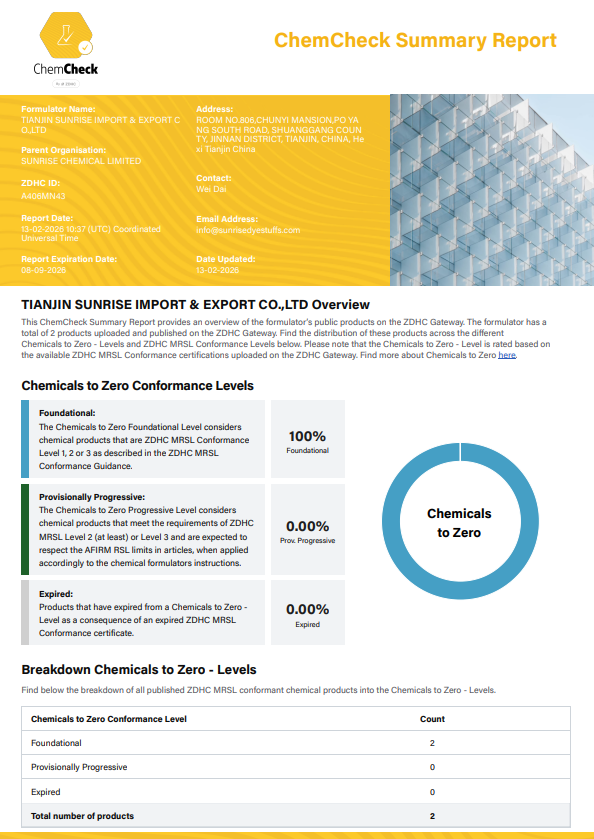
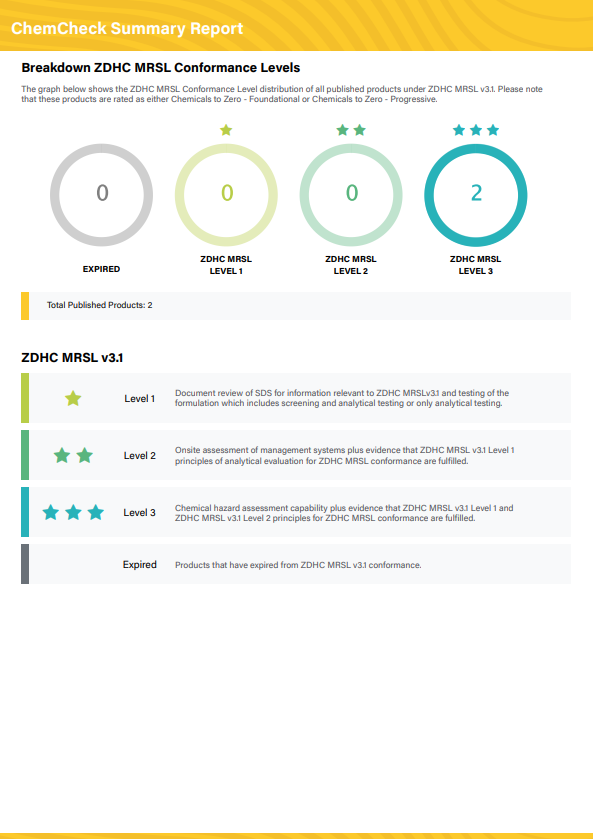
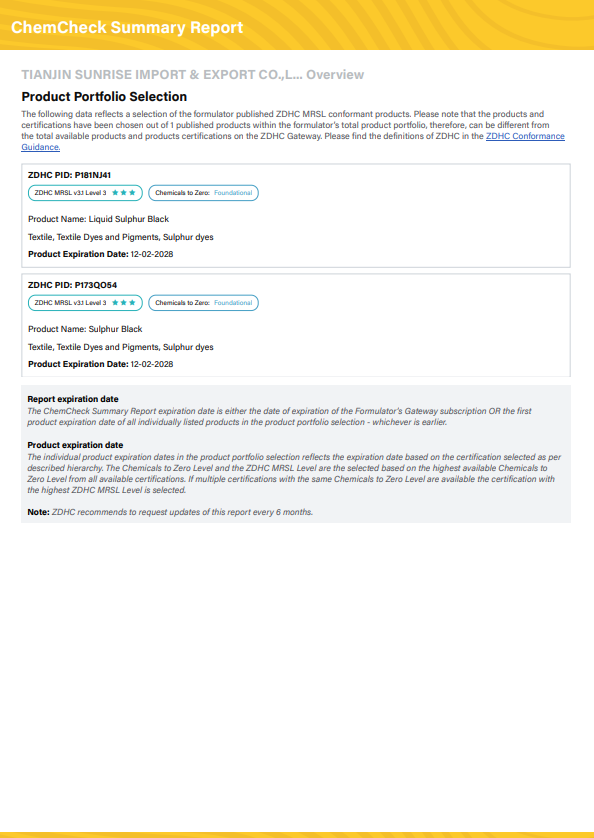
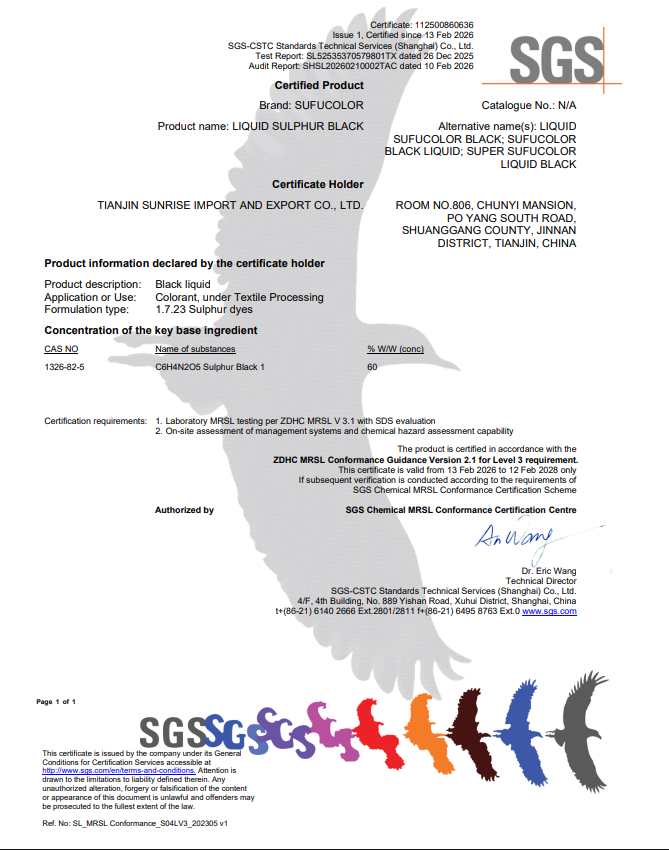
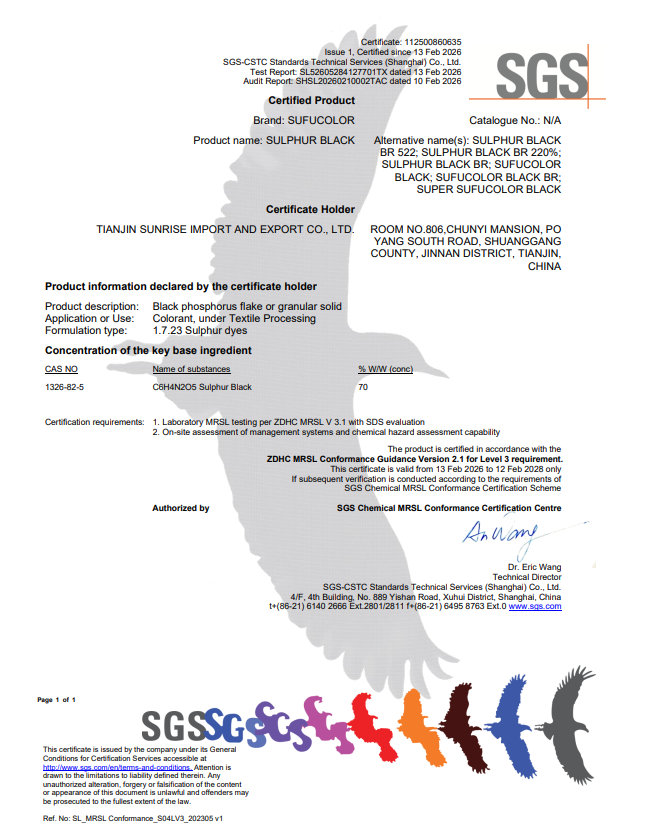
The Puget Sound basin is an ecologically sensitive marine environment, meaning that environmental safety is a critical component of chemical management in Seattle. Our global standards directly support local sustainability goals. As a certified manufacturer under ZDHC Level 3 (Zero Discharge of Hazardous Chemicals) and GOTS (Global Organic Textile Standard), we maintain strict control over our input materials to eliminate hazardous substances before they enter the supply chain.
For Seattle-based pulp mills, textile houses, and paper factories, using ZDHC and GOTS certified products means less burden on municipal wastewater treatment facilities, simplified NPDES (National Pollutant Discharge Elimination System) permit compliance, and reduced environmental liabilities under Washington State law. We build trust by transparently sharing our chemical testing records, safety data sheets (SDS) complying with GHS standards, and environmental impact audits.
We believe that standard chemical catalog options do not always meet specialized engineering challenges. Our business model is centered on co-engineering and custom formulation. Our expert technical team works alongside your research and development personnel to analyze chemical performance, optimize dosing rates, and modify formulation recipes for specific applications.
For example, in cement grinding, a minor adjustment in the balance of Diethanolisopropanolamine can lead to substantial reductions in clinker usage, translating to immediate carbon offsets for local concrete plants. In industrial dye houses, adjusting the solubility and salt content of direct dyes allows for deeper shade consistency and lower rinse-water temperatures, contributing to significant energy and water savings.
Explore our operational capabilities, from specialized storage to international shipping and quality assurance systems.
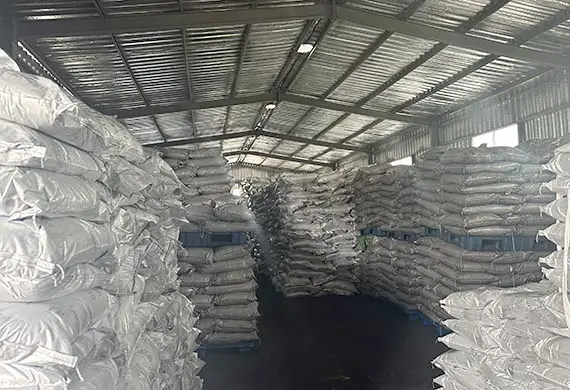
Advanced temperature-controlled storage facility designed to preserve dry dyestuff integrity and safety standards prior to export.
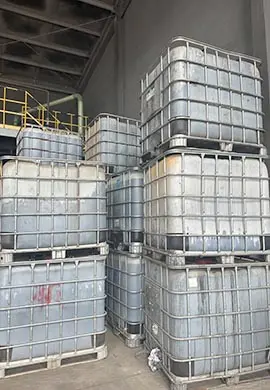
Fully automated blending lines for liquid paper dyes, ensuring stable concentrations and dust-free application in mill settings.
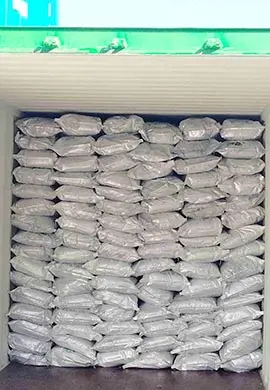
Secure moisture-barrier packaging and palletization for trans-Pacific container transport directly serving the Port of Seattle.
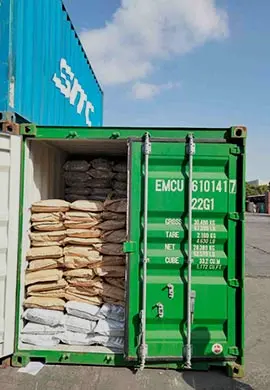
Rigid double-walled packaging solutions to prevent dry dye leakage and ensure compliance with global maritime shipping regulations.
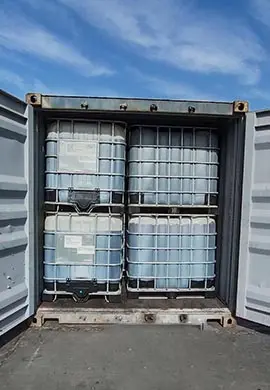
IBC tote containment and strapping systems configured to handle liquid chemical shipments with zero transit movement.
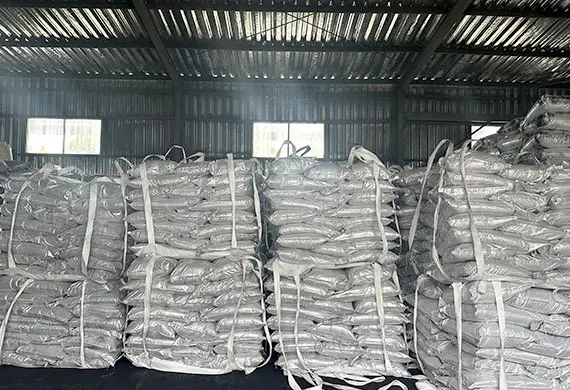
Our final screening station before shipment, evaluating color yield, heavy metals, and particulate profiles.
The chemical industry is on the verge of a technological transition driven by artificial intelligence, automated synthesis, and carbon accounting. Looking toward 2030, our technical roadmap focuses on three main developments:
Using predictive AI algorithms, we are developing dyes with higher affinity rates for organic and synthetic fibers. By predicting chemical-fiber interactions at a molecular level, we can optimize dyestuffs to bind more efficiently. This reduces color wash-out, decreases required dye concentrations, and cuts water utilization in half during dyeing steps.
In addition to traditional alkanolamines like DEIPA and TIPA, our research division is integrating bio-based co-admixtures. These combinations aim to reduce the carbon footprint of concrete structures in Seattle by accelerating the early-stage strength development of low-clinker, high-slag cement mixes.
We are expanding research into recycled raw inputs for chemical intermediates. By integrating waste-stream recovery from industrial chemical cycles, we aim to offer a closed-loop colorant catalog. This program supports the decarbonization initiatives of global consumer brands and local industrial networks.
Our long-term partnerships with leading paper and textile manufacturing facilities are built on consistent quality, shared research resources, and exceptional customer service.
By coordinating with technical leads at various mills, we refine our dye configurations to match specific processing equipment. This hands-on collaboration ensures high first-time pass rates and efficient run-times for our clients.
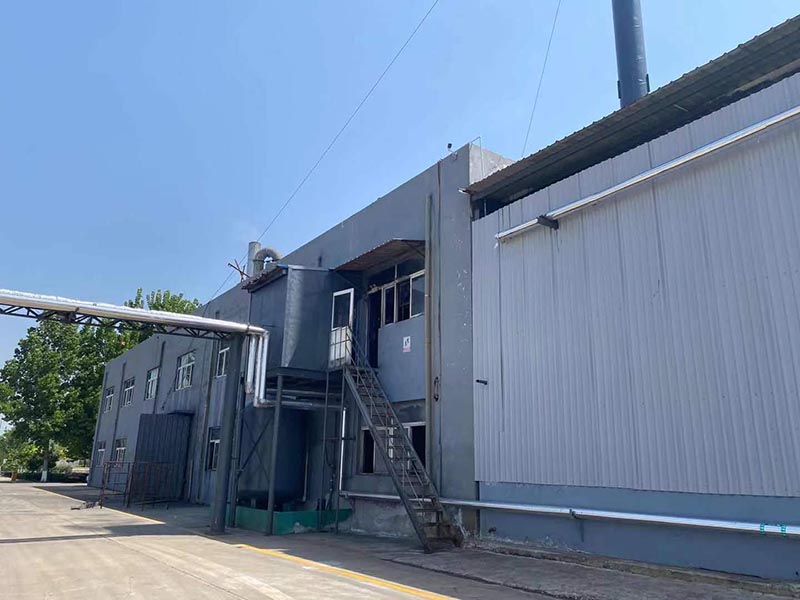
Discover our broad selection of industrial colorants, pigments, and chemical auxiliaries designed to meet high quality standards.
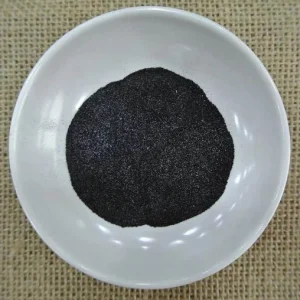
A versatile direct dye offering high affinity for natural fibers, delivering deep, consistent shades in textile dyeing applications.
Product Details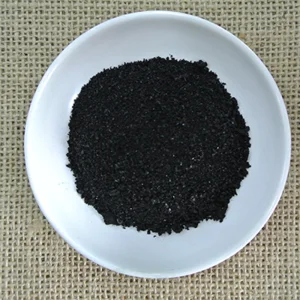
A highly concentrated, water-soluble sulphur black dye that delivers deep black shades on denim and heavy cotton fabrics.
Product Details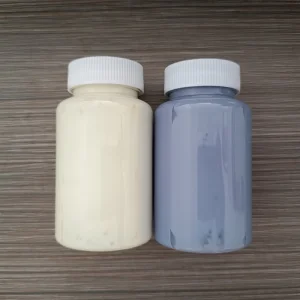
A specialized fluorescent brightener that provides a clean, reddish-white tone for polyester fibers and blended textiles.
Product Details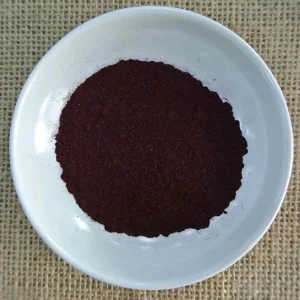
Optimized direct dye suitable for wool blends, paper coloring, and high-saturation ink manufacturing processes.
Product Details
Improves grinding efficiency in cement mills and supports hydration kinetics to increase early structural strength.
Product Details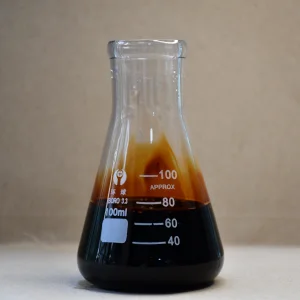
A ready-to-use liquid formulation designed for paper and cardboard packaging production, ensuring clean handling and stable application.
Product Details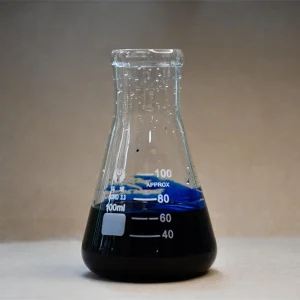
A high-yield turquoise liquid dye for fine papers, decorative laminates, and packaging board systems.
Product Details
A durable inorganic pigment offering high weatherability and tinting strength for exterior paints, coatings, and concrete.
Product DetailsWe maintain verified certifications to support the environmental objectives of global brands and local industries.
Technical and logistics answers for procurement managers and process engineers in Seattle.
Our key dyestuffs and chemical products carry ZDHC Level 3 and GOTS (Global Organic Textile Standard) certifications. These confirm that our manufacturing avoids banned or restricted substances, facilitating environmental compliance for facilities discharging near Puget Sound watersheds.
We supply liquid dyes in heavy-duty intermediate bulk containers (IBC totes) or sealed drums. These containers are prepared with moisture barriers and structural securement, preventing leaks and settling during ocean freight transit to the Port of Seattle.
Diethanolisopropanolamine (DEIPA) and Triisopropanolamine (TIPA) act as grinding aids that improve process throughput. Additionally, they catalyze cement hydration, which increases compressive strength and helps plants reduce clinker content to meet low-carbon standards.
Yes, our R&D team specializes in custom shade-matching and liquid-viscosity calibration. We modify our formulations to align with specific water-quality baselines, pH requirements, and feeding systems used at our client mills.
Standard lead times from order finalization to delivery at Puget Sound ports range from 4 to 6 weeks, depending on customs queues. We work with clients to arrange local safety-stock storage, minimizing supply chain disruptions.
We run computerized color-matching and spectrophotometer tests on every batch prior to packing. Retained samples are archived for two years, ensuring tracking and consistency across consecutive shipments.
Yes, our ER series optical brighteners are designed to bond with recycled and short-staple cellulose fibers, delivering uniform brightness and helping mills maintain high aesthetic standards with recycled materials.
Connect with our technical engineers to discuss custom formulations, review SDS and certification files, or request product samples for industrial trials in the Pacific Northwest.
Send Inquiry Now Sunrise