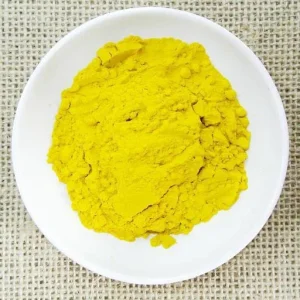
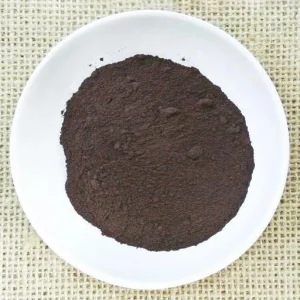
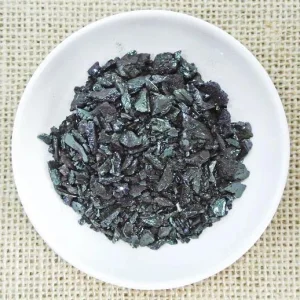
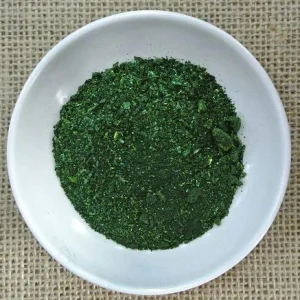
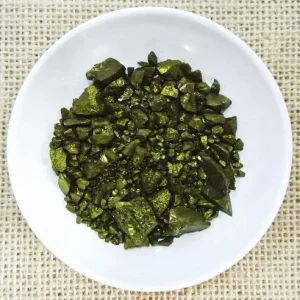
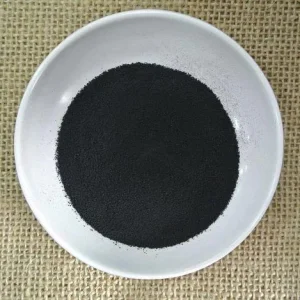
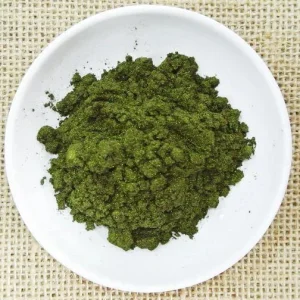
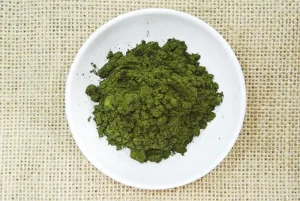
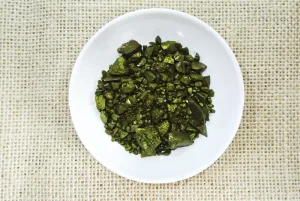
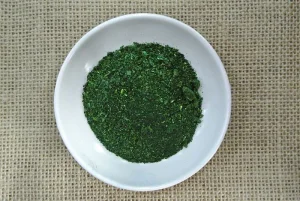
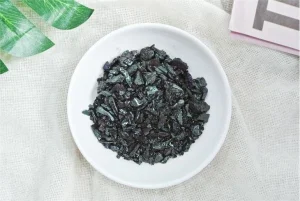
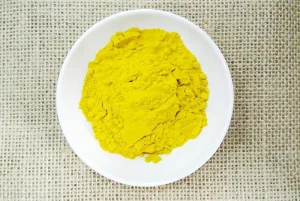
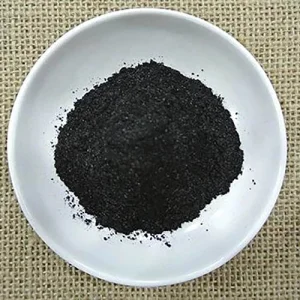
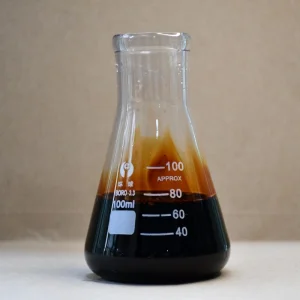
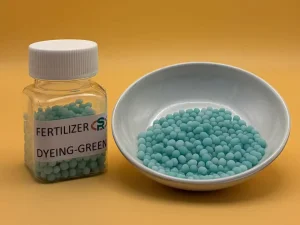
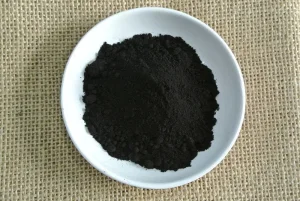
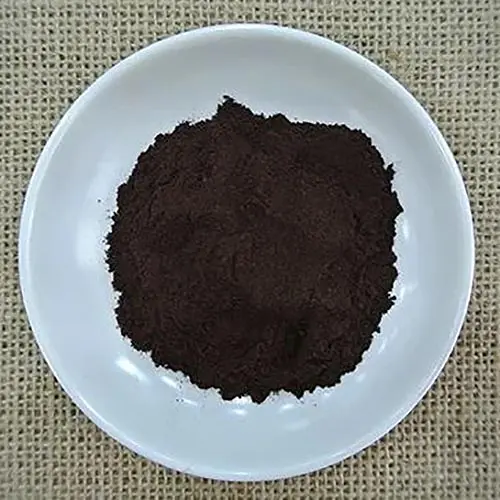
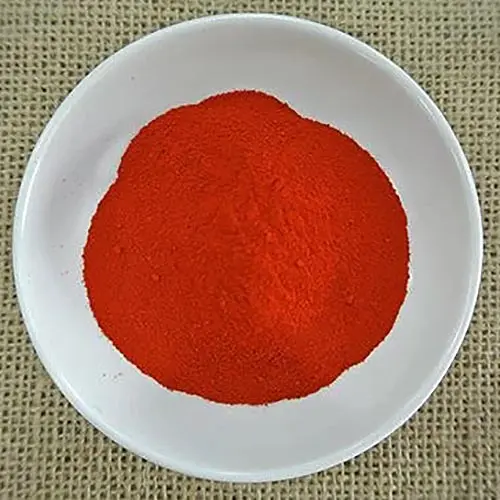
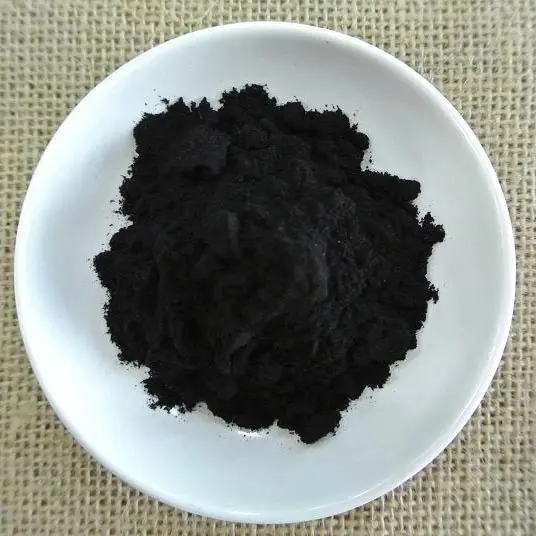
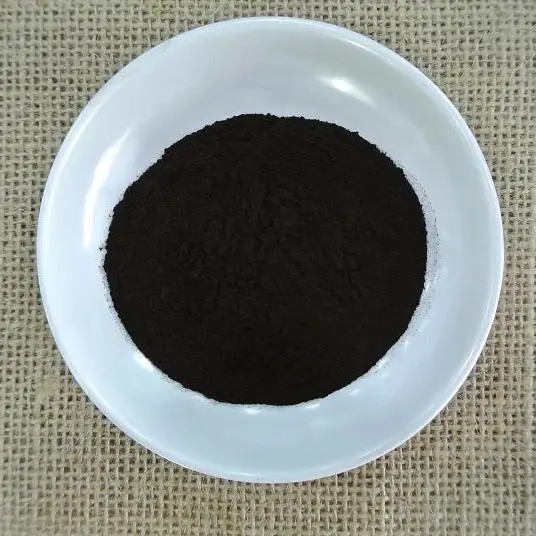
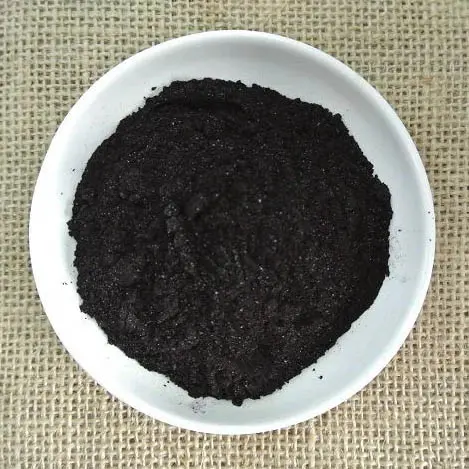
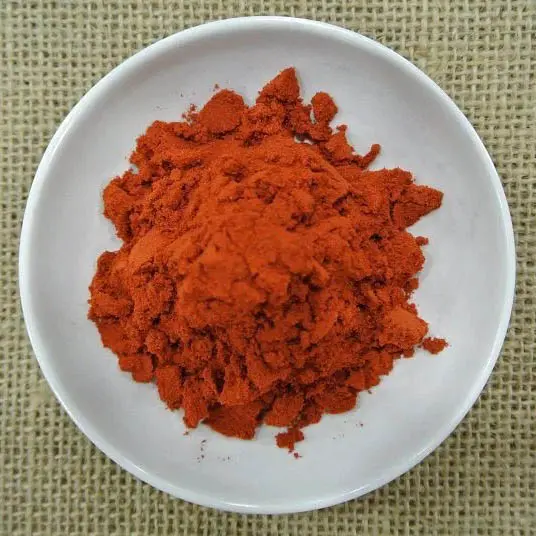
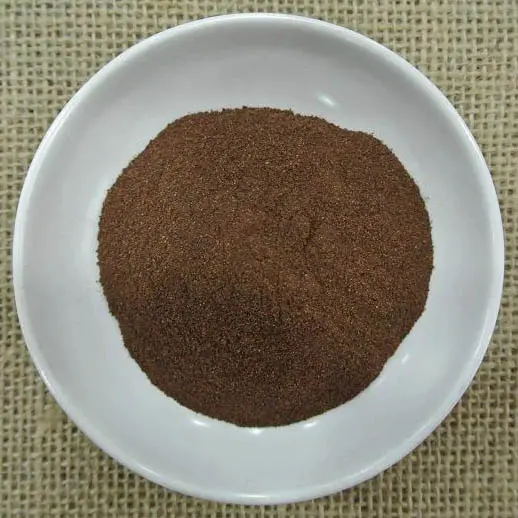
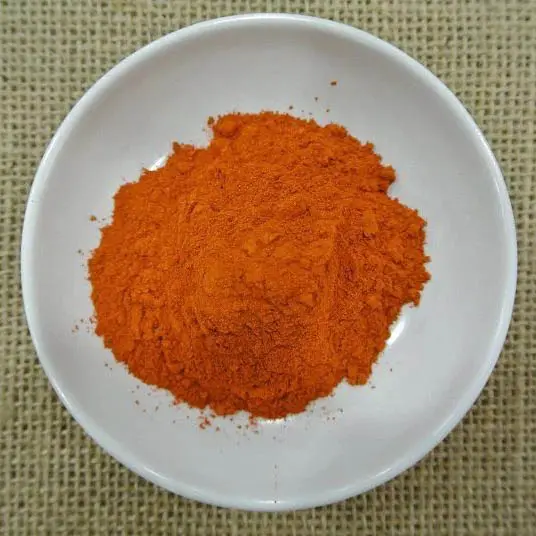
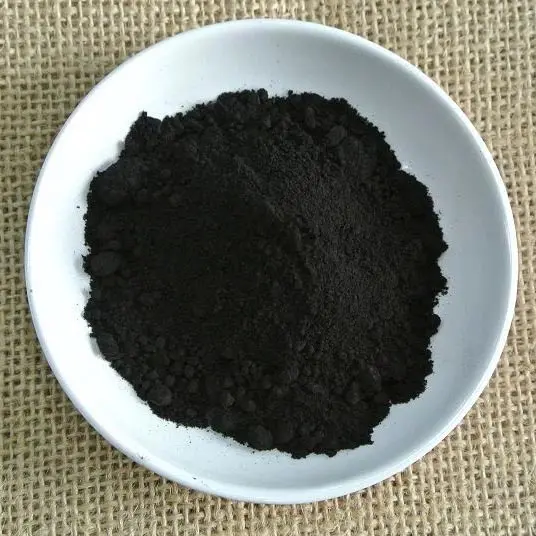
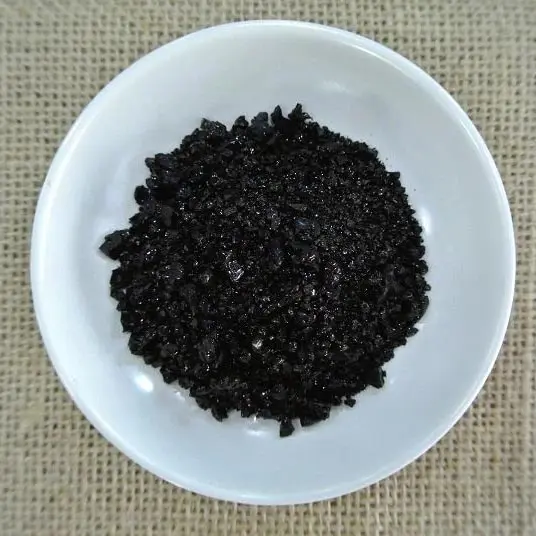
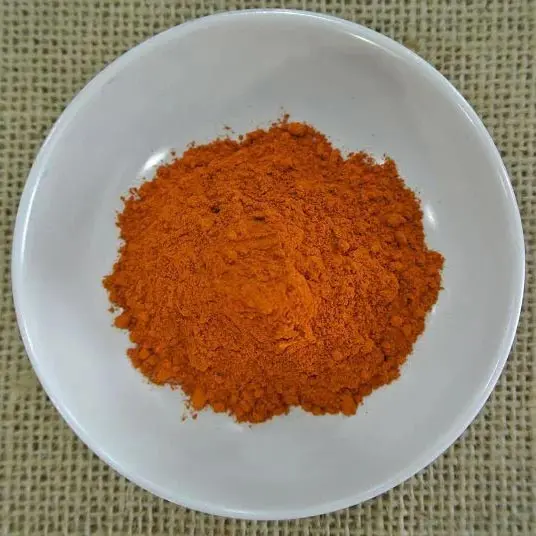
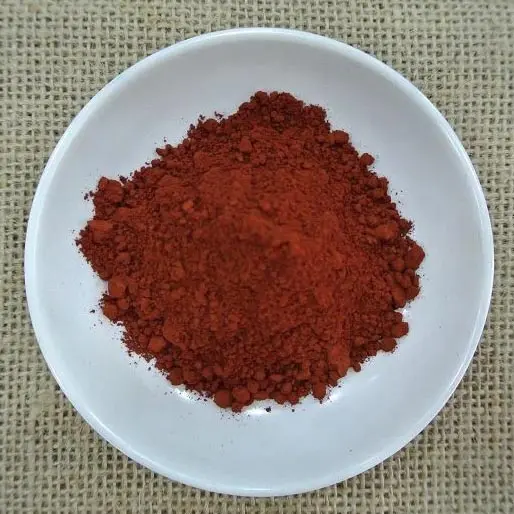
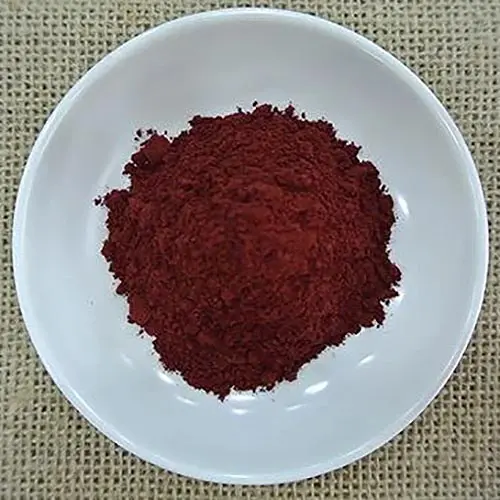
Specifically formulated basic dyestuffs widely utilized across South American processing plants for pulp coloration, acrylic fiber dyeing, and specialized wood stains.
Tianjin Sunrise Chem Group specializes in manufacturing and exporting high-quality dyestuffs. Our comprehensive product portfolio includes Direct dyes, Acid dyes, Basic dyes, Sulphur dyes, Solvent dyes, Liquid dyes, and Fluorescent dyes. Backed by decades of professional chemical industry and global export experience, we have built an unshakeable reputation for reliability and excellence, serving global industrial clients from diverse sectors including denim, textile, leather, paper, and plastic.
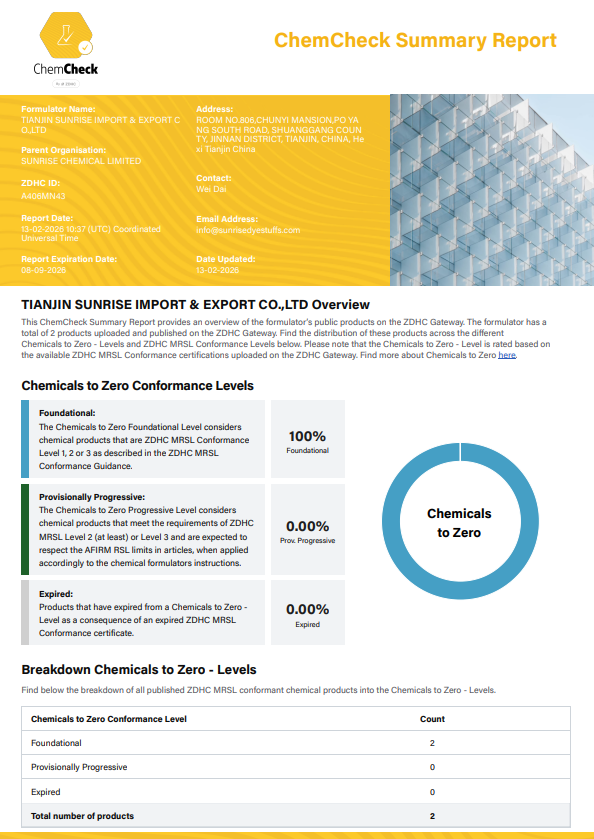
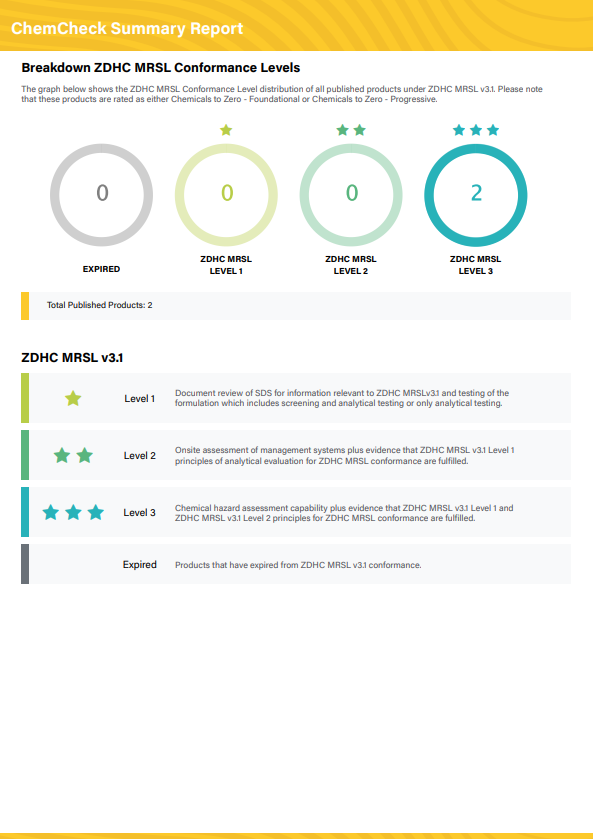
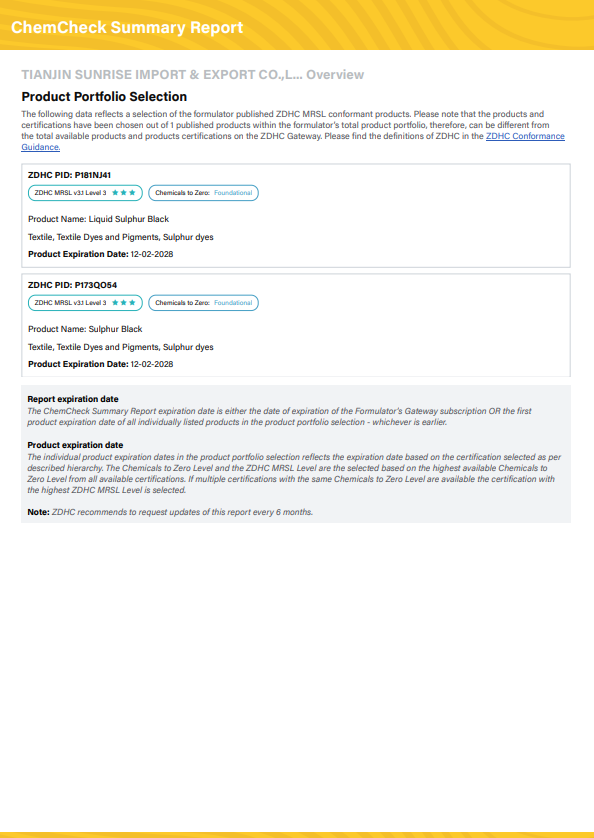
We consistently focus on maintaining strict product quality and outstanding stability. Every shipment undergoes rigorous laboratory testing before dispatch. Our compliance with ZDHC Level 3 and the Global Organic Textile Standard (GOTS) ensures that your supply chain meets the most demanding environmental and toxicity standards.
We pride ourselves on offering customized chemical formulations. Our technical experts work closely with clients to understand their unique processing conditions and deliver tailored dyes. We actively seek strategic distribution partnerships across Latin America, specifically within the Uruguayan industrial hubs, to expand reach and enhance technical service.
Uruguay has positioned itself as a highly advanced manufacturing hub in South America, governed by rigorous environmental controls and strict import standards. Key industries driving the demand for high-grade basic dyes and chemical colorants in the Uruguayan market include:
Cooperating with textile and paper mills for decades highlights our ability to build reliable supply lines. This long-term collaboration ensures consistent product quality, customized chemical packaging, and technical support. We understand the regulatory framework in Uruguay and provide raw materials that assist local companies in meeting strict environmental mandates.
Basic dyes, chemically classified as cationic colorants, carry a positive charge in their molecular structure. This allows them to bind with high affinity to negatively charged substrates, such as acrylic fibers, modified polyesters, unbleached wood pulp, and tannic-acid-mordanted leather. At Tianjin Sunrise Chem, we combine classical organic synthesis with advanced chemical automation to maximize color yield while minimizing impurities.
China's industrial chemical manufacturing clusters provide key advantages in raw material sourcing and process automation. By locating our operations in the industrial hub of Tianjin, Sunrise Chem integrates raw material synthesis directly with spray-drying and crystallization processes. This eliminates intermediate transportation costs and insulates buyers from global raw material price fluctuations. Through optimized cargo consolidation and proximity to the Port of Tianjin, we ensure consistent shipments to Montevideo and other South American ports.
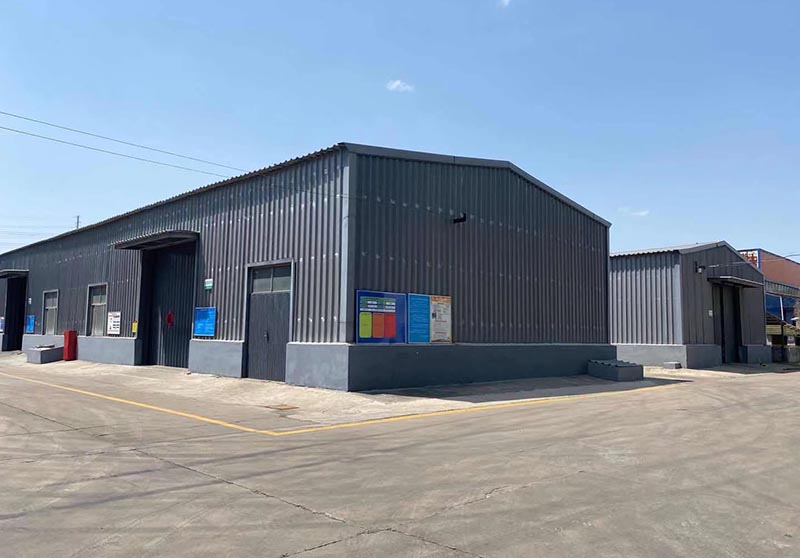
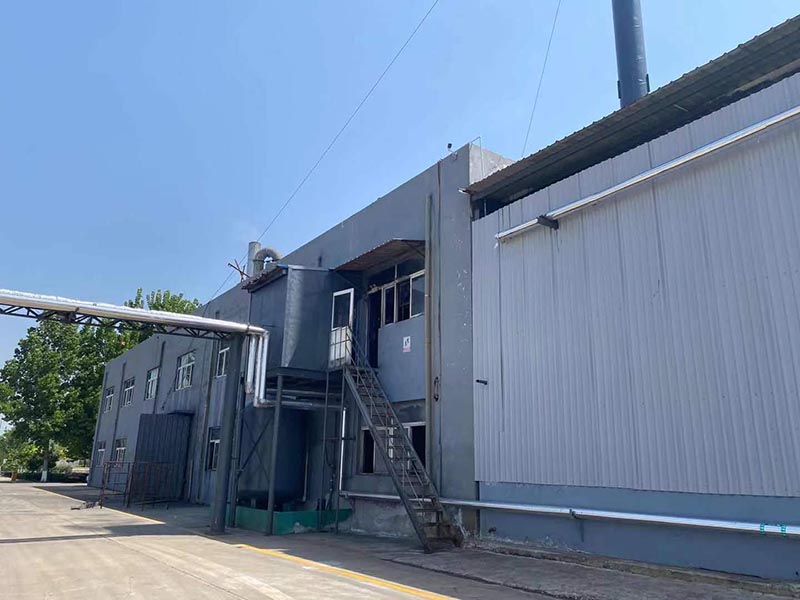
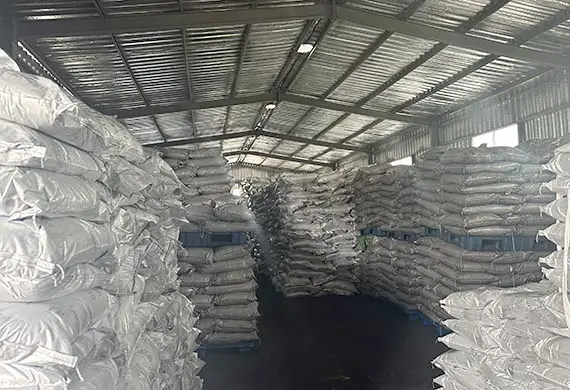
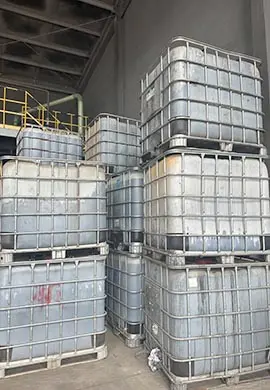
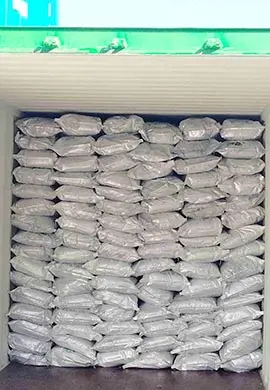
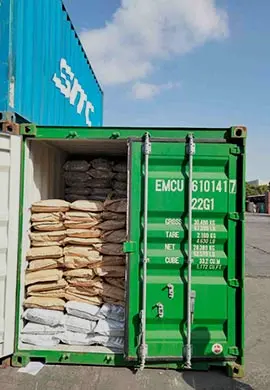
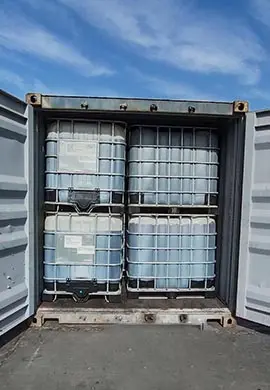
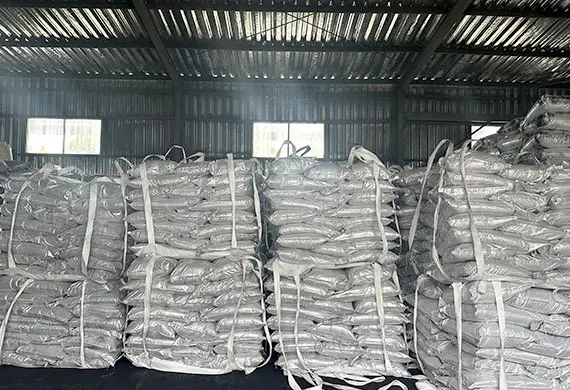
Our export division manages complex shipments globally, ensuring that dry powders and liquid solutions are packed in secure, moisture-resistant packaging. Below is an overview of our active warehouse facilities, cargo packing, and shipping containers prepared for South American distribution.
The global textile and paper sectors face strict restrictions on hazardous chemical releases. For manufacturers operating in Uruguay, complying with international buyer demands and local DINAMA (Dirección Nacional de Medio Ambiente) rules requires verifiable chemical inputs.
The ZDHC (Zero Discharge of Hazardous Chemicals) Program: This initiative is a collaborative effort by major brands and suppliers to eliminate harmful chemicals from the global supply chain. Achieving ZDHC Level 3 certification confirms that our dyes do not contain restricted chemicals and are manufactured under strict chemical management systems.
The Global Organic Textile Standard (GOTS): GOTS ensures the organic integrity of textiles from raw material sourcing through production. Our GOTS-certified dyes support sustainable manufacturing processes, helping customers meet both environmental and ethical standards.
Verifiable Certification & Quality Badges
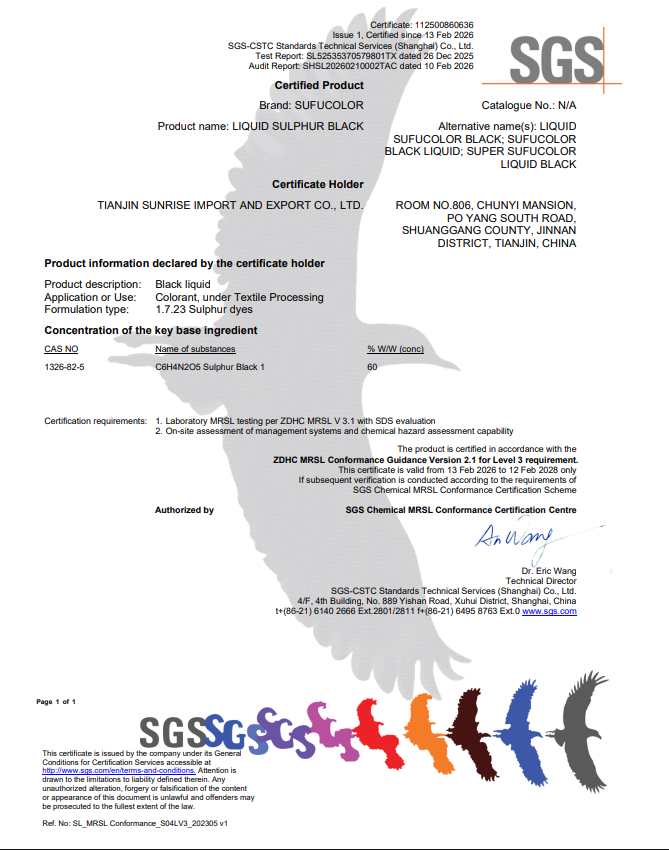
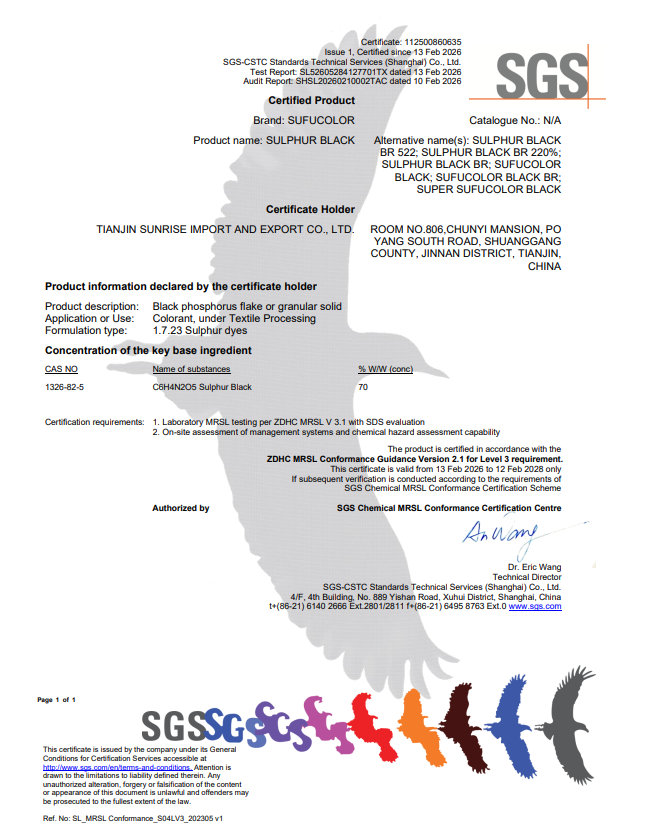
Understanding chemical compatibility helps ensure consistent coloration and processing efficiency.
In large-scale packaging plants, cationic basic dyes (such as Liquid Auramine O and Chrysoidine) are added to unbleached kraft pulp. Their high affinity for lignin ensures excellent exhaust properties and prevents color bleeding in high-humidity storage.
Cationic dyes form ionic bonds with the acidic groups in acrylic fibers. This provides exceptionally bright shades and excellent washing fastness. Controlled temperature profiles help manage leveling properties during the dyeing process.
Dyes such as Chrysoidine and Rhodamine B Extra are widely used for coloring natural wood grains, veneers, and incense sticks. Their high solubility in both alcohol and water ensures quick drying and uniform color coverage.
Basic dyes, also known as cationic dyes, are water-soluble organic salts. When dissolved, they dissociate into a positively charged colored cation and a simple colorless anion (typically chloride, oxalate, or acetate). The positively charged dye cation actively binds to the negatively charged active sites of fibers and substrates. Substrates with acidic groups (such as carboxyl or sulfonic acid groups in acrylics, wool, or unbleached wood pulp) show high affinity for basic dyes, resulting in bright, strong shades.
Modern industrial processing requires strict environmental safety. We implement ZDHC Level 3 compliance across our manufacturing lines, ensuring our products do not contain restricted substances like banned arylamines, alkylphenols (APEOs), or heavy metal impurities. Additionally, our Global Organic Textile Standard (GOTS) certified product lines support sustainable textile processing by meeting strict organic manufacturing criteria.
We work with shipping companies to ensure efficient logistics routing to the Port of Montevideo, the primary maritime gateway for Uruguay. To protect dry powder and crystal dyes from moisture during long ocean transit, we utilize heat-sealed polyethylene bags enclosed in steel-reinforced fiber drums or high-impact plastic containers. We also supply liquid basic dyes in standardized intermediate bulk containers (IBCs) for direct connection to automated dosing systems.
Technical answers to common questions about basic dyes and industrial dyeing processes.
Basic dyes are cationic, carrying a positive charge. Unlike anionic dyes (like direct or acid dyes), they have a high affinity for negatively charged substrates. This makes them ideal for acrylic fibers, unbleached kraft pulps, and wool, providing bright, deep shades.
We test our raw materials and control our manufacturing processes to exclude restricted substances like heavy metals, banned aromatic amines, and formaldehyde. This helps ensure our products meet ZDHC Level 3 requirements for clean production.
We supply dyes in 25kg fiber drums, multi-layer paper bags, and customized plastic containers. For liquid dyes, we offer 1000kg IBC totes and 200L drums, all sealed to prevent leakage and protect against humidity during maritime transport.
Color yield is optimized by adding dyes to unbleached pulp before refining. Adjusting the pH to between 4.5 and 5.5 helps maximize cationic binding to the wood fibers, improving washfastness and reducing dye loss in the process water.
Yes, basic dyes can be used on wool and silk because these fibers contain anionic carboxyl groups. To achieve even dyeing and prevent rapid uptake, retarding agents are used, and the temperature is carefully controlled during the process.
Crystalline and powder basic dyes have a shelf life of up to 5 years when stored in a cool, dry, and well-ventilated warehouse. Liquid dyes have a shelf life of 12 to 18 months and should be kept from freezing to prevent precipitation.
A selection of our dyes formulated for paper, wood staining, and synthetic fiber coloration.
Extended chemical formulations engineered for leather, paper, wool, and textile manufacturing applications.
Get in touch with our technical team today to receive samples, safety data sheets (SDS), certificate documents, and custom batch formulations.
 Sunrise