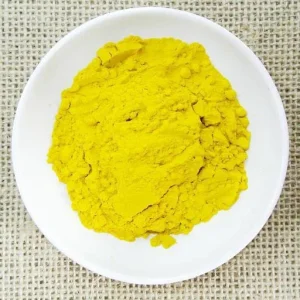
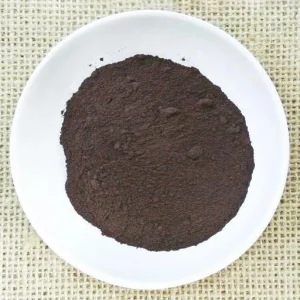
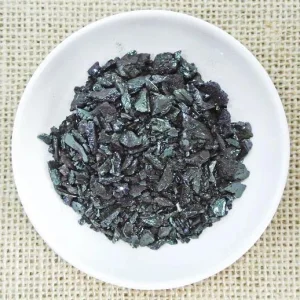
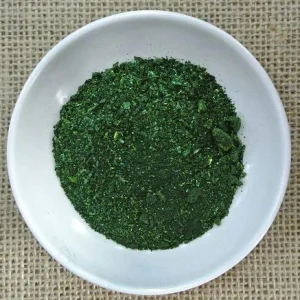
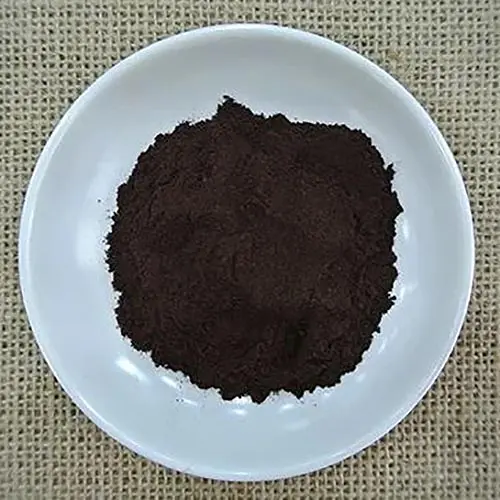
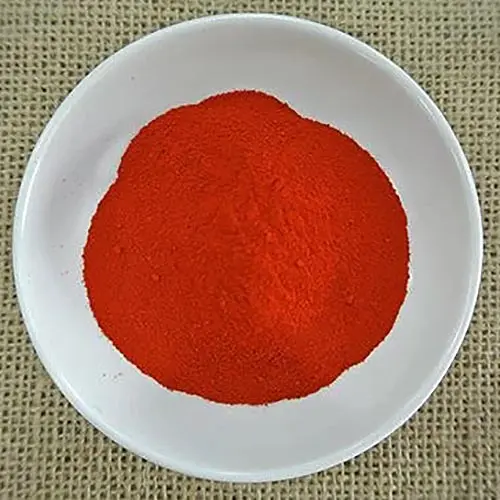
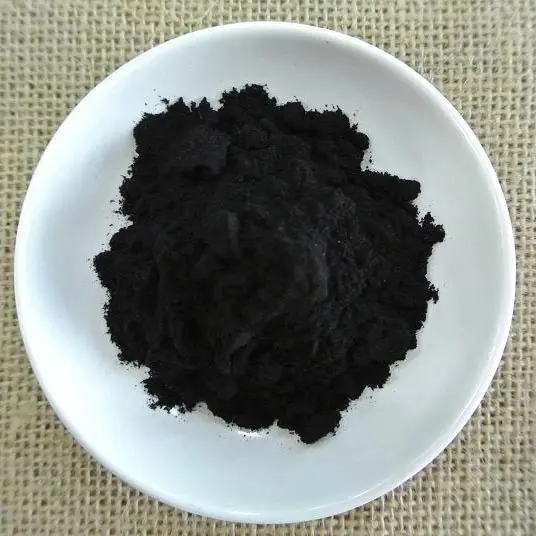
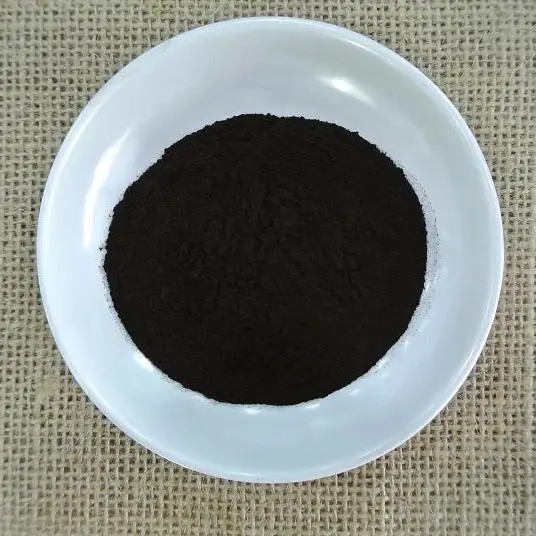
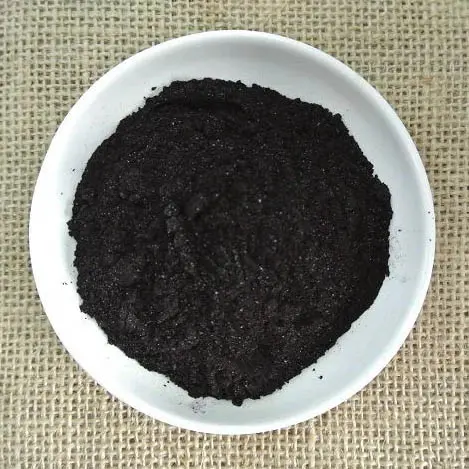
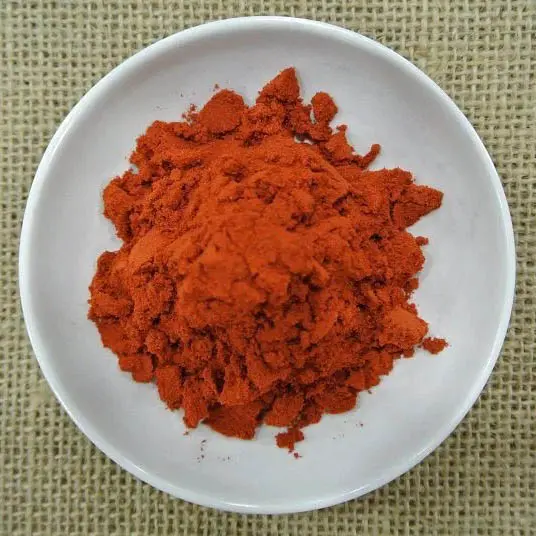
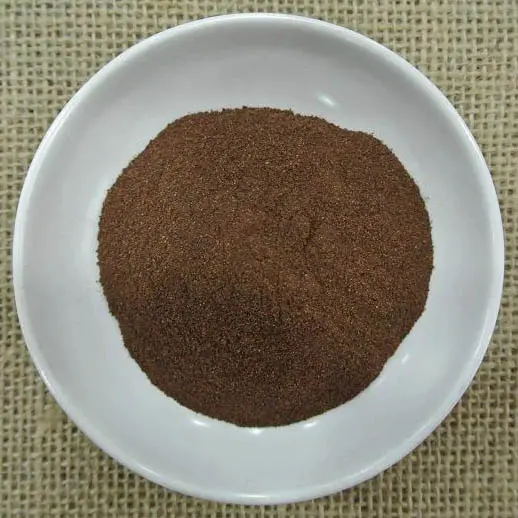
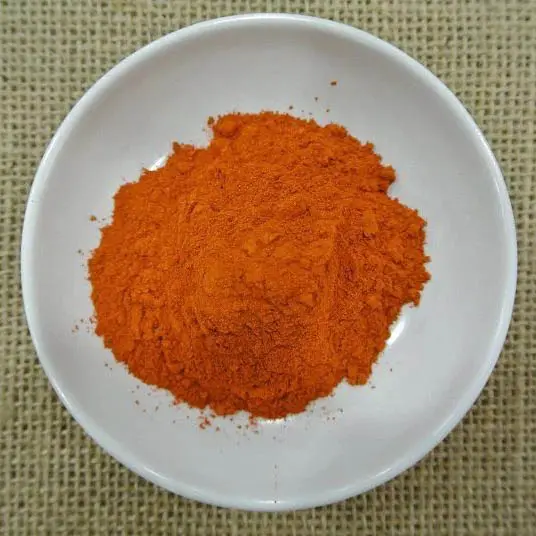
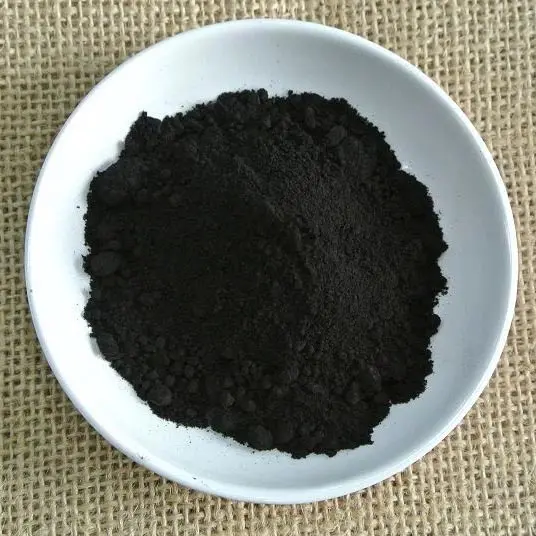
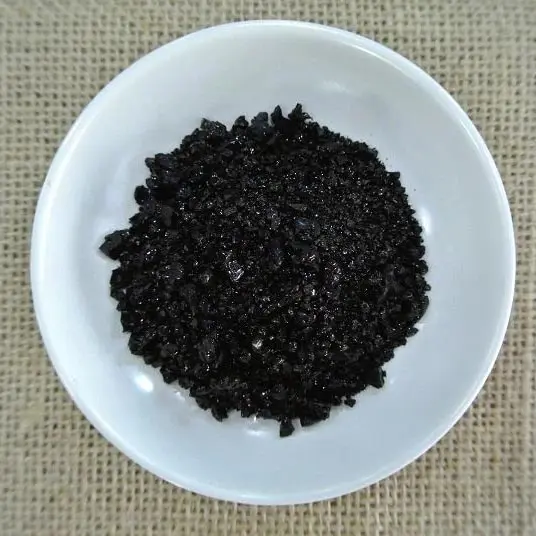
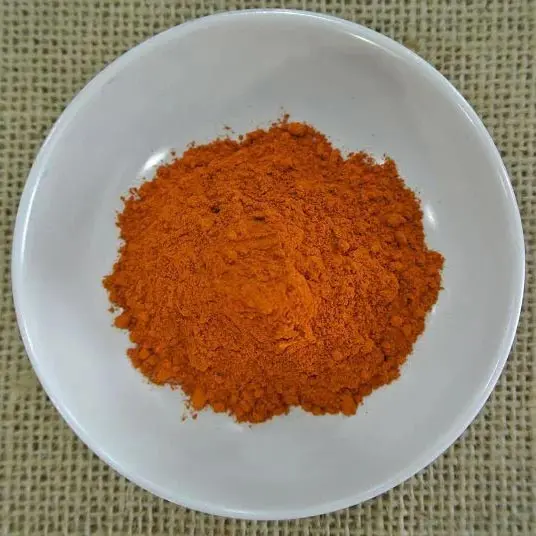
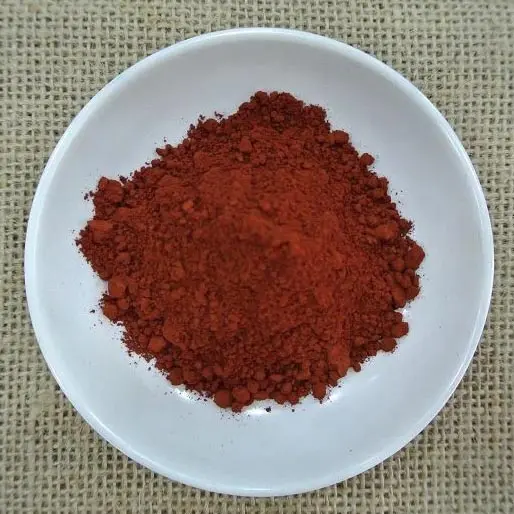
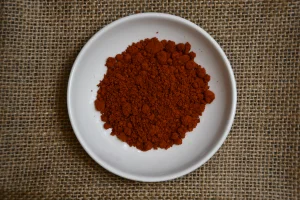
Direct from our state-of-the-art production facilities, these high-affinity cationic dyestuffs are custom-formulated for local wood-pulp processing and specialized technical paper mills.
Austria's industrial core is characterized by an uncompromising commitment to environmental compliance, technological precision, and circular economics. The nation's key manufacturing sectors—ranging from the high-output wood-pulp and packaging mills of Styria and Carinthia to the specialized textile hubs in Vorarlberg—rely heavily on reliable chemical pipelines. Basic dyes, chemically defined as cationic salts of organic bases, play a mission-critical role in these sectors due to their outstanding affinity for anionic substrates.
In the timber and wood-processing sectors of the Alpine region, basic dyes such as Chrysoidine and Bismark Brown are utilized for deep-veined wood staining and preservation. The complex lignin matrix of native spruce, fir, and beech contains numerous carboxylic and phenolic hydroxyl groups that yield a net negative charge in aqueous solutions. Cationic dyes form robust ionic bonds directly with these sites, preventing leaching and ensuring unmatched deep coloration, which stands up to the extreme weather conditions of Alpine environments.
Similarly, the Austrian packaging and paperboard industry, represented by heavyweights like Mondi and the Heinzel Group, demands high-efficiency colorants that perform reliably under rapid closed-loop water circulation. Cationic dyes possess highly efficient exhaust rates, ensuring that the dyestuff remains bound to the cellulose fibers rather than escaping into effluent lines. This maximizes color yield while minimizing chemical oxygen demand (COD) in industrial water treatment facilities, directly satisfying Austria's strict Federal Water Act (Wasserrechtsgesetz).
From an organic chemistry perspective, basic dyes dissociate in aqueous solutions to yield positively charged color ions (cations). These cations show strong affinity for acidic sites on natural and synthetic polymers. The bonding is primarily ionic, augmented by secondary forces such as hydrogen bonding and van der Waals interactions. On acrylic and modacrylic fibers, which contain sulfonate or carboxylate groups incorporated during copolymerization, basic dyes achieve a highly durable ionic link that is virtually impossible to disrupt without degrading the fiber itself.
For Austria's paper manufacturers, understanding the distinction between lignin-containing pulp (mechanical pulp) and bleached kraft pulp is essential. Mechanical pulp, rich in anionic lignin, coordinates directly with basic dyes. However, when working with bleached chemical pulps where lignin has been removed, the addition of anionic retention aids or natural mordants is recommended to maximize fixation. Our customized formulations of Auramine O and Malachite Green are designed with optimized molecular weights to facilitate rapid diffusion into fiber capillaries, ensuring consistent shading even at high machine run speeds.
Request Technical Consultation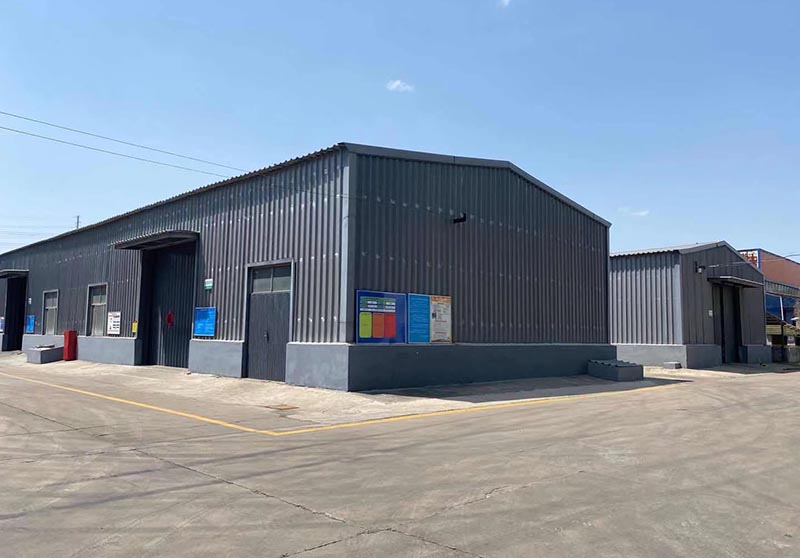
Integrating advanced ecological safety metrics with global logistics to achieve the lowest possible carbon footprint and maximum chemical safety.
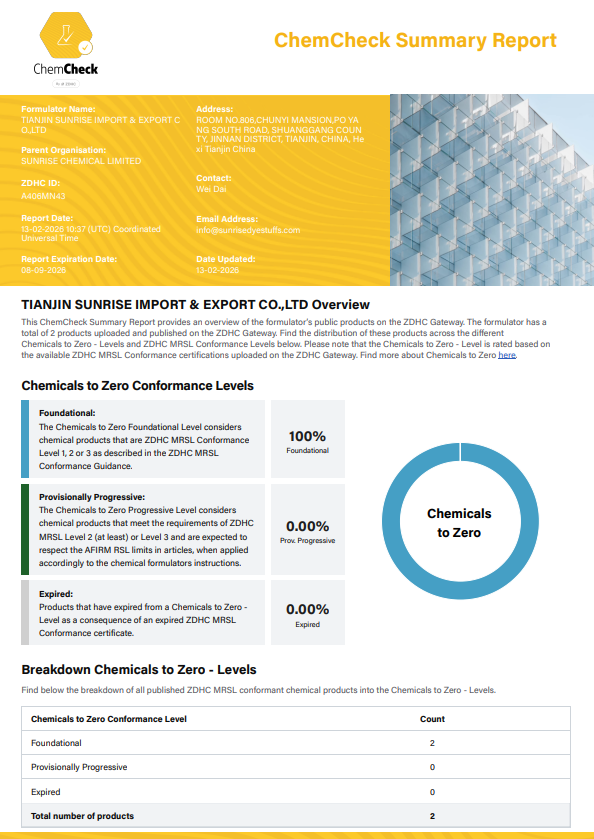
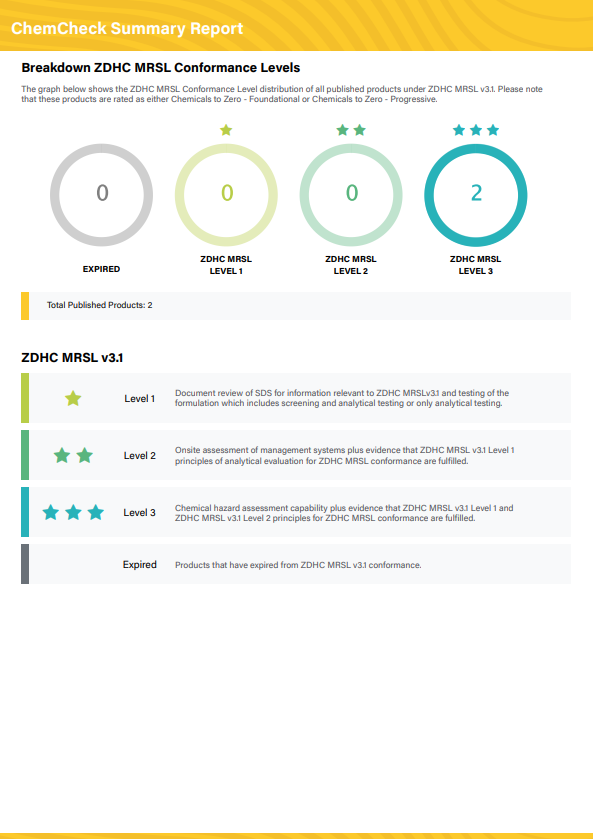
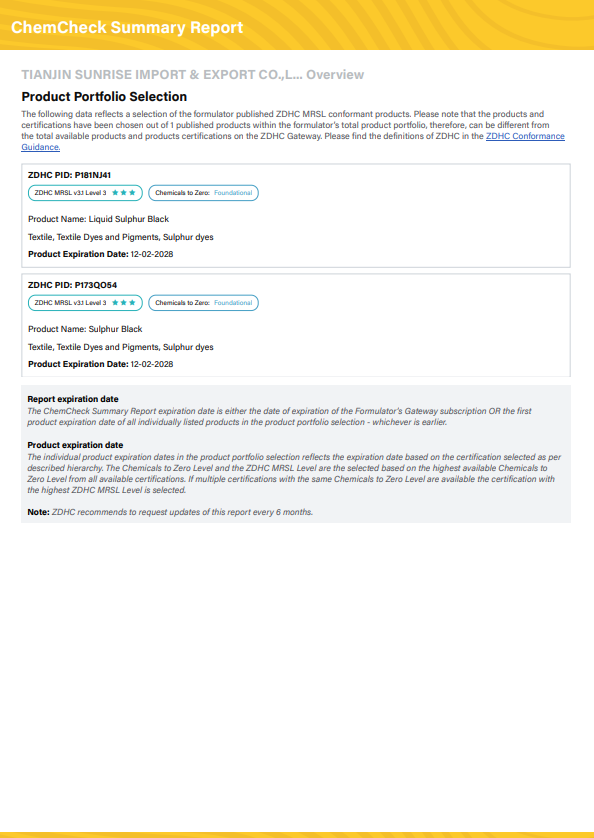
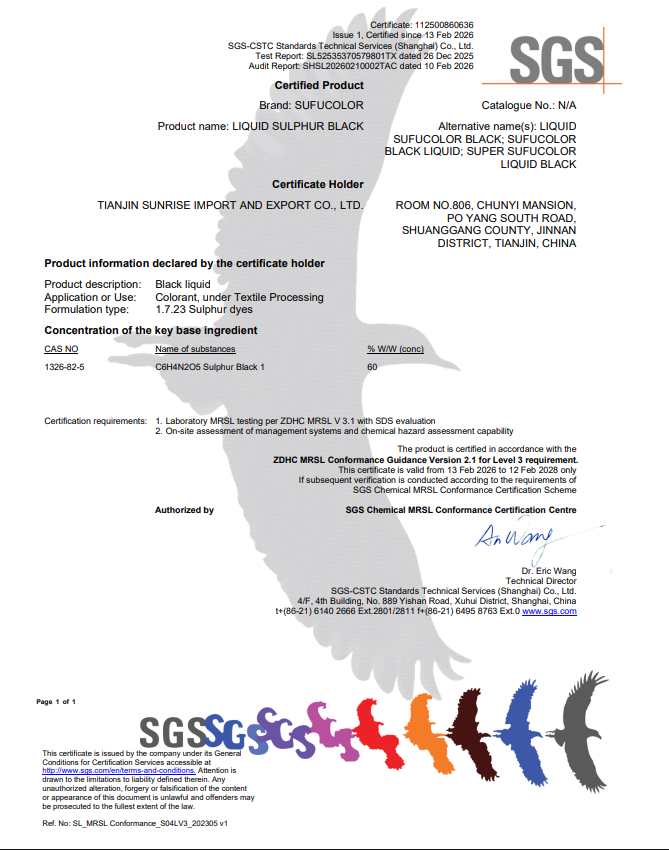
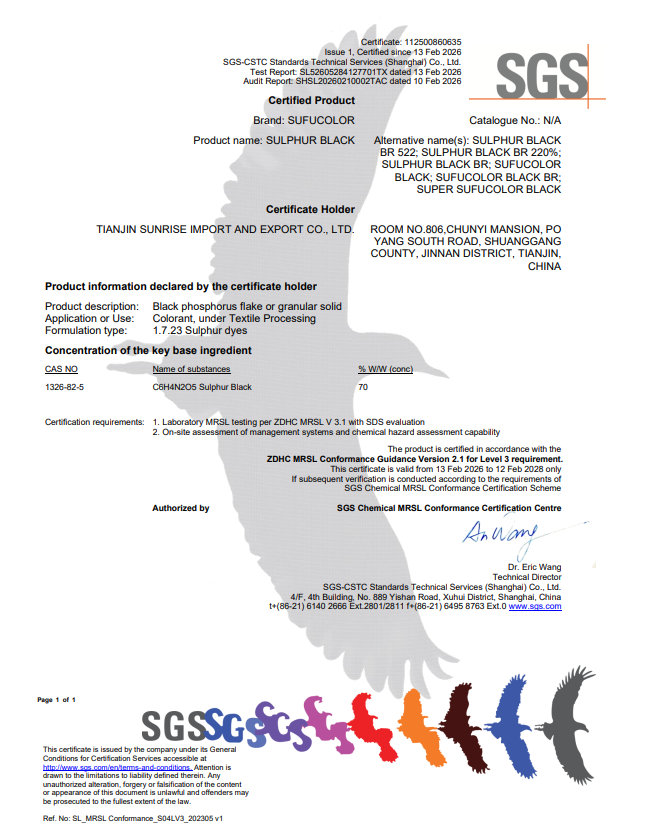
Modern regulatory environments, especially in central Europe, leave no margin for chemical deviation. The presence of restricted arylamines, heavy metal impurities, or unreacted raw precursors in textile or paper products can lead to severe operational penalties and brand damage. Sunrise Chem Group addresses these challenges through a strict, multi-tiered quality control regime that has earned ZDHC Level 3 and GOTS (Global Organic Textile Standard) certifications.
By implementing a zero-tolerance approach to hazardous inputs, we ensure that our dyes are free from forbidden aromatic amines, alkylphenol ethoxylates (APEOs), and halogenated solvents. Our manufacturing facilities utilize advanced purification steps—including multi-stage membrane filtration and low-temperature recrystallization—to guarantee that the final products delivered to Austrian ports meet the most stringent EU REACH mandates.
Furthermore, our liquid basic dye variants are formulated using eco-compliant stabilizers that prevent sedimentation during low-temperature transport, which is common in Austrian winters, while eliminating the use of VOC-emitting carriers.
A regional timber producer in Styria required a light-stable, water-resistant dye for structural and aesthetic exterior panels. By deploying our high-purity Chrysoidine Crystal Wood Dye combined with an organic copper-based mordant, we created an ionic-barrier wood-stain that resists weathering. The dye penetrates up to 8mm into the sapwood structure of native spruce, achieving consistent tones without affecting the natural breathability of the timber.
A large-scale packaging board manufacturer in Graz faced issues with color bleeding in recycled kraft linerboards. By replacing basic dyes of varying purity with our ZDHC Level 3 certified Auramine O Conc, and tuning the pH to 4.5 using aluminum sulfate, the mill achieved a 30% reduction in dye loss in backwater circuits. This directly translated to lower effluent treatment costs and cleaner wastewater discharge.
For a performance outdoor apparel manufacturer in Tyrol, achieving deep Navy and Violet hues on pure polyacrylonitrile fibers with high lightfastness was critical. Utilizing our highly concentrated Methyl Violet 2B and Methylene Blue 2B under pressurized exhaust dyeing at 105°C resulted in complete dye penetration. The fibers scored 6+ on the ISO 105-B02 lightfastness scale, meeting the requirements of premium mountain gear.
Tianjin Sunrise Chem Group coordinates logistics to ensure seamless supply to European customers. Backed by decades of export experience, we understand that supply chain delays translate to idle paper machines and lost textile mill output. We maintain close partnerships with European inland freight networks to offer rapid deliveries to industrial centers in Linz, Graz, Vienna, and Salzburg.
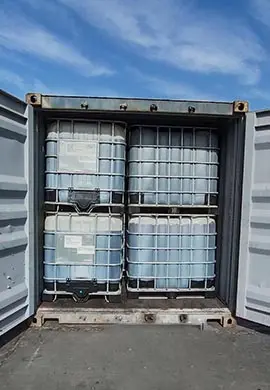
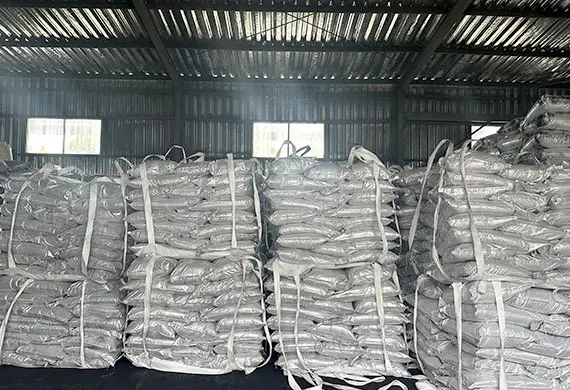
Each batch of our dyes is subjected to spectrophotometric evaluation and chromatographic analysis prior to port dispatch. This ensures that the properties of the dyes—such as color strength, solubility limit, and particle size distribution—remain within strict specifications. Our packaging options include dust-free granules, highly soluble powders, and stable liquid formulations, customized to match the automated dosing systems used in modern Austrian factories.
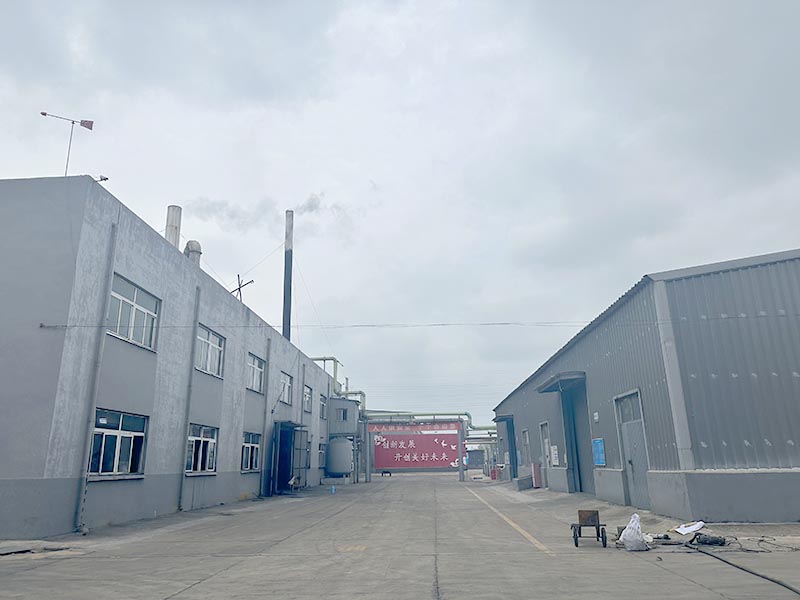
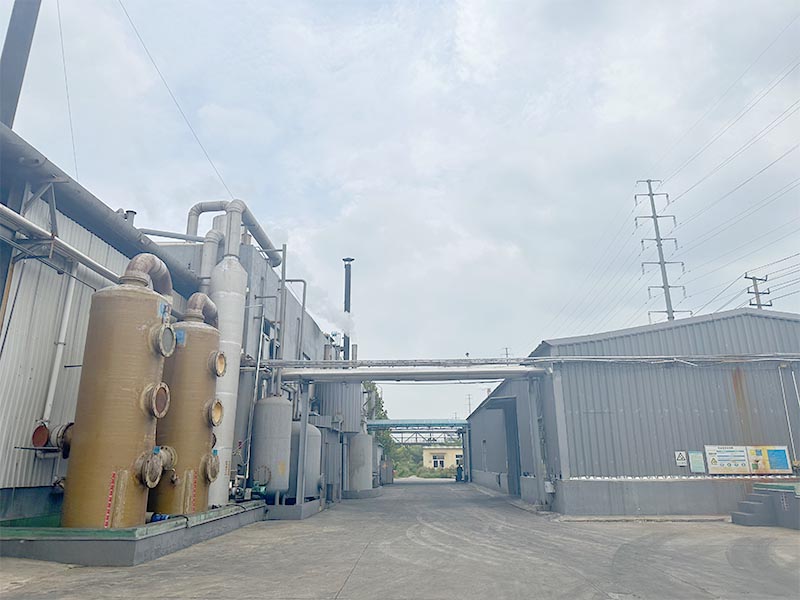
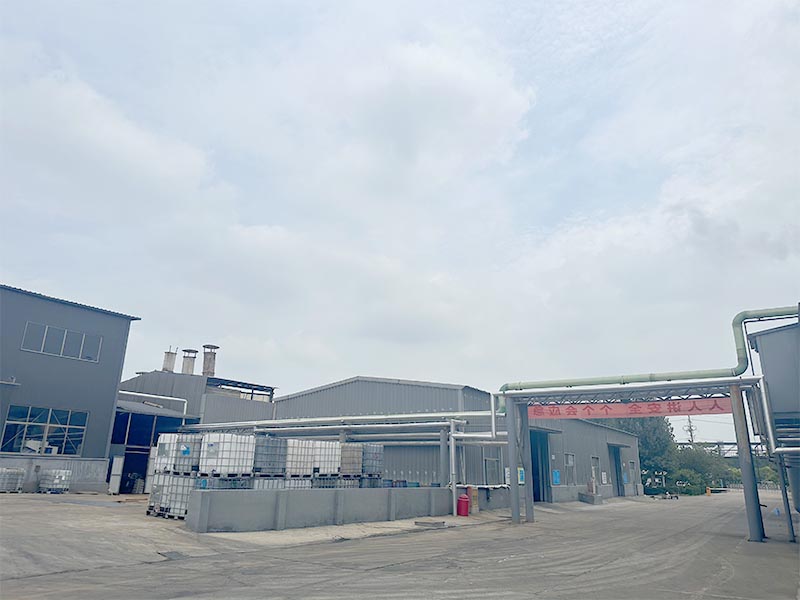
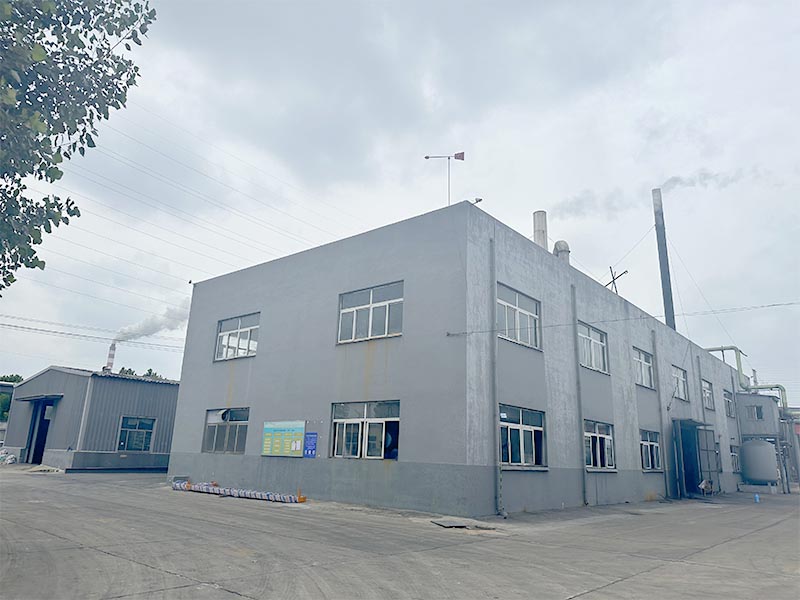
In addition to our core Basic Dyes catalog, we produce and export specialized dye lines engineered for leather dyeing, wool processing, and paper shading systems.
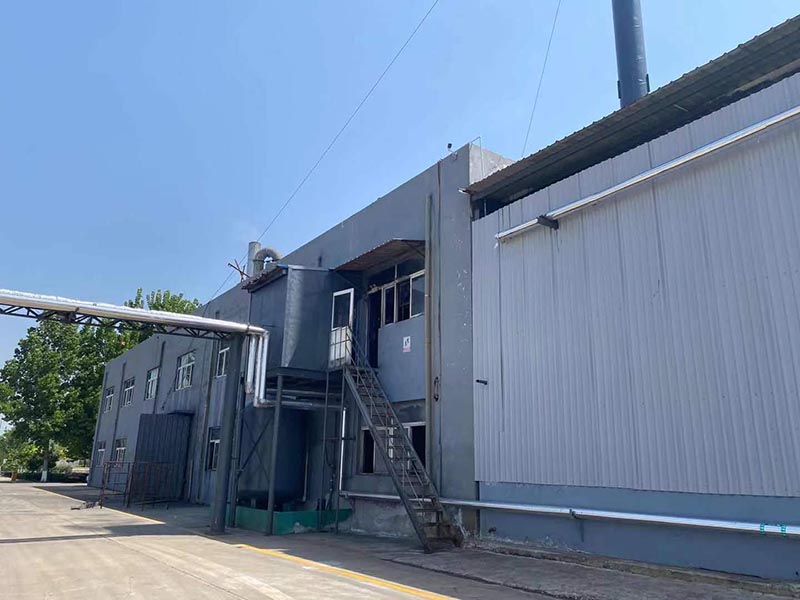
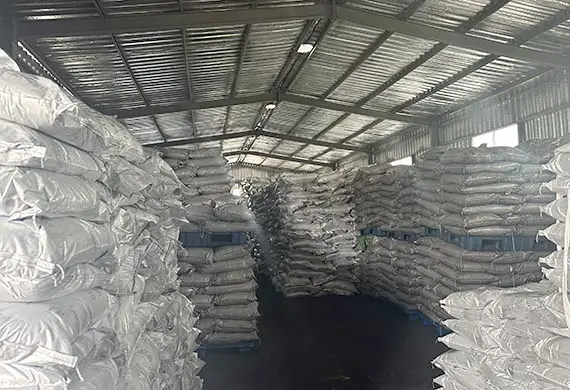
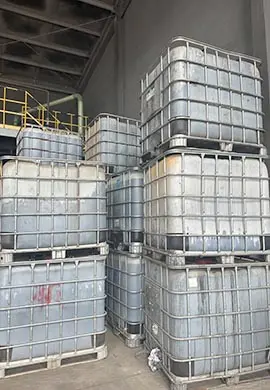
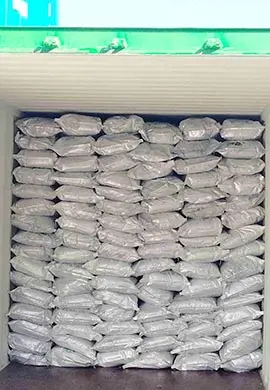
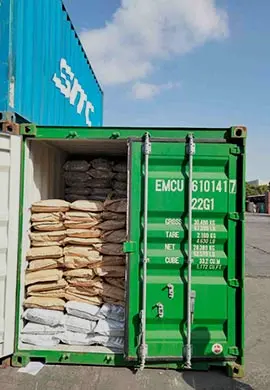
A transparent look at our warehousing capabilities, packaging formats, and continuous loading operations for European ports.
Expert answers addressing the chemical properties, dissolution protocols, and safety compliance of basic dyes in Central European manufacturing.
The affinity is primarily determined by the concentration of negatively charged phenolic hydroxyl and carboxyl groups present in the lignin fraction of mechanical pulp. Basic (cationic) dyes undergo a stoichiometric ion-exchange reaction with these anionic groups, producing highly stable salts. In chemical pulps (kraft pulp) where lignin is absent, mordants or anionic retention aids must be added to provide anchoring sites for the cationic dye molecules.
Acrylic fibers contain acidic groups (sulfonate/carboxylate) introduced as polymer modifiers. Below the fiber's glass transition temperature (Tg, approx. 75-80°C), dyeing is minimal. Above Tg, the rate of dye uptake increases rapidly. If the dye bath pH is too high, the cationic dye molecules aggregate too quickly, resulting in unlevel dyeing. Keeping the pH between 4.0 and 5.0 with acetic acid buffers controls the ionization rate of the fiber's active groups, ensuring steady and uniform dye penetration.
Our products are manufactured in compliance with ZDHC Level 3 and GOTS guidelines, meaning that all raw inputs and production processes are monitored to prevent the formation or introduction of hazardous substances, including banned arylamines and heavy metals. This aligns directly with the chemical safety limits set under EU REACH and the Austrian Federal Water Act (Wasserrechtsgesetz).
To prevent aggregation, the dye powder should first be pasted with cold water and an organic acid (such as acetic acid). Hot water (70-80°C) is then added under continuous agitation. Boiling water should be avoided as it can cause the basic dye base to hydrolyze or form sticky aggregates that are difficult to filter and can cause color spots on finished paper or textiles.
Basic dyes feature conjugate chromophore structures with delocalized positive charges. This molecular configuration yields exceptionally high molar extinction coefficients, meaning they absorb light very efficiently and reflect vivid, pure wavelengths. This makes them the ideal choice for applications where high brilliance is required, such as signal paper, security fibers, and neon textiles.
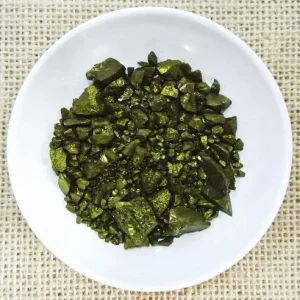
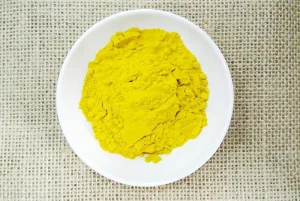
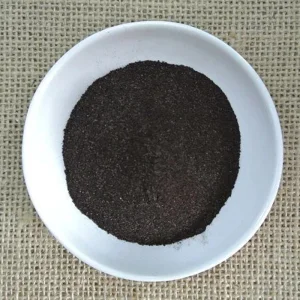
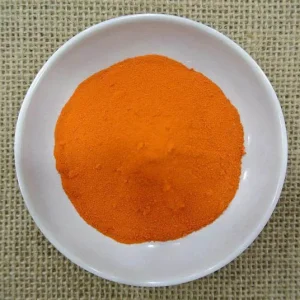
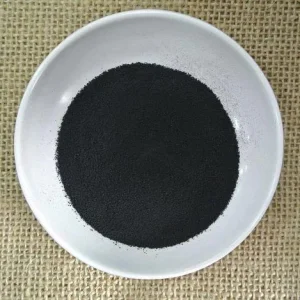
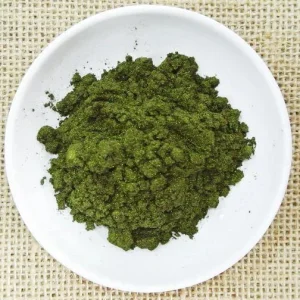
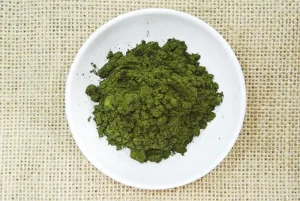
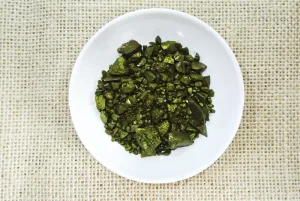
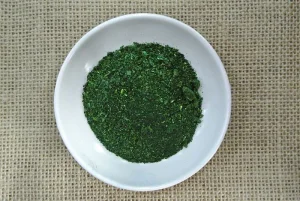
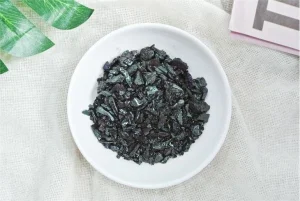
Below is our primary range of basic dyes, complete with technical specifications, designed to meet the strict quality standards of the Austrian market.
 Sunrise