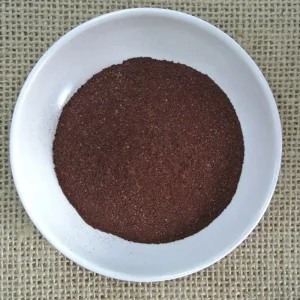
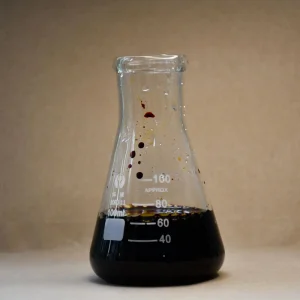
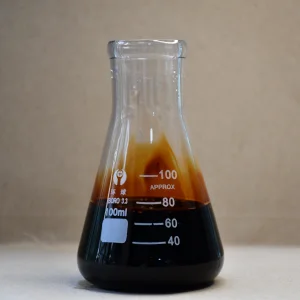
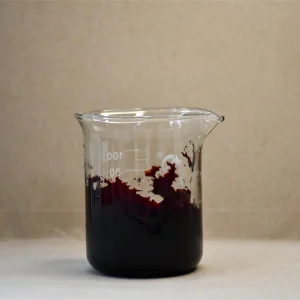
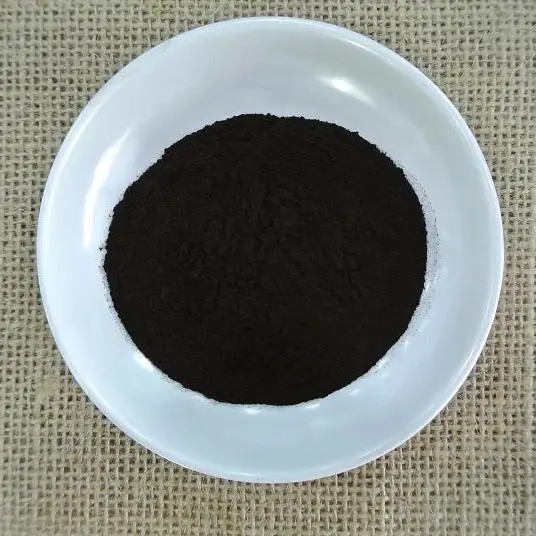
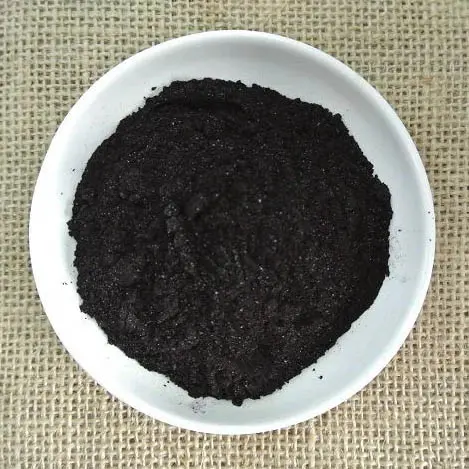
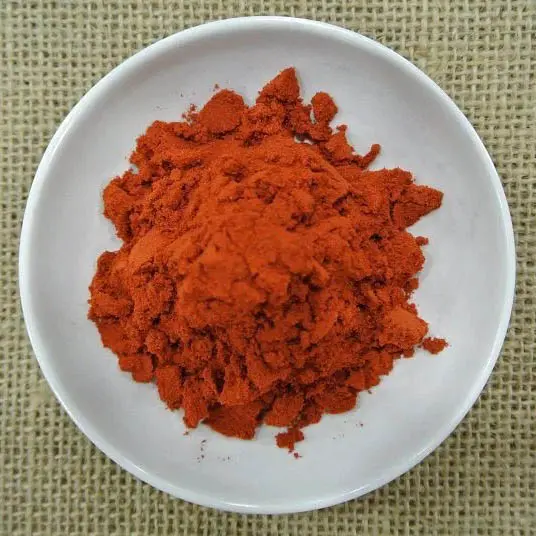
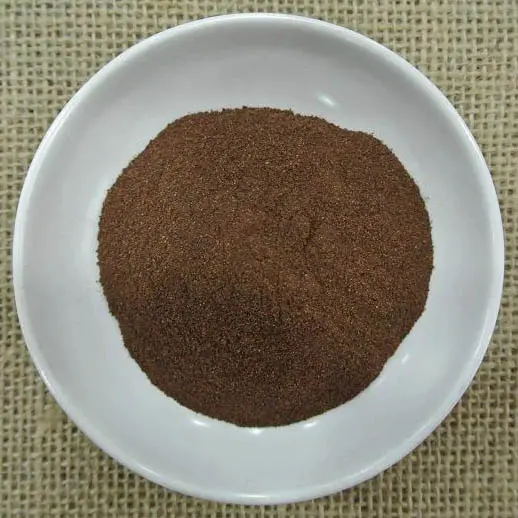
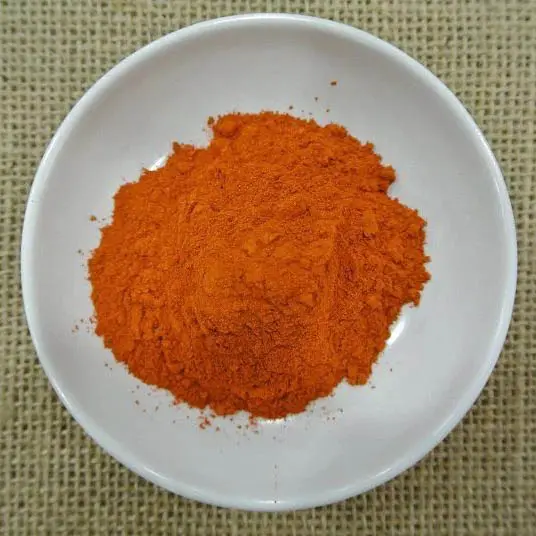
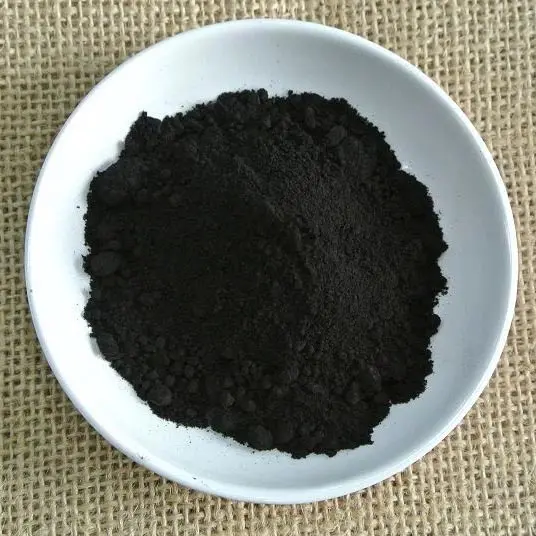
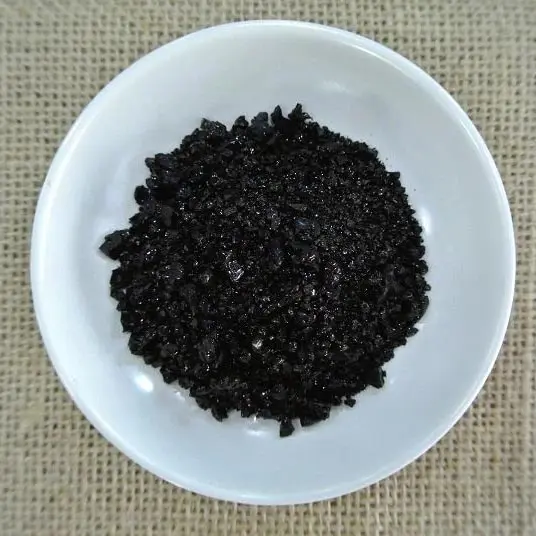
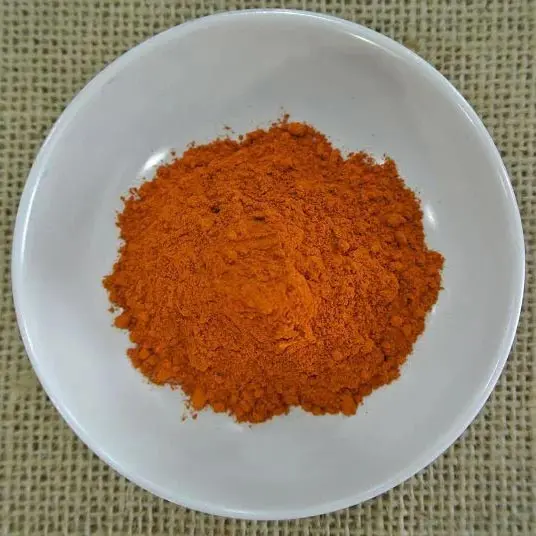
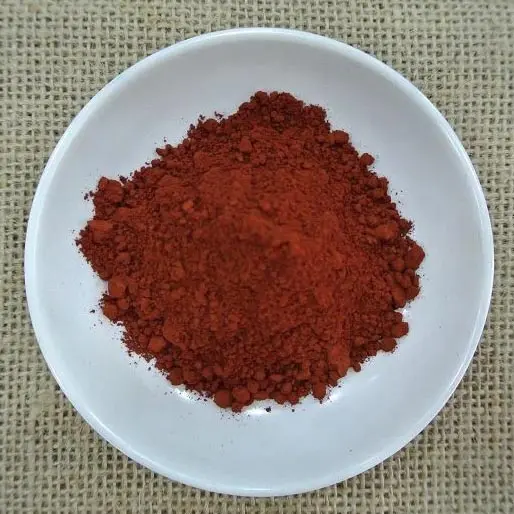
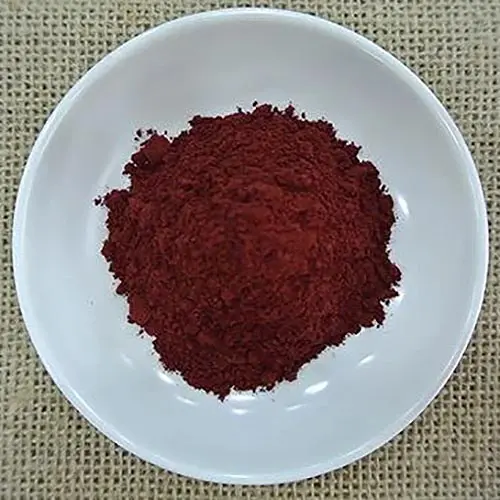
Explore our premium product line manufactured under rigorous eco-standards. Optimized for high substantivity, exceptional color yield, and strict environmental compliance.
Direct dyes, otherwise chemically known as substantive dyes, constitute a class of hot-water colorants designed to apply directly to cellulosic substrates without the prerequisite of a mordant. From a physical chemistry perspective, the substantivity of direct dyestuffs to cellulose fibers is mediated through hydrogen bonding, Van der Waals interactions, and structural coplanarity. The molecular configuration of these dyes usually incorporates extended conjugated double-bond systems that enable planar alignment with the cellulose chain, maximizing the contact area and reinforcing the intermolecular forces.
Cellulosic fibers possess a negative surface charge in aqueous solutions, which normally repels anionic dyes. Direct dyes overcome this thermodynamic barrier via electrolyte additions (such as sodium chloride or sodium sulfate), which shield the negative surface charge, allowing the linear, coplanar dye molecules to align closely and establish strong hydrogen bonds with the hydroxyl groups of the cellulose.
Direct dyes are broadly classified into three categories under the Society of Dyers and Colourists (SDC) guidelines: Class A (self-leveling dyes with high migration rates), Class B (salt-controllable dyes requiring metered electrolyte additions), and Class C (temperature-controllable dyes with low migration behavior requiring careful thermal programming).
While direct dyestuffs offer brilliant and cost-effective coloration, their wet fastness is inherently governed by the equilibrium desorption rate. Modern wet processing utilizes cationic fixing agents or cross-linking resins to form insoluble complexes within the fiber matrix, dramatically enhancing wash and perspiration fastness to meet global retail benchmarks.
Tianjin Sunrise Chem Group specializes in manufacturing high-quality dyestuffs. Our comprehensive product portfolio includes Direct dyes, Acid dyes, Basic dyes, Sulphur dyes, Solvent dyes, Liquid dyes, and Fluorescent dyes. Backed by decades of industry and export experience, we have built a reputation for reliability and excellence, serving clients from diverse sectors including denim, textile, leather, paper, and plastics.
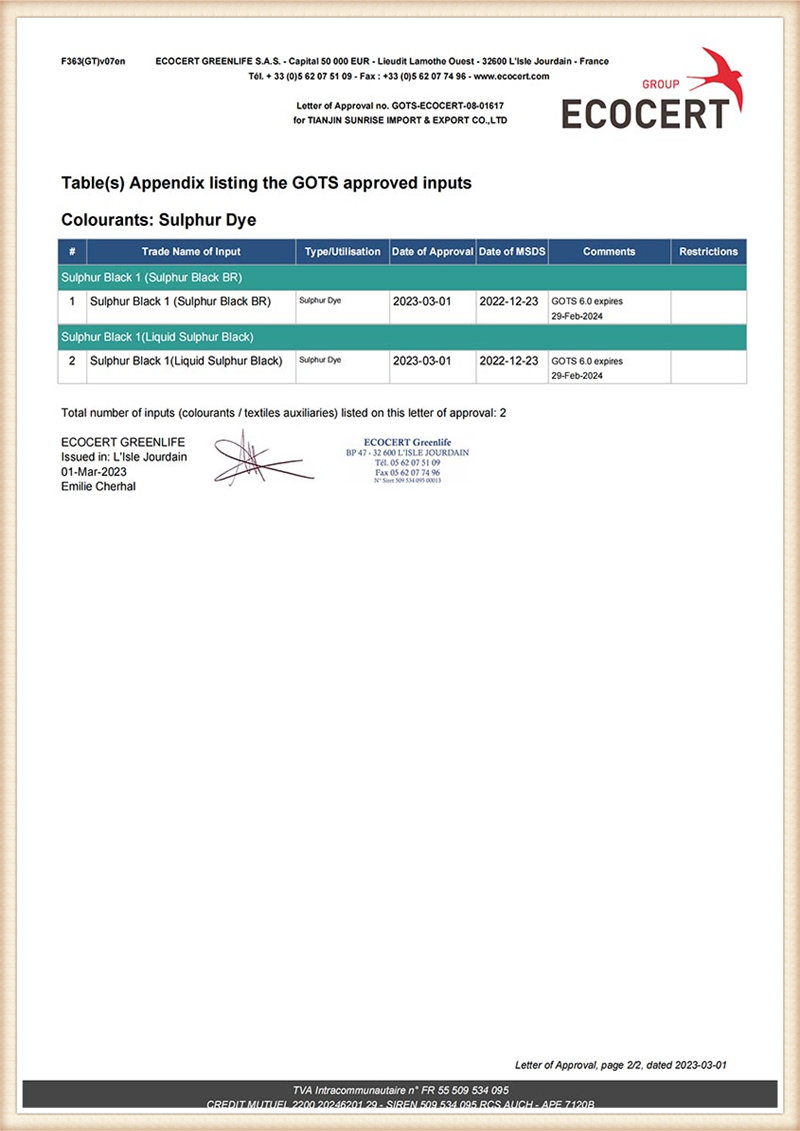
We always focus highly on goods quality and stability. Each shipment is thoroughly tested in our state-of-the-art analytical laboratory before being dispatched to the port. Our adherence to international ecological standards, marked by our ZDHC Level 3 and GOTS (Global Organic Textile Standard) certifications, guarantees that our products support your brand's sustainability initiatives and regulatory compliance.
Cooperating with textile and paper mills for many years demonstrates that our factory has established strong, long-term, and reliable business relationships. This sustained collaboration yields major mutual benefits: consistent production planning, shared research resources, and customized product optimization. We strive to make a significant contribution to our customers' success by delivering first-class colorants and exceptional customer service.
Years of Manufacturing Excellence
Highest Chemical Safety Standard
Countries Exported Worldwide
Batch-to-Batch Pre-Shipment Tested
Sourcing direct dyes from China offers unparalleled strategic advantages for global chemical buyers and industrial enterprises. As the global hub for chemical synthesis, China provides an optimized landscape that combines cost efficiencies, advanced technology, and integrated supply chains.
Tianjin Sunrise Chem Group leverages deep regional integration with raw material manufacturers. Access to fundamental dye intermediates, such as H-acid, J-acid, and aromatic derivatives, stabilizes supply and shields our clients from volatile pricing swings in the global market.
Our facility utilizes high-capacity, automated spray dryers that produce uniform, dust-free powder formulations with high solubility. Additionally, our liquid formulation plants utilize advanced filtration and stabilizing agents to produce sediment-free, high-purity liquid dyes for modern automatic dosing systems.
Modern Chinese manufacturing is defined by strict environmental mandates. Our plant operates comprehensive wastewater treatment facilities featuring biological degradation, Fenton oxidation, and membrane bioreactors, ensuring zero hazardous discharge and absolute compliance with environmental regulations.
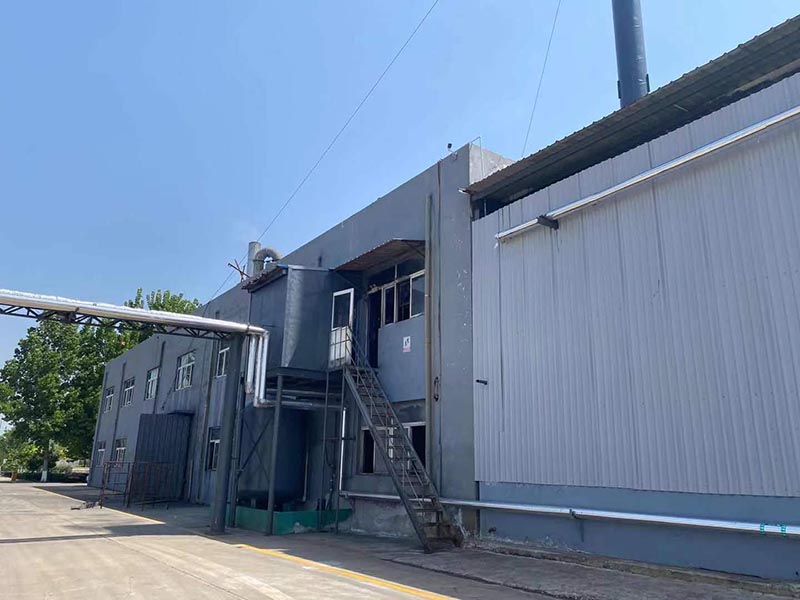
The global dyestuff industry is undergoing a paradigm shift driven by stringent regulatory frameworks and consumer demand for cleaner supply chains. The historical model of high-water, high-energy application is being replaced by ecological chemistry and automated application technologies.
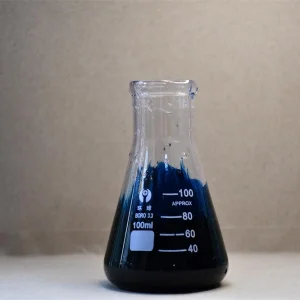
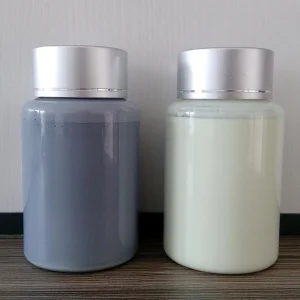
The Transition to Liquid Dyestuffs: In paper mills and modern continuous textile dyeing plants, powder dyes present handling challenges, airborne particulate contamination, and dissolution inaccuracies. Our liquid dye formulations (such as Sunrise Basic Green 4 Liquid and Direct Red 254 Liquid) offer dust-free operation, instant mixing, and seamless integration with computerized dosing systems, lowering operational costs and improving workers' occupational safety.
ZDHC and GOTS Integration: The Zero Discharge of Hazardous Chemicals (ZDHC) Roadmap to Zero represents the peak of global environmental compliance. By achieving ZDHC Level 3, Tianjin Sunrise Chem Group ensures that our direct dyes are free from banned arylamines, heavy metals, and alkylphenol ethoxylates (APEOs). This certification enables global brands to safely comply with the strict parameters of MRSL (Manufacturing Restricted Substances List).
Direct dyes are highly versatile colorants utilized across a broad spectrum of manufacturing sectors. We customize our formulations to address the distinct mechanical and chemical requirements of diverse industries.
Our direct dyes, notably Direct Yellow 142 and Direct Red 254 Liquid, are optimized for tissue, packaging board, and fine paper shading. They exhibit high affinity for cellulose pulp, yielding clear white waters, high bleachability for recycling processes, and exceptional light fastness to prevent discoloration.
In cotton and viscose processing, our direct dyes provide an economical and highly productive alternative to reactive dyes. Under controlled electrolyte concentrations and temperature profiles, they deliver deep penetration and excellent leveling on cotton yarn, knitwear, and woven fabrics.
For the leather industry, our anionic direct dyes offer optimal grain penetration and surface coverage. They bind effectively to chrome-tanned or vegetable-tanned collagen fibers, maintaining dye consistency and stability throughout subsequent mechanical fatliquoring and finishing operations.
For multinational buyers, procurement is not merely a transaction; it is a critical exercise in supply chain resilience and quality assurance. Global corporations face complex regulatory regimes, fluctuating logistics, and strict environmental accountability. Sourcing from a partner like Tianjin Sunrise Chem Group mitigates these operational risks.
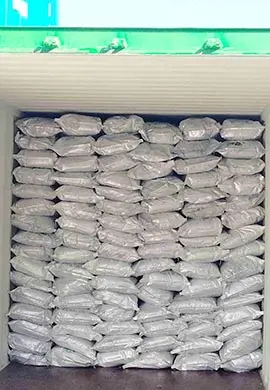
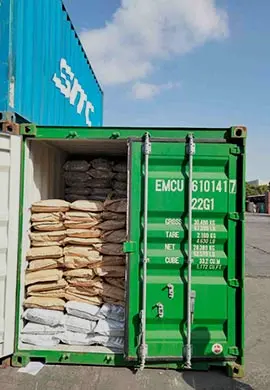
We actively seek strategic partnerships to expand our reach and optimize global delivery. Our export operations are managed by logistics experts who oversee compliant packaging, international maritime regulations, and customs documentation. Each shipment is backed by detailed Certificate of Analysis (COA) records, safety data sheets (SDS) complying with GHS standards, and REACH registrations where applicable.
Our factory maintains buffer stocks of critical intermediates to ensure continuous production even during seasonal energy containment periods. By maintaining a reliable supply pipeline, our global partners avoid costly production shutdowns and carry lower inventory costs.
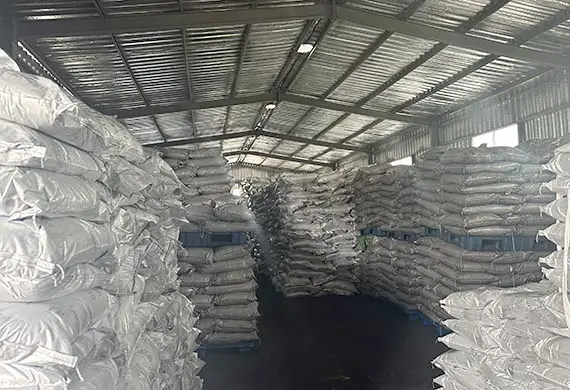
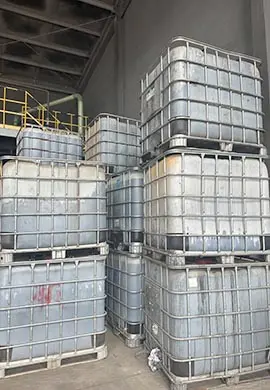
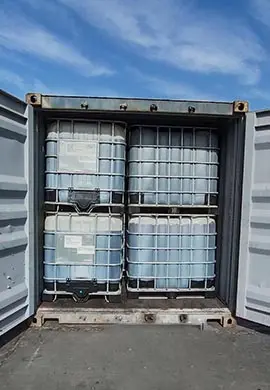
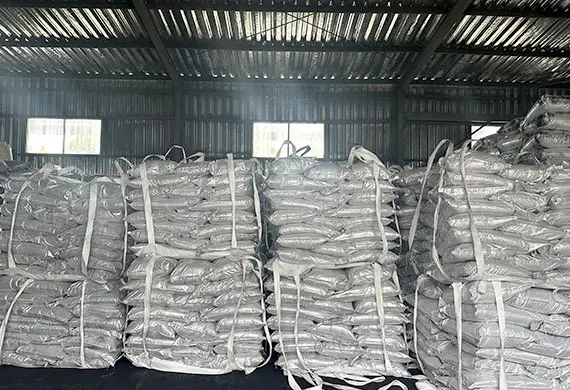
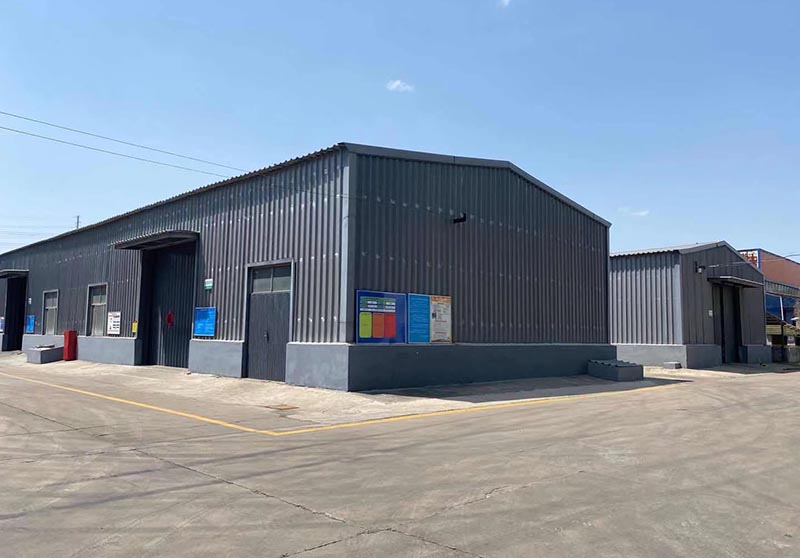
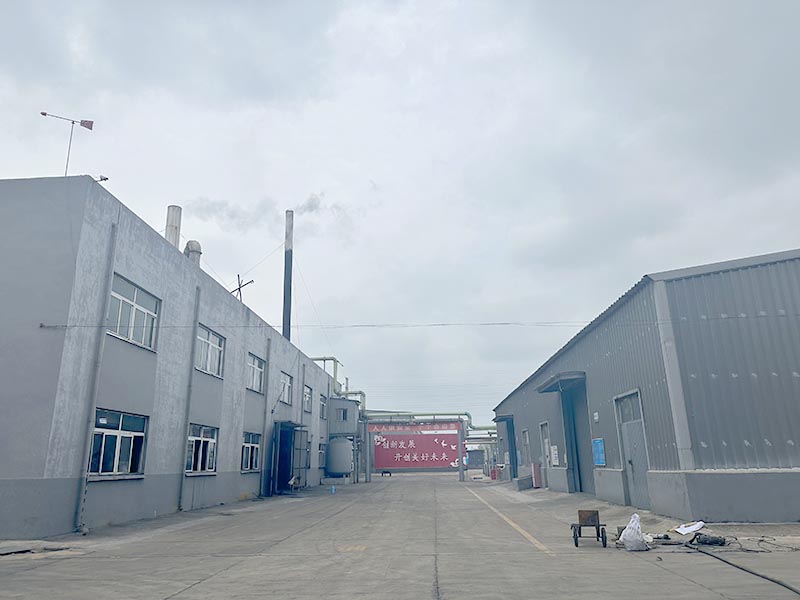
A transparent look at our warehousing, shipping logistics, and manufacturing footprint. We export hundreds of tons of high-performance dyestuffs monthly to international ports.
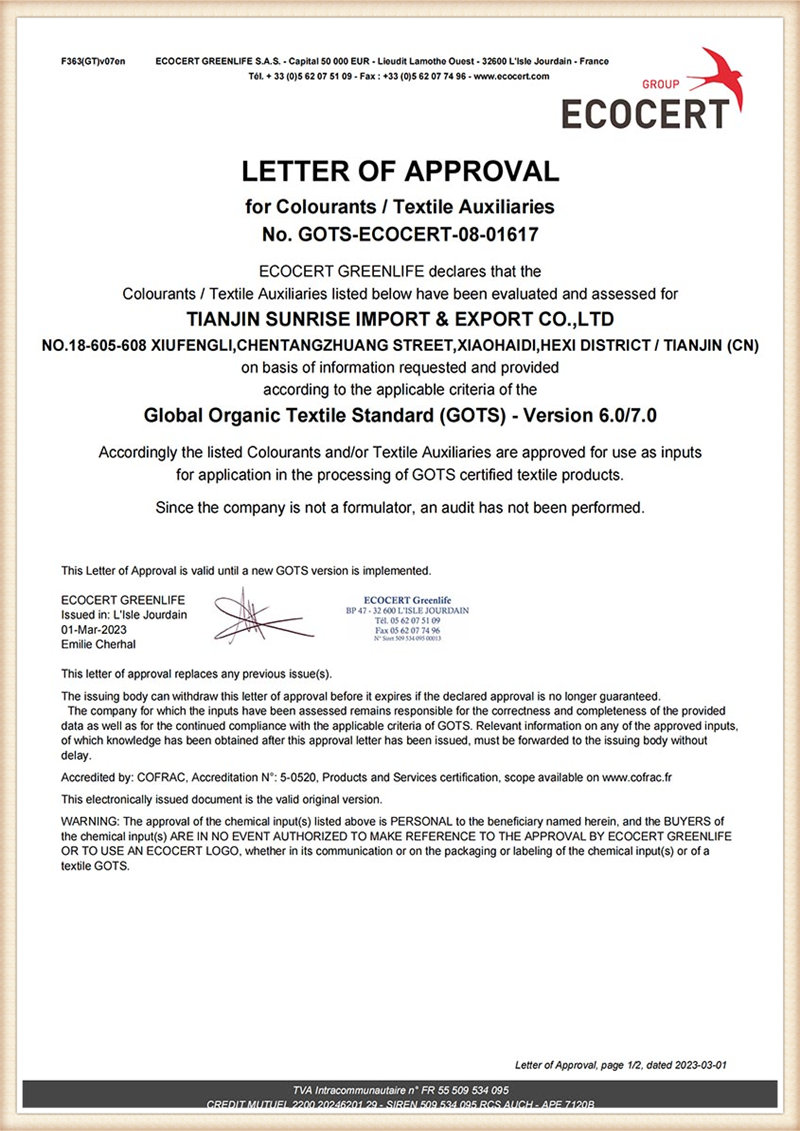
We align our manufacturing processes with global environmental standards. Our certifications demonstrate our commitment to quality, eco-protection, and occupational safety.
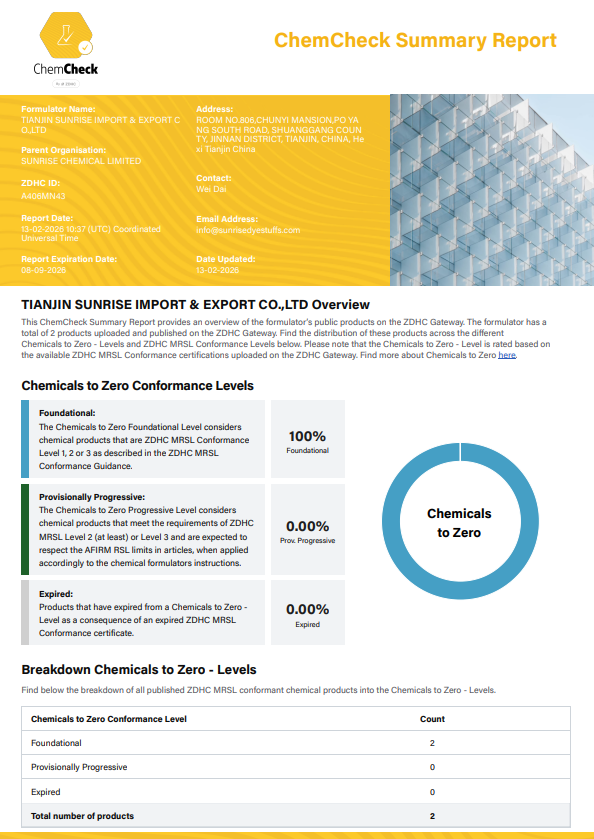
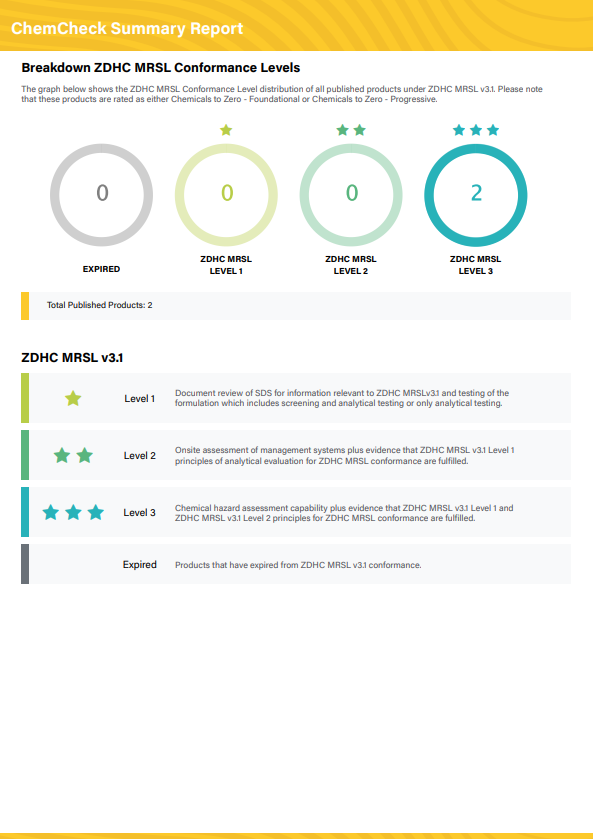
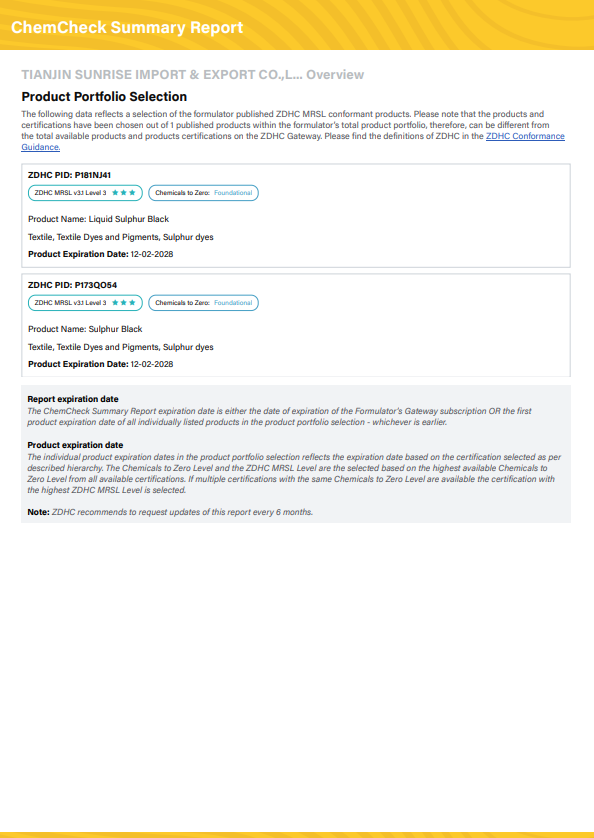
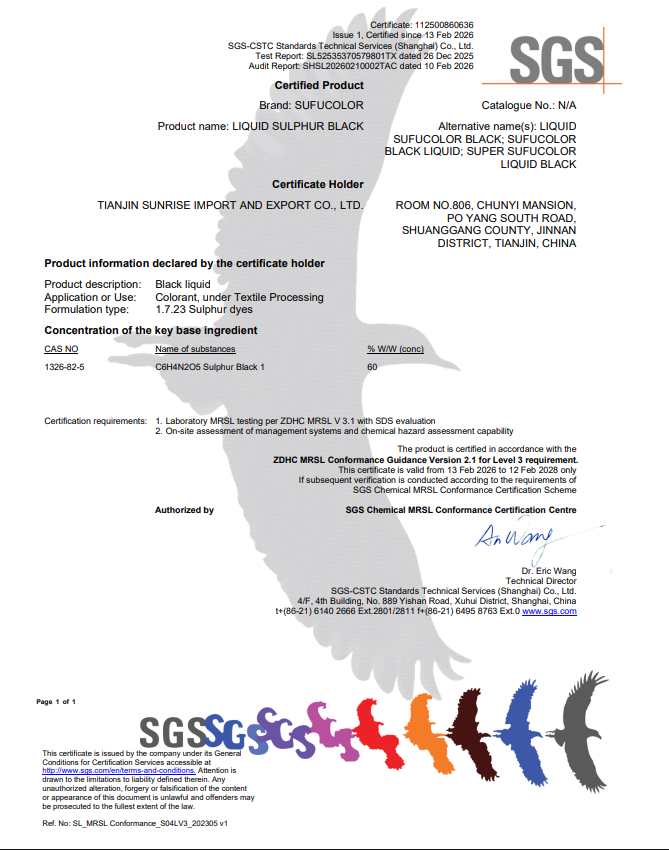
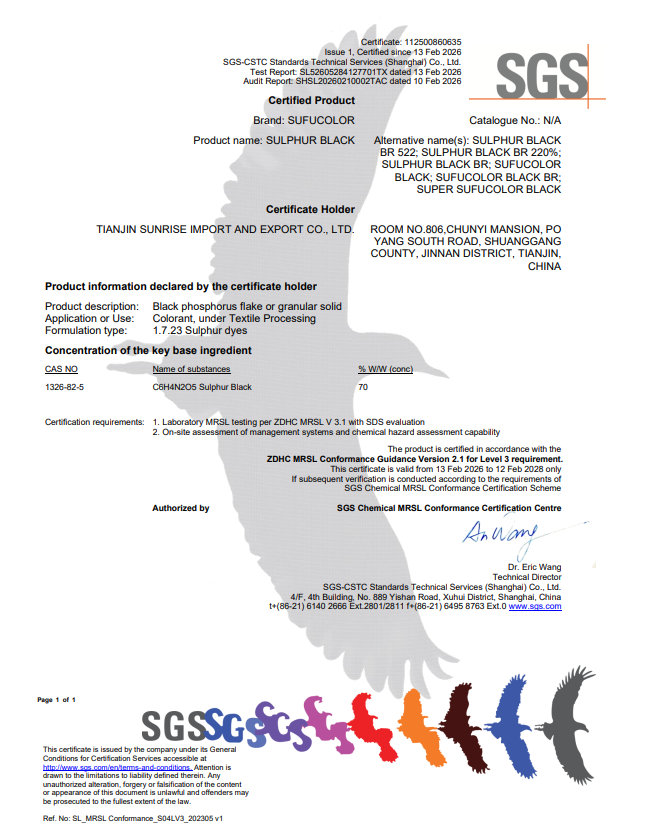
We pride ourselves on offering customized formulations. Our team of experts works closely with clients to understand their unique coloration needs, delivering customized dyestuff properties (e.g., pH tolerance, custom shade tuning, and dynamic viscosity profiles). Cooperating with textile and paper mills for decades highlights our strong position in global chemical supply chains.
Our chemical facilities feature automated reactors and purification columns. By carefully monitoring critical parameters—such as diazotization temperatures, coupling speeds, and filtration pressures—we achieve outstanding batch-to-batch consistency. Each production batch undergoes rigorous HPLC chromatography and spectrophotometric analysis to guarantee precise color values and strength tolerances before packing.
Furthermore, environmental protection remains the core of our innovation. We dedicate ourselves to providing clients with eco-friendly, high-quality colorants that balance manufacturing efficiency with environmental harmony, steering the industry toward a sustainable path for a greener future.
We operate dedicated warehousing facilities at major shipping hubs, allowing us to rapidly fulfill orders. Our technical service team is available to assist you with on-site trials, laboratory dye recipe development, and troubleshooting for issues such as uneven dye uptake, fastness limitations, or process optimization.
With established partnerships in dozens of countries, we are well-positioned to navigate changing global chemical regulations, ensuring that the dyestuffs you receive are compliant, reliable, and optimized for your specific industrial application.
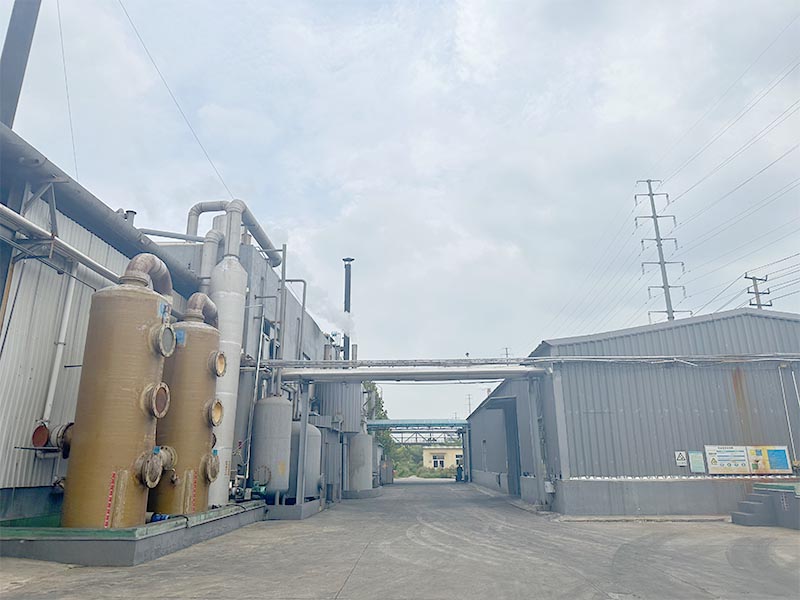
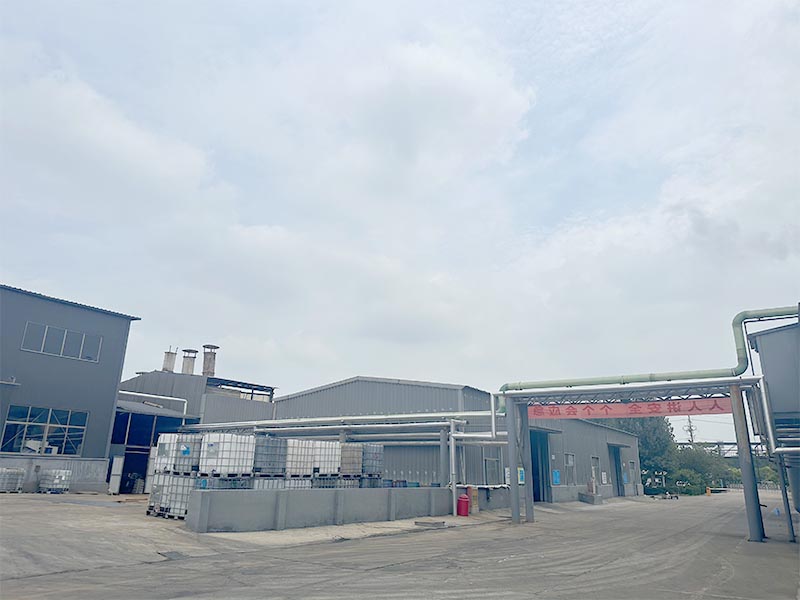
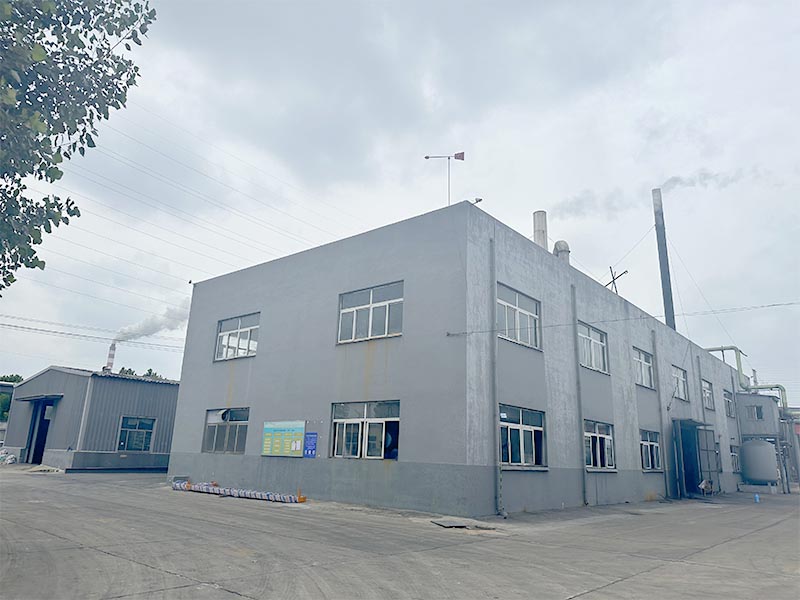
Our commitment goes beyond standard manufacturing. We actively seek strategic partnerships with global research institutes and enterprise-level consumers to pioneer new, bio-derived, and low-temperature application dyestuffs. By developing tailored solutions for complex substrates, we help our partners gain a competitive edge in their respective markets.
Technical answers to common questions regarding direct dyes, their industrial application parameters, chemical compliance, and global purchasing dynamics.
Direct dyes bind to cellulose fibers through physical forces like hydrogen bonding and Van der Waals interactions. They do not form a covalent chemical bond. Reactive dyes, by contrast, establish covalent bonds with the hydroxyl groups of cellulose under alkaline conditions. While reactive dyes generally offer higher wash fastness, direct dyes are more cost-effective, require simpler application processes, and need less salt and alkali during the wet processing cycle.
Liquid direct dyes eliminate the dust and handling challenges associated with powder alternatives, significantly improving safety on the factory floor. They are fully miscible with water, which allows for precise, automated metering directly into the pulp slurry. This ensures consistent shading and color stability throughout continuous paper production runs.
ZDHC Level 3 is the highest compliance tier under the Zero Discharge of Hazardous Chemicals program. It certifies that the manufacturing processes and raw materials used by Tianjin Sunrise Chem Group comply with the Manufacturing Restricted Substances List (MRSL). This guarantees that our finished dyes are free from banned arylamines, alkylphenol ethoxylates (APEOs), and hazardous heavy metals, protecting downstream manufacturers from regulatory liabilities.
Our quality control laboratories perform rigorous evaluations of every production batch. We utilize computerized spectrophotometers to assess color strength (within a strict ±2% tolerance) and color coordinates (delta E values). Additionally, we evaluate solubility, dust levels, wet fastness properties, and impurity profiles to ensure that our shipments meet international standards.
Direct dyes are primarily designed for cellulosic substrates, including cotton, viscose, rayon, and paper pulp. They exhibit poor affinity for hydrophobic synthetic fibers like polyester and polypropylene. However, they can be utilized to dye blended fabrics (such as cotton/polyester blends) in multi-bath processes, where the direct dye colors the cellulose component and disperse dyes color the synthetic fiber.
Explore our secondary line of high-performance solvent, optical, and pigment formulations optimized for plastics, inks, and industrial applications.
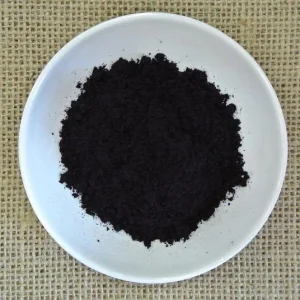
Review our specialized dyestuff formulations designed to deliver optimal light fastness, chemical stability, and vibrant color output across various industries.
 Sunrise