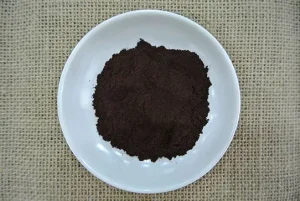
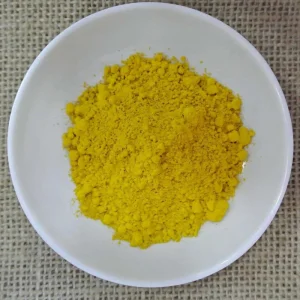
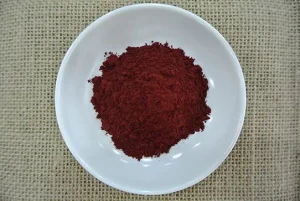
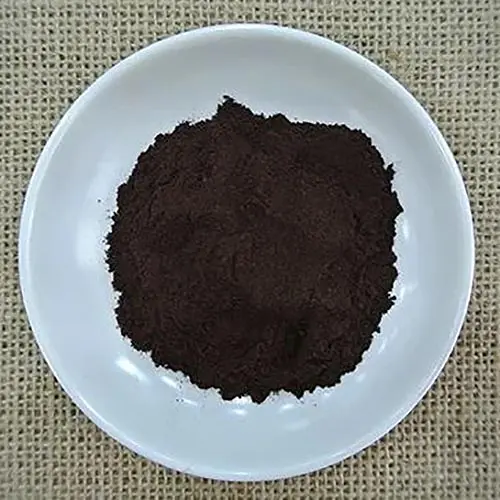
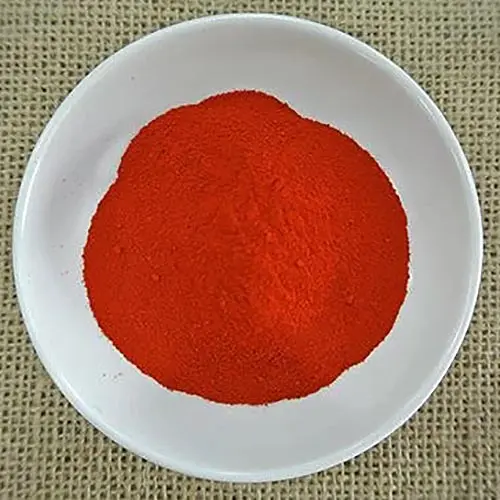
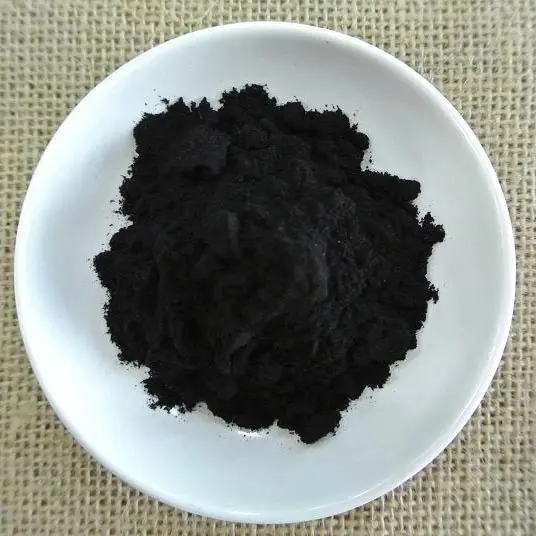
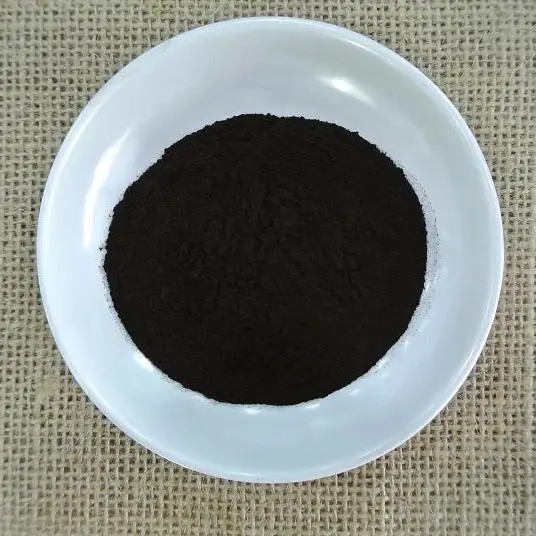
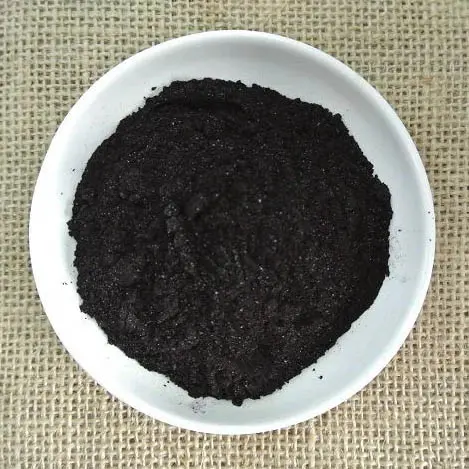
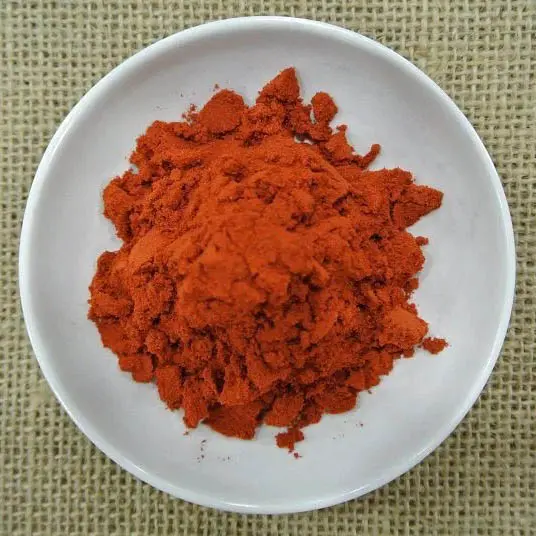
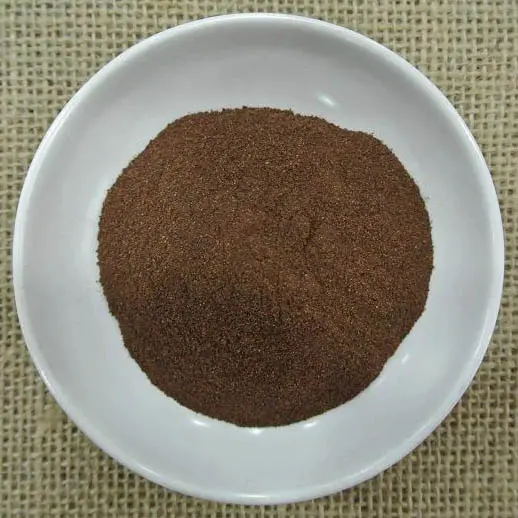
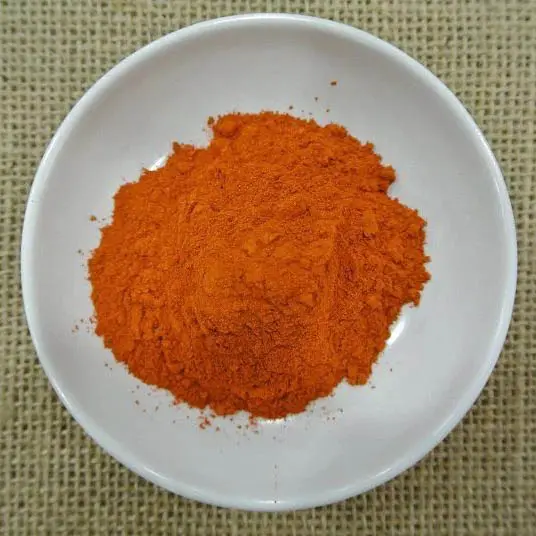
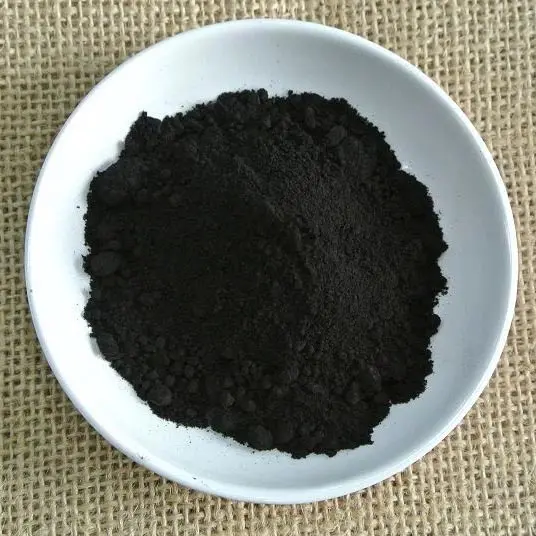
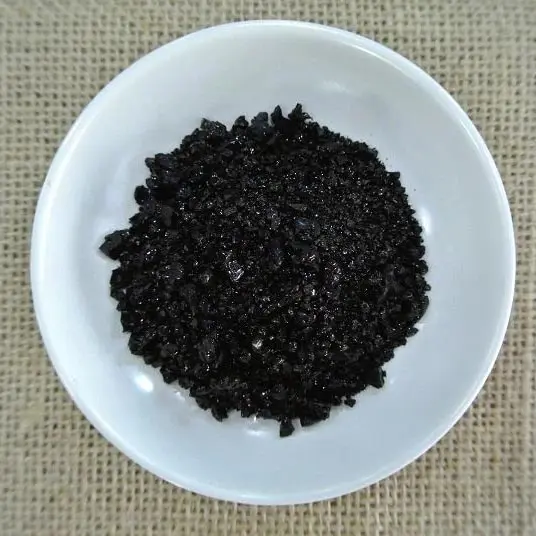
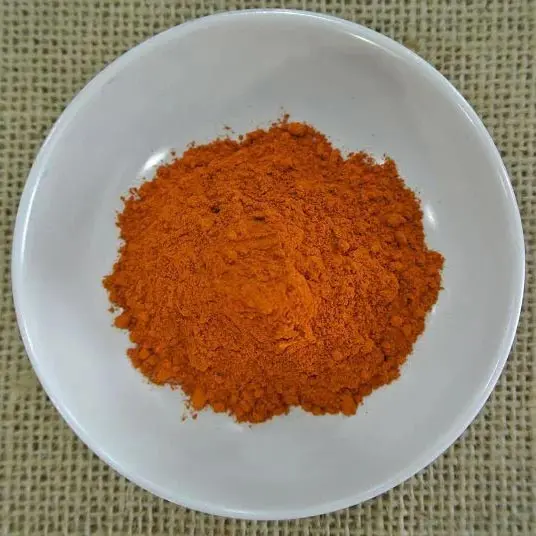
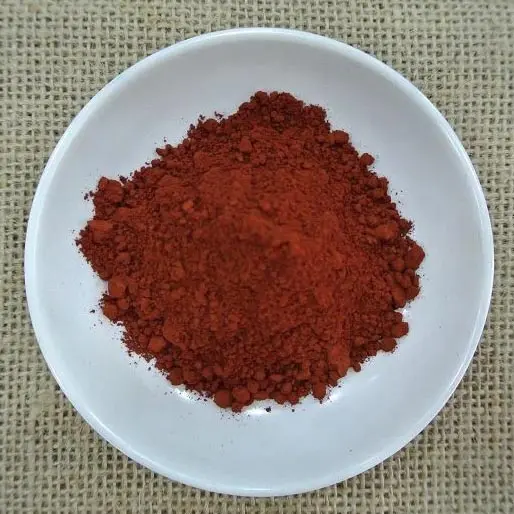
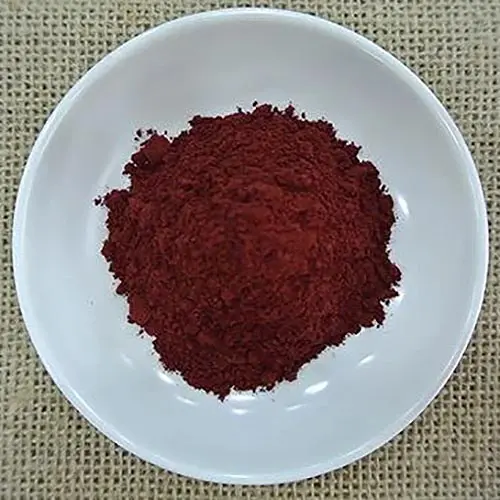
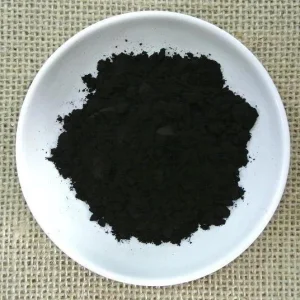
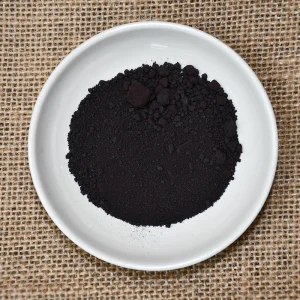
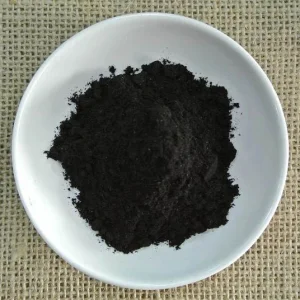
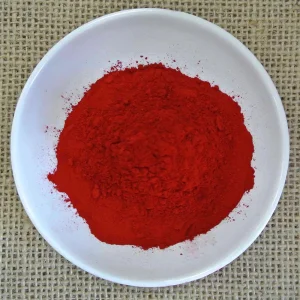
In the global chemical coloring sector, Direct Black G (also known chemically as Direct Black 38, C.I. 30235) remains an indispensable trisazo dye characterized by its exceptional water solubility, superior affinity for cellulose-containing fibers, and outstanding coloring power. Primarily utilized in bulk manufacturing contexts, this dyestuff plays a foundational role in dyeing textiles, paper pulp, and leather materials.
The commercial dynamics of Direct Black G have shifted significantly in recent years. As regulatory frameworks such as REACH and EPA standards tighten worldwide, industrial dye formulation requires not just sheer color intensity, but advanced synthesis modification, stabilization, and eco-compliance. Global buyers seek OEM manufacturers who can provide ultra-stable powder matrices and uniform liquid complexes that optimize fiber adsorption rates, thereby decreasing wastewater chemical load. At Tianjin Sunrise Chem Group, we address these modern challenges with cutting-edge extraction processes and custom formulation, securing our position as a leading global manufacturer and exporter.
Tianjin Sunrise Chem Group specializes in manufacturing high-quality dyestuffs. Our vast portfolio includes Direct dyes, Acid dyes, Basic dyes, Sulphur dyes, Solvent dyes, Liquid dyes, and Fluorescent dyes. Backed by decades of industry and export experience, we have built an unshakeable reputation for reliability and excellence, serving global clients across denim production, textile finishing, leather processing, paper mills, and industrial plastics.
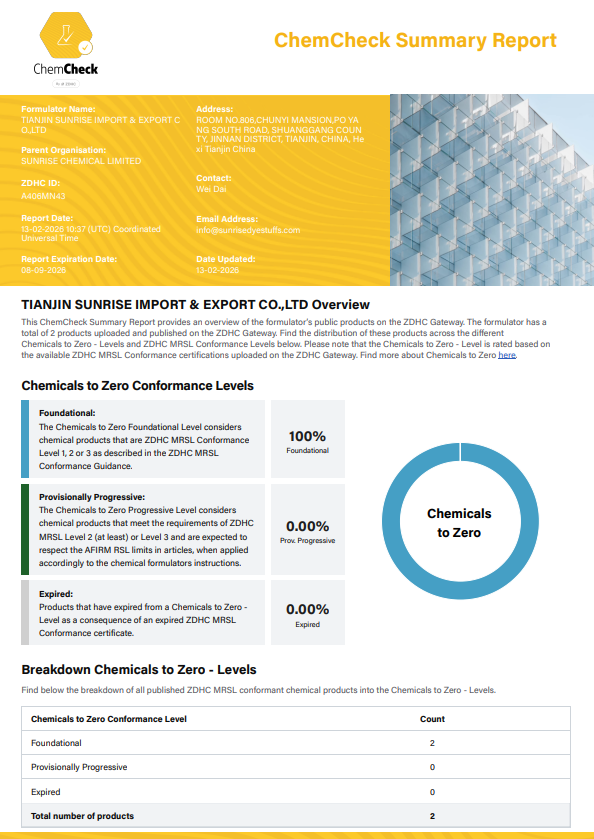
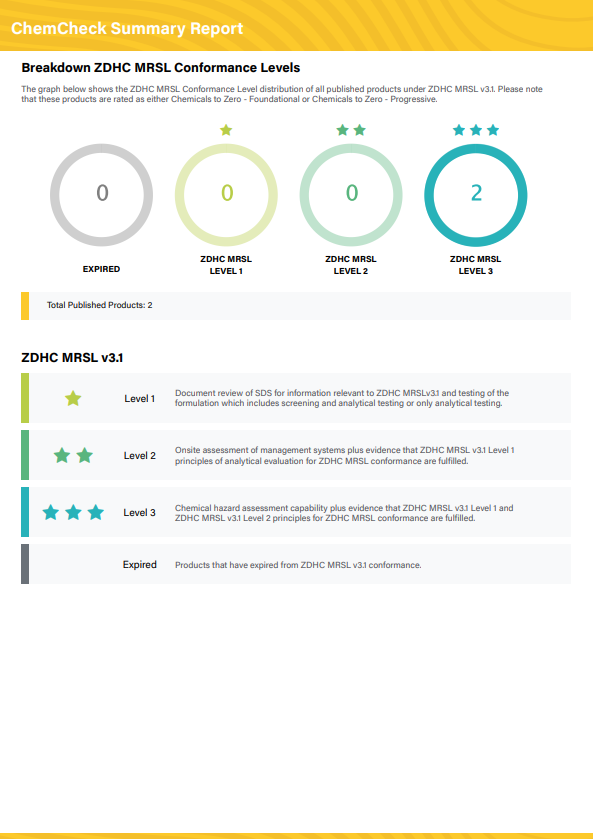
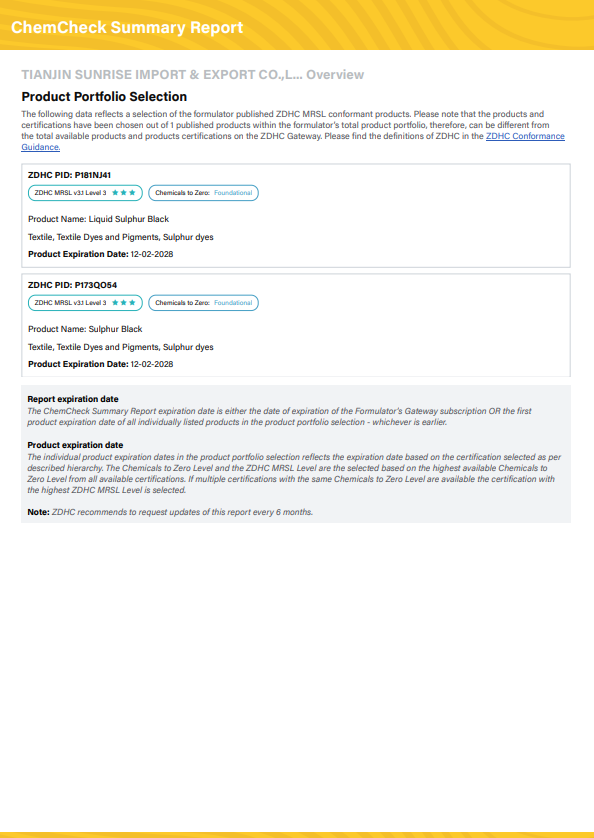
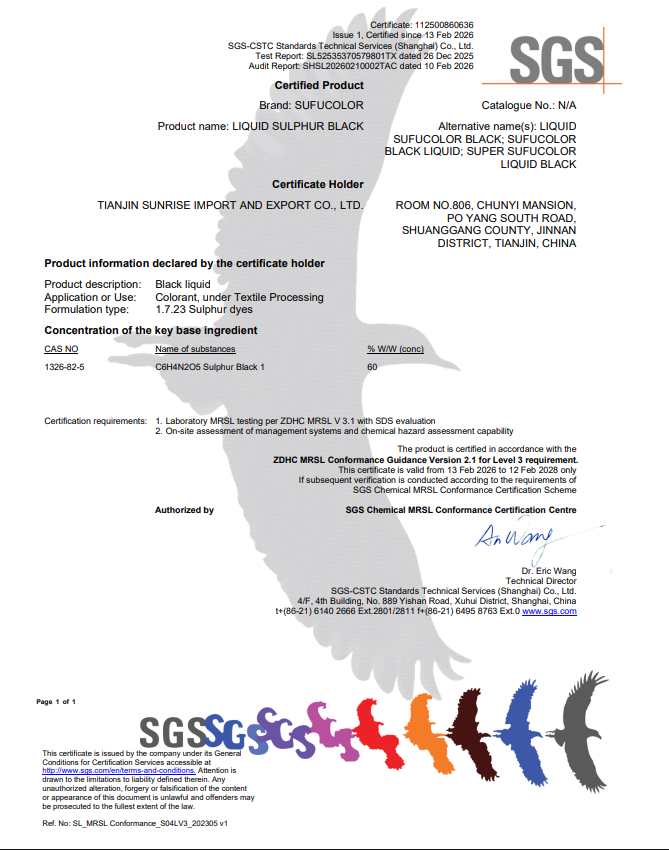
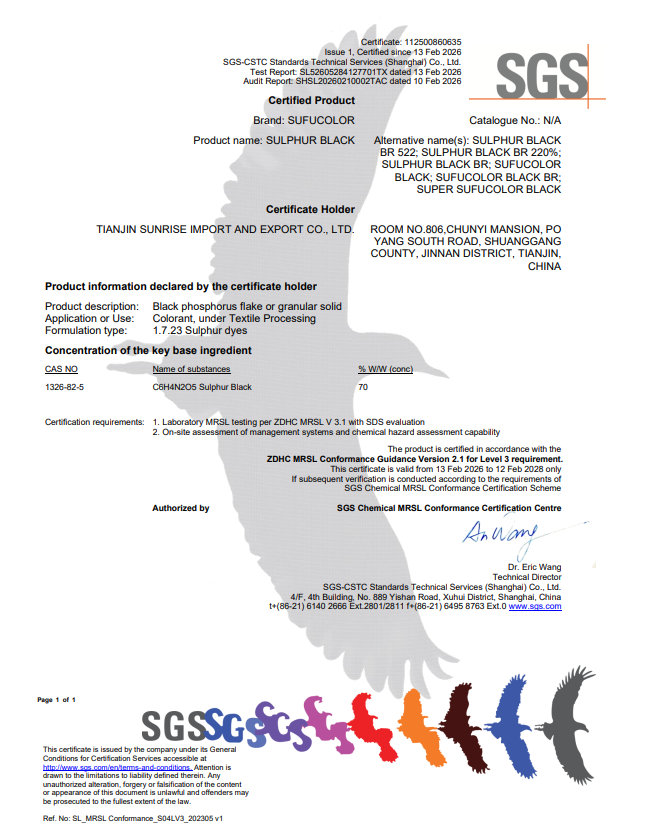
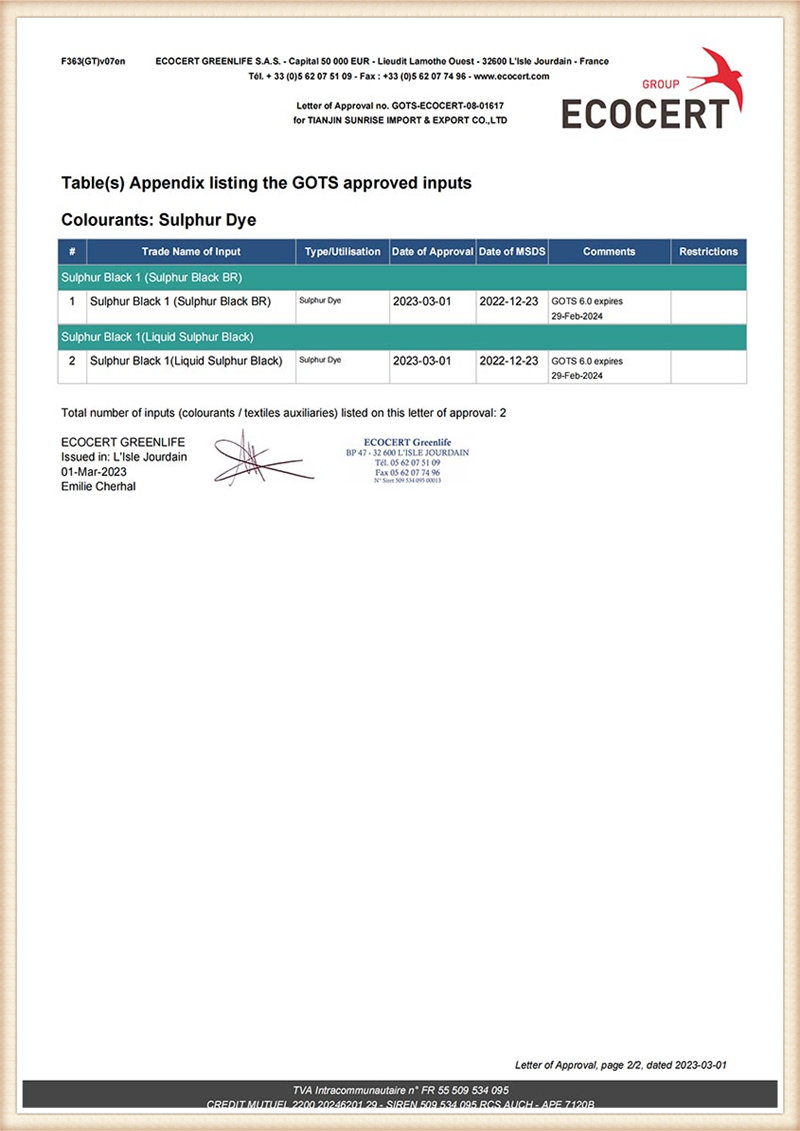
We highly focus on goods quality and stability. Every batch is rigorously analyzed and tested before transport, ensuring zero deviation between pilot samples and final shipments. With certifications like ZDHC Level 3 and GOTS, Sunrise guarantees that your quality and environmental compliance criteria are fully met.
We pride ourselves on offering customized solutions. Our dedicated team of experts works closely with partners to understand their unique processing needs, providing customized formulations, customized packaging, and optimized viscosity indices.
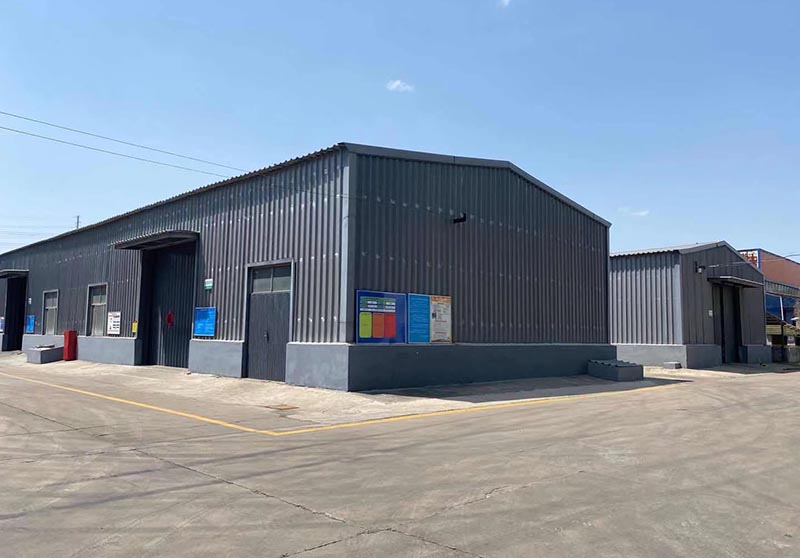
Cooperating with textile and paper mills for many years shows that the factory has established a strong and reliable business relationship. This kind of long-term collaboration brings numerous benefits, such as consistent orders, shared resources, and mutual technical support. It also indicates that the factory has a good track record of delivering quality products and meeting the needs of its partners.
Our mission is to drive business growth by providing reliable and customized products. Our goal is to make a significant contribution to our customers' success by consistently delivering first-class products and exceptional customer service. By building lasting partnerships, we strive to be a catalyst for our clients' success.
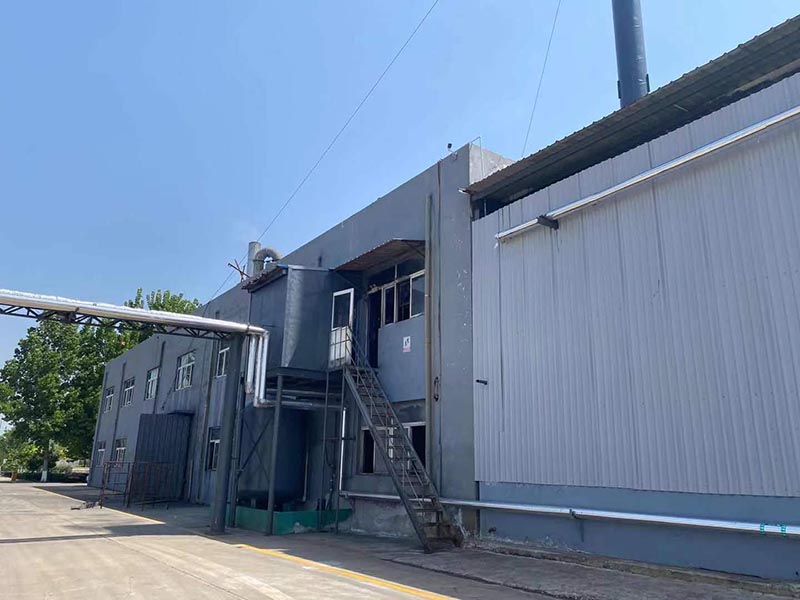
Direct Black G is globally acknowledged for its adaptability, but its performance depends significantly on localized processing conditions, water hardness parameters, and fiber quality. Below, we examine the four primary localized applications of Direct Black G.
In South and Southeast Asian textile clusters, Direct Black G is highly valued for dyeing cotton, wool, and silk. Because cellulosic fibers carry a net negative surface charge in water, our localized formulations incorporate optimized electrolyte packages (sodium chloride or sodium sulfate) to decrease electrical repulsion, enabling deep shade penetration and exceptional color yields.
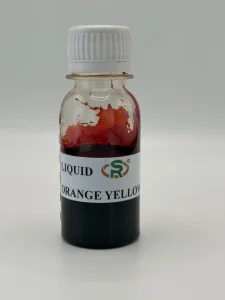
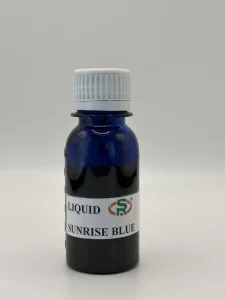
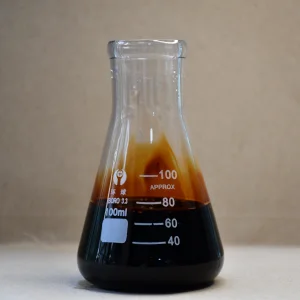
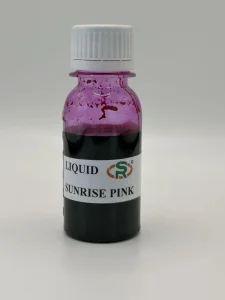
Paper mills in East Asia and Europe utilize Direct Black G for deep coloration of cardboard, writing paper, and packaging materials. For these systems, we offer a liquid Direct Black G modification. Liquid delivery eliminates the occupational health hazard of dust inhalation, integrates seamlessly into continuous dosing pumps, and boasts excellent bleed resistance on recycled pulp.
In the leather manufacturing hubs of South America and Southern Europe, Direct Black G is widely used for chrome-tanned and vegetable-tanned leathers. Our specialized formulation delivers excellent fiber penetration, preventing dye migration during fatliquoring and maintaining an even tone across grain defects.
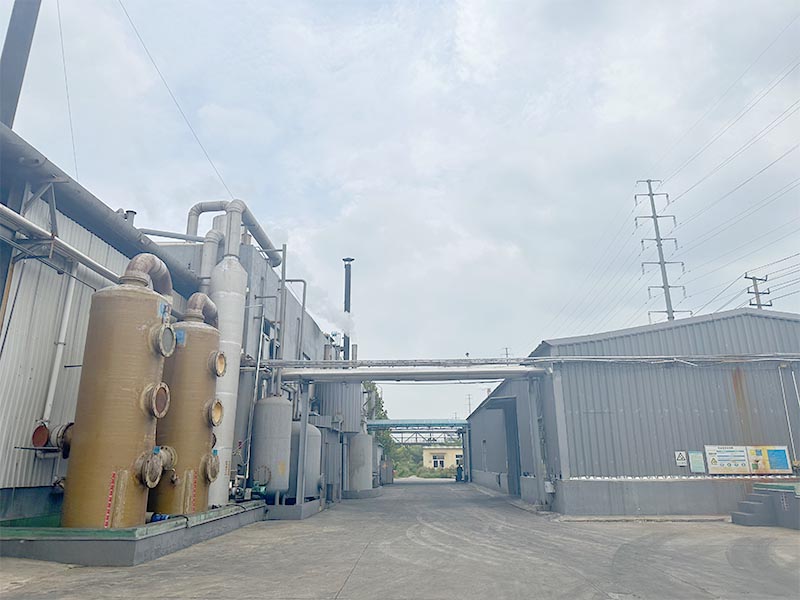
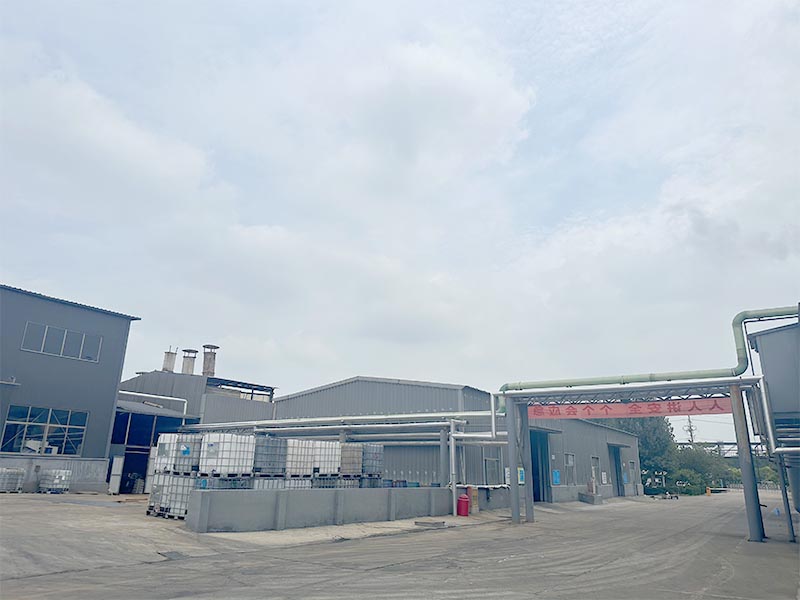
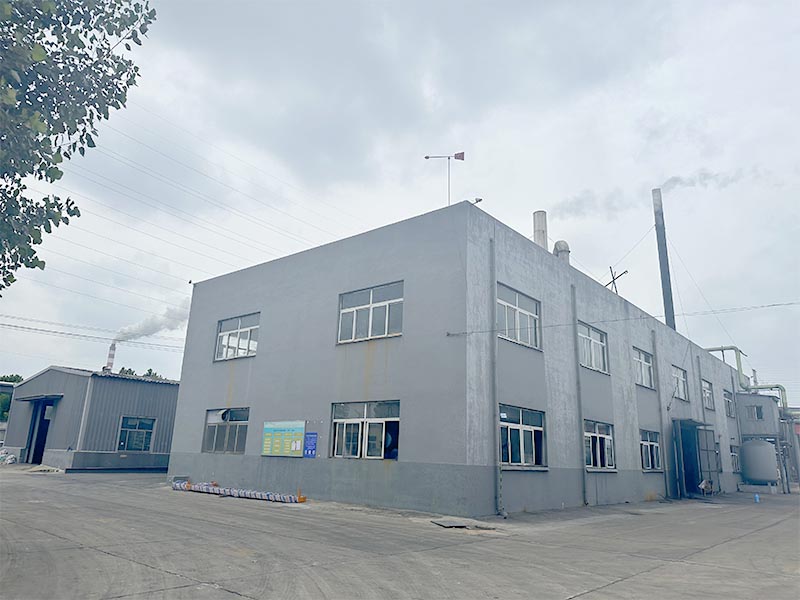
In chemical manufacturing, supply chain stability is just as critical as chemical purity. Sunrise Chem Group's manufacturing facility in China leverages the country's unparalleled chemical industry infrastructure to guarantee consistent output and stable pricing, even during global market shifts.
By positioning our synthesis lines within established chemical industrial parks, we maintain direct pipeline access to key raw materials. This proximity reduces overland transport costs, insulates our operations from raw material market volatility, and allows us to consistently meet large-scale OEM orders.
Our strategic location near Tianjin Port—one of the largest deepwater ports in Northern China—allows us to minimize cargo transit times. With regular shipping routes to Europe, North America, Southeast Asia, and Latin America, we coordinate reliable container shipping schedules with standard export customs clearance.
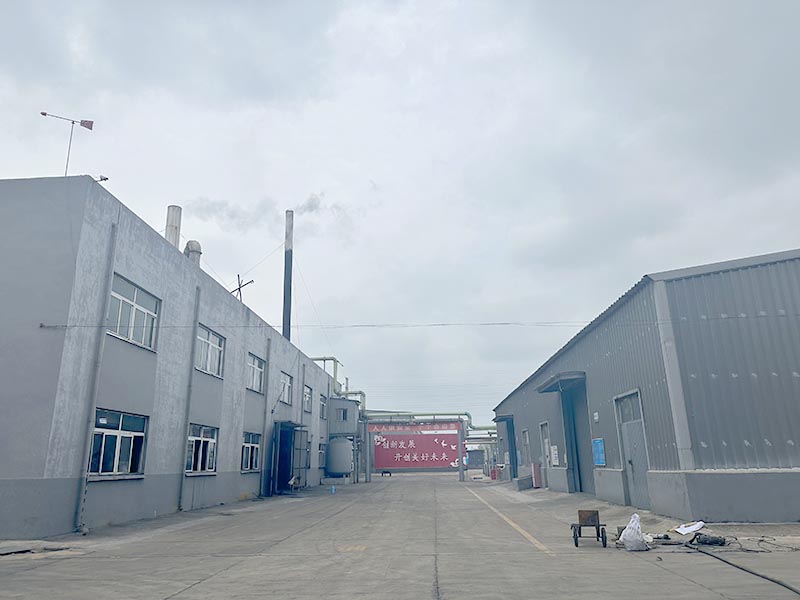
As a forward-looking OEM manufacturer, Tianjin Sunrise Chem Group continuously updates its technical roadmap. We focus on enhancing dye performance while minimizing environmental impact, steering our research toward three primary innovations:
Traditional formulations of Direct Black 38 relied on benzidine intermediates, which are restricted under modern environmental regulations. Sunrise has spearheaded the transition to safe isomer configurations and biodegradable alternative intermediates. This ensures our dyes deliver the same deep black shade and affinity without generating restricted aromatic amines upon reduction.
To improve mill working conditions, our R&D department has optimized our spray-drying processes. Our modern powder dyes incorporate specialized wetting agents that suppress dust generation during dye bath preparation. We have also developed stable liquid formulations with long shelf-lives, eliminating dissolving issues entirely.
We are currently developing next-generation direct dyes that achieve optimal fixation at lower temperatures (60°C instead of 95°C). By reducing energy consumption and salt requirements in the dye bath, we help our clients meet their corporate sustainability and carbon reduction goals.
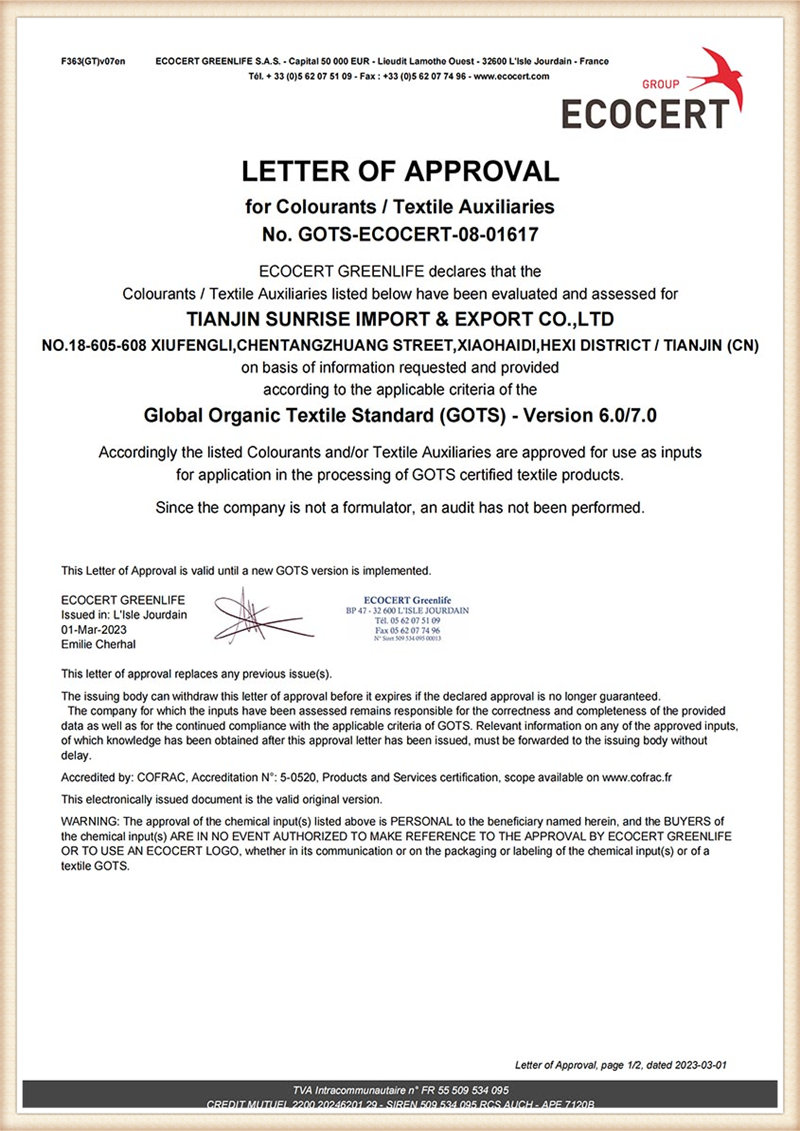
Environmental responsibility is at the heart of our operations. Modern textile brands must guarantee that every raw material entering their supply chain complies with strict chemical safety regulations. Sunrise addresses these requirements through proactive testing and certification.
Our facility has achieved ZDHC Level 3 certification—the highest level in the Zero Discharge of Hazardous Chemicals roadmap. This confirms that our manufacturing processes, chemical inputs, and waste management systems are verified to prevent the use and release of restricted substances.
Additionally, our GOTS (Global Organic Textile Standard) certified dyes ensure that organic textile manufacturers can utilize our products while maintaining full organic status from harvest to final garment.
Both certifications are key for sustainable textile production. ZDHC focuses on eliminating hazardous chemicals, while GOTS guarantees organic and socially responsible textile processing.
To assist procurement managers, dye chemists, and regulatory officers, we have compiled answers to frequently asked technical and commercial questions about Direct Black G.
Direct Black G features a linear, coplanar molecular structure that aligns parallel to the cellulose polymer chain. This structural layout allows the dye to form strong hydrogen bonds and Van der Waals forces with the fiber's hydroxyl groups, achieving reliable direct fixation without requiring mordants.
We use strictly controlled intermediates and conduct regular chromatography tests on finished batches. This ensures that any trace aromatic amines remain well below the limits set by OEKO-TEX, REACH, and ZDHC Level 3 guidelines.
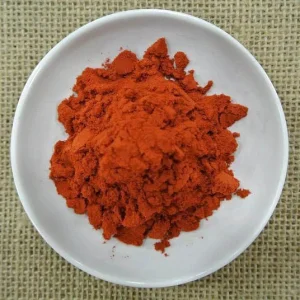
Powder formulations offer exceptional long-term stability and high color concentration, making them ideal for long-distance transport. Liquid formulations, while slightly lower in active concentration, eliminate dust hazards, simplify dye bath preparation, and integrate seamlessly into automated continuous dosing systems.
Adding electrolytes like NaCl or Na2SO4 reduces the negative surface charge of cellulose fibers in water. For pale shades, we recommend adding electrolyte in portions mid-cycle to prevent uneven uptake. For deep shades, salt can be added at the start of the cycle to maximize exhaustion.
When stored in its original sealed packaging in a cool, dry, well-ventilated warehouse away from direct sunlight, our powder dyes have a shelf life of up to 5 years. Liquid formulations should be stored between 5°C and 30°C and used within 12 to 18 months to prevent settling.
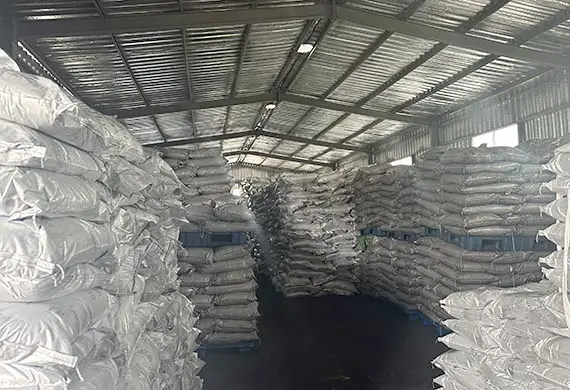
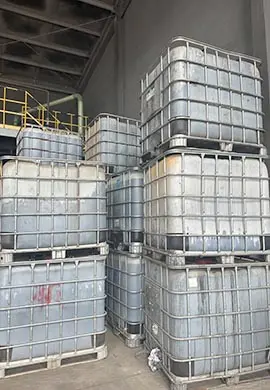
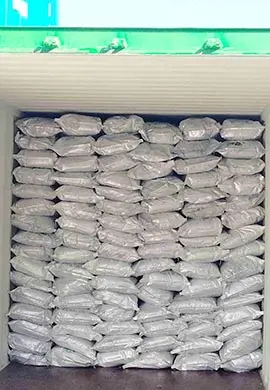
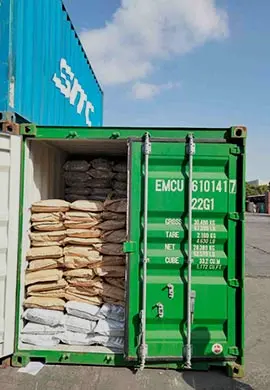
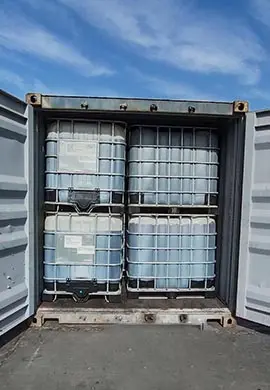
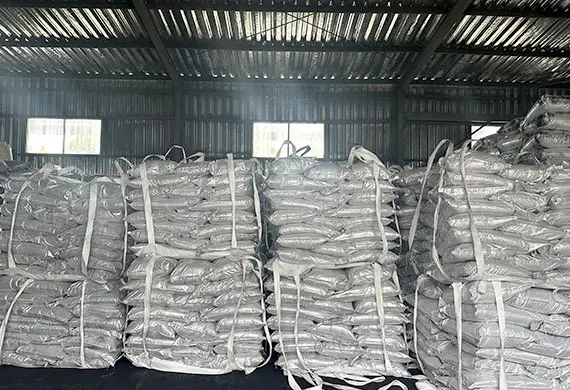
We manage complex international chemical shipments daily, ensuring all materials are packed, secured, and documented in full compliance with global customs regulations. Below are real-time photos of our warehouses and export loading operations.
We build relationships with our clients based on trust and mutual benefit. We know that our customers' success is our success, so we are committed to providing quality services to meet their needs. Our dedicated customer support team is on hand to address any questions or concerns you may have. We value your feedback and strive to continuously improve our operations to serve you better.
Our purpose is not just to supply dyes, but to be your trusted partner in achieving your business goals. By choosing us, you choose a partnership built on reliability, transparency and mutual success. Contact us today and let's embark on a journey to success together.
 Sunrise