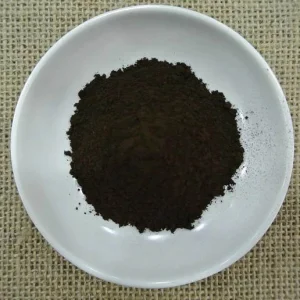
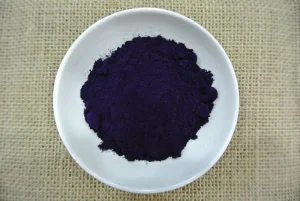
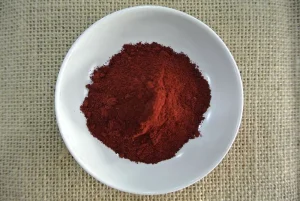
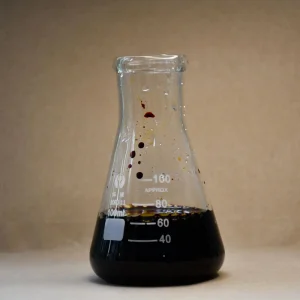
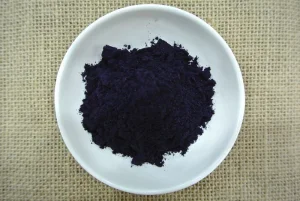
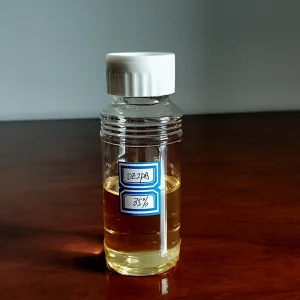
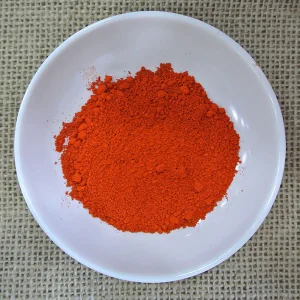
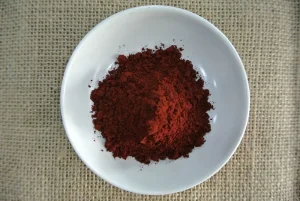
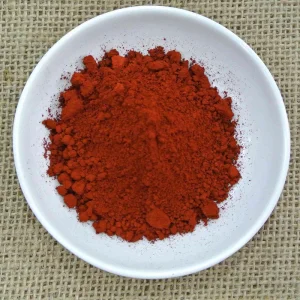
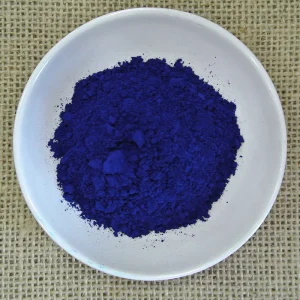
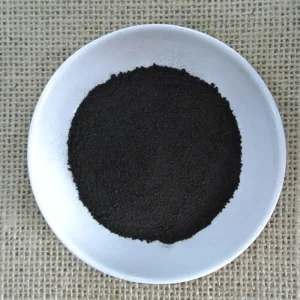
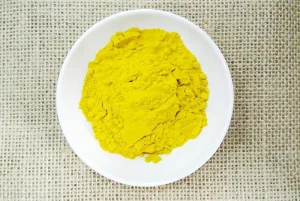
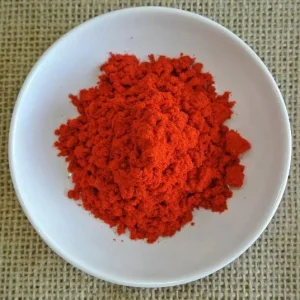
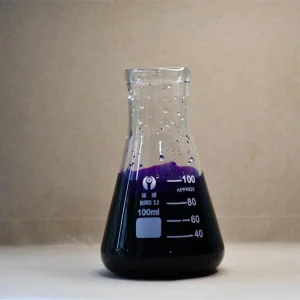
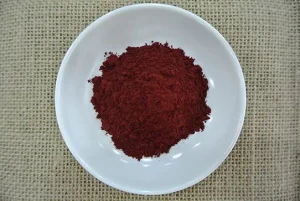
Direct from leading global manufacturing nodes. Click to inspect physical properties, batch certifications, and target substrate suitability.
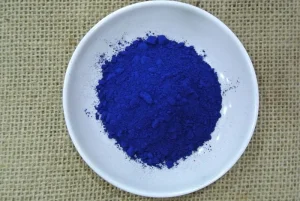
Tianjin Sunrise Chem Group specializes in manufacturing high-quality dyestuffs. Our diverse product portfolio includes Direct dyes, Acid dyes, Basic dyes, Sulphur dyes, Solvent dyes, Liquid dyes, and Fluorescent dyes. Backed by decades of industrial formulation and export experience, we have built an unshakeable reputation for reliability and excellence, serving global enterprises spanning denim manufacturing, textile production, leather tanning, paper mills, and industrial plastics formulation.
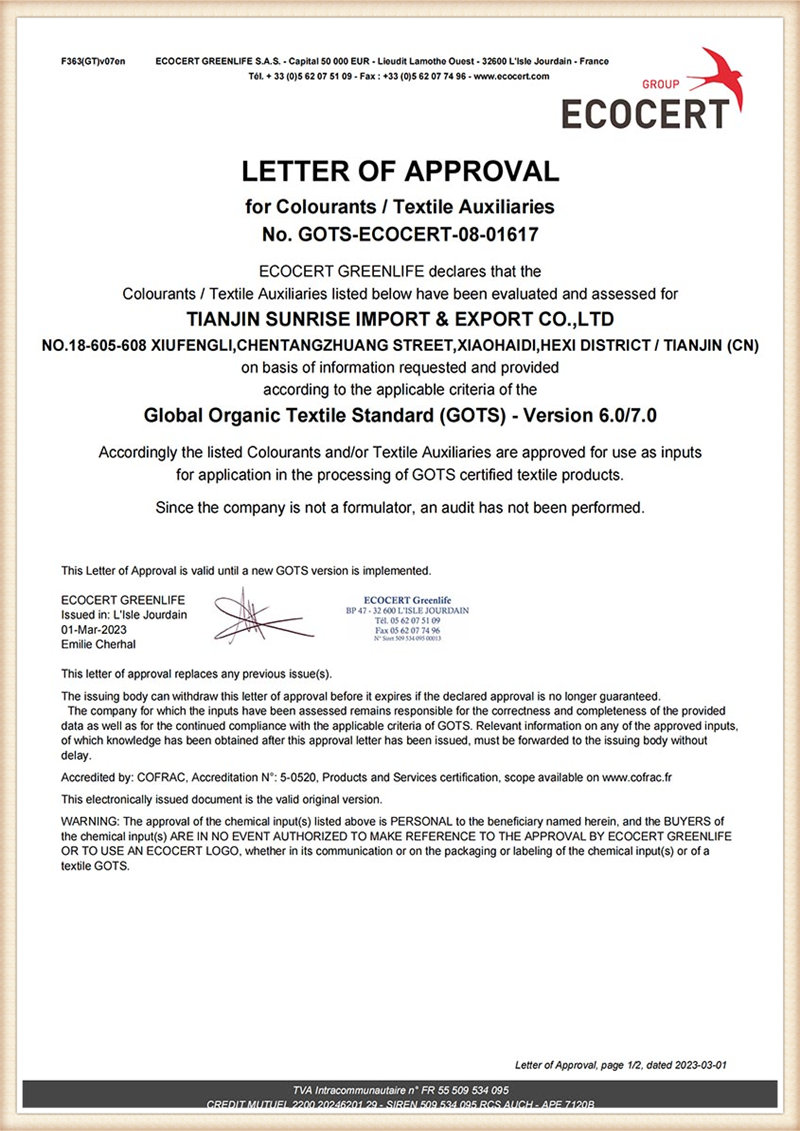
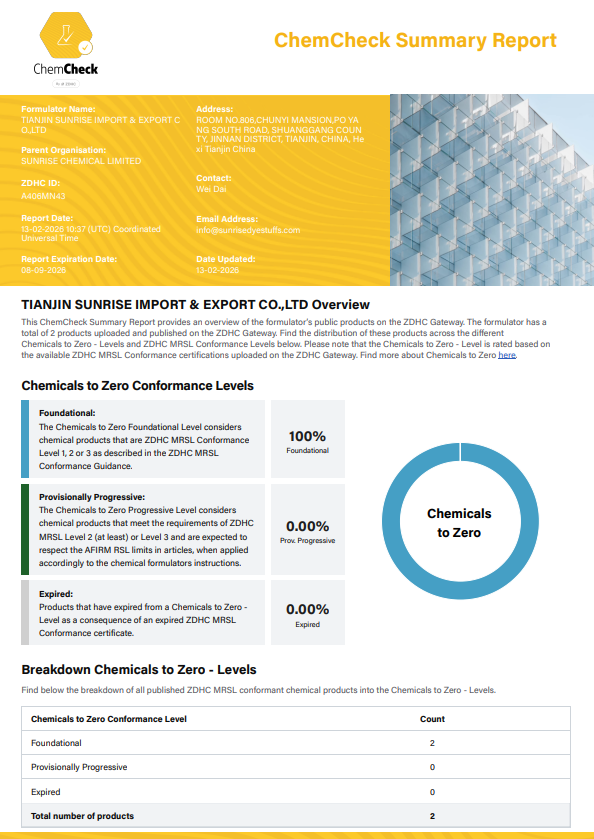
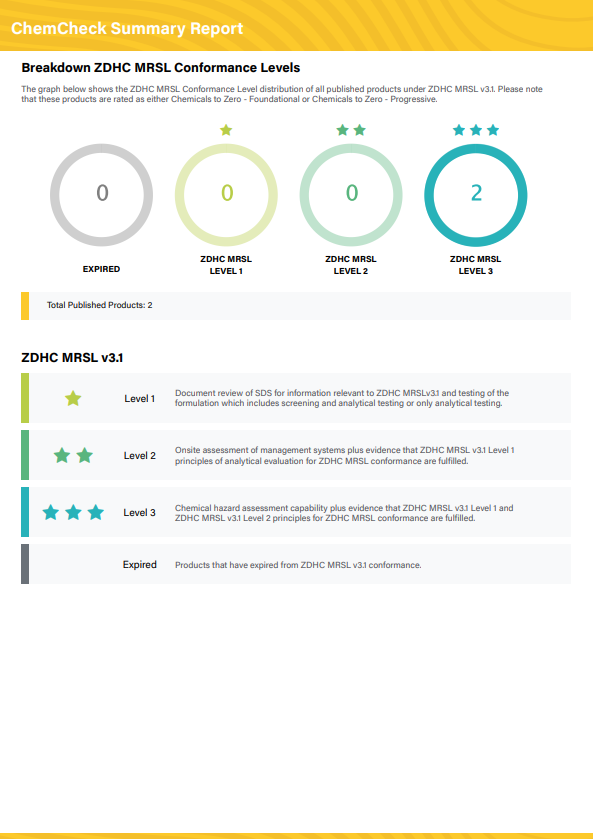
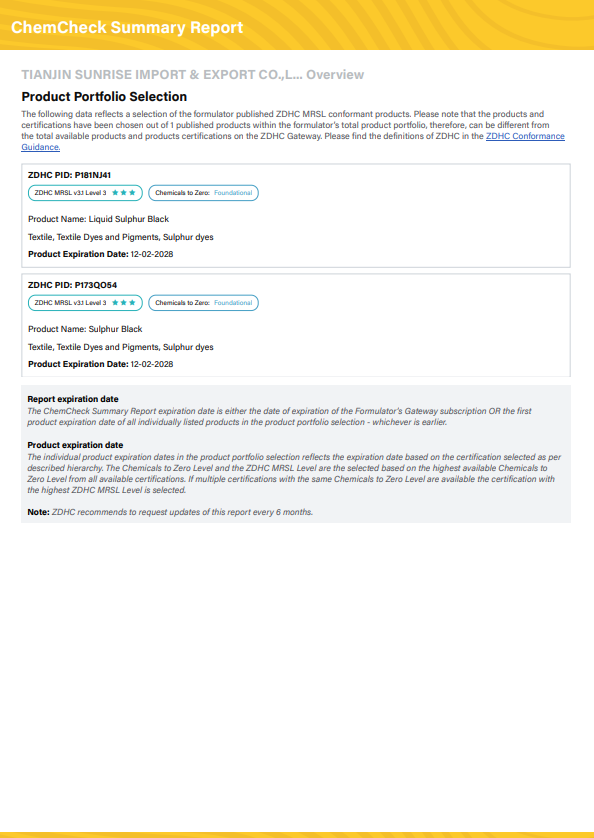
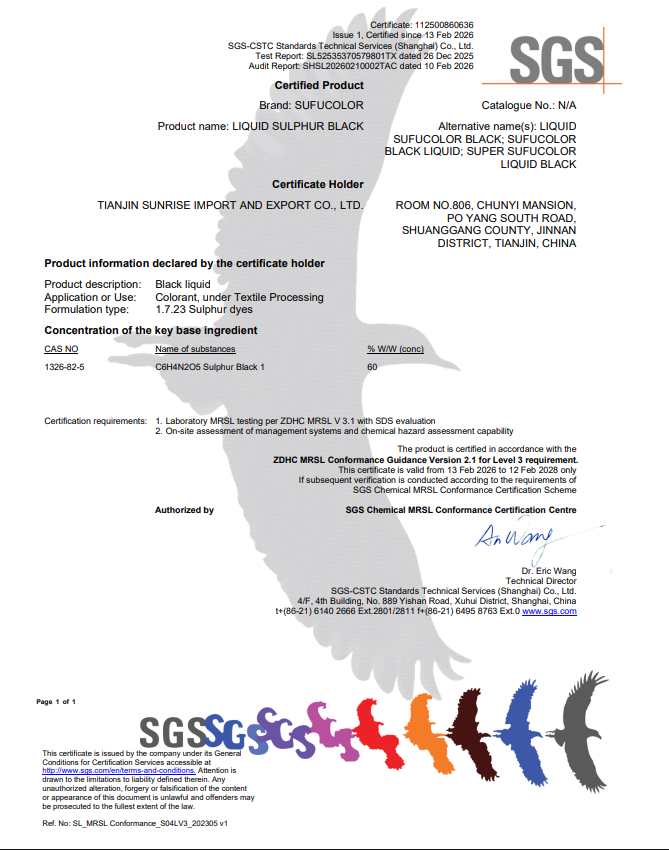
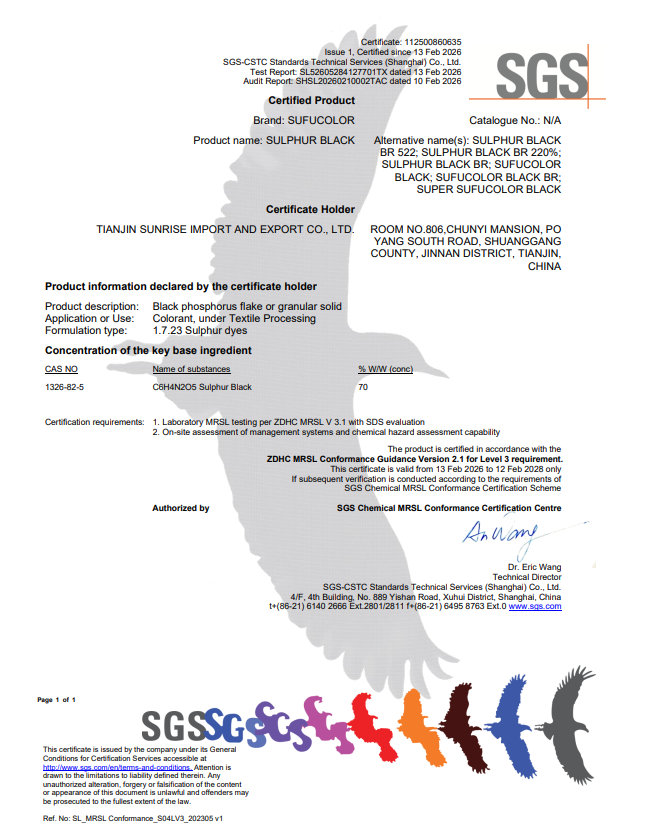
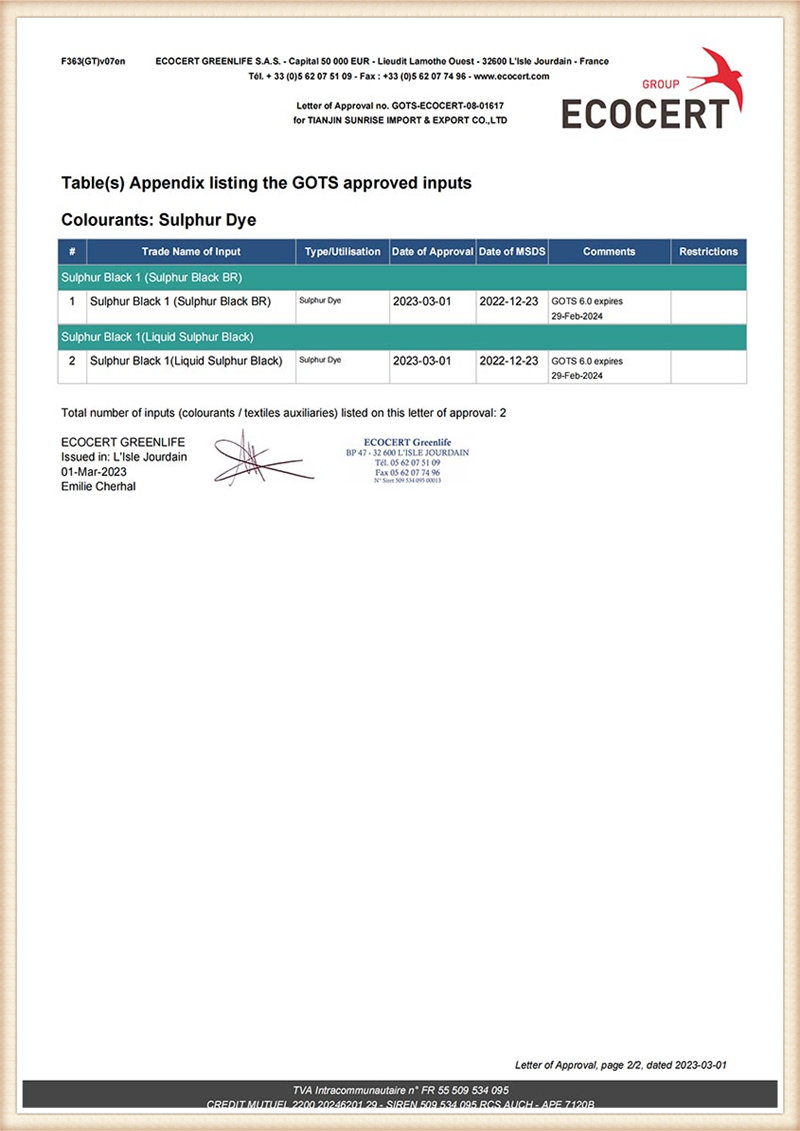
We focus aggressively on product quality, physical-chemical consistency, and molecular purity. Every dispatch undergoes rigorous laboratory validation before transit to export ports. Our alignment with strict sustainability frameworks—such as ZDHC Level 3 and the Global Organic Textile Standard (GOTS)—provides clients with verified supply security and brand protection in environmentally sensitive markets.
Basic Yellow 28 (also systematically cataloged under Color Index No. 48054) is a specialized cationic (methine) dye engineered to color polyacrylonitrile (acrylic) fibers, modified polyesters, and cationic dyeable fabrics. Structurally, the dye molecule contains a positively charged chromogenic system that establishes highly stable ionic bonds with the anionic (negatively charged) sites on acrylic fibers. This chemistry creates vibrant colors and outstanding wash fastness.
Technical Profile of C.I. Basic Yellow 28 (Methine Cationic Dye):
• Molecular Formula: C21H27N3O2S (standard base form)
• CAS Registry Number: 54060-92-3 / 12220-38-5
• C.I. Nomenclature: C.I. 48054
• Physical Form: Available in high-solubility yellow powder or stabilized liquid formulation
• pH Working Range: Highly stable between pH 3.0 to 5.5 in the dye bath
The compound's high affinity for acrylic fibers requires controlled temperatures during application. Unlike direct or acid dyes, cationic dyes like Basic Yellow 28 have a critical temperature range (usually between 75°C and 90°C) where dye uptake occurs rapidly. This behavior requires using advanced leveling agents and precise temperature ramps in modern jet and package dyeing machines.
The global demand for Basic Yellow 28 is closely linked to the synthetic fiber industry. In regions like East Asia, South Asia, and the Middle East, production of acrylic yarn, blankets, carpets, and high-pile outerwear drives steady demand. The dye is favored for its brightness and strong resistance to light degradation.
Our long-term partnerships with textile and paper mills highlight the benefits of consistent dye delivery. A reliable supply chain minimizes shade variation, reduces waste, and helps mills hit strict production deadlines. Sunrise Chem Group provides tailored solutions that help facilities optimize dye bath exhaustion and minimize environmental impact.
Different textile hubs require customized dye behaviors to suit local water qualities, machinery standards, and chemical regulations:
Compliance with REACH, GOTS, and ZDHC guidelines is critical. Dyes must be free of restricted arylamines and heavy metals. They also need to offer reliable wash fastness to meet strict consumer retail standards.
Industrial mills require dyes with high light fastness to resist fading from sun exposure. Basic Yellow 28 is frequently blended with Basic Blue 41 and Basic Red 46 to produce stable earth tones for acrylic carpets and upholstery.
Textile mills focus heavily on fast processing speeds and consistent dyeing. Dyes must offer excellent solubility to prevent spotting in high-speed package and beam dyeing systems.
Modern chemical processing relies on rigorous environmental management. As a leading manufacturer, Tianjin Sunrise Chem Group ensures compliance with global ecological standards:
The Zero Discharge of Hazardous Chemicals (ZDHC) program aims to eliminate hazardous chemicals from the global textile supply chain. Our ZDHC Level 3 certification ensures that our formulations are verified by third-party testing. This limits the presence of banned substances in our raw materials and final products, reducing chemical risk for our customers.
The Global Organic Textile Standard (GOTS) ensures the organic status of textiles from harvesting raw materials to responsible manufacturing. GOTS compliance verifies that our dyes meet strict criteria for toxicity and biodegradability, ensuring they are suitable for organic fiber processing.
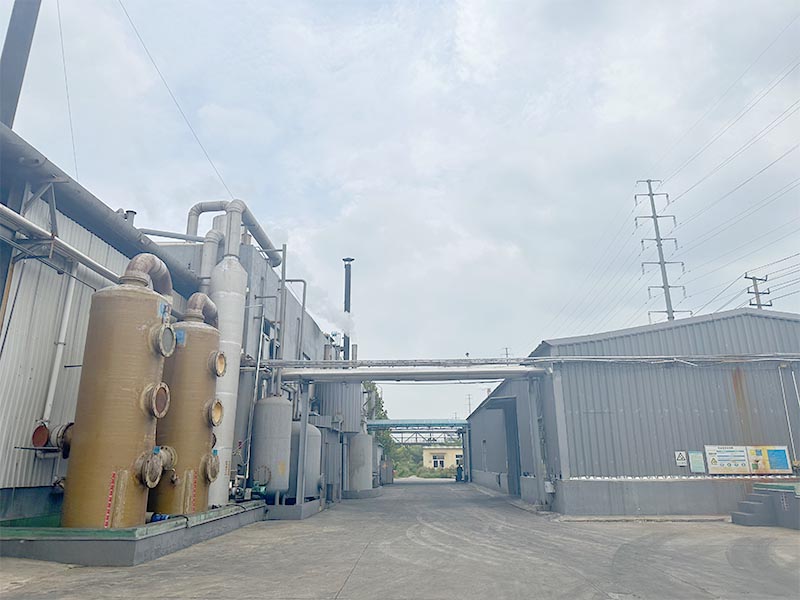
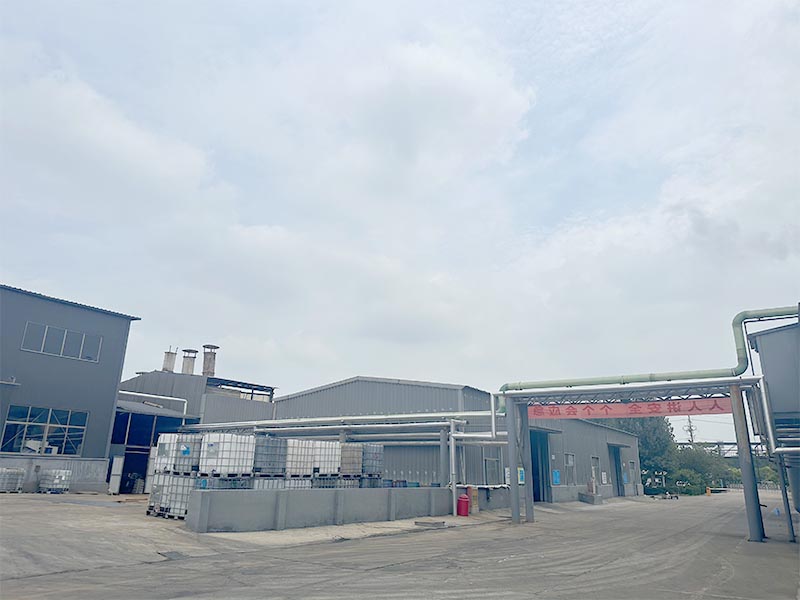
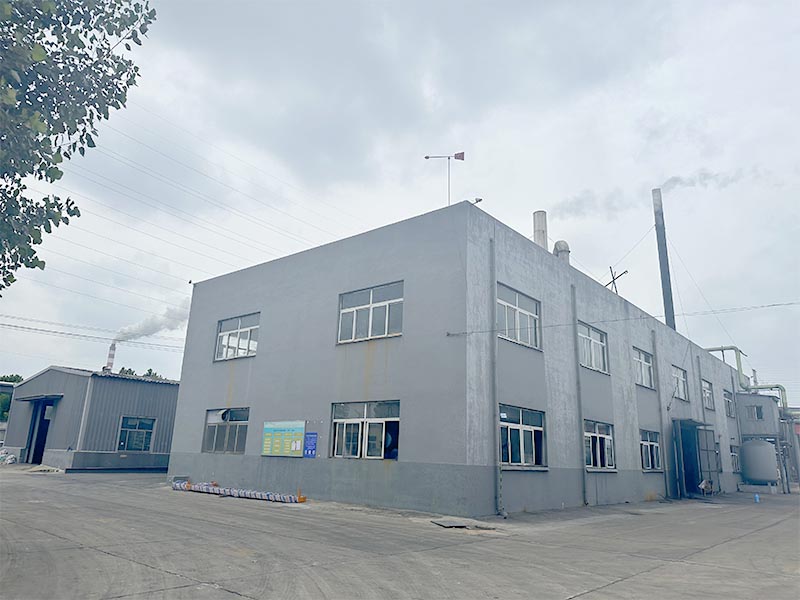
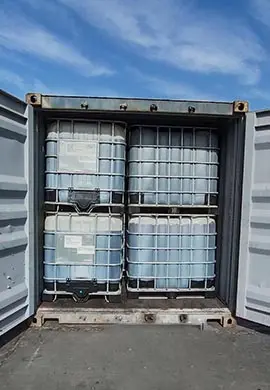
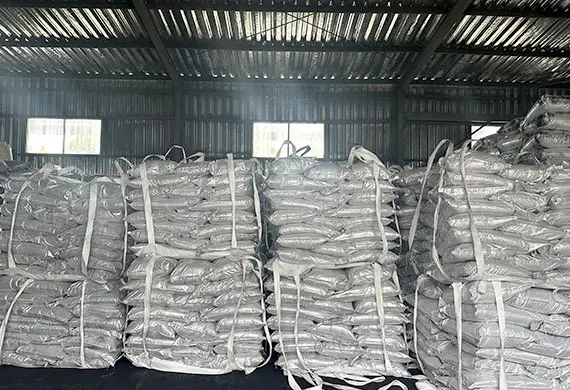
We work with international logistics providers to ensure stable supply and timely deliveries. Here is a look at our logistics and shipping operations:
To ensure optimal dyeing results, technical teams should monitor bath conditions and chemical ratios closely. Below is the recommended industrial process for using Basic Yellow 28 on acrylic fibers:
Recommended Dyeing Formula:
• Basic Yellow 28: x% (depending on shade target)
• Acetic Acid (98%): 0.5 - 1.5 g/L (to control pH)
• Sodium Acetate: 0.2 - 0.5 g/L (as pH buffer)
• Cationic Retarding Agent: 0.5 - 2.0% (to regulate dye uptake speed)
• Bath Ratio: 1:10 to 1:20 (depending on equipment setup)
• Dyeing Temperature: Heat to 98°C-100°C at a rate of 1°C per minute. Hold for 45-60 minutes, then cool slowly.
Maintaining a pH of 4.5 is crucial. At higher pH levels, some cationic dyes can hydrolyze or lose charge, leading to uneven dye uptake. Additionally, rapid cooling below the glass transition temperature of acrylic (approx. 80°C) can trap tension in the fiber, causing creasing. We recommend gradual cooling to prevent structural defects in the fabric.
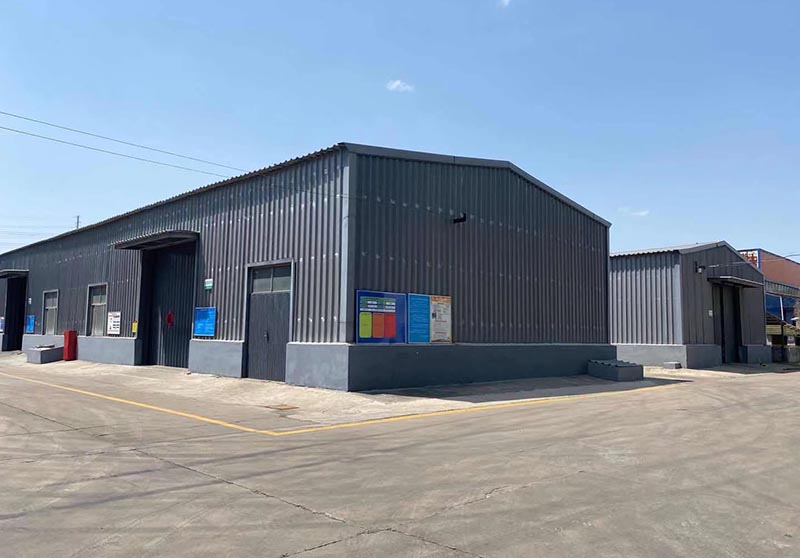
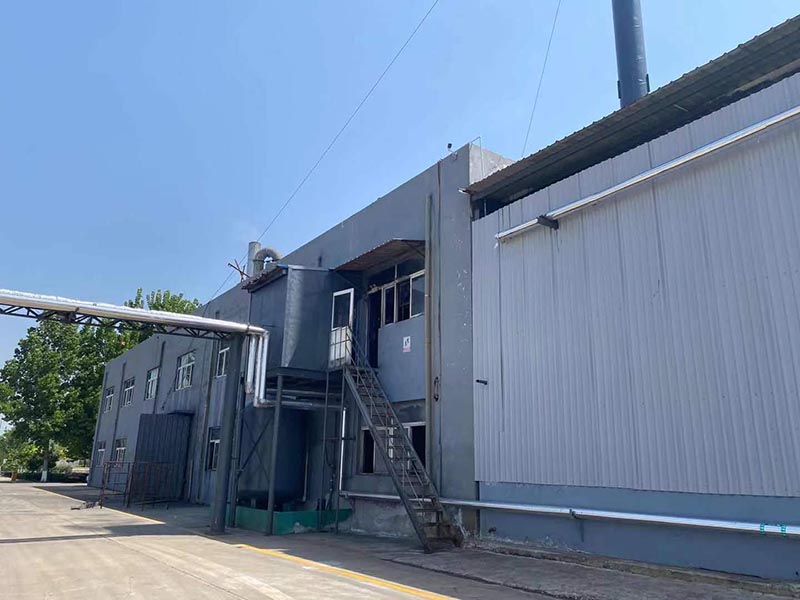
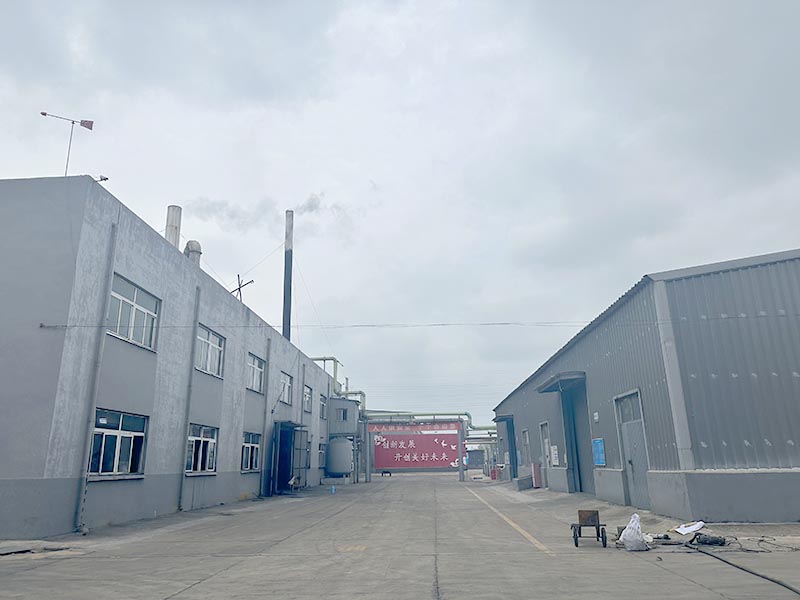
We supply colorants to textile, paper, and leather producers worldwide. Below is a view of our global manufacturing operations and certifications.
Explore our range of dyes for paper, textile, solvent ink, and polymer masterbatch processes.
 Sunrise