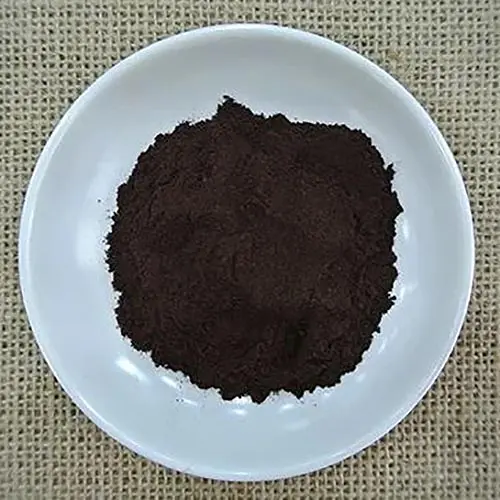
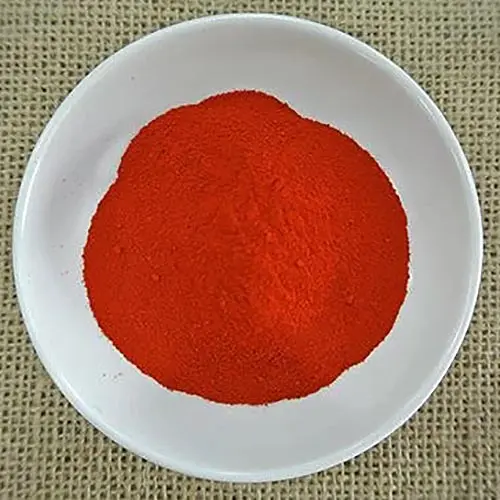
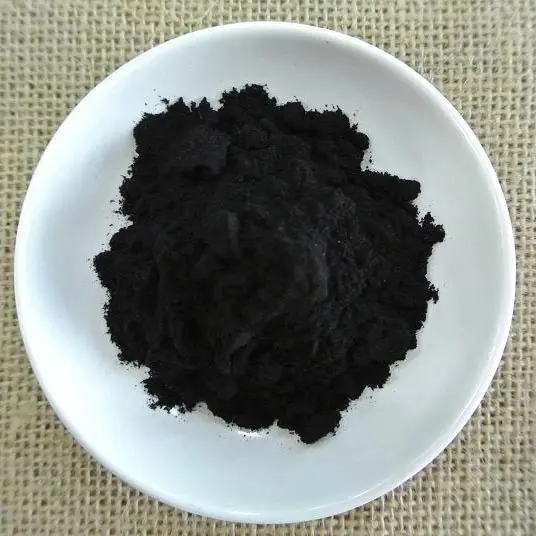
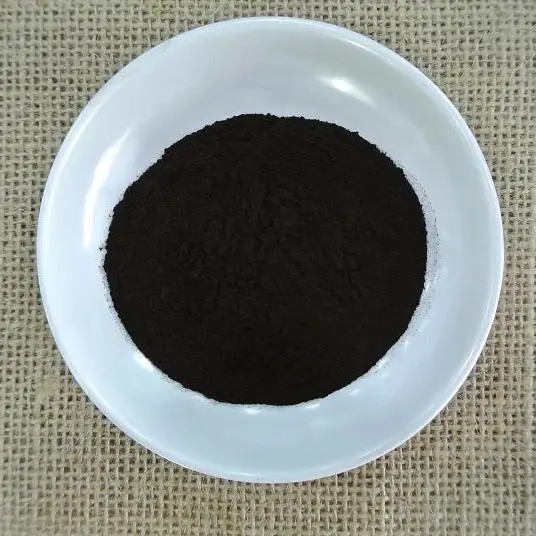
Industrial colorants formulated for premium stability, vibrant depth, and exceptional application compliance.
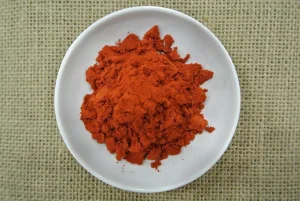
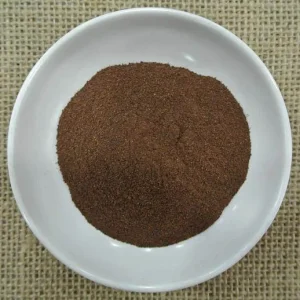
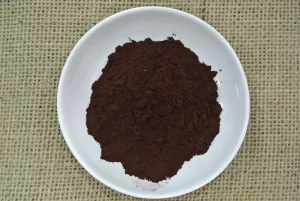
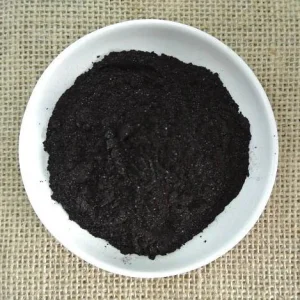
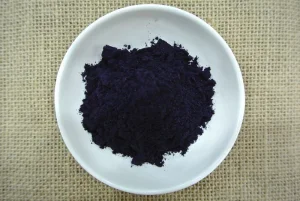
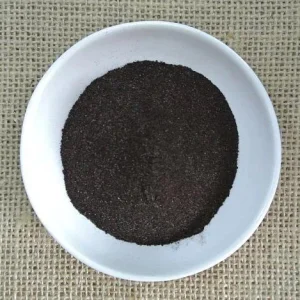
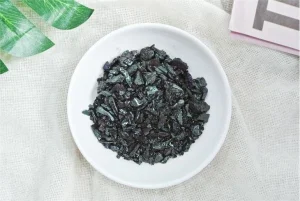
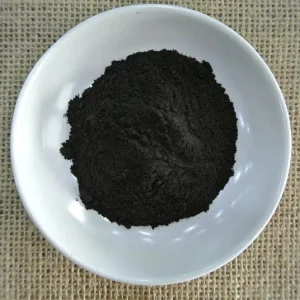
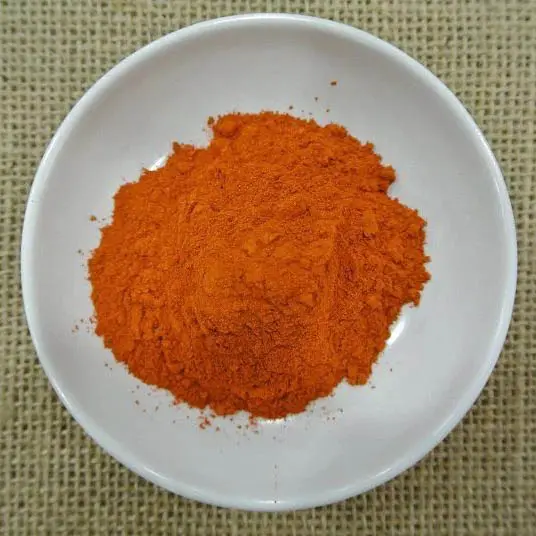
In the modern chemical processing and polymer industry, Basic Yellow 11 (C.I. Cationic Yellow 4G) stands as a crucial dye molecule optimized for coloring acrylic fibers, modacrylic, paper matrices, and specialty polymer blends. Formulated with a cationic methine-type chemical structure, Basic Yellow 11 delivers exceptional brilliance, outstanding color fastness, and uniform affinity to substrates carrying negative charges. To fulfill the stringent demands of international manufacturers, procuring the chemical from a verified OEM Basic Yellow 11 supplier ensures access to high-concentration formulations, minimized impurity footprints, and customized color profiles.
From a structural standpoint, Cationic Yellow 4G acts by forming stable electrostatic complexes with the acid groups (specifically sulfonic and carboxylic acid linkages) in acrylic polymers. This molecular affinity guarantees that once the dye molecules penetrate the amorphous areas of the fiber under high temperatures, they resist migration, fading, and degradation. Whether applied in liquid formulation for automated paper mills or in crystalline powder form for textile batch processing, maintaining standard molecular purity remains the primary benchmark for avoiding batch variation.
The high-performance synthesis of Basic Yellow 11 requires a specialized pathway to achieve maximum dye yield and control trace isomeric impurities. In professional OEM manufacturing hubs, the synthesis begins with the condensation of Fischer's base (1,3,3-trimethyl-2-methyleneindoline) with substituted benzaldehyde derivatives under controlled acidic parameters. This reaction forms the characteristic methine chromophore pathway. Maintaining the optimal pH and temperature ranges during reaction cycles determines the distribution of crystal structures, which in turn establishes the dissolution kinetics of the commercial dye powder.
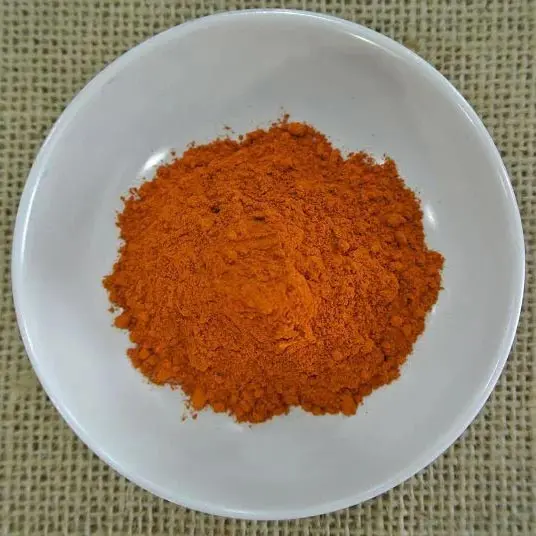
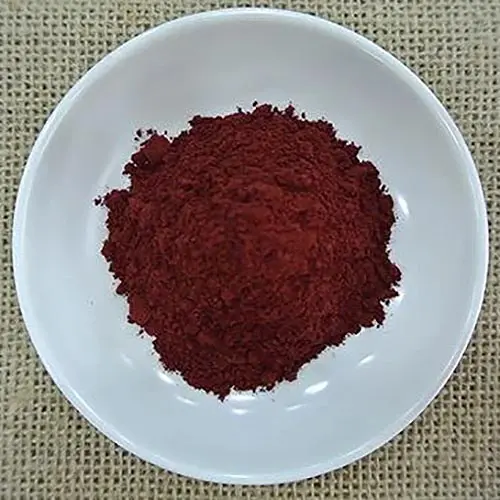
To ensure suitability for automated dosing systems, OEMs utilize membrane filtration and spray-drying technologies to control dust levels and create high-solubility granular forms. The physical parameters of Basic Yellow 11 are strictly standardized as detailed below:
Withstands elevated dyeing temperatures up to 130°C in high-pressure vessels, preserving chromatic stability without hydrolysis.
Functions optimally within a pH range of 3.5 to 5.5. Highly resilient to structural decay under mild organic acid environments.
K-value of 3.0 to 3.5 allows seamless combination with standard cationic blue and red dyes to achieve precise compound shades.
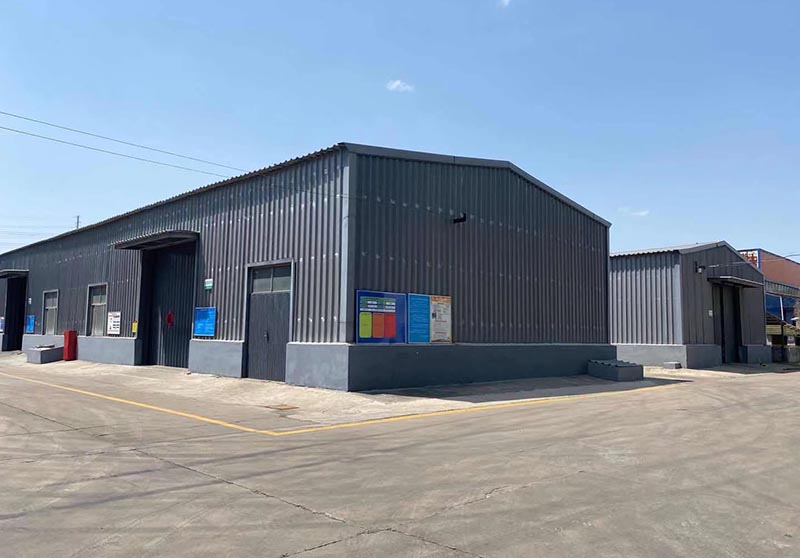
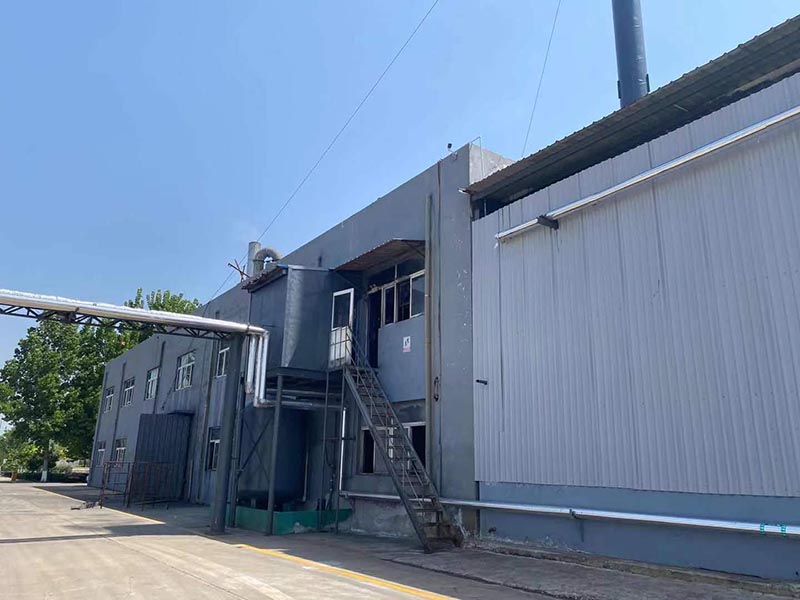
Tianjin Sunrise Chem Group specializes in manufacturing high-quality dyestuffs. Our product portfolio includes Direct dyes, Acid dyes, Basic dyes, Sulphur dyes, Solvent dyes, Liquid dyes, and Fluorescent dyes. Backed by decades of industry and export experience, we have built a reputation for reliability and excellence, serving clients from diverse sectors including denim, textile, leather, paper, and plastic.
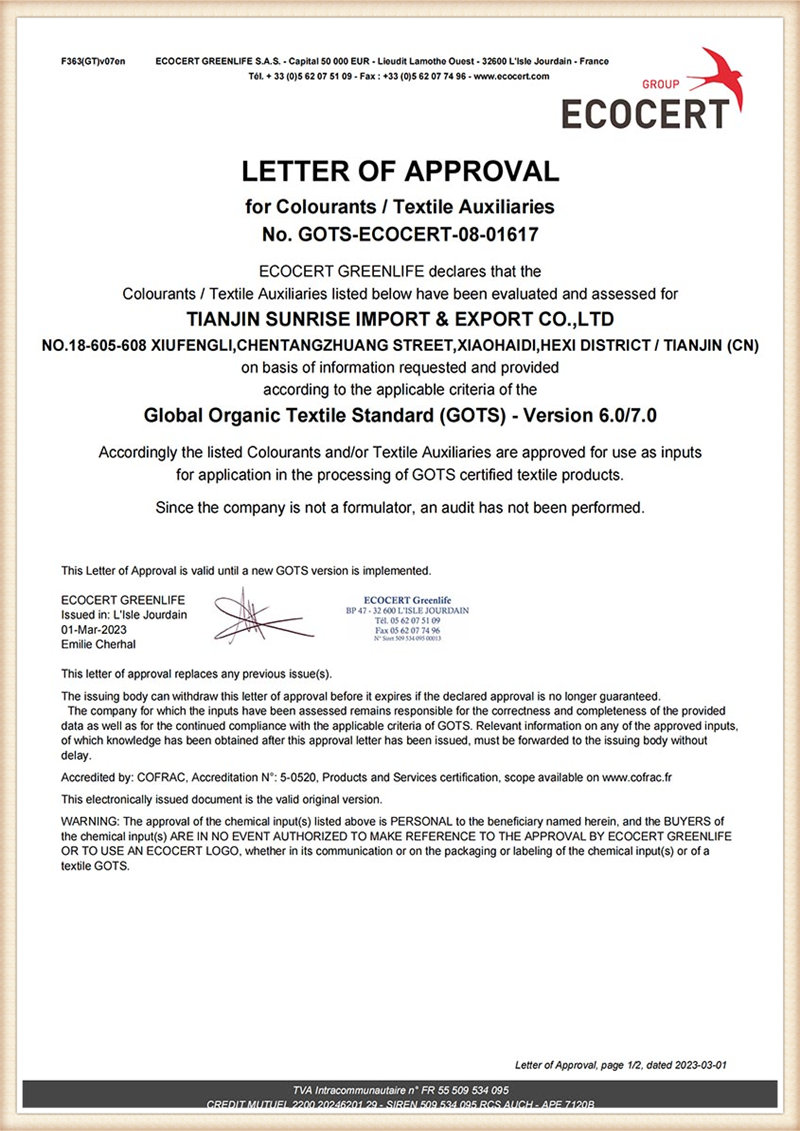
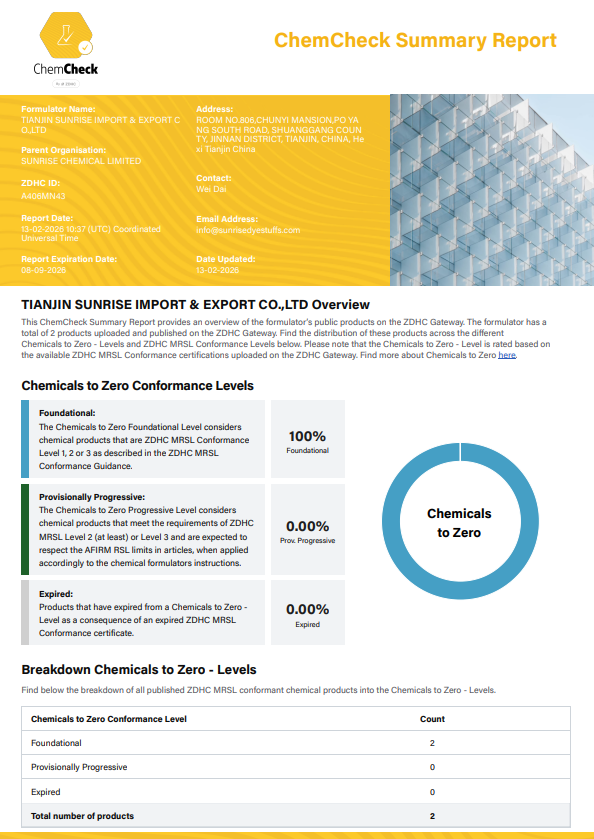
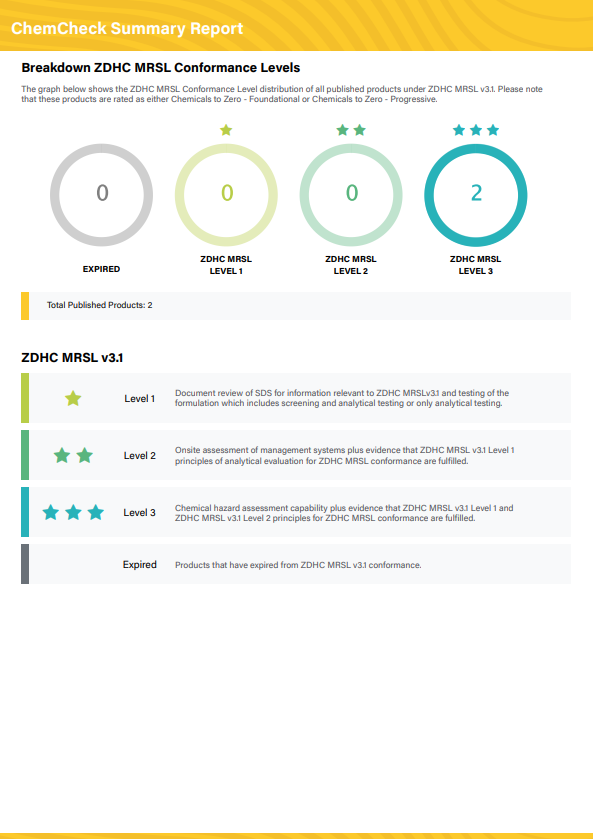
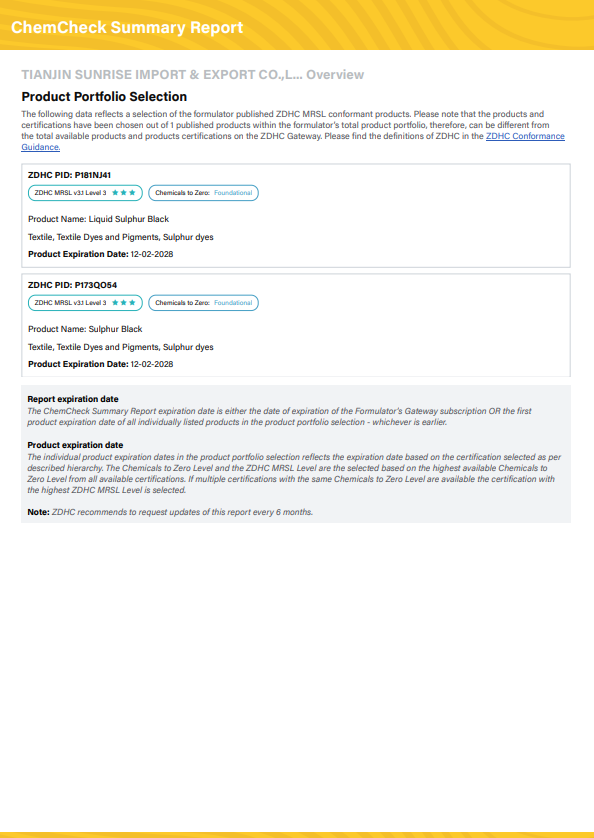
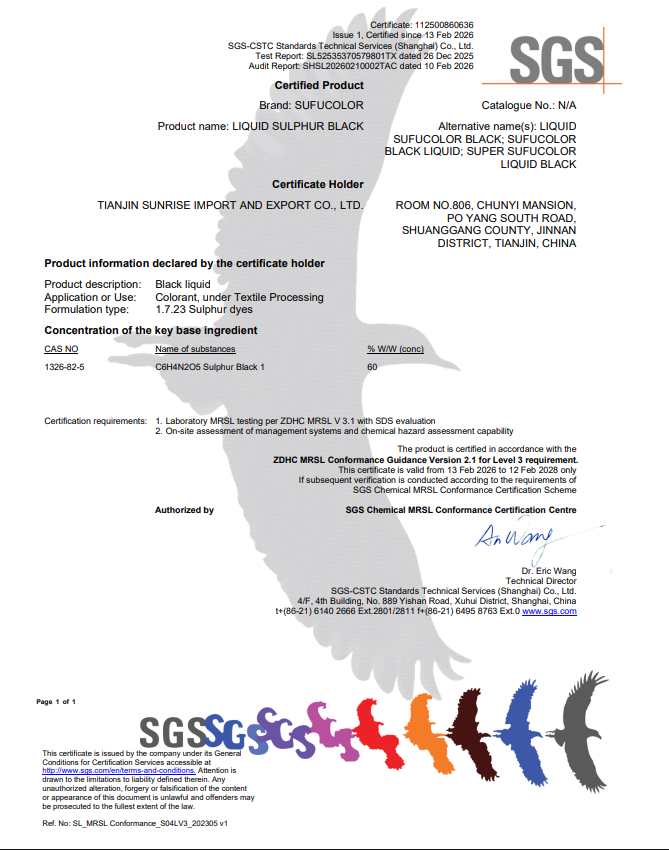
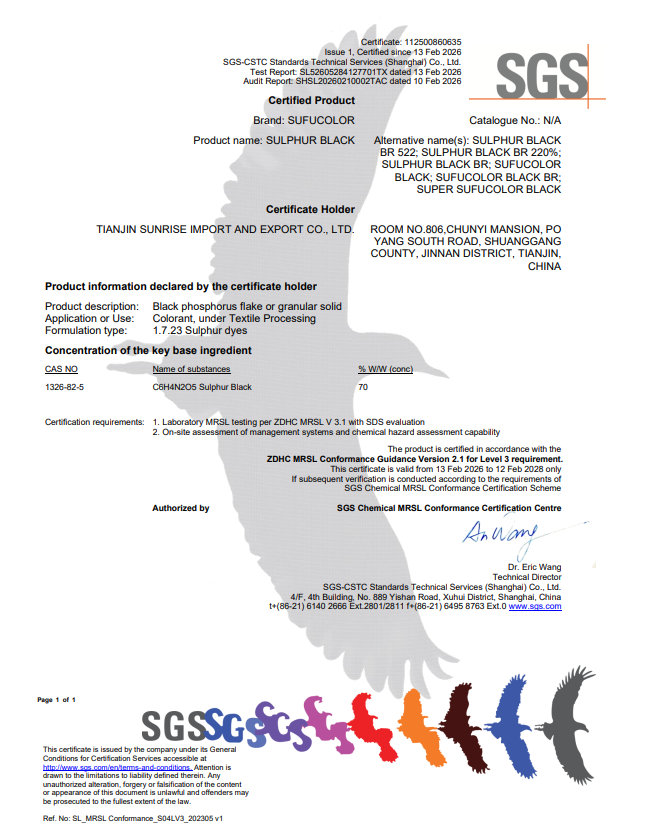
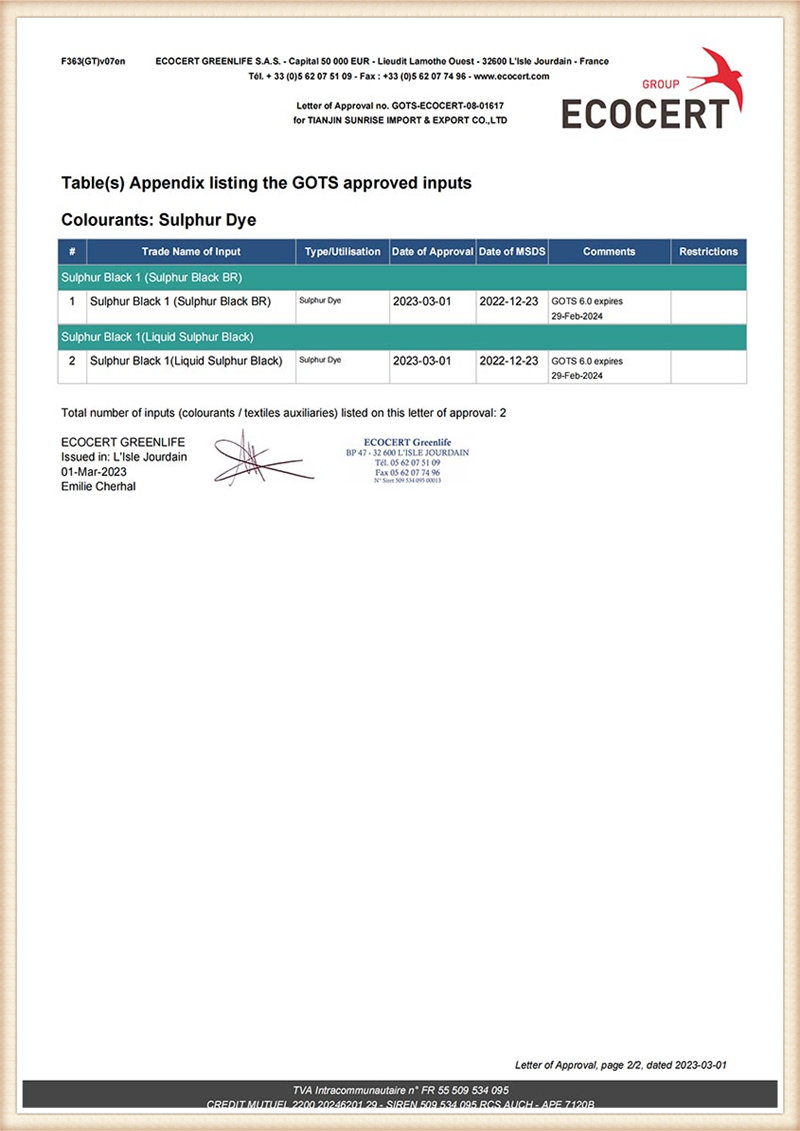
We prioritize product quality and batch consistency. Every shipment is thoroughly tested before leaving our docks. Our compliance with ZDHC Level 3 and GOTS certifications guarantees that your manufacturing process complies with international ecological and consumer safety standards.
We provide customized solutions. Our team of experts works closely with clients to understand their unique needs, delivering tailored formulations and services. We actively seek strategic partnerships to expand our global reach. Partner with us to explore mutual growth opportunities.
Cooperating with textile and paper mills for many years demonstrates our factory's commitment to strong and reliable business relationships. This long-term collaboration brings numerous benefits, including consistent order execution, shared technical resources, and mutual developmental support.
Our mission is to drive business growth by providing reliable, customized products. We aim to contribute to our customers' success by delivering first-class products and exceptional customer service. By building lasting partnerships, we strive to be a catalyst for our clients' success on a global scale.
Explore our extensive selection of water-soluble textile, leather, and paper colorants designed for demanding industrial applications.
Basic Yellow 11 is utilized across distinct geographic industrial sectors. Cationic dyes possess specific properties that call for tailored application techniques depending on the regional manufacturing framework.
The global dyestuff supply chain is shifting toward eco-responsibility, energy efficiency, and safety. SUNRISE CHEM leads this shift by implementing structured research pathways designed to meet modern standards:
Eliminating heavy metal residuals and amine pollutants during the condensation stage to meet strict global specifications.
Developing highly stable liquid cationic colorants with anti-freezing and anti-sedimentation properties for automated industrial dosing.
Engineering chemical auxiliaries with high exhaustion rates (exceeding 98%), reducing leftover dye concentrations in wastewater treatment plants.
Environmental protection is the core of our innovation. We are committed to providing eco-friendly, high-performance colorants that balance productivity with environmental harmony, supporting a sustainable path for a greener textile industry.
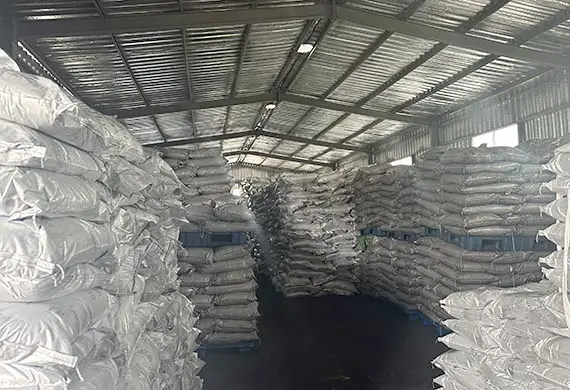
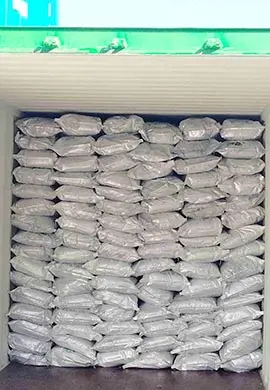
With years of export experience, we manage dependable supply pipelines to major international ports, maintaining strict storage and loading standards.
Our manufacturing and processing steps are verified under international environmental standards, supporting clean supply chains.
The ZDHC (Zero Discharge of Hazardous Chemicals) program is a joint initiative by global brands, retailers, and suppliers in the textile and footwear industries to minimize hazardous chemical impacts. Achieving ZDHC certification indicates that our facilities use robust chemical management and meet strict standards for chemical handling, wastewater treatment, and pollution prevention.
The Global Organic Textile Standard (GOTS) ensures the organic status of textiles from harvesting raw materials to environmentally and socially responsible manufacturing. GOTS certification guarantees that our processes minimize chemical inputs and meet strict environmental and labor standards throughout production.
Answers to common technical, application, and logistical questions for dye house managers and procurement teams.
The optimal pH range is between 4.0 and 5.0. Maintaining this acidic level prevents hydrolysis of the methine chromophore and ensures uniform dye uptake. Glacial acetic acid or sodium acetate buffers are typically used to control this range.
Basic Yellow 11 has a K-value (compatibility factor) of 3.0 to 3.5. When formulating ternary shades, it should be paired with other cationic dyes of similar K-values (like Cationic Red 2B or Blue SD-GSL) to ensure level strike rates and consistent build-up during temperature increases.
Yes, we produce stabilized liquid forms of Basic Yellow 11. These liquid formulations are dust-free, mix readily, and are highly compatible with automated dosing pumps in modern paper mills and textile dyehouses.
These certifications indicate that our dyestuffs contain no restricted arylamines or heavy metals above regulatory safety limits. This compliance simplifies international customs clearances and meets the safety requirements of global apparel brands.
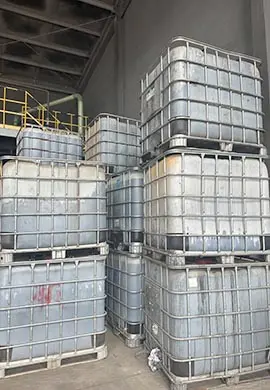
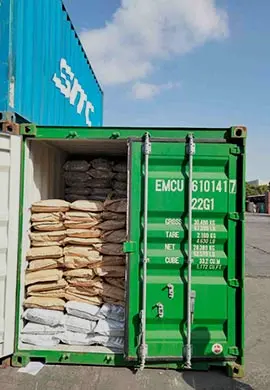
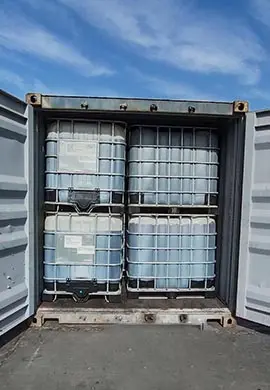
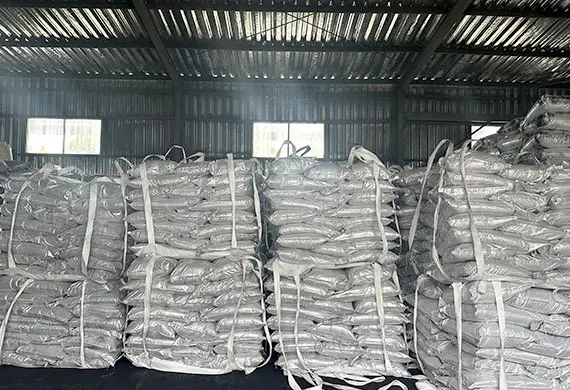
We offer standard packaging including 25kg iron drums, carton boxes, and woven bags with protective plastic liners. For liquid formulations, we supply 200L drums or 1000L IBC totes. Custom weights and private labeling are available upon request.
Our extended line of direct, acid, and solvent dyes, formulated for consistent performance across diverse media.
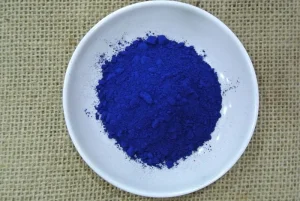
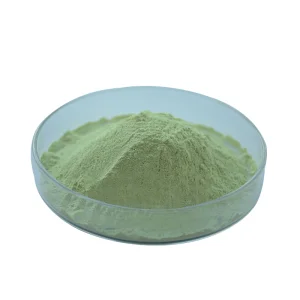
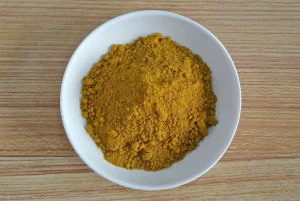
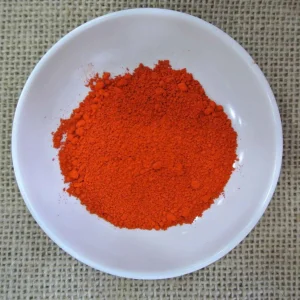
Achieving level results with Basic Yellow 11 requires strict process control. Cationic dyes typically display high affinity and fast strike rates once the temperature exceeds the glass transition point of acrylic fiber (around 80°C). If the heating rate is too fast, the dye will fix unevenly, which is difficult to level due to the strong ionic bonds formed.
We recommend heating at a rate of 0.5°C to 1.0°C per minute between 80°C and 100°C. Utilizing a compatible retarder helps regulate dye absorption rate. By blocking a portion of the fiber's active sites, the retarder is gradually displaced as temperature increases, allowing the Basic Yellow 11 molecules to bind evenly.
Additionally, soft water should be used in the dye bath. Divalent ions like calcium and magnesium in hard water can interfere with the dye's solubility, potentially causing precipitation or color shifts. If hard water must be used, adding a non-ionic chelating agent is recommended to stabilize the bath.
We maintain strict quality control standards. Every batch of Basic Yellow 11 is evaluated for color strength, tone accuracy, and physical solubility before dispatch. Our laboratory replicates real-world dyehouse conditions using automatic dye testing machines to verify performance on various acrylic and paper substrates.
Our technical support team is available to assist you with recipe design, auxiliary compatibility testing, and process optimization. By working closely with your operations team, we help you achieve consistent shade matching, minimize dye cycles, and reduce overall processing costs.
 Sunrise