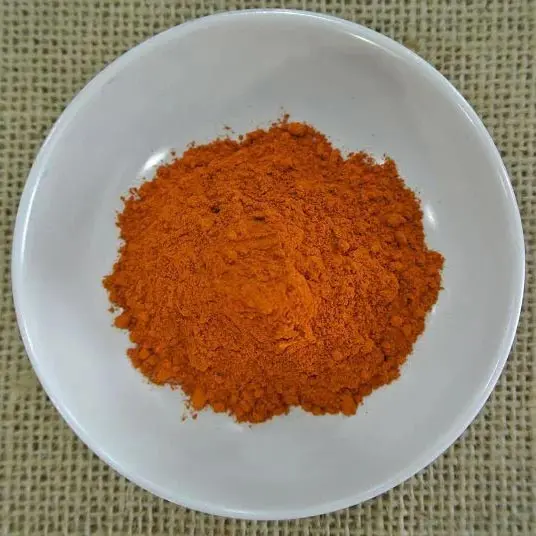
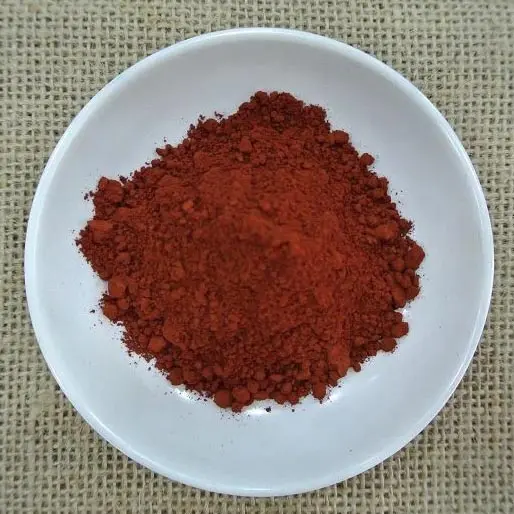
Explore Sunrise Chem Group's flagship colorants engineered for textile, plastic, and paper manufacturing pipelines globally.
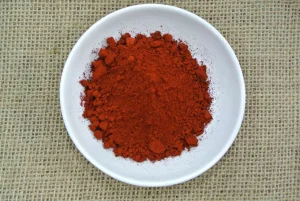
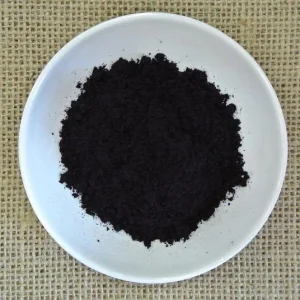
In the highly competitive world of industrial chemistry, Basic Blue 159 stands as one of the most critical cationic dyestuffs utilized for acrylic, modified polyester, and blended fiber coloration. As global demand shifts toward sustainable yet highly vibrant shade spectrums, finding a dependable OEM Basic Blue 159 factory is paramount. C.I. Basic Blue 159 is renowned for its exceptional chemical stability, brilliant chromatic values, and superior fastness qualities when applied to substrates featuring acidic or anionic polymer groups.
This comprehensive whitepaper details the technical profile, production ecosystems, and supply chain characteristics of Basic Blue 159. By prioritizing Information Gain through rich technical data, we offer global procurement teams deep insight into how OEM factories, particularly Tianjin Sunrise Chem Group, optimize the synthesis process, ensure global environmental compliance (including ZDHC Level 3 and GOTS), and leverage automated manufacturing (Factory 4.0) to deliver unmatched consistency.
Basic Blue 159 is a cationic dye featuring a positively charged quaternary ammonium or heterocyclic group. During the bath process, these cations electrostatically bind with the anionic site receptors (sulfonic or carboxylic acid end-groups) present in polyacrylonitrile (PAN) and modified polyester (CDP) fibers. This high affinity ensures deep exhaustion profiles.
The exhaustion curve of Basic Blue 159 is highly temperature-dependent. Below the glass transition temperature (Tg) of acrylic fiber (approx. 75-80°C), absorption is minimal. However, as the temperature rises, the rate of dye uptake increases exponentially. OEM factories design retarders and temperature controllers to achieve Levelness without color spots.
The future of cationic dyes lies in resource conservation. OEM manufacturing labs are actively researching low-temperature dyeable cationic structures that match the performance of Basic Blue 159. This technology aims to lower the standard dyeing temperature from 100°C to 85°C, potentially yielding energy savings up to 25% for textile mills.
| Parameter | Industrial Standard | Sunrise OEM Premium Specification | Testing Methodology |
|---|---|---|---|
| Dyeing Strength | 100% - 200% | 250% & Customized Liquid forms | Spectrophotometric vs. Standard |
| Insoluble Matter | ≤ 1.0% | ≤ 0.2% | Gravimetric Filter Method |
| Moisture Content | ≤ 5.0% | ≤ 3.0% | Karl Fischer Titration |
| Light Fastness (Xenon) | Grade 5-6 | Grade 6-7 | ISO 105-B02 |
| pH Working Range | 3.0 - 5.5 | 2.5 - 6.5 (Enhanced Buffer resistance) | pH Stability testing |
Tianjin Sunrise Chem Group specializes in manufacturing high-quality dyestuffs. Our extensive product portfolio includes Direct dyes, Acid dyes, Basic dyes, Sulphur dyes, Solvent dyes, Liquid dyes, and Fluorescent dyes. Backed by decades of industry and export experience, we have built a reputation for reliability and excellence, serving clients from diverse sectors including denim, textile, leather, paper, and plastic.
We highly focus on goods quality and stability. Each shipment is meticulously tested before sending to the port. Our alignment with global standards, evidenced by our ZDHC Level 3 and GOTS (Global Organic Textile Standard) certificates, ensures your quality and compliance are guaranteed.
We pride ourselves on offering customized solutions. Our team of experts works closely with clients to understand their unique needs, delivering tailored products and services. We actively seek strategic partnerships to expand our reach and enhance our offerings. Collaborate with us to explore mutual growth opportunities.
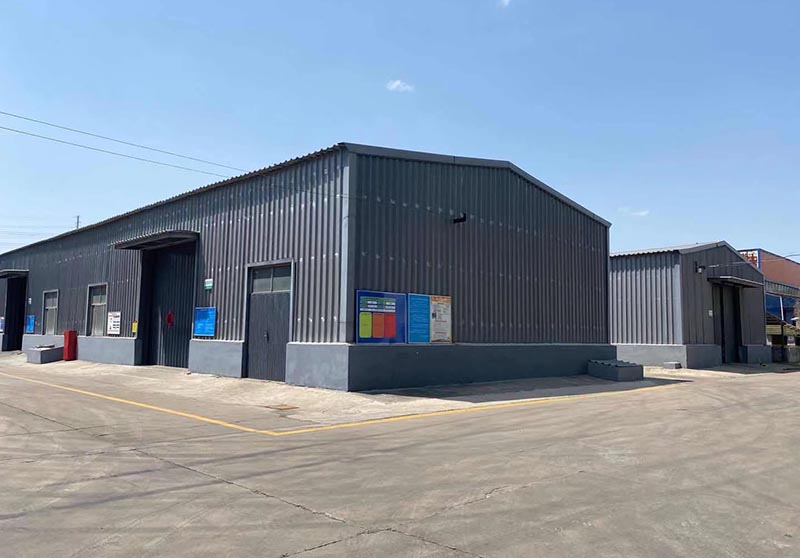
Industrial coloring demands go beyond the dyestuff powder itself; they require complex integration into high-speed production plants. A leading OEM Basic Blue 159 factory must customize its formulations to suit diverse application methods:
Used in hank dyeing and package dyeing setups. Basic Blue 159 delivers deep royal blues with extreme resistance to steaming, chlorination, and subsequent dry cleaning. In acrylic/wool blends, it exhibits minimal cross-staining of the wool component when used with appropriate blocking agents.
In the paper sector, liquid cationic dyes are fed into pulp streams via automated continuous dosing pumps. Our Basic Blue 159 liquid version features low viscosity and high solubility, reducing build-up on paper machine wires and ensuring clean wastewater discharges.
Anionic-treated leather skins receive base coatings utilizing cationic dye systems to lock in deep shade penetration. The high lightfastness values of Basic Blue 159 prevent sunlight degradation in premium automotive leather and upholstery applications.
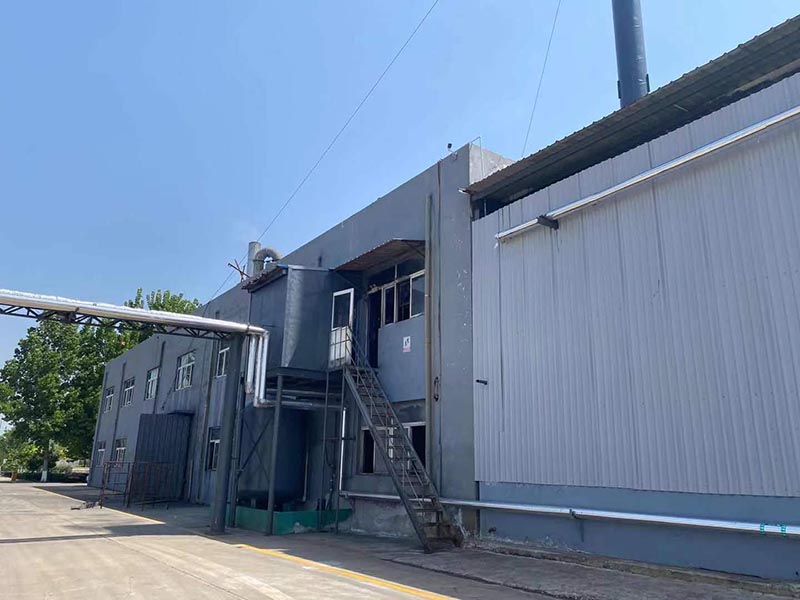
Cooperating with textile and paper mills for many years shows that the factory has established a strong and reliable business relationship. This kind of long-term collaboration brings numerous benefits, such as consistent orders, shared resources, and mutual support. It also indicates that the factory has a good track record of delivering quality products and meeting the needs of its partners.
At Sunrise Chem Group, our mission is to drive business growth by providing reliable and customized products. Our goal is to make a significant contribution to our customers' success by consistently delivering first-class products and exceptional customer service. By building lasting partnerships, we strive to be a catalyst for our clients' success.
Through our Factory 4.0 Smart Manufacturing initiative, we integrate automated DCS (Distributed Control Systems) for chemical coupling and crystallization. Automated temperature controls and raw material dosing systems eliminate human error, ensuring consistent quality across batches. This technological foundation safeguards supply chain continuity even during periods of strict environmental regulation.
With years of experience, we have successfully established strong partnerships in many countries. Our dedication to meeting global demands and exceeding customer expectations has earned us a reputation as a reliable supplier worldwide.
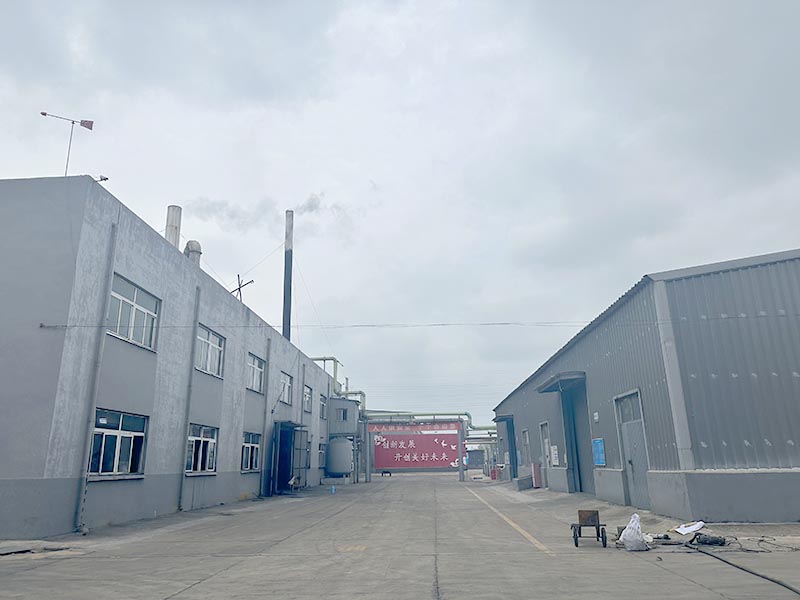
Global Port Logistics Setup
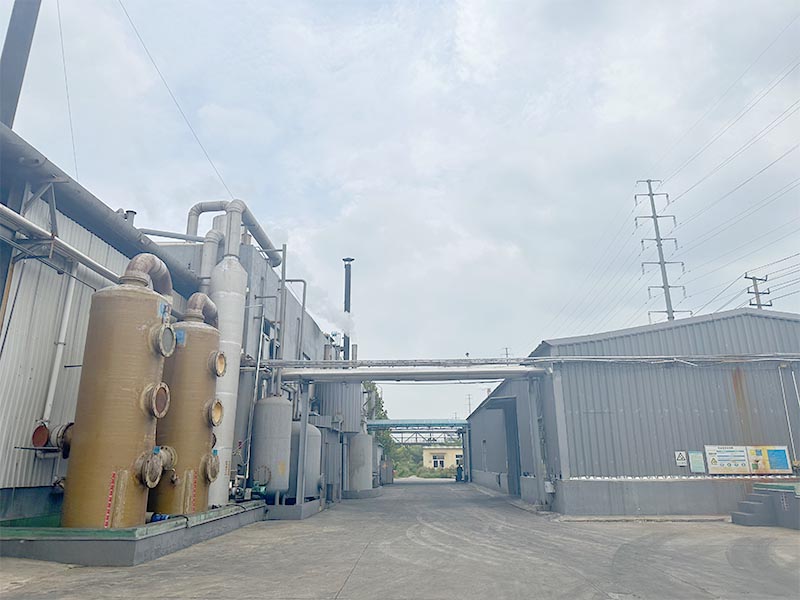
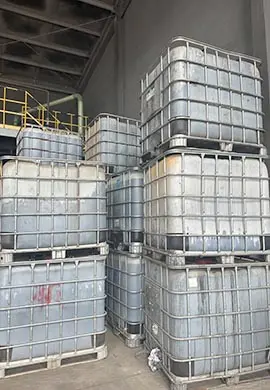
Bulk Storage Infrastructure
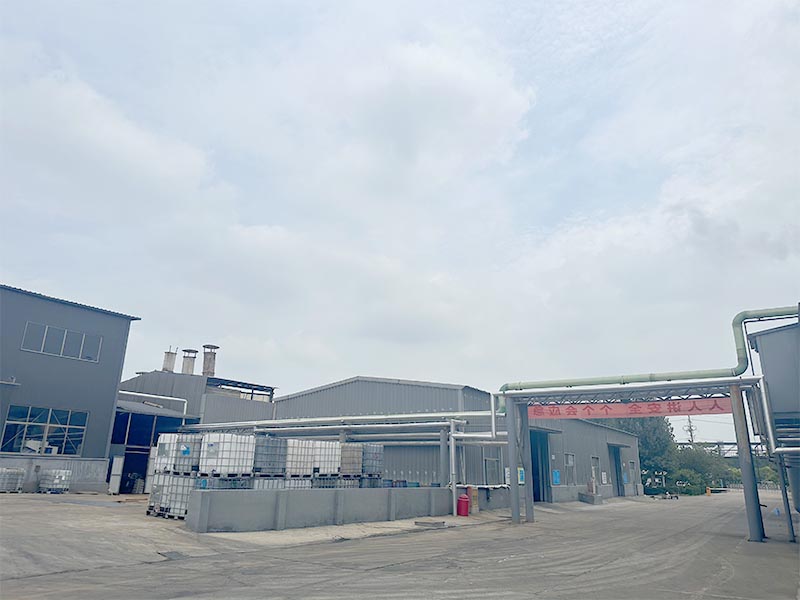
Quality Control Laboratory
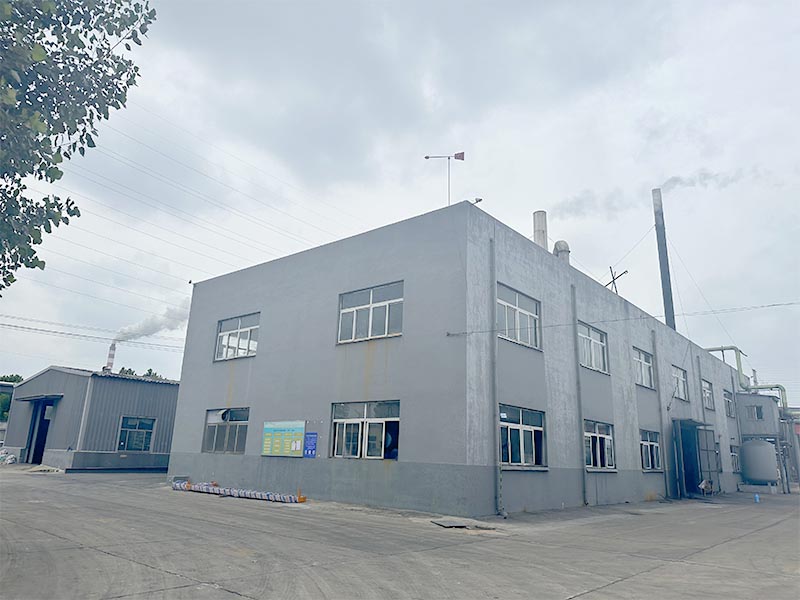
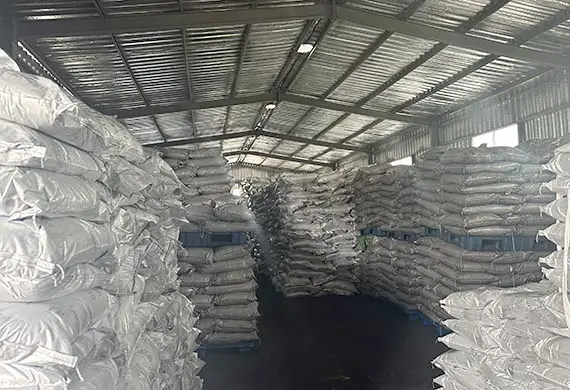
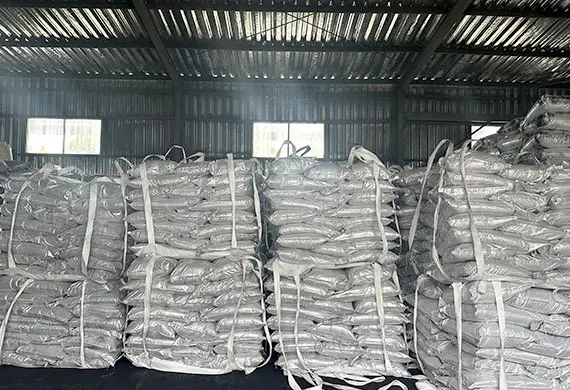
Smart Storage Warehouses
Different dyeing factories require distinct dye configurations to maintain their automated dosing systems without re-calibration. We supply Basic Blue 159 in standard powder (100% to 250% strengths), low-dust granular formats, and concentrated liquid forms. Liquid versions eliminate dusting hazards in the work area, improving the health and safety of mill operators.
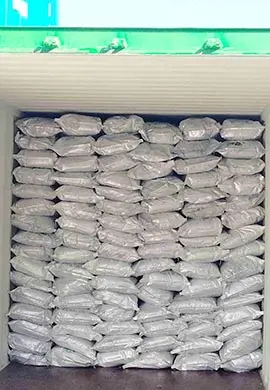
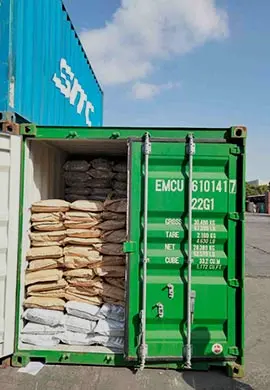
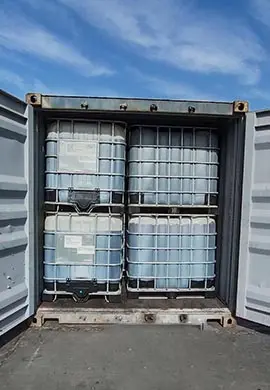
We provide robust packaging solutions designed to withstand harsh oceanic transport conditions. Offerings include 25kg double-PE lined cartons, 25kg multi-wall paper bags, and heavy-duty 500kg/1000kg FIBC bags. Liquid dyes are dispatched in certified 1000L IBC tanks. All packaging is labeled with GHS-compliant codes, detailed batch numbers, and production dates for complete traceability.
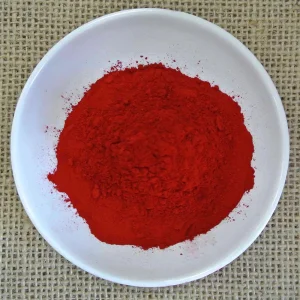
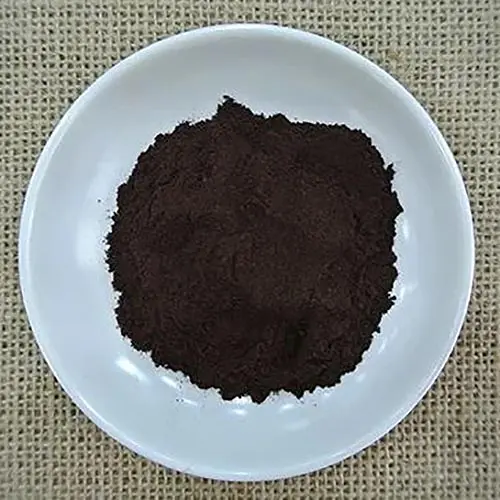
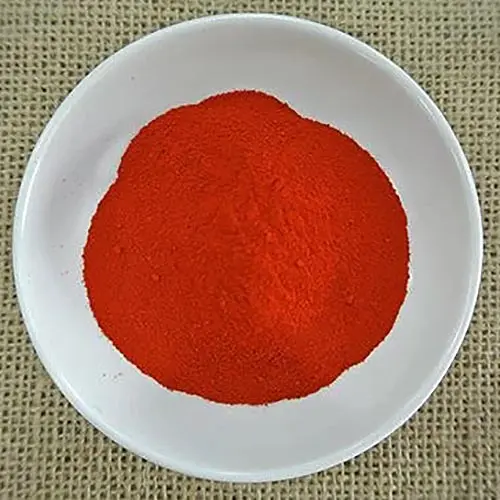
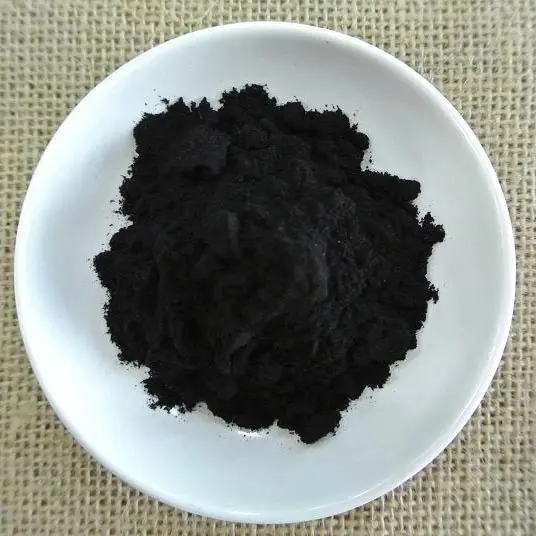
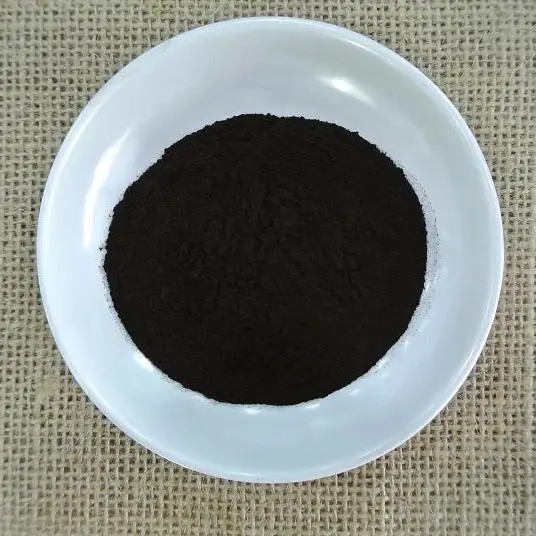
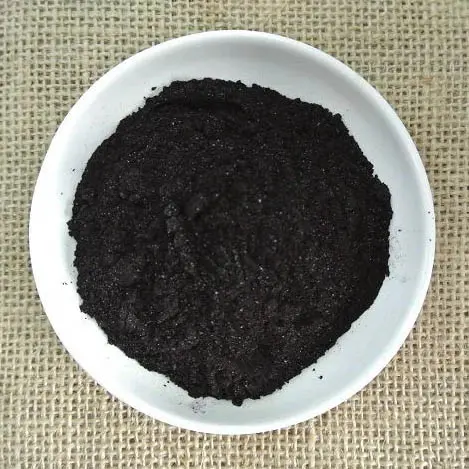
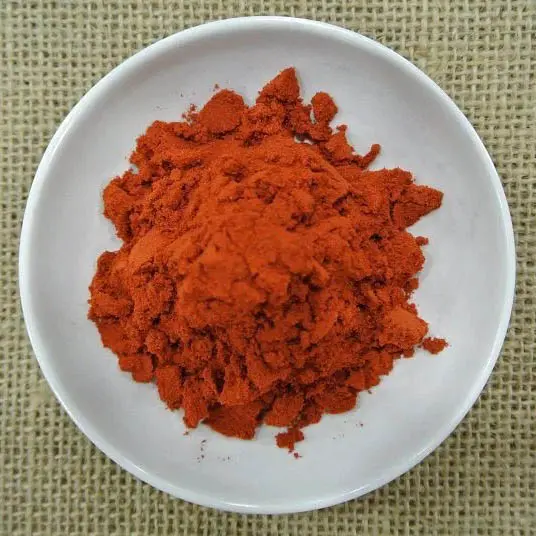
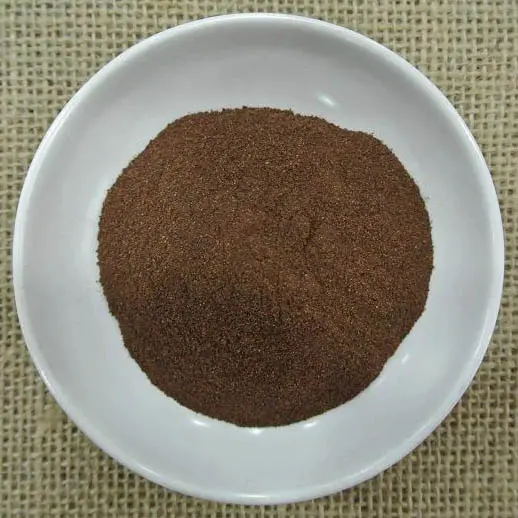
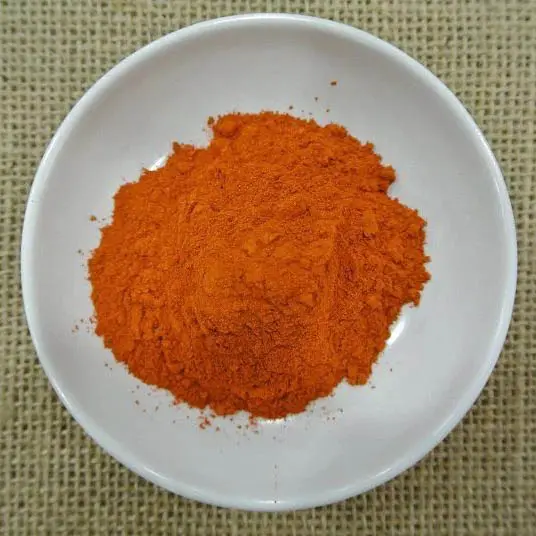
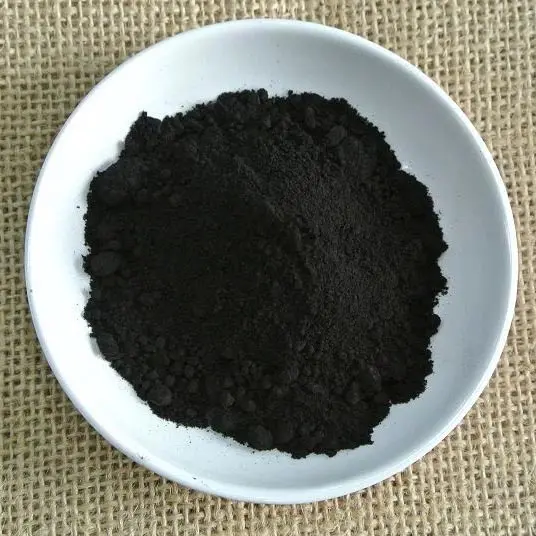
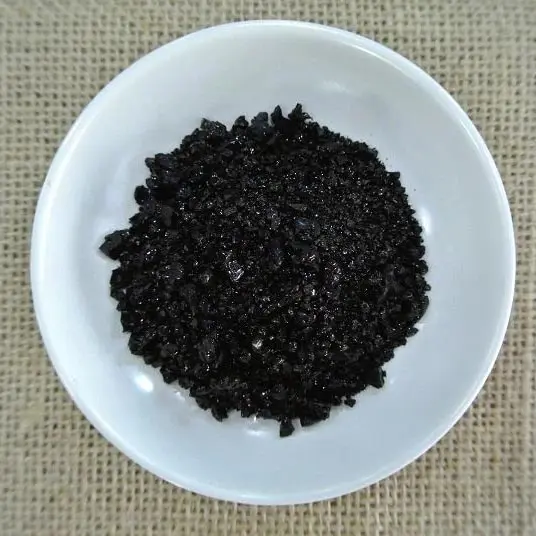
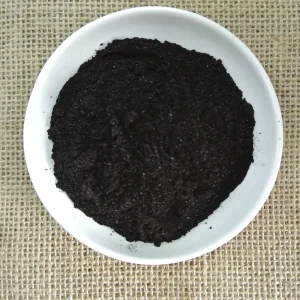
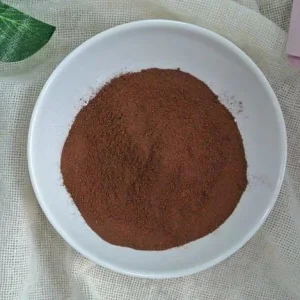
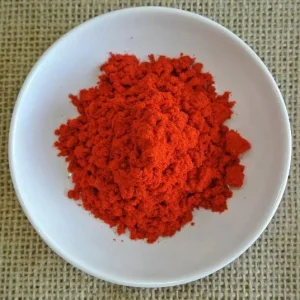
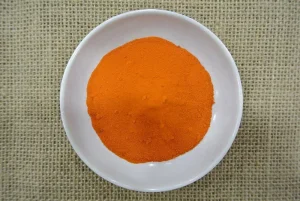
Below is our complete range of specialized industrial colorants. We preserve our core formulations to guarantee high fastness, brilliant shade matching, and compatibility with modern dyeing machines.
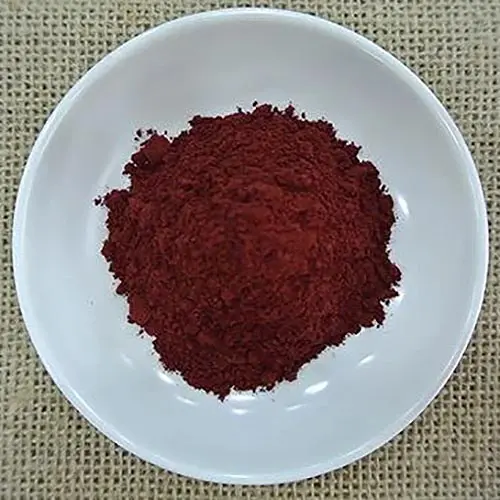
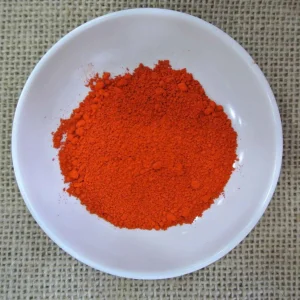
High concentration acid dye providing exceptional leveling properties and vivid scarlet tones on polyamide and protein fibers.
We do not only produce and export dyes and pigments; we prioritize long-term cooperation with our customers by providing services that exceed their expectations. Choosing Sunrise Chem Group is a secure, sustainable decision for your business.
Our stable supply of dyestuffs is backed by efficient manufacturing processes. Our factories feature state-of-the-art synthesis lines and a skilled workforce capable of fulfilling demanding high-volume orders. With us, you can begin your manufacturing journey with confidence, knowing dye availability will never be an issue.
The ZDHC (Zero Discharge of Hazardous Chemicals) program is a collaborative effort by leading brands, retailers, and suppliers in the textile and footwear industry to reduce the use of hazardous chemicals. The focus of this certification is on eliminating the release of hazardous substances into the environment throughout the entire supply chain. Achieving ZDHC Level 3 certification indicates that our company has implemented robust chemical management procedures and met the stringent requirements for chemical handling, wastewater treatment, and pollution prevention.
The Global Organic Textile Standard (GOTS) is a certification that ensures the organic status of textiles from the harvesting of raw materials to environmentally and socially responsible manufacturing. The GOTS certification guarantees that the textiles are made from organic fibers, that chemical inputs are minimized, and that strict environmental and labor standards are met throughout the production process. GOTS certified products are considered sustainable, safe, and ethical.
Both certifications are critical for sustainable and responsible textile production. ZDHC focuses on eliminating hazardous chemicals, while GOTS guarantees organic and ethical aspects. As an OEM Basic Blue 159 factory, we ensure our cationic dye recipes contain no banned arylamines, heavy metals, or restricted alkylphenol ethoxylates (APEOs).
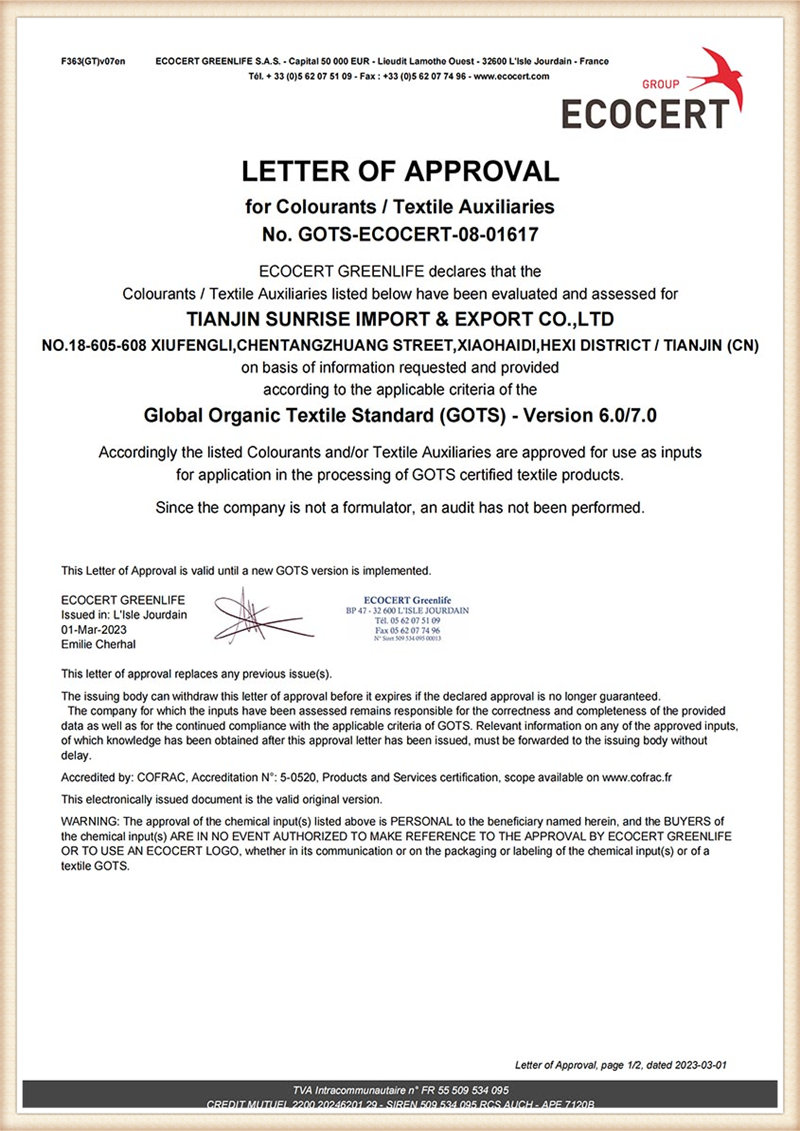
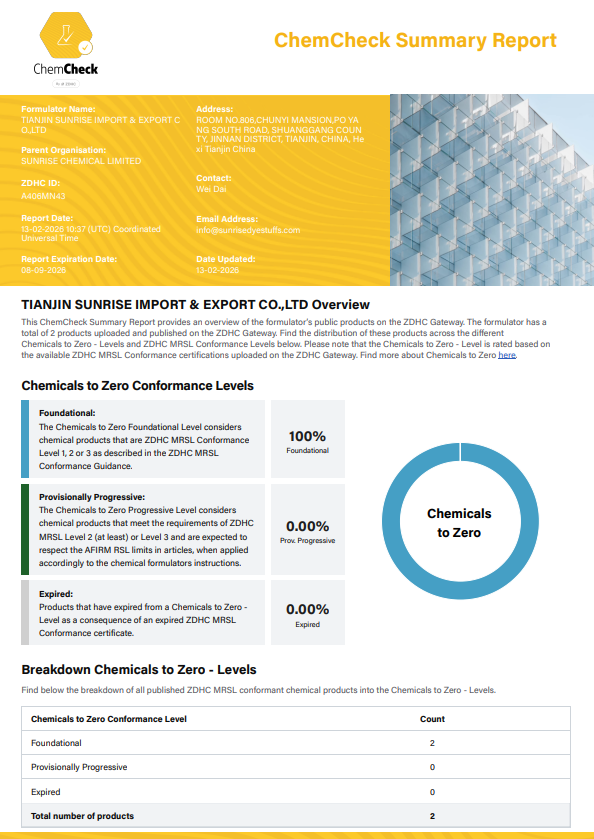
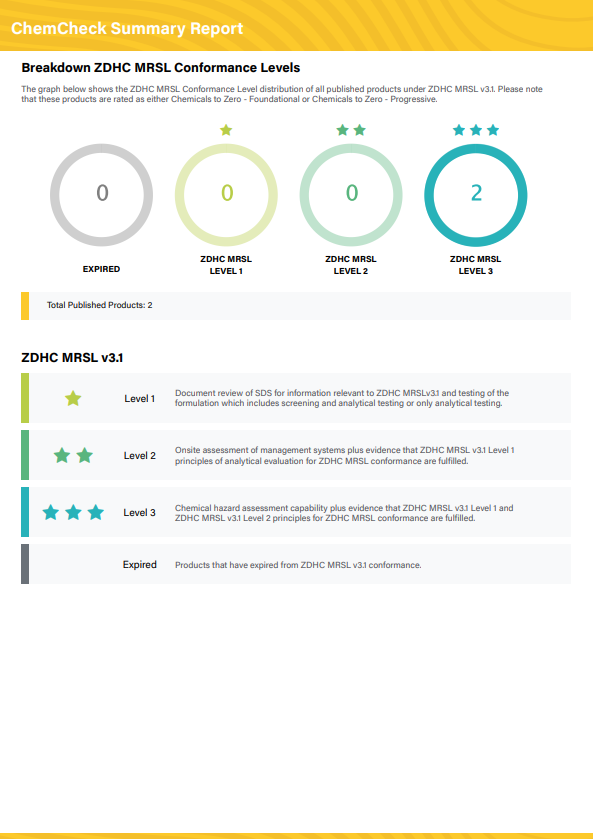
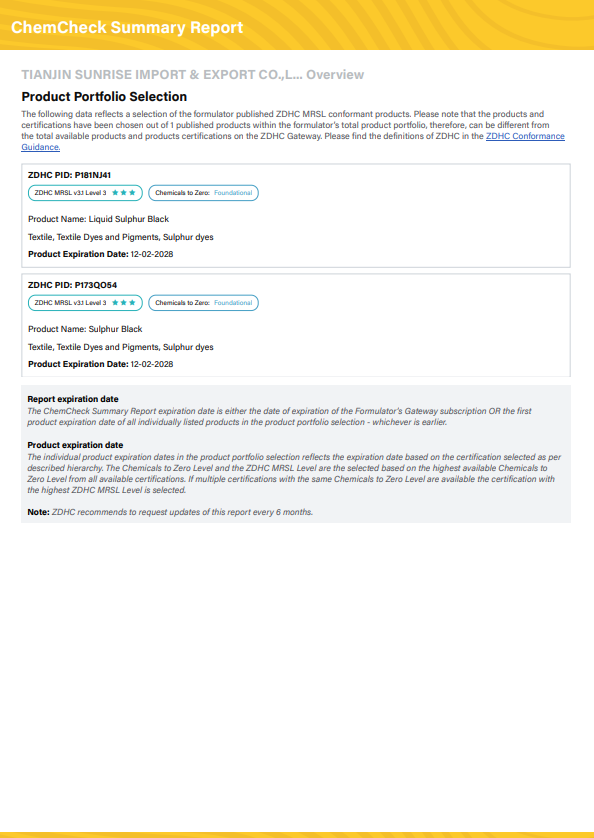
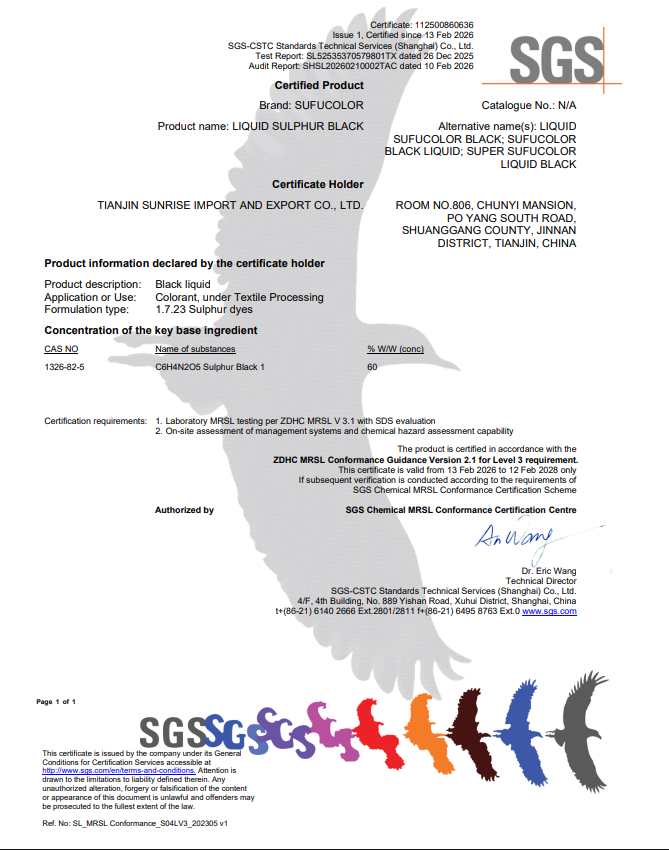
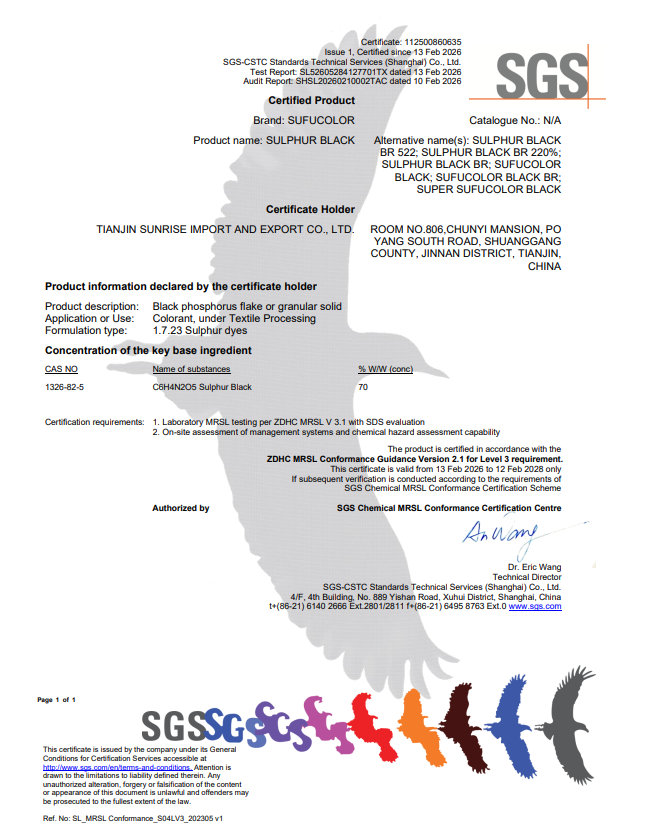
We firmly believe in building relationships with our clients based on trust and mutual benefit. We know that our customers' success is our success, so we are committed to providing quality services to meet their needs. Our dedicated customer support team is on hand to address any questions or concerns you may have. We value your feedback and strive to continuously improve our operations to serve you better.
Our purpose is not just to supply dyes, but to be your trusted partner in achieving your business goals. By choosing us, you choose a partnership built on reliability, transparency, and mutual success.
Contact us today, and let's embark on a journey to success together. We can provide custom SDS sheets, Certificate of Analysis (COA) files, and shipping schedules tailored to your destination port.
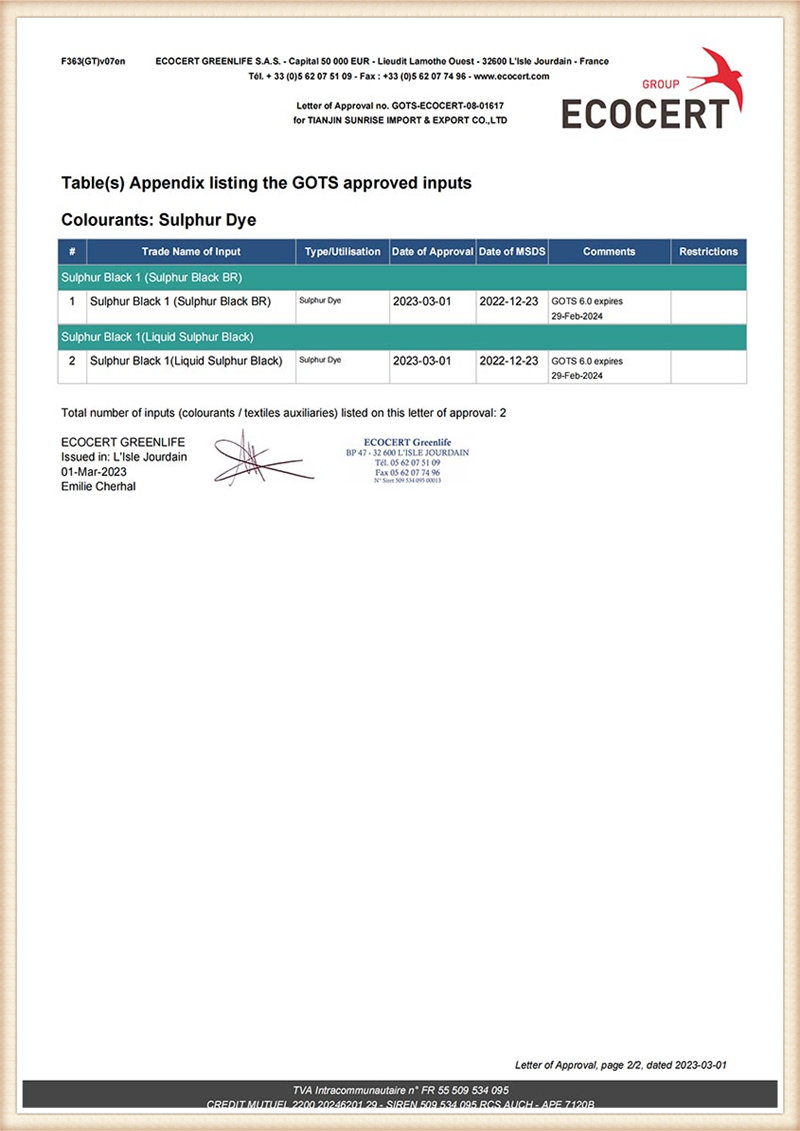
Get authoritative answers on chemical compliance, application parameters, and ordering procedures for C.I. Basic Blue 159.
Select from our highly stable direct, sulphur, acid, and solvent dyes optimized for global export demands.
 Sunrise