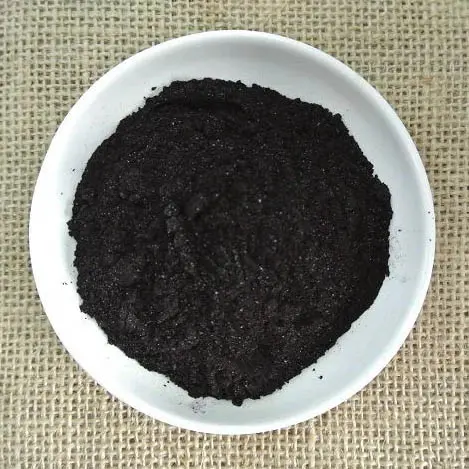
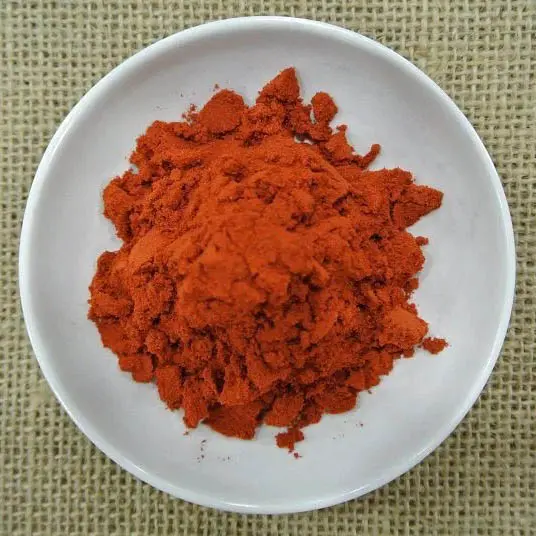
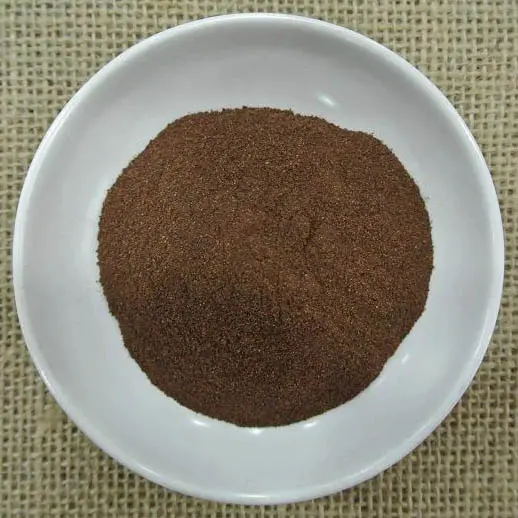
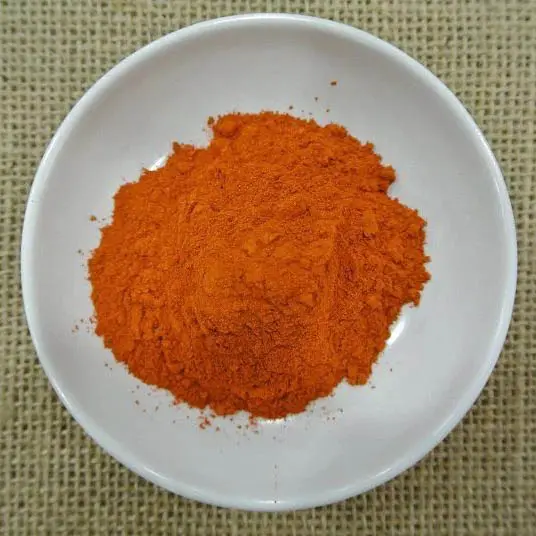
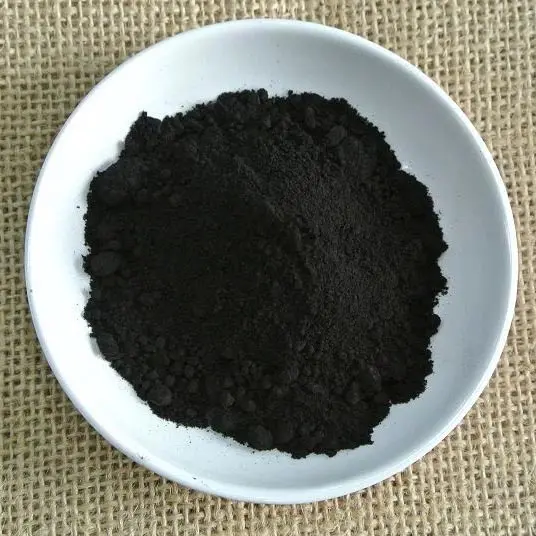
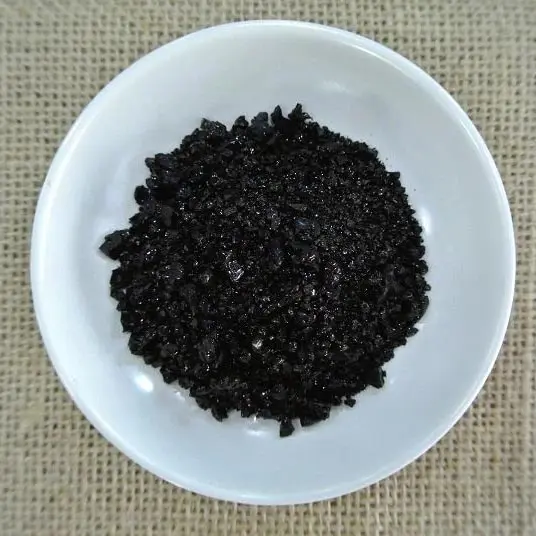
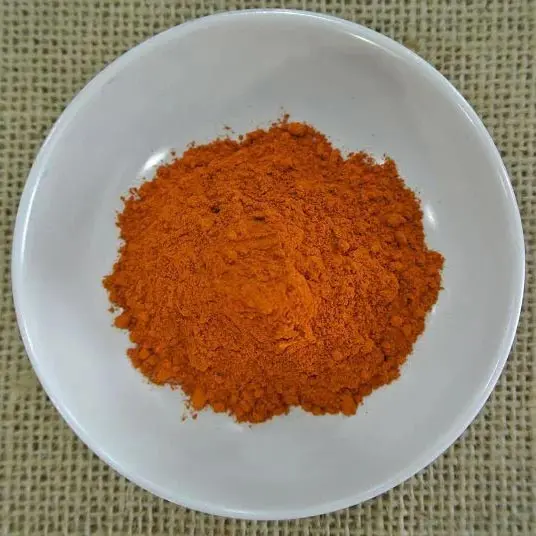
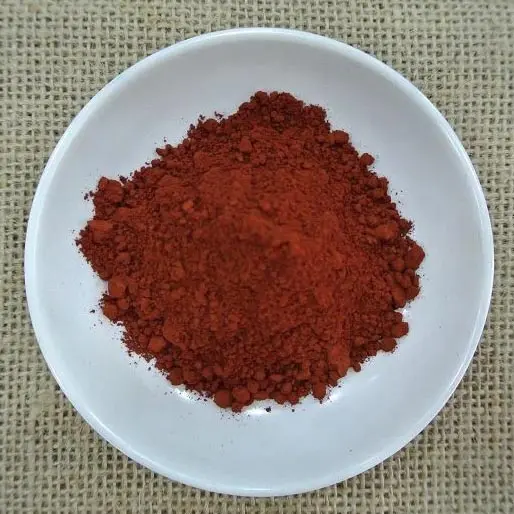
High-purity organic chemical formulations and dyes engineered to meet international industrial standards and certified compliance.
An authoritative analysis of Acid Red B (C.I. Acid Red 14) synthesis, ecological transitions, and global supply dynamics.
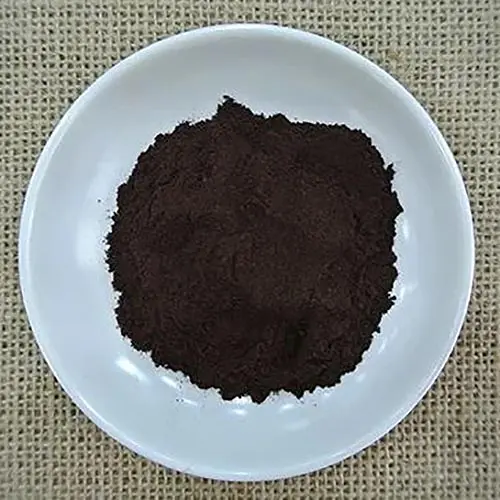
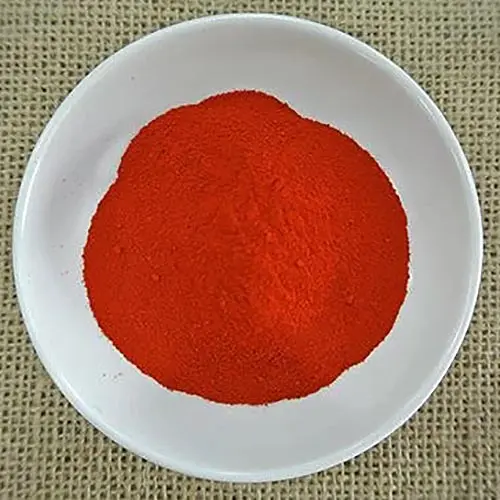
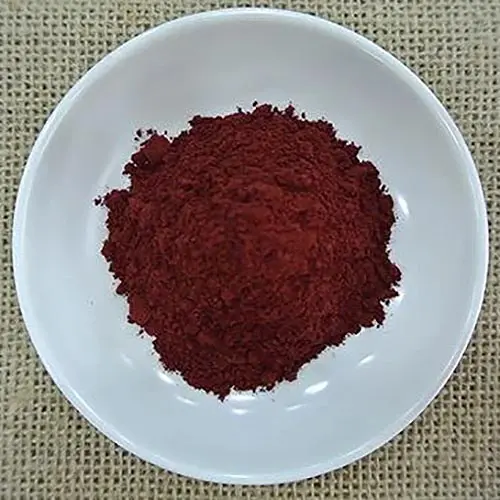
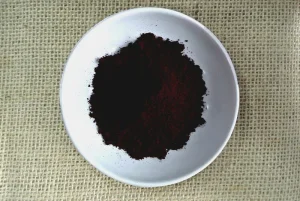
Acid Red B, chemically categorized under the Color Index system as C.I. Acid Red 14 (also referred to as Carmoisine or Chromotrope FB), is a synthetic disazo dye widely utilized in structural coloring across multiple industrial domains. Characterized by its brilliant deep red hue and outstanding thermodynamic stability, this molecular configuration relies on a complex coupling of sulfonated naphthalene rings. The presence of sodium sulfonate groups ($\text{-SO}_3\text{Na}$) guarantees high water solubility and endows the molecule with an anionic charge, establishing a robust ionic affinity with positively charged nitrogenous groups in protein fibers (such as wool and silk), polyamides (nylon), and treated cellulosic matrices.
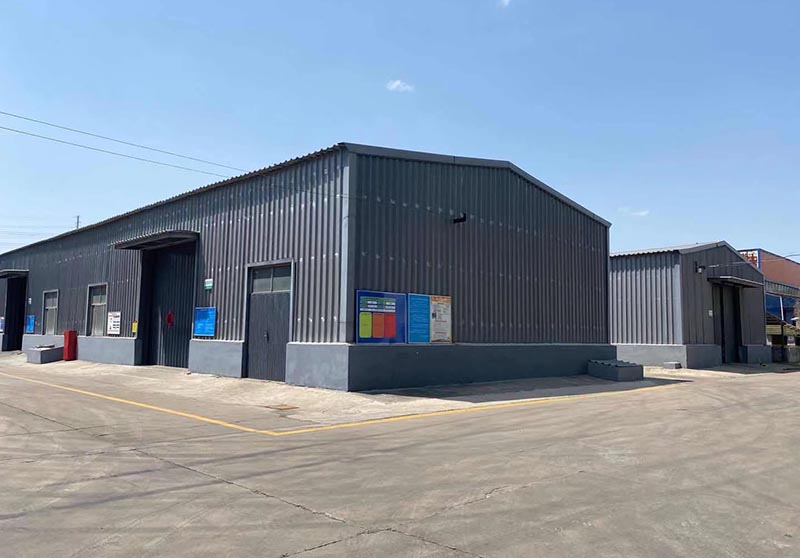
In high-purity industrial synthesis, OEM Acid Red B manufacturers prioritize the elimination of reaction by-products and trace heavy metals. The synthesis pathway involves the diazotization of 4-aminonaphthalene-1-sulfonic acid, followed by coupling with 4-hydroxynaphthalene-1-sulfonic acid under strict pH-controlled conditions. Any variance in temperature, concentration, or pH changes the equilibrium, leading to isomer formation or residual unreacted intermediates. As a specialized OEM manufacturer, Tianjin Sunrise Chem Group implements computerized, closed-loop batch processing to isolate high-purity Acid Red B crystals, ensuring that the resultant formulation delivers consistent dye uptake rates (exhaustion coefficients) and minimal batch-to-batch chromatic variation.
Information Gain Insight: The optical density and color coordinates ($L^*a^*b^*$) of Acid Red B are highly sensitive to particle size distribution. Modern spray-drying technologies allow us to achieve uniform micro-granulation, eliminating airborne dust hazards in factories while dramatically accelerating dissolution rates in industrial dyeing vats.
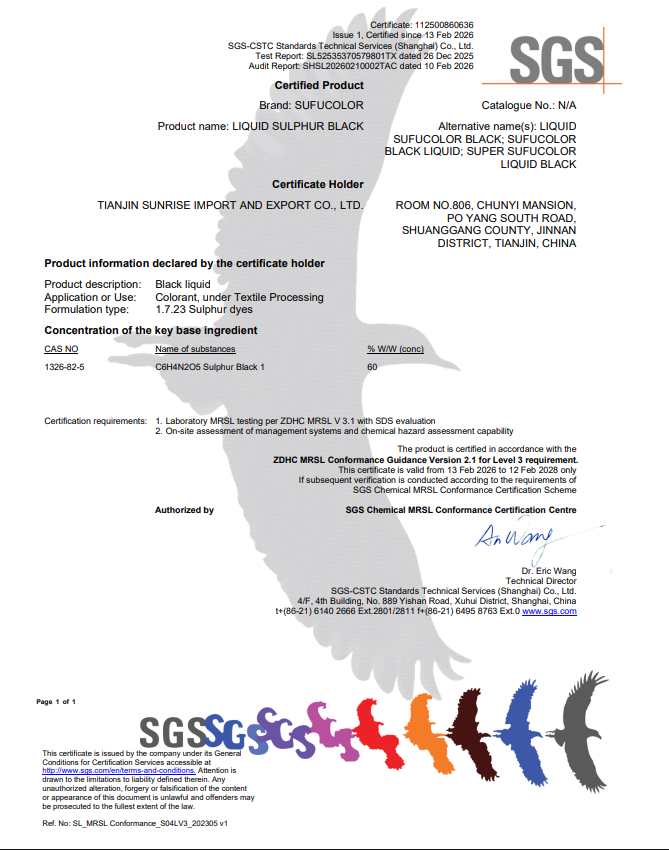
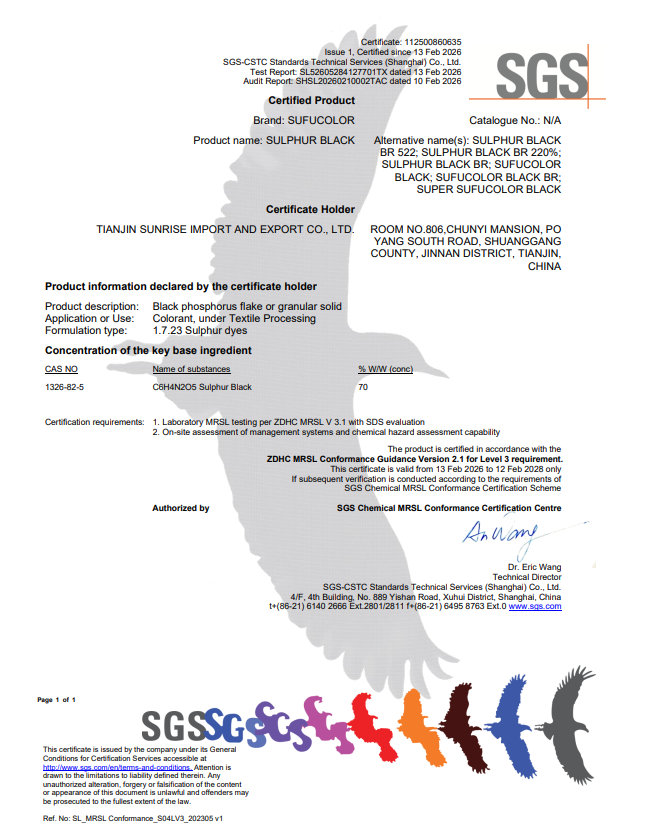
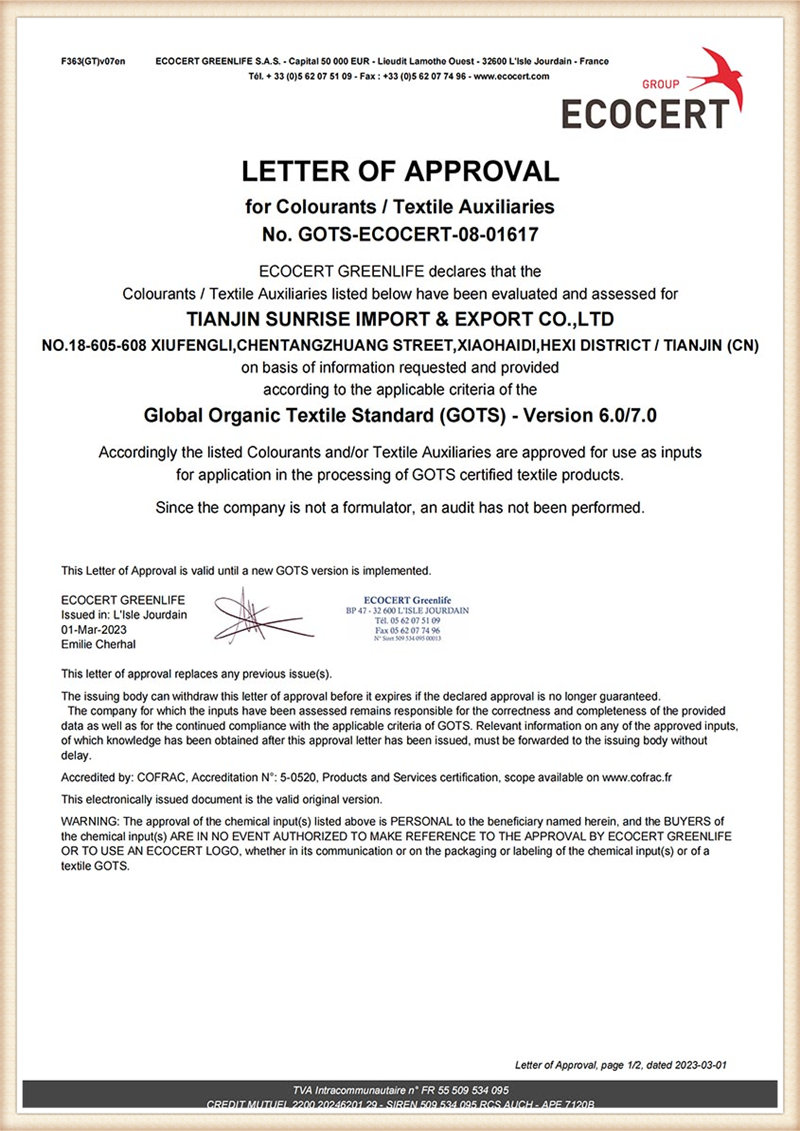
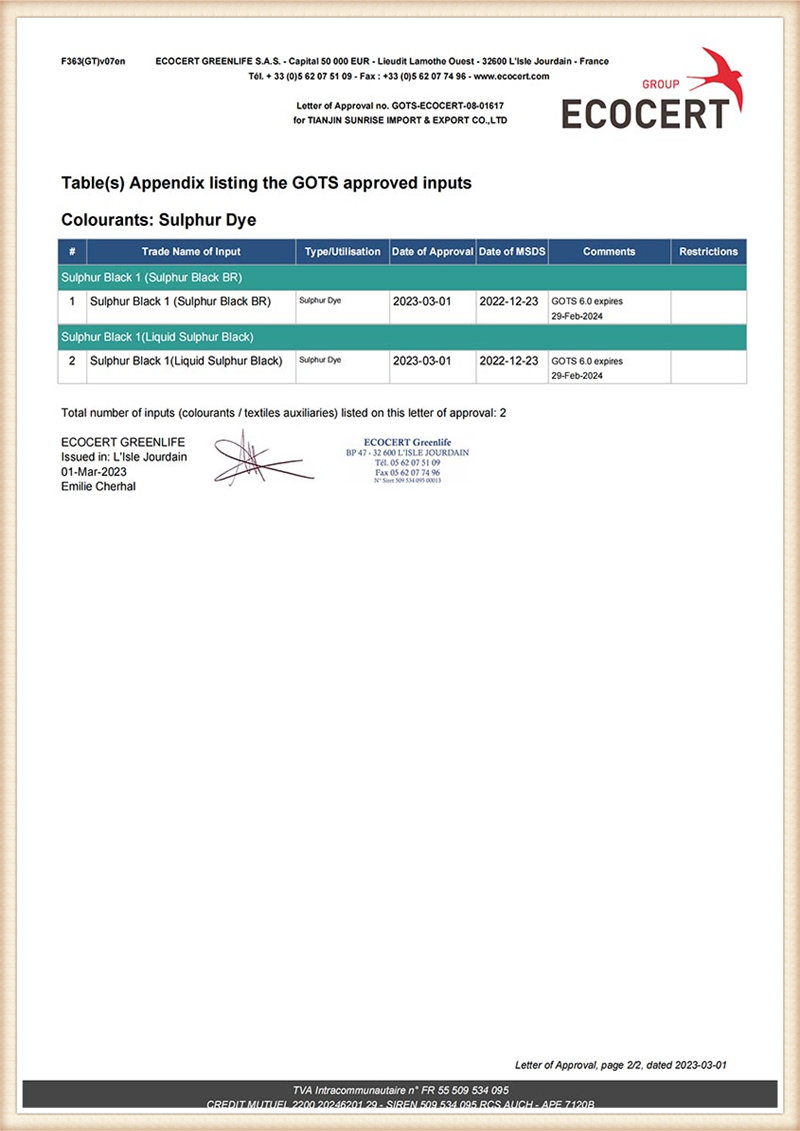
The global dyestuff industry is undergoing a structural transformation driven by environmental mandate compliance and consumer awareness. Regulatory frameworks like the European Union's REACH, along with strict environmental inspection protocols in Asia, have made traditional chemical manufacturing untenable. Today, the demand for Acid Red B is increasingly directed toward manufacturers who can guarantee ZDHC Level 3 (Zero Discharge of Hazardous Chemicals) and GOTS (Global Organic Textile Standard) certifications.
This paradigm shift means OEM manufacturers must optimize their raw material inputs and waste treatment systems. By transitioning away from hazardous auxiliary agents and adopting ecological synthesis paths, we ensure that our Acid Red B products are free of banned arylamines and restricted alkylphenol ethoxylates (APEOs). Additionally, wastewater treatment systems using advanced Fenton oxidation, membrane bioreactors (MBR), and reverse osmosis are critical to meeting zero-liquid-discharge (ZLD) requirements in industrial chemical synthesis.
Leveraging smart manufacturing, automated production controls, and integrated logistics to secure supply continuity.
Our Factory 4.0 infrastructure utilizes distributed control systems (DCS) to monitor chemical reactions in real time, ensuring temperature deviations stay under 0.5°C and pH stays within 0.1 units. This guarantees structural uniformity across every batch of Acid Red B.
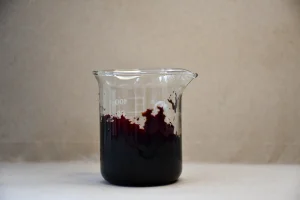
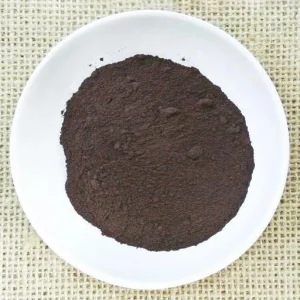
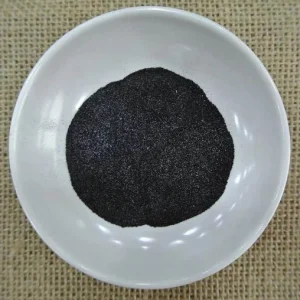
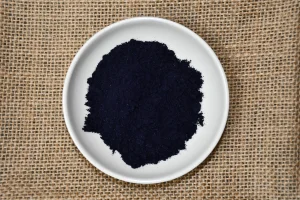
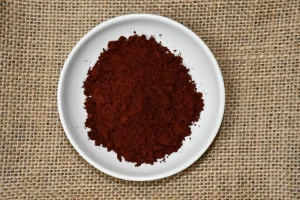
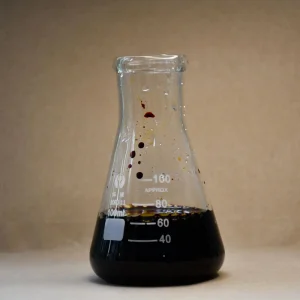
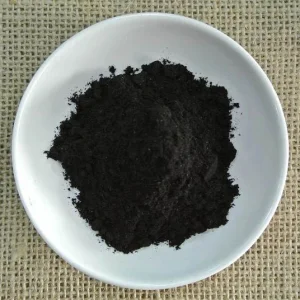
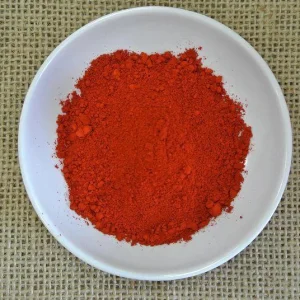
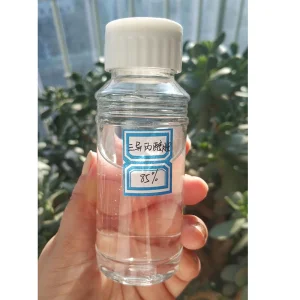
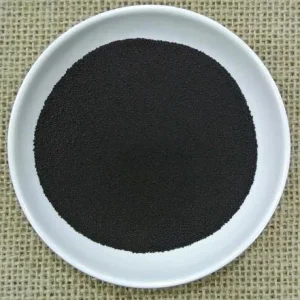
We provide tailored concentrations ranging from standard 100% strength up to 200% concentrated forms. Additionally, we customize physical formats (dust-free granules, fine powders, or liquid formulations) to match different factory automation setups.
Backed by our strategic location in the Tianjin chemical production cluster, we maintain large reserves of key raw materials like H-acid and Tobias acid. This keeps our production schedules stable, even during global supply chain disruptions.
Sourcing managers look for more than just low per-kilogram pricing when searching for an OEM Acid Red B manufacturer. They prioritize several key metrics:
Practical implementations of Acid Red B in diverse industrial environments, showing our focus on performance and customization.
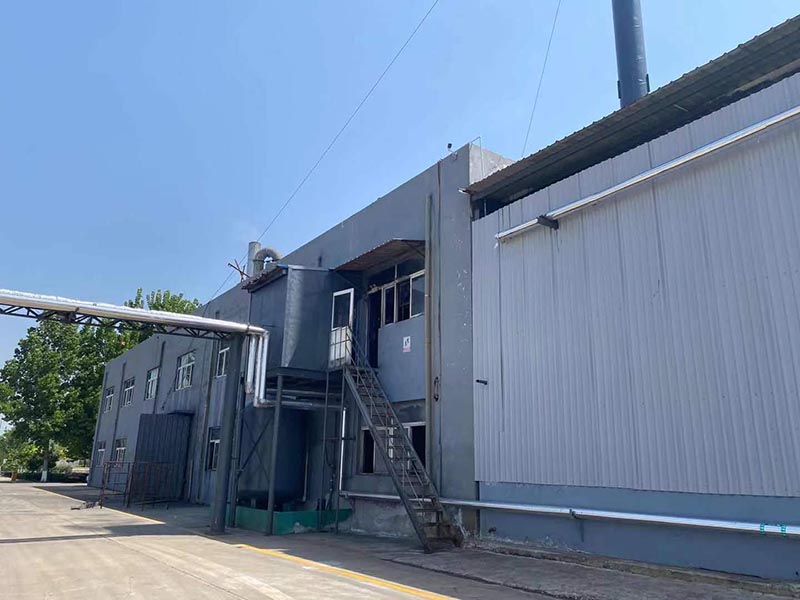
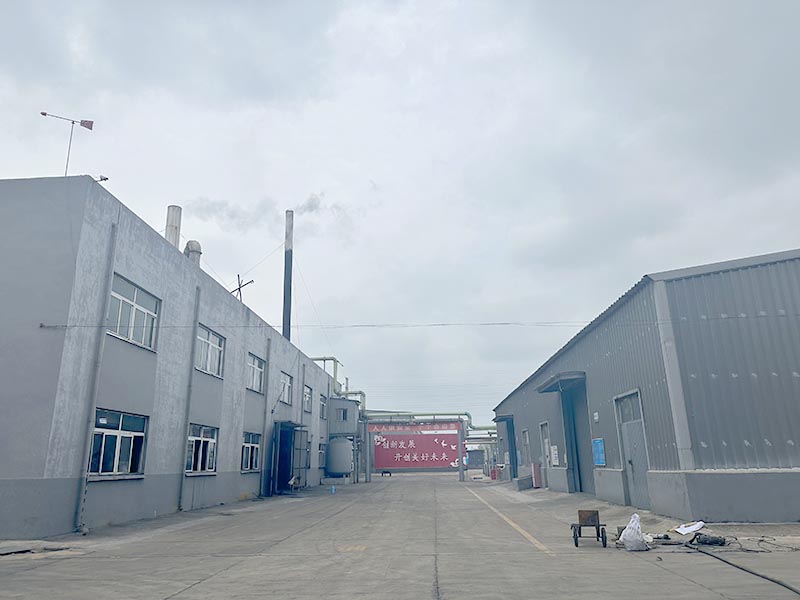
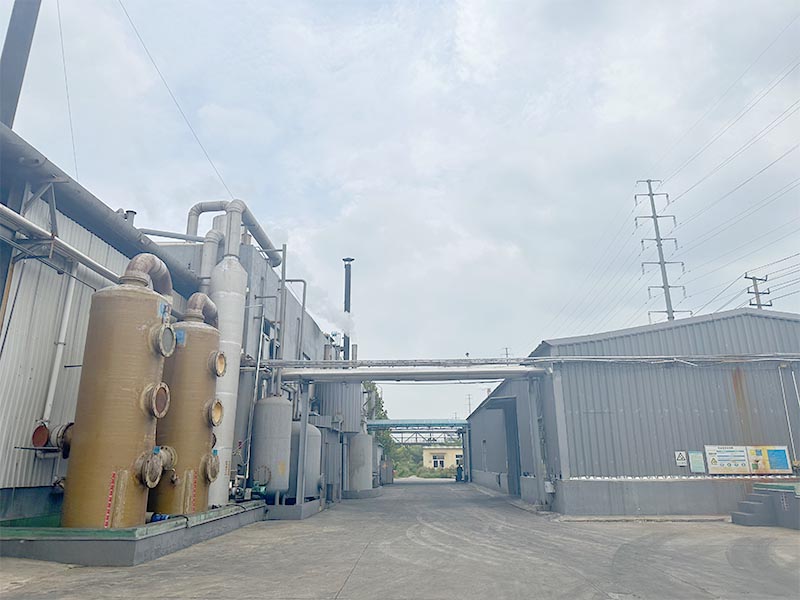
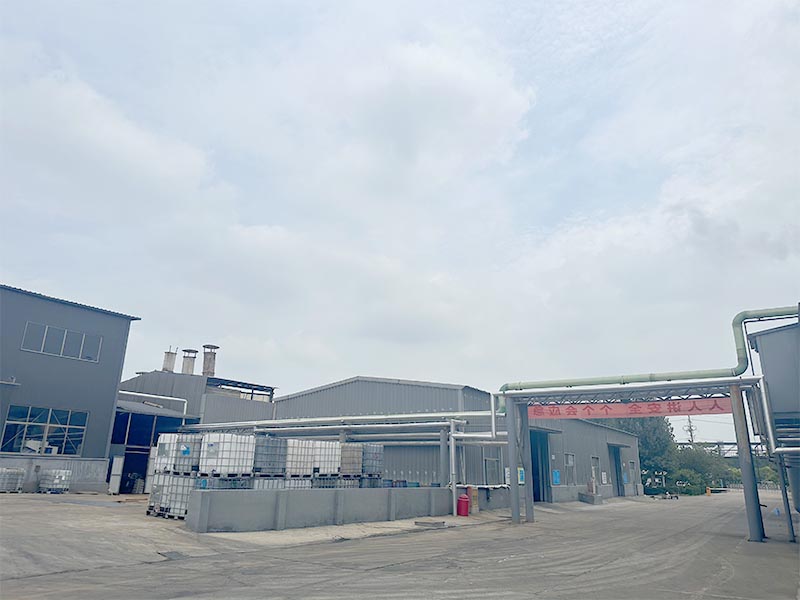
A high-end woolen textile mill in Northern Europe needed a deep crimson shade on premium merino wool. They faced issues with migration during wet processing and poor lightfastness. Our technical team formulated a custom-standardized Acid Red B (C.I. Acid Red 14) with a molecular concentration optimized for leveling at low temperatures. By managing the temperature profile and using specialized leveling agents, we achieved excellent fiber penetration and exhaustion. The resulting fabrics successfully met OEKO-TEX Standard 100 Class I requirements, and the mill reported a 15% reduction in dye consumption due to the higher concentration and dye uptake efficiency of our product.
A major leather manufacturer in South America needed uniform surface coloration for premium upholstery leather. Traditional dyes created uneven color distribution due to varying absorption rates across different sections of the hides. We supplied a custom-synthesized liquid formulation of Acid Red B, featuring low salt content and high penetration auxiliaries. This adjustment reduced surface bronzing and ensured deep, uniform color across the entire hide structure, significantly lowering reject rates in their finishing line.
A packaging material manufacturer required a deep, bleed-resistant red color for specialty paper pulp. By adjusting the cationic retention aids in their process, we developed an Acid Red B variant that binds strongly to wood fibers. This solution eliminated color bleeding in wastewater during paper pressing, helping the client meet municipal environmental regulations while maintaining vibrant, consistent color across production runs.
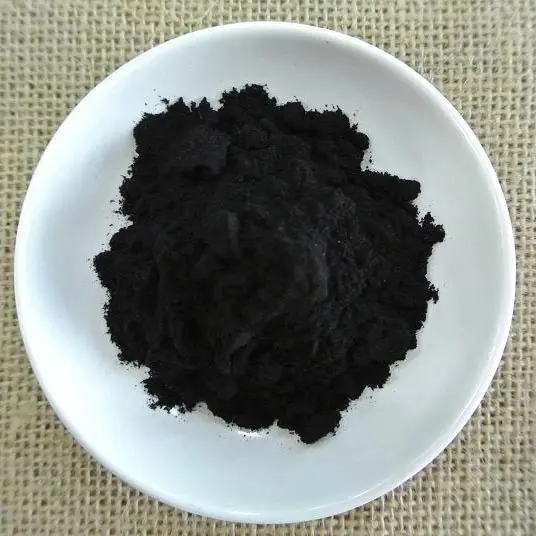
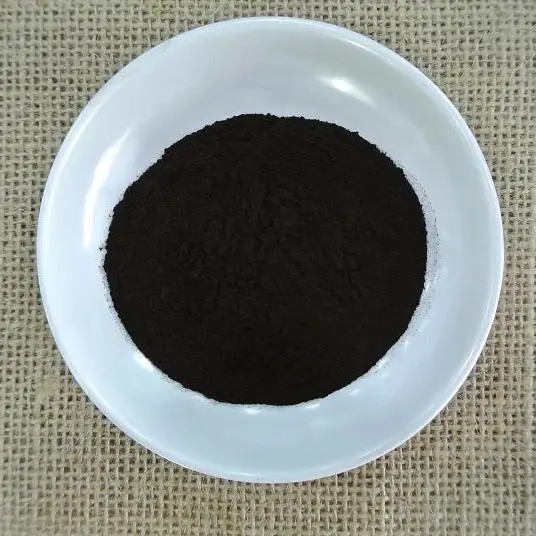
A complete selection of our acid, basic, direct, and solvent dyes, developed for diverse industrial needs.
Take a look inside our storage facilities and shipping processes, demonstrating how we maintain a stable global supply.
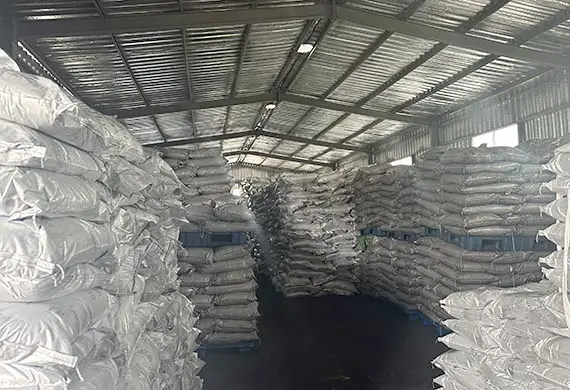
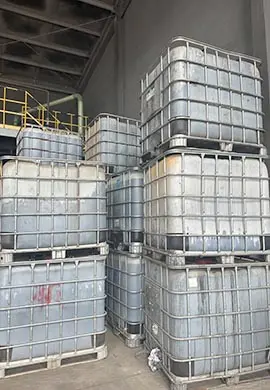
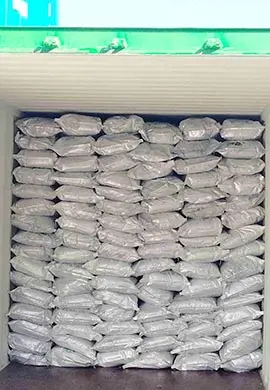
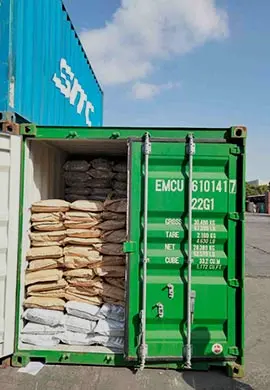
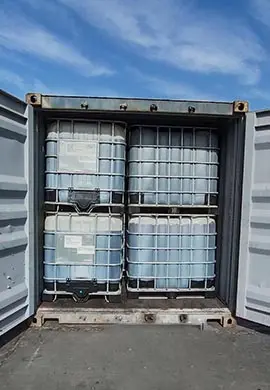
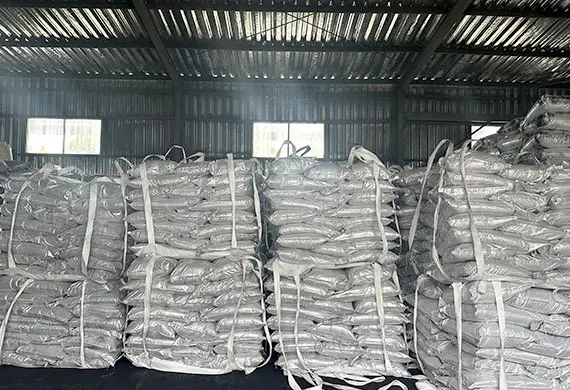
Logistics Security: We minimize moisture absorption risks during ocean transit by utilizing double-layered palletization, desiccant integration, and custom UV-resistant outer wraps for all dye exports.
A trusted, quality-oriented dyestuffs manufacturer with decades of export experience, serving clients in textile, paper, and leather coloring worldwide.
Tianjin Sunrise Chem Group specializes in manufacturing high-quality dyestuffs. Our portfolio includes Direct dyes, Acid dyes, Basic dyes, Sulphur dyes, Solvent dyes, Liquid dyes, and Fluorescent dyes. Backed by decades of industry and export experience, we have built a reputation for reliability and excellence, serving clients across diverse sectors including denim, textile, leather, paper, and plastics.
We focus closely on product quality and stability. Every batch is tested prior to port delivery to ensure consistency. With ZDHC Level 3 and GOTS certifications, our customers receive verified ecological safety and performance.
We pride ourselves on offering customized formulations. Our team of experts works closely with clients to understand their unique needs, delivering tailored products and services. We actively seek strategic partnerships to expand our capabilities and reach. Partner with us to explore mutual growth opportunities.
Environmental protection is the cornerstone of our innovation. We are dedicated to providing eco-friendly, high-quality colorants that balance productivity with environmental harmony, driving the industry toward a more sustainable development path while delivering high-performance products—for a greener textile industry and a sustainable future.
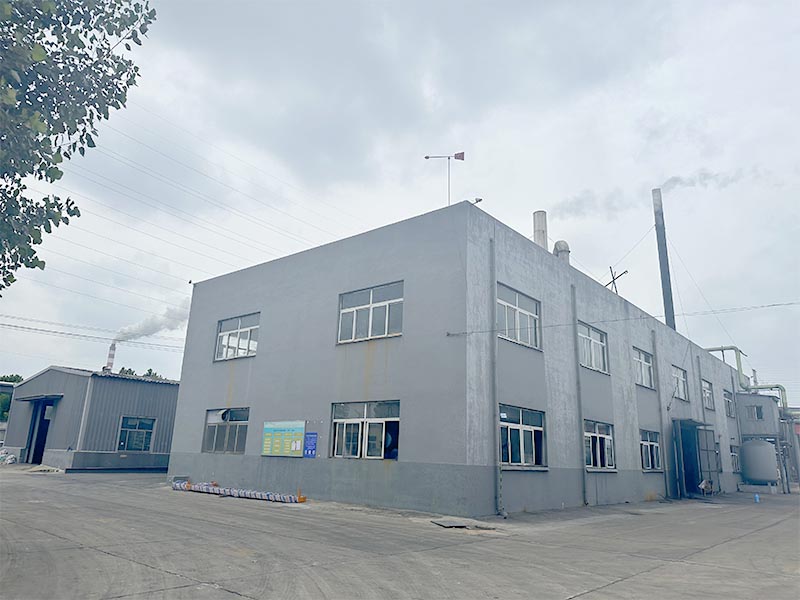
Cooperating with textile and paper mills for many years shows that the factory has established a strong and reliable business relationship. This kind of long-term collaboration can bring numerous benefits, such as consistent orders, shared resources, and mutual support. It also indicates that the factory has a good track record of delivering quality products and meeting the needs of its partners. Our mission is to drive business growth by providing reliable and customized products. Our goal is to make a significant contribution to our customers' success by consistently delivering first-class products and exceptional customer service. By building lasting partnerships, we strive to be a catalyst for our clients' success.
With years of experience, we have successfully established strong partnerships in many countries. Our dedication to meeting global demands and exceeding customer expectations has earned us a reputation as a reliable supplier worldwide. If you are looking for reliable, high-quality Dyes, we invite you to choose us as your trusted partner.
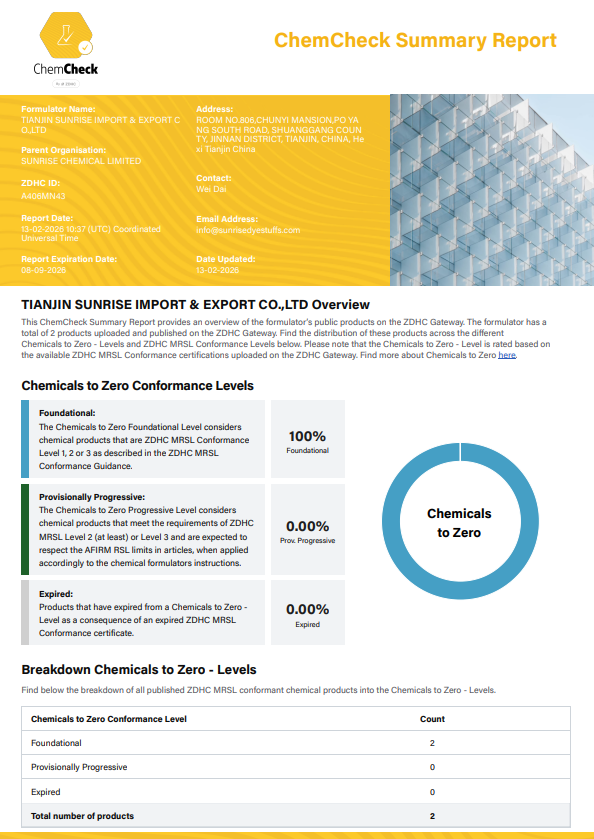
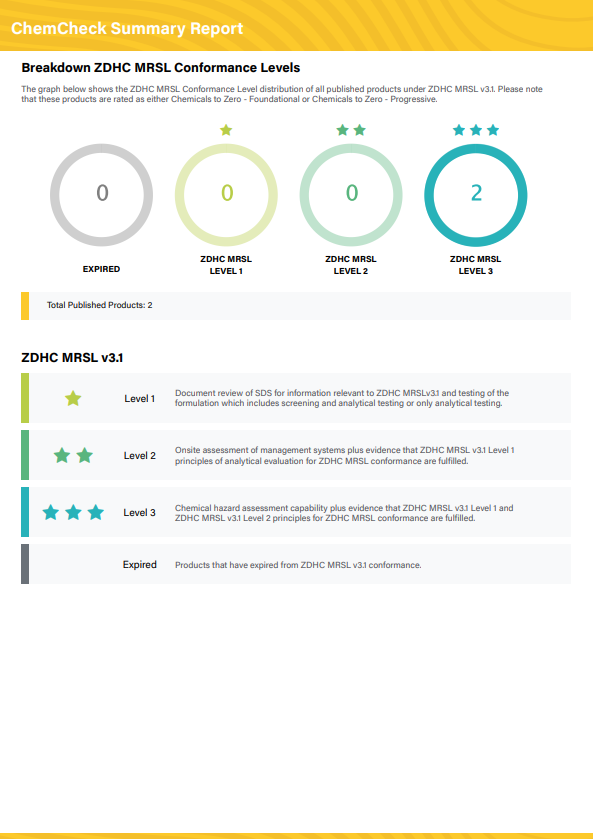
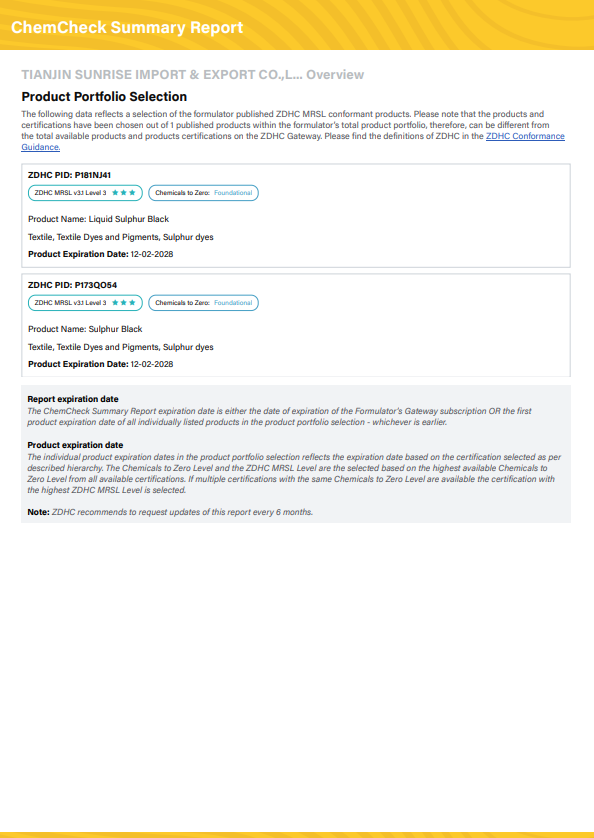
Essential insights for procurement managers and chemical engineers on sourcing, application, and compliance.
High-purity organic chemical formulations and dyes engineered to meet international industrial standards and certified compliance.
 Sunrise