Explore our highly requested line of commercial and industrial-grade dyestuffs optimized for textiles, paper, and polymer matrices.
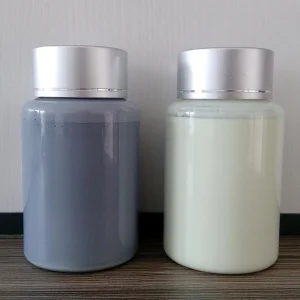
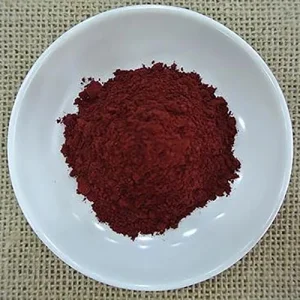
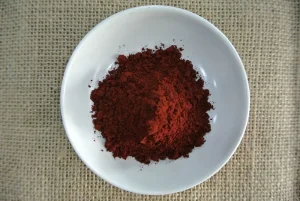
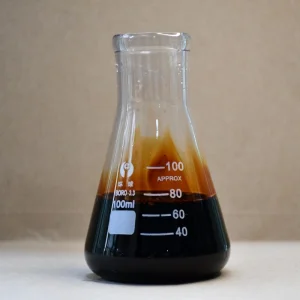
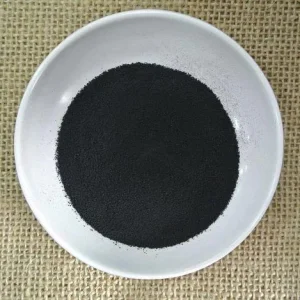
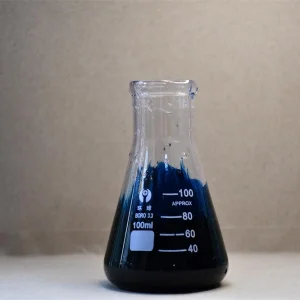
A Comprehensive Technical Whitepaper on C.I. Sulphur Red 14: Chemistry, Production, and Processing Dynamics.
Sulphur Red GGF (classified internationally in the Colour Index as C.I. Sulphur Red 14) represents a crucial class of complex, high-molecular-weight sulfurized organic compounds utilized widely for dyeing cellulosic fibers. Structurally, these dyes are composed of complex heterocyclic networks containing thiazole, thianthrene, and phenothiazine rings, formed through the sulfurization of organic aromatic intermediates under elevated temperatures. For dye-house managers and technical buyers, understanding the molecular profile and solubilization chemistry of Sulphur Red GGF is imperative to optimizing color yield, exhaustion rates, and wash-fastness on final cotton substrates.
Sulphur Red GGF is produced via a chemical condensation reaction known as the baking process (fusion method) or aqueous reflux method. Organic compounds containing nitro or amino groups are combined with sulfur or sodium polysulfide (Na2Sx). During this reaction, disulfide covalent linkages (-S-S-) are formed. In their native oxidized state, these macromolecular complexes are completely insoluble in water. To make them affinity-rich, they must undergo reduction into their water-soluble 'leuco' forms.
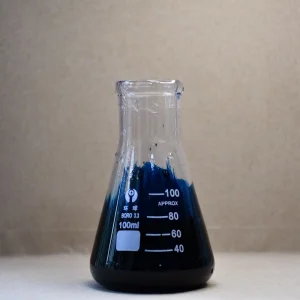
Before applying the dye to cotton warp yarns or woven fabrics, the disulfide bonds must be cleaved using a alkaline reducing agent. Traditionally, sodium sulfide (Na2S) has been the benchmark industrial reducing agent, converting the insoluble dye into a water-soluble sodium salt (Leuco Sulphur Red). Modern ecofriendly dye mills now frequently utilize alternative reducing agents such as alkaline glucose, hydroxyacetone, or sodium hydrosulfite mixtures to minimize sulfur discharge in chemical wastewater. This reduction transition is governed by pH (optimized between 11.5 and 12.5) and temperature parameters (typically stabilized at 80°C to 90°C).
| Property Parameter | Technical Specification Value | Industrial Standard Testing Method |
|---|---|---|
| C.I. Classification | C.I. Sulphur Red 14 (Sulphur Red GGF) | Colour Index International Database |
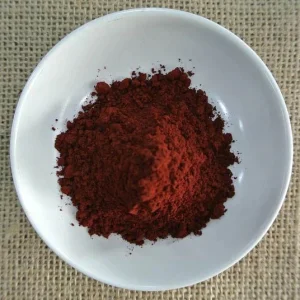
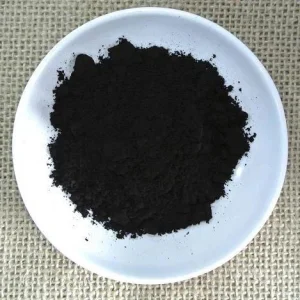
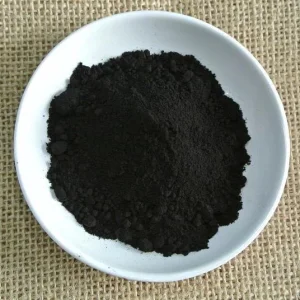
| Physical Form | Dark Reddish-Brown Powder / Paste | Visual Spectrophotometer Analysis |
| Water Solubility | Insoluble in water (Oxidized State); Soluble in Aqueous Na2S (Leuco State) | ISO 105-Z09 |
| Light Fastness | 5 - 6 (Blue Wool Scale) | ISO 105-B02 (Xenon Arc Lamp) |
| Washing Fastness | 4 - 5 (Staining), 4 (Color Change) | ISO 105-C06 (C2S Test at 60°C) |
| Crocking Fastness | Dry: 4 - 5 | Wet: 3 (Without Post-treatment) | ISO 105-X12 (Crockmeter Method) |
Evaluating the macroeconomics, market distribution, and localized application patterns of Sulphur Red GGF.
The global dyestuffs market is experiencing structural transformations, driven by both strict environmental regulatory regimes and the shifting centers of textile manufacturing. Sulphur Red GGF occupies a critical niche within this market. Because of its cost-competitiveness, deep color penetration, and excellent washing durability, it is highly demanded across major textile manufacturing hubs in Bangladesh, India, Vietnam, Turkey, and Central America. Its main competitor is Reactive Red, but Sulphur Red GGF remains the superior choice for heavy-duty substrates, denim casting, and workwear fabrics that require continuous exposure to industrial laundering.
Production is highly concentrated in the Asia-Pacific region, particularly in chemical corridors in China (such as Tianjin) and Western India. These manufacturing nodes supply raw powders and standardized liquids to global distribution hubs. The logistics of Sulphur Red GGF require strict adherence to international maritime safety guidelines (due to the presence of sulfur compounds which can produce trace hydrogen sulfide gas if exposed to acids). Suppliers must maintain advanced moisture-barrier packaging to prevent degradation during sea transit.
Modern applications of C.I. Sulphur Red 14 go far beyond basic garment coloring. Below are the core localized scenarios where Sulphur Red GGF demonstrates its performance dominance:
Decarbonization, eco-friendly synthesis, and liquid dispersion innovation in sulfur dyestuffs.
The global chemical industry is facing intense pressure to reduce its environmental footprint. The regulatory limits on Chemical Oxygen Demand (COD), Biological Oxygen Demand (BOD), and total sulfur output in wastewater have driven manufacturers to innovate. The future of Sulphur Red GGF lies in advanced formulations that simplify the dye-house application while eliminating toxic by-products.
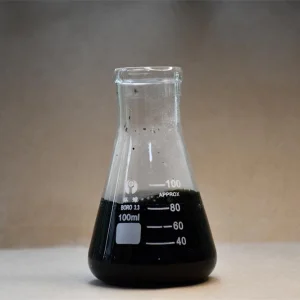
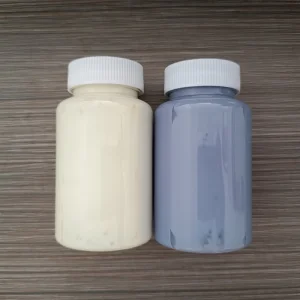
The traditional powder form of Sulphur Red GGF requires the addition of sodium sulfide at the dye mill, which can lead to high sulfide concentrations in wastewater. Leading manufacturers are transitioning to stabilized, pre-reduced liquid formulations. These liquid dyes are supplied with the sulfur molecules already in their soluble leuco form, requiring minimal or zero auxiliary reducing agents. This significantly reduces the chemical load on wastewater treatment plants (WWTPs).
Additionally, researchers are exploring electrochemical reduction methods. By applying a controlled electric current to the dye bath, the insoluble dye can be reduced to its soluble form without chemical reducing agents. This technology represents the holy grail of green dyeing, eliminating chemical waste and allowing for precise control over the redox potential of the bath.
Decades of Expertise in Manufacturing and Exporting High-Quality Dyestuffs Worldwide
Tianjin Sunrise Chem Group specializes in manufacturing high-quality dyestuffs, including Direct dyes, Acid dyes, Basic dyes, Sulphur dyes, Solvent dyes, Liquid dyes, and Fluorescent dyes.
Backed by decades of industry and export experience, we have built a reputation for reliability and excellence, serving clients from diverse sectors including denim, textile, leather, paper, and plastic.
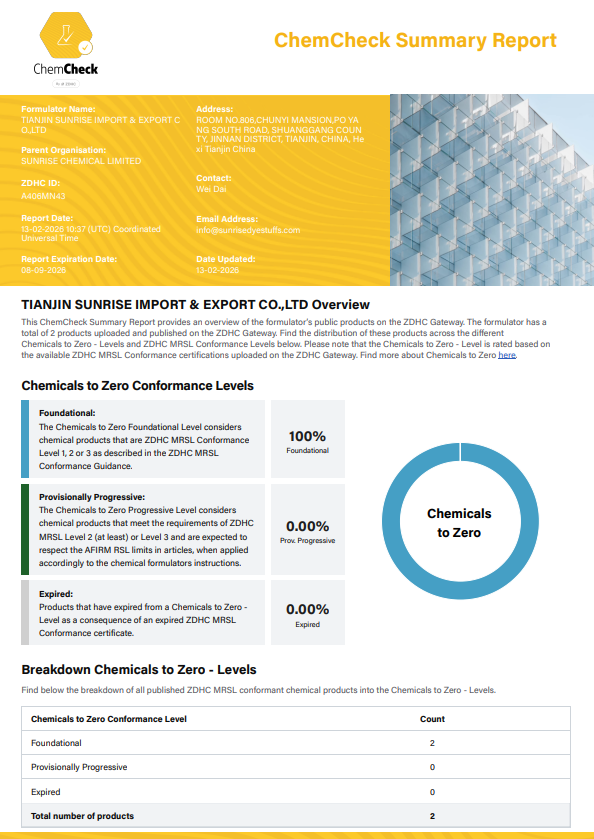
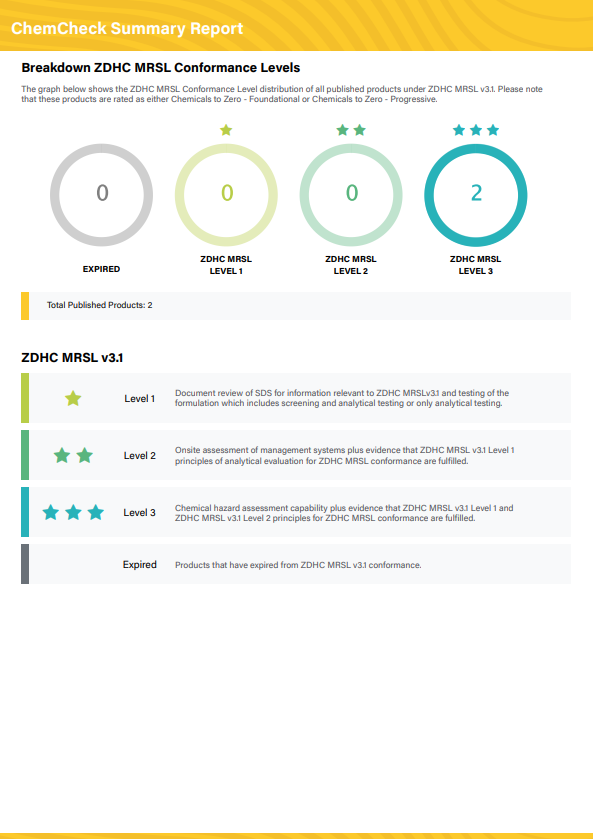
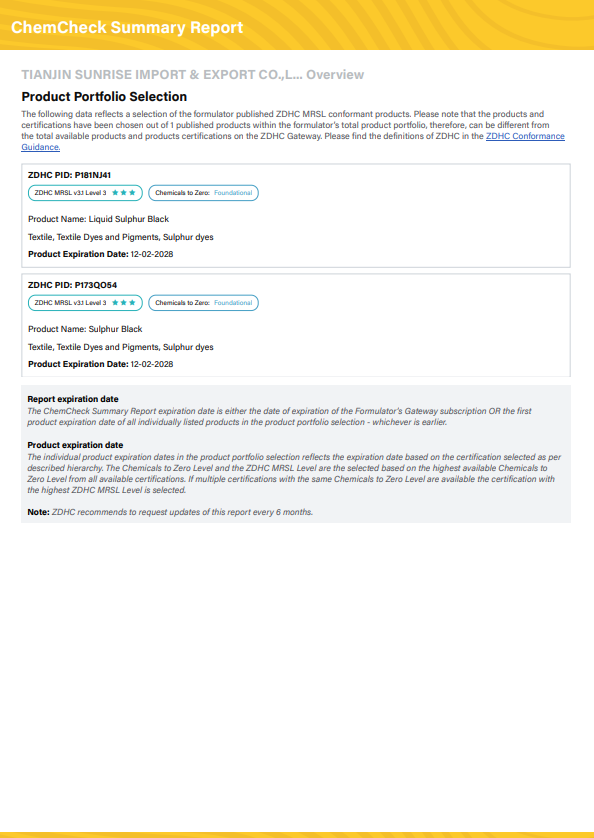
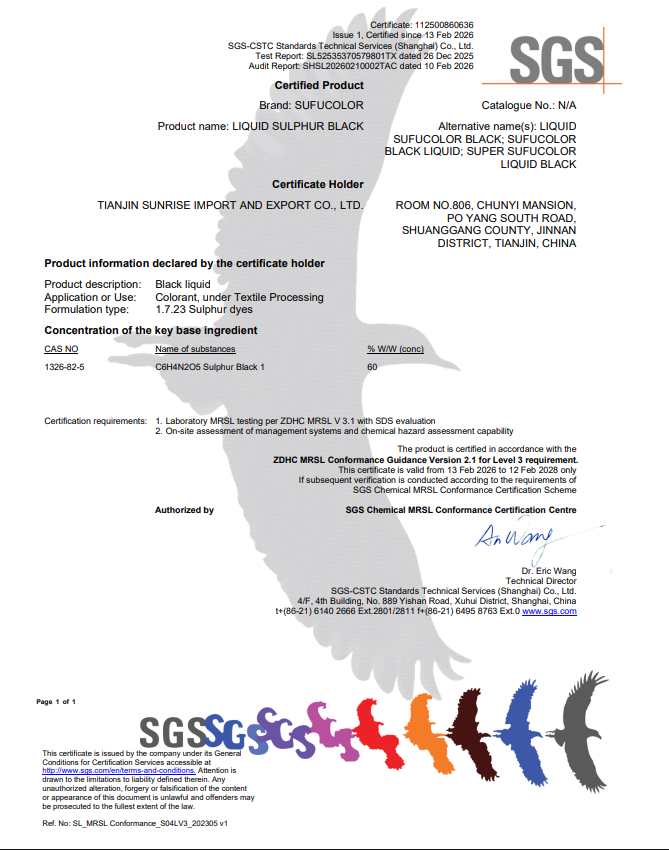
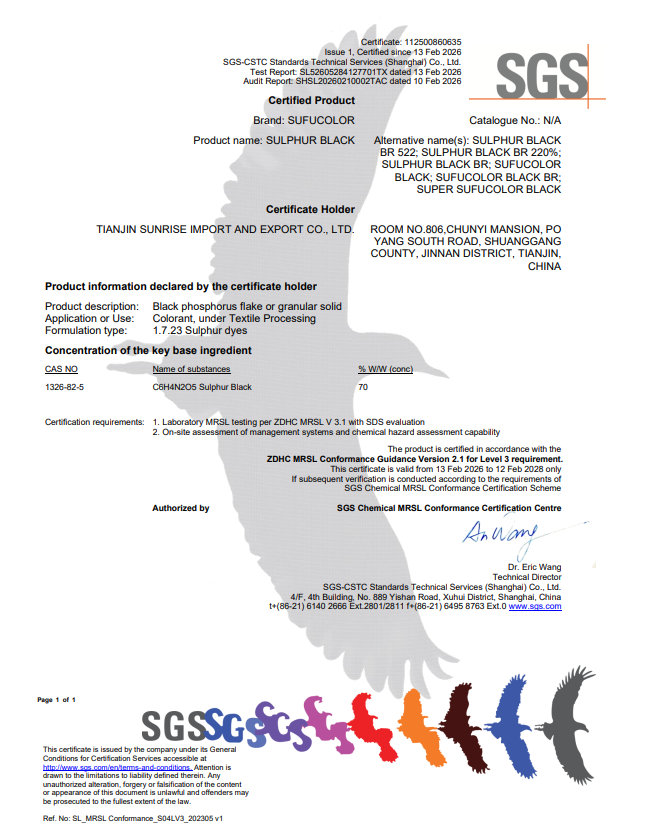
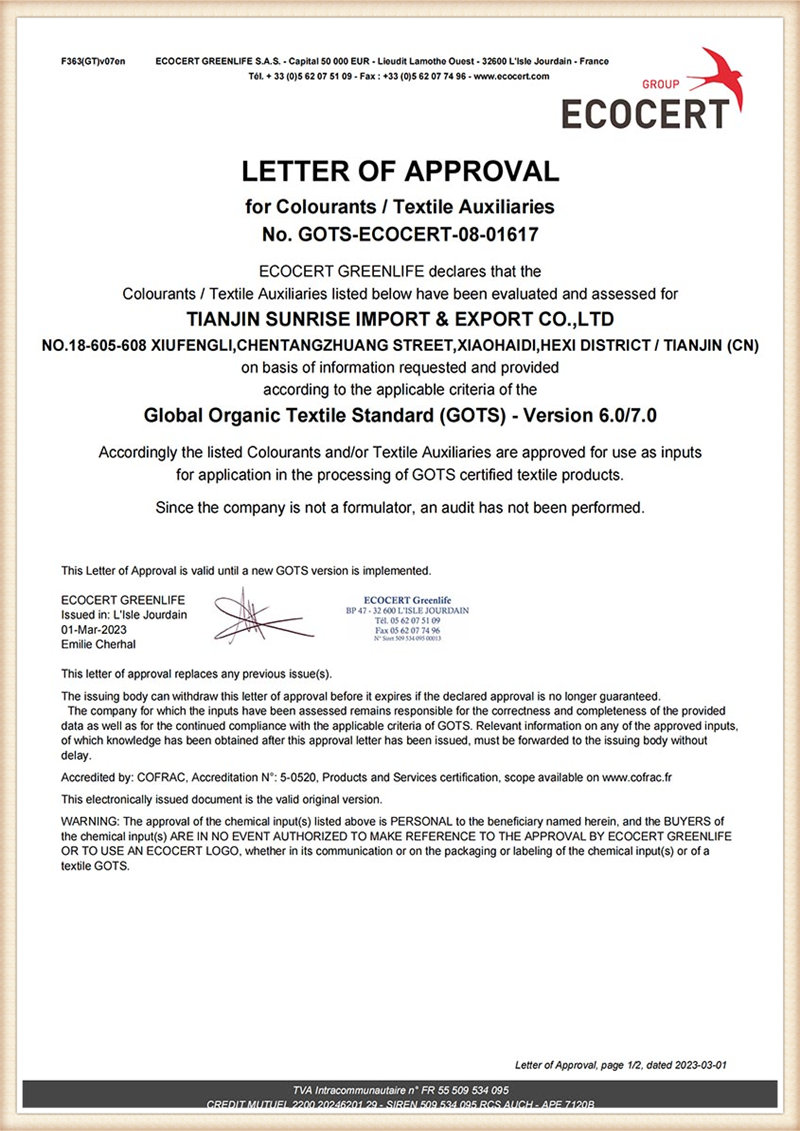
We always highly focus on the goods quality and stability. Each shipment is tested before sending to the port. ZDHC level 3 and GOTS certificate makes your quality guaranteed.
We pride ourselves on offering customized solutions. Our team of experts works closely with clients to understand their unique needs and delivers tailored products and services. We actively seek strategic partnerships to expand our reach and enhance our offerings. Collaborate with us to explore mutual growth opportunities.
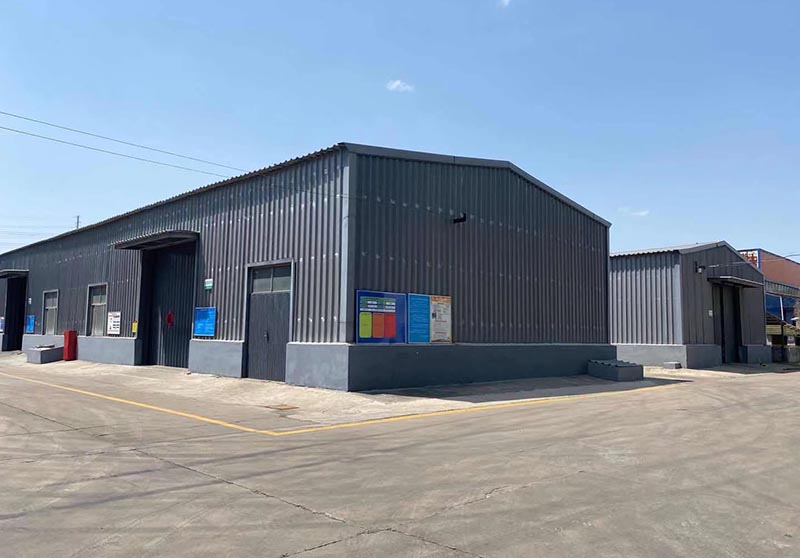
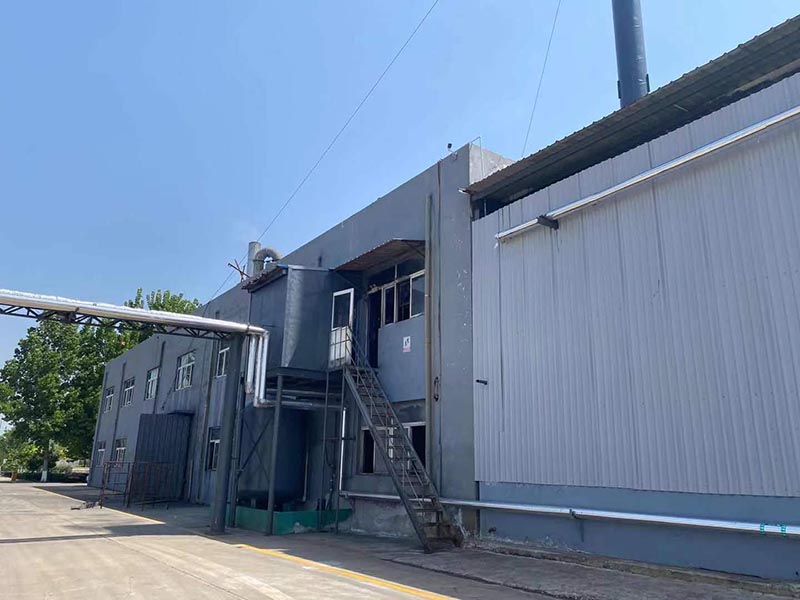
Cooperating with textile and paper mills for many years shows that the factory has established a strong and reliable business relationship. This kind of long-term collaboration brings numerous benefits, such as consistent orders, shared resources, and mutual support. It also indicates that the factory has a good track record of delivering quality products and meeting the needs of its partners.
Our mission is to drive business growth by providing reliable and customized products. Our goal is to make a significant contribution to our customers' success by consistently delivering first-class products and exceptional customer service. By building lasting partnerships, we strive to be a catalyst for our clients' success.
Environmental protection is the cornerstone of our innovation. We dedicate ourselves to providing clients with eco-friendly, high-quality colorants that balance productivity with environmental harmony, driving the industry towards a more sustainable development path while delivering high-performance products—for a greener textile industry and a sustainable future.
With years of experience, we have successfully established strong partnerships in many countries. Our dedication to meeting global demands and exceeding customer expectations has earned us a reputation as a reliable supplier worldwide. If you are looking for reliable, high-quality Dyes, we invite you to choose us as your trusted partner.
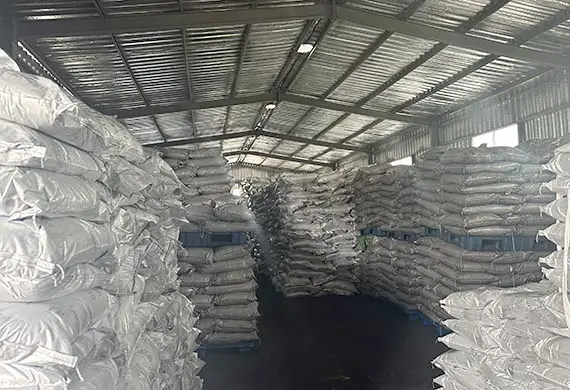
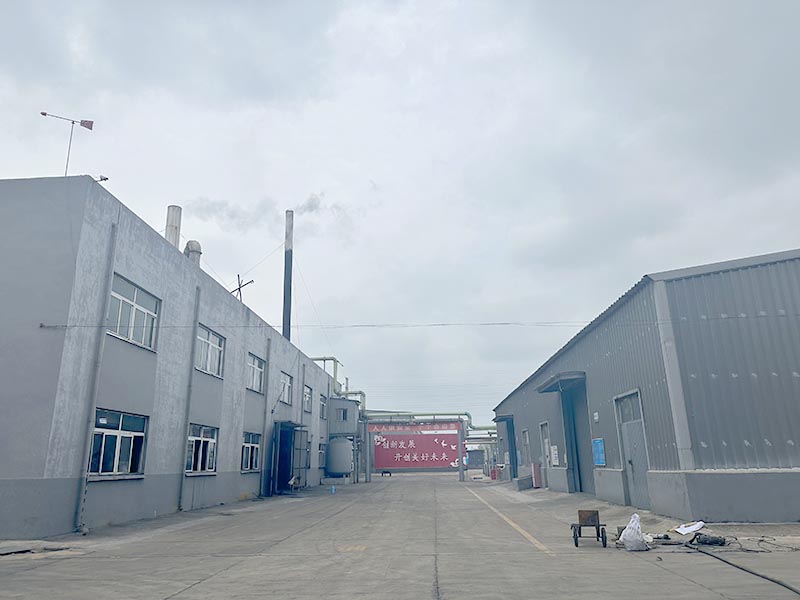
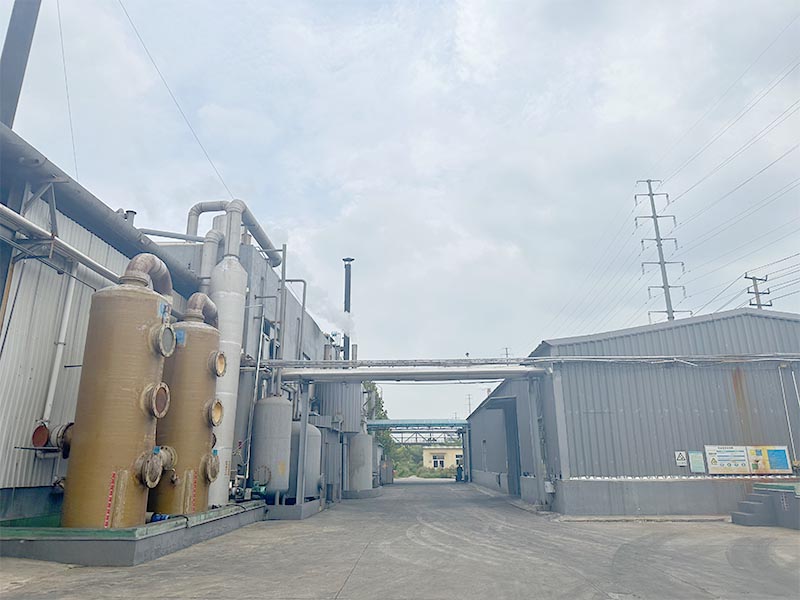
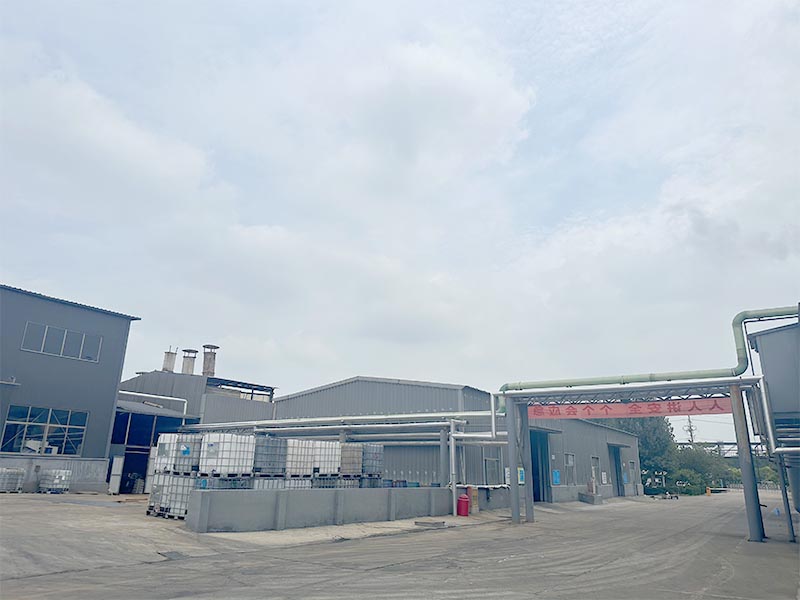
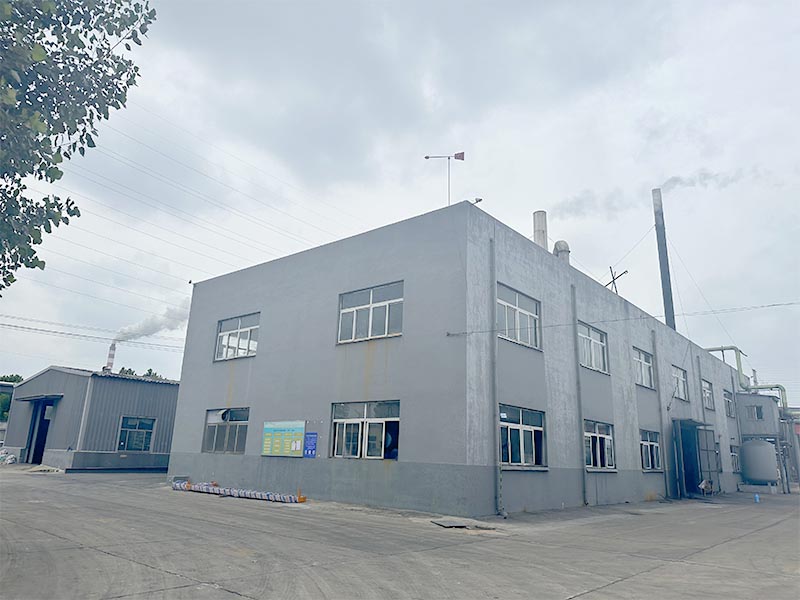
A glimpse into our manufacturing processes, warehousing capacity, and global container loading operations.
We not only produce and export dyes and pigments but also prioritize long-term cooperation with our customers, providing them with quality services that exceed their expectations. One of the main reasons why customers choose us is the stable supply of dyes we provide. We have developed efficient manufacturing processes to ensure a continuous supply of our products. Our factories feature state-of-the-art equipment and a knowledgeable workforce, which enables us to fulfill the most demanding orders. With us, you can begin your manufacturing journey with confidence knowing that dye availability will never be an issue.
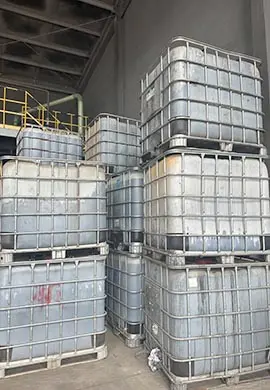
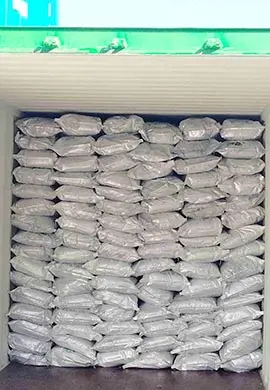

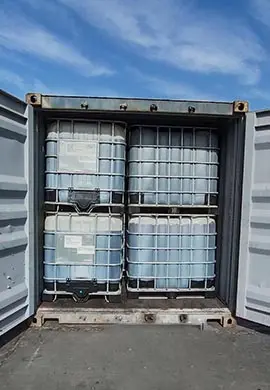
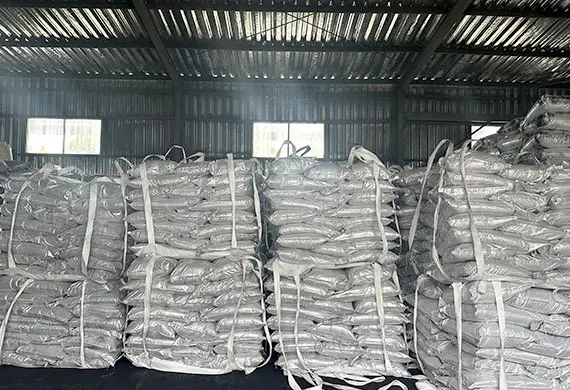
Apart from a steady supply, the quality of our dyes is another reason why we stand out in the market. We, SUNRISE CHEM, take pride in our commitment to producing dyes that consistently meet high standards of quality. Our experienced technicians carefully monitor the manufacturing process, ensuring that each batch of dyes is carefully tested for color fastness, durability, and other essential parameters. By choosing us, you can rest assured that your products will stand out in the market due to the vibrant and long-lasting color our dyes provide.
The ZDHC program is a collaborative effort by leading brands, retailers, and suppliers in the textile and footwear industry to reduce the use of hazardous chemicals. The focus of this certification is on eliminating the release of hazardous chemicals into the environment throughout the entire supply chain. Achieving ZDHC certification indicates that our company has implemented robust chemical management procedures and has met the stringent requirements for chemical handling, wastewater treatment, and pollution prevention. The Global Organic Textile Standard (GOTS) is a certification that ensures the organic status of textiles from the harvesting of raw materials to environmentally and socially responsible manufacturing. The GOTS certification guarantees that the textiles are made from organic fibers, that chemical inputs are minimized, and that strict environmental and labor standards are met throughout the production process. GOTS certified products are considered to be sustainable, safe, and ethical. Both certifications are important in the context of sustainable and responsible textile production. ZDHC focuses on the elimination of hazardous chemicals, while GOTS certification guarantees the organic and ethical aspects of the textile production.

Resolving key challenges in chemistry, application, and ecological footprint of Sulphur Red GGF.
Explore our full line of specialized colorants and pigment options for varied industrial requirements.
 Sunrise