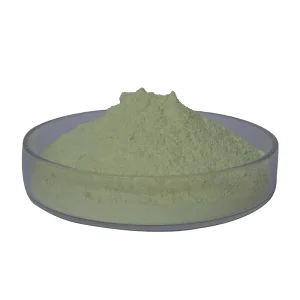
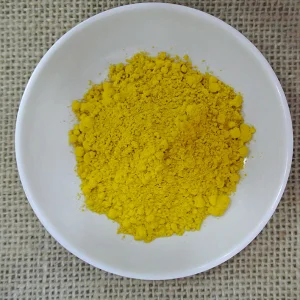
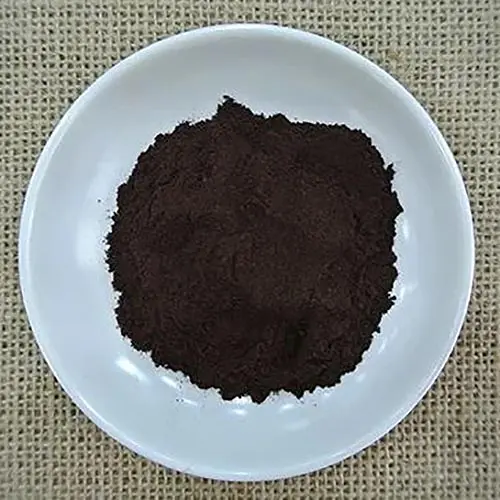
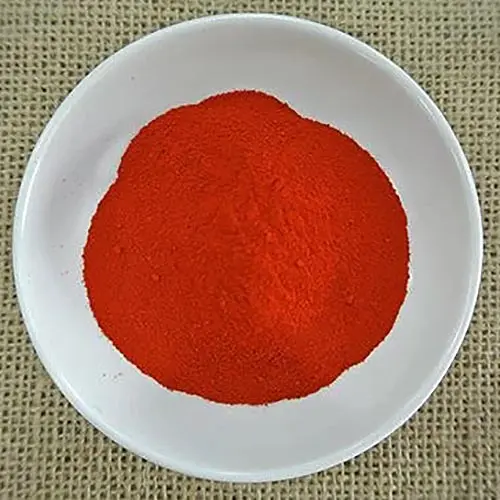
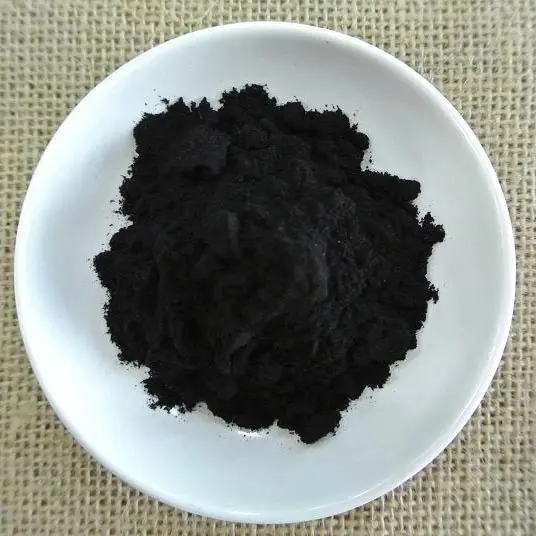
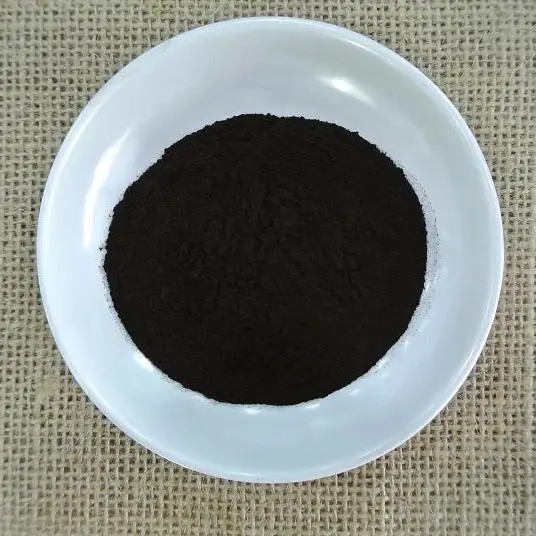
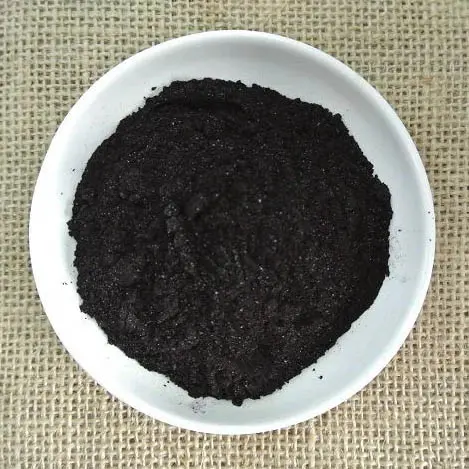
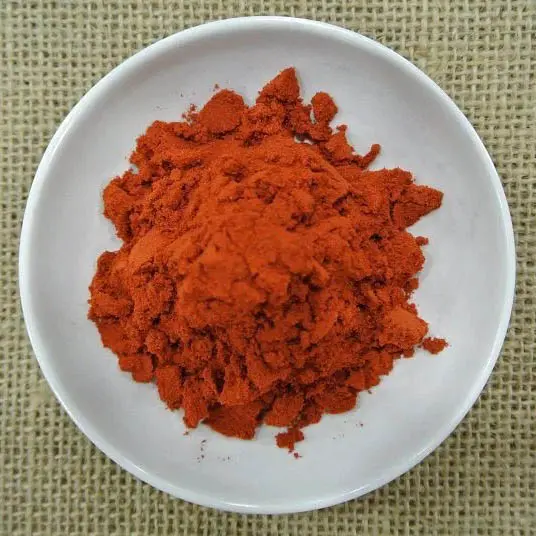
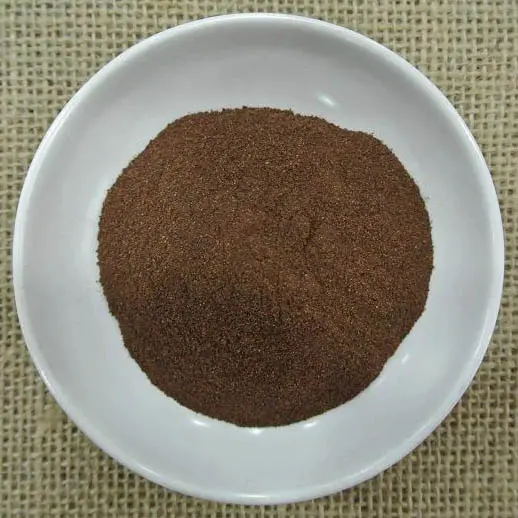
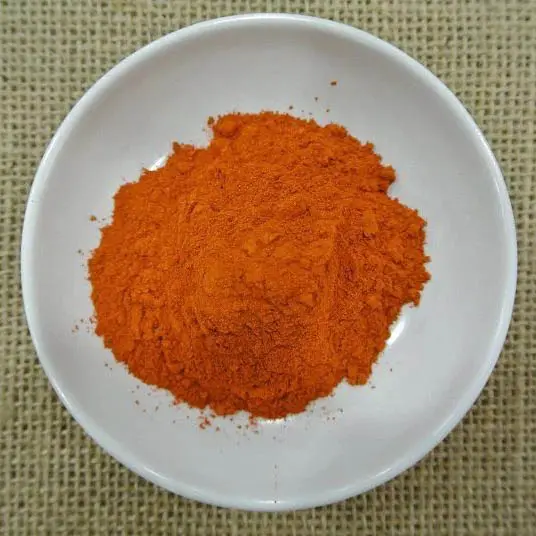
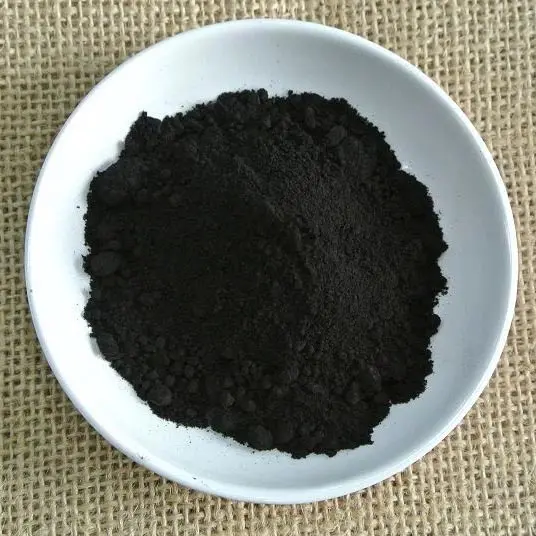
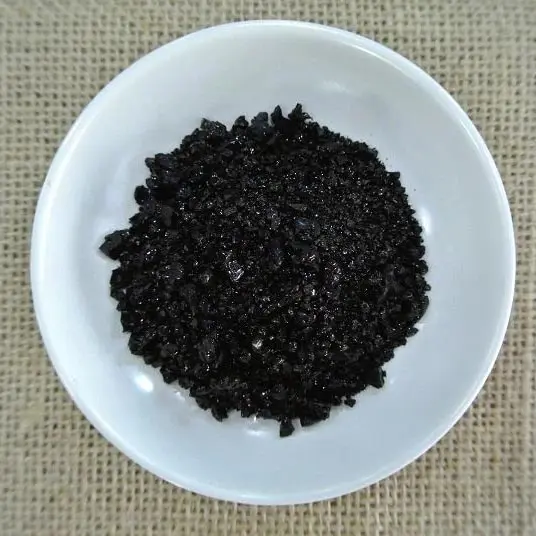
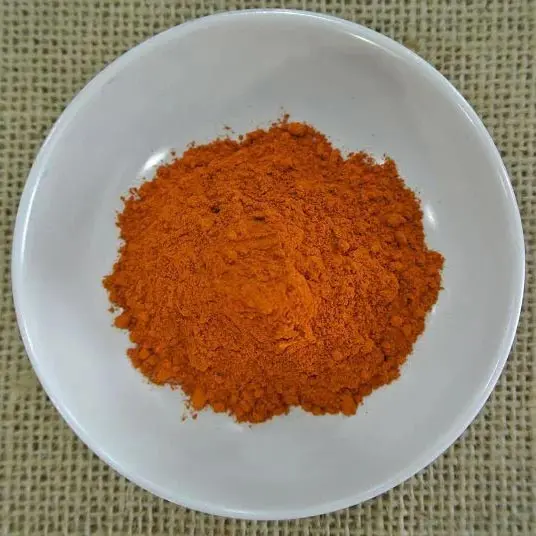
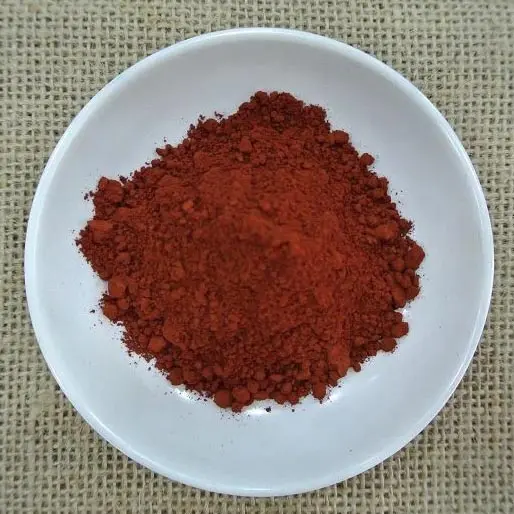
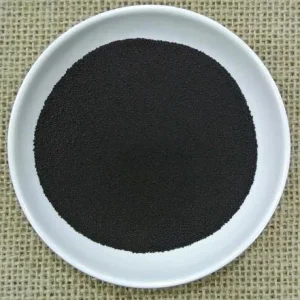
Premium OEM and direct solutions optimized for textile, plastics, and paper mills.
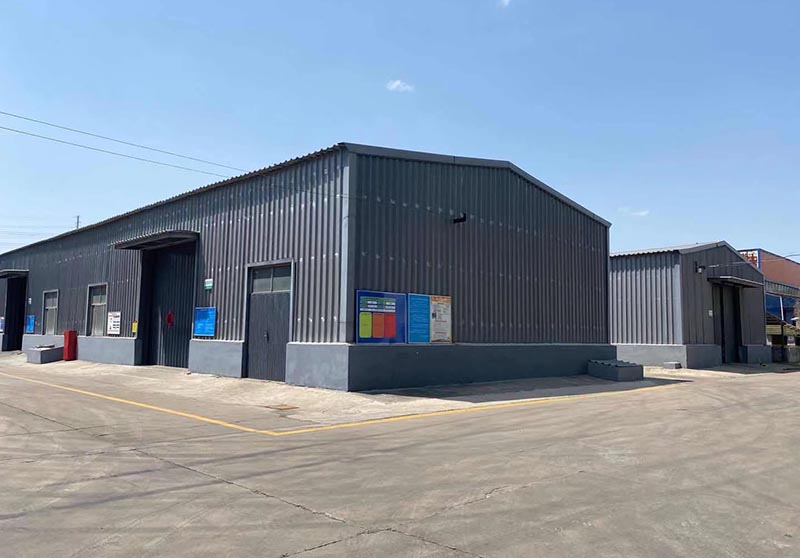
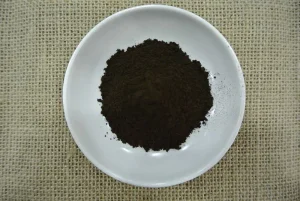
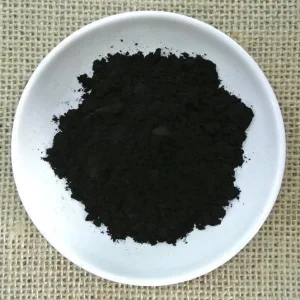
Sulfur Black (specifically Sulfur Black 1, CAS 1326-82-5) remains the single most volume-dense dye category in the global textile industry. Indispensable for denim warp dyeing, heavy cotton piece goods, and deep-black leather substrates, its economic and practical viability rests upon its unparalleled affinity, deep build-up behavior, and cost efficiency.
As a premier chemical manufacturer and global exporter, Tianjin Sunrise Chem Group addresses the complex structural demands of modern global dye houses. Our manufacturing infrastructure leverages high-temperature thionation and polysulfurization of 2,4-dinitrophenol, producing highly stable crystalline powders and concentrated liquid forms with low dust profiles.
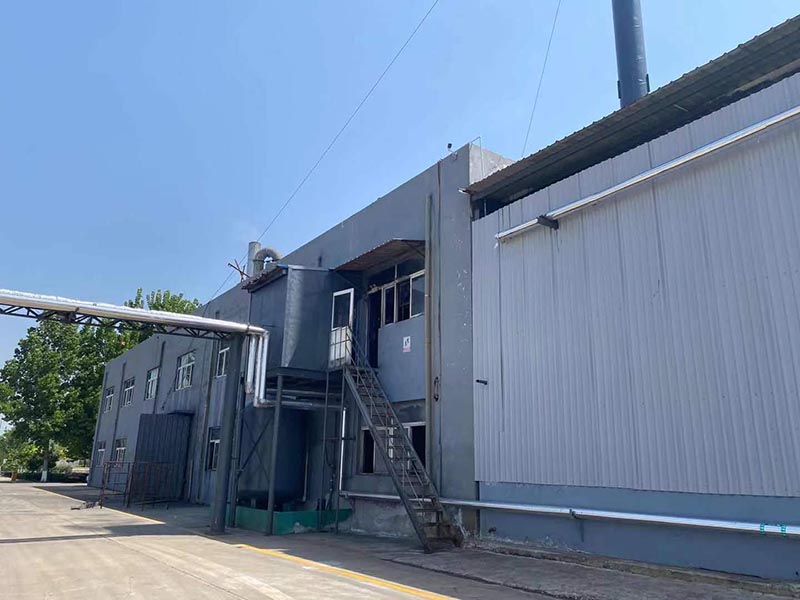
The Chinese chemical supply chain benefits from vertical raw material integration, highly optimized logistics hubs, and strict environmental compliance protocols. At our facility near Tianjin Port, we operate continuous-flow reaction units and localized energy grids that buffer us against material price spikes and transportation bottlenecks.
Our long-term partnerships with leading paper mills, denim houses, and polymer compounding factories demonstrate our capability to provide uninterrupted supply contracts. By holding large reserve stocks of raw chemical intermediates and standardizing our high-volume lines, we protect global partners from geopolitical and trade-lane disruptions.
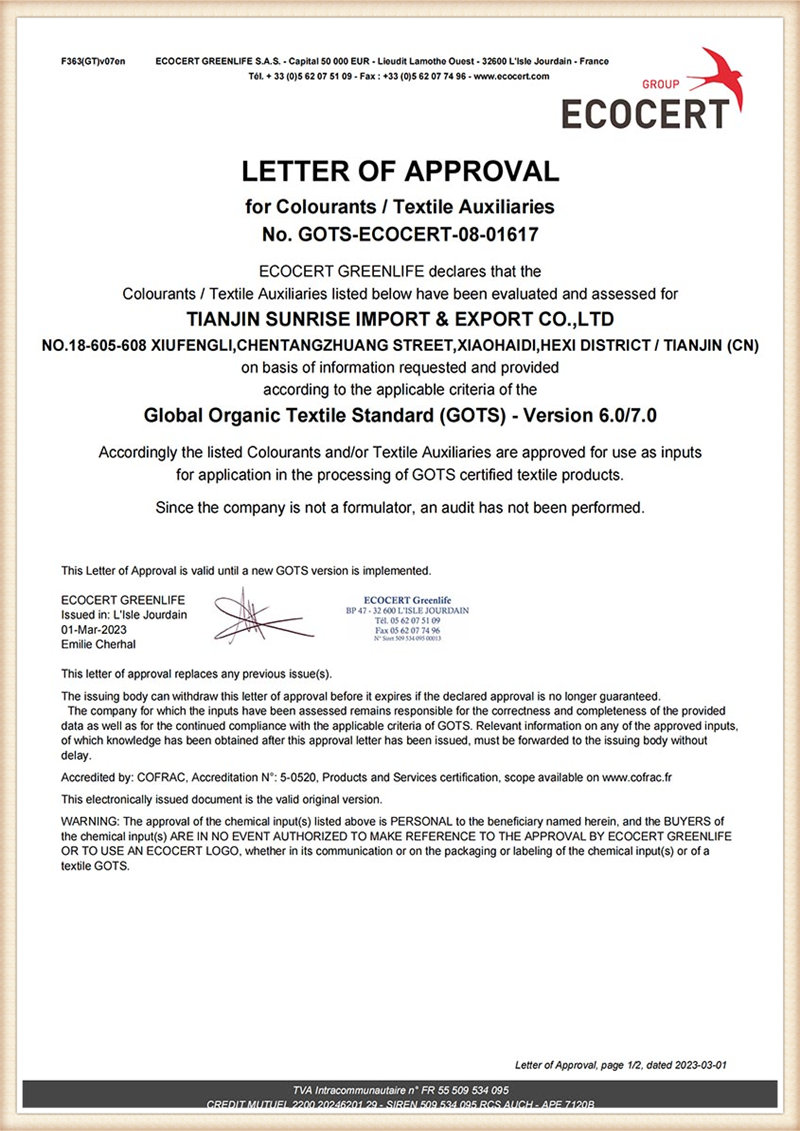
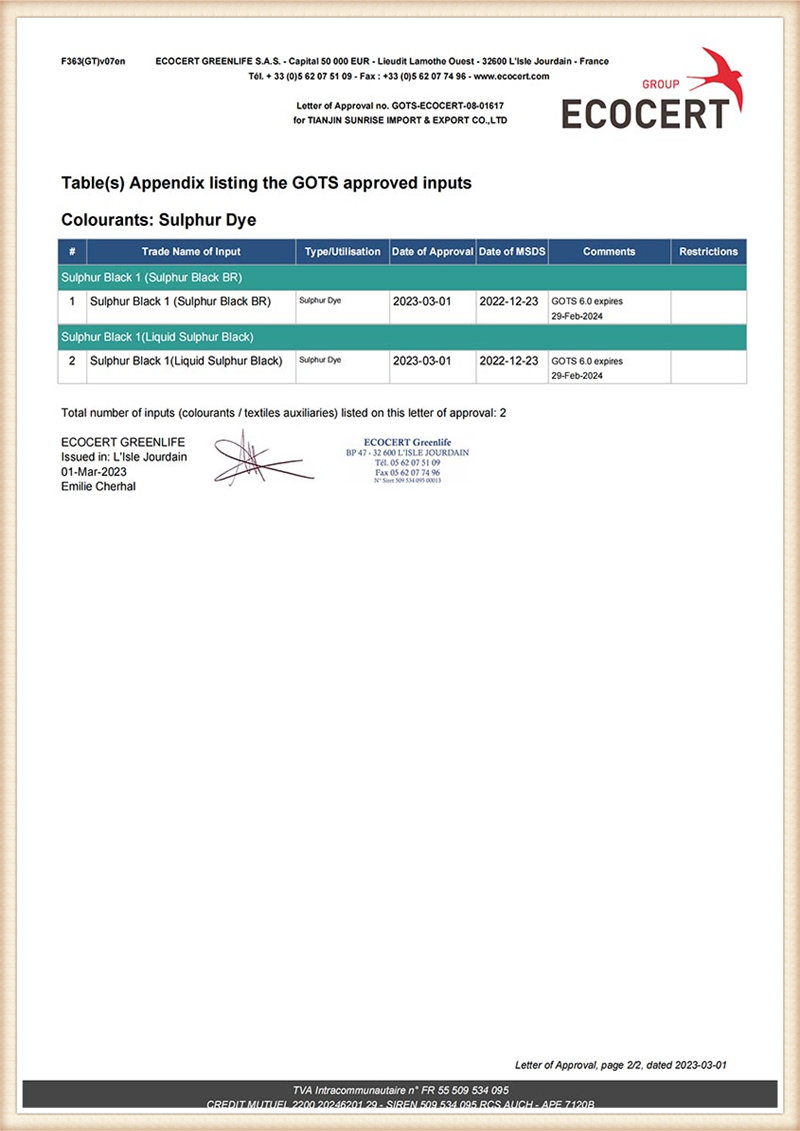
Reliability in Certification: Environmental governance is embedded into our production architecture. Backed by ZDHC (Zero Discharge of Hazardous Chemicals) Level 3 and GOTS (Global Organic Textile Standard) certifications, our products align perfectly with the strict import criteria of Europe and North America, ensuring your supply chain remains legally compliant and ethically sound.
Innovations driving next-generation sulfur dye formulations toward zero-sulfide discharge.
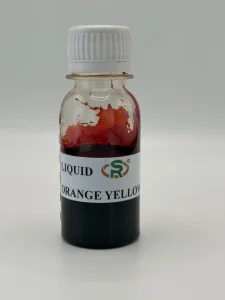
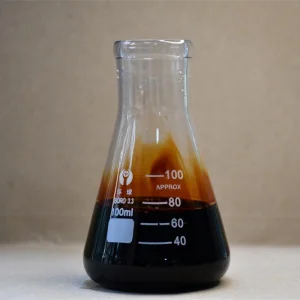
Transitioning to pre-reduced, ready-to-use liquid sulfur dyes. This configuration minimizes the requirement for heavy sodium sulfide reducing agents at dye houses, drastically lowering sulfide levels in wastewater treatment facilities.
R&D efforts are currently scaling the use of glucose and hydroxyacetone-based reduction methods. These biodegradable options replace conventional hydrosulfite, ensuring the overall process retains a low-carbon footprint and zero heavy-metal contamination.
Deploying computerized spectrophotometric standardization to refine every production batch. This guarantees consistent molecular weight distribution, resulting in uniform color build-up and dependable batch-to-batch repeatability.
Operational photos showing packaging safety, secure warehousing, and streamlined container loading.
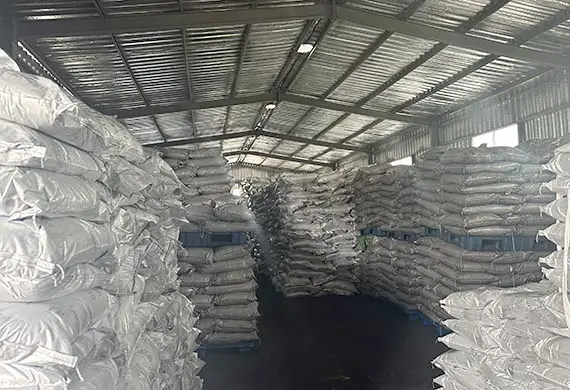
Dry and temperature-controlled storage ensuring material stability.
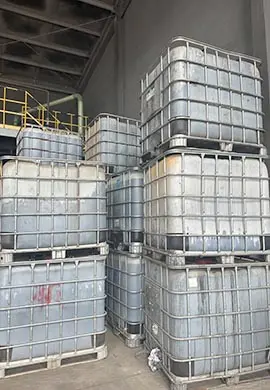
Bulk IBC packaging for automated liquid handling systems.
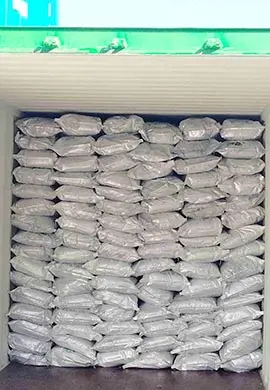
Reinforced transport securing to prevent moisture absorption.
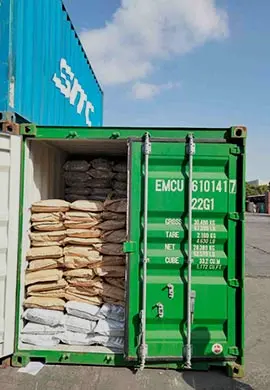
Seaworthy pallet setups optimized for export.
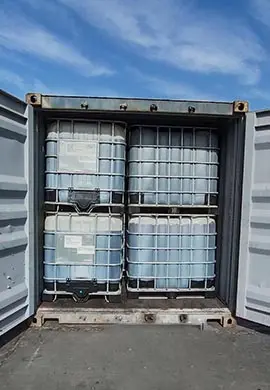
Secure containment for transit safety compliance.
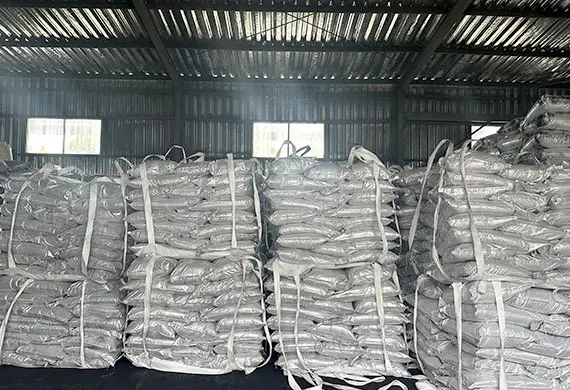
Standardized chemical management operations.
Tailoring technical parameters and processing methodologies to match specific downstream applications.
Modern warp dyeing utilizes continuous range setups where yarns encounter repeated dipping, squeezing, and oxidation steps. Tianjin Sunrise Chem Group's Sulfur Black 1 formulations are adjusted for precise oxidation kinetics. Our dyes are balanced to prevent rapid premature oxidation, yielding deep, even dye penetration. This is crucial for subsequent dry-weaving processes and guarantees the required indigo-black wash-down characteristics for vintage denim aesthetics.
In the packaging sector, light fastness and bleeding resistance are primary concerns. Our water-soluble liquid direct dyes and customized sulfur black solutions associate strongly with cellulose fibers. They perform reliably in both acid and neutral sizing environments. This minimizes coloration in the white-water loop, reducing wastewater treatment load while maintaining color depth on the sheet surface.
Chrome-tanned and vegetable-tanned leathers demand distinct dye profiles. To ensure uniform coverage across grain irregularities, our dyes feature high chemical stability and balanced acid-base tolerance. This allows for deep penetration through the leather matrix before fixation with formic acid, preventing surface bronzing and shade shifting during dry milling.
Sustainable textile processing requires supply chains to eliminate hazardous substances. Our ZDHC Level 3 MRSL (Manufacturing Restricted Substances List) certification means that our raw material selection, production processes, and finished goods are verified to be free of restricted hazardous chemicals. Additionally, our GOTS certification ensures that our dyes meet organic processing criteria, simplifying the certification process for brands targeting global green standards.
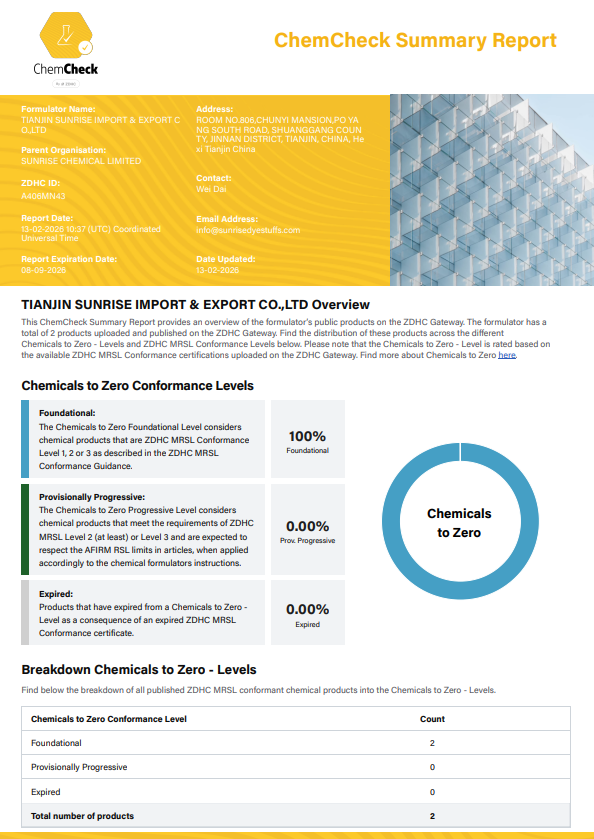
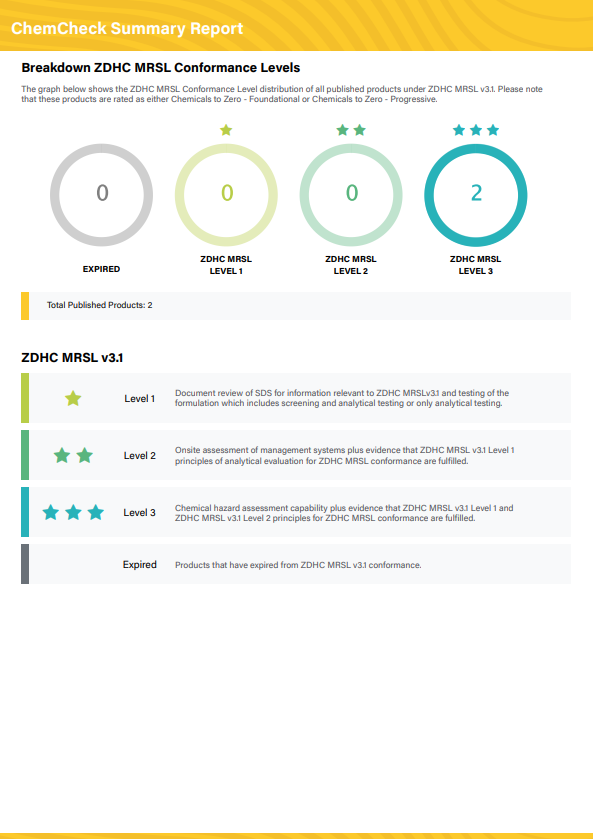
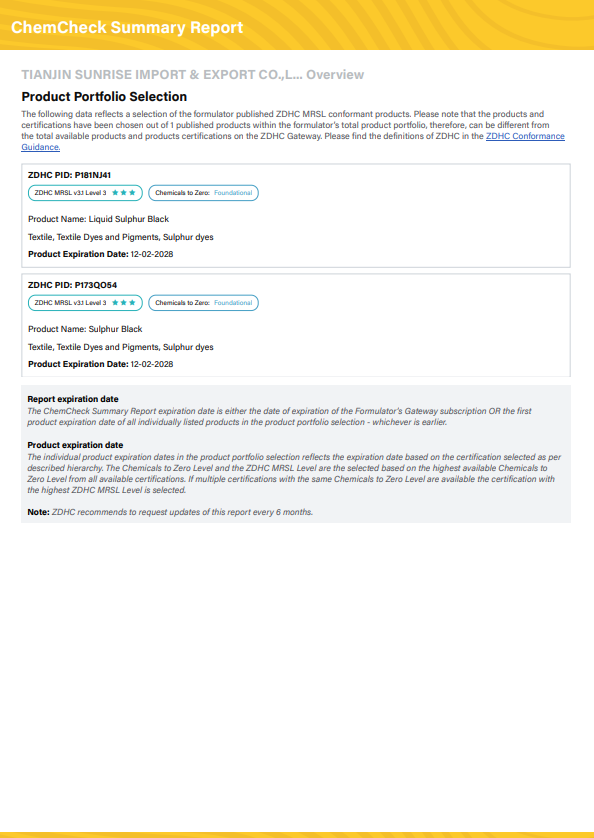
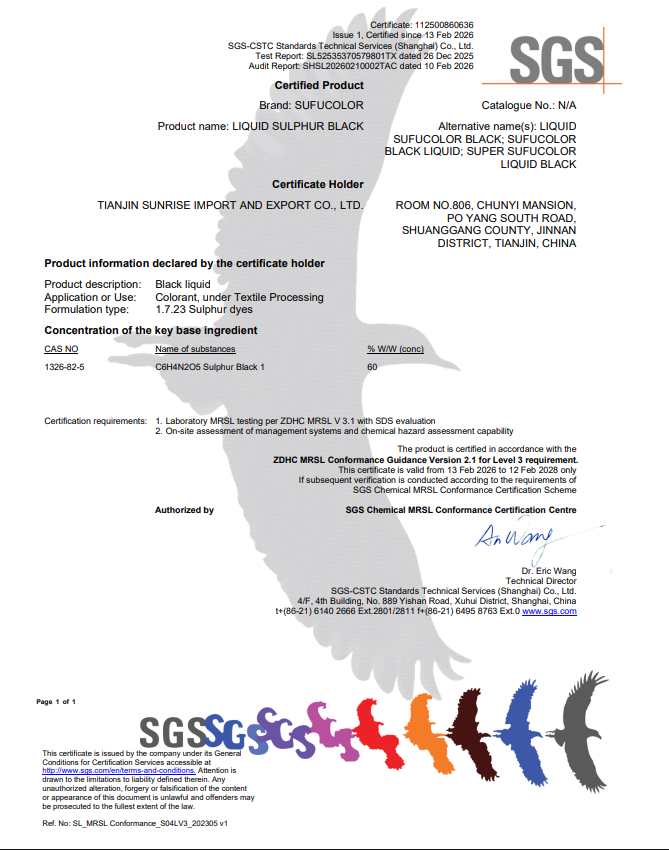
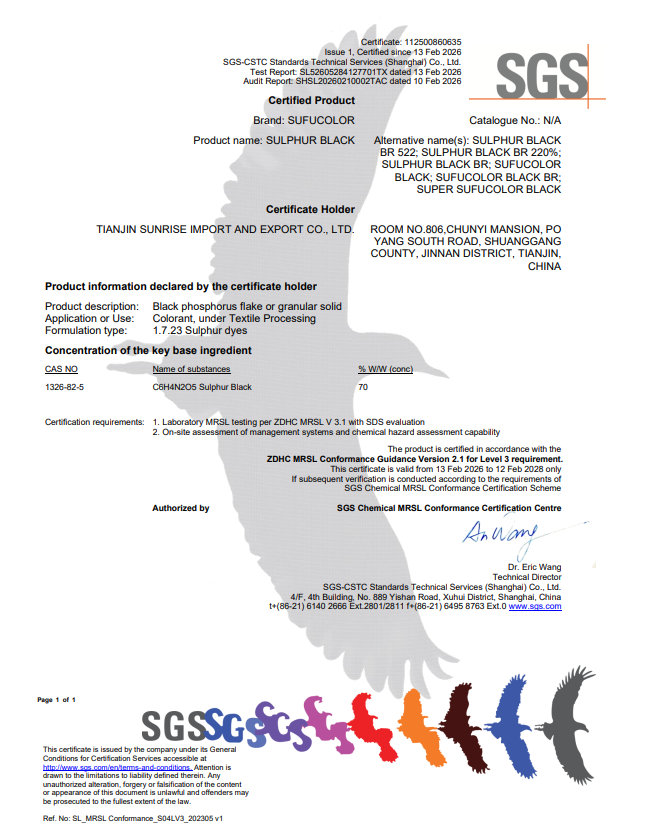
Comprehensive portfolio supporting advanced applications in textile, paper, and polymer industries.
Understanding the molecular properties and synthesis parameters that define high-performance sulfur dyes.
Unlike simple synthetic azo dyes, Sulfur Black 1 is a complex, high-molecular-weight mixture containing polysulfide linkages and phenothiazone ring systems. Its synthesis involves heating 2,4-dinitrophenol with sodium polysulfide. Under controlled temperatures, this initiates reduction, condensation, and ring closure.
We closely monitor the sulfide-to-hydroxide ratio during this process. Deviations can alter the ratio of disulfide to monosulfide linkages, directly impacting the dye's water solubility, molecular size, and wash fastness. By maintaining this balance, we ensure high coloration yields and stable shade profiles across batches.
Modern processing operations must weigh the advantages of dry powder against pre-reduced liquid dye variants. While powder offers long shelf-life and lower transit weights, liquid formats provide significant advantages in handling and dosing:
Technical answers regarding application chemistry, storage requirements, and environmental parameters.
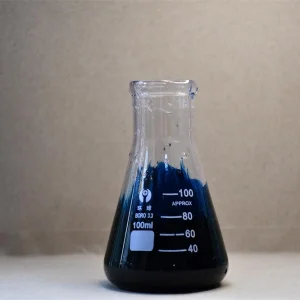
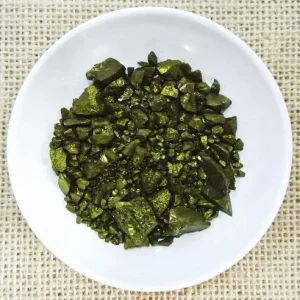
Alternative formulations including direct, acid, and solvent dyes for diverse industrial applications.
 Sunrise