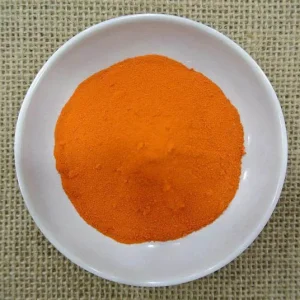
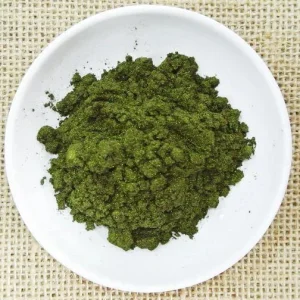
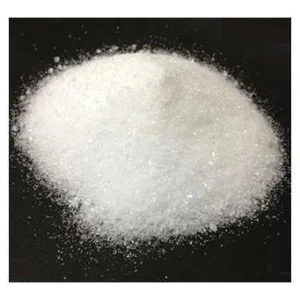
Discover our highly requested industrial dye and pigment formulations, sourced globally and manufactured to strict ZDHC and GOTS standards.
Liquid Optical Brightening Agents (OBAs), chemically classified as stilbene derivatives, represent a milestone in modern industrial whitening applications. Primarily utilized in the paper, textile, and detergent industries, these agents absorb light in the ultraviolet and violet region (usually 340-380 nm) of the electromagnetic spectrum, re-emitting light in the blue region (typically 400-440 nm) by fluorescence. This fluorescent property compensates for the yellow cast inherent in natural fibers and cellulose, yielding unparalleled brightness and aesthetic appeal.
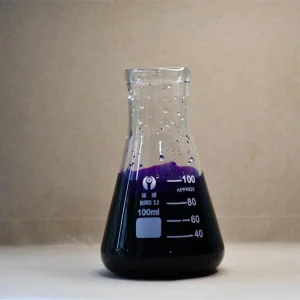
Global procurement teams prioritize liquid over powder variants due to the distinct operational advantages of liquid systems: dust-free operation, precise automatic dosing, rapid dilution properties, and consistent uniformity in continuous application lines. As top-tier Liquid OBA suppliers, we address these specific user intents by providing customized stabilization mechanisms that prevent sedimentation, guarantee consistent UV-absorbency, and ensure stability under diverse pH parameters.
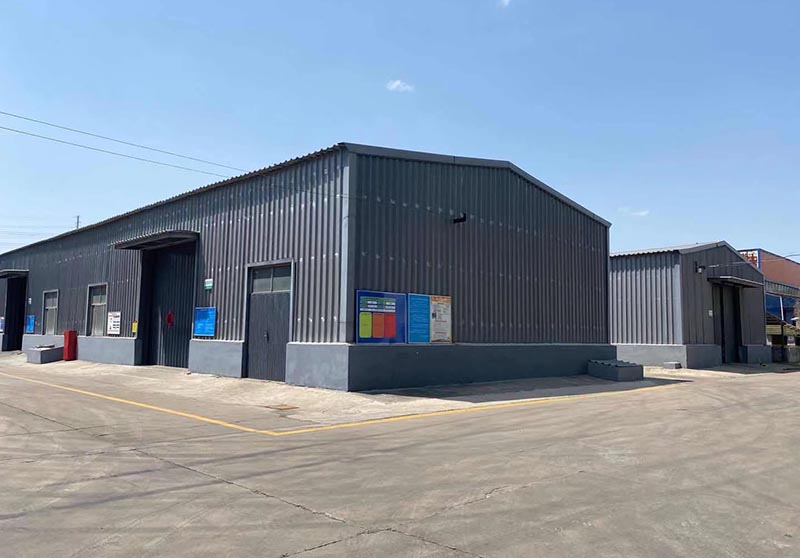
Decades of chemical synthesis excellence, providing consistent performance across global industries.
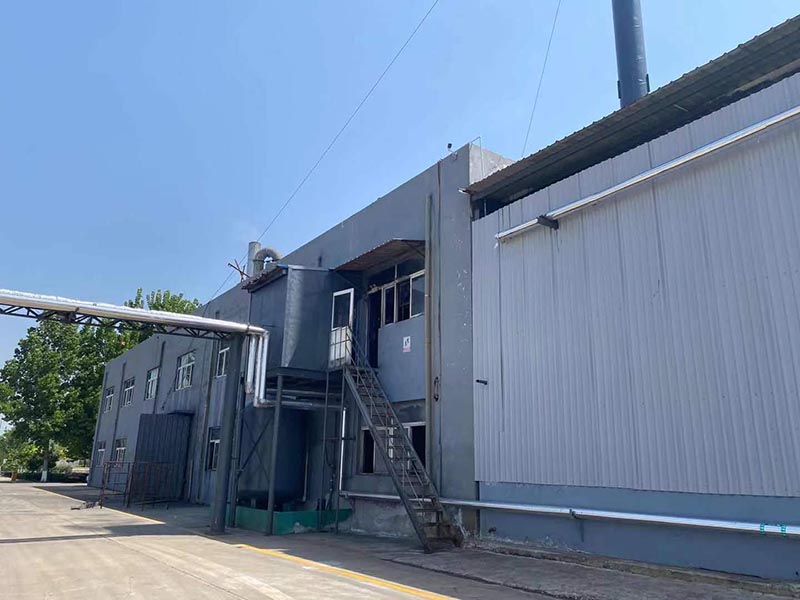
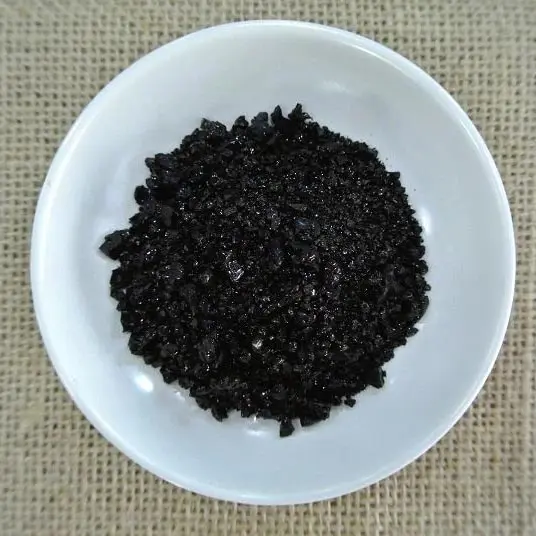
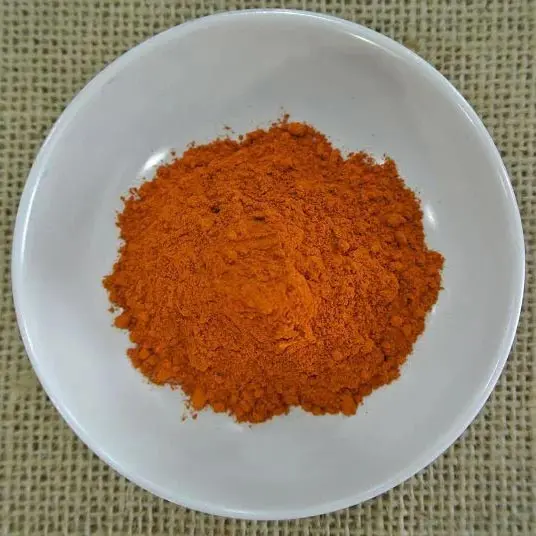
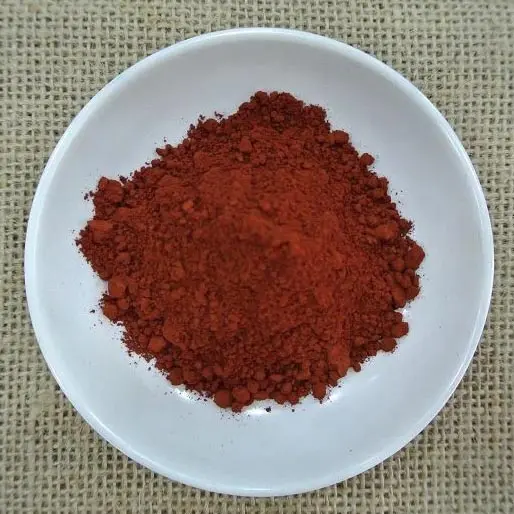
Tianjin Sunrise Chem Group specializes in manufacturing high-quality dyestuffs. Our vast portfolio includes Direct dyes, Acid dyes, Basic dyes, Sulphur dyes, Solvent dyes, Liquid dyes, and Fluorescent dyes. Backed by decades of industry and export experience, we have built a reputation for reliability and excellence, serving clients from diverse sectors including denim, textile, leather, paper, and plastic.
Cooperating with textile and paper mills for many years shows that the factory has established a strong and reliable business relationship. This kind of long-term collaboration brings numerous benefits, such as consistent orders, shared resources, and mutual support. It indicates that the factory has a good track record of delivering quality products and meeting the needs of its partners. Our mission is to drive business growth by providing reliable and customized products. Our goal is to make a significant contribution to our customers' success by consistently delivering first-class products and exceptional customer service. By building lasting partnerships, we strive to be a catalyst for our clients' success.
Why global procurement departments leverage Chinese chemical manufacturing ecosystems for their Optical Brightening Agent needs.
China hosts the world's most concentrated production capacity for DSD Acid (4,4'-Diaminostilbene-2,2'-disulfonic acid) and Cyanuric Chloride—the foundational raw precursors for all tetrasulfonated and hexasulfonated OBAs. This domestic supply chain immunity ensures constant production output, mitigating external geopolitical supply constraints.
Modern Chinese OBA factories utilize state-of-the-art closed-loop synthesis systems, catalytic hydrogenation, and advanced membrane filtration to treat effluents. Adherence to standards like ZDHC Level 3 and GOTS ensures your supply chain is compliant with the strictest international environmental regulations.
Automated manufacturing operations guarantee exact control over raw component ratios, temperature, and reaction times. This precision translates directly into batches with highly standardized active concentrations, minimized inorganic salt impurities, and optimal viscosity for automated customer dosing.
Analyzing the behavior of Liquid OBA across critical industrial sectors.
In paper manufacturing, Liquid OBAs are introduced at two distinct phases: Wet-End addition and Surface Sizing/Coating. Tetrasulfonated liquid OBAs are ideal for wet-end additions, showing high affinity to cellulosic fibers in neutral-to-alkaline papermaking conditions. Conversely, hexasulfonated liquid OBAs demonstrate superb performance in surface sizing starch applications and pigment coatings, showing excellent compatibility with synthetic binders (such as PVA or latex) and minimal greening-out effects at high concentration levels.
Cotton, viscose, and other natural cellulose fibers require uniform whitening to enhance subsequent bright coloration or pure white finishing. Liquid OBAs are designed to withstand high-temperature exhaust dyeing (jet and package dyeing machines) and continuous padding operations. They are formulated to display high shear stability and compatibility with hydrogen peroxide bleaching baths, reducing processing times by combining bleaching and optical brightening steps into a single cycle.
With consumer preference shifting toward liquid laundry detergents, stabilizers and solubility characteristics have become critical. Standard powder brighteners are prone to precipitation and phase separation in liquid detergents. Distyrylbiphenyl (DSBP) class liquid brighteners, combined with our stabilizing emulsifiers, provide excellent stability in liquid formulas and deliver intense whitening performance on cotton and synthetic fibers even at low wash temperatures.
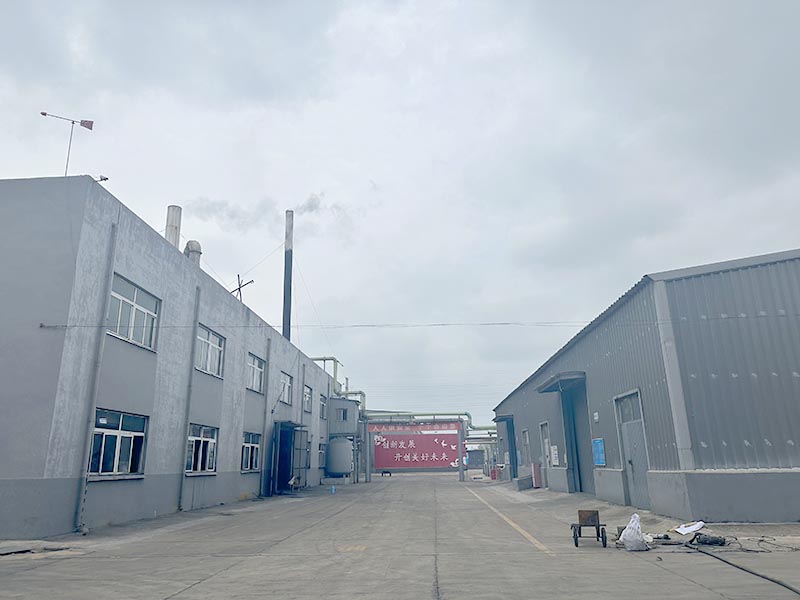
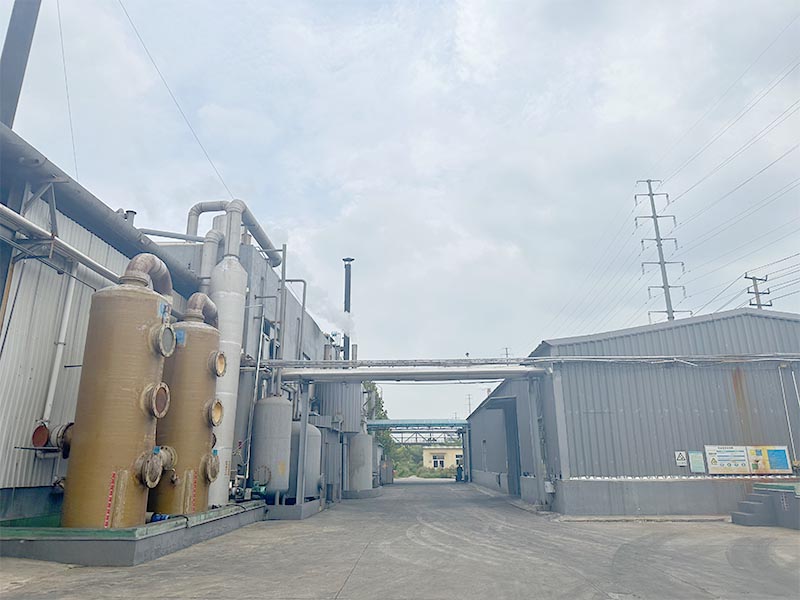
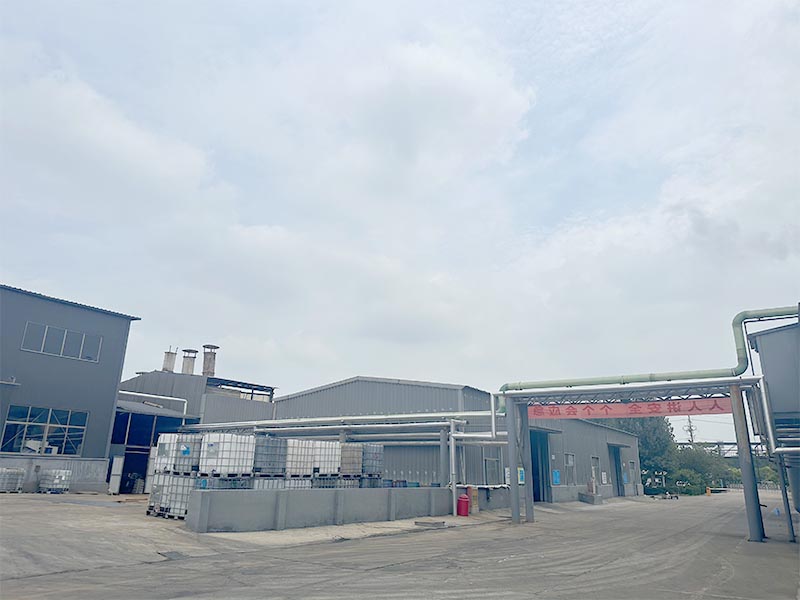
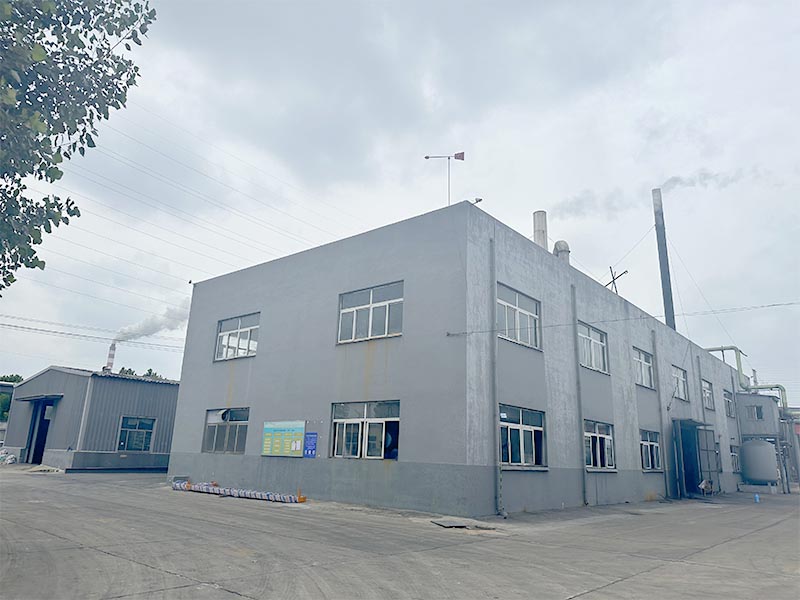
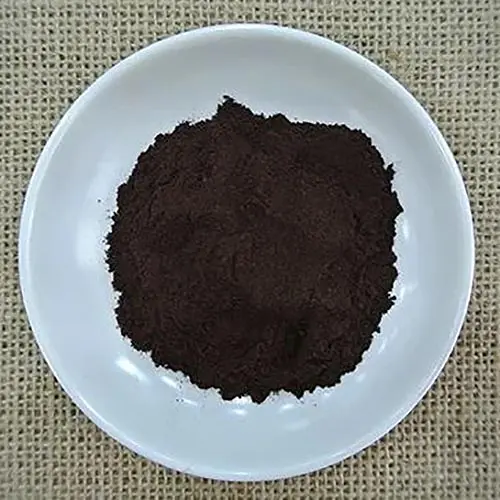
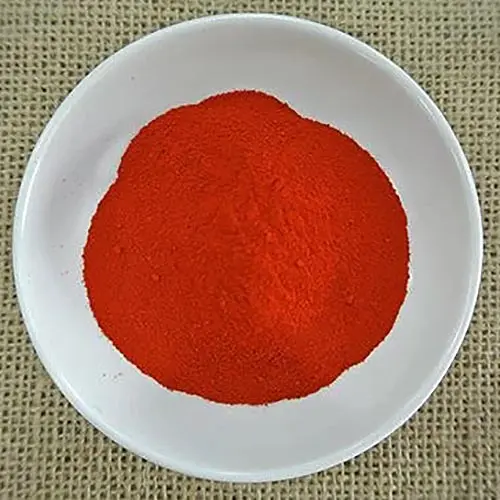
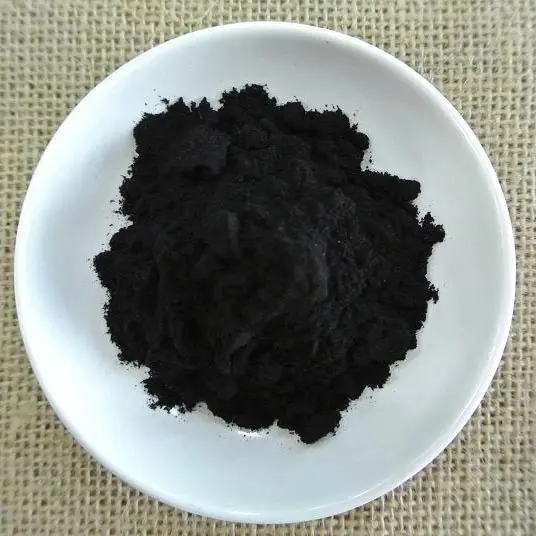
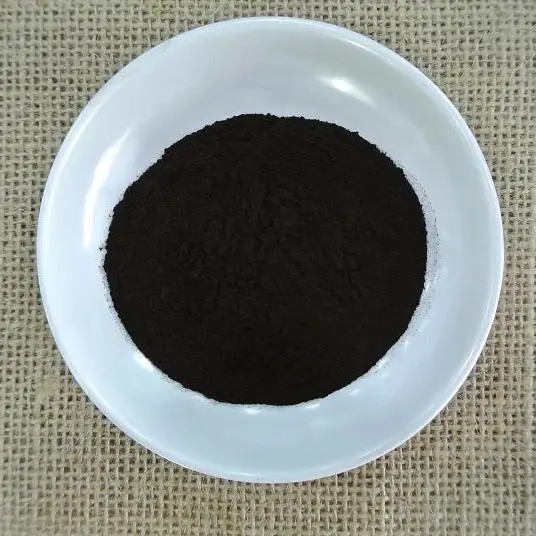
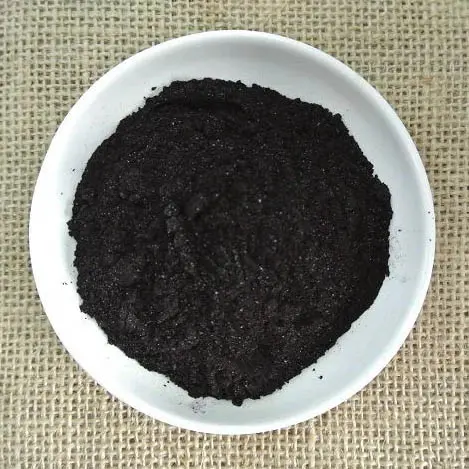
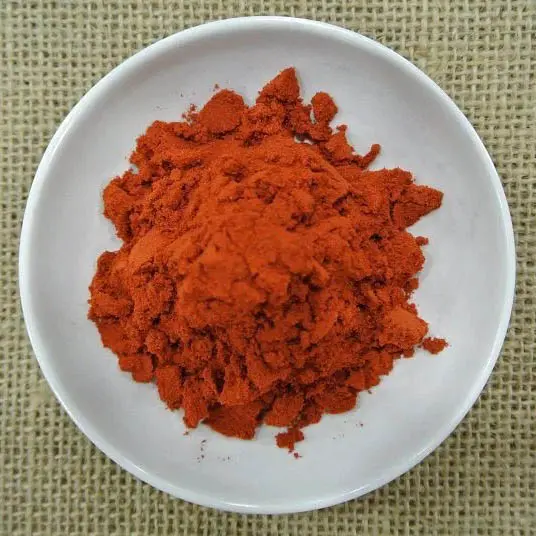
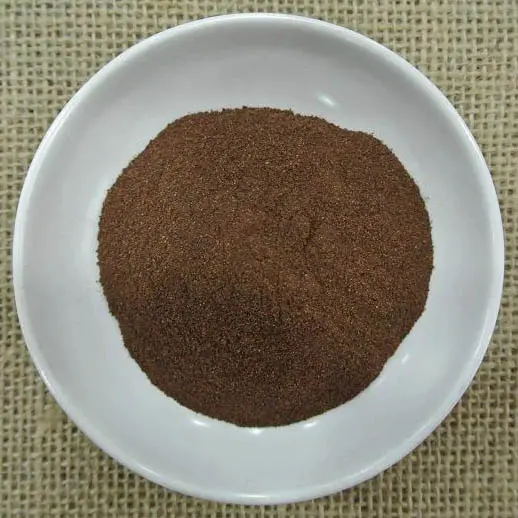
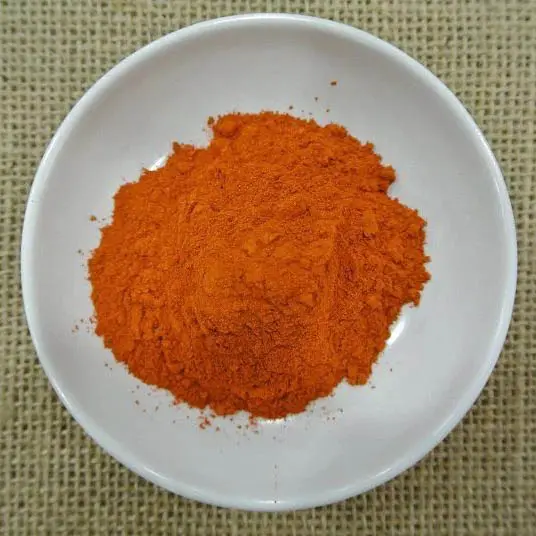
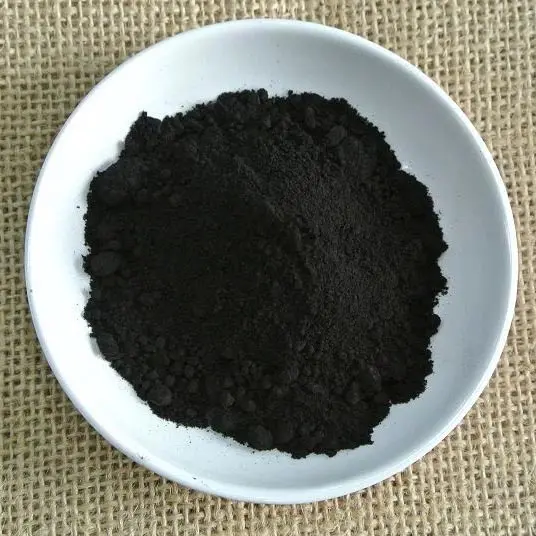
Our comprehensive range of acid, direct, and sulphur dyes for high-end applications.
Robust warehousing, seamless container loading, and strategic logistical positioning.
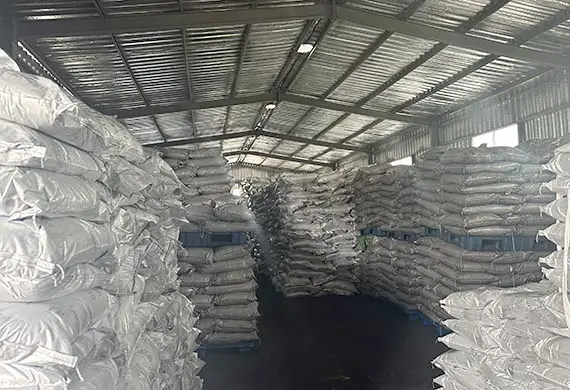
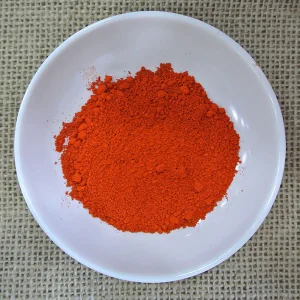
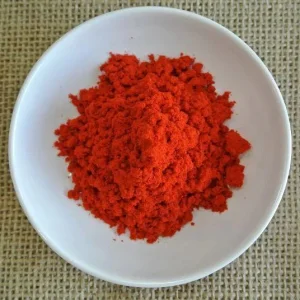
Equipped with climate-control systems to prevent dye powder clumping and product degradation.
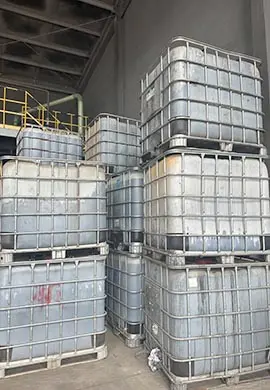
Precision homogenization machinery ensuring sediment-free liquid dye distribution.
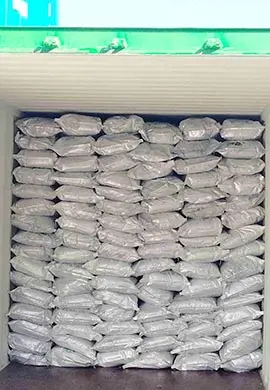
Rigorous double-pallet wrapping protocols protecting dry chemical cargoes during transit.

Efficient bulk chemical distribution coordinating with international shipping alliances.
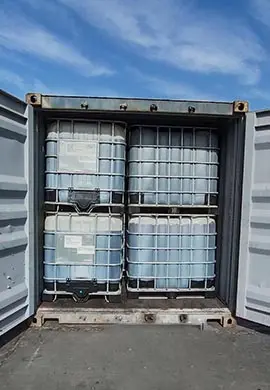
IBC Totes and ISO tanks secured for seamless shipping to paper and textile mills.
One of the main reasons why customers choose us is the stable supply of dyes we provide. We have developed efficient manufacturing processes to ensure a continuous supply of our products. Our factories feature state-of-the-art equipment and a knowledgeable workforce, which enables us to fulfill the most demanding orders. With us, you can begin your manufacturing journey with confidence knowing that dye availability will never be an issue.
Apart from a steady supply, the quality of our dyes is another reason why we stand out in the market. We, SUNRISE CHEM, take pride in our commitment to producing dyes that consistently meet high standards of quality. Our experienced technicians carefully monitor the manufacturing process, ensuring that each batch of dyes is carefully tested for color fastness, durability, and other essential parameters. By choosing us, you can rest assured that your products will stand out in the market due to the vibrant and long-lasting color our dyes provide.
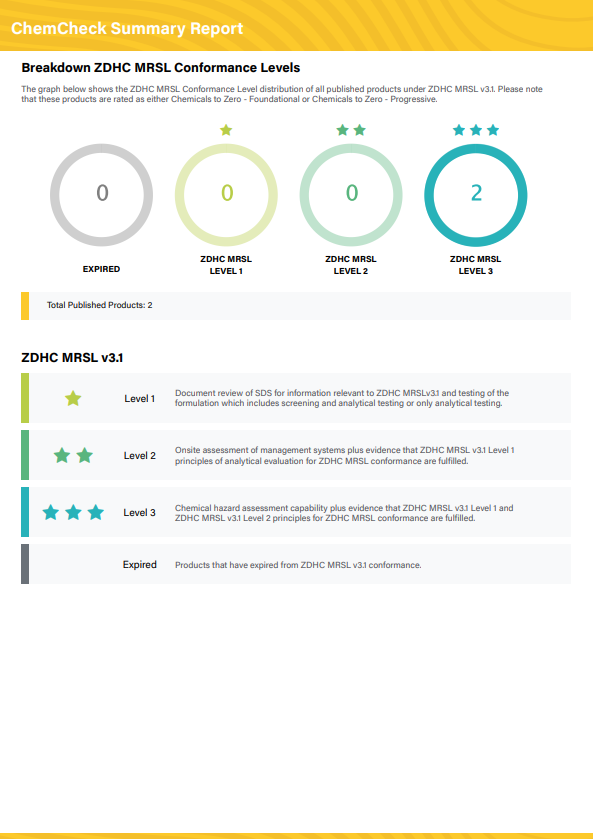
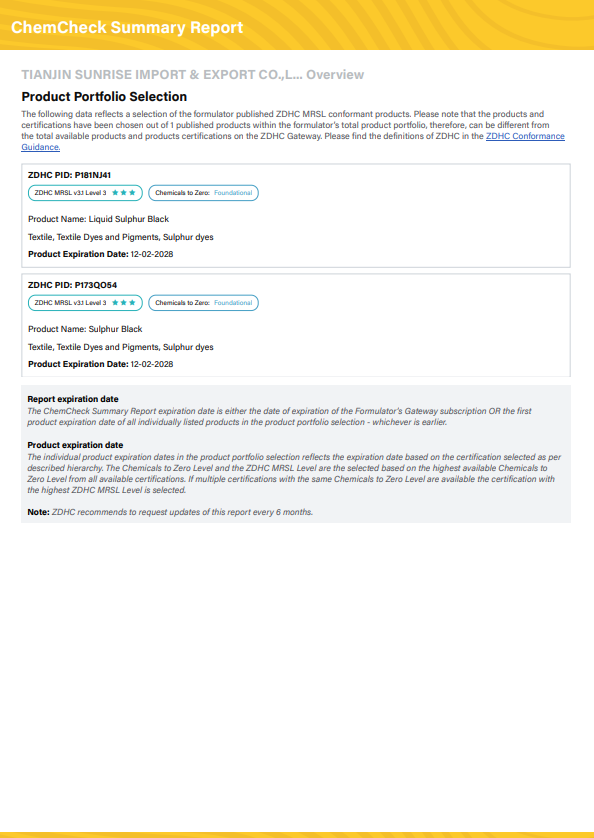
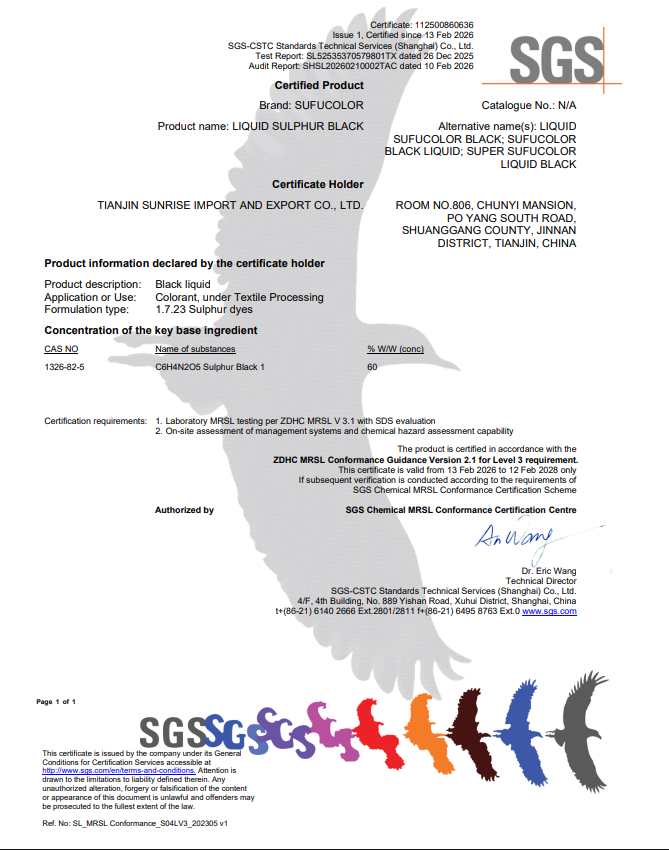
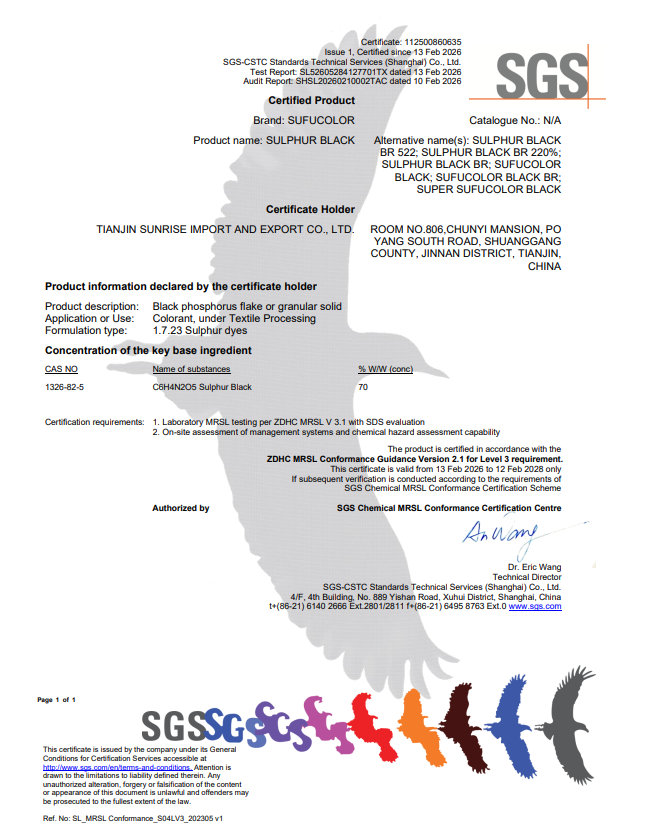
The ZDHC program is a collaborative effort by leading brands, retailers, and suppliers in the textile and footwear industry to reduce the use of hazardous chemicals. The focus of this certification is on eliminating the release of hazardous chemicals into the environment throughout the entire supply chain. Achieving ZDHC certification indicates that our company has implemented robust chemical management procedures and has met the stringent requirements for chemical handling, wastewater treatment, and pollution prevention.
The Global Organic Textile Standard (GOTS) is a certification that ensures the organic status of textiles from the harvesting of raw materials to environmentally and socially responsible manufacturing. The GOTS certification guarantees that the textiles are made from organic fibers, that chemical inputs are minimized, and that strict environmental and labor standards are met throughout the production process. GOTS certified products are considered to be sustainable, safe, and ethical.
Both certifications are important in the context of sustainable and responsible textile production. ZDHC focuses on the elimination of hazardous chemicals, while GOTS certification guarantees the organic and ethical aspects of the textile production.
We firmly believe in building relationships with our clients based on trust and mutual benefit. We know that our customers' success is our success, so we are committed to providing quality services to meet their needs. Our dedicated customer support team is on hand to address any questions or concerns you may have. We value your feedback and strive to continuously improve our operations to serve you better. Our purpose is not just to supply dyes, but to be your trusted partner in achieving your business goals. By choosing us, you choose a partnership built on reliability, transparency and mutual success.
In a word, when choosing a dye factory with stable supply, high quality and excellent service, we are your best choice. With our attractive range of dyestuffs, coupled with our professional and customer-centric approach, we assure you that your decision to choose us as your preferred dyestuff factory will be a fruitful one. Contact us today and let's embark on a journey to success together.
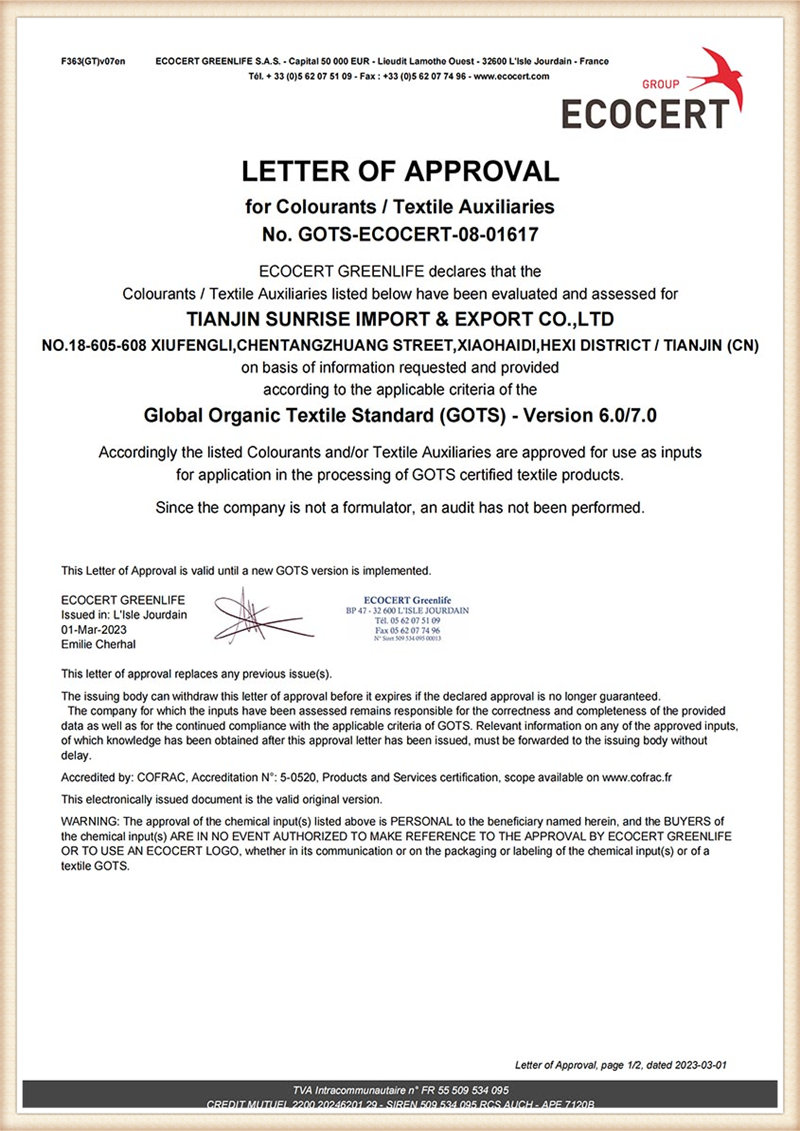
Aligning with global directives to ensure sustainable chemical manufacturing.

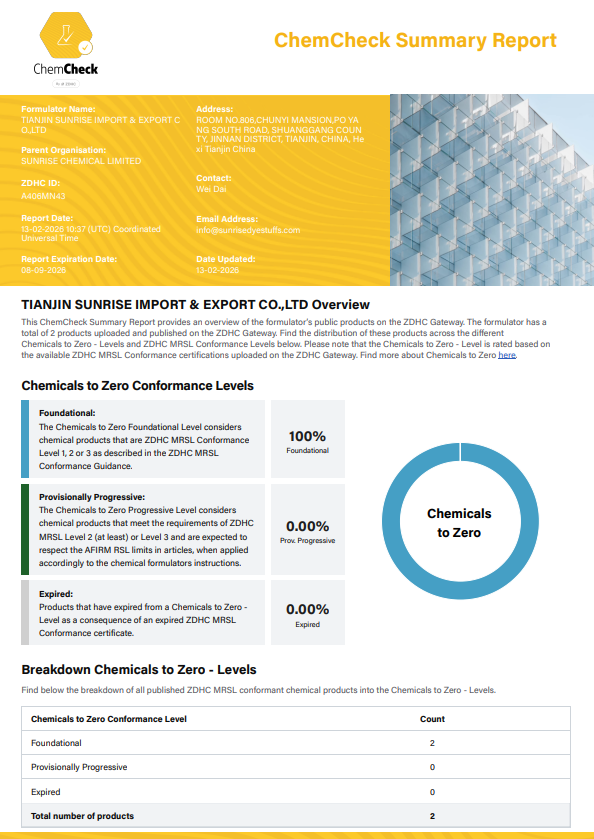
Understanding the transition towards eco-friendly fluorescent whitening systems.
The global Optical Brightening Agent market is undergoing a structural transition. Environmental policies (such as the EU's REACH regulation and green chemistry initiatives) have catalyzed a shift away from disulfonated powder brighteners containing high amounts of volatile organic compounds (VOCs) and salts. The current demand focuses on ultra-filtered liquid OBAs that are highly stable and yield negligible heavy-metal trace impurities.
Furthermore, automated digital sizing technology in modern paper plants demands high shear resistance and chemical compatibility. Liquid OBAs must integrate seamlessly with optical whitening controllers that monitor paper whiteness on the fly and auto-adjust OBA input. This level of technical sophistication requires suppliers to furnish detailed batch viscosity curves, ionic stability ratings, and lightfastness indexes.
From a procurement perspective, buying direct from Chinese manufacturers reduces middle-tier margins while providing access to customized chemical blending. Our manufacturing sites offer bespoke concentration options (ranging from standard active percentages to highly concentrated formulas designed to lower long-distance ocean shipping costs).
Technical clarifications regarding Liquid OBA synthesis, storage, and application.
Tetrasulfonated liquid OBAs feature moderate affinity for cellulose, making them ideal for paper wet-end addition and conventional cotton processing. Hexasulfonated liquid OBAs exhibit exceptionally high solubility and minimal affinity, which makes them perfect for sizing-press starch coatings and pigment suspensions where high concentration without yellowing-out is required.
Liquid OBAs should be stored in polypropylene or stainless steel containers within a temperature range of 5°C to 30°C. Exposure to direct sunlight must be avoided to prevent premature ultraviolet degradation. Our formulations contain built-in polymeric dispersants to prevent settling during long-distance transportation.
ZDHC Level 3 is the highest chemical safety certification level, confirming that the manufacturing site's raw materials, chemical formulations, and purification pathways do not contain restricted substances above trace limits. This protects textile and paper brands from regulatory non-compliance issues in European and North American markets.
While our liquid OBAs feature chelating agents that provide high tolerance to hard water, extremely high calcium and magnesium ion concentrations may impact fluorescence efficiency. In such scenarios, we recommend using a water softening system or adding a dedicated sequestering agent to the sizing or dyeing bath.
Explore our diverse chemical products covering acid dyes, organic solvent dyes, and basic liquid shade correctors.
 Sunrise