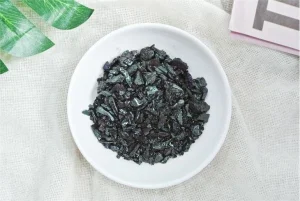
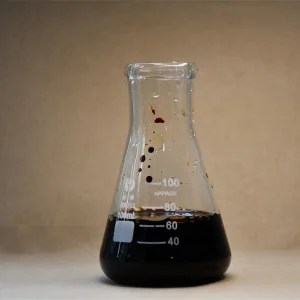
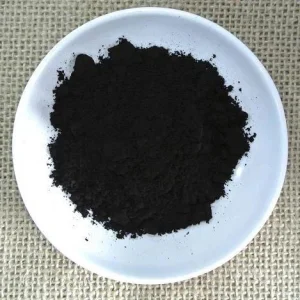
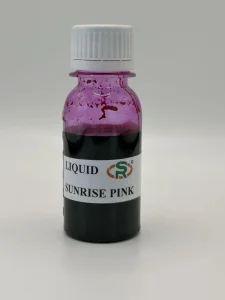
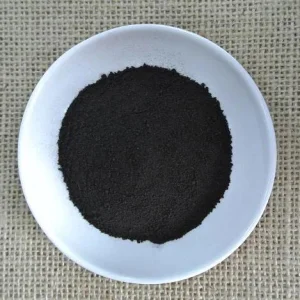
Explore our core global supplies engineered for robust industrial coloring applications, featuring high fastness ratings and consistent batch yields.
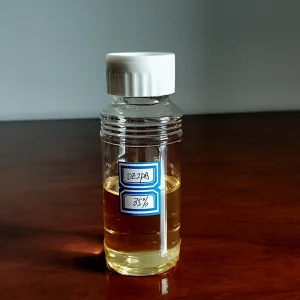
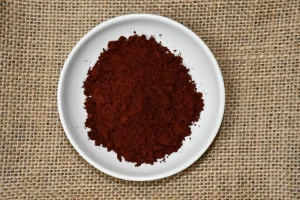
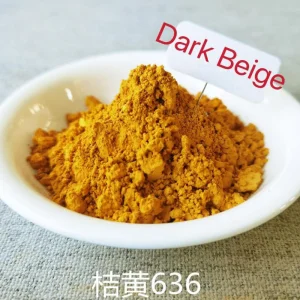
In the competitive landscape of modern textiles, Direct Black VSF represents a highly specialized class of direct dyestuffs designed explicitly for the molecular characteristics of Viscose Staple Fiber (VSF). Cellulose-based substrates require colorants that display supreme affinity, high exhaust rates, and deep penetration profiles to prevent "ring dyeing" and secure optimal shade reproducibility.
As the global manufacturing sector shifts toward rigorous environmental protocols, the chemical purity of Direct Black VSF variants has taken center stage. Traditional dyes containing trace heavy metals or banned arylamines are systematically phased out. Modern Direct Black VSF formulations prioritize molecular structures that guarantee intense black yields while drastically lowering wastewater contamination profiles.
By integrating advanced synthesis pathways, manufacturers can now eliminate salt impurities and optimize solubility. This results in stable liquid and high-concentration powder configurations that integrate smoothly into continuous and batch dyeing processes alike.
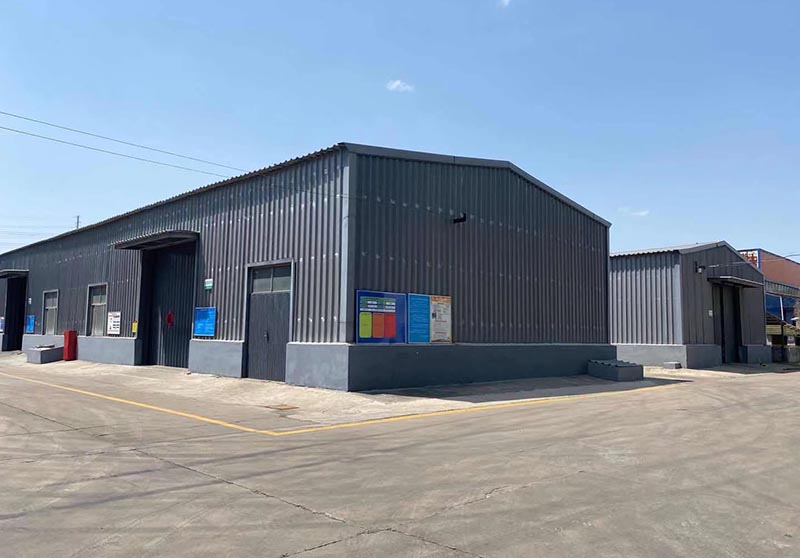
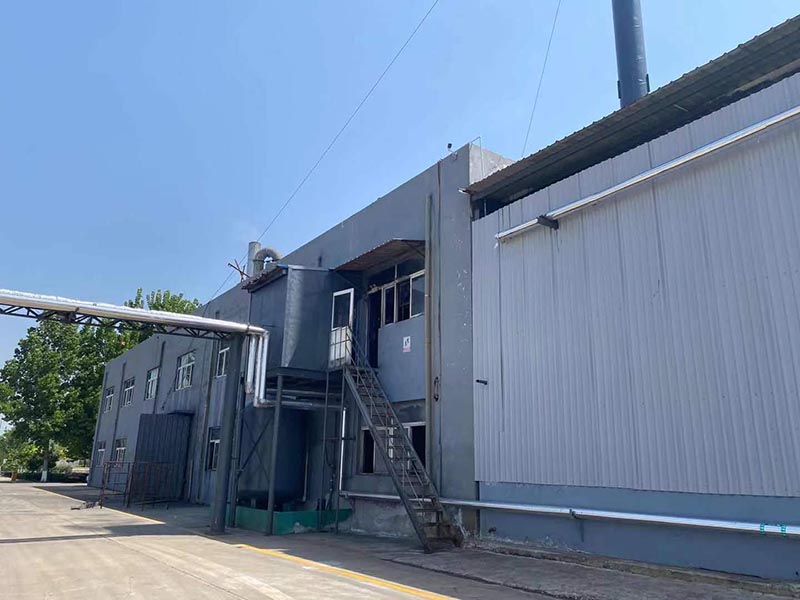
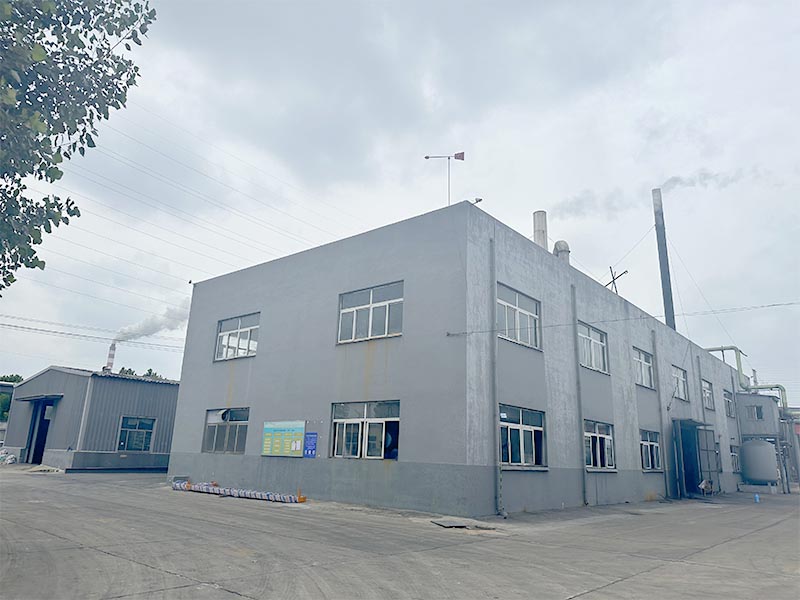
Tianjin Sunrise Chem Group specializes in manufacturing high-quality dyestuffs.
Backed by decades of industry and export experience, we have built a reputation for reliability and excellence, serving clients from diverse sectors including denim, textile, leather, paper, and plastic. We have established long-term collaborations with major textile and paper mills, resulting in consistent order execution, shared resources, and mutual growth.
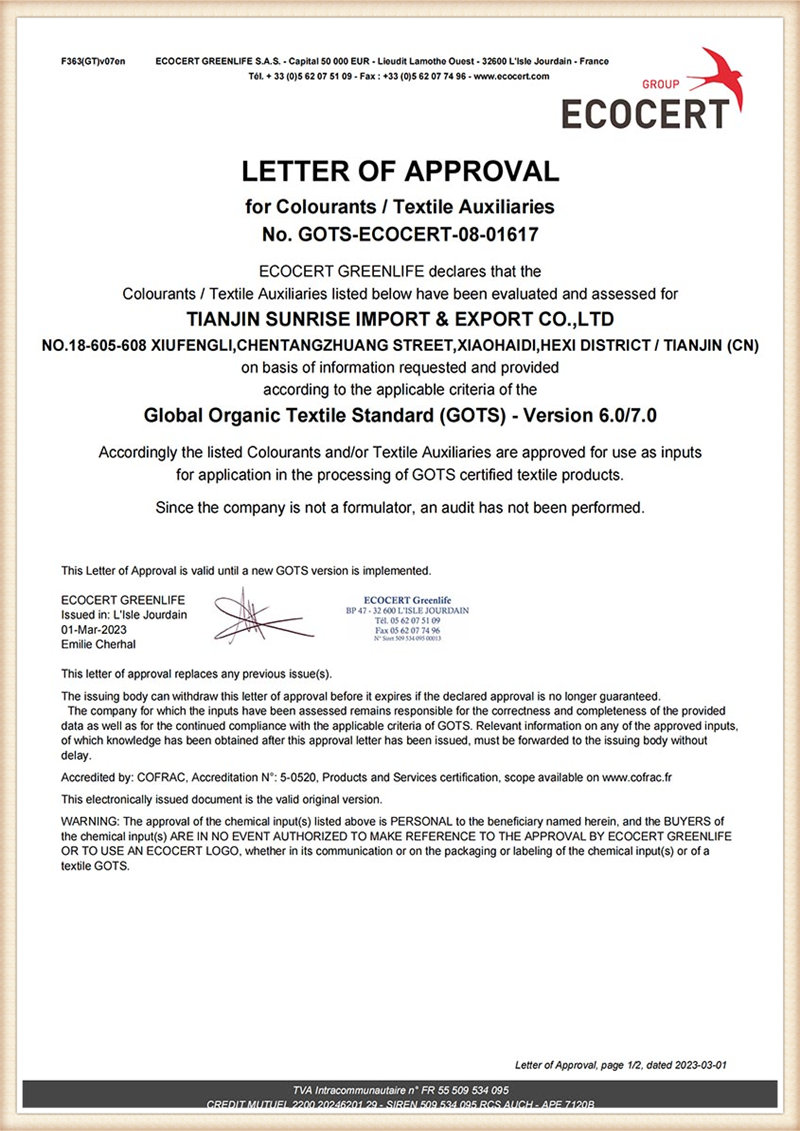
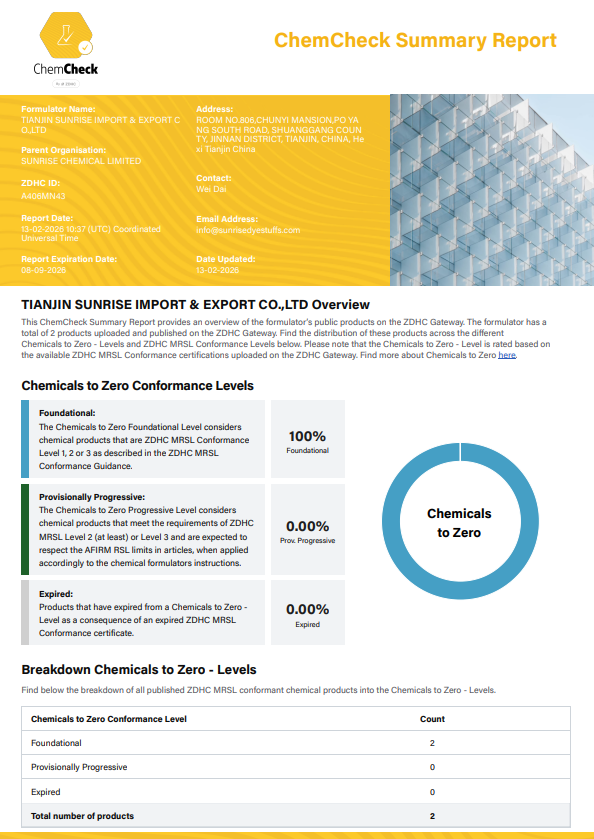
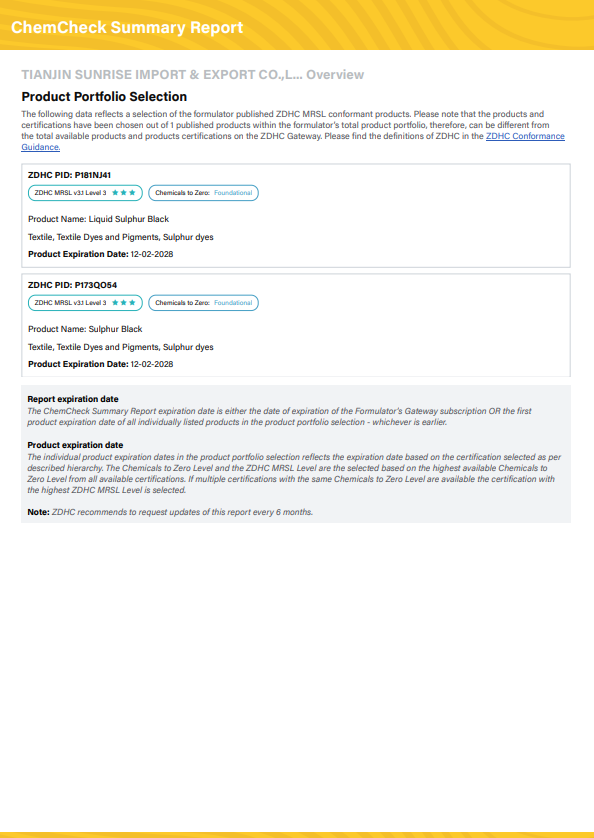
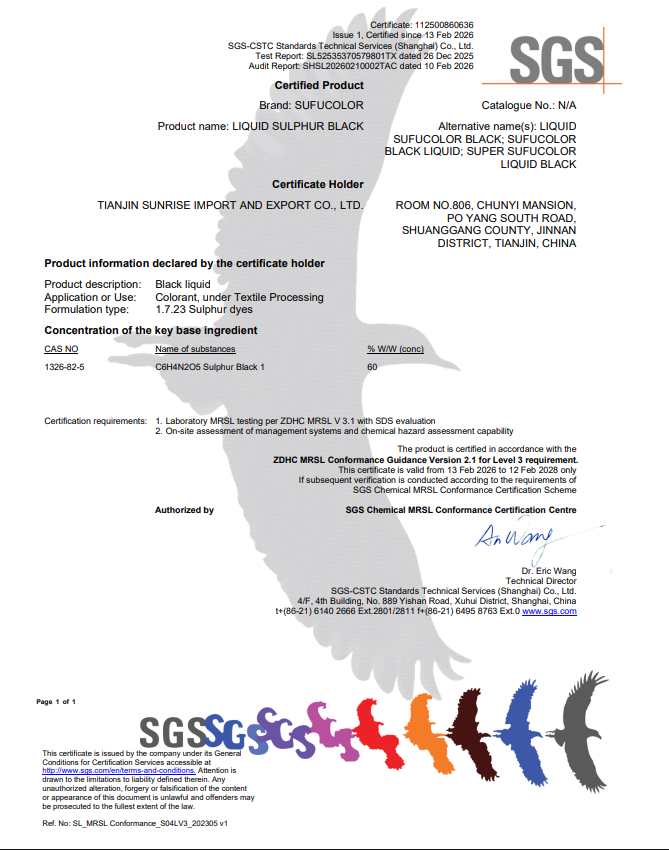
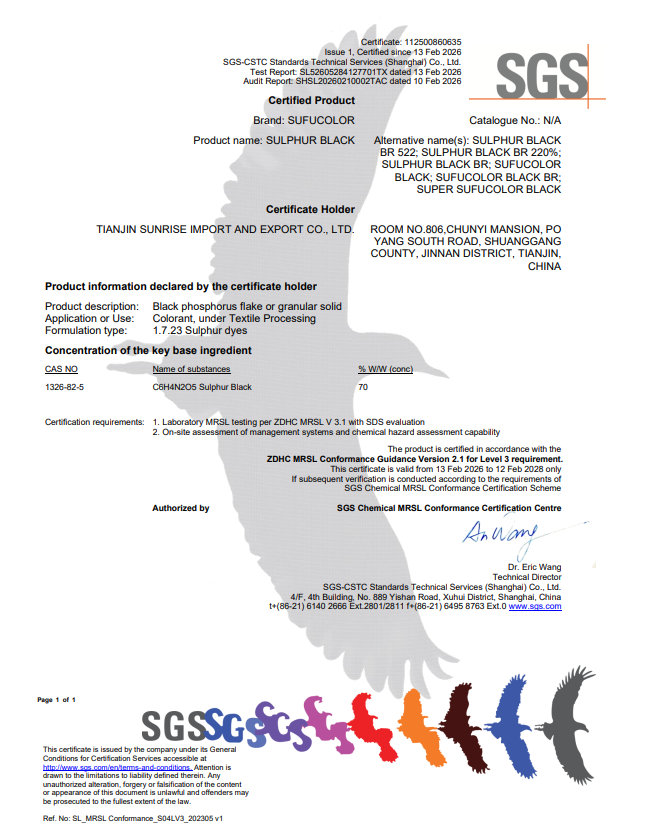
Each shipment is systematically tested before sending to the port. Our alignment with global standards, including ZDHC Level 3 and GOTS certification, ensures your product quality is guaranteed and ready for restrictive environmental import zones like the EU and USA.
Environmental protection is the cornerstone of our innovation. We dedicate ourselves to providing eco-friendly, high-performance colorants that balance productivity with environmental harmony, driving the industry towards a more sustainable development path for a greener textile industry.
How chemical supply chains are adapting to resource constraints, logistics pressures, and safety compliance.
Fluctuating raw material costs (intermediates) present major risks to large-scale textile operations. We counter this by optimizing our raw material reserve capacity, ensuring stable contract pricing and consistent product volumes even during periods of high market volatility.
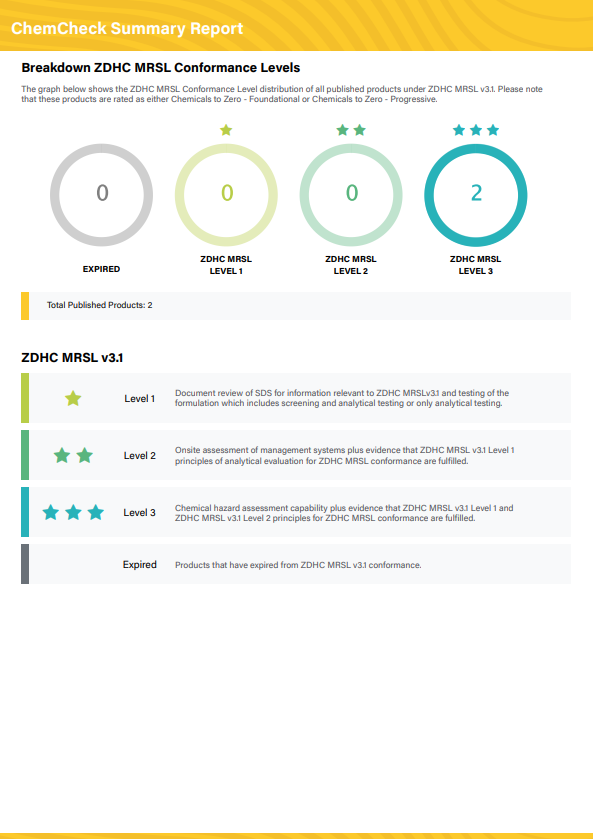
Zero Discharge of Hazardous Chemicals (ZDHC) Level 3 represents the pinnacle of chemical safety. By certifying our manufacturing processes, we guarantee that all supplied direct blacks contain zero hazardous contaminants, saving your mill from costly regulatory fines.
Not all Viscose Staple Fibers behave identically. Variations in raw pulp quality can affect dye penetration. Our advanced laboratory adjusts the salt concentrations, shading agents, and auxiliary chemical balances to formulate unique solutions that match your specific substrate parameters.
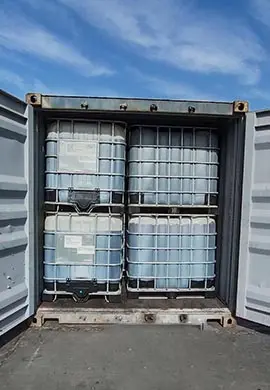
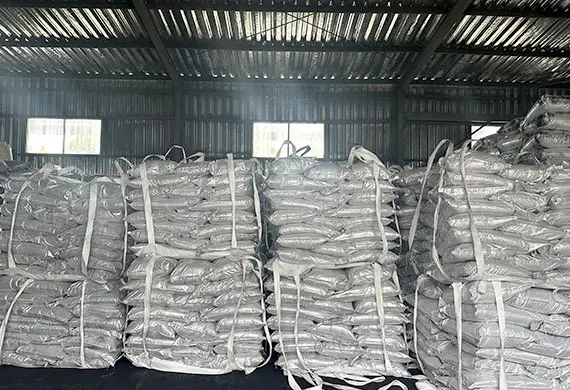
Ensuring supply chain reliability from our warehouse directly to your overseas shipping container.
Exploring next-generation chemical structures and sustainability matrices driving the production of Direct Black VSF colorants.
The manufacturing of Direct Black VSF requires precision control over the synthesis of azo link compounds. Direct dyes generally achieve adhesion via hydrogen bonding and van der Waals forces in the amorphous regions of viscose cellulose. However, because VSF contains a high proportion of skin-core structure relative to cotton, standard direct black variants might lead to ring-dyeing, yielding fabrics that lose color fastness easily during washing and friction.
Our technical roadmap addresses this by adjusting the molecular weight distribution of the dyestuff. By introducing sulfonated naphthalene formaldehyde condensates and precise wetting agents, we decrease molecular aggregation, ensuring that colorants penetrate deep into the dense core structure of the viscose fiber.
As the world transitions toward circular textiles, the capability of dyes to undergo chemical decolorization without leaving toxic residues becomes paramount. We are continually screening novel precursors that exhibit rapid ozone-decolorization behavior, facilitating secondary recycling pathways for dark shade polyester-viscose blended textiles.
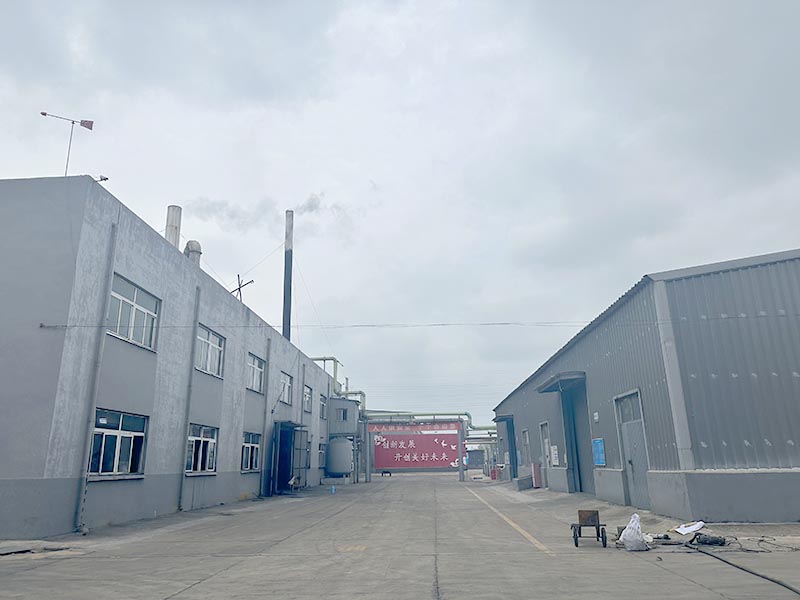
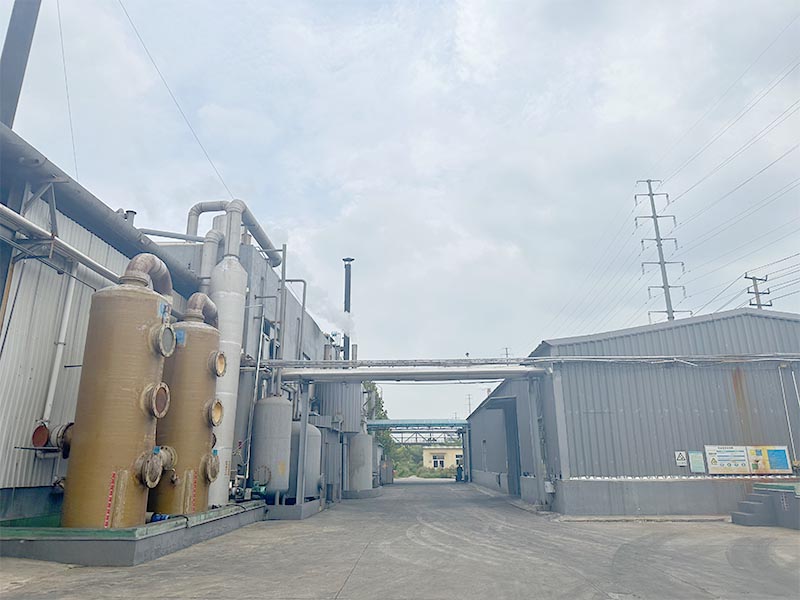
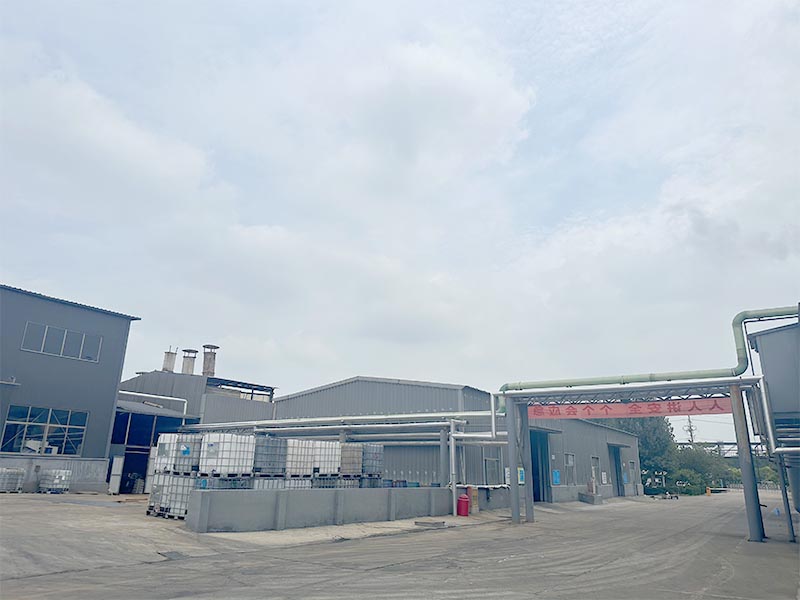
Visual overview of our daily manufacturing, warehousing, and secure overseas shipping infrastructure.
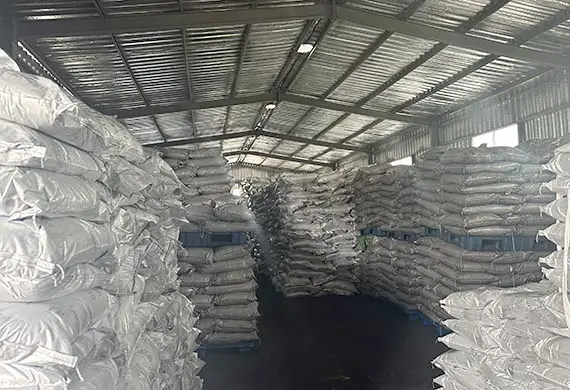
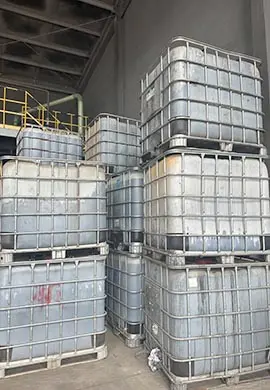
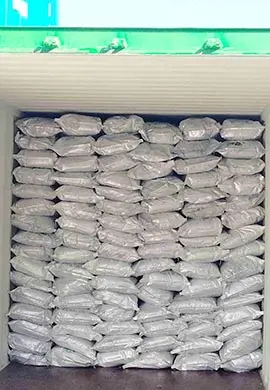

Understanding the complexities of the environmental regulations like REACH, OEKO-TEX, and national industrial guidelines is a baseline requirement for modern dye suppliers.
The ZDHC (Zero Discharge of Hazardous Chemicals) program is a collaborative effort by leading brands, retailers, and suppliers in the textile and footwear industry to reduce the use of hazardous chemicals. The focus of this certification is on eliminating the release of hazardous chemicals into the environment throughout the entire supply chain. Achieving ZDHC Level 3 certification indicates that our company has implemented robust chemical management procedures and has met the stringent requirements for chemical handling, wastewater treatment, and pollution prevention.
Similarly, the Global Organic Textile Standard (GOTS) is a certification that ensures the organic status of textiles from the harvesting of raw materials to environmentally and socially responsible manufacturing. The GOTS certification guarantees that the textiles are made from organic fibers, chemical inputs are minimized, and strict environmental and labor standards are met throughout the production process. GOTS certified products are considered to be sustainable, safe, and ethical.

Get answers to the most common questions raised by procurement managers and textile chemical engineers.
Expand your sourcing capabilities with our certified catalog, ranging from inorganic oxides to organic solvent and acid colorants.
 Sunrise