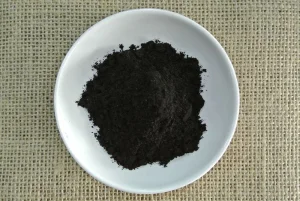
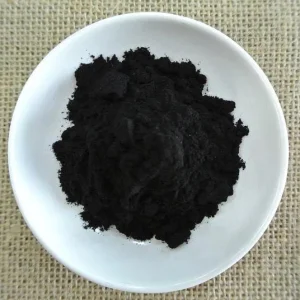
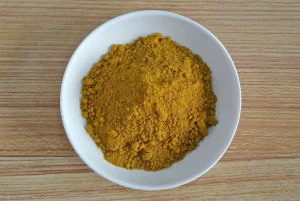
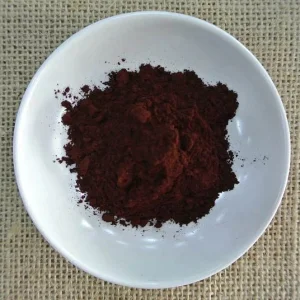
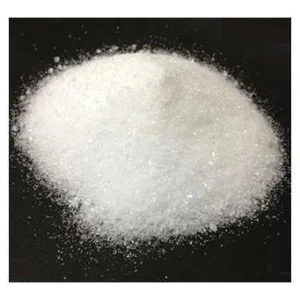
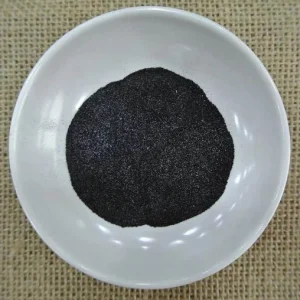
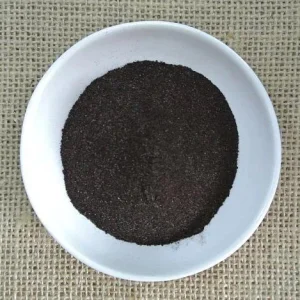
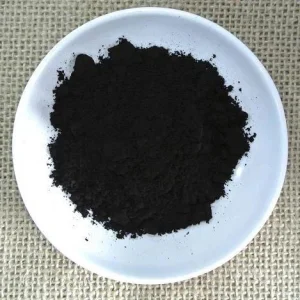
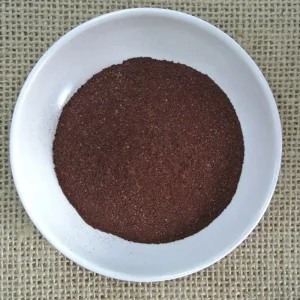
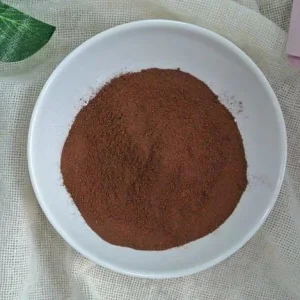
Carmoisine B, systematically classified under the Color Index system as Acid Red 14 (C.I. 14720), is a highly soluble synthetic azo dyestuff. Recognized chemically as disodium 4-hydroxy-3-[(4-sulfo-1-naphthalenyl)azo]-1-naphthalenesulfonate, it presents a rich red-to-maroon powder. Because of its excellent molecular stability, chromophore brightness, and reliable water solubility, Carmoisine B has become a corner stone component in multi-sector processing industries, particularly within high-performance textile processing, premium leather staining, and paper dye formulations.
As global industrial requirements shift toward strict chemical traceability and minimal eco-impact, the choice of a certified Carmoisine B manufacturer and supplier has critical implications. The difference in trace isomeric impurities, heavy metal contents, and salt profiles can dramatically dictate the yield rate of dyed substrates, the output durability of print mediums, and the regulatory status of finalized consumer goods. Modern operations depend heavily on the raw chemical's compliance with safety frameworks, necessitating deep integration between processing plants and manufacturer laboratories.
Achieving superior coloration parameters in dye houses requires close tracking of chemical metrics. A premium Carmoisine B manufacturer should provide structural purity profiles that optimize leveling speeds and exhaust behaviors. In contrast to low-grade substitutes, high-grade Acid Red 14 ensures uniform distribution within dye baths, limiting premature aggregation or uneven fiber attachment.
| Property Parameter | Technical Value / Range | Testing Standards & Methodologies |
|---|---|---|
| C.I. Name | Acid Red 14 (Carmoisine B / Azorubine) | Color Index International Registry |
| CAS Registry Number | 3567-69-9 | CAS Official Index Reference |
| Chemical Formula | C20H12N2Na2O7S2 | Mass Spectrometry Verification |
| Purity / Dye Content | ≥ 85% (Standard Grade) to ≥ 92% (High-Purity Grade) | HPLC / UV-Vis Spectrophotometry |
| Water Insolubles | ≤ 0.2% max | Gravimetric Filtration Analysis |
| Heavy Metal Limits | Pb < 10ppm, As < 2ppm, Hg < 1ppm, Cd < 1ppm | ICP-MS (Inductively Coupled Plasma) |
| pH Stability Range | 3.0 to 9.0 (Strong dye-bath compatibility) | Standard Potentiometric Glass Electrode |
| Moisture Content | ≤ 5.0% max | Karl Fischer Titration Method |
In the global chemical distribution sector, stability of raw materials and cost predictability are top priorities. Chinese dyestuff manufacturers, particularly in northern industrial ports like Tianjin, represent the pinnacle of high-volume chemical supply capability. Tianjin Sunrise Chem Group operates within these highly integrated systems, providing global buyers with unique chemical supply chain advantages:
Because China has large-scale production of naphthalene, amino-naphthols, and sulfuric acid derivatives, our production lines do not rely on imported chemical precursors. This insulates our global partners from downstream price volatility and raw material shortages.
Operating close to the Port of Tianjin allows us to process containerized exports with short transit cycles. This direct port access minimizes interior transport risks, reduces local logistics costs, and speeds up customs clearance for urgent shipments.
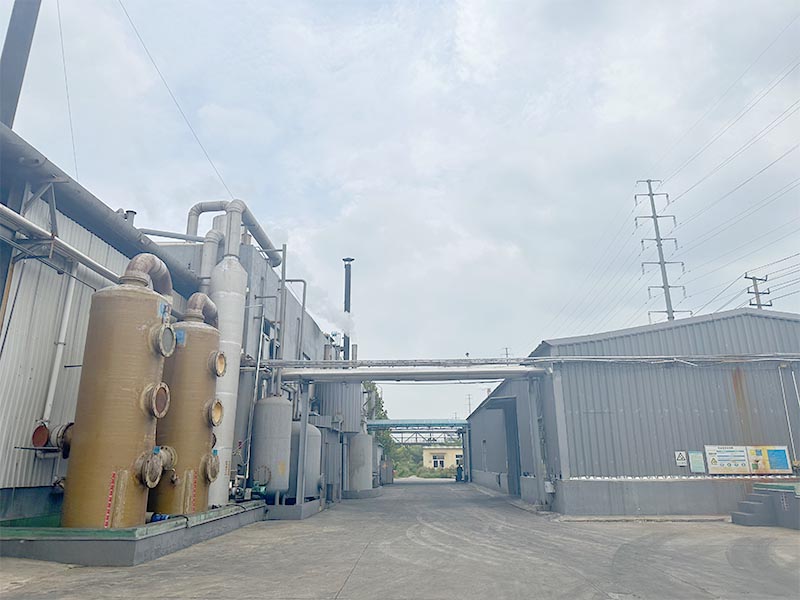
Our plants feature modern wastewater treatment plants, solid-waste calcination equipment, and VOC recycling systems. As environmental audits tighten globally, our eco-investments ensure our manufacturing lines remain operational year-round.
Carmoisine B (Acid Red 14) performs different technical functions depending on the specific medium, substrate, and machinery used. Below are the key localized industrial scenarios where Sunrise's Carmoisine B is utilized globally:
In polyamide (nylon), wool, and silk dyeing, Carmoisine B acts as an anionic dyestuff. It bonds ionically with the protonated amino groups of fibers under acidic conditions. It is ideal for compound red formulations because it provides high leveling properties, preventing stripe patterns on nylon textiles.
For chrome-tanned or veg-tanned leathers, deep dye penetration is essential. Sunrise's Acid Red 14 penetrates deep into the leather cross-section without causing surface bronzing. It is highly compatible with polyurethane dispersions and acrylic binders during finishing processes.
In paper mill production, Carmoisine B is used to color tissue paper, premium packaging boards, and artistic papers. Its water solubility allows it to disperse completely in pulp slurries, ensuring consistent sheets and preventing unwanted speckling.
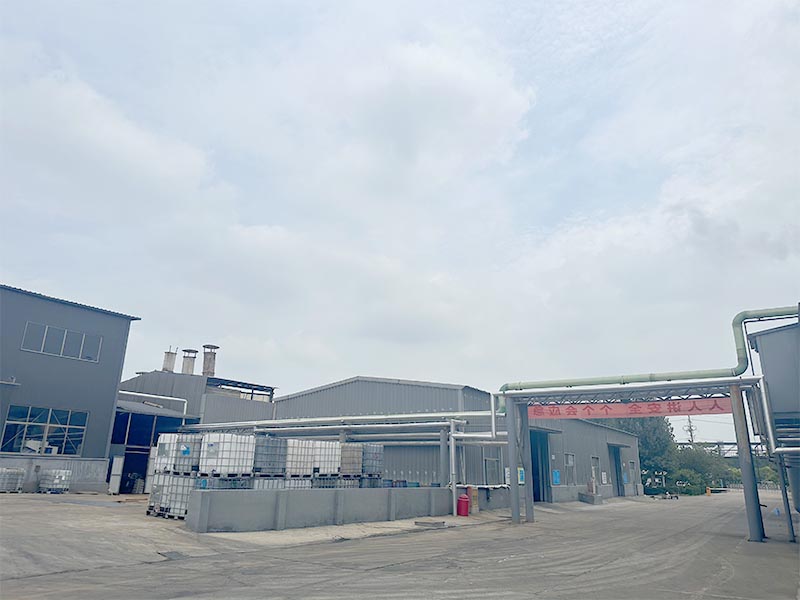
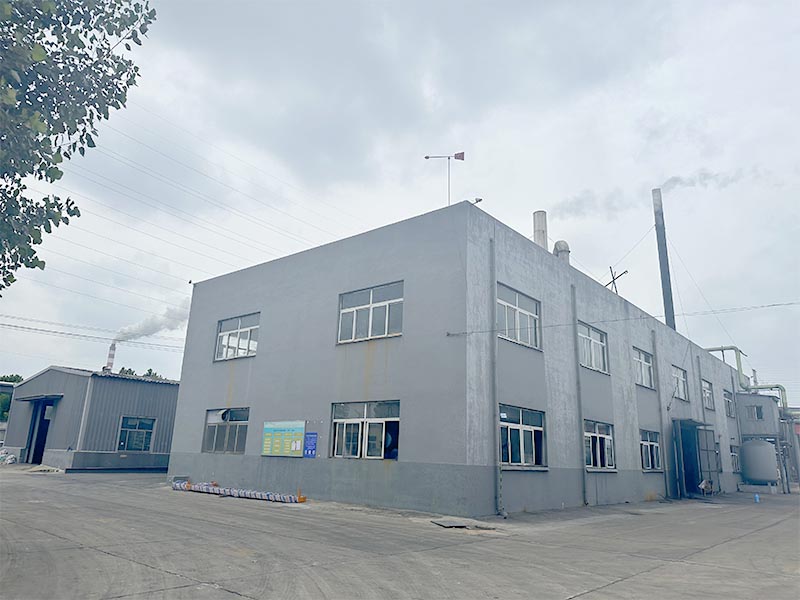
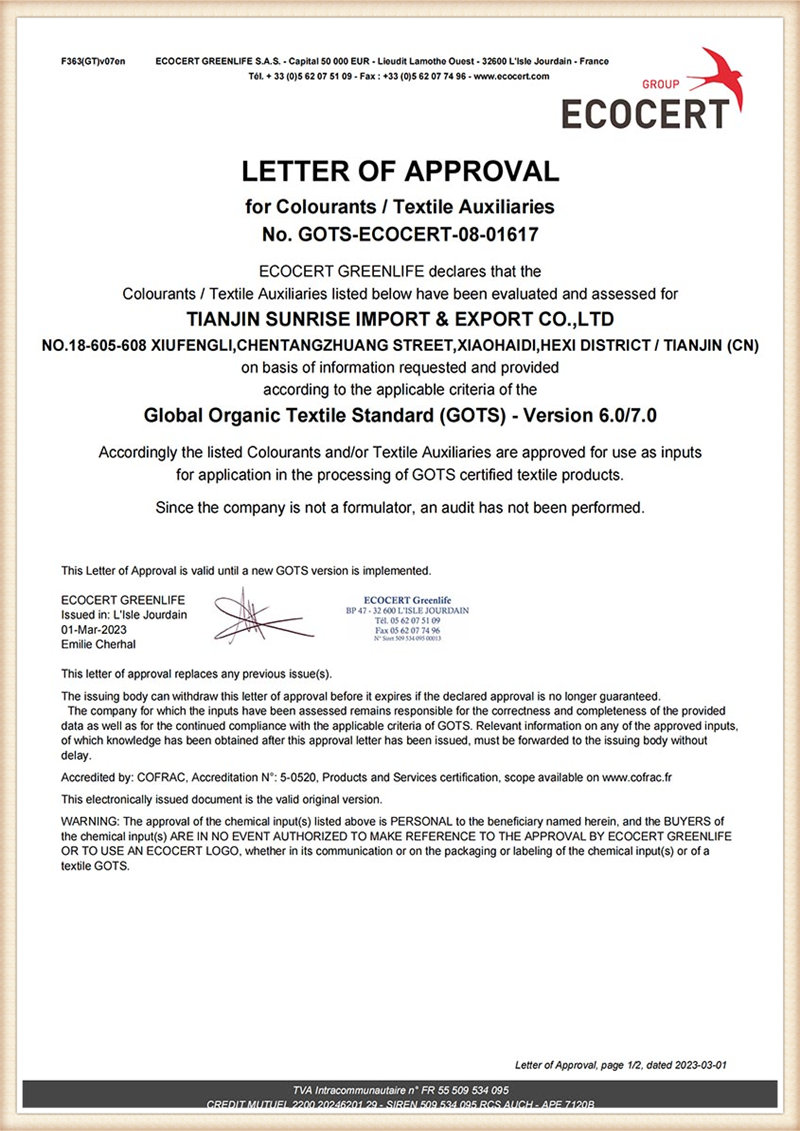
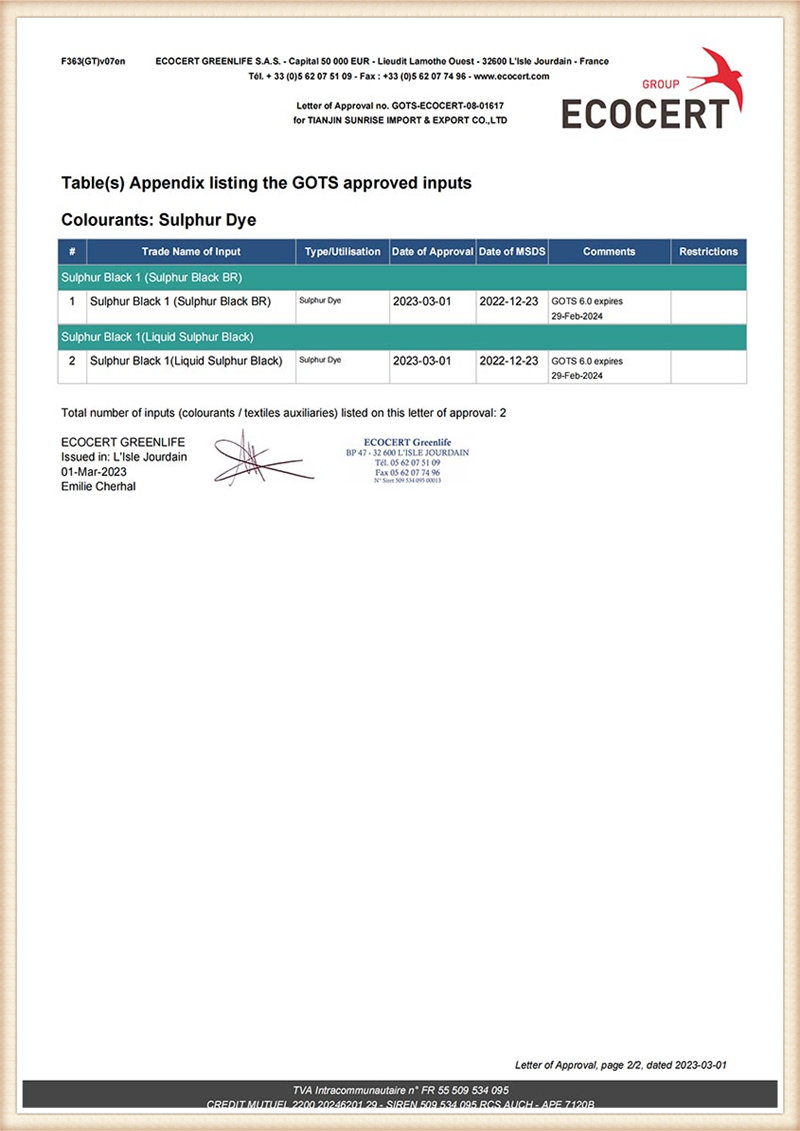
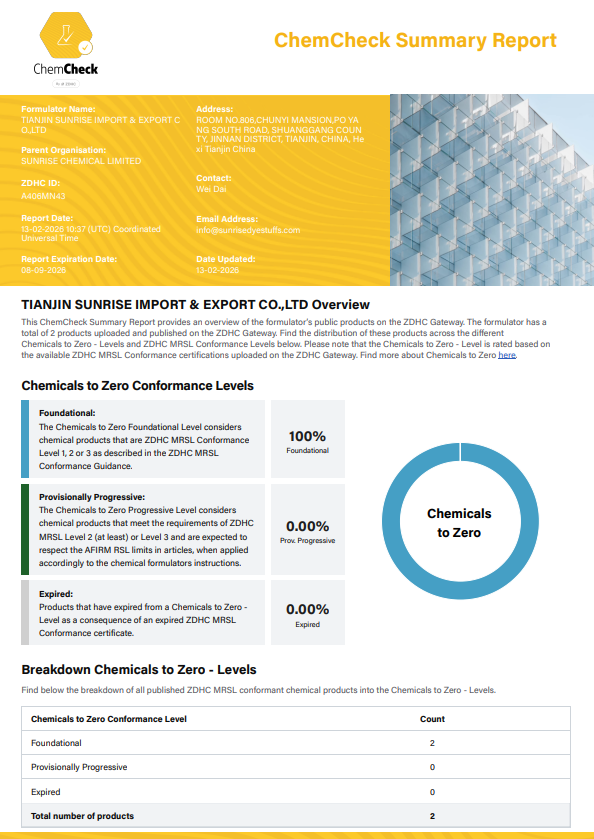
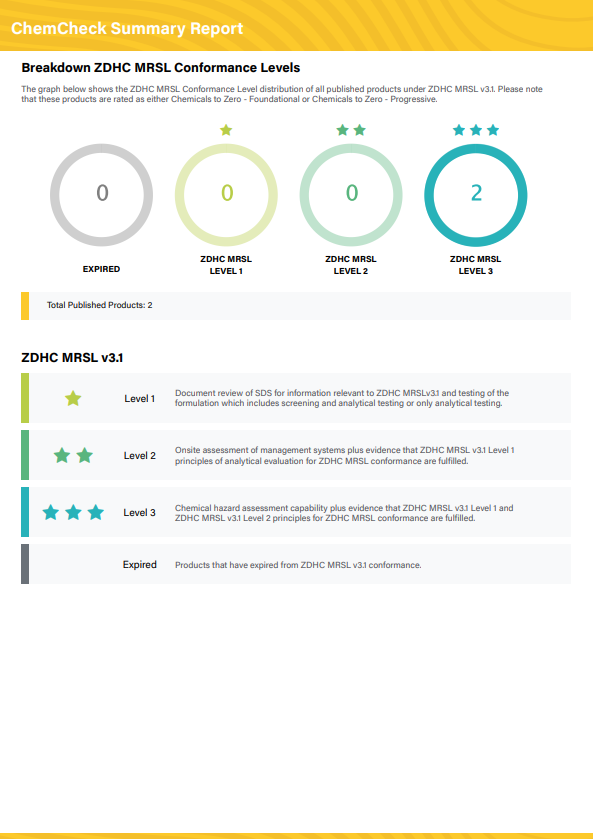
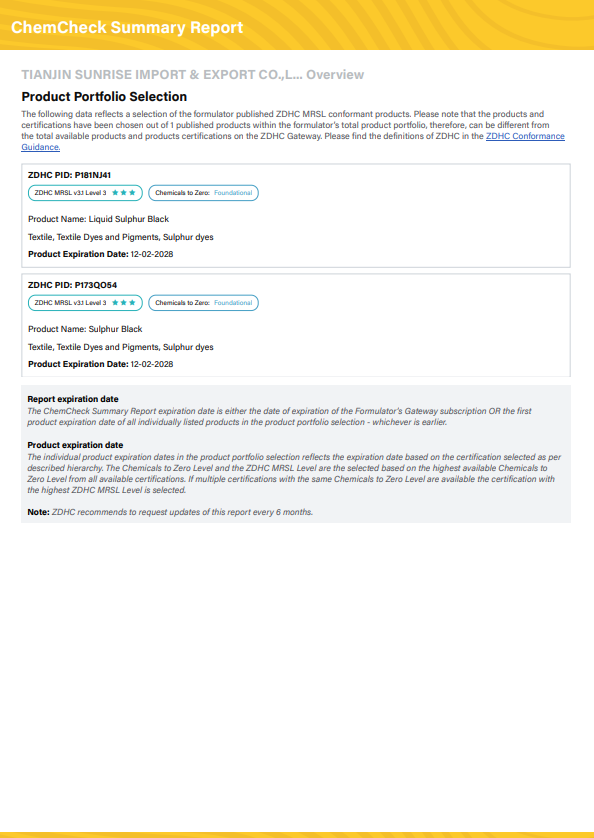
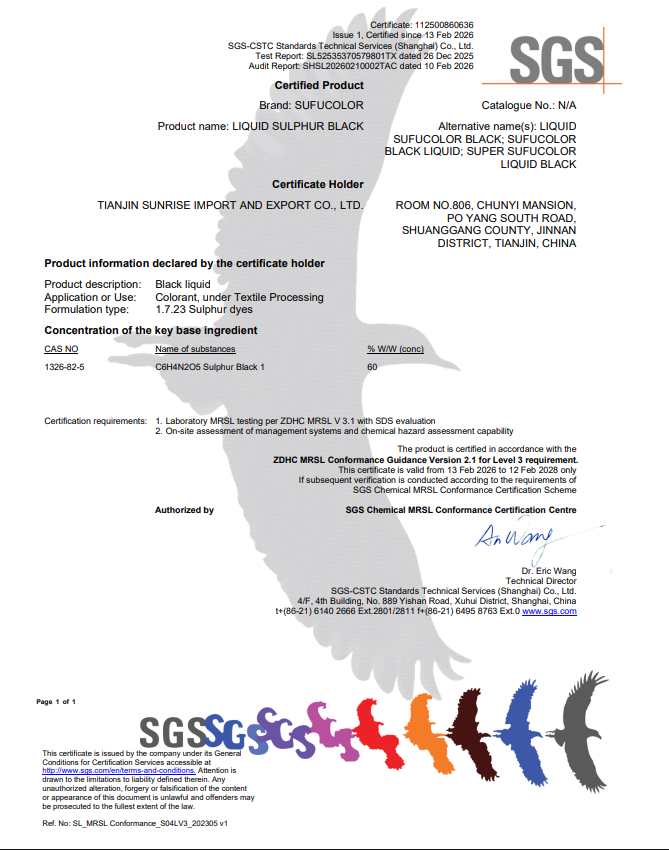
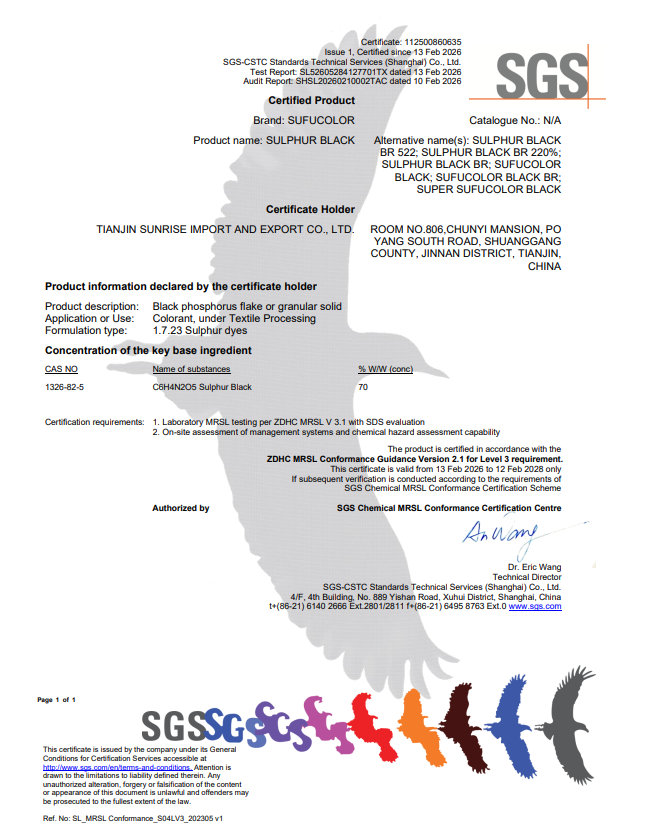
In the modern chemical marketplace, sustainability and safety are as critical as technical performance. Brands and manufacturers must meet strict requirements regarding chemical discharge and chemical residues. Tianjin Sunrise Chem Group provides certifications that verify our commitment to clean production:
Zero Discharge of Hazardous Chemicals (ZDHC) Level 3 is the highest level of chemical compliance. This certification guarantees that our manufacturing processes do not release restricted hazardous substances into the environment, protecting local ecosystems.
The Global Organic Textile Standard (GOTS) verifies the organic and ethical status of textiles from raw materials through production. GOTS-approved dyestuffs ensure that textiles intended for organic markets meet all environmental criteria.
We provide full safety documentation, including comprehensive Safety Data Sheets (SDS) and REACH registration info, ensuring safe handling in compliance with OSHA and European chemical regulations.
Explore our wide range of direct, acid, and sulfur dyestuffs developed for global industrial applications.
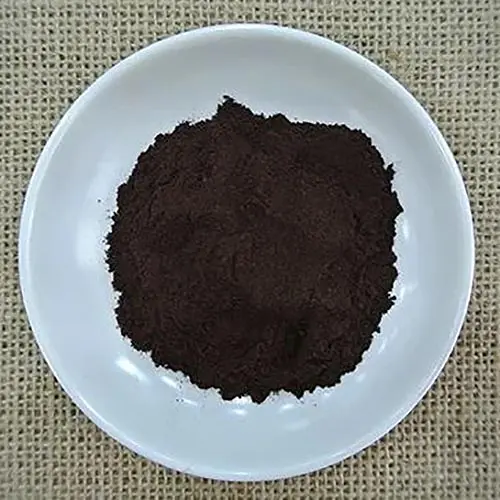
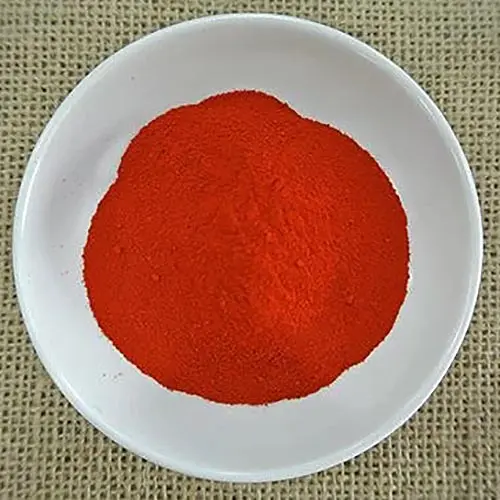
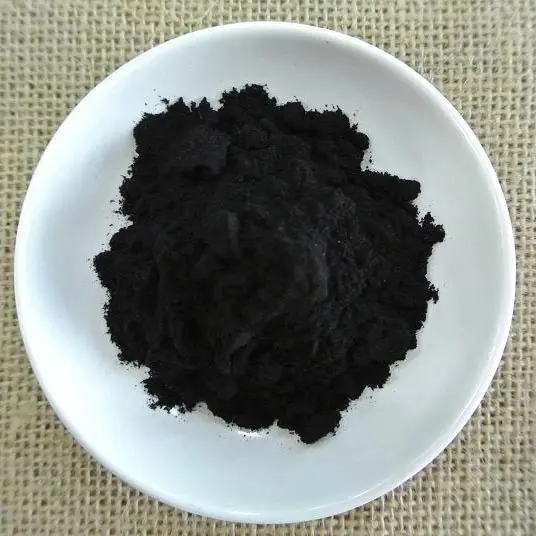
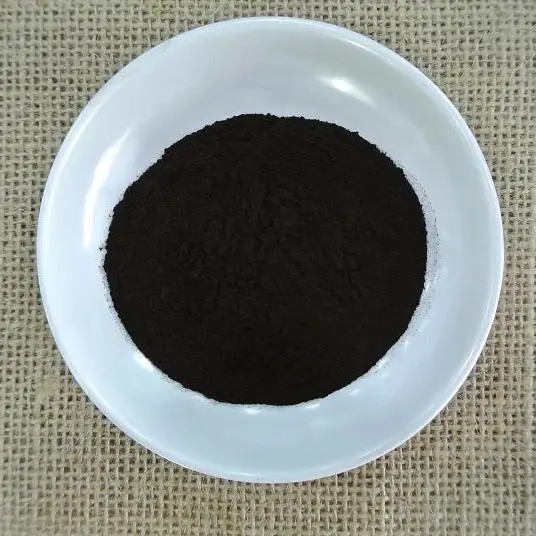
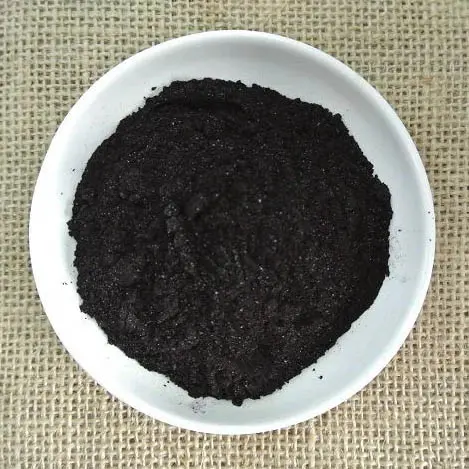
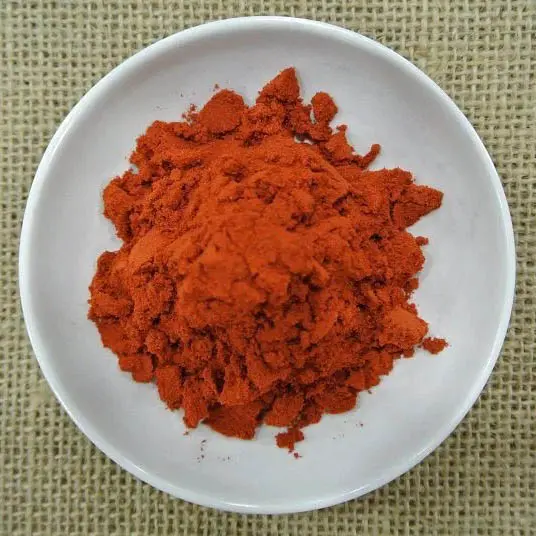
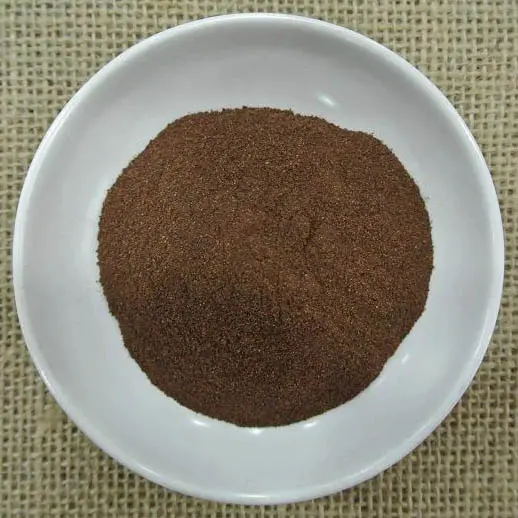
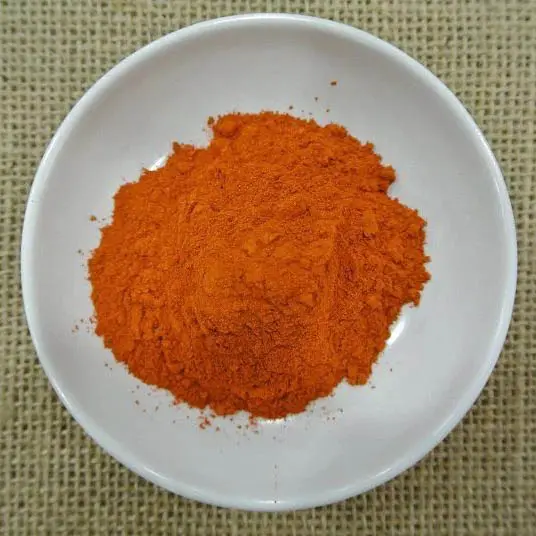
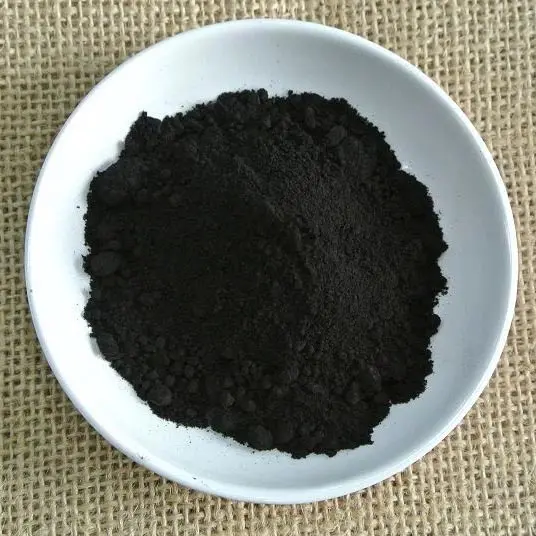
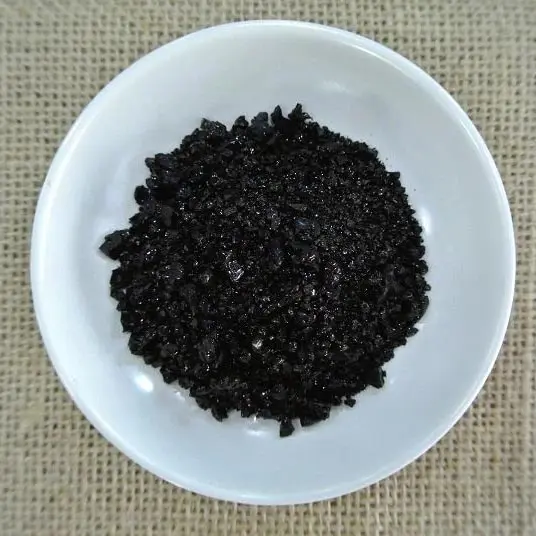
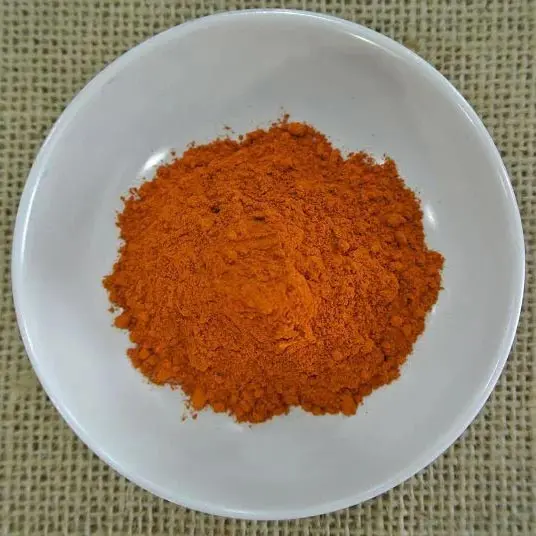
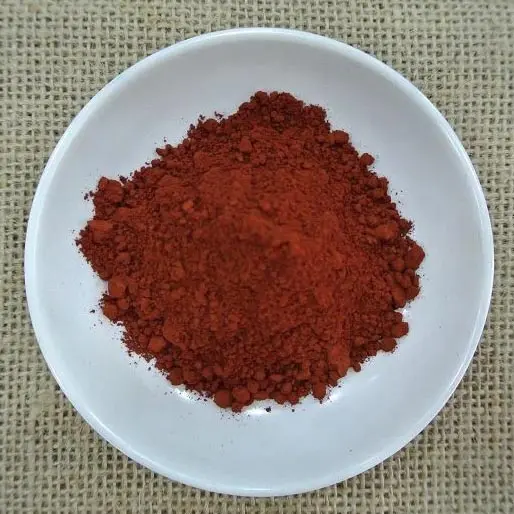
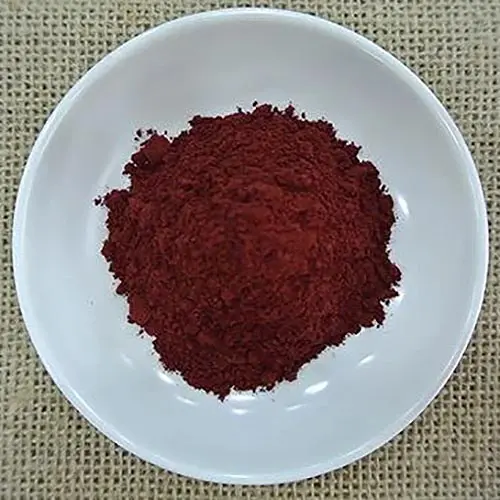
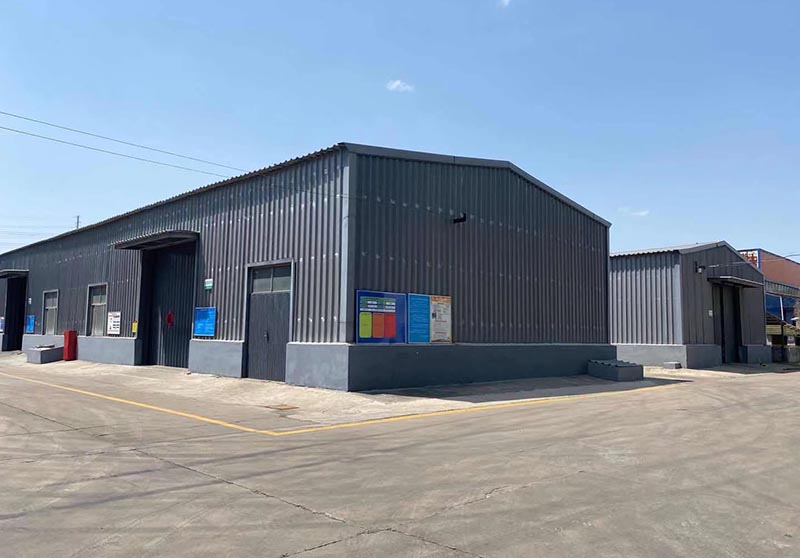
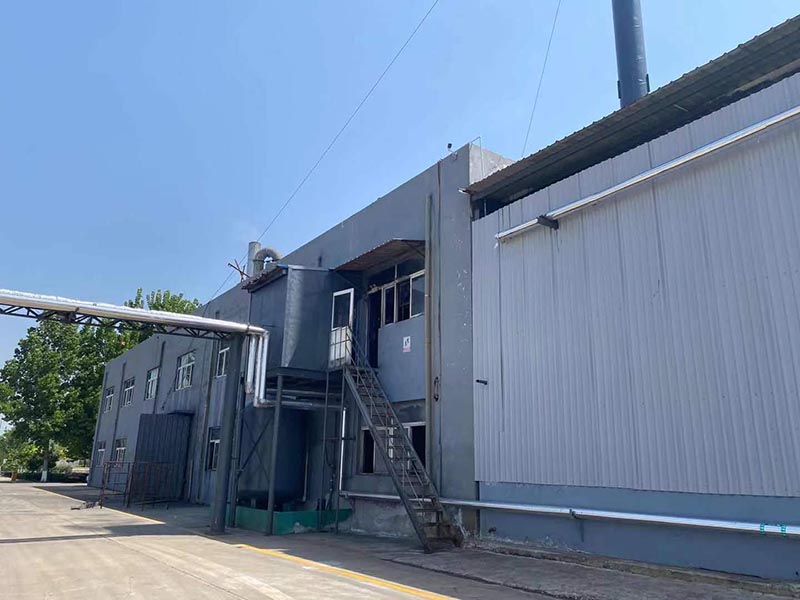
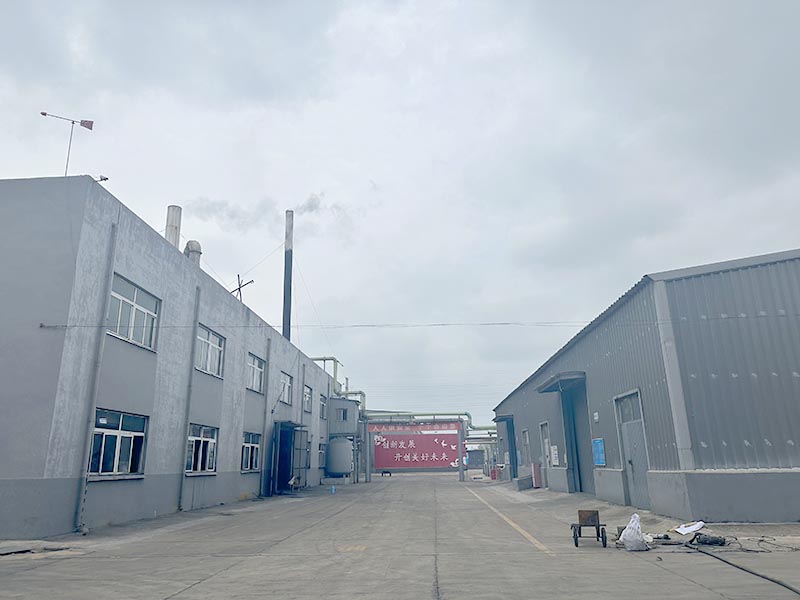
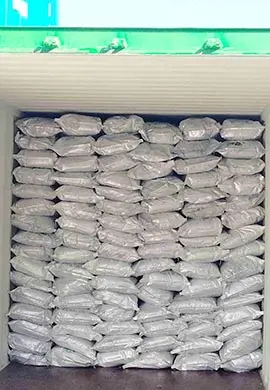
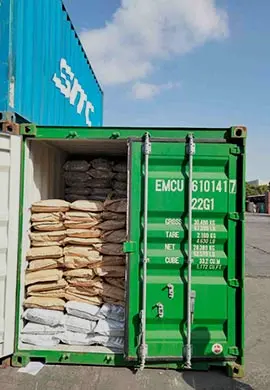
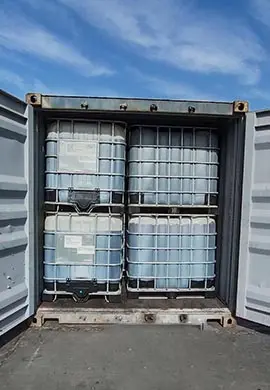
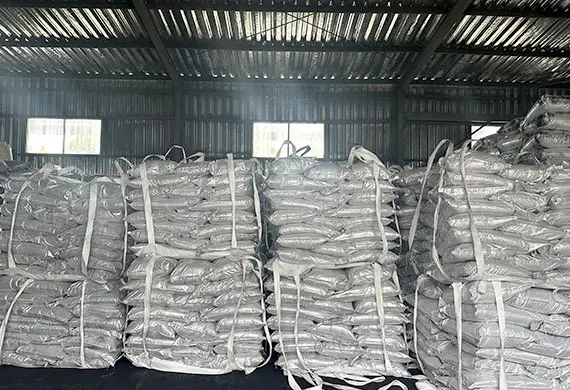
A behind-the-scenes look at our production capacity, secure warehouse storage, and global shipping operations.
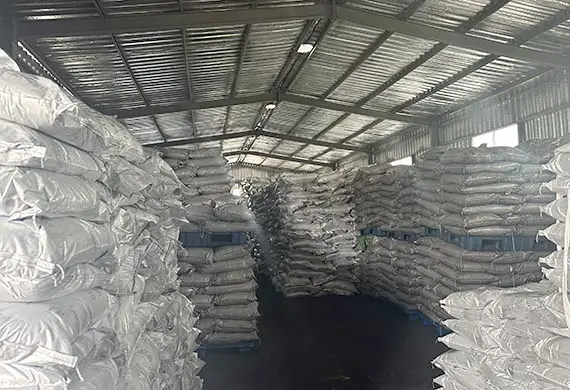
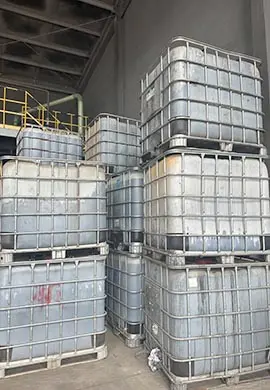
Essential answers regarding properties, ordering options, and international compliance standards for Carmoisine B.
Carmoisine B and Acid Red 14 refer to the same chemical compound (CAS 3567-69-9, C.I. 14720). Carmoisine B is a common commercial and historical trade name, whereas Acid Red 14 is the official designation within the Color Index system. It is also known as Azorubine.
For standard grades, the typical production and packing cycle takes 10 to 15 days from order confirmation. Direct rail and road logistics to the Port of Tianjin take less than 24 hours, ensuring fast loading and dispatch of shipping containers.
ZDHC Level 3 certification indicates that a manufacturer's dyestuffs do not contain harmful chemical impurities above trace limits. This allows textile mills to meet strict brand requirements and avoid contamination of wastewater systems.
Yes. We offer standard strength (100% equivalent) as well as custom concentrated formulations (e.g., 120%, 150%) to match the specific color intensity, solubility limits, and processing parameters of our customers' machinery.
Every batch undergoes spectrophotometer analysis to check color strength, HPLC analysis to verify purity, and solubility and moisture testing. Counter-samples are kept in our archive for up to three years to ensure complete traceability.
 Sunrise