High-performance organic pigments and synthetic dyestuffs engineered for industrial applications.
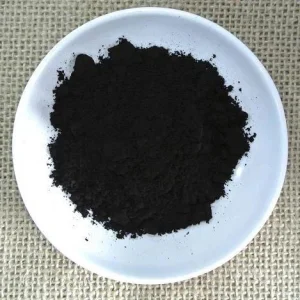
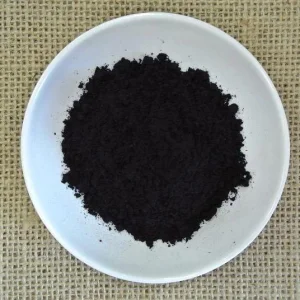
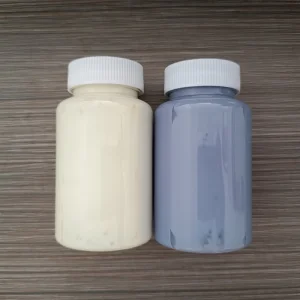
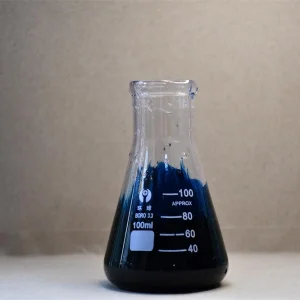
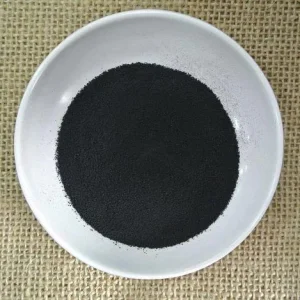
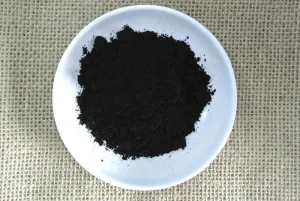
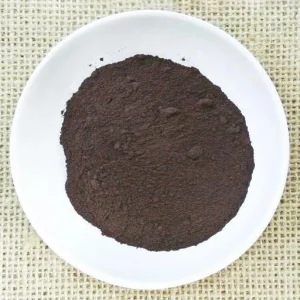
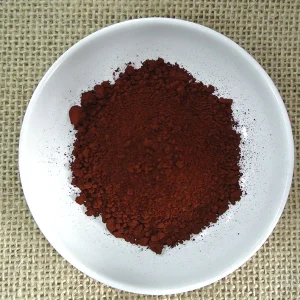
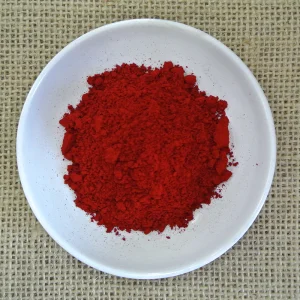
Basic Red 13, chemically identified under the color index classification as C.I. 48015 and commonly known by its CAS number 3648-59-9, represents one of the most vital cationic dyestuffs utilized in modern chemical dyeing. Structurally classified as a methine-based or cyanine-type organic dye, Basic Red 13 carries a positive charge in its molecular configuration. This characteristic enables it to exhibit highly selective, intense binding properties to negatively charged substrates, particularly polyacrylonitrile (acrylic) fibers, modified polyesters, and anionic groups present in lignin-rich wood pulp and natural protein structures.
Historically, Basic Red 13 has been the colorant of choice when manufacturers require a vibrant, clean, and highly saturated red shade. Its high molar extinction coefficient ensures that even in minimal dosage levels, the dye yields a deeply rich magenta-red hue. It possesses exceptional dye-bath exhaustion rates, which makes it particularly attractive to industrial operations seeking to minimize wastewater dye concentrations and optimize overall chemical yields.
When sourced from reputable manufacturers such as Tianjin Sunrise Chem Group, Basic Red 13 is prepared using optimized intermediates, notably Fischer’s base and related aldehyde compounds, ensuring minimal residual impurities, low dust profiles, and a highly consistent coloristic yield (often standardized to 100% or 200% strength relative to standard reference materials).
| Technical Property | Specification Details / Standard Values |
|---|---|
| Color Index Number | C.I. Basic Red 13 (C.I. 48015) |
| CAS Registry Number | 3648-59-9 |
| Molecular Formula | C22H26ClN2 |
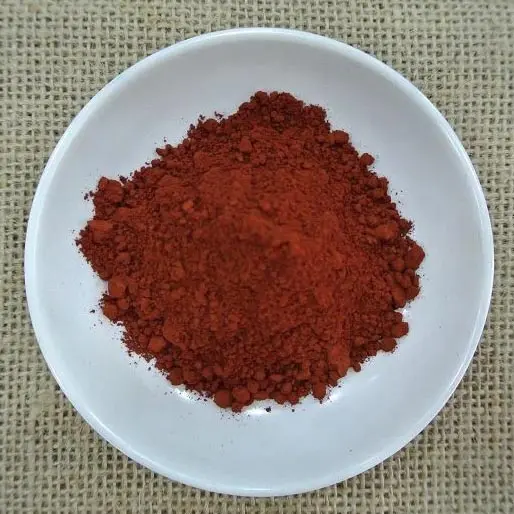
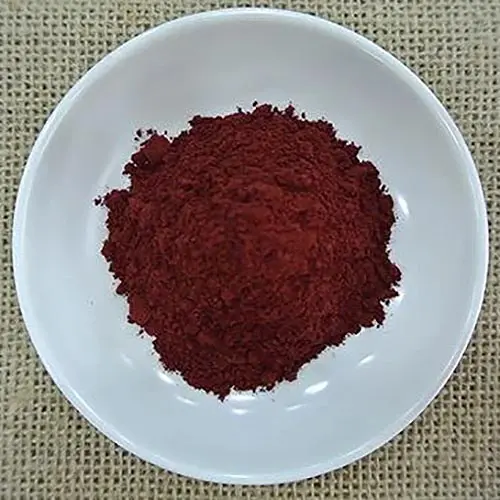
| Physical Form | Reddish-brown powder or concentrated liquid configurations |
| Solubility in Water | ≥ 30 g/L (at 90°C), excellent dispersion in acidic water media |
| pH Stability Range | Highly stable within pH 3.0 to 6.5 |
| Lightfastness (on Acrylic) | Grade 5 - 6 (ISO standard rating scale) |
| Washing Fastness | Grade 4 - 5 (Excellent retention and low cross-staining) |
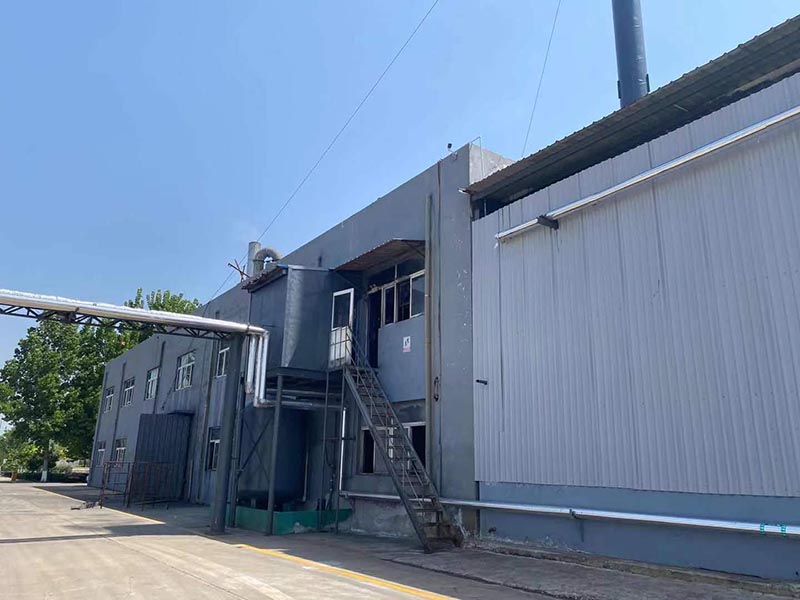
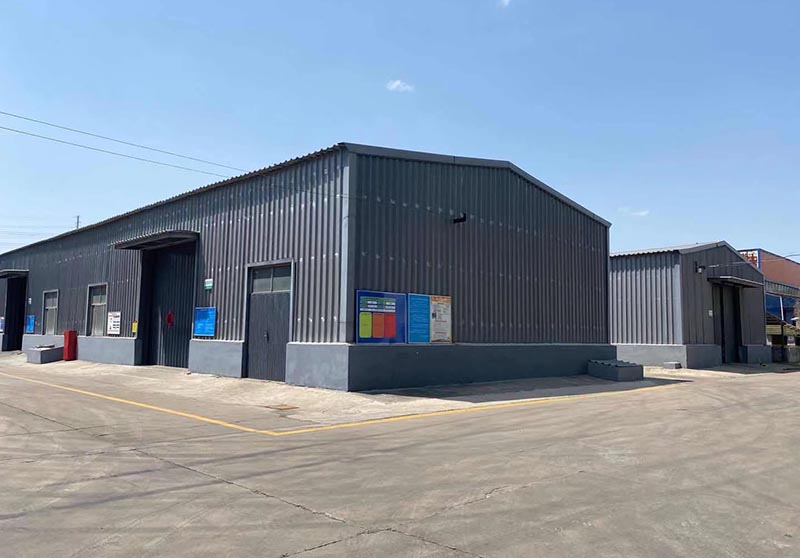
Tianjin Sunrise Chem Group specializes in manufacturing high-quality dyestuffs, covering a vast industrial spectrum including Direct dyes, Acid dyes, Basic dyes, Sulphur dyes, Solvent dyes, Liquid dyes, and Fluorescent dyes. Backed by decades of professional chemical engineering and global export experience, we have built a stellar reputation for reliability and excellence, serving clients from diverse sectors including denim, textiles, leather processing, paper mills, and plastics packaging.
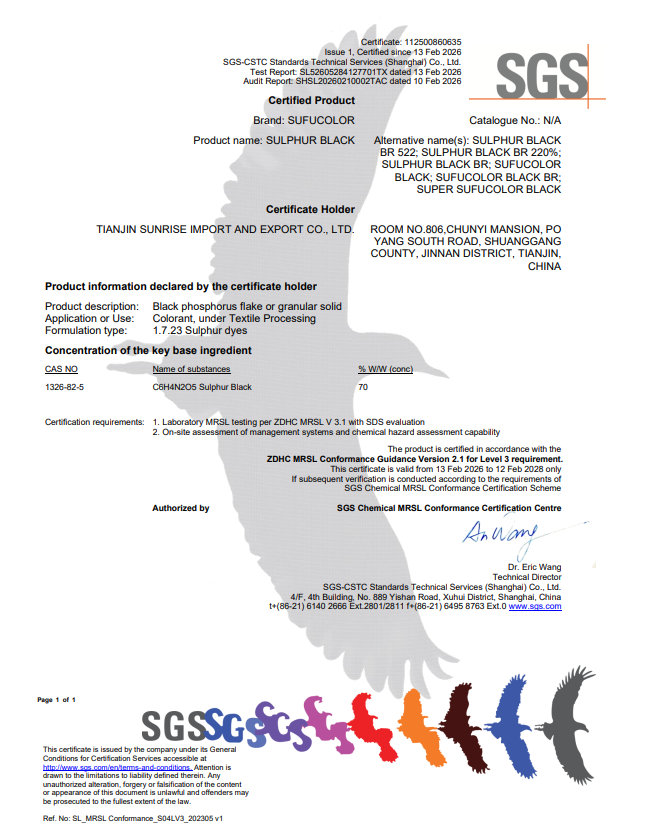
Our core mission revolves around goods quality and absolute batch-to-batch stability. Before leaving our warehouse, every single batch is strictly tested and verified against client benchmarks, ensuring zero variance when the products are introduced on the mill floor. Certifications such as ZDHC Level 3 and the Global Organic Textile Standard (GOTS) demonstrate our unwavering commitment to regulatory safety and eco-friendly chemistry.
We cooperate with paper and textile mills worldwide, providing custom formulations, optimized liquid dye preparations, and customized solutions. We understand that a stable supply chain and exceptional customer service are paramount to our customers' long-term financial success.
Chinese chemical factories benefit from highly integrated industrial zones. From base petrochemical feeds to advanced dye precursors (like Fischer's base), the entire production is localized, minimizing transport lag and isolating operations from international shipping shocks.
Basic Red 13 is highly optimized for localized processes: high-temperature high-pressure (HTHP) exhaust dyeing of acrylic fibers, acrylic/wool blends, surface sizing of specialty papers, and pH-controlled deep staining of top-grain leathers in global manufacturing hubs.
The global dyestuff market is shifting toward clean chemistry. Modern factories are reducing heavy metals, optimizing salt content, and shifting from dusty powders to highly stable liquid colorants that eliminate dust hazards and save processing water.
To achieve the absolute maximum dye yield and leveling efficiency when utilizing Basic Red 13, chemical engineers must pay strict attention to temperature control and pH buffering. Cationic dyes possess a high affinity for acrylic fibers. Because of this high affinity, the strike rate of Basic Red 13 accelerates rapidly above the glass transition temperature (Tg) of acrylic, which is roughly 75°C to 80°C.
Without careful regulation, rapid dye absorption will result in uneven, blotchy coloring (uneven strike). Therefore, the application of retarding agents (either cationic retarders that compete for dye sites or anionic retarders that temporarily complex with the dye) is highly recommended. Maintaining the dye-bath pH strictly between 4.5 and 5.0 using an acetic acid/sodium acetate buffer is crucial. Deviating into alkaline conditions causes hydrolysis of the methine bridge, destroying the color molecule and severely reducing dye yield.
Modern procurement teams in North America, Europe, and the APAC region operate under strict regulatory boundaries. Import requirements dictate that all synthetic dyestuffs comply with regulations like EU REACH, US TSCA, and local chemical safety registries. The presence of hazardous impurities, trace heavy metals, and free arylamines must be strictly controlled under global limits.
At Tianjin Sunrise Chem Group, we prevent quality deviations by aligning our processes with leading textile standards:
ZDHC Level 3 Certification: The Zero Discharge of Hazardous Chemicals program is a collaborative effort by major brands and chemical suppliers to eliminate the release of hazardous chemicals along the entire supply chain. Our ZDHC Level 3 status represents the highest degree of chemical compliance, certifying that our raw materials and manufacturing intermediates undergo rigorous testing to ensure zero contamination.
GOTS (Global Organic Textile Standard) Certification: This standard ensures the organic and environmentally conscious status of textiles throughout the entire supply chain. GOTS certification guarantees that our dyestuffs are safe for use on organic fibers, minimizing toxic chemical input and promoting sustainable production.
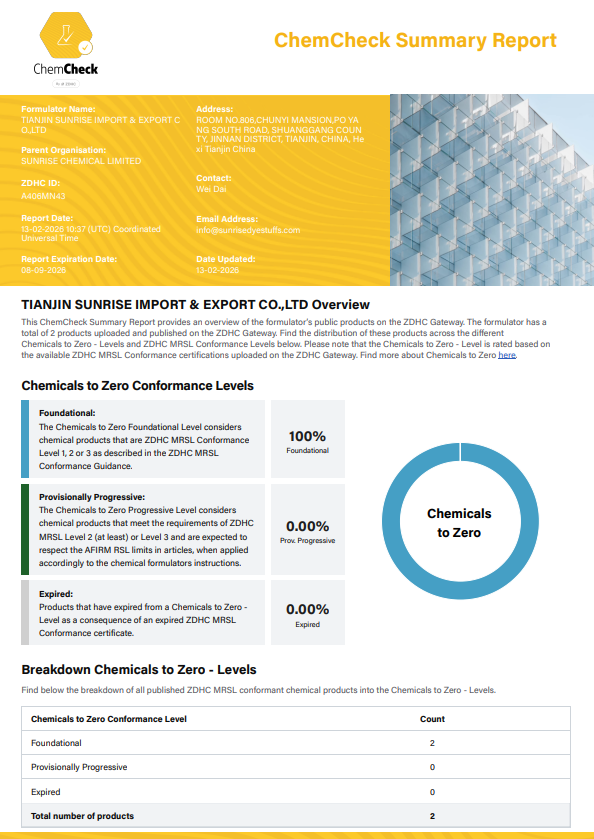
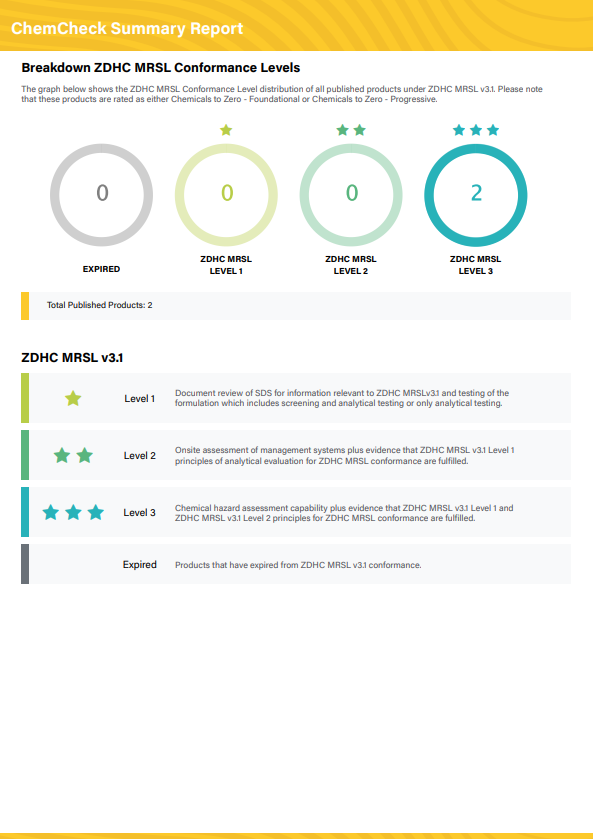
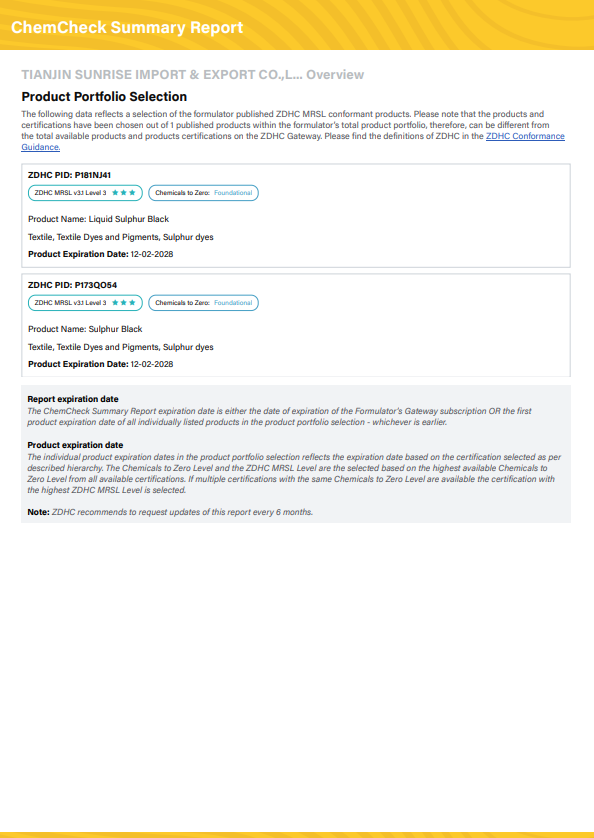
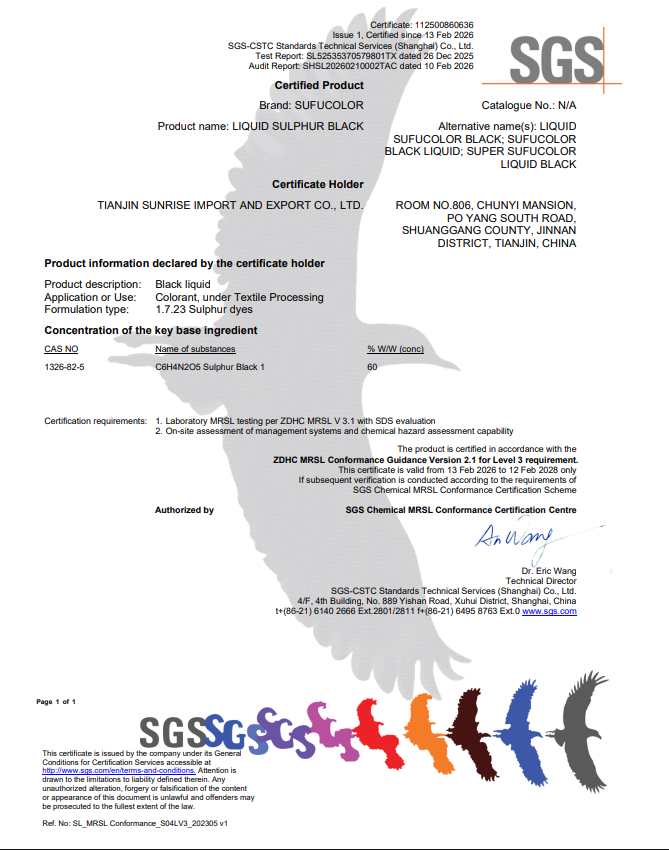
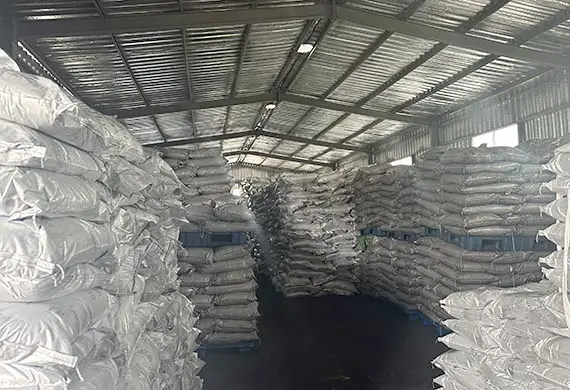
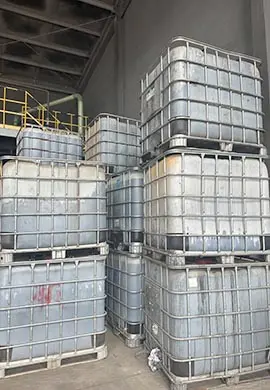
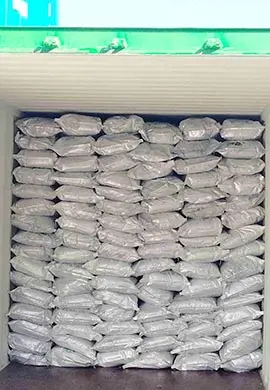
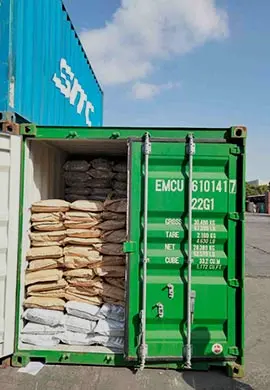
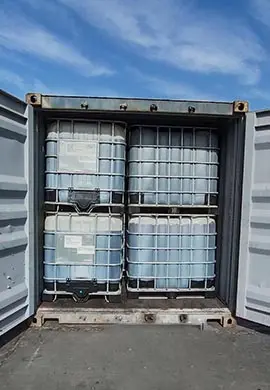
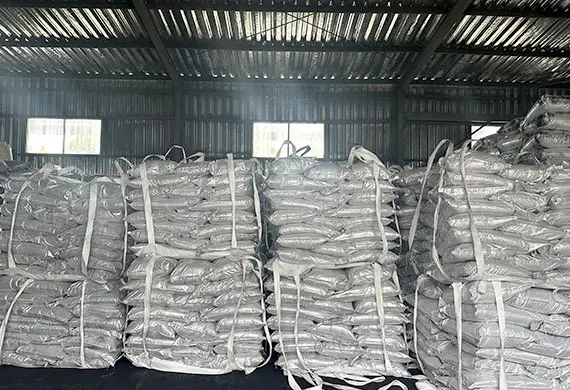
Managing international deliveries requires robust logistics planning. High-performance basic dyes must be packaged securely to prevent moisture ingress and dust dispersion. Sunrise Chem provides robust packaging configurations, including 25kg iron drums, carton boxes, and heavy-duty plastic drums with internal PE liners. Liquid variations are shipped in IBC totes, ensuring seamless integration with automatic dosing systems.
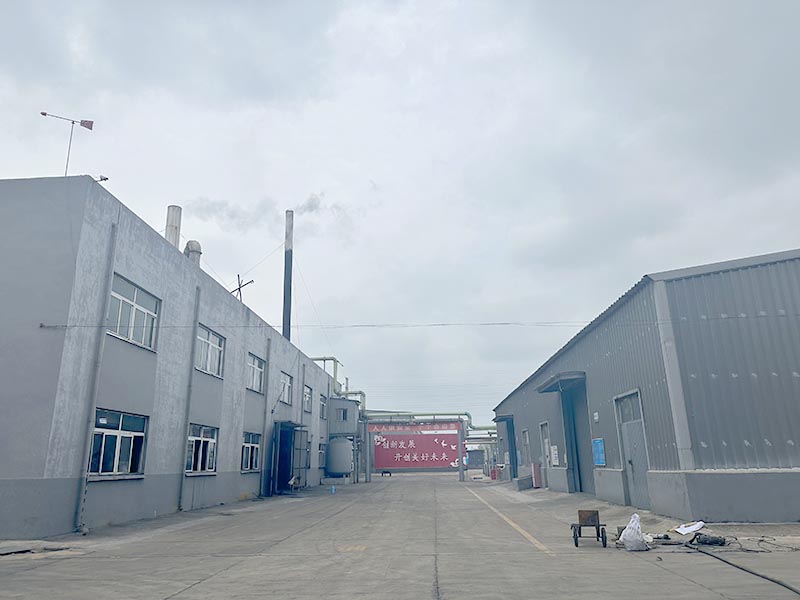
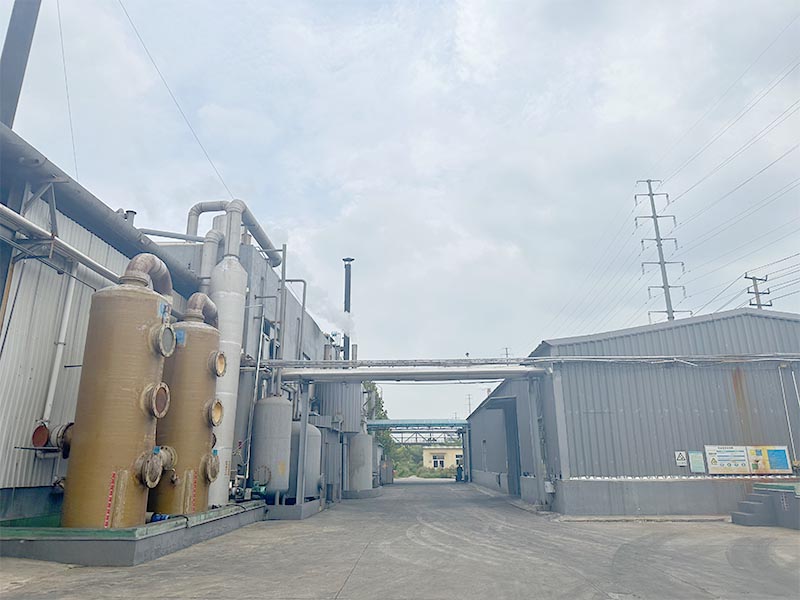
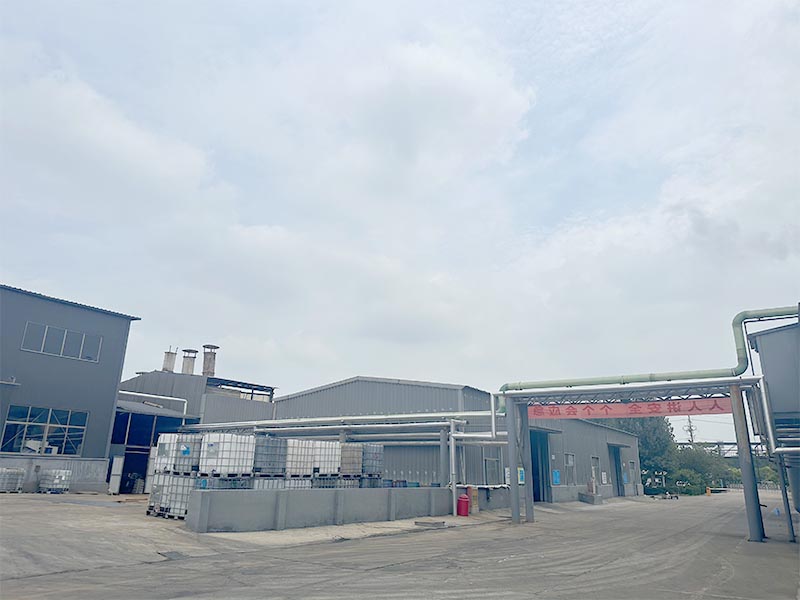
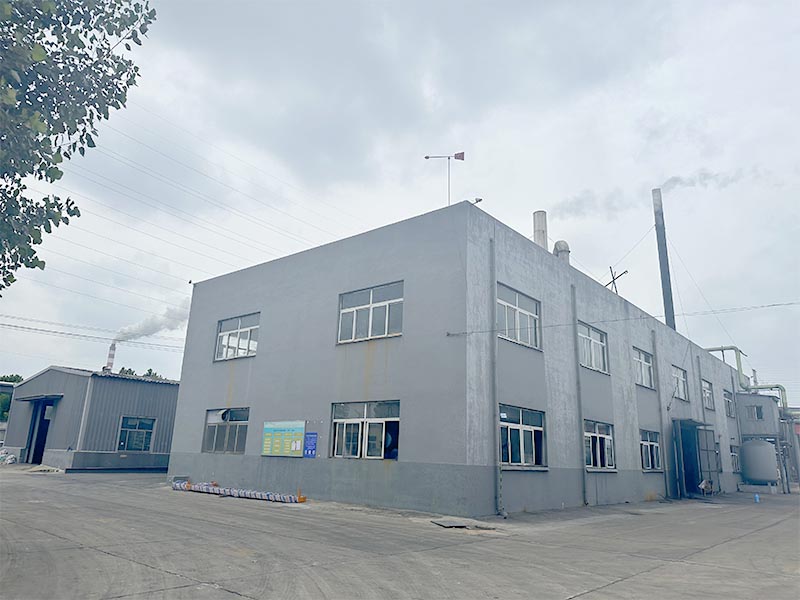
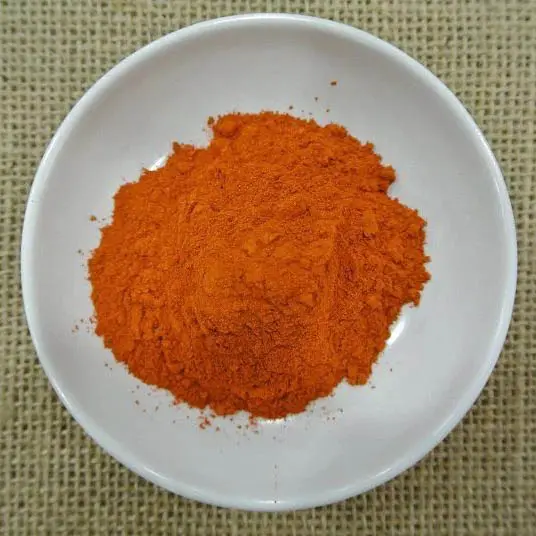
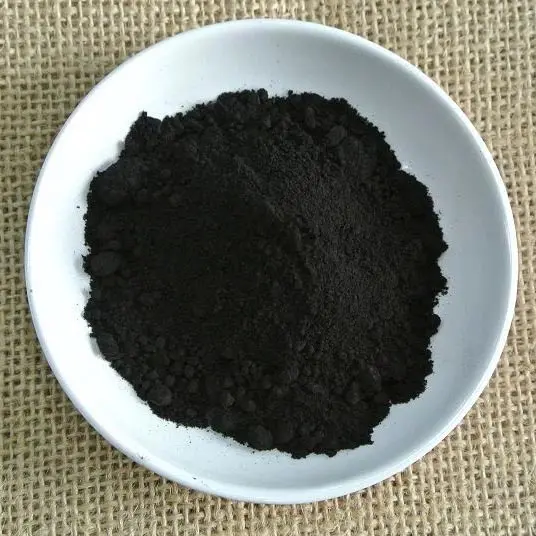
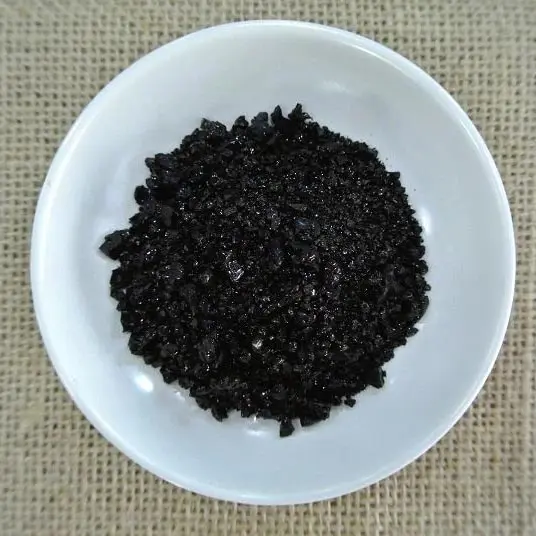
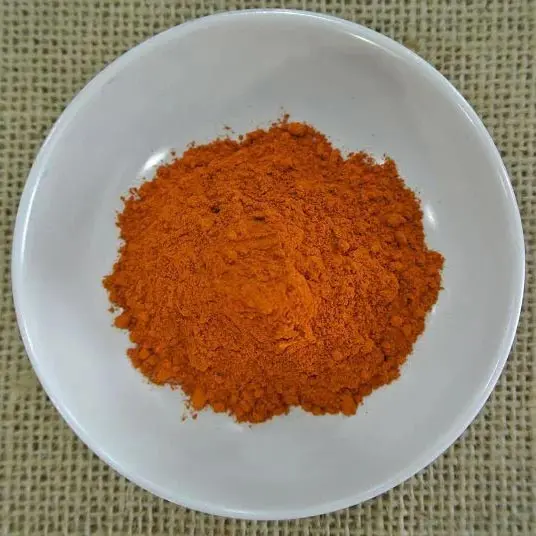
Additional specialized coloring formulations for leather, textile, paper, and forensic diagnostics.
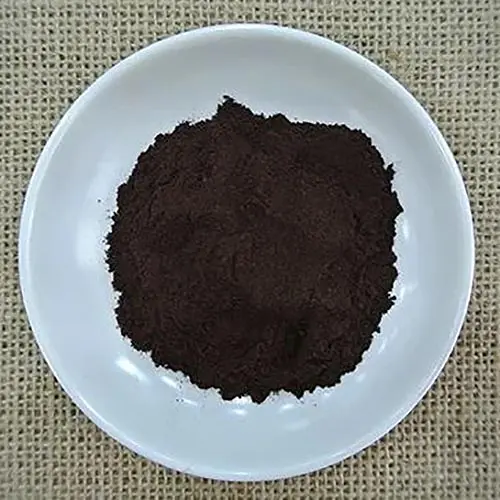
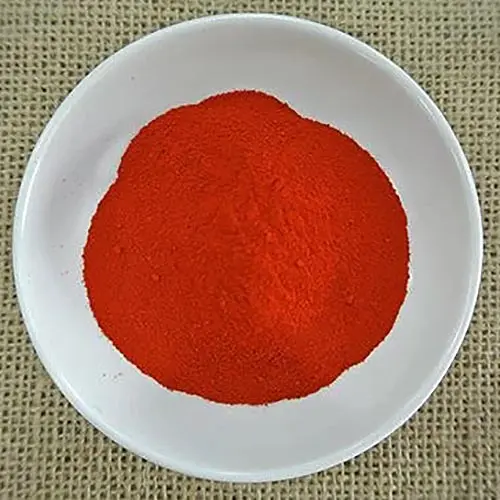
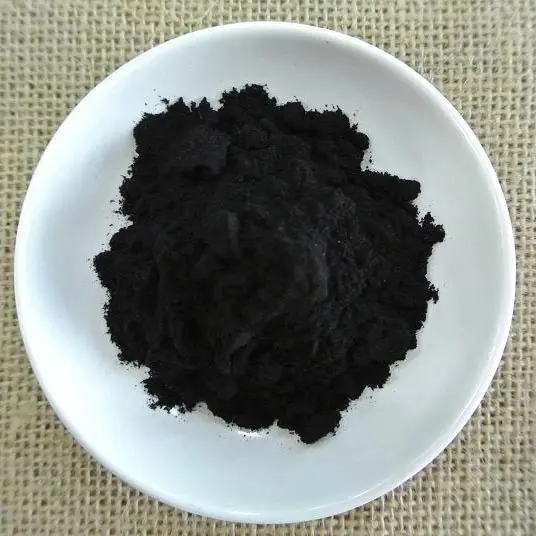
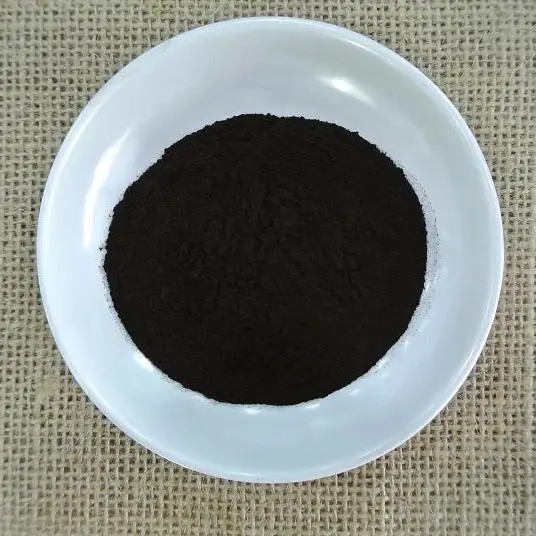
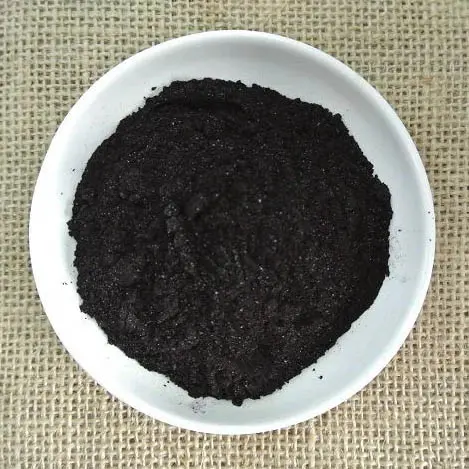
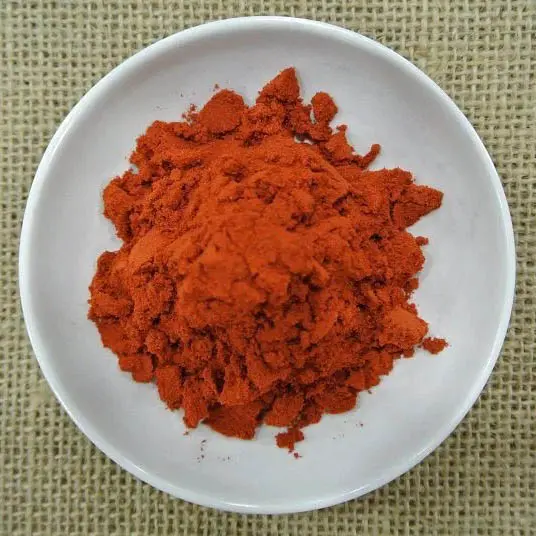
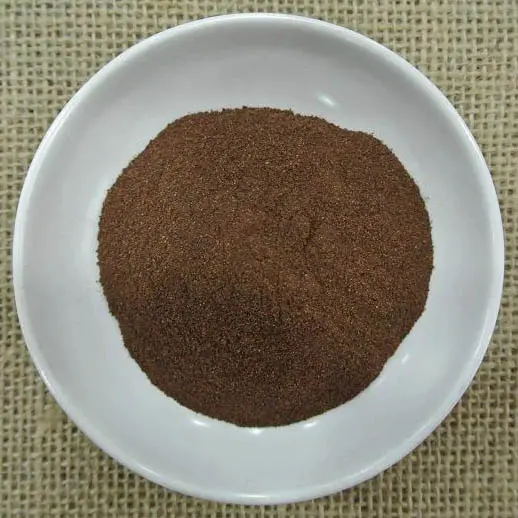
Answers to essential chemical and business questions from our technical research department.
Basic Red 13 is a cationic dye. In aqueous solution, it dissociates to form positively charged dye ions. Acrylic fibers contain negatively charged acid groups (typically sulfonic or carboxylic acid groups introduced during polymerization). The electrostatic attraction between the cationic dye molecule and the anionic site on the fiber creates a strong, stable ionic bond. This results in superior color fastness, vibrant light reflection, and resistance to washing.
Our quality control department tests every production run using computerized spectrophotometers and high-performance liquid chromatography (HPLC). We measure color strength (relative strength standardized to reference samples), colorimetric difference values (Delta E under D65/TL84 light sources), solubility limits, and moisture content. No batch is dispatched without meeting our tolerances of ΔE < 0.5.
Generally, no. Mixing cationic (basic) dyes with anionic (acid or direct) dyes in the same bath causes immediate precipitation (coacervation), producing insoluble tar-like aggregates that stain fabrics and ruin dye machinery. If multi-tone dyeing is necessary on fiber blends (e.g., acrylic/wool), a two-step dyeing process or the application of specialized non-ionic anti-precipitants is strictly required.
ZDHC Level 3 certification proves that our formulations conform to the MRSL (Manufacturing Restricted Substances List). It reassures buyers that no banned hazardous chemicals are used as raw materials in our chemical synthesis. It simplifies supply chain validation for retail apparel giants who require strict verification from upstream chemical suppliers.
When kept in its original sealed packaging in a cool, dry, well-ventilated warehouse away from direct sunlight, the shelf life of Basic Red 13 powder is virtually unlimited (up to 5 years without degradation). However, liquid versions should be protected from freezing temperatures and must be agitated prior to volumetric dosing to ensure uniform concentration.
Explore our diverse chemical products, engineered to satisfy strict global environmental standards.
 Sunrise