Industry-leading dye range engineered for exceptional color fastness, compatibility, and reliable bulk consistency.
Tianjin Sunrise Chem Group specializes in manufacturing high-quality dyestuffs. Including Direct dyes, Acid dyes, Basic dyes, Sulphur dyes, Solvent dyes, Liquid dyes and Fluorescent dyes.
Backed by decades of industry and export experience, we have built a reputation for reliability and excellence, serving clients from diverse sectors including denim, textile, leather, paper and plastic.
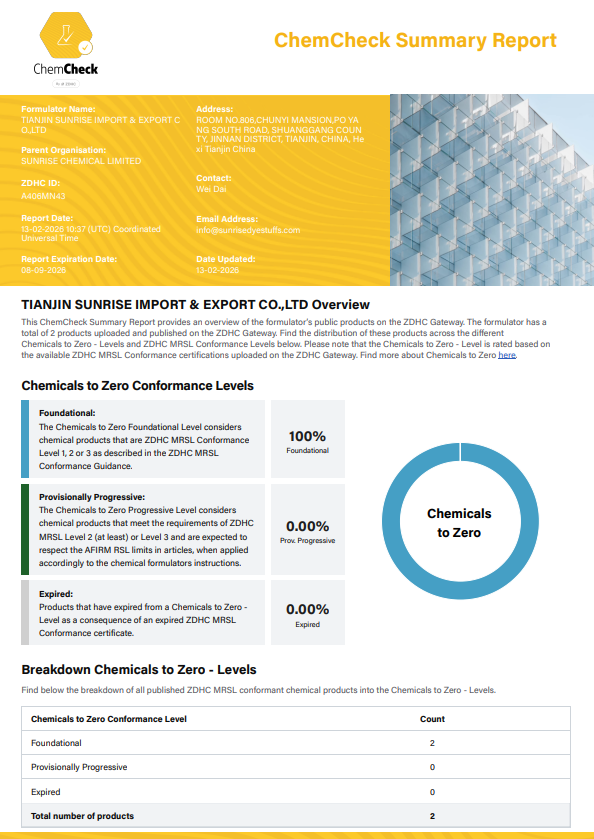
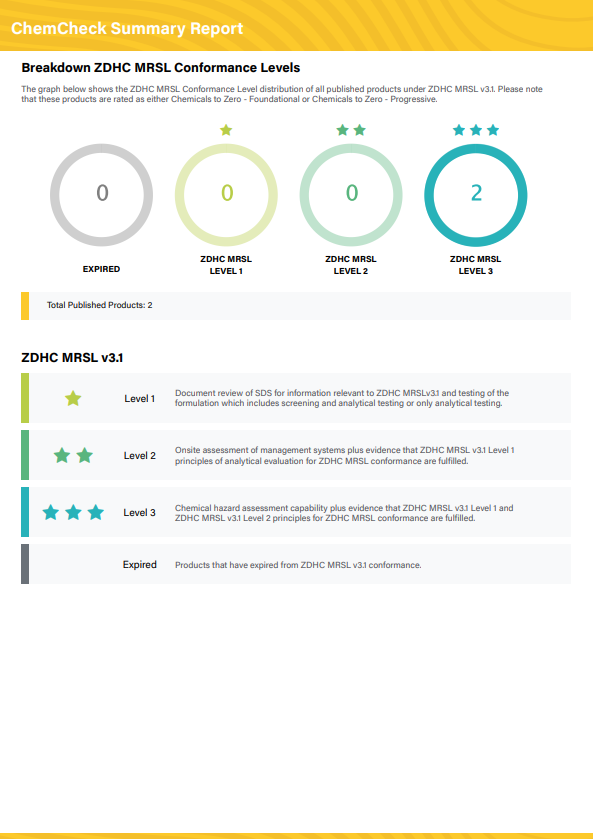
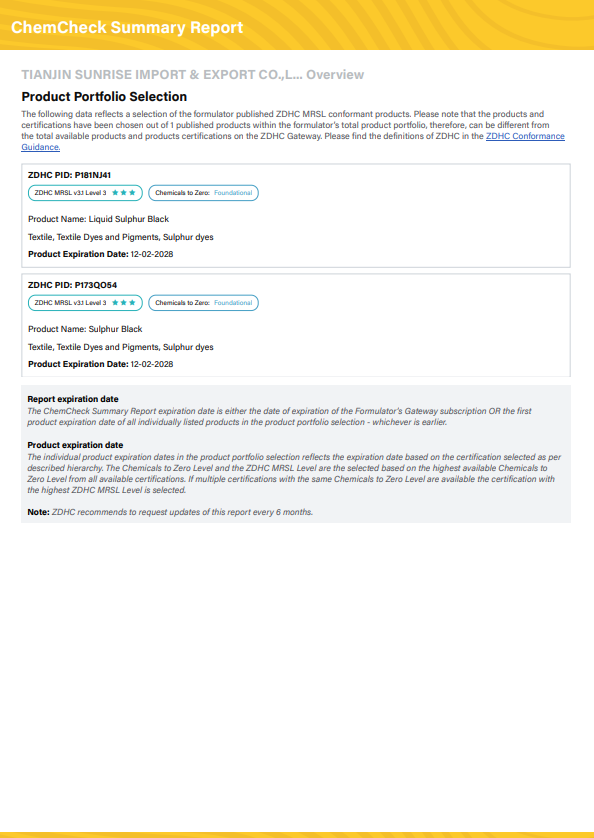
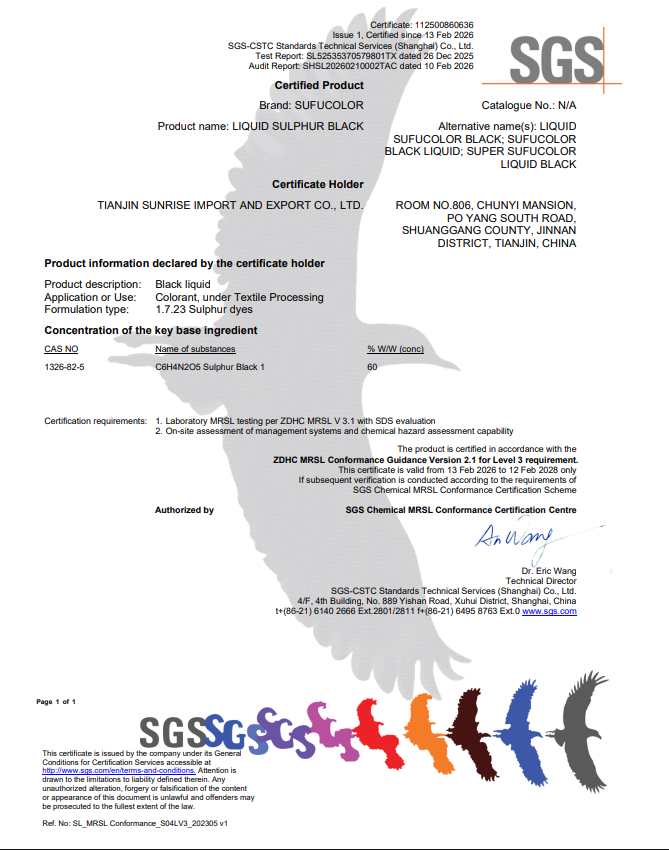
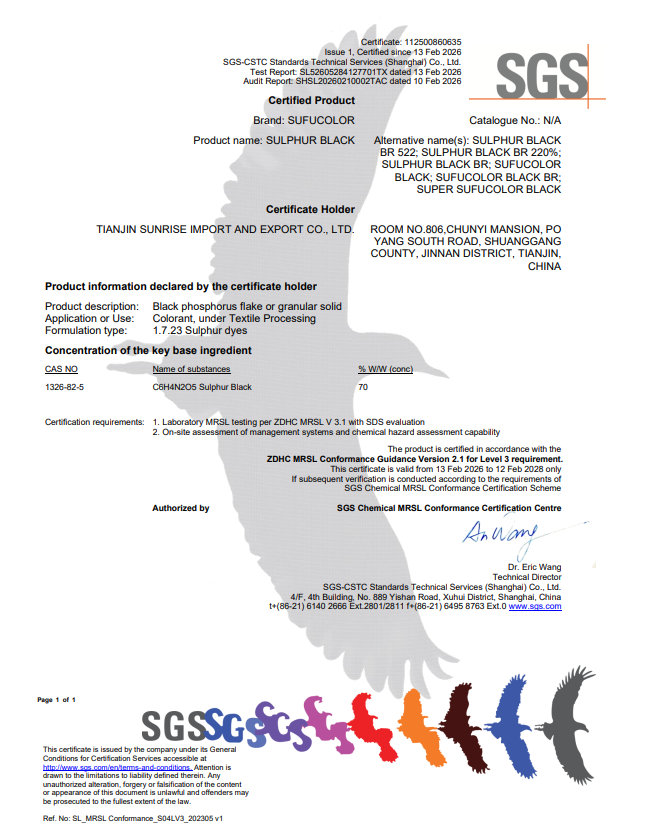
We always highly focus on the goods quality and stability. Each shipment has been tested before sending to the port. Our ZDHC level 3 compliance and GOTS certification make your quality guaranteed and satisfy the highest regulatory standards globally.
An authoritative guide to oxazine chemistry, synthesis evolution, and precision applications on acrylic, cationic polymers, and cellulosic fibers.
Basic Blue 3 (Color Index Constitution Number 51004, CAS Registry Numbers 63589-47-9 and 33203-82-6) is a high-performance oxazine-class cationic dye. Structurally, oxazine dyes are characterized by a heterocyclic system consisting of a central six-membered ring containing one oxygen and one nitrogen atom situated opposite each other. The chromophore exhibits an intense localized positive charge, which forms highly resilient ionic bonds with negative carboxylate or sulfonate groups on synthetic fibers.
Key Chemistry Note: Unlike lower-tier triphenylmethane basic dyes, the oxazine structure of Basic Blue 3 yields significantly superior thermal stability, elevated light fastness, and remarkable chemical resistance. This structural advantage prevents early degradation under standard manufacturing thermal settings.
| Technical Parameters | Standard Specification Values | Advanced Purified Grades |
|---|---|---|
| Chemical Class | Oxazine derivative (Cationic) | High-Affinity Cationic |
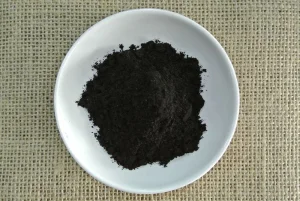
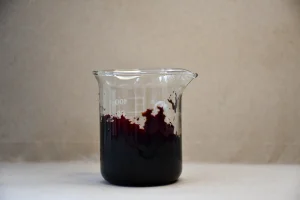
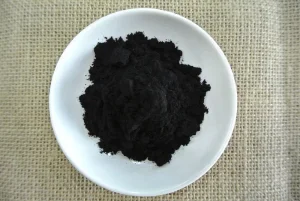
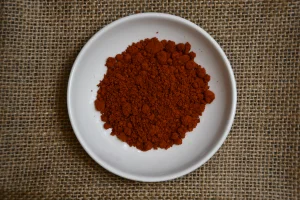
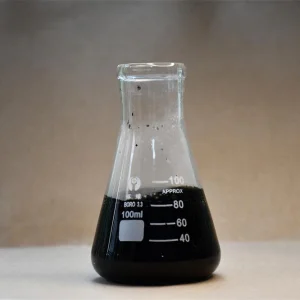
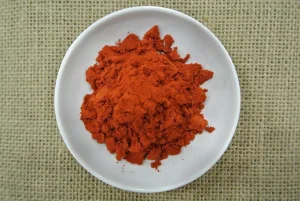
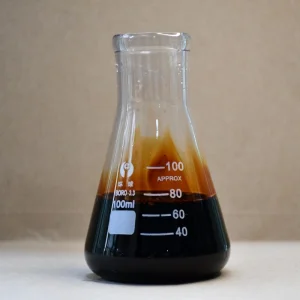
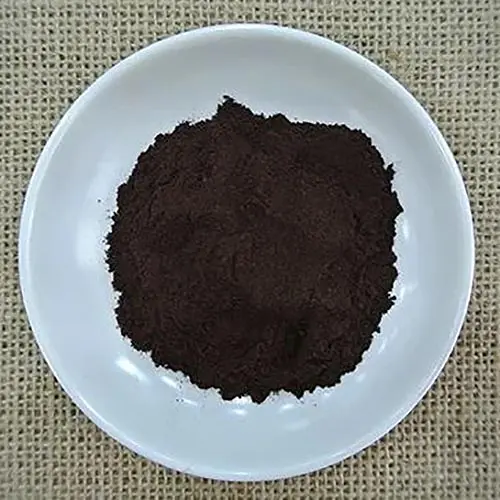
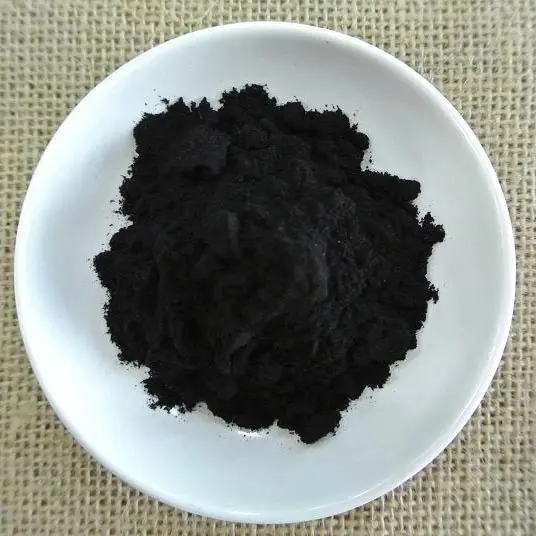
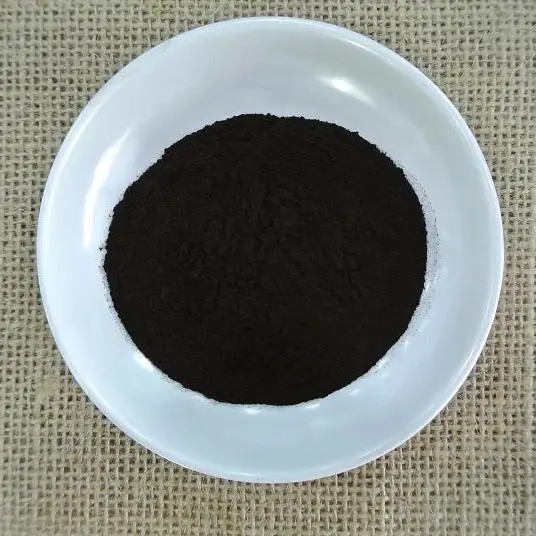
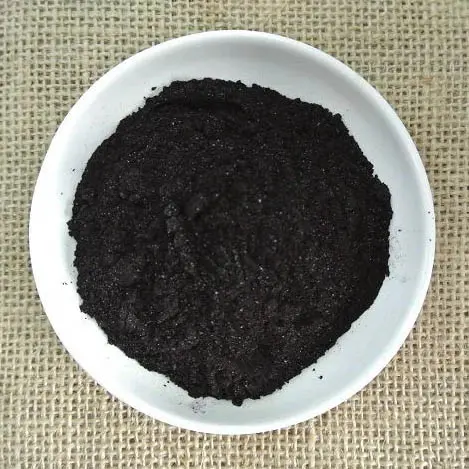
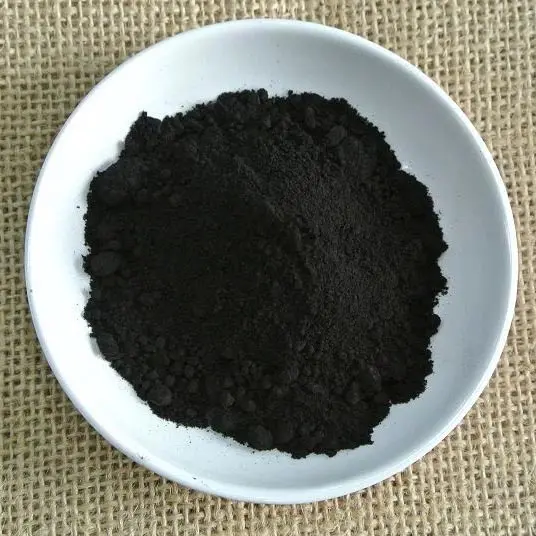
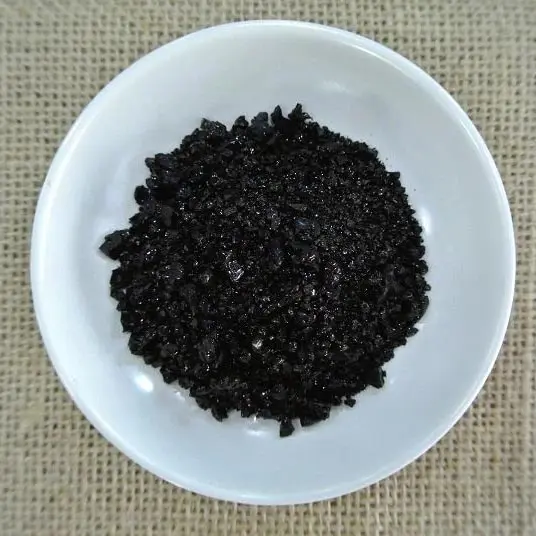
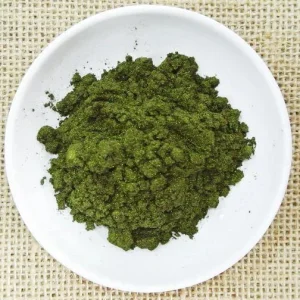
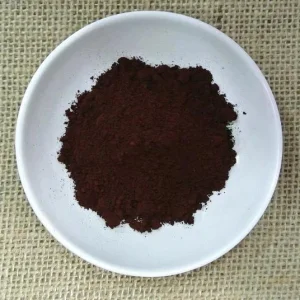
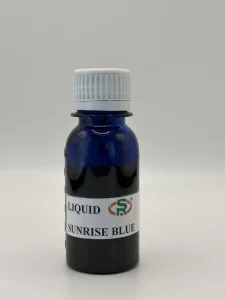
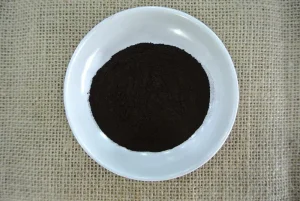
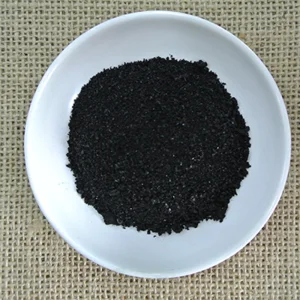
| Appearance | Dark Green to Bronze Powder / Blue Liquid | Micro-granular / Low-dust Powder |
| Strength Offerings | 100%, 200%, 250% | 300% & 400% Custom Formulations |
| Solubility Limit (Water) | 35 g/L (at 90°C) | > 50 g/L (at 90°C) |
| pH Stability Range | 3.0 – 6.5 | 2.5 – 8.0 |
| Light Fastness (Xenon Arc) | Grade 5-6 (ISO 105-B02) | Grade 6+ (optimized with UV absorbers) |
The manufacturing process of Basic Blue 3 has transitioned from legacy high-salt wet-cake condensation processes to sustainable, computerized synthesis paths. Historically, zinc salts were utilized as stabilizers during crystallization, resulting in a zinc chloride double salt formulation that carries environmental hazards. Tianjin Sunrise Chem Group has engineered a zinc-free synthesis line, yielding a high-purity acetate or chloride salt configuration that dramatically decreases heavy metal levels in water treatment stages.
Modern technical pathways focus on providing liquid formulations of Basic Blue 3. Liquid formulations avoid the dust hazards associated with solid dyes, improving mill safety. These liquid dyes dissolve instantly, rendering them ideal for automated mixing setups. Looking forward, the development of Basic Blue 3 concentrates on biodegradable carriers and catalysts that do not leave traces of zinc, copper, or chromium, aligning directly with the progressive roadmap of ZDHC MRSL guidelines.
Basic Blue 3 operates across three primary macro-industrial channels:
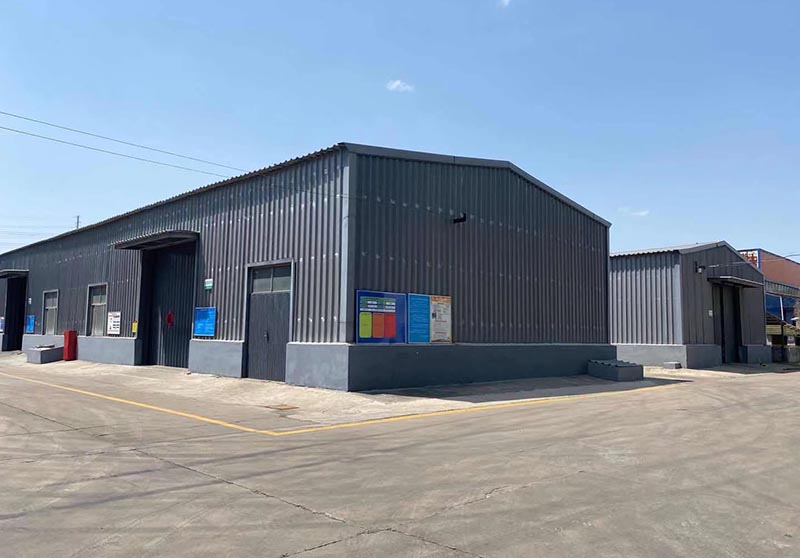
Exploring our advanced manufacturing facility and robust logistics infrastructure that secure seamless supply chains for global enterprises.
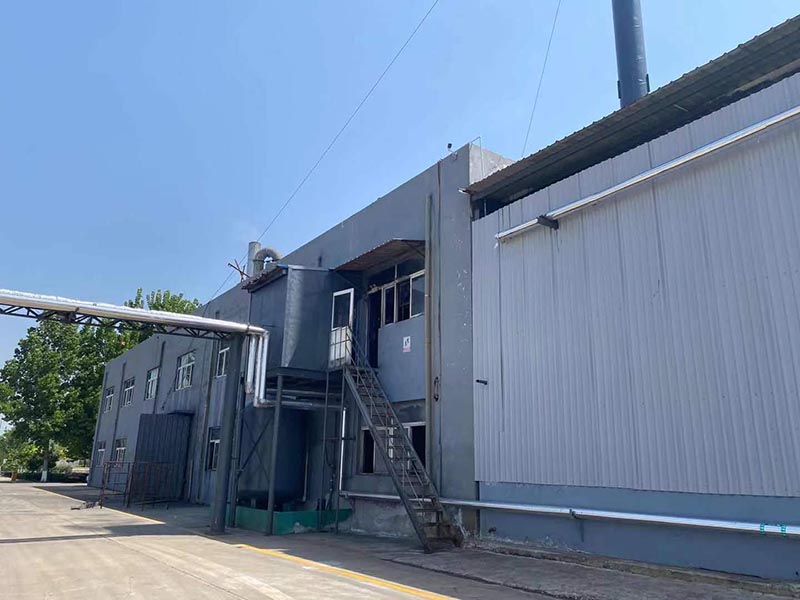
Cooperating with textile and paper mills for many years shows that our factory has established a strong and reliable business relationship. This kind of long-term collaboration brings numerous benefits, such as consistent orders, shared resources, and mutual support. It indicates that the factory has a good track record of delivering quality products and meeting the needs of its partners. Our mission is to drive business growth by providing reliable and customized products. We strive to be a catalyst for our clients' success by consistently delivering first-class products and exceptional customer service.
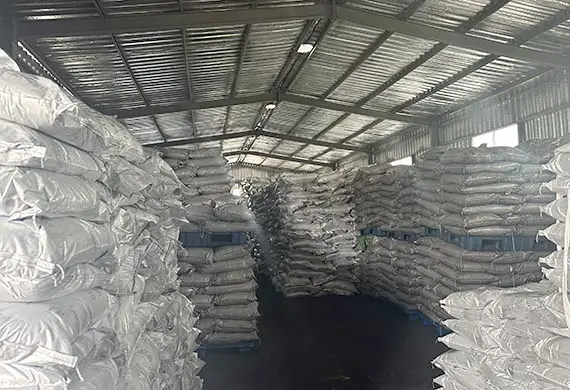
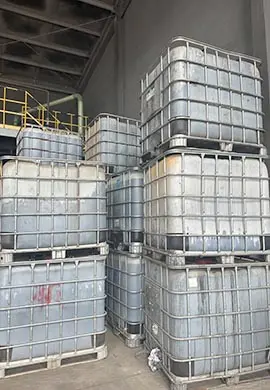
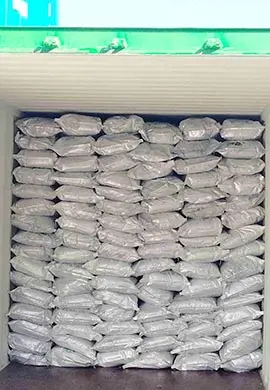


With years of experience, we have successfully established strong partnerships in many countries. Our dedication to meeting global demands and exceeding customer expectations has earned us a reputation as a reliable supplier worldwide. If you are looking for reliable, high-quality Dyes, we invite you to choose us as your trusted partner.
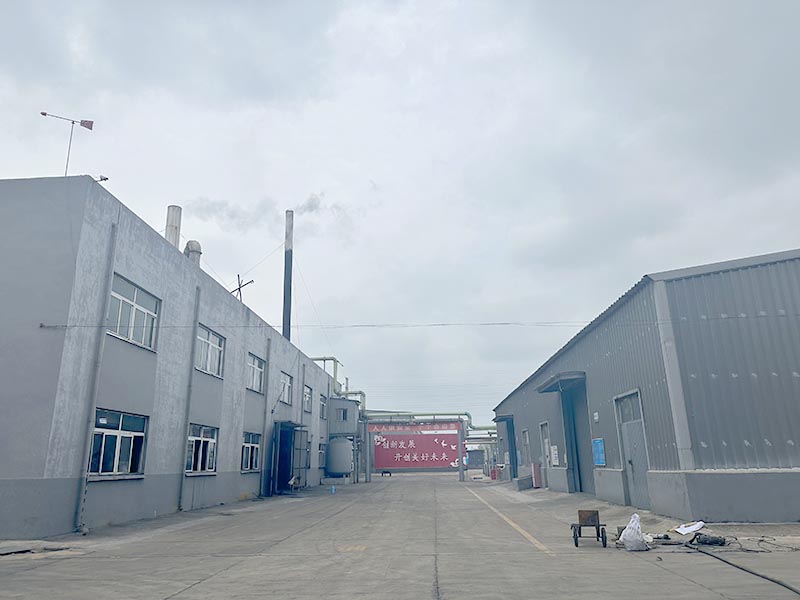
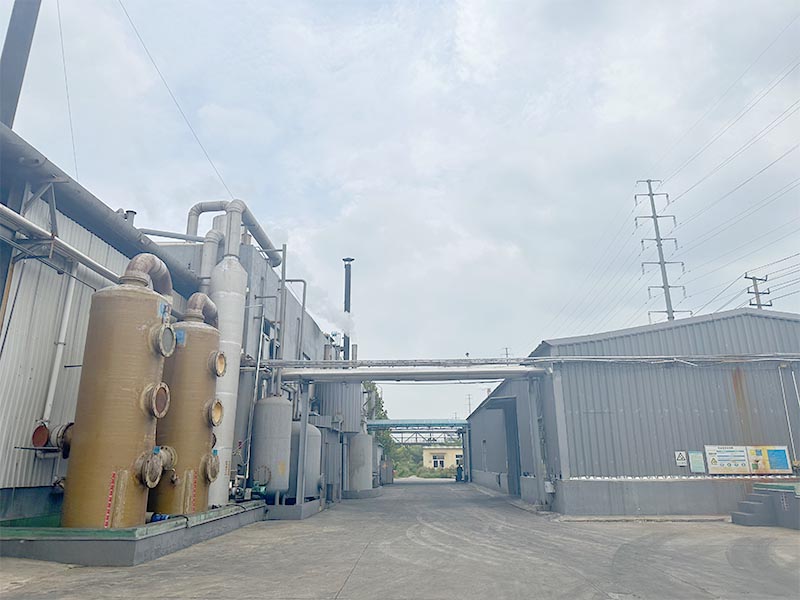
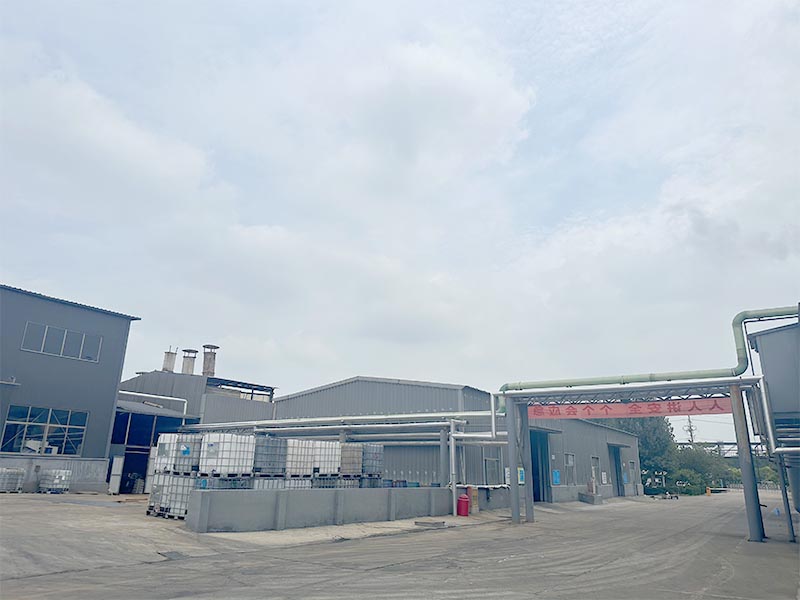
Discover how our specialized dyes perform across diverse industrial environments, optimized for maximum color intensity and environmental safety.
Understanding how modern chemical certifications protect your brand value and meet international import regulations.
We not only produce and export dyes and pigments but also prioritize long-term cooperation with our customers, providing them with quality services that exceed their expectations. Allow us to explain why choosing us is the best decision for your business. One of the main reasons why customers choose us is the stable supply of dyes we provide. We have developed efficient manufacturing processes to ensure a continuous supply of our products. Our factories feature state-of-the-art equipment and a knowledgeable workforce, which enables us to fulfill the most demanding orders. With us, you can begin your manufacturing journey with confidence knowing that dye availability will never be an issue.
Apart from a steady supply, the quality of our dyes is another reason why we stand out in the market. We, SUNRISE CHEM, take pride in our commitment to producing dyes that consistently meet high standards of quality. Our experienced technicians carefully monitor the manufacturing process, ensuring that each batch of dyes is carefully tested for color fastness, durability and other essential parameters. By choosing us, you can rest assured that your products will stand out in the market due to the vibrant and long-lasting color our dyes provide.
The ZDHC program is a collaborative effort by leading brands, retailers, and suppliers in the textile and footwear industry to reduce the use of hazardous chemicals. The focus of this certification is on eliminating the release of hazardous chemicals into the environment throughout the entire supply chain. Achieving ZDHC certification indicates that our company has implemented robust chemical management procedures and has met the stringent requirements for chemical handling, wastewater treatment, and pollution prevention.
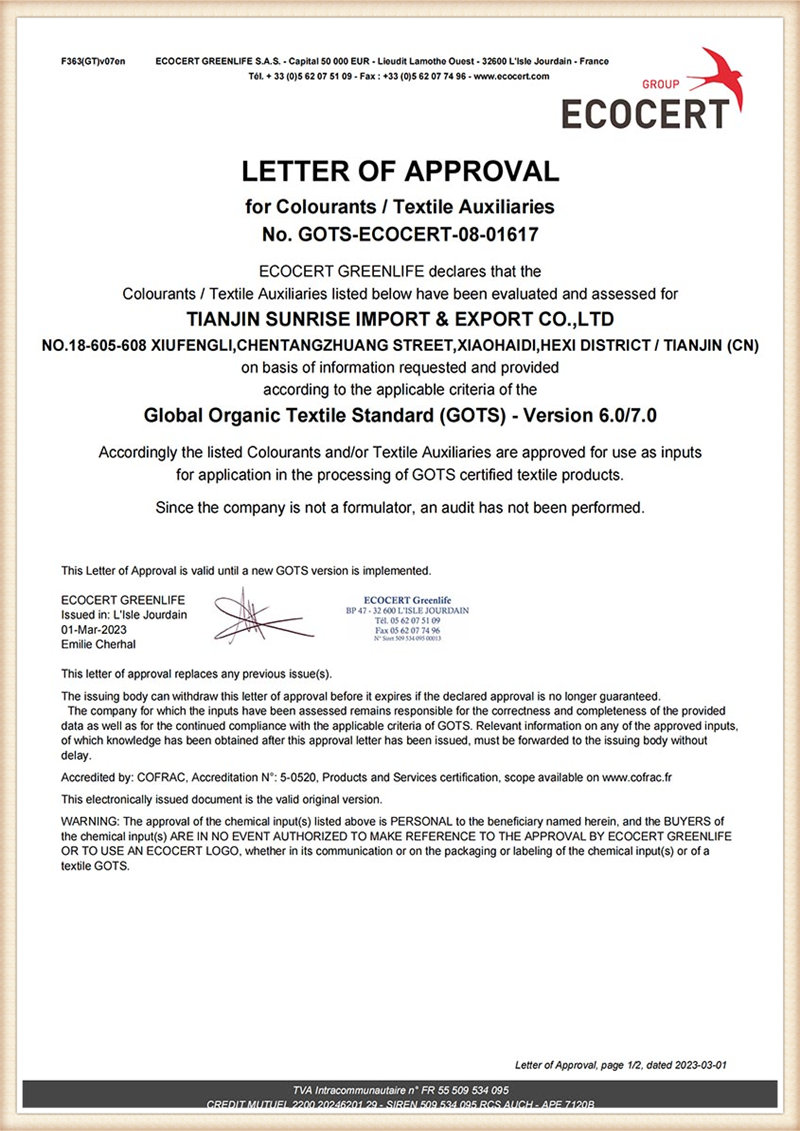
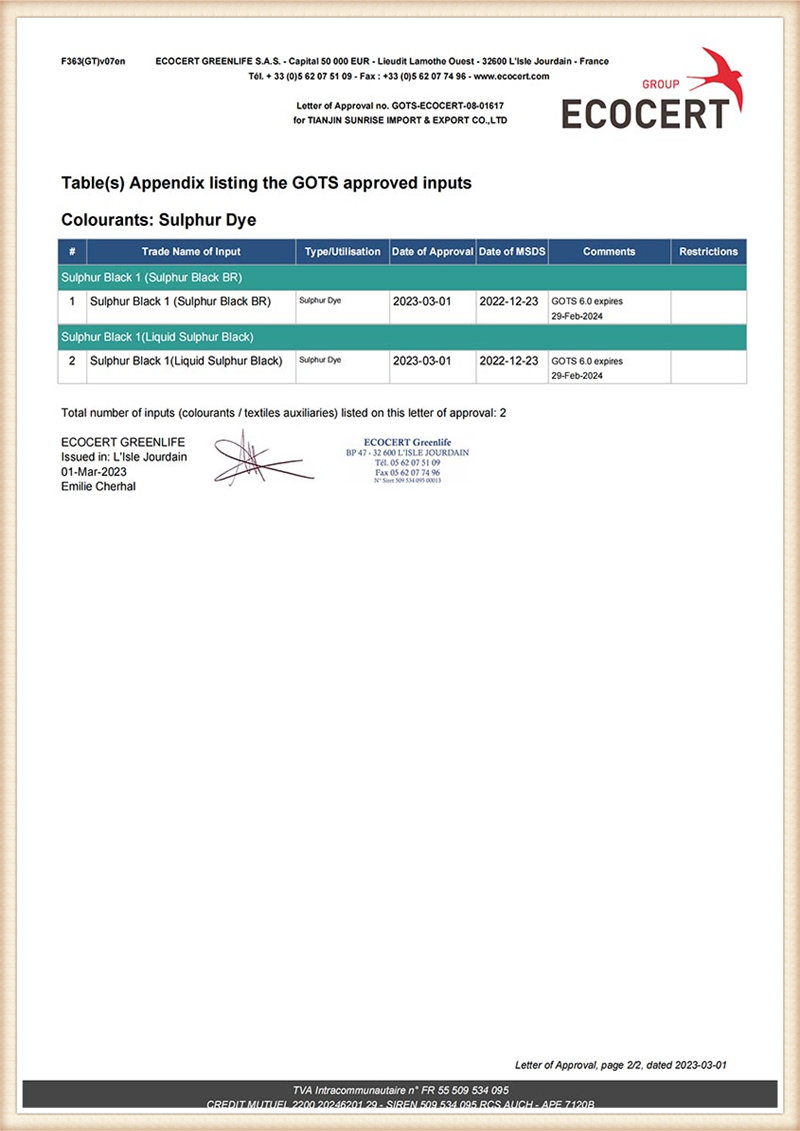
The Global Organic Textile Standard (GOTS) is a certification that ensures the organic status of textiles from the harvesting of raw materials to environmentally and socially responsible manufacturing. The GOTS certification guarantees that the textiles are made from organic fibers, that chemical inputs are minimized, and that strict environmental and labor standards are met throughout the production process. GOTS certified products are considered to be sustainable, safe, and ethical.
Both certifications are important in the context of sustainable and responsible textile production. ZDHC focuses on the elimination of hazardous chemicals, while GOTS certification guarantees the organic and ethical aspects of the textile production.
Analyzing key evaluation matrices for procurement directors purchasing Basic Blue 3 on a global scale.
When selecting a tier-1 supplier for Basic Blue 3, procurement managers must evaluate chemical strength standardization. Standardizing raw materials to 200%, 250%, or 300% strength using premium inorganic salts or organic leveling dispersing agents impacts the dissolution speed and the total volume of dye needed in formulation baths. Higher-purity grades save transit costs per active unit but require precise mill-side handling.
We firmly believe in building relationships with our clients based on trust and mutual benefit. We know that our customers' success is our success, so we are committed to providing quality services to meet their needs. Our dedicated customer support team is on hand to address any questions or concerns you may have. We value your feedback and strive to continuously improve our operations to serve you better. Our purpose is not just to supply dyes, but to be your trusted partner in achieving your business goals. By choosing us, you choose a partnership built on reliability, transparency and mutual success. Contact us today and let's embark on a journey to success together.
Expert technical insights answering the most critical user queries regarding application, stability, and handling.
Discover additional colorant families and specialty solutions crafted for printing, dyeing, and chemical manufacturing sectors worldwide.
 Sunrise