Explore our foundational selection of high-performance complex dyestuffs, pigments, and chemical agents formulated for rigorous manufacturing systems.
Analyzing molecular chemistry, industrial applications, and ecological frameworks driving modern colorant manufacturing.
In the arena of contemporary industrial chemistry, synthetic organic colorants hold a position of paramount importance. Among these, Acid Black Dyes represent one of the most critical product segments. Utilized in sectors spanning textiles, leather, wood coatings, plastics, and analytical applications, these dyes are defined by their anionic structure, water solubility, and chemical affinity for nitrogenous fibers. As global brands and chemical regulatory agencies tighten compliance standards, manufacturers and procurement agents are forced to look beyond mere price points to examine the deep technical attributes of these colorants.
Acid dyes are typically sodium salts of sulfonic, carboxylic, or phenolic organic acids. They exhibit exceptional substantivity toward amphoteric substrates under acidic conditions. When introduced to fibers such as wool, silk, or polyamide (nylon), the amino groups within the fiber form positive ions ($-\text{NH}_3^+$). This leads to electrostatic interactions with the negatively charged sulfonate groups ($-\text{SO}_3^-$) on the dye molecule, establishing strong ionic bonds. To achieve a deep, non-fading black shade, manufacturers must optimize the chemical structure—primarily focusing on azo linkages, azine structures, and metal complexation.
When analyzing structural properties, Acid Black 2 (Nigrosine) and Acid Black 1 demonstrate contrasting approaches to color chemistry. Acid Black 1 (historically termed Amido Black 10B) is a diazo dye characterized by double nitrogen-nitrogen covalent bonds. This composition delivers high color strength and rapid solubility, rendering it suitable for protein fibers and fingerprint detection. Conversely, Acid Black 2 is an azine dye produced through the catalytic oxidation of aniline with nitrobenzene in the presence of iron catalysts. This reaction yields a complex phenazine polymer chain, delivering an incredibly deep black index that is resistant to photochemical degradation.
"Selecting the proper dye requires matching the steric characteristics of the dye molecule with the amorphous crystalline regions of the target fiber. A mismatch leads to poor fastness properties and high wash-off rates, impacting the environment and increasing manufacturing overhead."
The global trade landscape for Acid Black Dyes is undergoing transition. In previous decades, the industry prioritized volume over eco-safety. Today, environmental mandates dictate sourcing strategies. In Europe, North America, and parts of Asia, regulatory compliance (under REACH and TSCA) has made tracing the chemical precursor chain mandatory. This has created a bifurcated market where uncertified, low-cost factories are being phased out in favor of technically advanced manufacturers who invest in eco-friendly chemical manufacturing practices.
A major challenge for global procurement is the regulation of heavy metals and free arylamines (such as aniline, o-toluidine, and p-phenylenediamine). In traditional dyestuff synthesis, incomplete coupling reactions or poor quality raw materials left residual arylamines in the finished powder. When these dyed items are placed on the skin, perspiration can cause cleavage of the azo bond, regenerating hazardous amines. Advanced factories now use molecular engineering and purification processes to guarantee zero levels of free arylamines, meeting Oeko-Tex Standard 100 and ZDHC limits.
Furthermore, the choice of solvent affects how these dyes behave in industrial coatings. For instance, metal complex solvent dyes like Solvent Brown 43 and Solvent Blue 70 have organic solvent solubility but share key chemical structural frameworks with traditional acid dyes. Our research and development focuses on optimizing these properties, ensuring that whether water-soluble or solvent-soluble, the dyestuff remains stable across wide temperature variations.
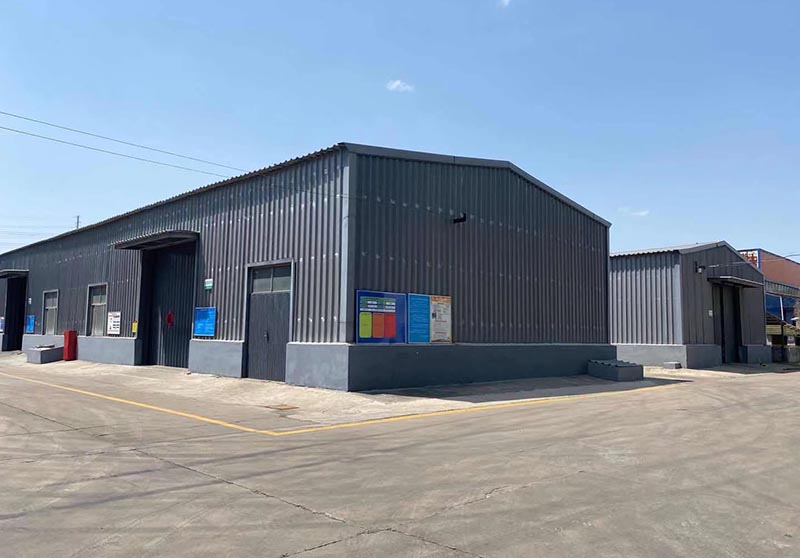
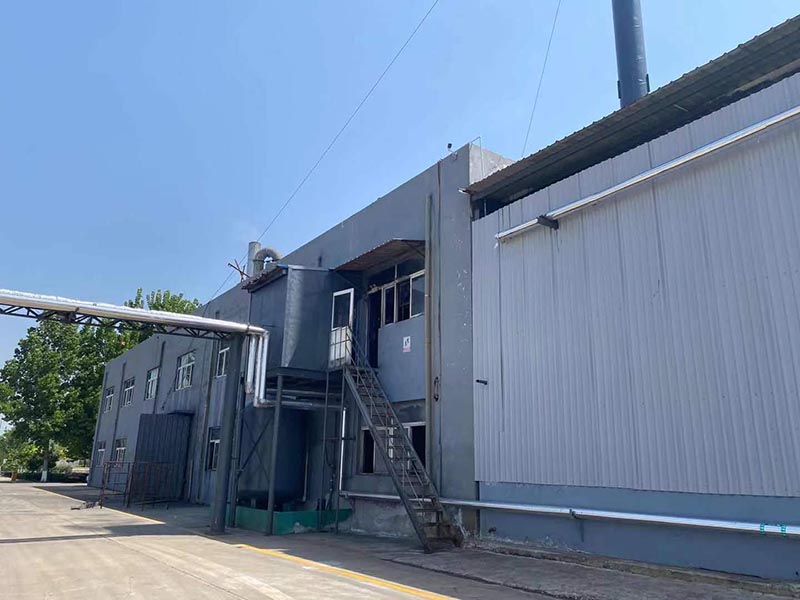
As the manufacturing landscape shifts towards automation, Tianjin Sunrise Chem Group has implemented Factory 4.0 paradigms to stabilize supply and control costs. Traditional chemical factories processed dyes in batch systems with manual controls, leading to variations in color strength, solubility, and dust parameters. Our modern facility employs automated, continuous dosing loops and computer-controlled diazotization reactors to achieve consistent product specifications.
Supply chain resilience is another major advantage of China's chemical manufacturing clusters. By locating our production bases near primary raw material hubs (securing a steady supply of aniline and nitric acid intermediates) and utilizing the transport infrastructure of Tianjin Port, we minimize lead times. During periods of energy volatility or raw material shortages, our backward-integrated supply chains ensure production continuity.
In addition to structural stability, we have integrated membrane filtration and multi-effect vacuum evaporation (MVR) technologies. This allows us to recover water-soluble sodium chloride during the salting-out phase of dye production, recycling processed water and keeping waste discharge near zero. This circular manufacturing process protects our neighboring environment and shields our global buyers from regulatory-related shutdowns.
Our commitment to high-performance color chemistry rests upon four foundational technical methodologies.
Our computer-aided temperature regulation keeps reactions within a ±0.5°C threshold, eliminating variations between batches.
Every raw intermediate undergoes molecular screening via gas chromatography to prevent contamination by heavy metals.
Our continuous water recycling systems utilize membrane filtration to minimize wastewater generation during synthesis.
A comprehensive overview of our dye series designed for silk, wool, polyamide, leather, and specialty technical applications.
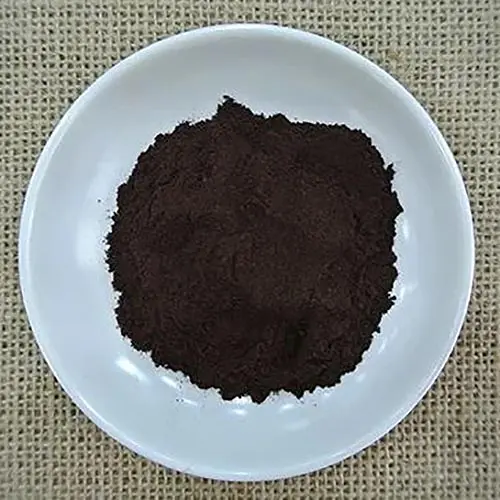
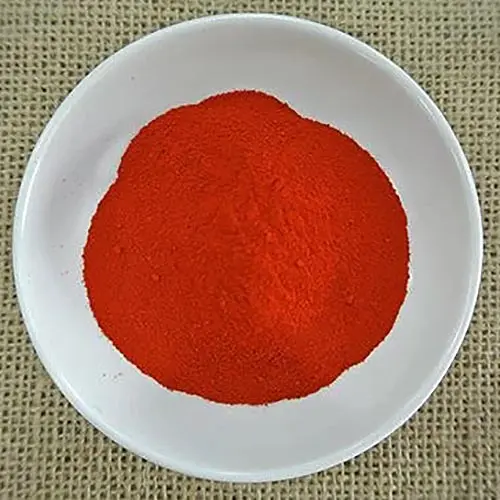
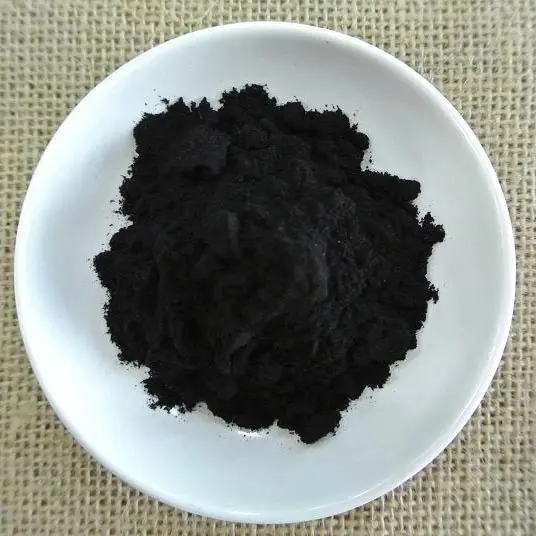
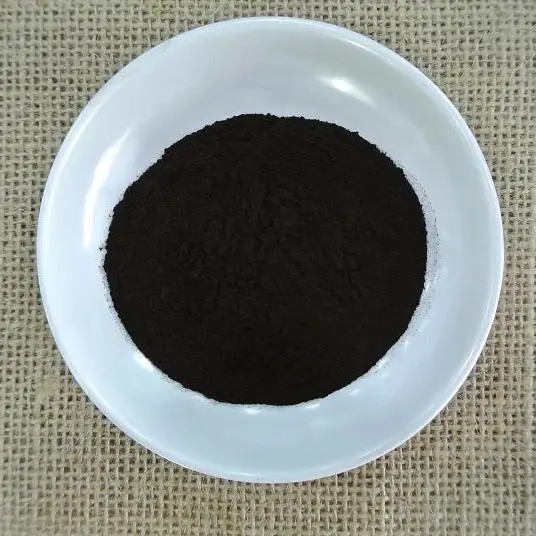
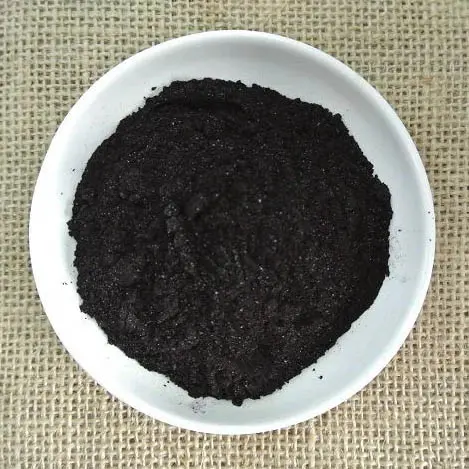
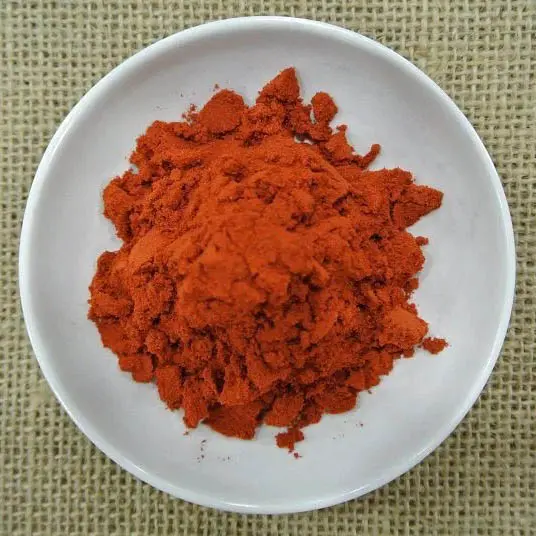
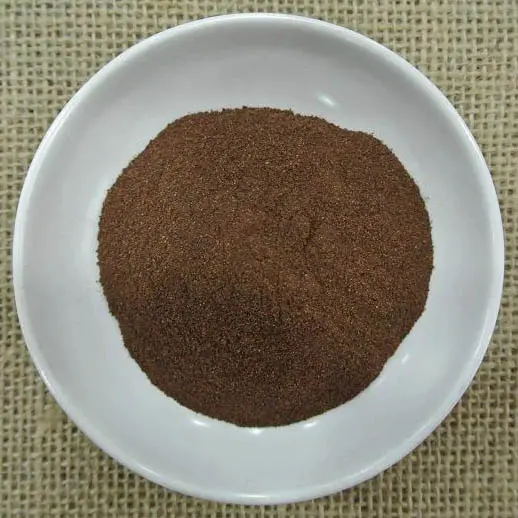
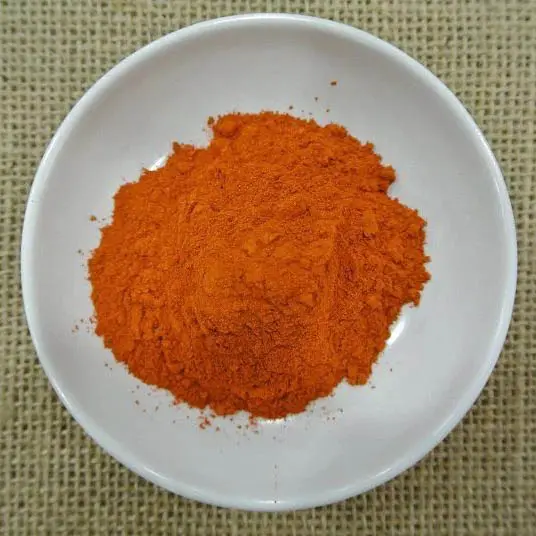
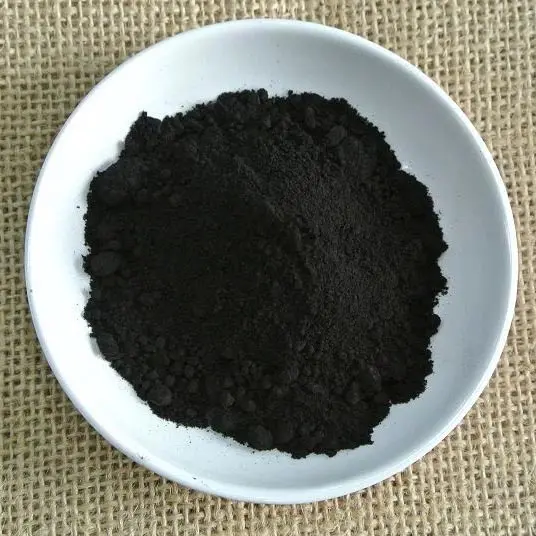
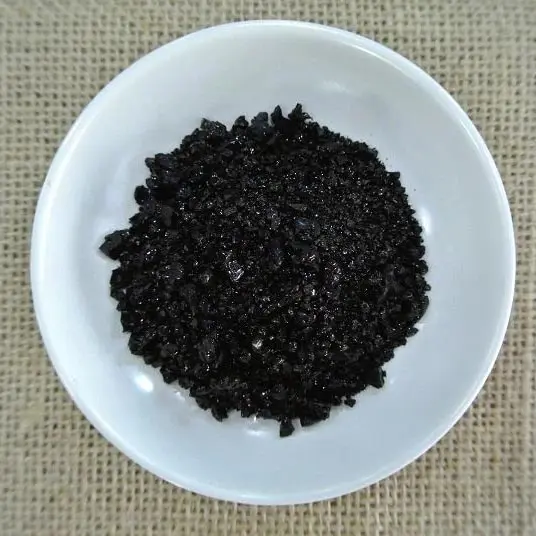
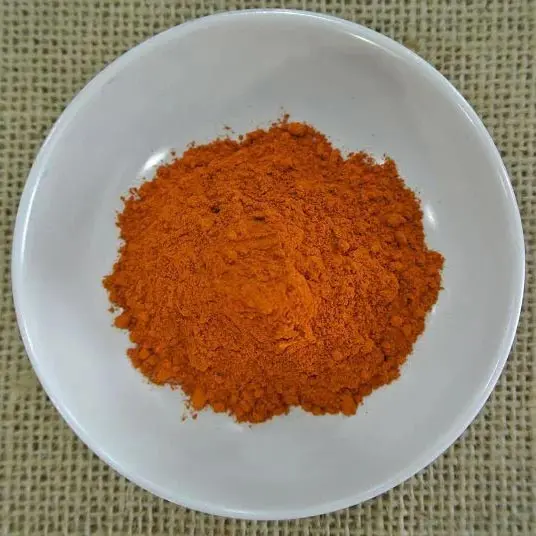
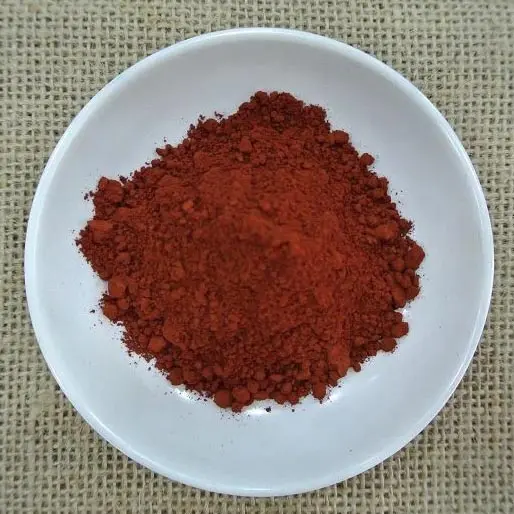
Review our supply chains, storage safety systems, and bulk cargo management protocols designed to support international trade hubs.
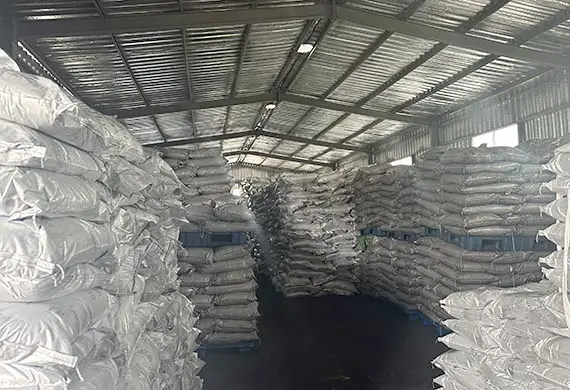
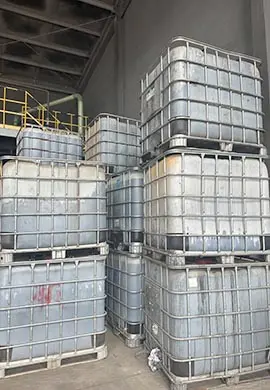
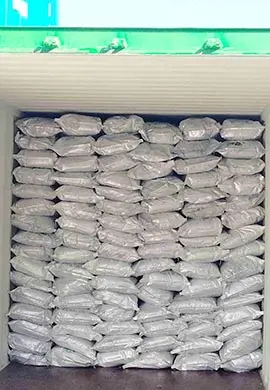

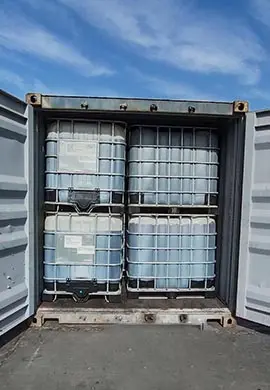
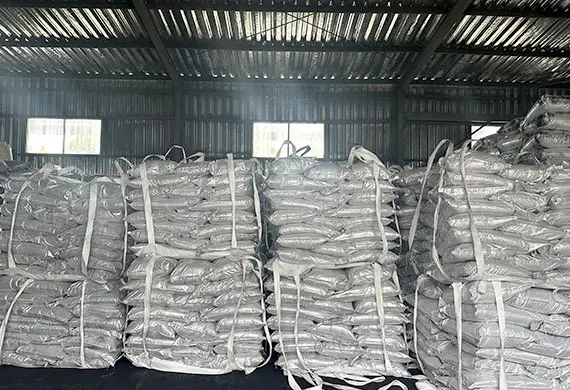
Analyzing dye fixation mechanisms, solubility constraints, and fiber-bonding behaviors across key sectors.
Optimizing the application of acid black dyes requires aligning molecular design with substrate characteristics. In the textile industry, wool and silk fibers feature complex polypeptide chains containing both amino and carboxyl groups. Our dye formulations are designed to bind cleanly with these sites, preventing localized color blotches. Our processes regulate pH, salt concentration, and temperature profiles during the dye cycle to ensure even absorption across wool yarns.
In leather manufacturing, we balance deep dye penetration with color fastness. Leather substrate compositions can vary, making dye migration a common issue. By utilizing specialized metal complex dyes, we form coordination complexes between chromium-tanned collagen and our dye molecules, improving resistance to wet rubbing and light exposure.
In specialized applications, such as fingerprint detection, Acid Black 1 functions as a chemical developer. Because it exhibits high affinity for proteins, forensics laboratories use it to color lipid and protein residues left behind in latent prints. This requires high raw purity and excellent water solubility to ensure clear, high-contrast results on porous surfaces.
In wood coatings and ink production, we offer solvent-soluble modifications such as Nigrosine Spirit Soluble (Solvent Black 5). While water-soluble dyes are prone to raise the grain on high-end wood substrates, spirit-soluble equivalents dissolved in alcohols or ketones provide smooth coverage and fast drying times, preserving the wood's natural grain.
Paper and packaging manufacturing relies on direct dyes, such as Direct Yellow 12 and Direct Yellow R. Unlike acid dyes, direct dyes do not require an acid bath for fixation. They rely on hydrogen bonding and van der Waals forces to attach to cellulose fibers. By coordinating these dye categories, Sunrise Chem provides complete, tailored coloring systems for mills worldwide.
How Sunrise Chem Group maintains rigorous standards under international ecological guidelines.
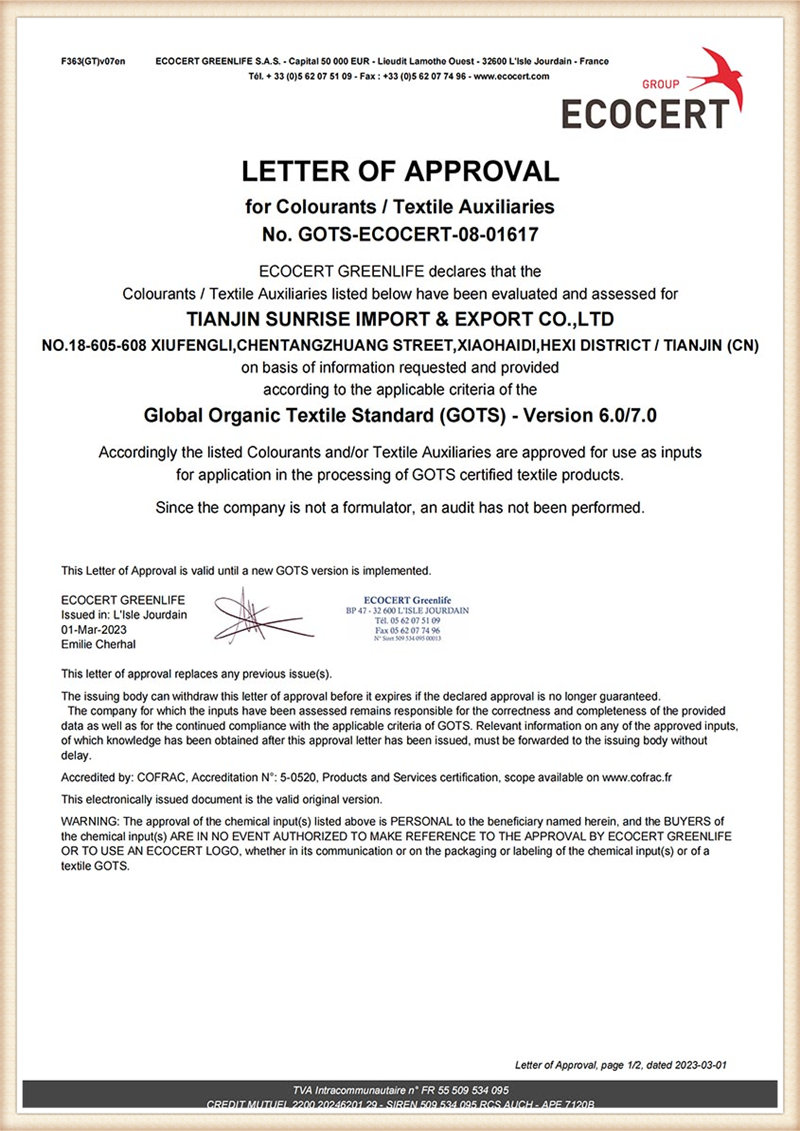
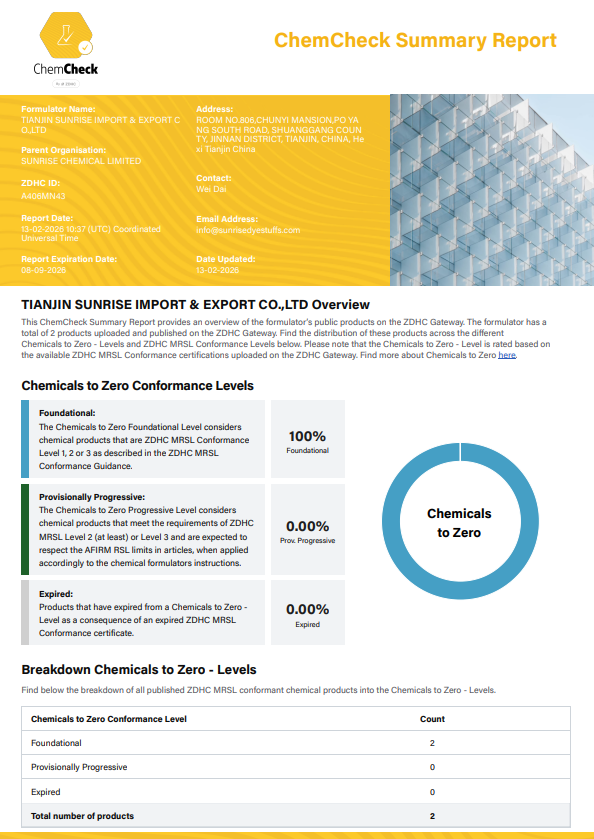
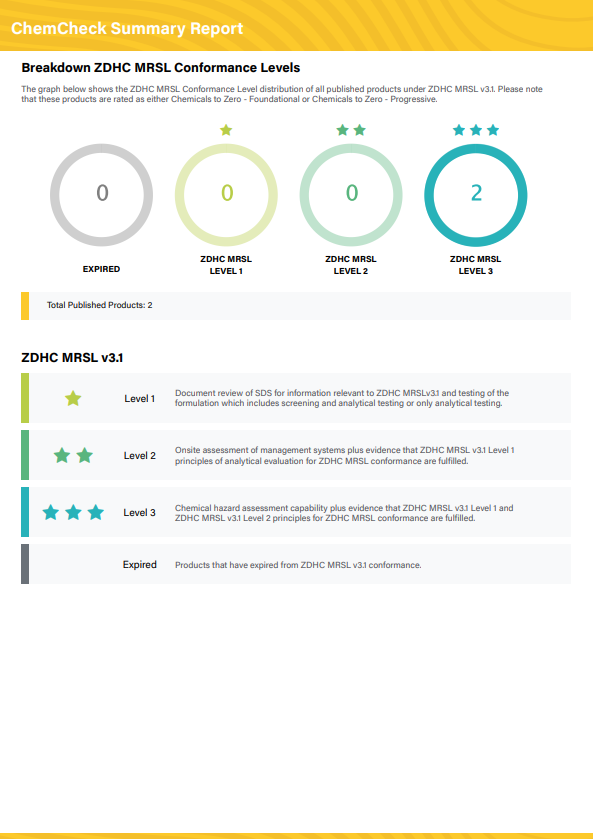
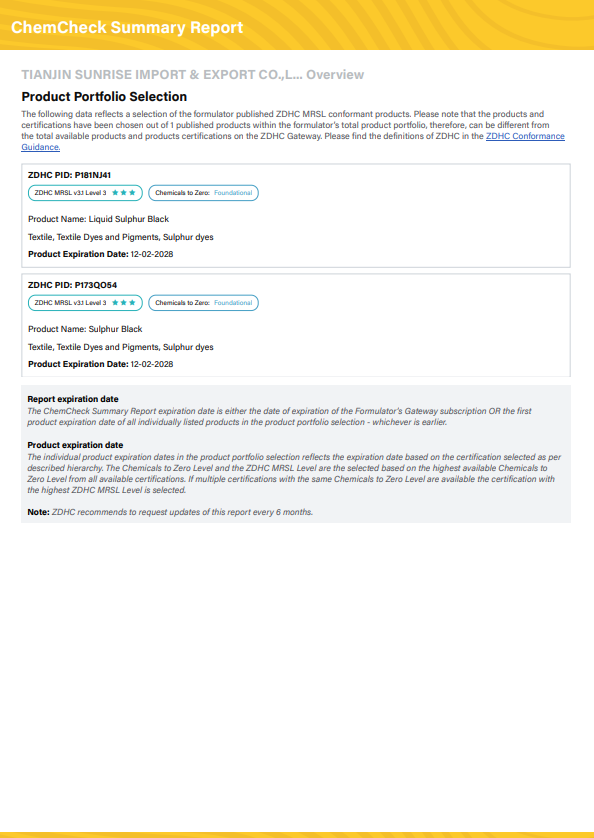
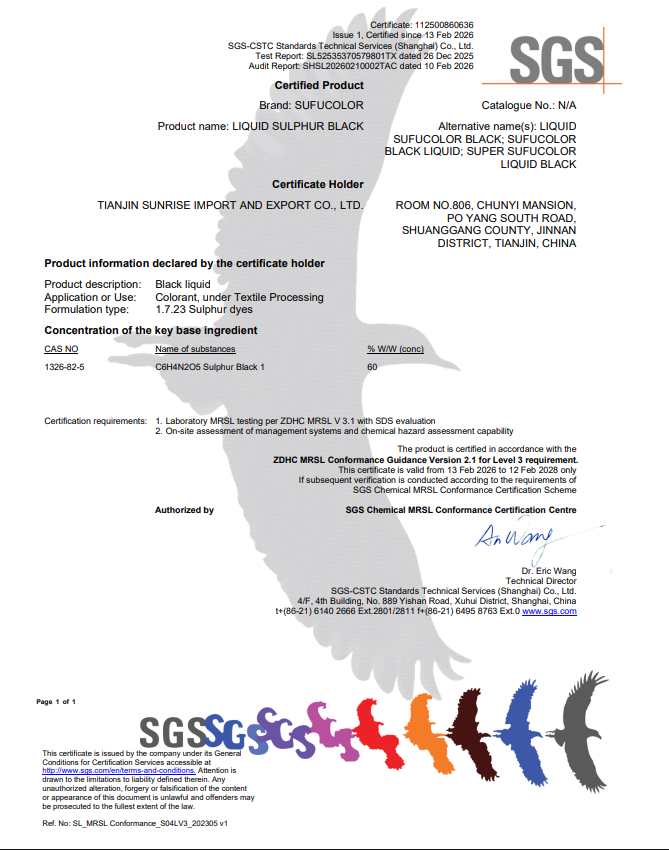
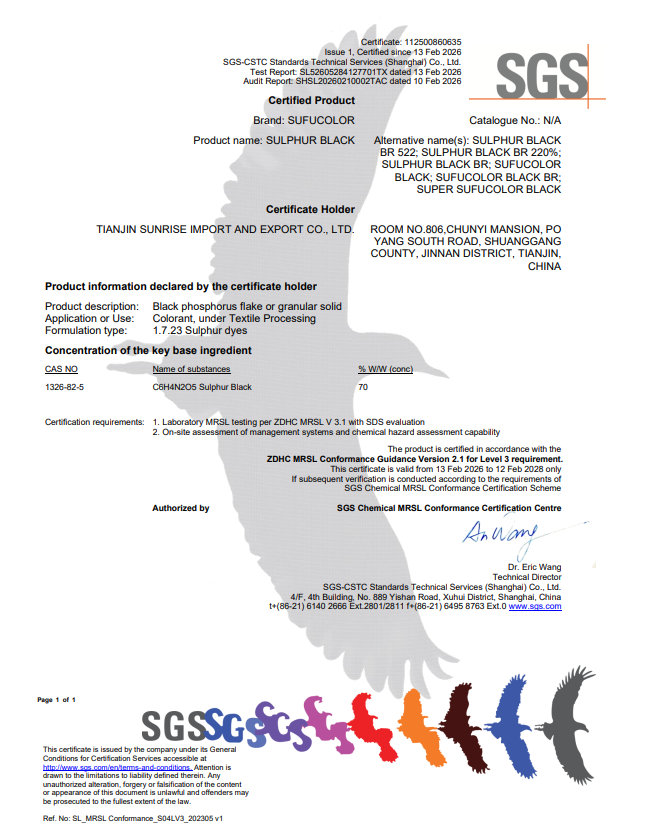
In response to the global textile industry's shift toward cleaner production methods, the Zero Discharge of Hazardous Chemicals (ZDHC) program and the Global Organic Textile Standard (GOTS) have established strict chemical safety guidelines. By obtaining ZDHC Level 3 and GOTS certificates, Sunrise Chem Group validates that our manufacturing workflows are designed to minimize hazardous emissions.
Our ZDHC Level 3 status confirms that our dye products have undergone independent review, verifying they do not contain restricted substances above limits. This process helps downstream mills maintain compliance without requiring extensive testing. We monitor raw input purity, reaction stages, and output quality to keep our products free of banned arylamines, heavy metals, and alkylphenol ethoxylates (APEOs).

Our internal laboratory tests every batch of dyestuff using gas chromatography-mass spectrometry (GC-MS) and high-performance liquid chromatography (HPLC). This level of testing helps ensure consistent shade reproduction and compliance with safety rules. By verifying batch uniformity prior to shipment, we protect our clients' processes from variability.
Our GOTS certification supports organic textile processing by verifying that our colorants are suitable for use on organically certified fibers. We work closely with our partners to supply sustainable, stable, and high-performance dyes that meet both regulatory requirements and performance expectations.
Access authoritative answers to key technical, chemical, and procurement queries regarding Acid Black Dyestuff applications.
Explore our selection of specialized organic solvent dyes, pigments, and colorants formulated for industrial manufacturing applications.
 Sunrise