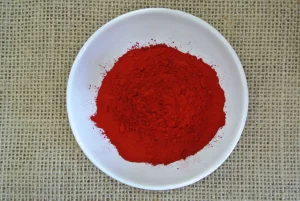
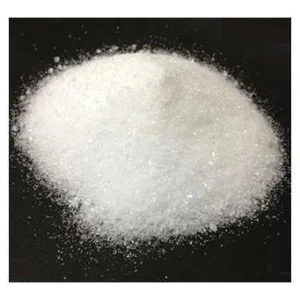
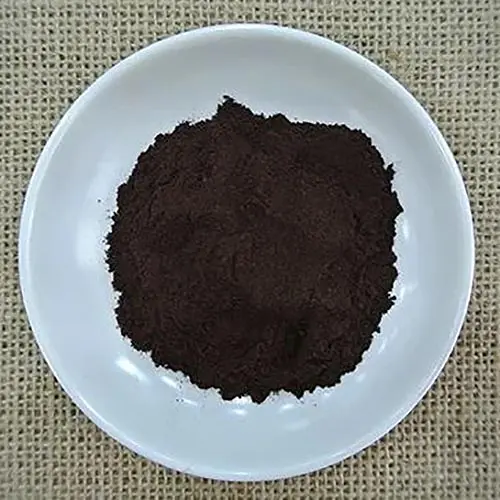
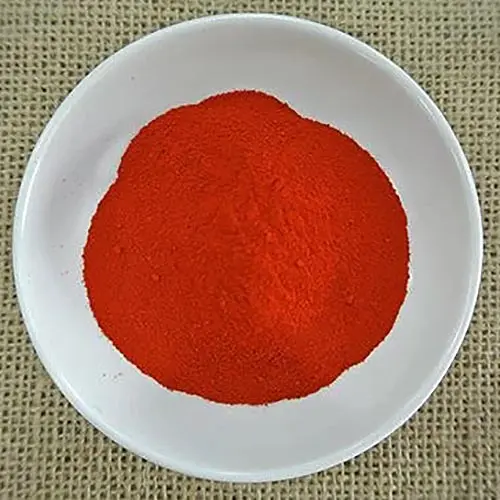
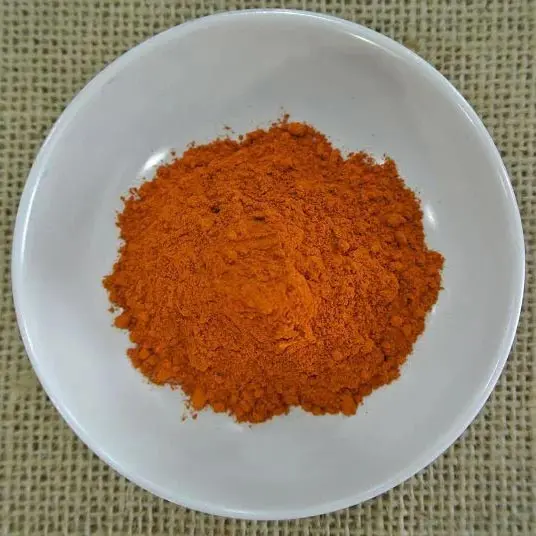
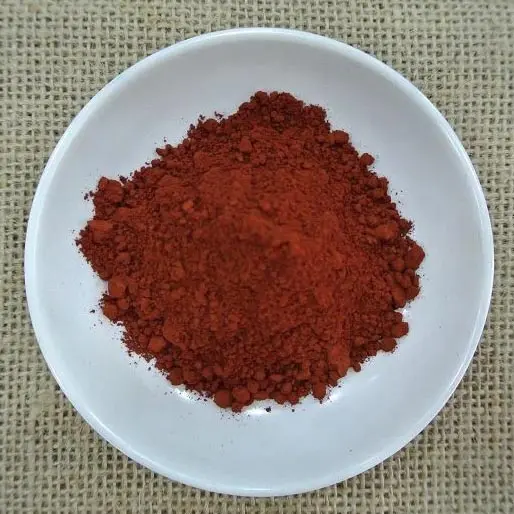
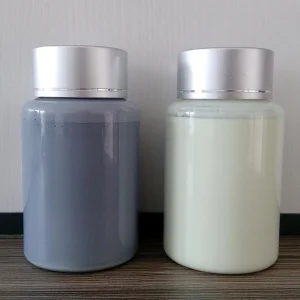
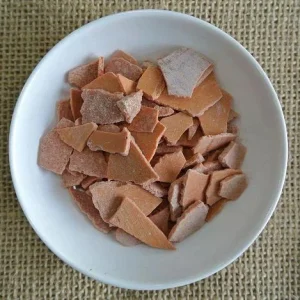
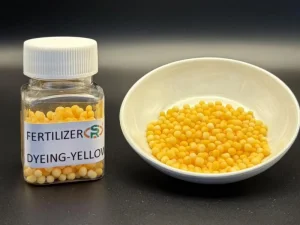
Direct factory distribution offering superior dispersion, thermal stability, and strict quality control verification.
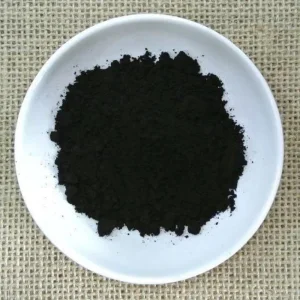
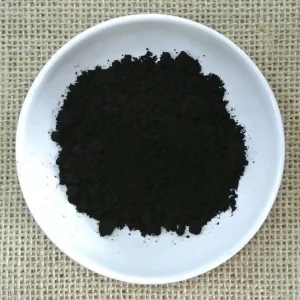
In the highly competitive polymer compounding, masterbatch formulation, and plastic processing industries, finding the optimal balance between chemical performance and raw material economics is critical. Sourcing from direct-to-factory channels or specialized discount plastic pigment manufacturers is no longer just a cost-reduction exercise; it has evolved into a strategic supply chain mechanism. For enterprises manufacturing packaging, automotive components, consumer electronics, and construction plastics, pigment selection determines not only the final aesthetic appeal but also the processing efficiency, structural integrity, and regulatory compliance of the polymer matrix.
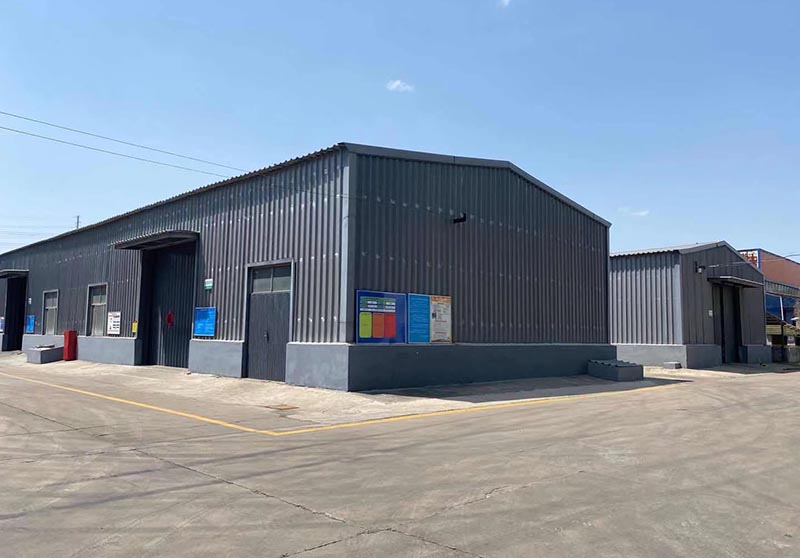
Tianjin Sunrise Chem Group specializes in manufacturing high-quality dyestuffs. Our product portfolio includes Direct dyes, Acid dyes, Basic dyes, Sulphur dyes, Solvent dyes, Liquid dyes, and Fluorescent dyes. Backed by decades of industrial manufacturing and export experience, we have built a global reputation for reliability and excellence, serving clients from diverse sectors including denim, textile, leather, paper, and plastic packaging.
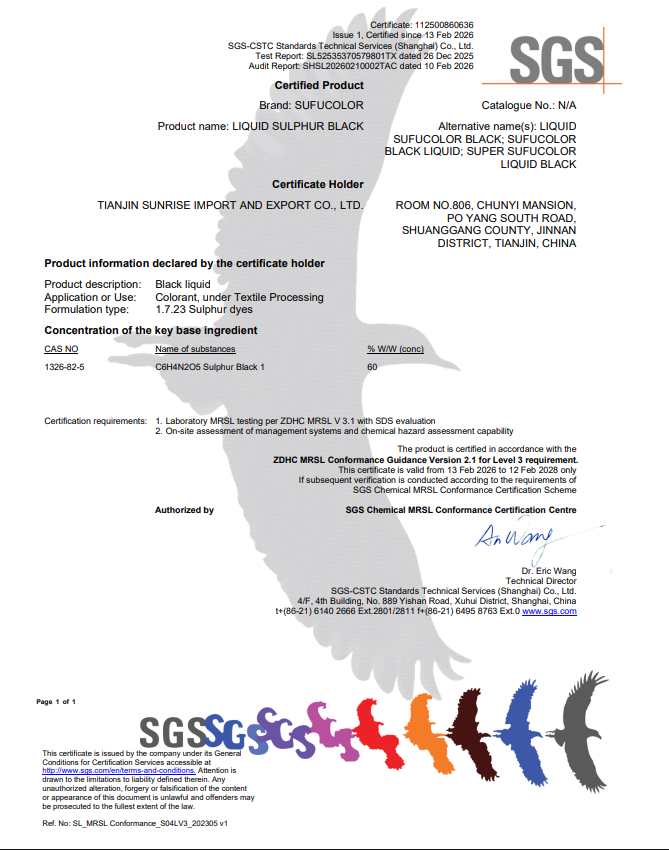
We place quality control and stability at the core of our operation. Every batch undergoes exhaustive lab analysis and is fully tested before sending to the port. Our ZDHC Level 3 and GOTS certifications guarantee that your product quality and compliance standards are met at every node of the manufacturing cycle.
Unlike standard dye applications, coloring engineering plastics requires molecules capable of surviving extreme thermal profiles (often exceeding 280°C to 300°C), mechanical shear force during extrusion, and intense chemical environments. This whitepaper analyzes the technology roadmap of next-generation plastic pigments, macro industry application paradigms, sustainable manufacturing models, and procurement optimization frameworks.
From a chemical engineering standpoint, selecting the appropriate colorant type is dictated by the structural properties of the target polymer. Colorants are broadly classified into two categories: soluble dyes and insoluble pigments.
"Successful dispersion is the cornerstone of plastic coloring. Agglomerates not only reduce color efficiency but can also introduce structural weak points in extruded profiles or thin films, leading to mechanical failure under stress."
As global regulations tighten and industries transition toward circular economies, the research and development pipeline for industrial colorants is moving through three major technical transitions:
Development of masterbatches using fully biodegradable PLA, PHA, or bio-based carrier resins to match green packaging profiles.
Replacing legacy cadmium, lead, and hexavalent chromium colorants with advanced, non-toxic organic complexes that maintain high thermal stability.
Pigments designed to reflect NIR wavelengths, preventing heat build-up in outdoor plastic applications and enabling sorting in recycling facilities.
Tianjin Sunrise Chem Group aligns its long-term R&D with these directives. By optimizing pigment surface treatments, our factory-directed colorants provide excellent wetting and dispersibility, reducing the energy requirements of compounding machinery and minimizing dust generation in processing plants.
Different industrial applications demand highly specialized pigment behaviors. A colorant that excels in consumer goods may fail catastrophically in outdoor automotive components. Below is a breakdown of requirements across key sectors:
Automotive plastics demand extreme lightfastness (minimum Blue Wool Scale 7-8) and weatherability to withstand prolonged UV exposure without chalking or fading. Furthermore, pigments used in under-the-hood applications must retain structural integrity and color identity at continuous temperatures of 150°C and peak temperatures exceeding 250°C.
Materials used in food-grade packaging must comply strictly with FDA (Food and Drug Administration) and EU 10/2011 regulations. Sourcing from certified manufacturers ensures that heavy metal impurities, aromatic amines, and extractable substances remain far below legal detection limits. Direct sourcing ensures that these compliance certificates are verified batch-by-batch, safeguarding consumer health and preventing regulatory delays.
For applications such as PVC window profiles, geotextiles, and polymer-modified concrete or paving blocks, long-term durability is the primary metric. Utilizing heavy-duty inorganic colorants like Iron Oxide Red 104 or Iron Oxide Black 27 ensures resistance to strong alkalis, acidic rain, and harsh environments without color migration or degradation.
In the current volatile global economy, supply chain resilience is a core competitive differentiator. Purchasing direct from China-based pigment factories like Sunrise Chem offers a dual advantage: cost optimization and secure supply lines.
By leveraging automated raw material synthesis, massive economies of scale, and advanced color-matching technologies, China-based chemical hubs produce highly consistent colorants at a lower cost per unit. Sourcing directly bypasses intermediaries, saving up to 25% in purchasing costs. More importantly, it establishes a direct technical link between your compounding engineers and our production lab, speeding up the color matching and customization cycles.
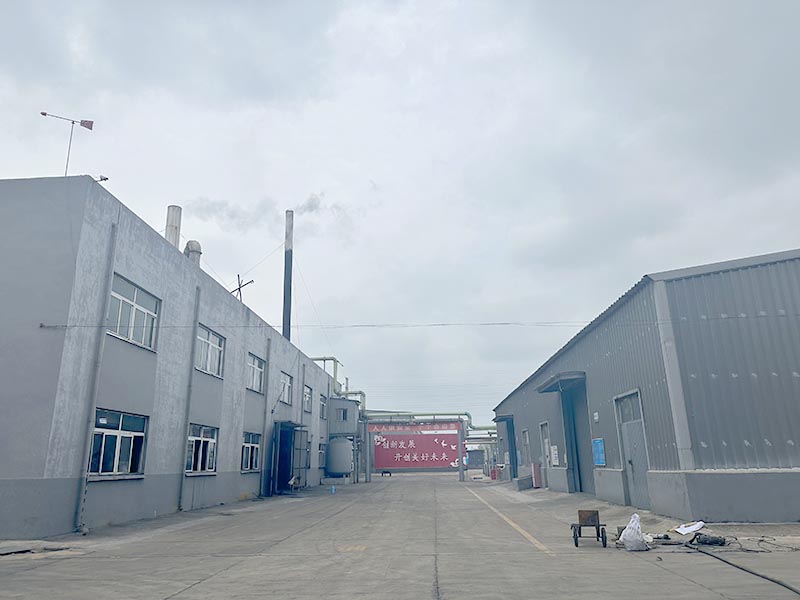
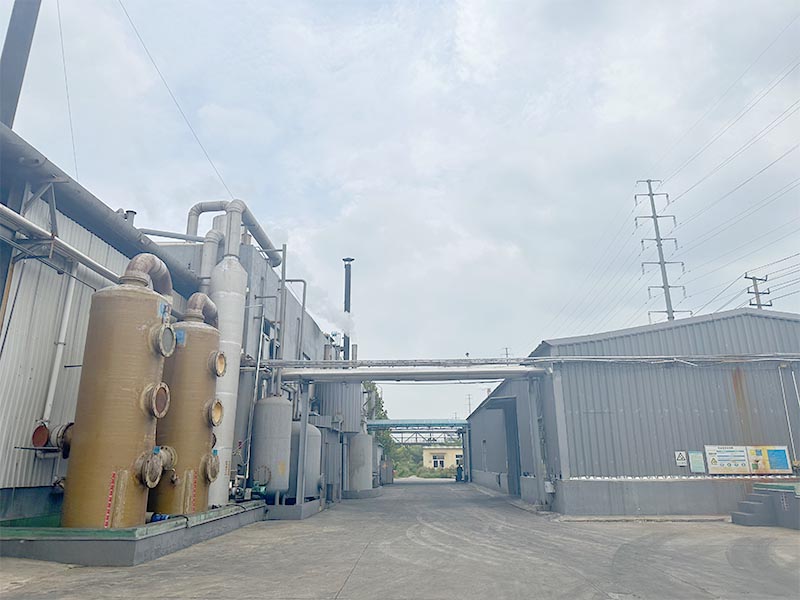
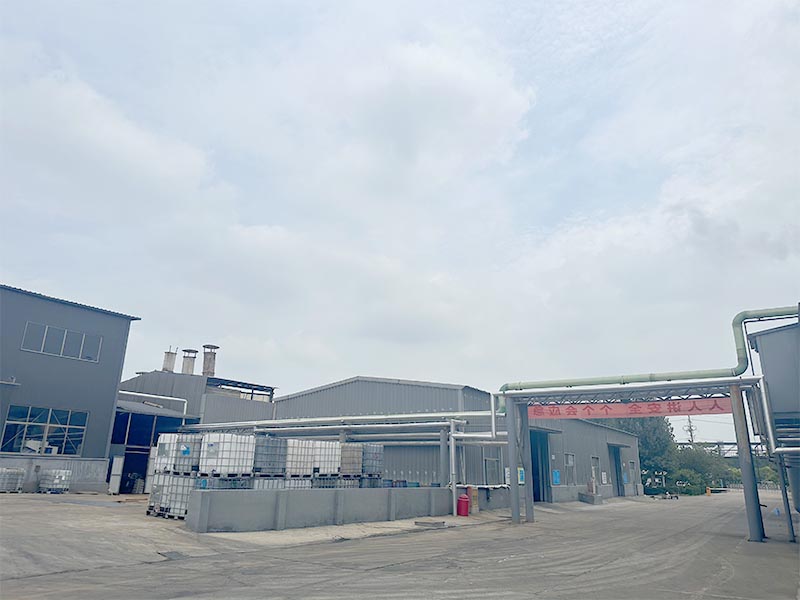
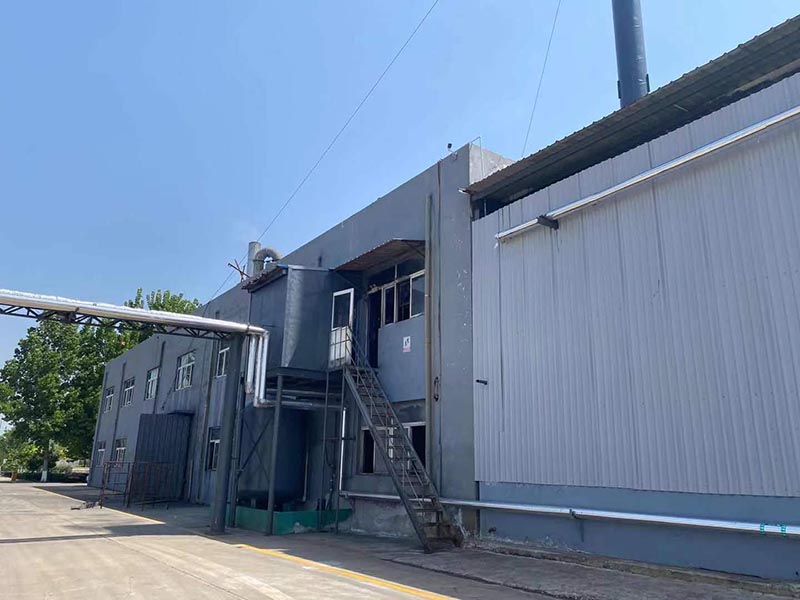
Tianjin Sunrise Chem Group manages long-term warehousing contracts with reliable shipping lines, ensuring smooth logistics even during peak seasons. Our manufacturing facility utilizes real-time tracking, advanced filtration plants, and predictive inventory management systems to ensure production continuity and protect clients from sudden market shortages.
Environmental compliance is no longer a secondary consideration. Modern consumer brands demand transparency throughout the entire supply chain. Sunrise Chem has integrated sustainable practices directly into our factory operations:
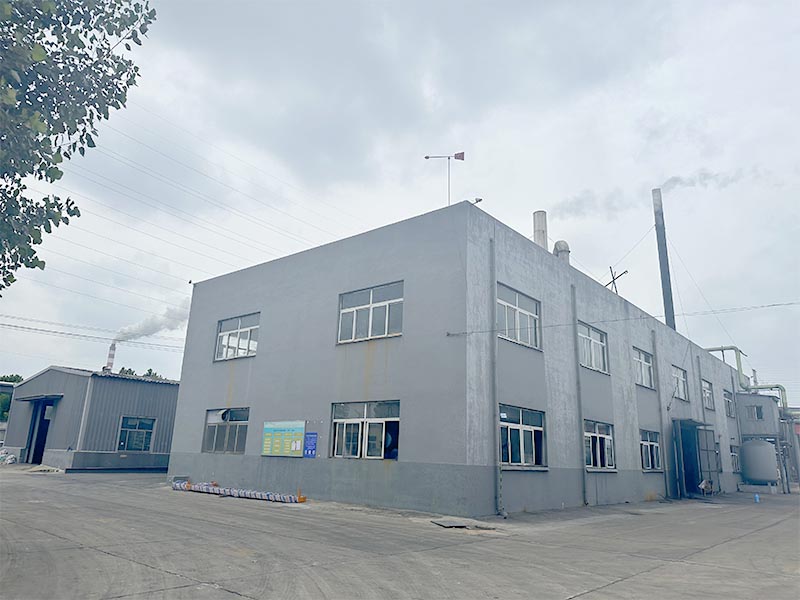
We work closely with paper mills, textile processors, and plastic compounding plants globally. This long-term cooperation demonstrates our commitment to delivering consistent products and meeting the specific needs of our partners. Our mission is to support our customers' growth by providing reliable, customized colorants and responsive technical support.
Procuring raw chemical compounds at scale requires a clear risk management framework. Sourcing managers should consider the following steps to ensure consistent quality and supply chain security:
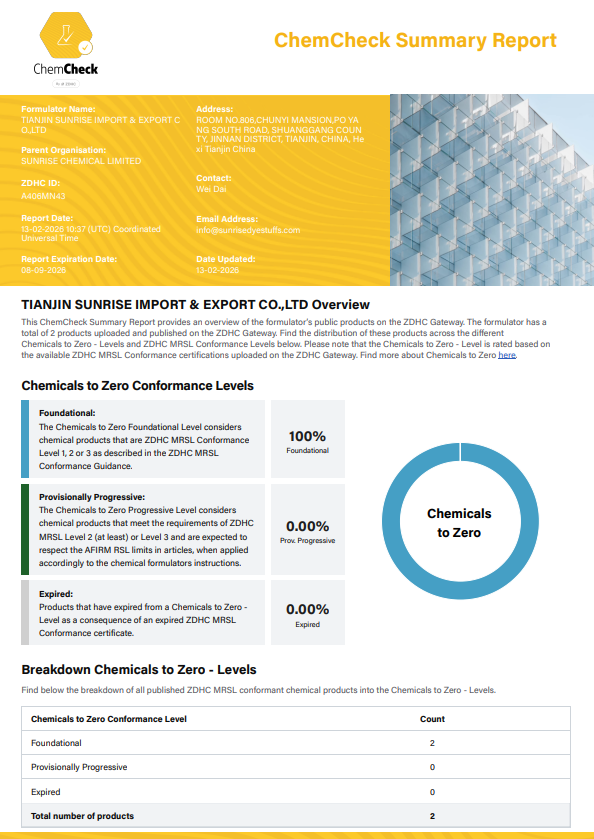
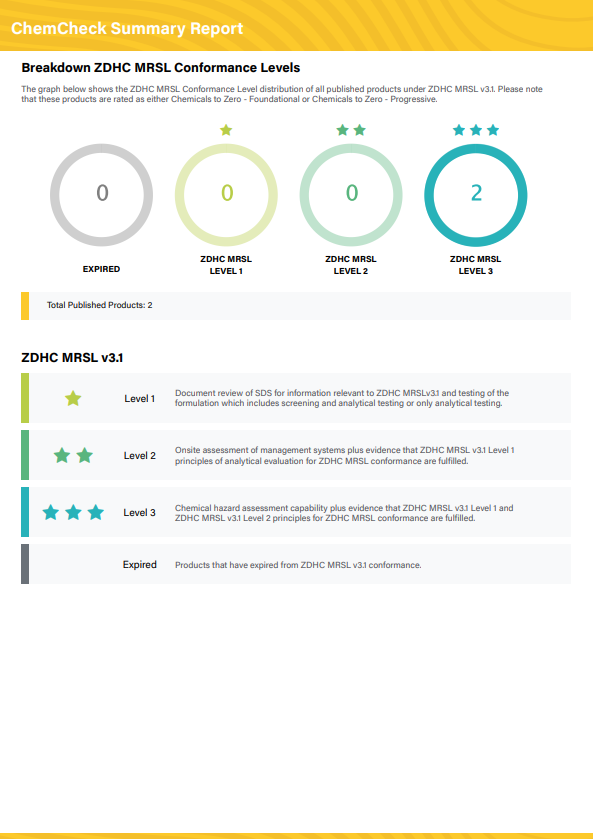
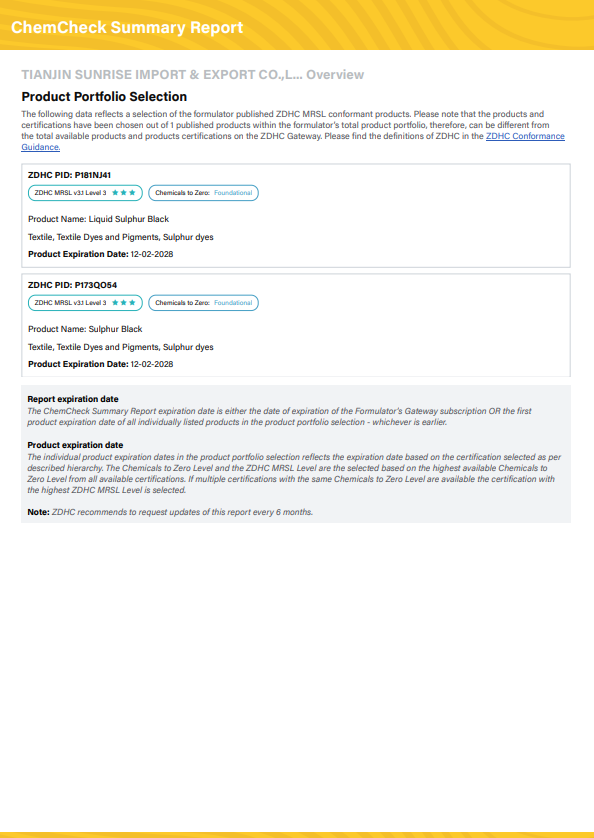
We deliver reliable color solutions backed by certified environmental compliance, responsive support, and factory-direct efficiency.
Explore our diverse range of application-specific dyes and pigments utilized in modern processing industries.
To support global supply chains, we maintain strategic safety stock levels of key colorants at our regional warehouses. Below is an overview of our packing, loading, and transit preparation processes, ensuring zero moisture contamination or bag ruptures during international shipping.
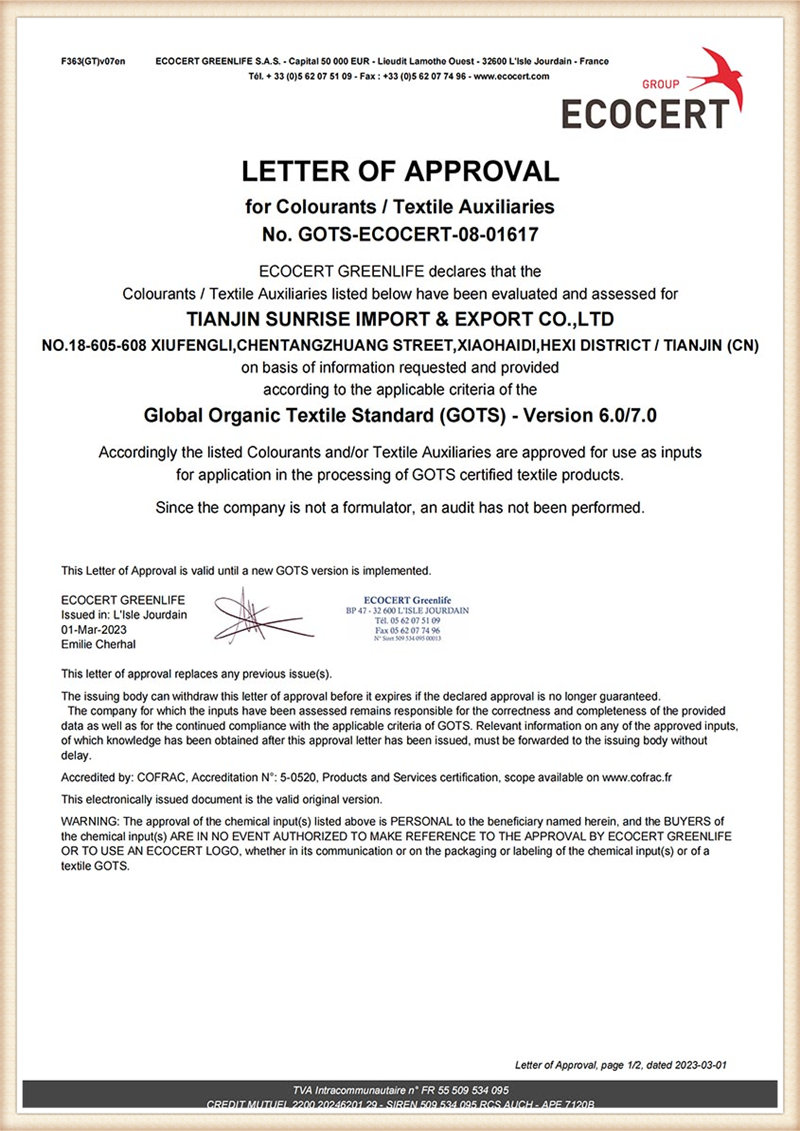
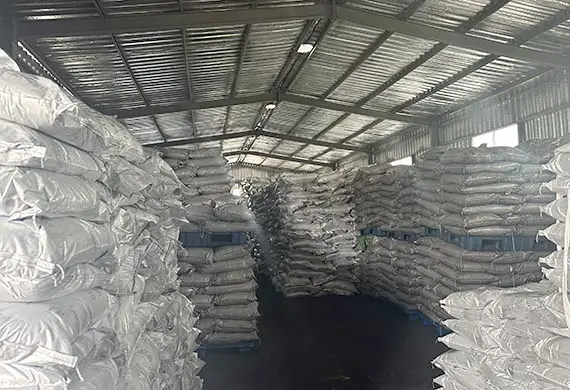
Sulphur Black Warehouse
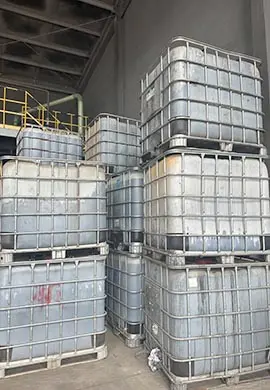
Liquid Dyestuff Storage
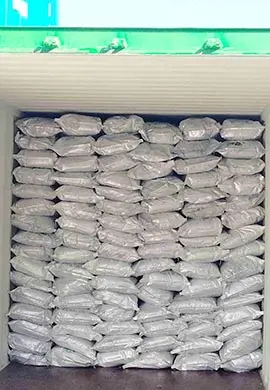
Container Loading

Direct Dyes Dispatch
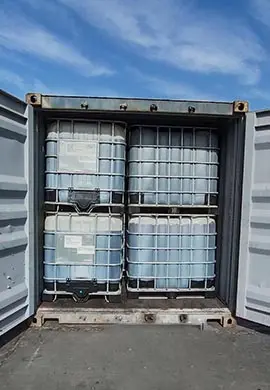
Liquid Dyes Shipping
Thermal stability refers to a pigment's ability to resist thermal degradation at high processing temperatures. When compounding engineering plastics like Nylon (PA) or Polycarbonate (PC), processing temperatures often exceed 280°C. If a pigment has low thermal stability, its chemical structure may break down, resulting in loss of color, gas emissions, or structural degradation of the polymer matrix.
ZDHC (Zero Discharge of Hazardous Chemicals) Level 3 is the highest level of certification in chemical management. It ensures that the chemical formulations, raw materials, and processing stages at the manufacturing plant are checked to prevent the use of restricted or hazardous chemicals. This certification is critical for consumer brands aiming to meet strict environmental regulations and sustainability standards.
Migration occurs when pigment particles dissolve slightly in the polymer matrix and move to the surface of the plastic part, causing rubbing-off or color bleeding into adjacent materials. This is more common in semi-crystalline plastics (such as LDPE or flexible PVC) processed with low-molecular-weight organic pigments. To prevent migration, formulators should use pigments with higher molecular weight, or choose inorganic alternatives like iron oxides for sensitive applications.
We employ advanced spectrophotometer analysis, precise gravimetric dosing systems, and strict pre-shipment laboratory testing for every batch. Our laboratory tests for Delta E values, dispersion indicators, and moisture content, ensuring that every shipment matches our reference standards and customers' specifications.
Yes, specific solvent dyes can be used for food-contact plastics, provided they are fully registered and meet FDA or EU 10/2011 regulations. The colorant must not migrate or leach out of the polymer matrix into food under simulated test conditions. Always request compliance declarations before specifying solvent dyes for food packaging.
High-performance organic colorants and optical brightening agents optimized for industrial applications.
 Sunrise