Explore our premium quality organic pigments, chemical process aids, and dye solutions engineered for global compliance.
An in-depth analysis of chemical synthesis, industrial application profiles, and performance dynamics under global technical standards.
Oil Yellow R, chemically recognized as Solvent Yellow 14 (CAS Registry Number 842-07-9) and structurally categorized as a monoazo dye, serves as a cornerstone in industrial coloring. Under molecular formulation, it displays highly hydrophobic properties, making it intensely soluble in non-polar organic solvents, hydrocarbons, natural and synthetic waxes, oils, and structural polymers. The chemistry of Solvent Yellow 14 is defined by its ability to achieve uniform molecular dispersion in polymer lattices and paraffin systems without altering the intrinsic properties of the base substrate.
From an organic synthesis standpoint, Oil Yellow R is synthesized via the coupling of diazotized aniline with 2-naphthol, yielding a vibrant yellow-to-orange shade which shows high thermal stability and moderate-to-high lightfastness. Within industrial applications, maintaining a precise crystallization structure is paramount. Batch variances in recrystallization phases often determine the pigment’s dissolution rate. Consequently, global procurement teams must focus on suppliers that ensure stable particle size distributions and minimize unreacted amine intermediates to guarantee end-product consistency and ecological safety.
The global dyestuffs market is transitioning rapidly. The convergence of strict environmental regulations, volatile raw material costs, and the demand for sustainable colorants is pushing manufacturers to modify chemical processes. Below are the primary macroeconomic forces shifting the industry:
Major manufacturing plants are aiming to lower their carbon footprints by deploying low-energy synthesis routes and closed-loop process automation.
International buyers now insist on Zero Discharge of Hazardous Chemicals (ZDHC) and European REACH compliance to avoid supply interruptions and product recalls.
Real-time spectrophotometer measurements and AI adjustments are replacing old laboratory color matching, reducing turnaround times from weeks to hours.
Mitigating supply risks, addressing cost structures, and managing regulatory demands in bulk colorant sourcing.
Procurement departments at large-scale candle factories, industrial dye houses, and plastic extrusion plants face complex challenges. Purchasing Oil Yellow R goes beyond price-per-kilogram analysis. It requires auditing raw material purity, evaluating structural heavy-metal indexes, and verifying that the dye does not contain trace quantities of unauthorized amines. Supply chains must navigate international shipping logistics, customs delays, and environmental audits, making a reliable manufacturing partner critical for operations.
By shifting to Direct Yellow R and Solvent Yellow 14 sourced from certified plants, global procurement agents can protect their production lines. This is particularly vital in highly regulated fields, such as plastic toys, consumer packaging, and automotive oil indicators, where trace residues can lead to costly port rejections. Operational success relies on selecting suppliers that offer verified certificates of analysis (COA) for every shipment, ensuring structural chemistry meets compliance criteria before loading.
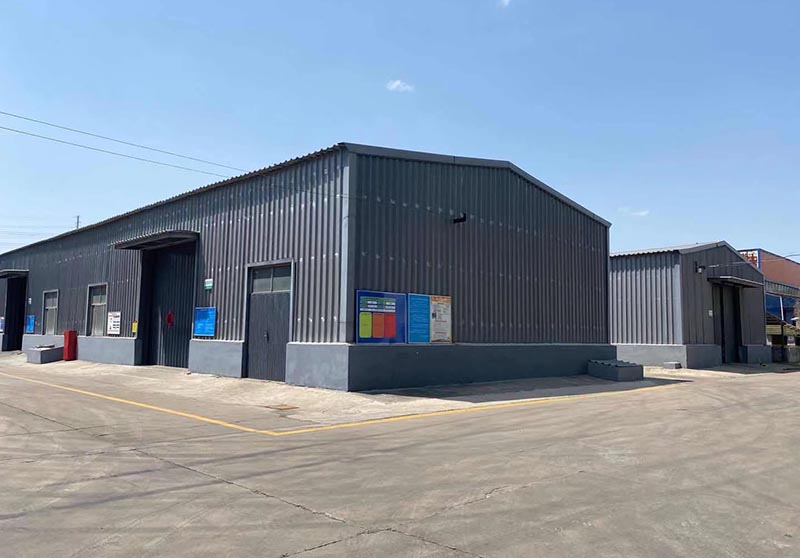
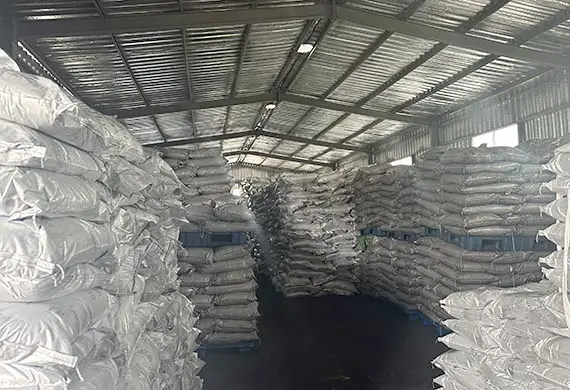
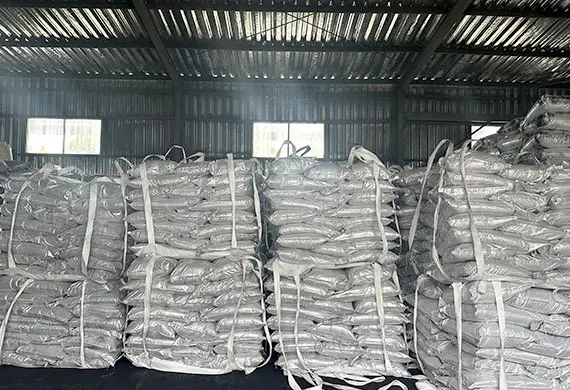
Tianjin Sunrise Chem Group High-Capacity Automated Production Facility
To reduce risk, modern purchasing strategies emphasize geographical diversification and partnering with suppliers capable of managing large production volumes. Price changes in crude oil directly affect the costs of raw materials like aniline, creating pricing volatility in finished azo dyes. Long-term raw material contracts, combined with automated manufacturing efficiencies, allow leading chemical companies to buffer these market movements and provide stable, cost-effective pricing for buyers.
Deploying advanced automation, environmental management, and digital controls to stabilize international chemical supply lines.
Chinese chemical manufacturing has transitioned from a labor-intensive industry to a global benchmark of technological efficiency, often referred to as China Factory 4.0. At modernized colorant facilities, chemical synthesis, purification, crystallization, and packaging are managed by integrated digital control systems (DCS). This level of automation stabilizes temperatures, controls chemical ratios, and ensures reaction times are maintained precisely. The result is a reduction in batch deviation, which helps guarantee consistent coloring performance in industrial applications.
Operating a sustainable chemical supply chain requires robust environmental infrastructure. Leading manufacturers have invested heavily in on-site chemical wastewater treatment systems, scrubbers for off-gas treatment, and waste heat recovery loops. Adhering to these environmental standards ensures the factory maintains stable operations and remains free from regulatory closures, guaranteeing reliable product supply for international partners.
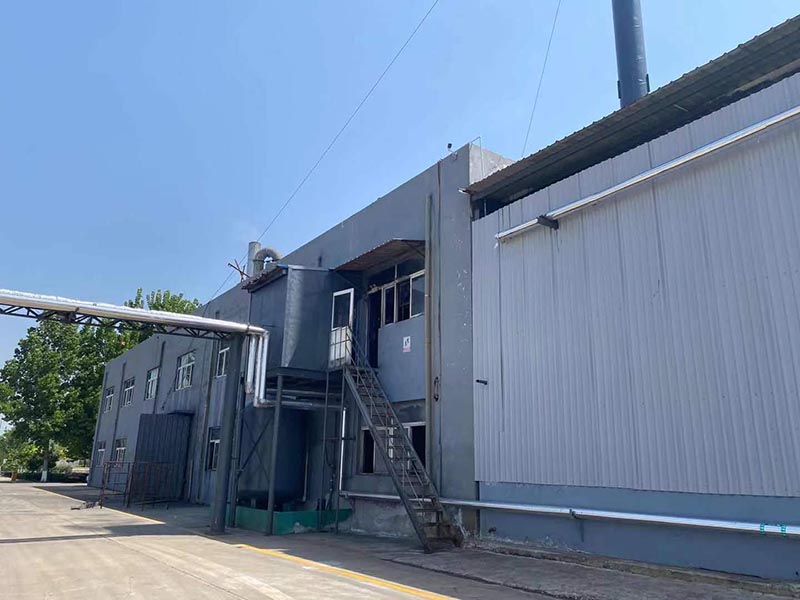
Technicians monitoring batch quality and purity in our automated testing center
In addition, advanced logistics management enables fast shipping turnarounds. Automated warehousing and real-time inventory tracking allow factories to process bulk orders efficiently and maintain buffer stocks of key intermediates. This system minimizes lead times, helping buyers manage inventory levels and maintain consistent operations.
Learn about Tianjin Sunrise Chem Group, a leading manufacturer committed to supplying sustainable, reliable, and high-performance dyestuffs.
Tianjin Sunrise Chem Group specializes in manufacturing high-quality dyestuffs, serving clients in sectors such as denim, textiles, leather, paper, and plastics. Backed by decades of industry and export experience, we have built a reputation for reliability, providing tailored solutions to meet diverse industrial needs.
We maintain a strong focus on quality and batch stability. Every shipment undergoes rigorous testing before dispatch, and our certifications, including ZDHC Level 3 and GOTS, provide buyers with peace of mind regarding safety and environmental compliance.
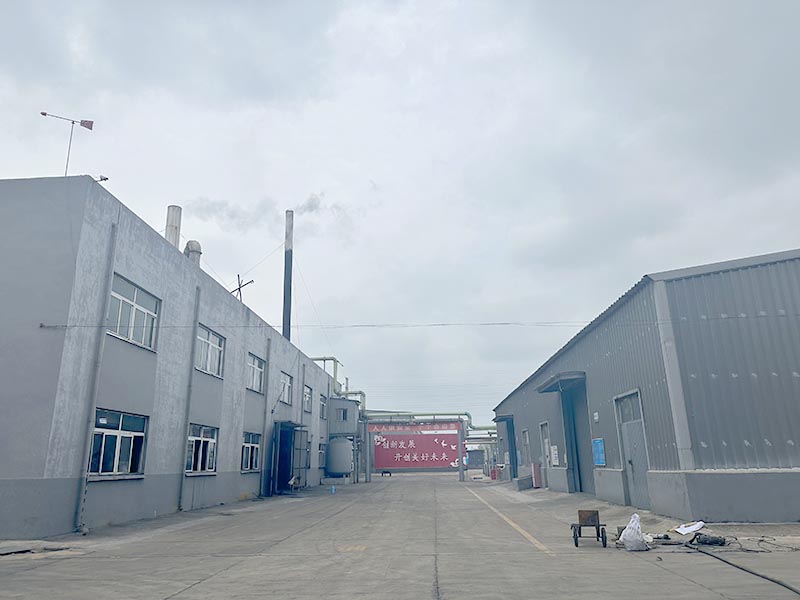
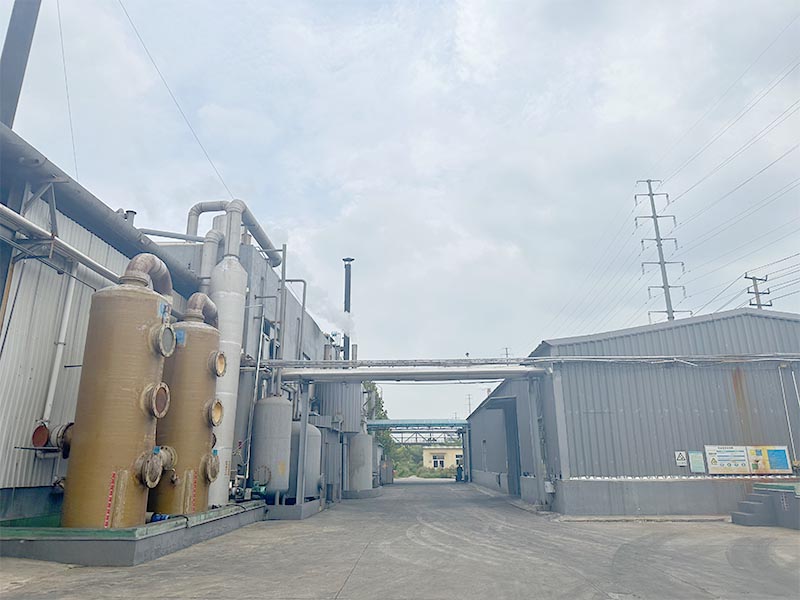
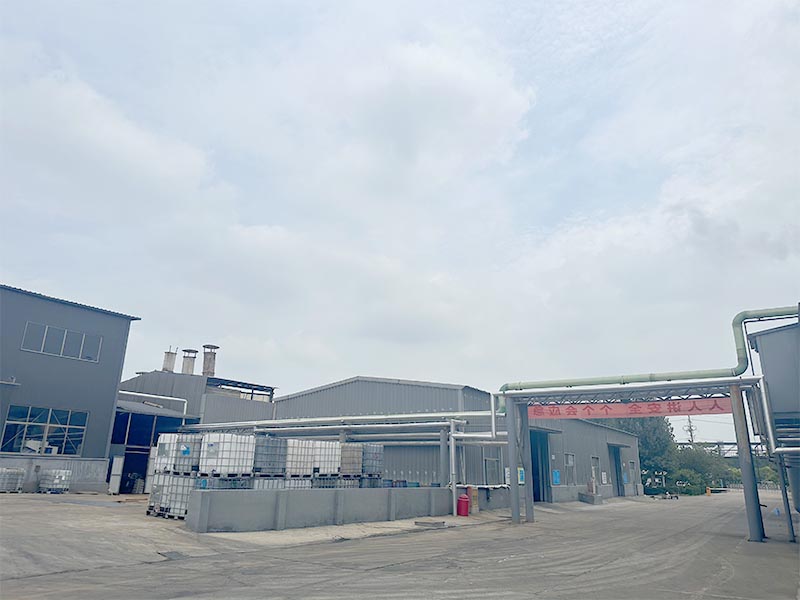
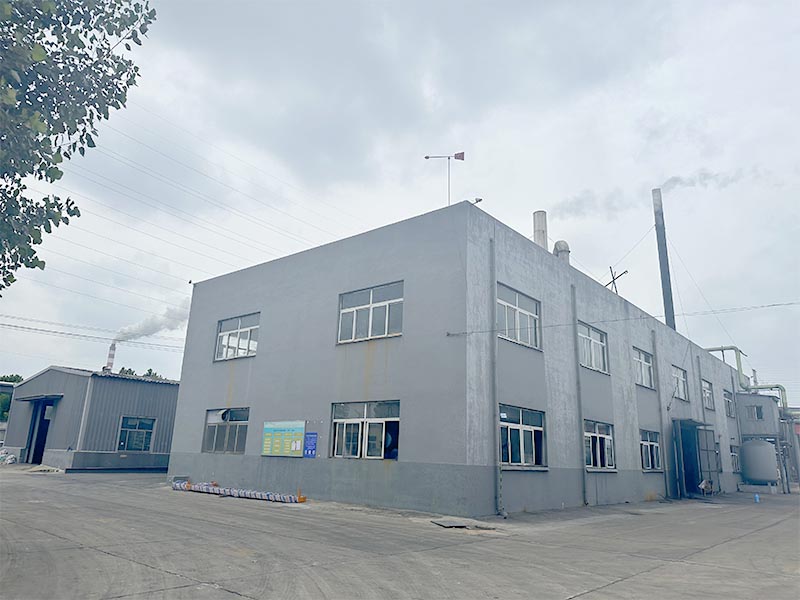
We pride ourselves on offering customized chemical formulations. Our team of experts works closely with clients to understand their technical specifications and deliver tailored products. We actively seek strategic partnerships with global distributors and industrial end-users to support mutual growth. Cooperating with textile and paper mills over many years has helped us build stable, long-term business relationships based on consistent delivery and shared resources.
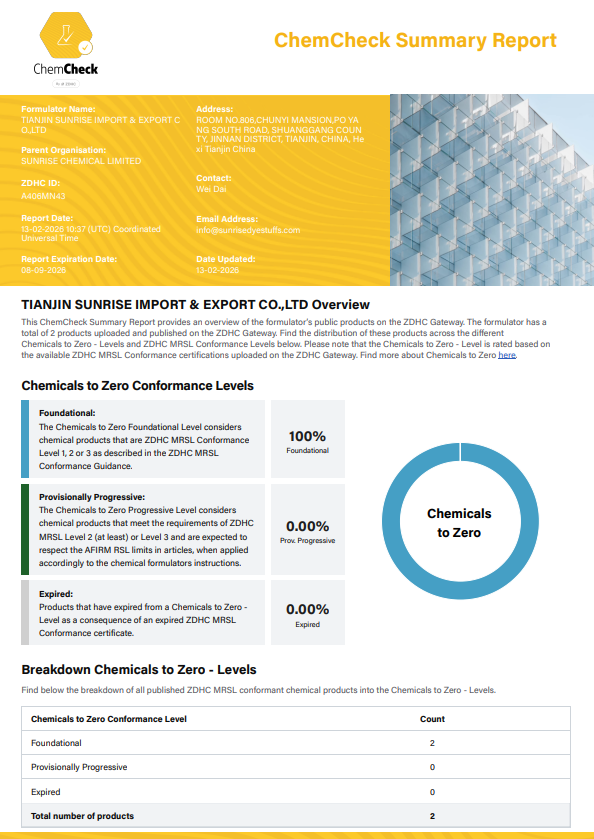
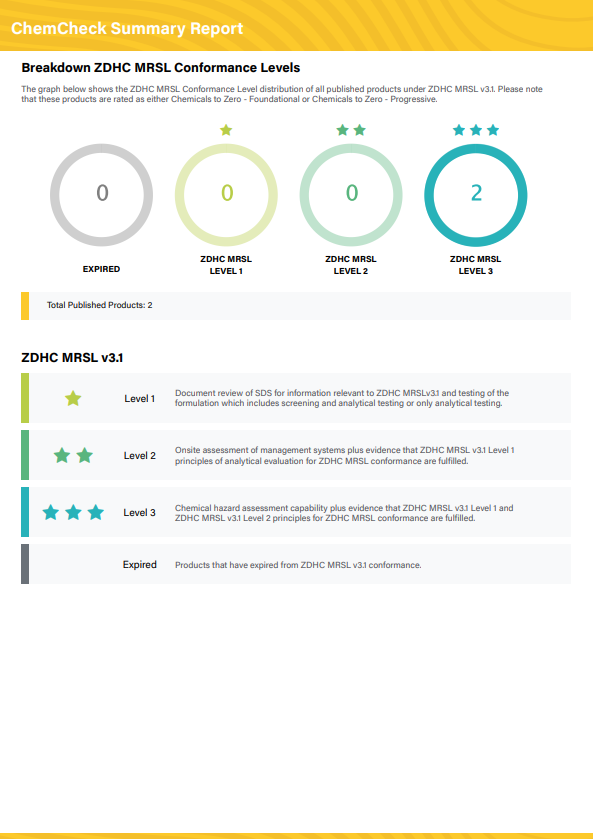
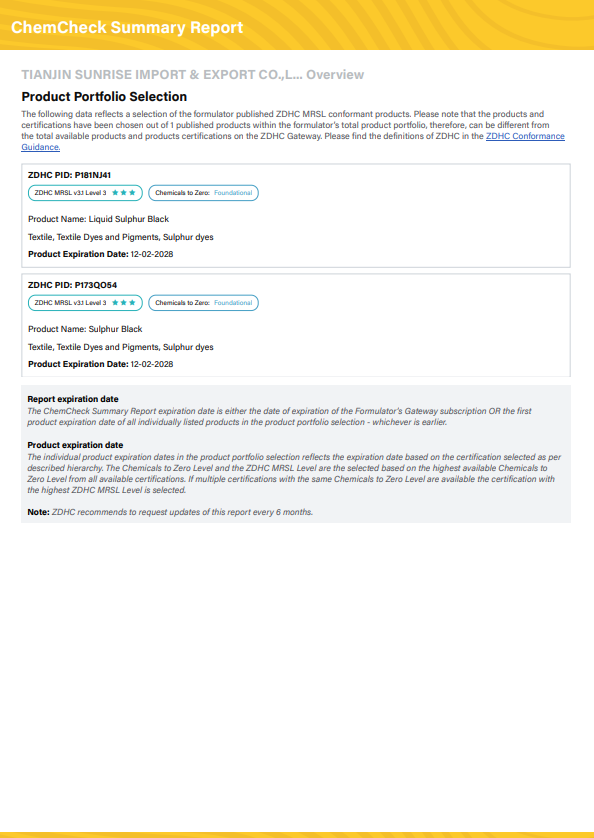
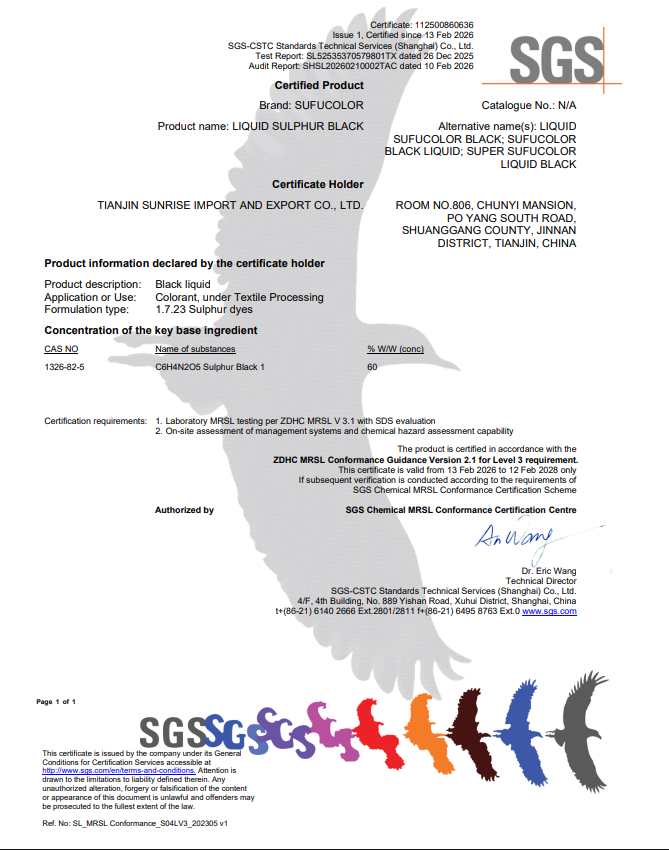
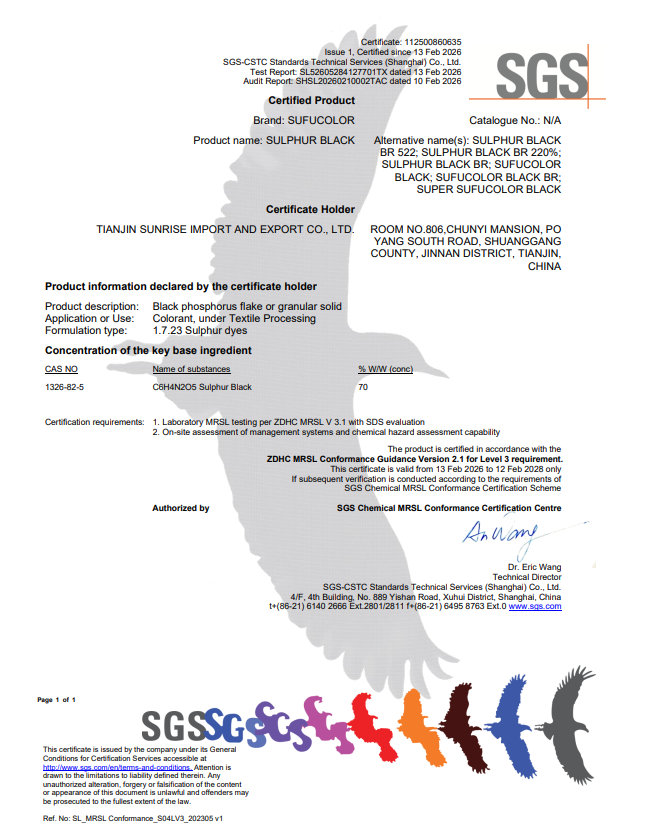
Environmental stewardship is central to our R&D. We dedicate ourselves to providing eco-friendly, high-performance colorants that balance manufacturing efficiency with environmental protection, helping industries move toward a more sustainable future.
Analyzing key commercial applications of Solvent Yellow 14 / Oil Yellow R across diverse industrial landscapes.
In the global wax manufacturing sector, Solvent Yellow 14 is highly valued for its solubility in paraffin. When formulated at optimal ratios, it delivers a rich yellow shade that remains stable without fading or migrating over time. Its high thermal stability prevents degradation during hot-melt processes at temperatures up to 80°C–90°C.
Petroleum refineries use Oil Yellow R to dye fuels, hydraulic oils, and lubricants for grade differentiation and tax tracking. The dye's rapid dissolution in liquid hydrocarbons ensures even coloration throughout storage tanks, helping prevent sediment buildup and filter clogging.
For plastics, Solvent Yellow 14 is incorporated into masterbatches of polystyrene (PS), styrene-acrylonitrile (SAN), and polymethyl methacrylate (PMMA). Its thermal stability ensures the color remains vibrant and does not degrade during processing under high extrusion temperatures.
Reviewing our broader dyestuff product line and their performance characteristics in commercial manufacturing.
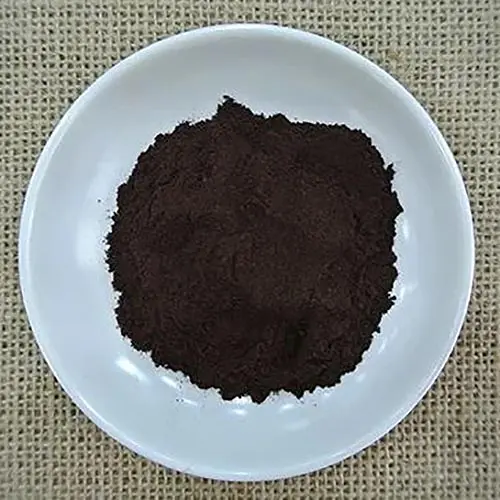
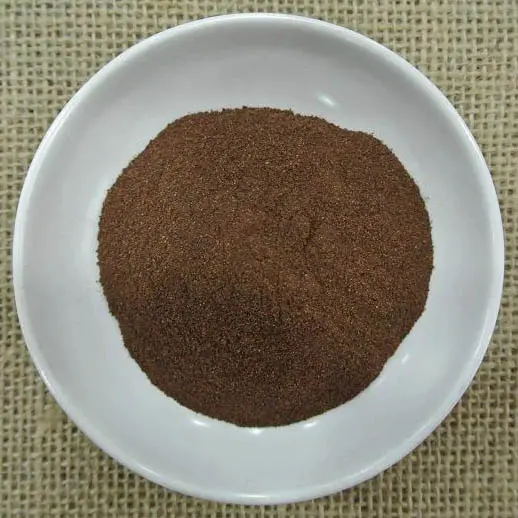
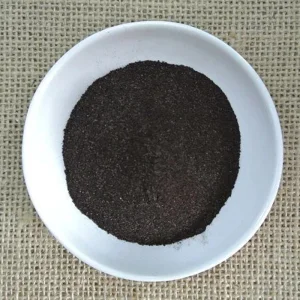
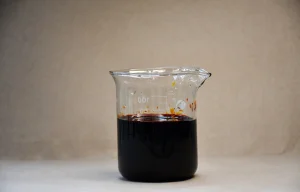
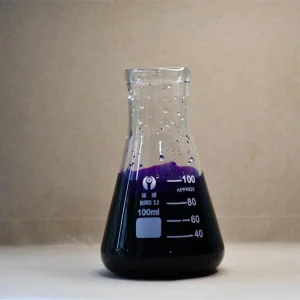
Designed for deep dye penetration and leveling on chrome-tanned and vegetable-tanned leather substrates, maintaining color fastness under light exposure.
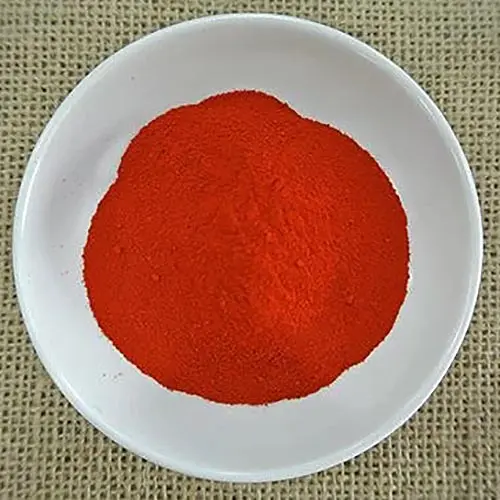
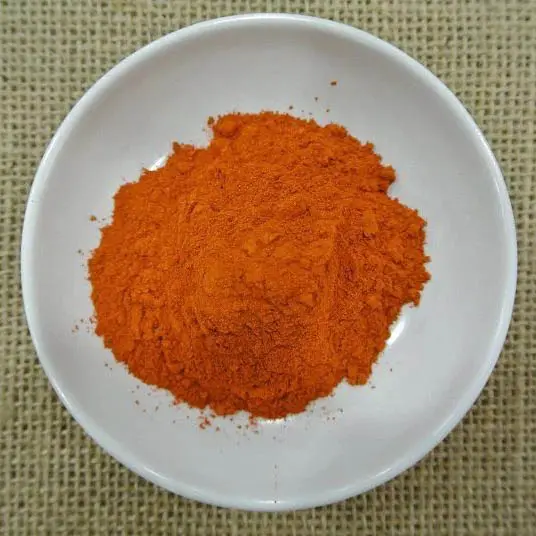
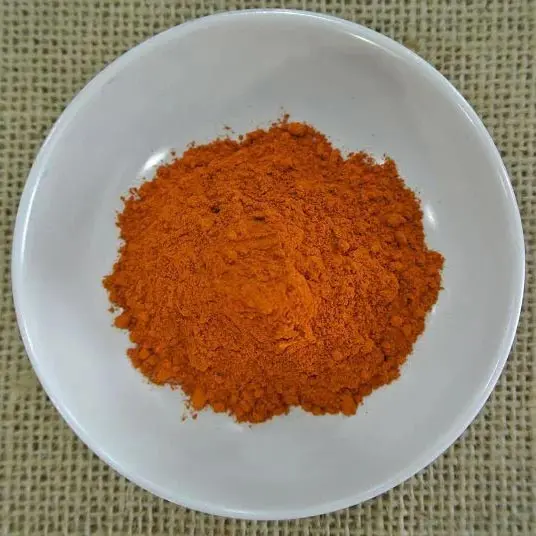
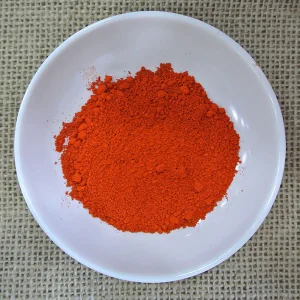
A reliable anionic dye that yields strong, bright orange shades on protein fibers, offering excellent exhaust rates under acidic dyebath conditions.
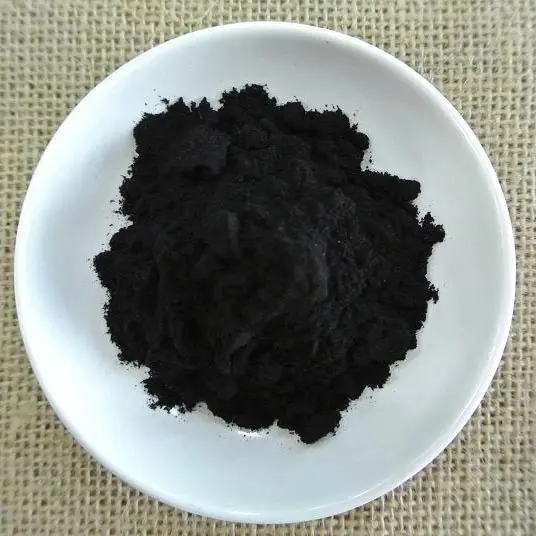
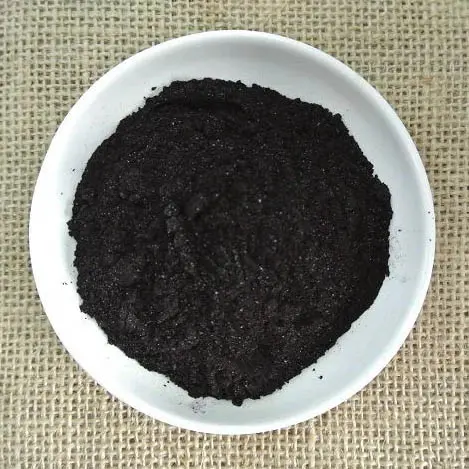
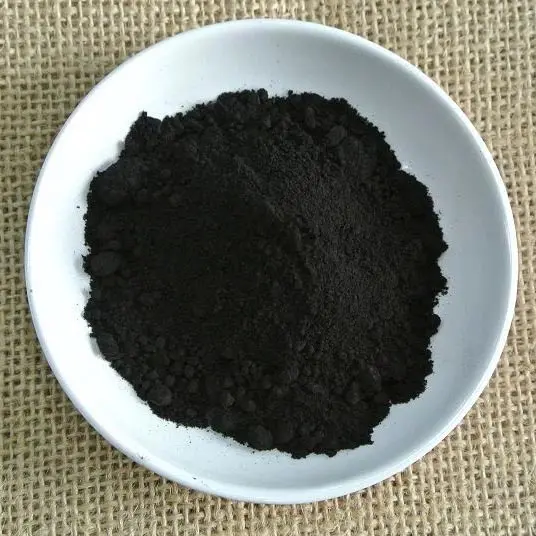
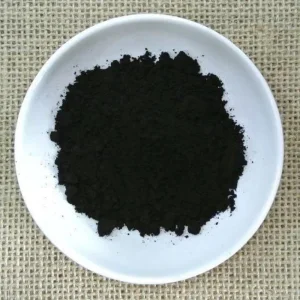
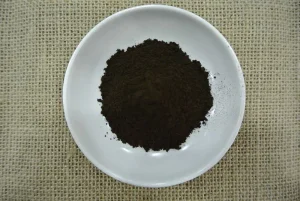
Formulated for uniform coverage and deep black tones, this dye is suitable for high-durability applications like footwear and heavy-duty textiles.
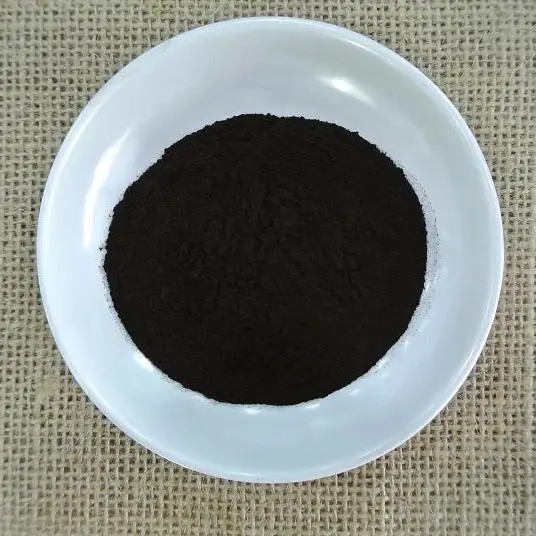
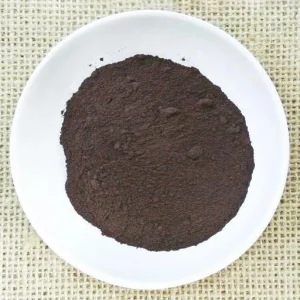
A high-purity dye powder utilized in forensics and laboratory diagnostics, selected for its reliable staining performance on biological substrates.
A high-concentration sulphur dye engineered for cotton denim, offering reliable dye pickup and maintaining performance through washing cycles.
An eco-friendly direct dye for cotton and viscose blend processing, offering high exhaust rates and simple application requirements.
A water-soluble direct dye designed for paper pulp and paperboard coloration, optimized to minimize color runoff in wastewater.
Commonly applied in tissue and fine paper manufacturing, this dye offers clean bright yellow tones and reliable bonding to cellulose fibers.
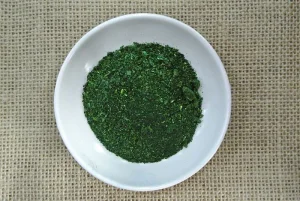
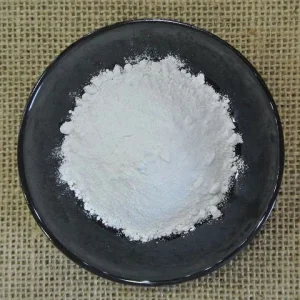
A heat-resistant inorganic pigment ideal for coloring construction materials, plastics, and industrial paints, maintaining stability under environmental exposure.
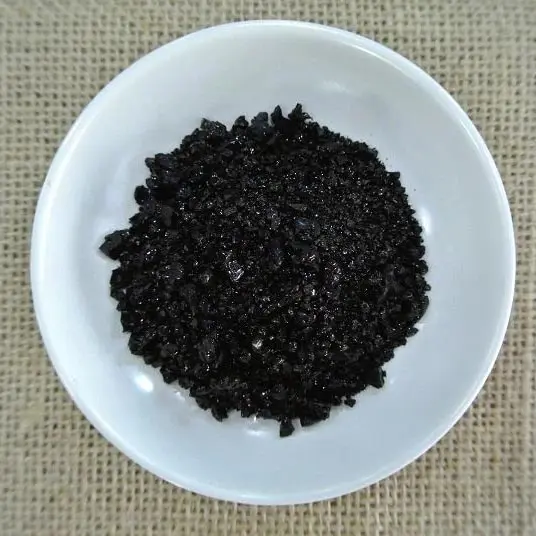
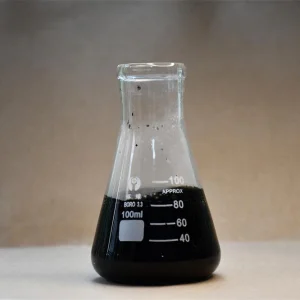
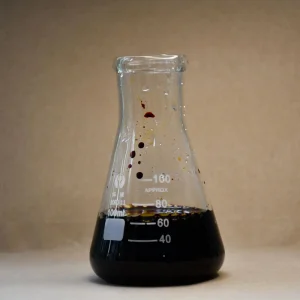
A premium dye for wood stains, shoe polishes, and ink formulations, valued for its rich blue-black shade and high solubility.
An industry-standard dye for wool and nylon textile coloring, delivering high color yield and bright, clean shades.
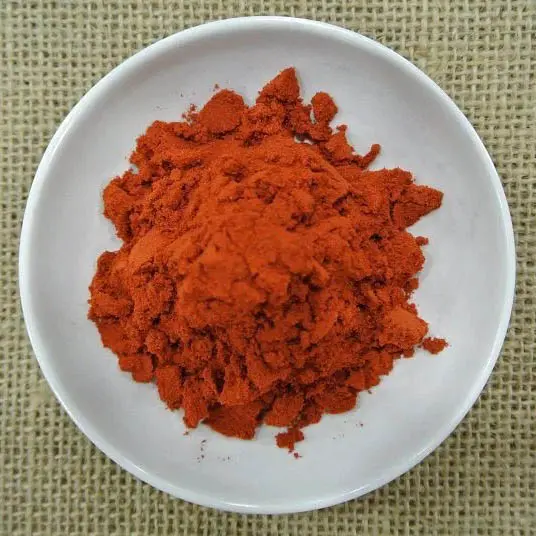
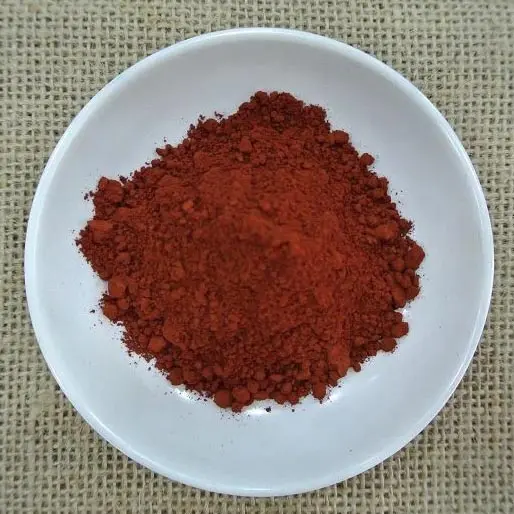
Highly soluble azo dye delivering a vibrant red shade with good leveling properties across natural fibers and synthetic polyamides.
Answers to technical, regulatory, and sourcing questions frequently asked by global chemical procurement managers.
Request technical specifications, compliance documents, or custom samples for your industrial applications. Let's build a stable, sustainable supply chain together.
Request Technical Consultation & Samples →View the second half of our specialized colorant range, optimized for paper, concrete, textiles, and plastic masterbatches.
 Sunrise