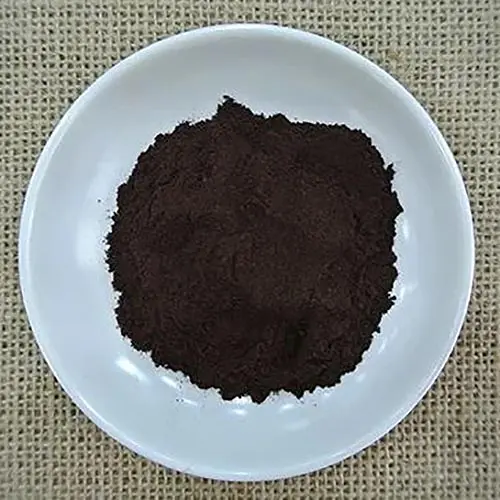
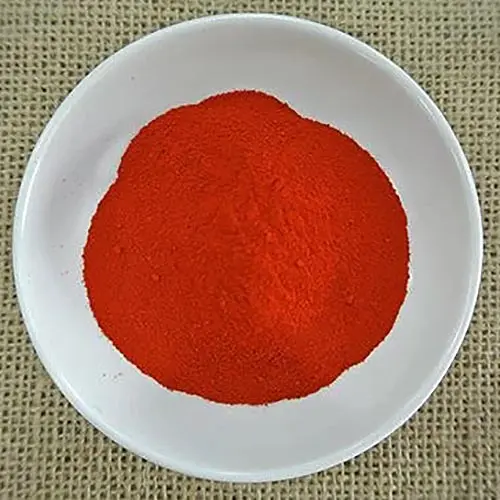
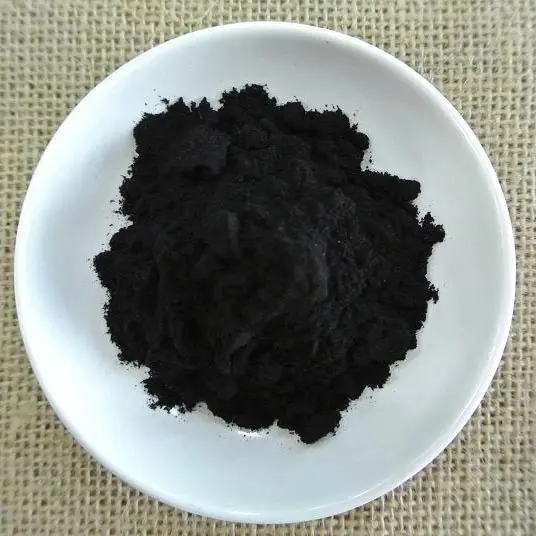
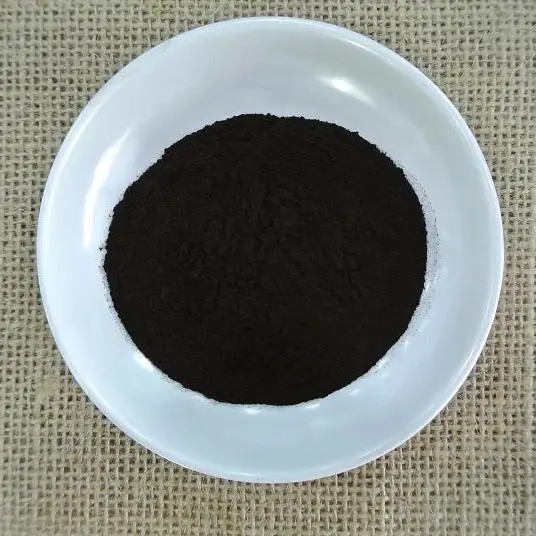
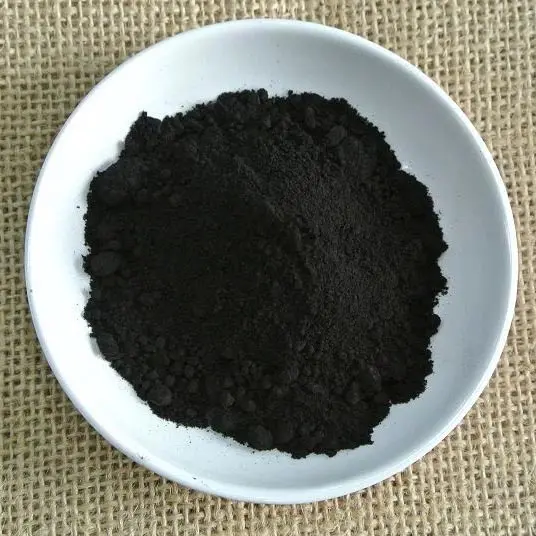
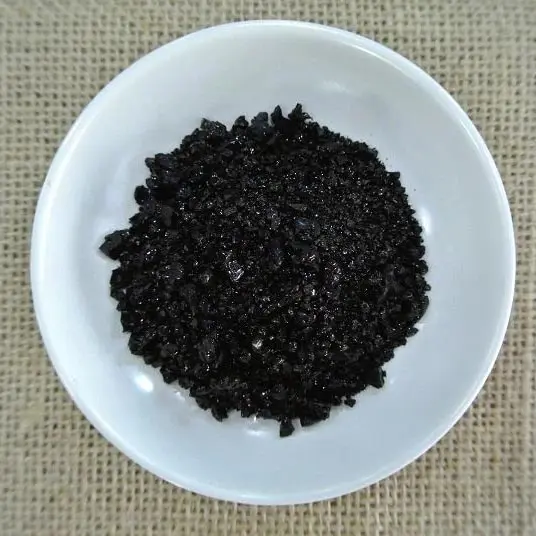
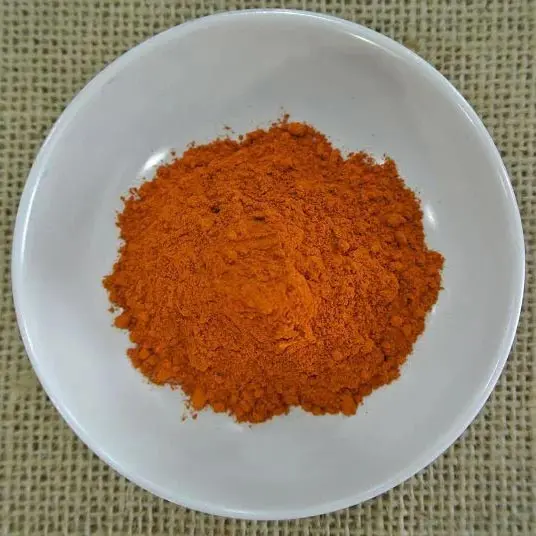
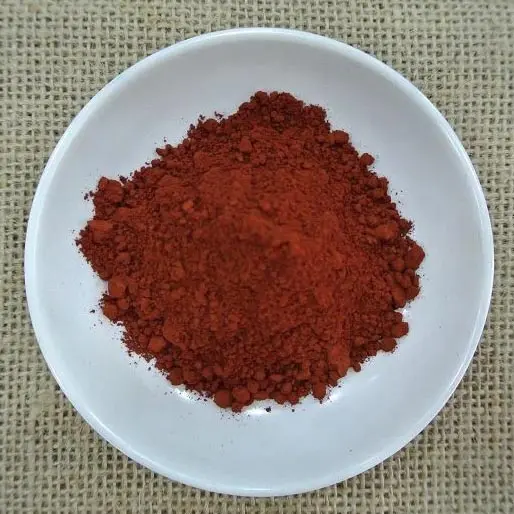
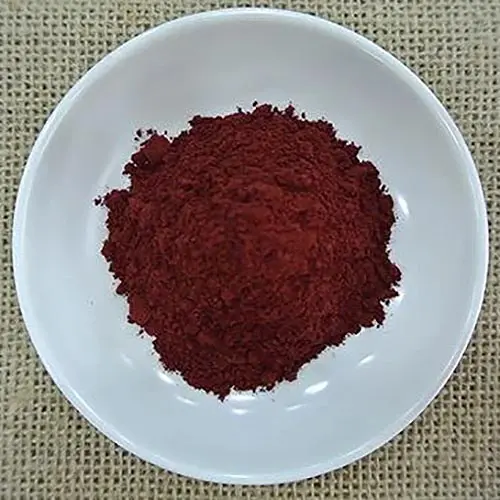
Explore our highly-stabilized range of direct dyes, solvent dyes, and organic pigments engineered for paper, plastics, and high-tenacity textiles.
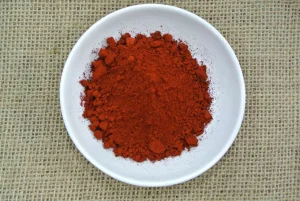
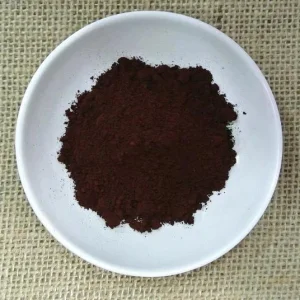
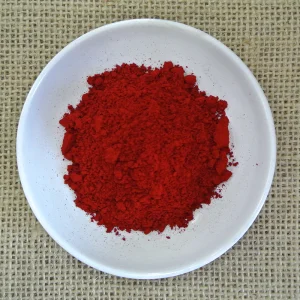
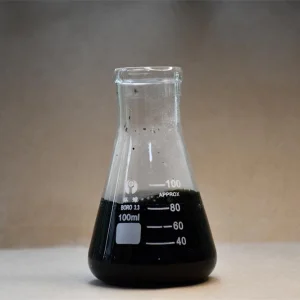
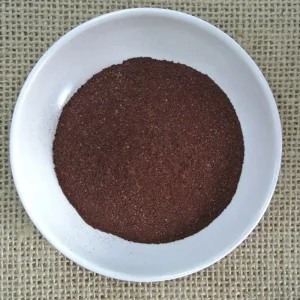
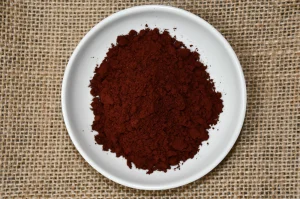
Direct dyes, also widely classified as anionic substantivity colorants, possess a unique molecular framework that enables them to bond directly with cellulosic fibers such as cotton, flax, viscose, and regenerated bamboo without the strict requirement of an inorganic mordant. These molecules typically feature long, flat planar aromatic structures characterized by conjugated double-bond pathways and multiple azo group (—N=N—) linkages.
The core mechanism of direct dyeing depends heavily on hydrogen bonding and Van der Waals forces operating between the dye molecules and the hydroxyl groups present along the cellulose polymer chains. Due to their anionic nature (imparted by sulfonic acid sodium salts), these dyes carry a negative charge in aqueous solutions. Consequently, electrolytes like sodium chloride (NaCl) or sodium sulfate (Na₂SO₄) must be added during the dyeing cycle to neutralize the negative surface potential of the fiber, enabling the dye to migrate from the dye liquor to the substrate fiber phase.
Understanding the thermal and kinetic profiles of these molecules allows industrial dyehouses to categorize them into three key classes established by the Society of Dyers and Colourists (SDC):
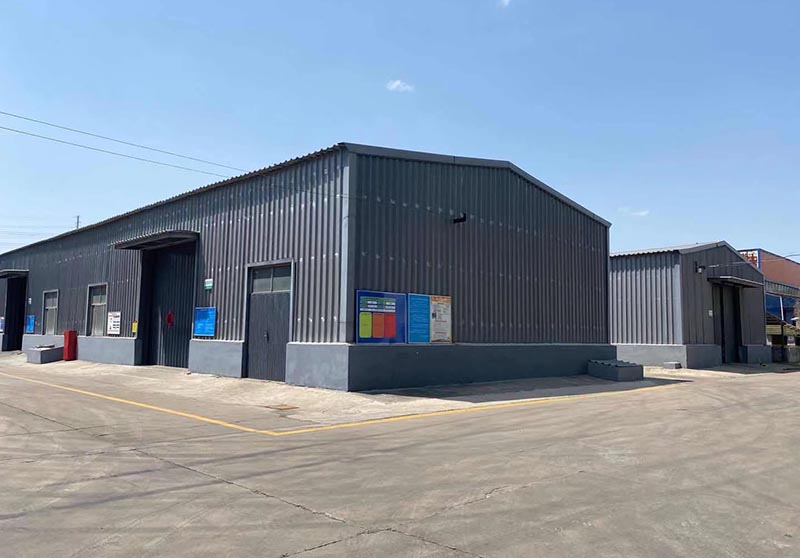
From micro-fiber paper sizing to deep-penetration leather finishing, direct dyes provide cost-effective and highly customizable coloration solutions.
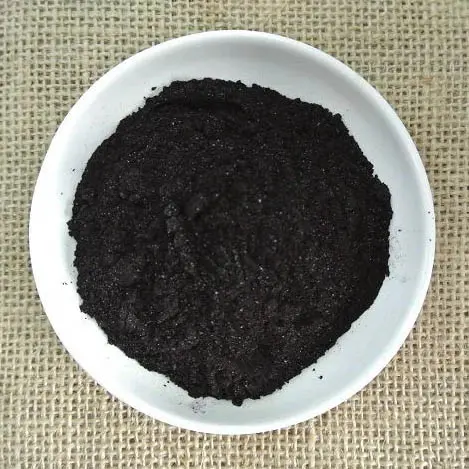
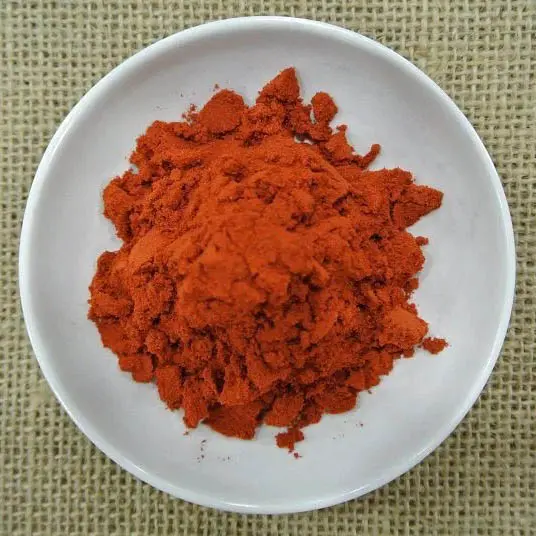
Direct dyes like Direct Red 277 and Direct Black 19 are applied in exhaust and continuous dye baths. Sourcing agents prefer them for their bright tones, ease of correction, and high affinity, achieving high bath depletion rates on woven and knitted materials.
In modern high-speed paper mills, liquid dyes such as Direct Black 19 Liquid (Pergasol Black G equivalent) and Direct Yellow 12 are dosing-pumped directly into the pulp slurry. This ensures uniform sheet shading and prevents mottling or two-sidedness in paperboard.
Under weakly acidic conditions, direct dyes act effectively on amphoteric protein chains. They offer excellent deep penetration into the hide structure, providing a high-coverage base layer that remains lightfast under harsh UV conditions.
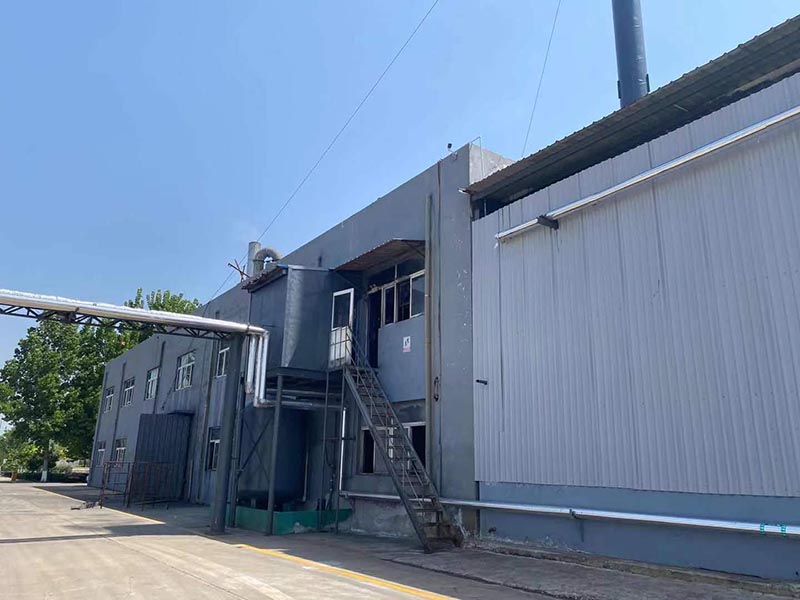
For international procurement managers, sourcing direct dyes from Chinese manufacturers like Tianjin Sunrise Chem Group provides structural cost advantages, highly integrated supply chains, and consistent quality assurance.
China is home to the world's most concentrated clusters of raw chemical intermediates, yielding direct access to crucial precursors like H-acid, J-acid, gamma acid, and various aniline derivatives. By eliminating cross-border logistics for precursor chemicals, Chinese factories minimize raw-material volatility and lead times.
Furthermore, major Chinese production facilities operate under state-of-the-art environmental zones featuring shared wastewater treatment, closed-loop thermal recapture, and strict compliance with national ecological policies. This stable, regulated environment ensures that production remains uninterrupted by regulatory shutdowns, guaranteeing a reliable long-term supply for global supply chains.
A statistical overview of our manufacturing capacities, environmental milestones, and global market coverage.
The global textile and colorant industry is undergoing a significant transition toward green compliance. Traditional dyestuff synthesis routes that yield restricted aromatic amines or heavy-metal byproducts are being phased out in favor of eco-friendly alternatives.
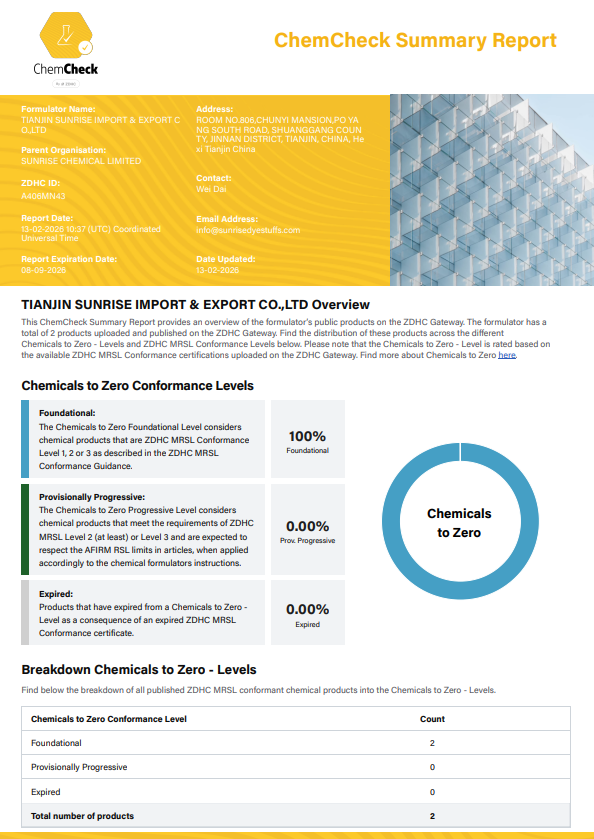
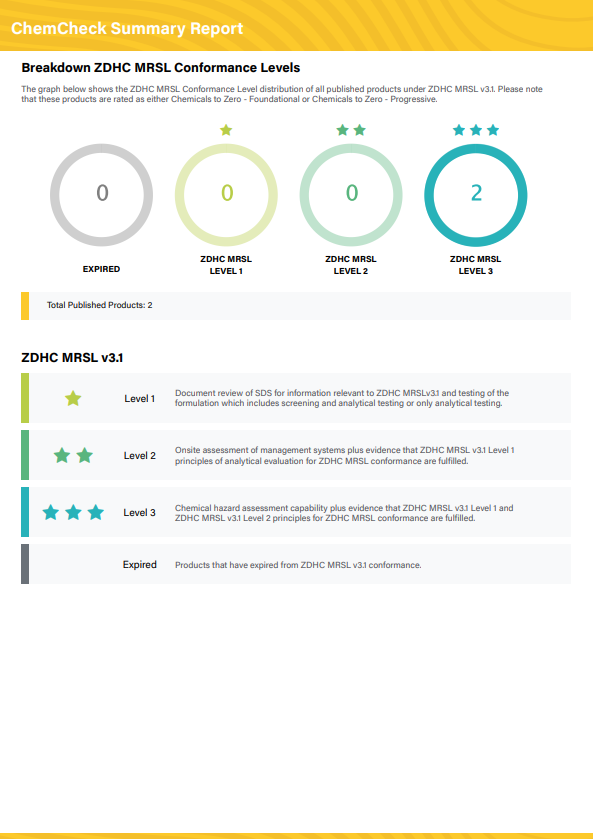
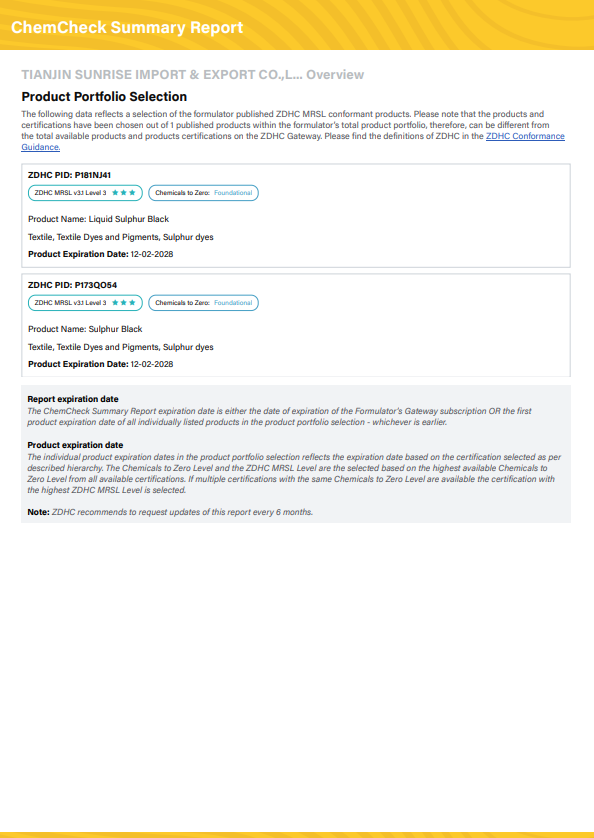
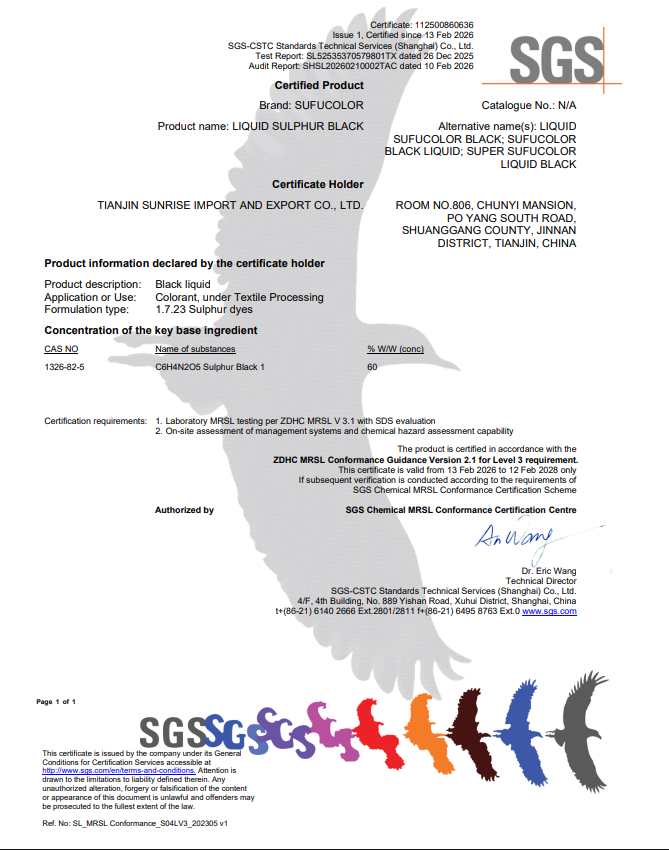
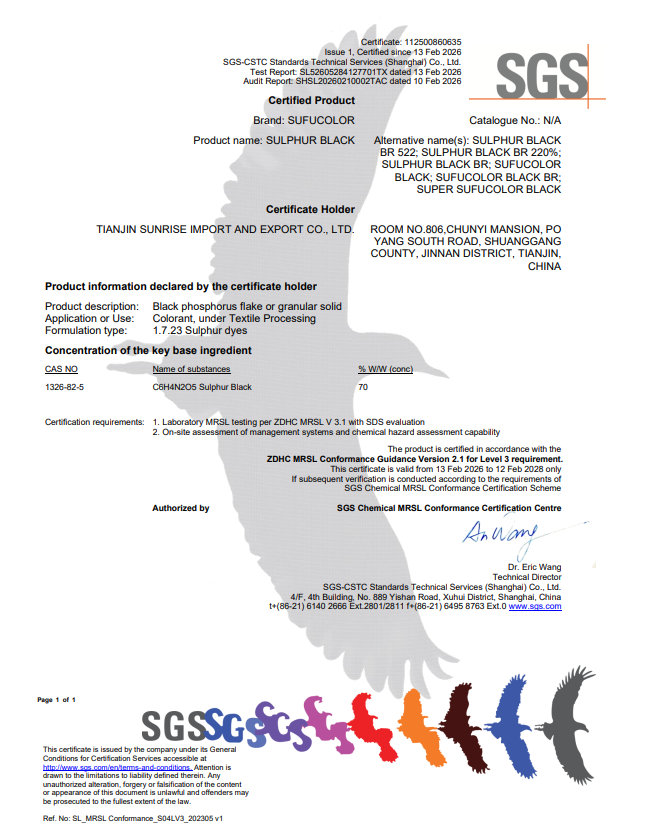
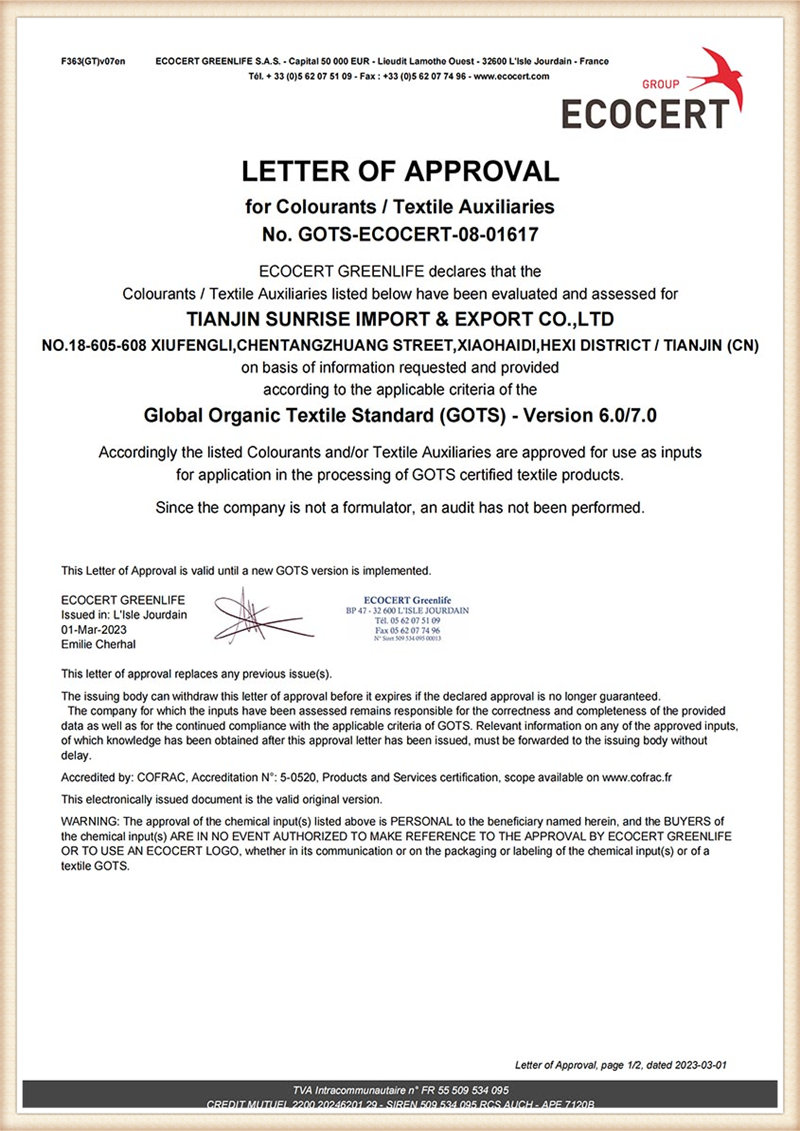
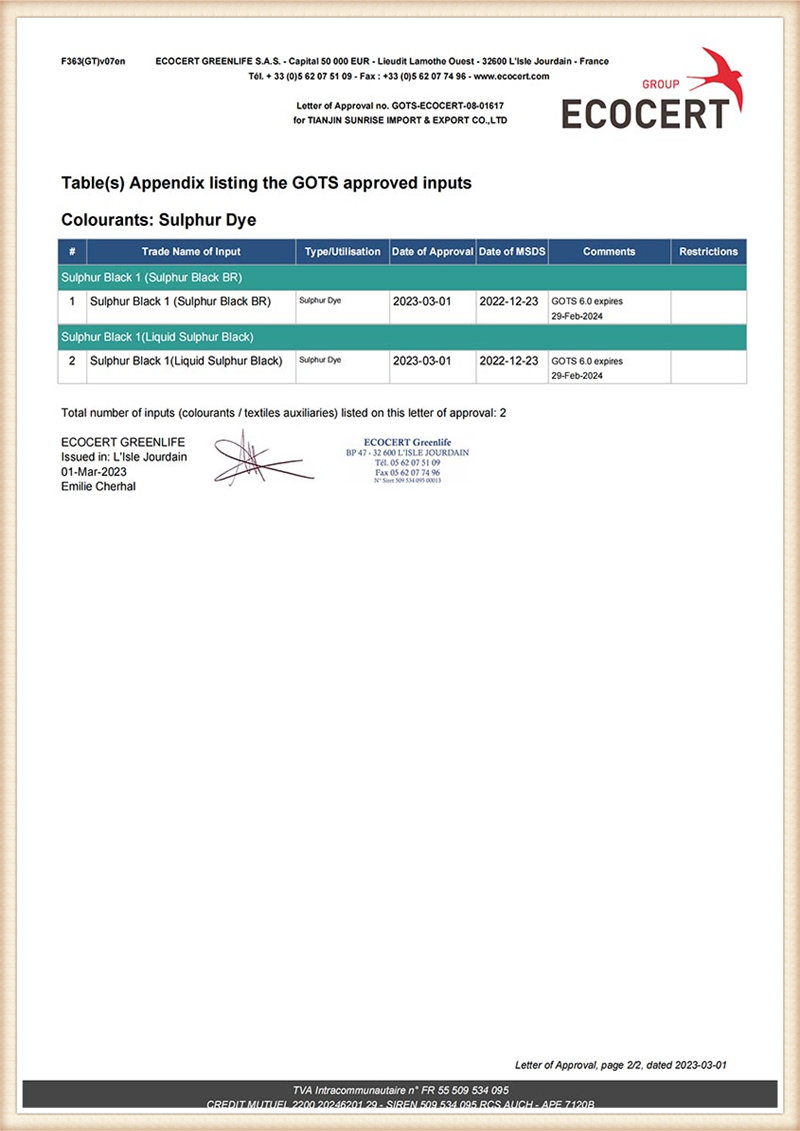
Tianjin Sunrise Chem Group is leading this transition by obtaining ZDHC Level 3 and GOTS certifications. ZDHC Level 3 indicates that our chemical formulations do not contain restricted substances above trace limits, preventing harmful chemical release into local water systems. Similarly, GOTS certification ensures that our direct dyes can be utilized in certified organic textile manufacturing, opening premium market access for our brand partners.
Technological advancement also drives our production. We employ automated synthesis loops and digital color-matching systems to maintain strict color tolerance (Delta E < 0.5) across all production batches.
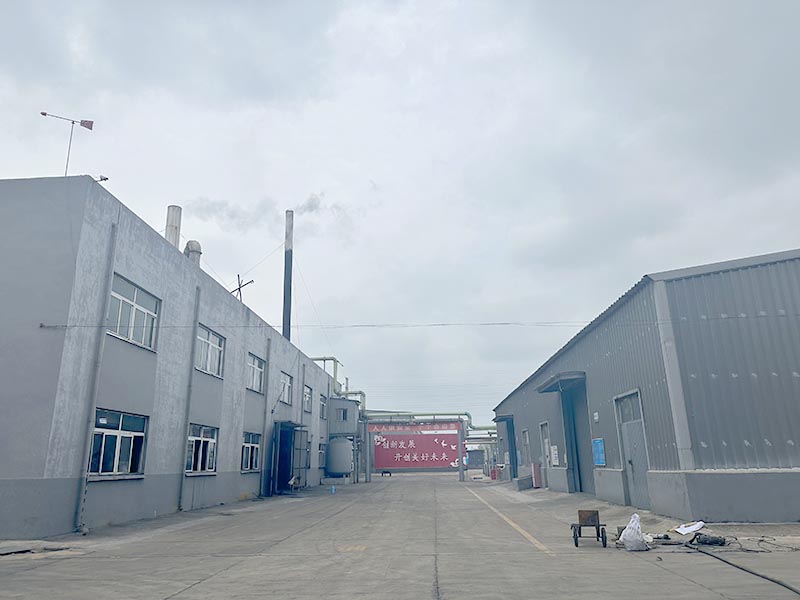
Backed by decades of industry and export experience, we have built a reputation for reliability and excellence, serving clients from diverse sectors including denim, textile, leather, paper and plastic.
Tianjin Sunrise Chem Group specializes in manufacturing high-quality dyestuffs, including Direct dyes, Acid dyes, Basic dyes, Sulphur dyes, Solvent dyes, Liquid dyes, and Fluorescent dyes.
We always focus on product quality and stability. Each shipment is tested before sending to the port. Our ZDHC Level 3 and GOTS certifications guarantee the highest standards of safety and quality for your products.
We pride ourselves on offering customized solutions. Our team of experts works closely with clients to understand their unique needs, delivering tailored products and services. We actively seek strategic partnerships to expand our reach and enhance our offerings. Collaborate with us to explore mutual growth opportunities.
Environmental protection is the cornerstone of our innovation. We dedicate ourselves to providing clients with eco-friendly, high-quality colorants that balance productivity with environmental harmony, driving the industry towards a more sustainable development path while delivering high-performance products—for a greener textile industry and a sustainable future.
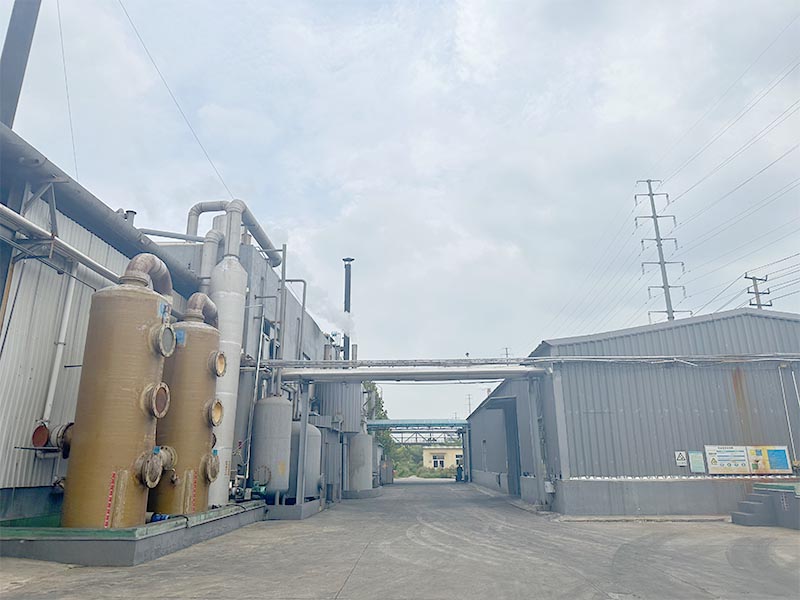
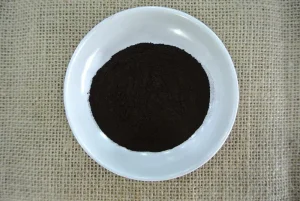
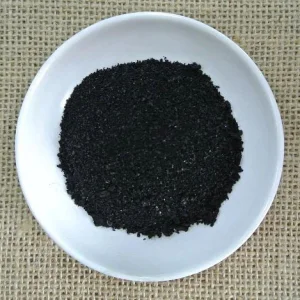
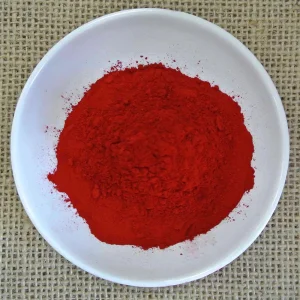
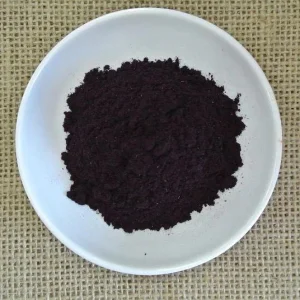
A comprehensive visual display of our dye classes and their specific industrial applications.
Our processing centers and distribution networks ensure prompt global shipping and consistent product supply.
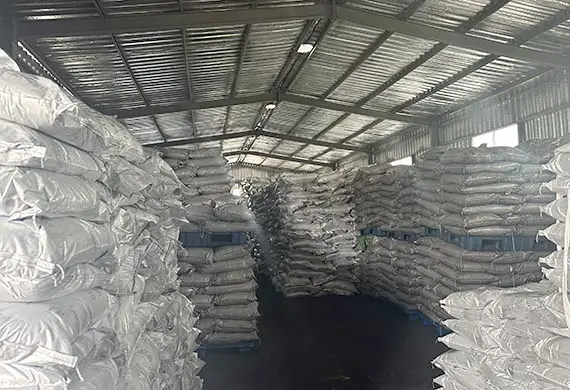
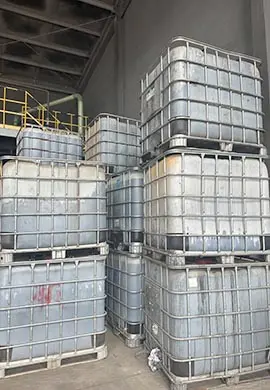
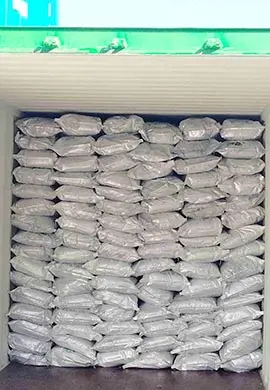
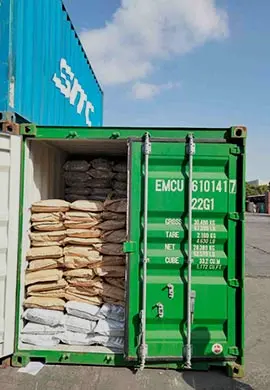
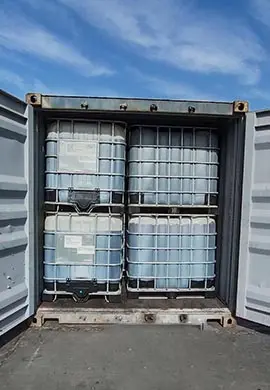
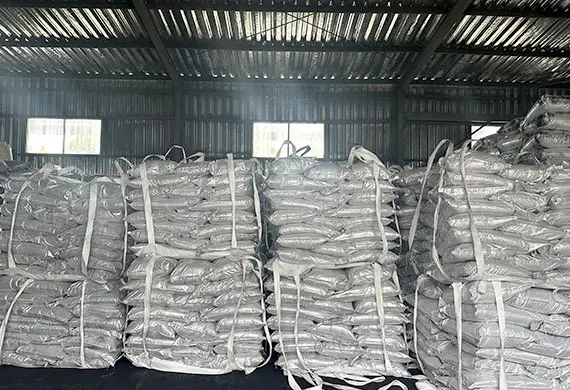
Cooperating with textile and paper mills for decades demonstrates the stability of our partnerships. This long-term collaboration ensures consistent orders, shared technical resources, and mutual support. It reflects our proven track record of delivering quality products that meet our partners' exact requirements.
Our mission is to drive business growth by providing reliable, custom-formulated products. We aim to contribute to our customers' success by delivering first-class colorants and customer service. By building lasting partnerships, we strive to act as a catalyst for our clients' business expansion.
Get answers to common chemical questions regarding leveling, fixation, and regulatory compliance for direct dyes.
Browse our complete catalog of industrial colorants, manufactured to meet global environmental and quality standards.
 Sunrise