Explore our high-performance industrial colorants and auxiliary chemicals engineered for maximum coloring efficiency, environmental compliance, and stability.
In the modern chemical processing sector, the transition from powder-based formulations to high-performance liquid colorants represents a major evolutionary leap. Liquid Red Dyes, comprising formulations of Direct Red, Acid Red, and Basic Red, have become indispensable in automated continuous coloring applications globally. Unlike traditional powders, liquid dyes offer dust-free handling, instant solubility, and precise dosing capability, which are critical for high-efficiency automation.
The global demand for liquid red colorants is expanding rapidly. This growth is driven by the paper and packaging industries, textile mills, leather manufacturing facilities, and wood-stain sectors. High-speed continuous paper coloring machinery depends on liquid direct red dyes (such as Direct Red 254 or Direct Red 80 variants) to achieve exceptional color uniformity without clogging nozzle systems or causing shade drift.
Furthermore, stringent environmental directives in Europe and North America have accelerated the phase-out of dusty materials. Powdered dyes present inhalation hazards in work environments and require extensive stirring to dissolve completely. Liquid red dyes are formulated as highly concentrated, aqueous solutions or stable dispersions. They integrate directly into automated liquid metering systems, ensuring precise shade reproducibility and minimal chemical waste.
In addition to paper and packaging, the textile sector utilizes liquid red dyes for continuous fabric dyeing and printing processes. The leather industry relies on premium acid liquid red dyes to achieve deep, rich penetrative shades on high-grade hides. Meanwhile, industrial markers, agricultural seed coatings, and concrete admixtures require highly stabilized, eco-friendly liquid dyes. These formulations must resist precipitation and withstand temperature fluctuations during shipping and long-term storage.
China remains the hub of the global dyestuff manufacturing sector. Chinese chemical manufacturers offer unmatched supply chain integration, raw material security, and technological capacity, delivering key structural advantages to global buyers.
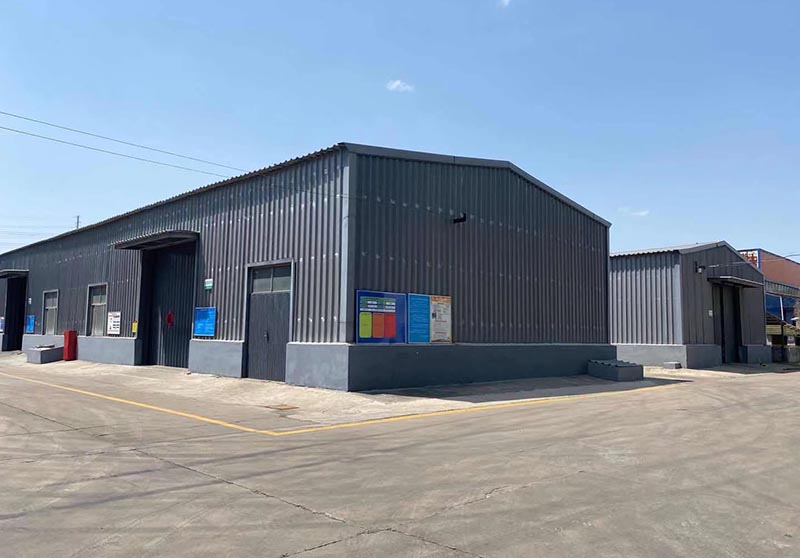
The core advantage of Chinese dyestuff manufacturers lies in the domestic availability of essential intermediates, such as H-acid, J-acid, gamma acid, and various naphthalene derivatives. Integrated industrial parks group basic chemical production alongside advanced dye synthesis plants. This localization eliminates logistics delays and mitigates price volatility for raw materials, ensuring a highly stable supply chain.
Modern Chinese dye factories utilize advanced milling and dispersing technology. For liquid red dyes, maintaining long-term physical stability is a technical challenge. It requires prevent-settling agents, biocides, and crystallization inhibitors. Chinese producers utilize automated membrane filtration and high-shear dispersion systems. These technologies yield liquid dyes with minimal salt content, excellent storage stability, and a shelf life exceeding 12 months under variable conditions.
Tianjin Sunrise Chem Group is strategically situated near major chemical ports in Northern China. This proximity enables efficient containerized shipment of liquid products. Utilizing IBC totes, flexibags, and sturdy drums, we streamline maritime logistics to reduce transit times and lower ocean freight costs. Our proximity to these deepwater hubs ensures fast customs clearance and secure shipping, giving global buyers a clear competitive edge.
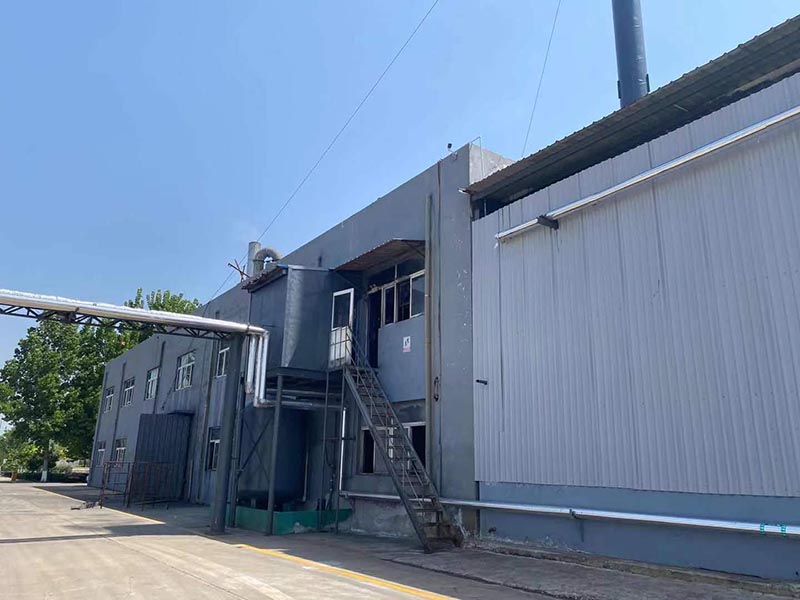
Tianjin Sunrise Chem Group specializes in manufacturing and exporting high-quality dyestuffs. Our portfolio includes Direct dyes, Acid dyes, Basic dyes, Sulphur dyes, Solvent dyes, Liquid dyes, and Fluorescent dyes.
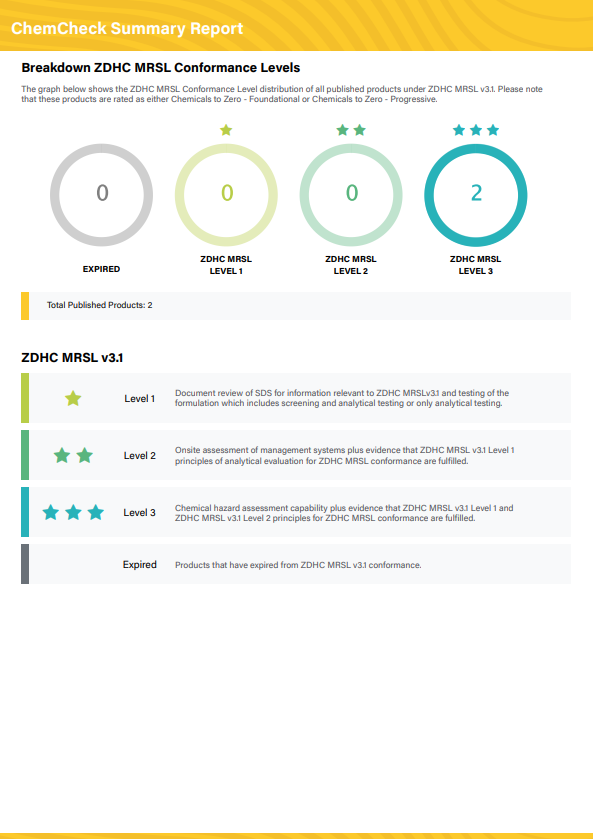
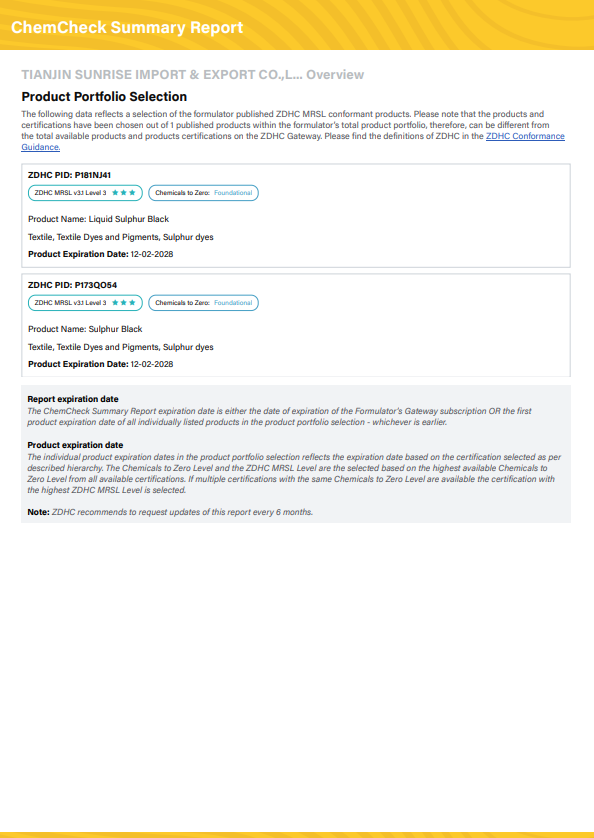
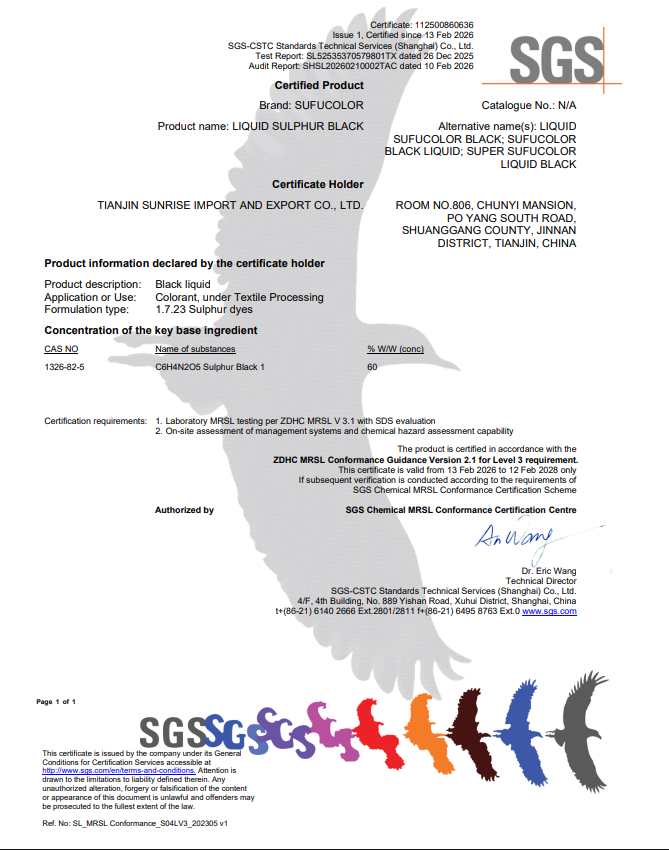
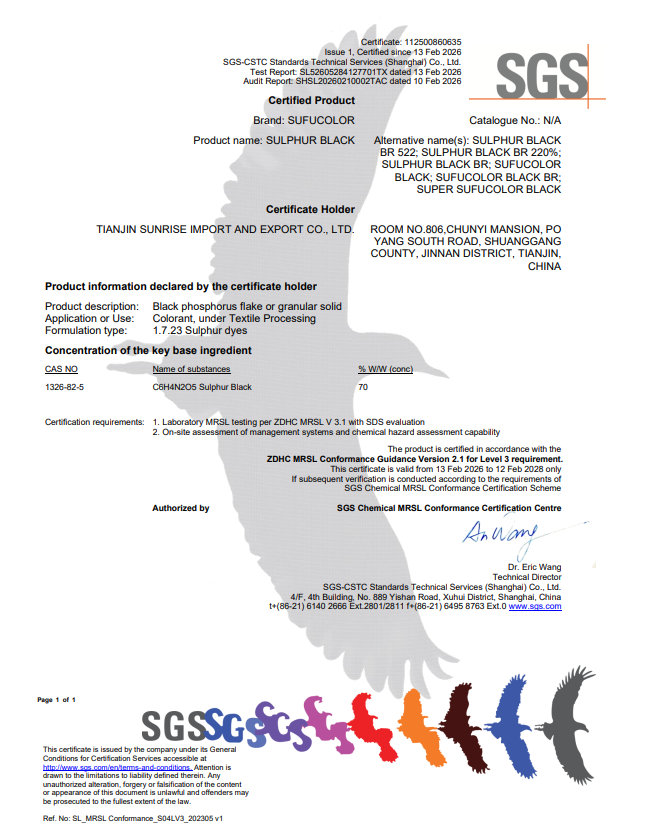
Backed by decades of industry and export experience, we have built a reputation for reliability and excellence. We serve clients across diverse sectors, including denim, textiles, leather, paper, and plastics. We focus heavily on product quality and batch-to-batch stability. Every shipment undergoes rigorous testing before dispatch to the port, ensuring compliance with global specifications. Our certifications, including ZDHC Level 3 and GOTS, guarantee the quality and environmental compliance of our products.
We pride ourselves on offering customized solutions. Our team of experts works closely with clients to understand their unique processing requirements, delivering tailored formulations and packaging options. We actively seek strategic partnerships to expand our global network. Collaborate with us to explore mutual growth opportunities.
Environmental protection is the cornerstone of our innovation. We are dedicated to providing eco-friendly, high-performance colorants that balance manufacturing productivity with environmental stewardship, driving the industry toward a sustainable, green future.
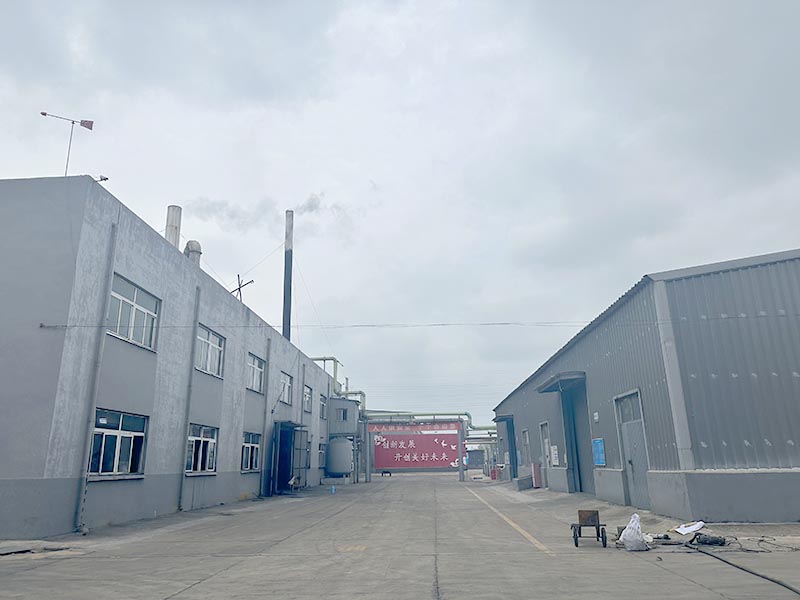
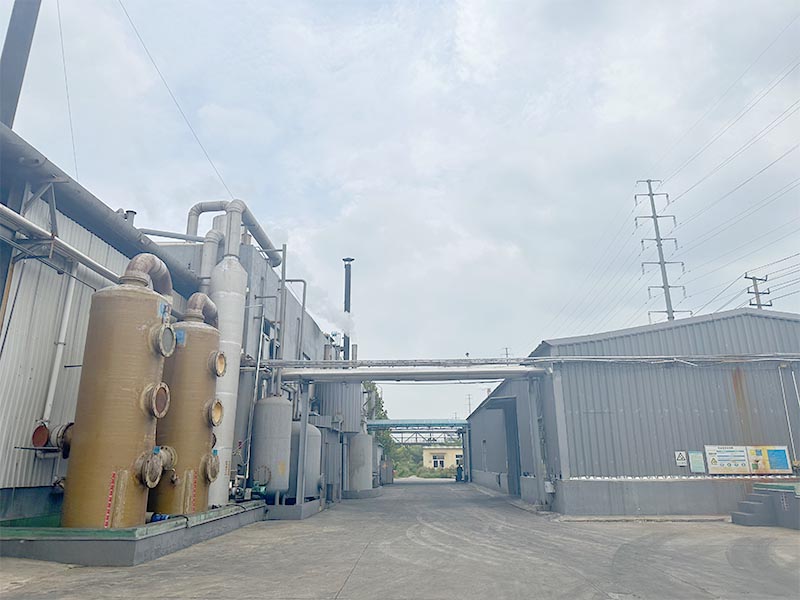
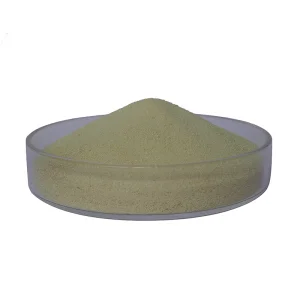
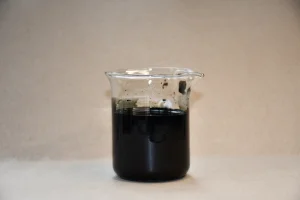
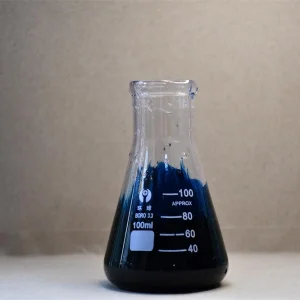
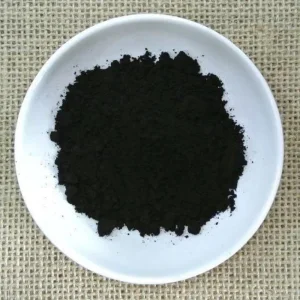
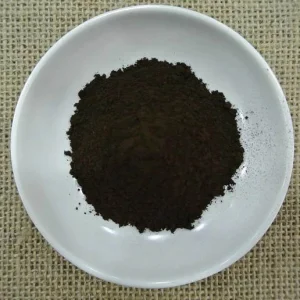
A selection of our popular acid, sulphur, and direct dyes designed for textiles, paper mills, and plastics.
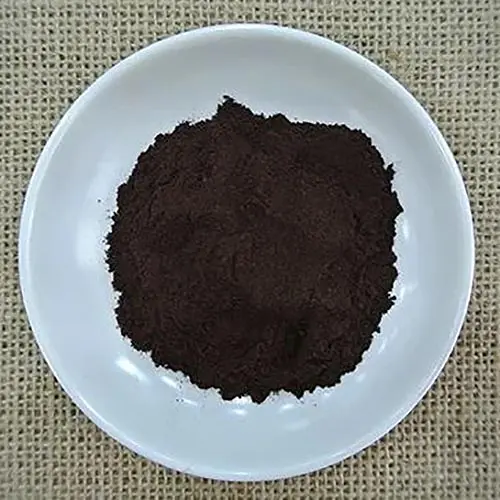
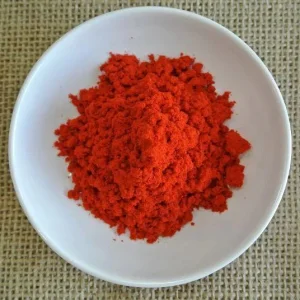
Provides uniform penetration and brilliant red hues on chrome-tanned leather.
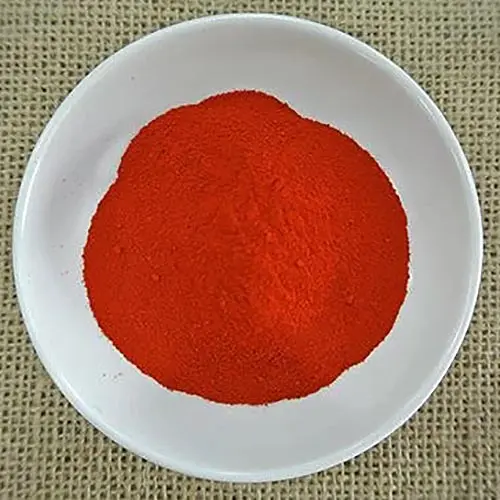
Highly soluble acid dye yielding bright orange shades with excellent lightfastness.
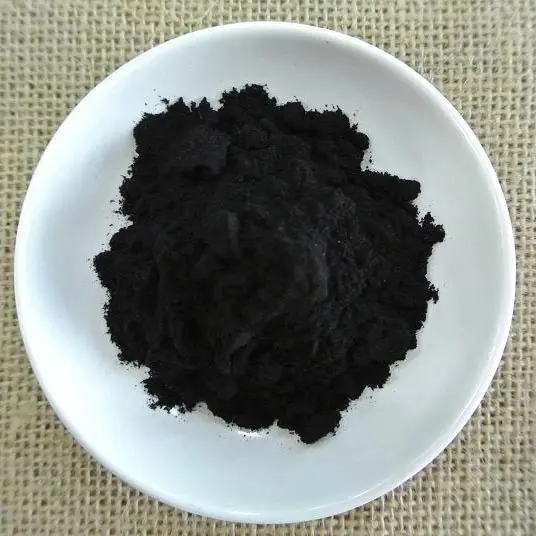
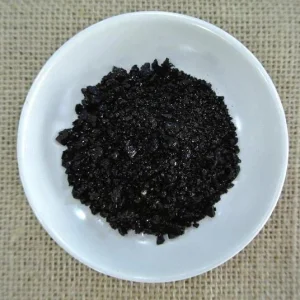
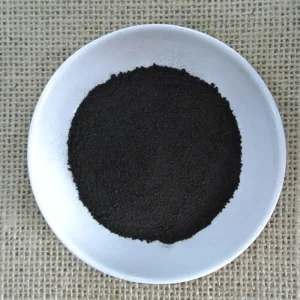
Deep, intense black dye formulated for natural fibers and leather tanning.
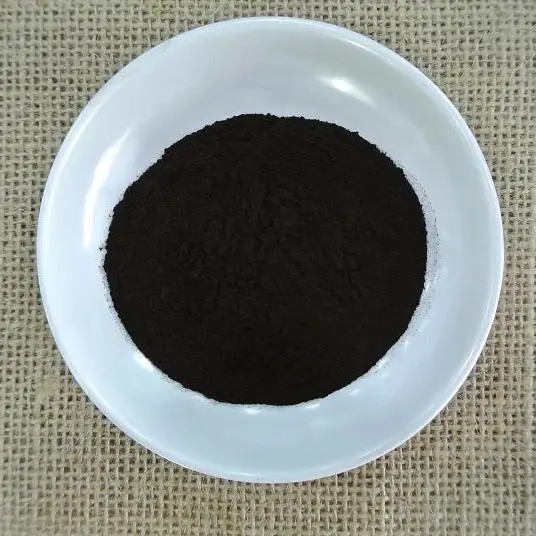
Specialized dye grade utilized in forensics and academic testing applications.
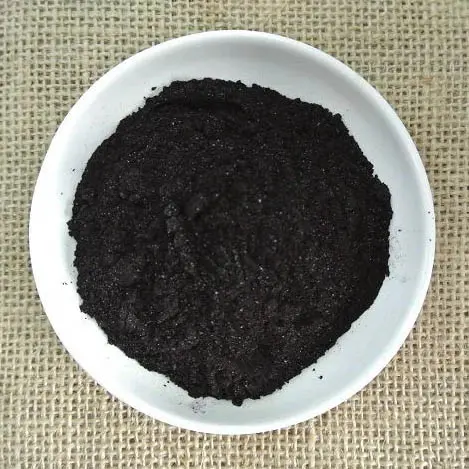
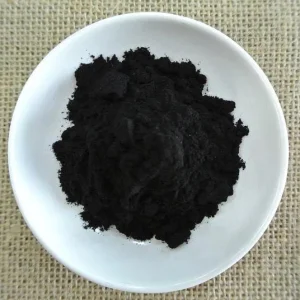
Classic sulphur dye for heavy-weight denim and durable cotton workwear.
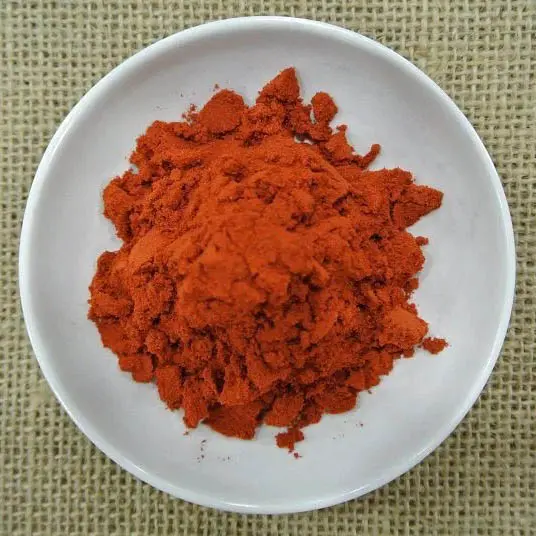
Highly soluble direct dye providing outstanding yellow coverage for cotton.
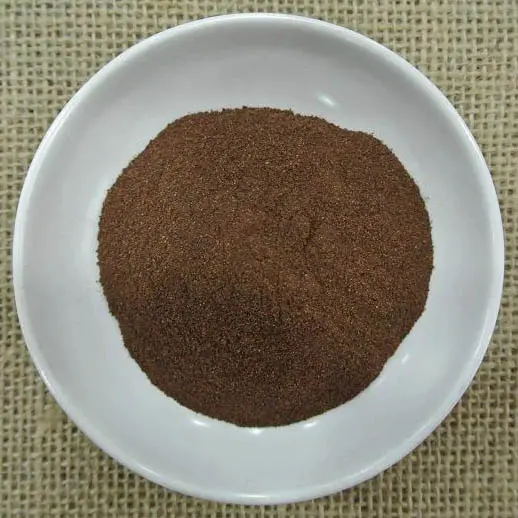
High-affinity direct dye for continuous paper pulping and tissue coloration.
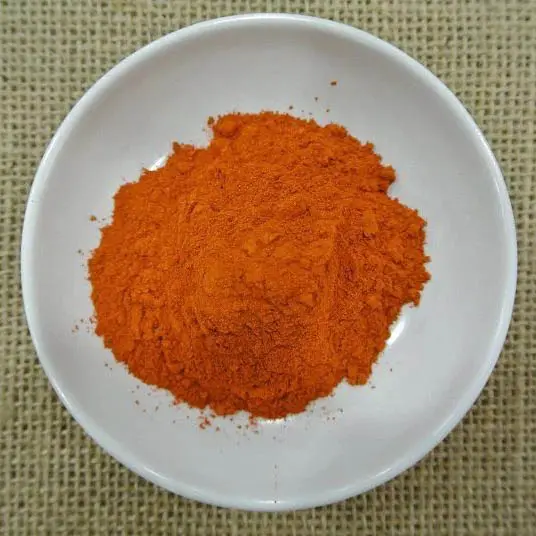
Eco-compliant direct yellow dye widely used in containerboard coloring.
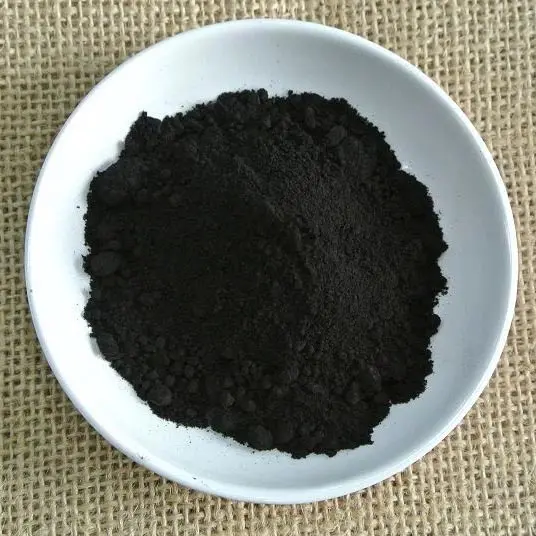
High-durability inorganic pigment for plastic compounding and masonry.
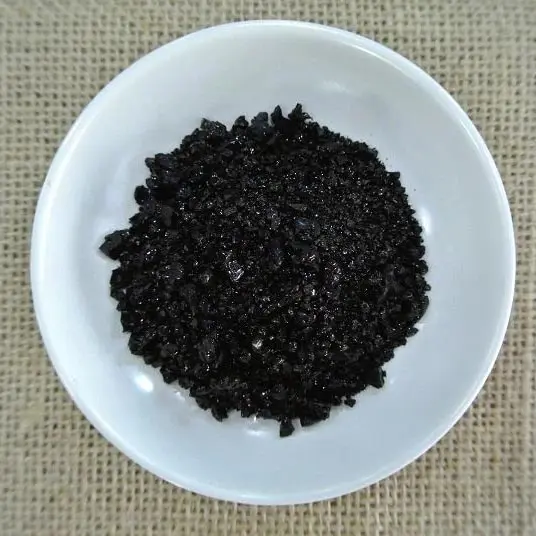
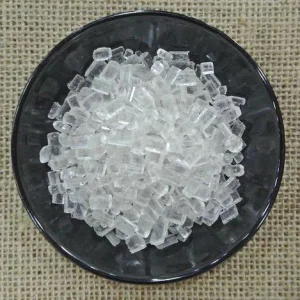
High-purity crystalline nigrosine dye for premium plastic masterbatches.
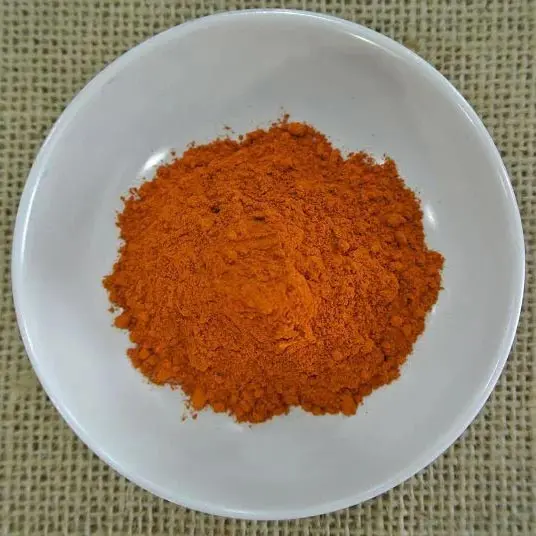
Acid dye with excellent leveling properties on wool, silk, and nylon fibers.
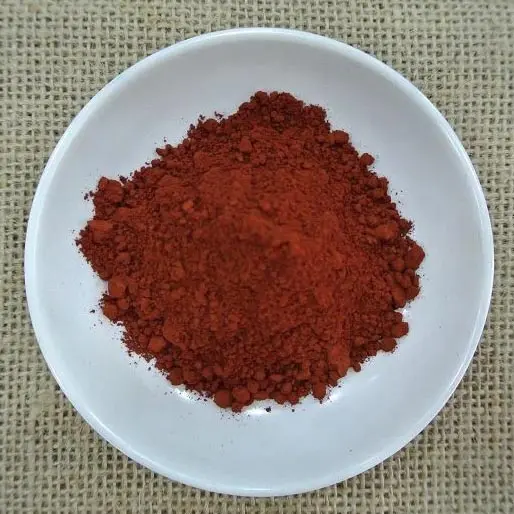
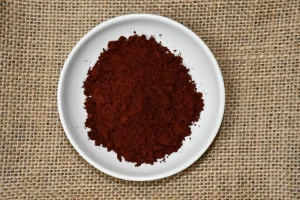
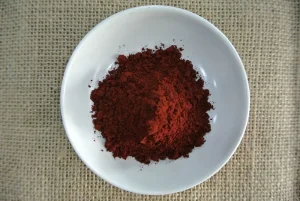
Brilliant, high-tinting-strength red dye ideal for premium fashion leathers.
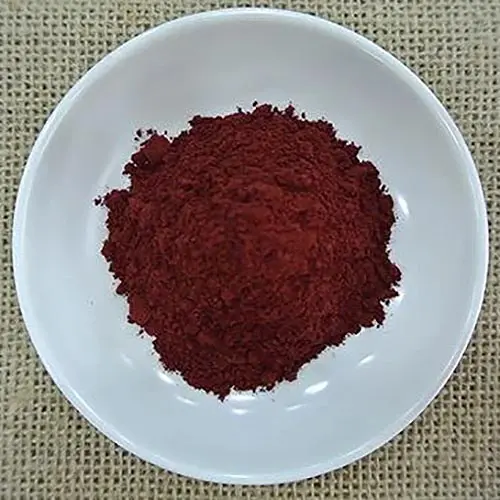
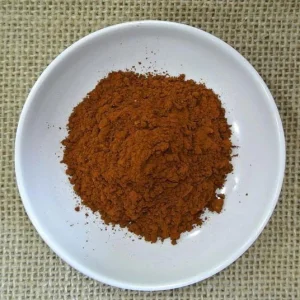
Industry-standard acid red dye featuring exceptional wash and rub fastness.
As industries modernize, the applications for liquid red dyes are becoming increasingly specialized. Manufacturers must tailor formulations to match the mechanical and chemical parameters of specific localized scenarios.
In automated mills, liquid direct red dyes are metered directly into the pulp slurry. This process requires dyes to be highly anionic to bind effectively to cellulose fibers. Liquid formulations ensure zero dust contamination in the wet-end process and prevent clumping. This is critical for producing uniform grades of tissue, kraft linerboard, and decorative paper.
For cotton, viscose, and blended fibers, continuous pad dyeing requires dyes with high solubility and low tailing. Liquid direct and reactive red dyes prevent shade variation along the length of the fabric. Additionally, the liquid form simplifies print-paste preparation in rotary screen and digital textile printing systems.
Leather drum dyeing requires colorants with exceptional penetrative properties. Liquid acid red formulations migrate uniformly through the collagen matrix of the hide. This ensures deep, consistent coloration without surface bronzing or patchiness, meeting the standards of high-end automotive upholstery and luxury goods.
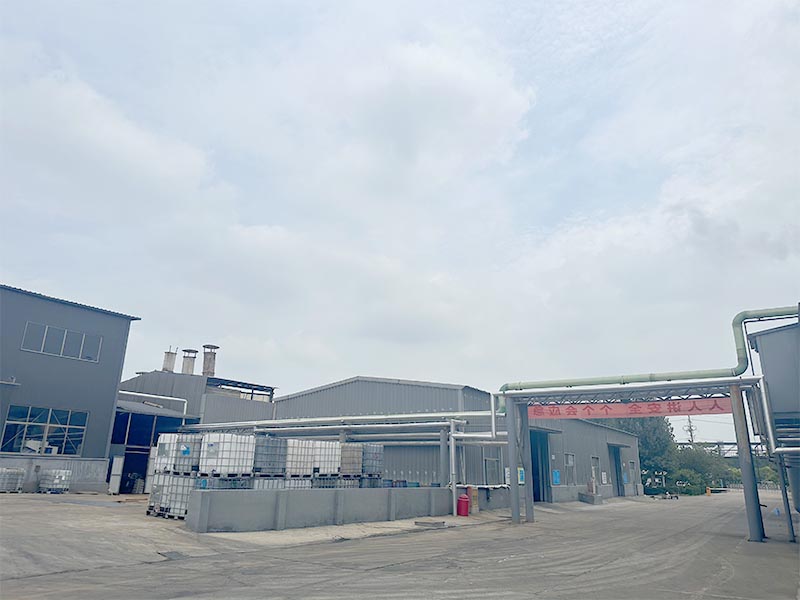
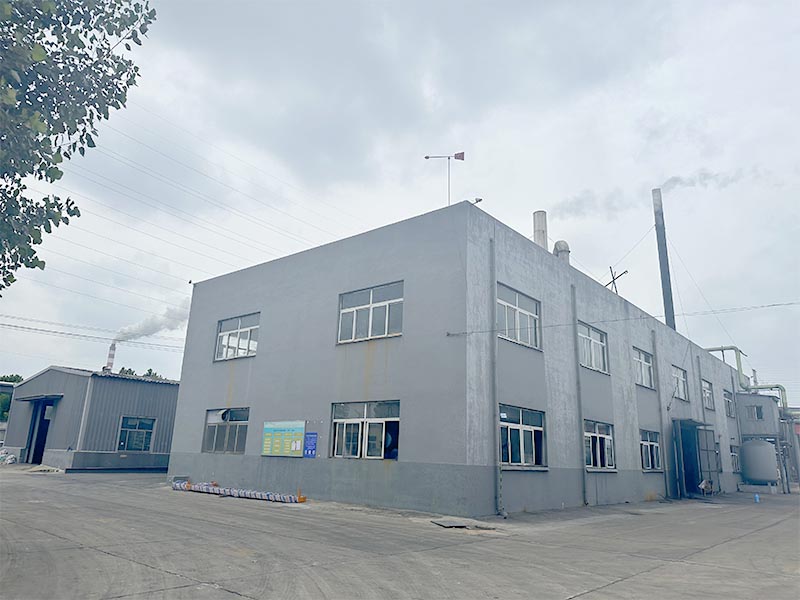
A glimpse into our manufacturing scale, organized warehousing, and secure ocean logistics processes.
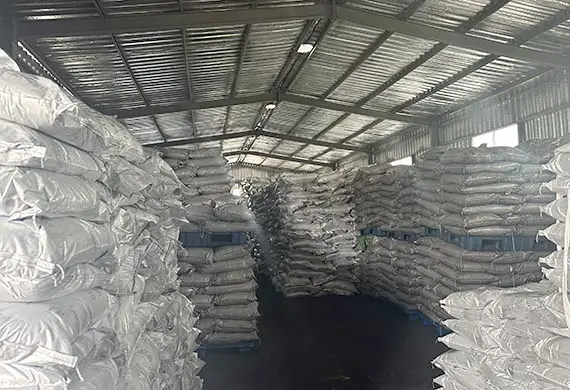
Large-scale warehousing facilities maintaining temperature and humidity controls to preserve dye stability.
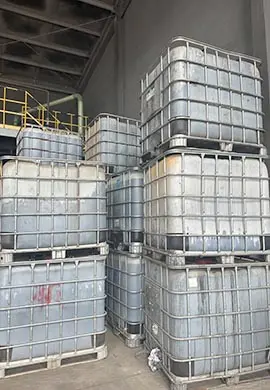
Advanced liquid blending and storage tanks designed for continuous automated output.
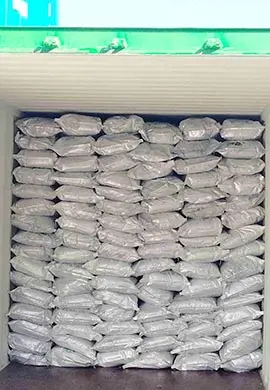
Efficient loading operations at our logistics hub, ensuring secure transit to Tianjin Port.
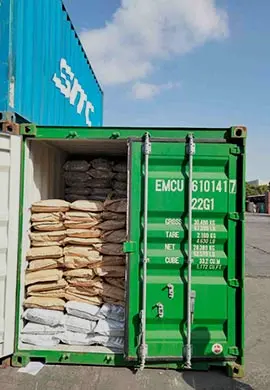
Heavy-duty palletized loading of powder and granular direct dyes for export.
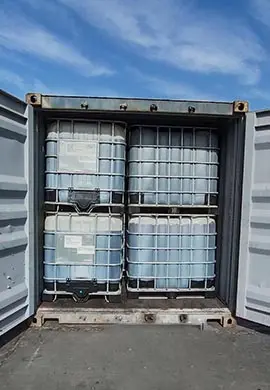
Export prep of liquid dyes in specialized drum packaging to prevent leakage during transit.
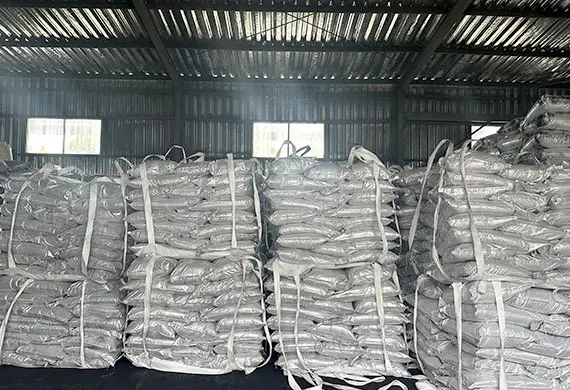
Global logistics infrastructure delivering high-purity colorant shipments worldwide.
For procurement managers in global corporations, sourcing liquid colorants from China requires evaluating more than unit costs. High-volume industrial dyes demand rigorous quality controls, strict environmental compliance, and reliable logistical execution.
Global standards, such as the Zero Discharge of Hazardous Chemicals (ZDHC) Program and the Global Organic Textile Standard (GOTS), are essential benchmarks for sustainable manufacturing. ZDHC Level 3 certification ensures that a manufacturer's chemical formulations are audited by independent labs, verifying they are free from restricted substances like banned arylamines, heavy metals, and alkylphenol ethoxylates (APEOs). This compliance helps prevent wastewater contamination and protects downstream brands from product recalls.
GOTS certification guarantees that textile colorants are produced with organic and socially responsible practices, minimizing chemical inputs throughout the processing chain. Partnering with a supplier certified under both ZDHC and GOTS ensures seamless entry into markets with strict environmental regulations, such as the EU and North America.
When purchasing liquid red dyes, buyers should assess several key technical metrics:
Technical answers to common questions about industrial liquid red dye applications, storage, and procurement.
The shelf life of high-quality liquid red dyes is typically 12 months from the date of manufacture. They should be stored in a cool, dry, well-ventilated warehouse away from direct sunlight, at temperatures between 5°C and 30°C. Drum or IBC lids should be kept tightly sealed to prevent water evaporation, which can lead to surface skinning or crystallization.
ZDHC Level 3 is the highest compliance tier in the textile and leather chemical industry. It certifies that the manufacturer's chemical formulations do not contain banned substances listed on the Manufacturing Restricted Substances List (MRSL). This certification enables seamless global exports, helping customers avoid regulatory hurdles and environmental penalties in destination markets.
Yes. Liquid direct red dyes can replace powdered dyes and are typically preferred for automated dosing systems. However, adjustments must be made for color yield. Since liquid formulations contain solvents and stabilizers, their active dye concentration differs from dry powders. We recommend conducting a laboratory color-matching trial to determine the correct dosage ratio for your specific fiber slurry.
For global shipments, we offer three main packaging options: 200 kg high-density polyethylene (HDPE) drums, 1000 kg IBC (Intermediate Bulk Container) totes, and 20-24 metric ton flexibags for large bulk deliveries. All packaging options are selected to withstand maritime transport and prevent leakage.
We formulate our liquid red dyes with specialty anti-freezing and solubilizing agents, such as non-toxic glycols and urea derivatives. These additives prevent crystallization at low temperatures. In addition, our membrane filtration process removes insoluble salts, ensuring the dye remains a stable solution down to -5°C.
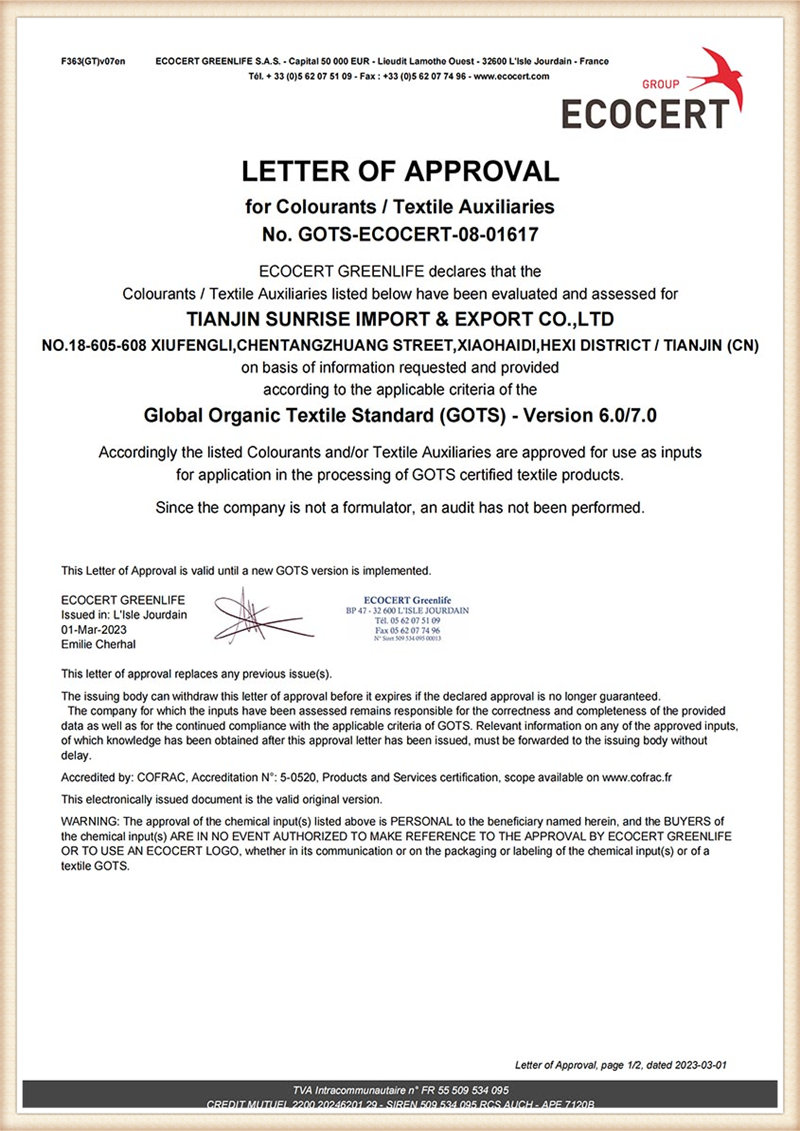
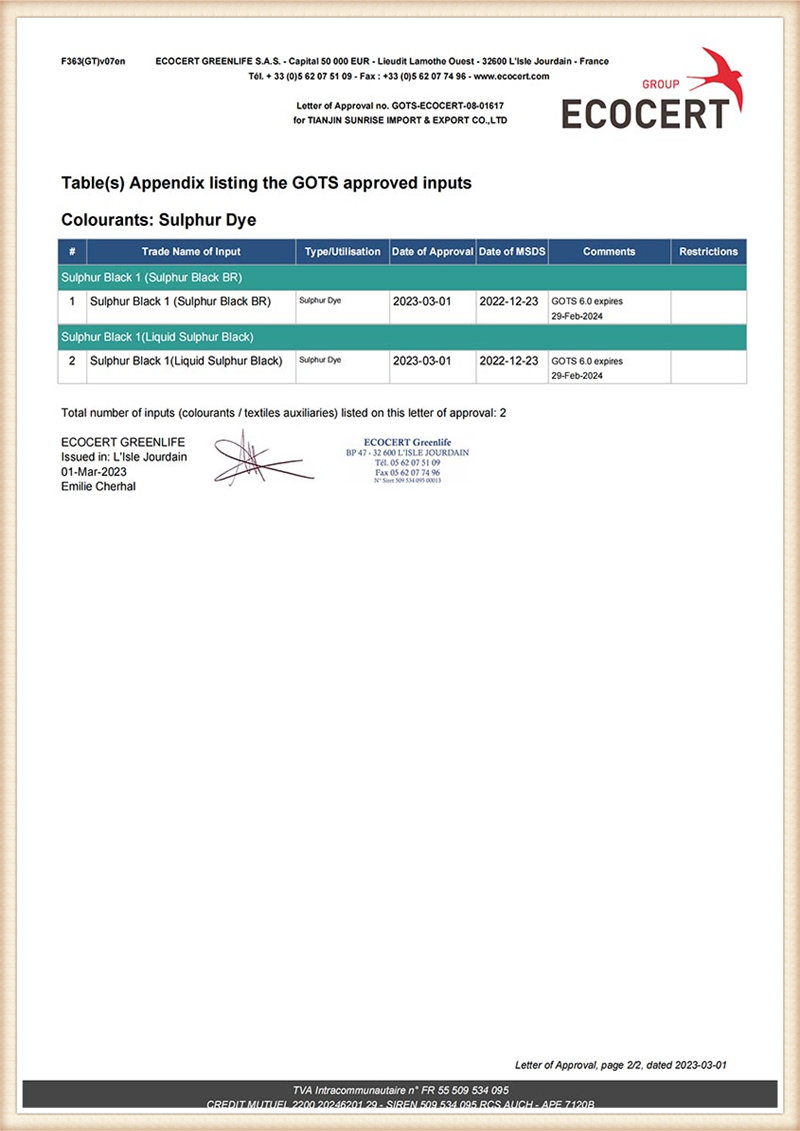
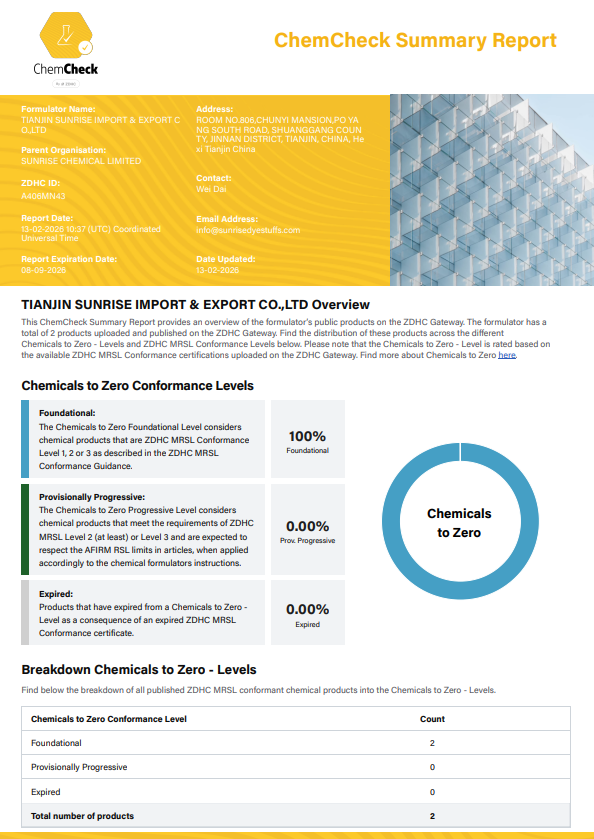
A selection of our direct, basic, solvent, and sulphur dyes formulated to meet global color and compliance standards.
 Sunrise