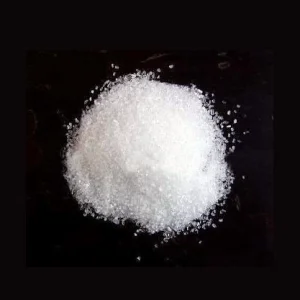
Explore our foundational range of direct dyestuffs and specialized coloring solutions formulated for global manufacturers.
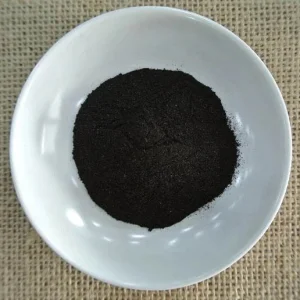
Tianjin Sunrise Chem Group specializes in manufacturing high-quality dyestuffs. Our extensive product portfolio includes Direct dyes, Acid dyes, Basic dyes, Sulphur dyes, Solvent dyes, Liquid dyes, and Fluorescent brighteners designed to meet the rigorous demands of modern industrial processing lines.
Backed by decades of chemical synthesis and global export experience, we have built a rock-solid reputation for reliability and excellence. We serve leading manufacturing clients in diverse sectors including denim finishing, textile dyeing, tannery operations, packaging paper mills, and industrial plastics.
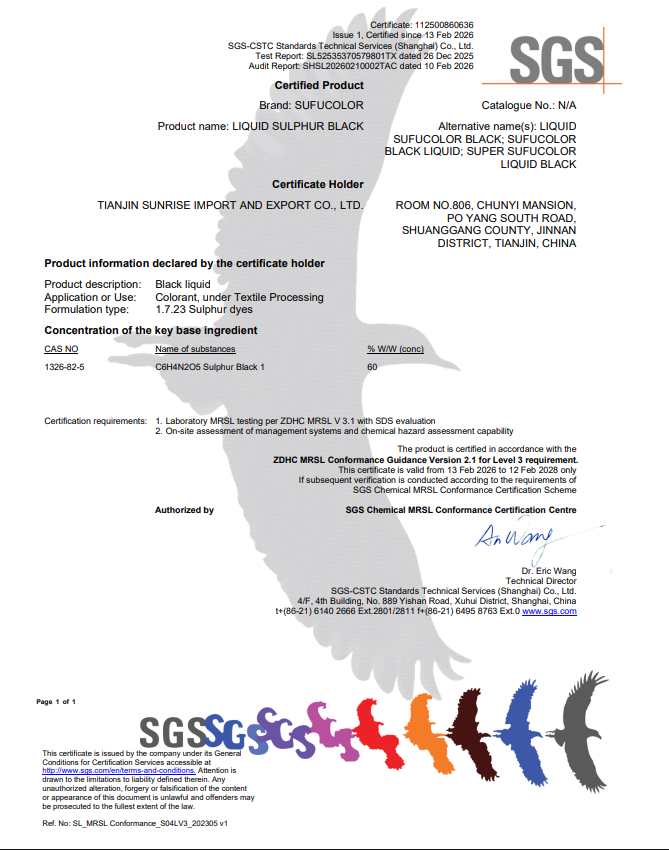
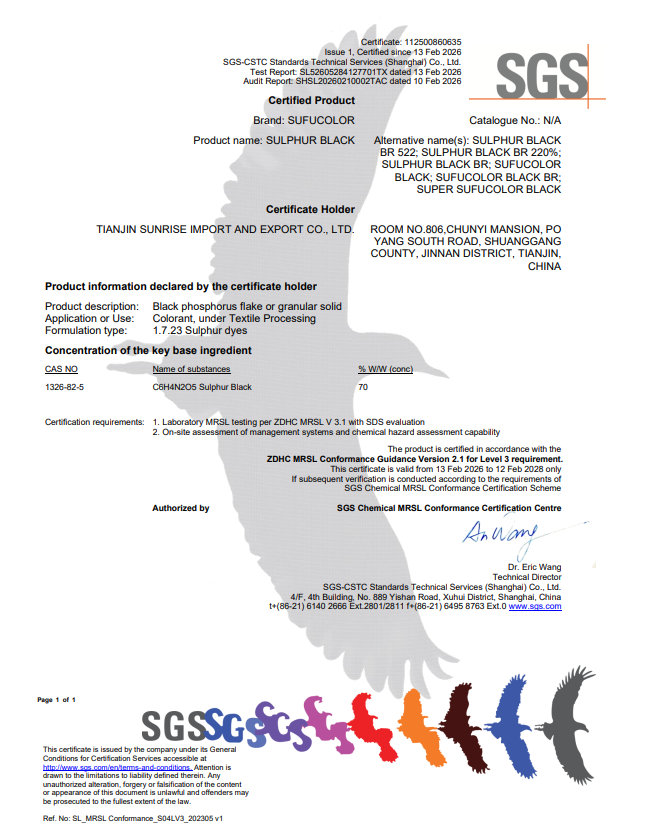
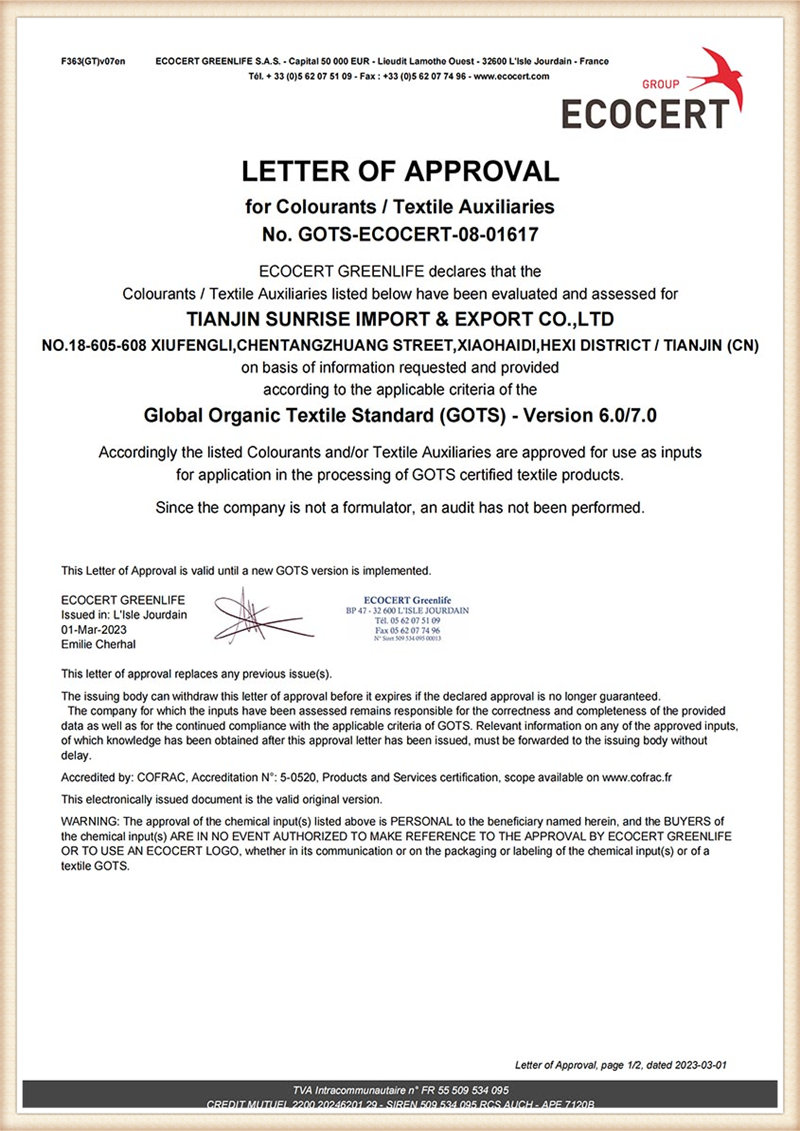
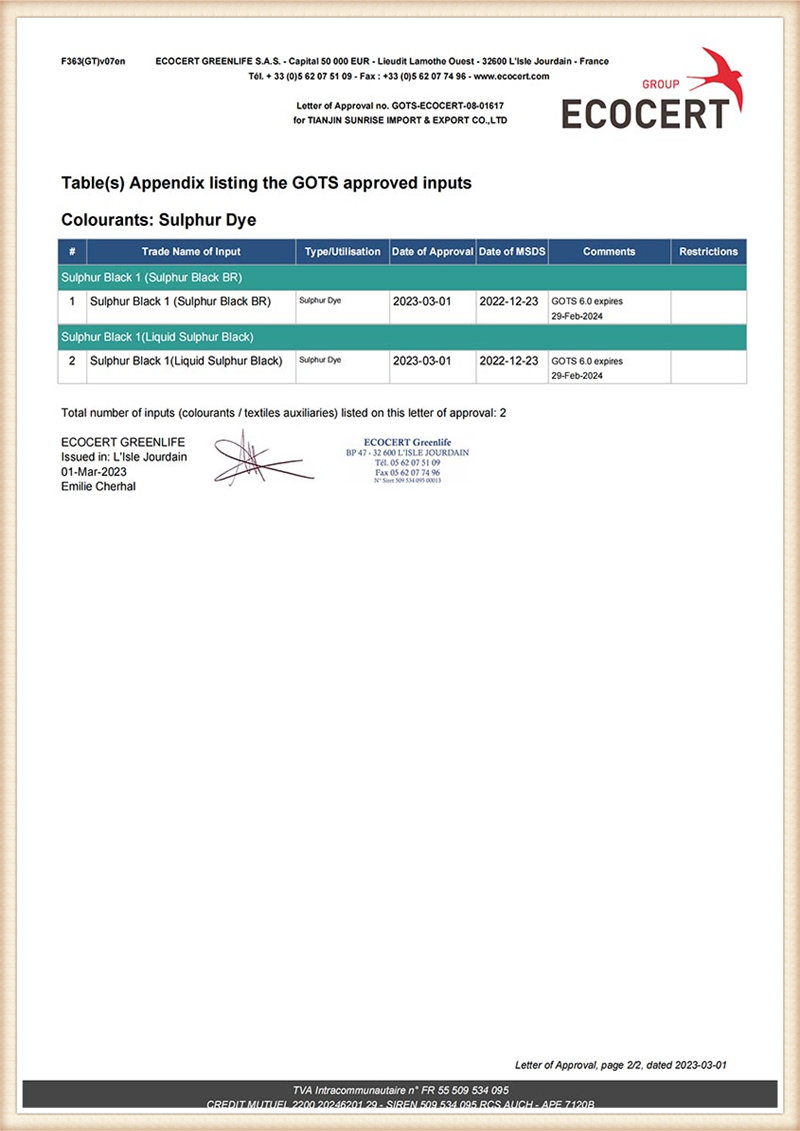
"Environmental protection and chemical safety are the cornerstones of our technological innovations. By achieving ZDHC Level 3 and GOTS certifications, we guarantee that our materials align with the strictest ecological standards, helping partners build clean, circular supply chains."
We pride ourselves on offering customized colorant solutions. Our team of laboratory chemical experts works closely with partners to evaluate substrate parameters and supply tailor-made liquid or powder formulations, maximizing cost efficiency and quality control.
Direct Yellow 12, systematically designated by the Colour Index (C.I. 24895) and commonly known as Chrysophenine G, is a symmetrical stilbene-based azo dye characterized by its excellent affinity for cellulosic fibers. Its chemical structure features sulfonic acid groups that ensure solubility in water and promote stable ionic bonding with cotton, viscose, and paper pulp fibers without the necessity of mordants.
| Parameters | Standard Specifications | Testing Methods / Quality Assurance |
|---|---|---|
| Chemical Name | Chrysophenine G / C.I. Direct Yellow 12 | IUPAC Nomenclature Verification |
| CAS Registry Number | 2870-62-4 | CAS Database Index |
| Molecular Formula | C30H26N4Na2O8S2 | Mass Spectrometry Analysis |
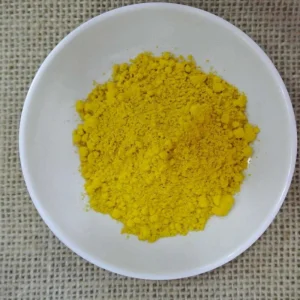
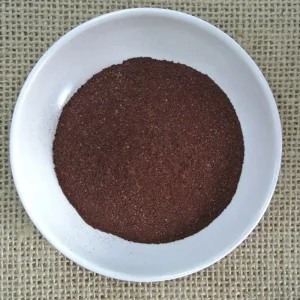
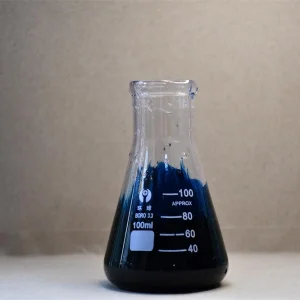
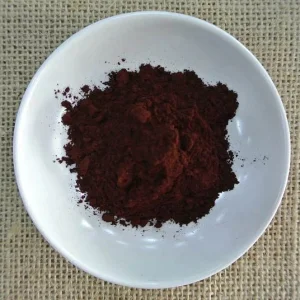
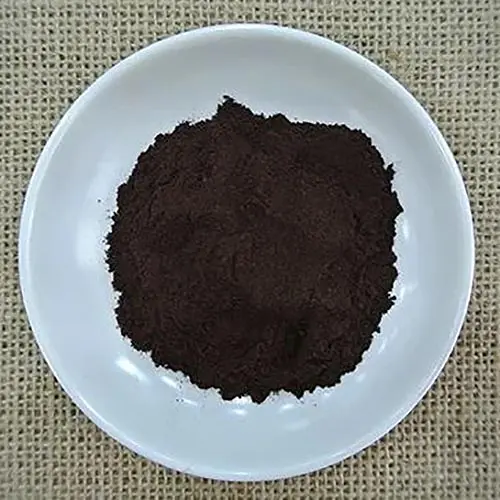
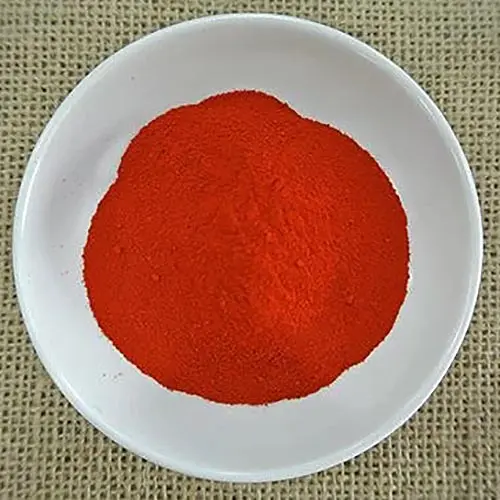
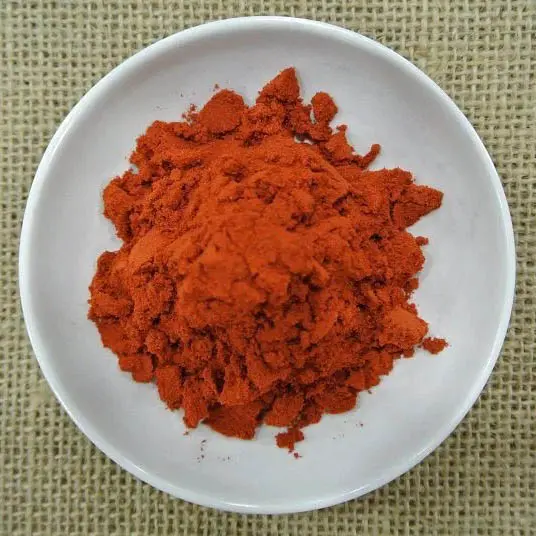
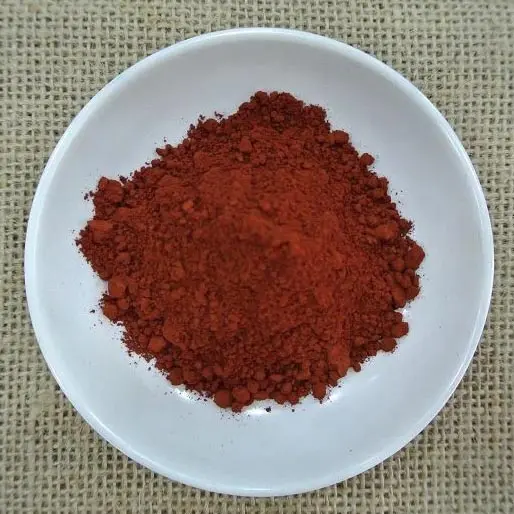
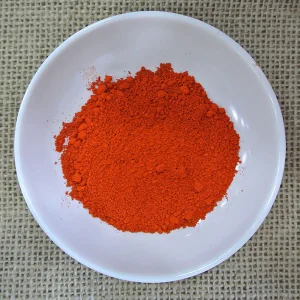
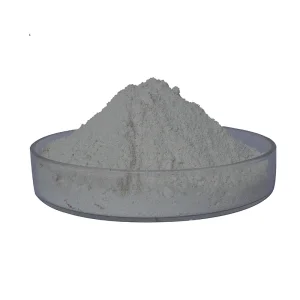
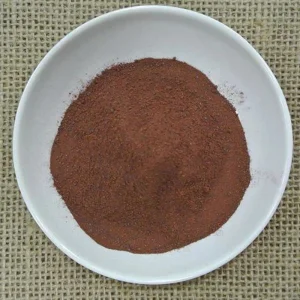
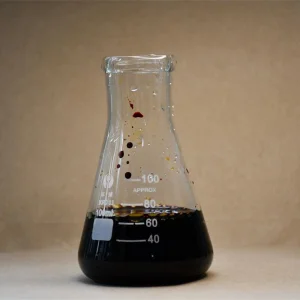
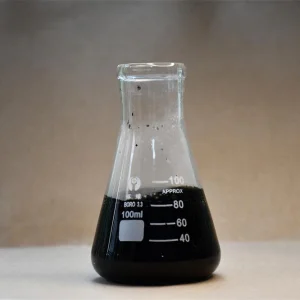
| Physical Form | Yellow-orange homogeneous powder / liquid solution | Visual & Colorimetric Profiling |
| Solubility in Water | ≥ 30 g/L (at 90°C) | Gravimetric Dissolution Test |
| Light Fastness | Grade 5-6 (ISO Standard) | Xenon Arc Lamp Exposure (ISO 105-B02) |
| Acid Resistance | Grade 4-5 | Standard Colorimetric Deviation Test |
| Free Arylamines | < 20 ppm (Eco-Compliant) | GC-MS Analysis (EN ISO 14362-1) |
The chemical stability of Direct Yellow 12 under temperature fluctuations and pH changes makes it highly adaptable to both continuous and batch dyeing processes. The presence of stilbene linkages provides high coloration value, allowing manufacturers to achieve deep, brilliant yellow shades with minimum dye loading.
How Sunrise Chem's Direct Yellow 12 optimization increases productivity and ensures environmental compliance in global processing lines.
Direct Yellow 12 exhibits optimal substantive affinity to bleached and unbleached kraft cellulose fibers. In stock preparation systems, it provides exceptional retention rates, preventing dye loss in backwater circuits. Perfect for tissue, decorative laminates, packaging boards, and writing paper, ensuring consistent color matching under varying pulp brightness.
Optimized for cotton, viscose, and linen blends, Chrysophenine G yields vivid yellow tones with high build-up properties. By carefully adjusting sodium chloride (salt) concentration during exhaust cycles, we control the migration speed, ensuring excellent levelness without stripe formations in fabric structures.
For chrome-tanned and vegetable-tanned leathers, Direct Yellow 12 penetrates deep into the collagen fiber matrix. It provides excellent surface coverage, hiding grain defects and offering a stable base shade for subsequent aniline spray-finishing procedures.
Cooperating with leading global textile and paper mills for decades demonstrates that Sunrise Chem Group has established reliable business relationships. This kind of long-term collaboration delivers numerous technical benefits to our partners, including guaranteed batch-to-batch consistency (Delta E < 0.5), predictable supply-chain cycles, and shared optimization engineering.
Our mission is to drive your business growth by providing customizable colorants that lower your operational costs and reduce water purification requirements. By acting as a technical consultant rather than just a supplier, we actively help your quality assurance teams streamline their recipes to pass stringent global environmental audits.
Explore our complete inventory of acid, solvent, and direct color systems formulated for industrial efficiency.
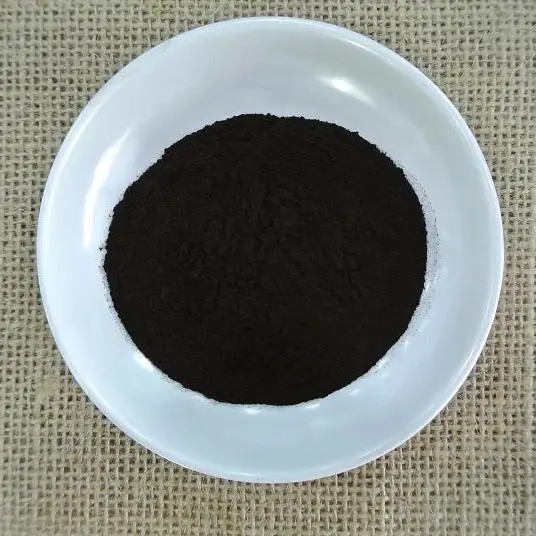
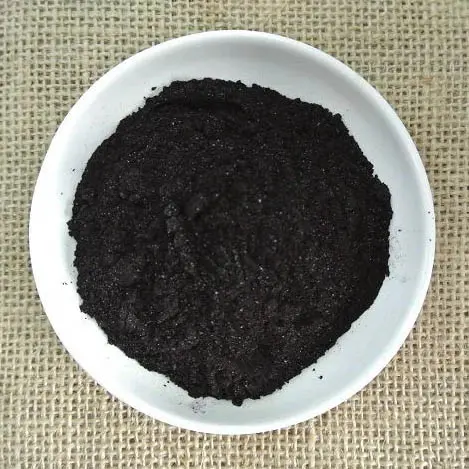
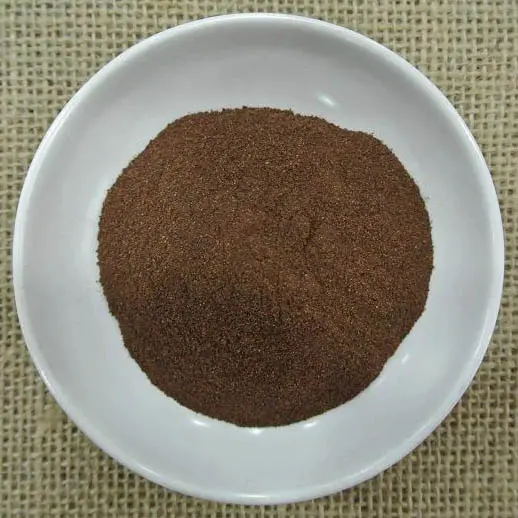
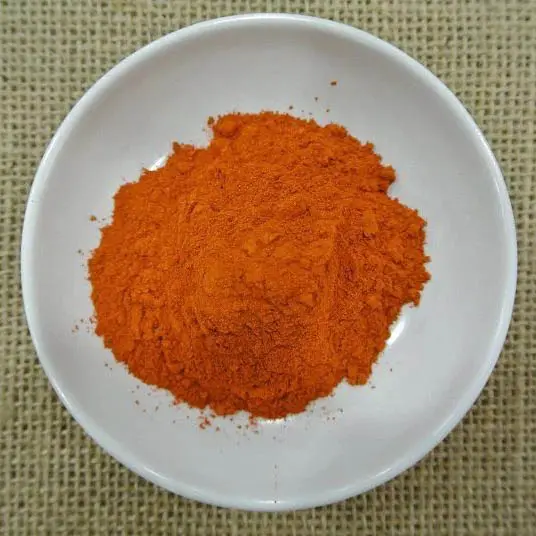
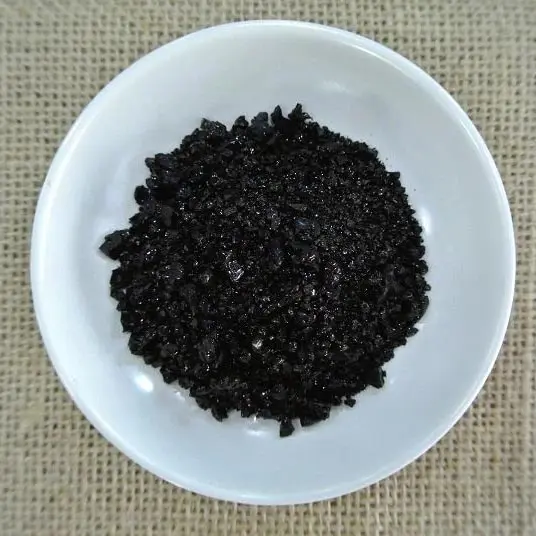
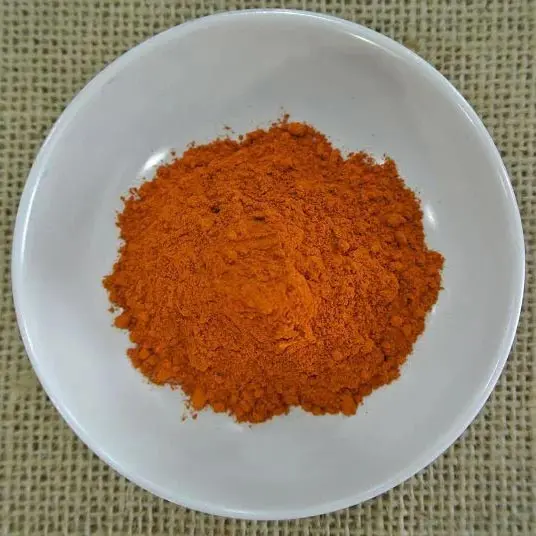
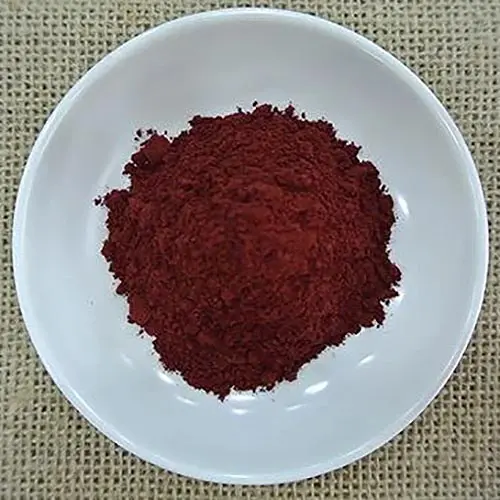
The modern dyestuff industry faces a critical transition toward ecological transparency. At Sunrise Chem, environmental protection is the cornerstone of our technology roadmaps. Our production lines feature state-of-the-art closed-loop water treatment processes, zero-liquid-discharge (ZLD) configurations, and computerized synthesis monitors to eliminate hazardous chemical output.
Our processes comply with ZDHC Level 3 MRSL guidelines, eliminating banned amine substances at the source.
Standardized spectrophotometer color matching ensures that every shipment meets industrial color specs.
Guaranteed organic compatibility for textiles, ensuring compliance with global organic fiber markets.
The ZDHC (Zero Discharge of Hazardous Chemicals) program is a collaborative effort by leading global retail brands and suppliers to prevent toxic chemicals from polluting local waterways. Achieving ZDHC Level 3 certification means Sunrise Chem's manufacturing facility undergoes strict third-party audits of chemical raw materials, process safety management, and laboratory testing. Our Direct Yellow 12 is fully certified, preventing the presence of banned arylamines or heavy metal traces.
Furthermore, our GOTS (Global Organic Textile Standard) certification ensures that the dyes we supply meet organic farming and processing criteria. GOTS-compliant dyestuffs must not only be biodegradable but also manufactured under ethical social standards, providing our partners with a dual commitment to environmental integrity and social responsibility.
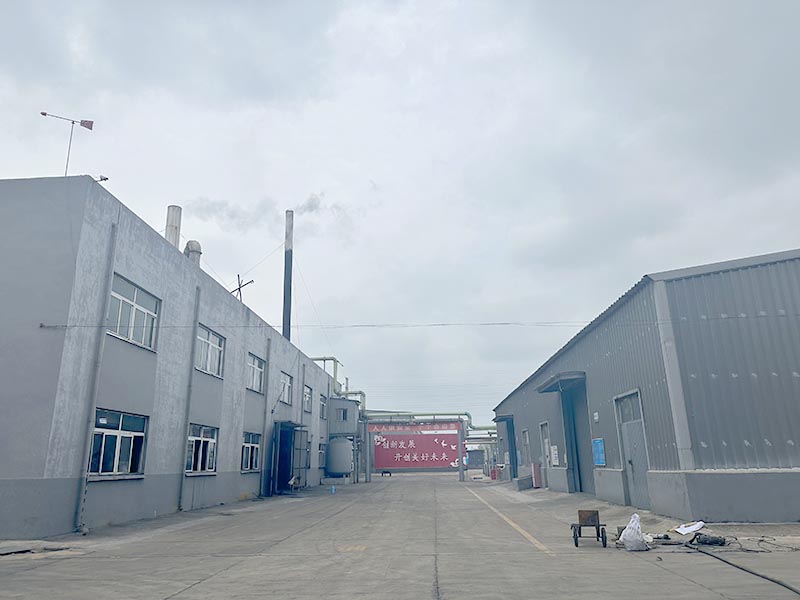
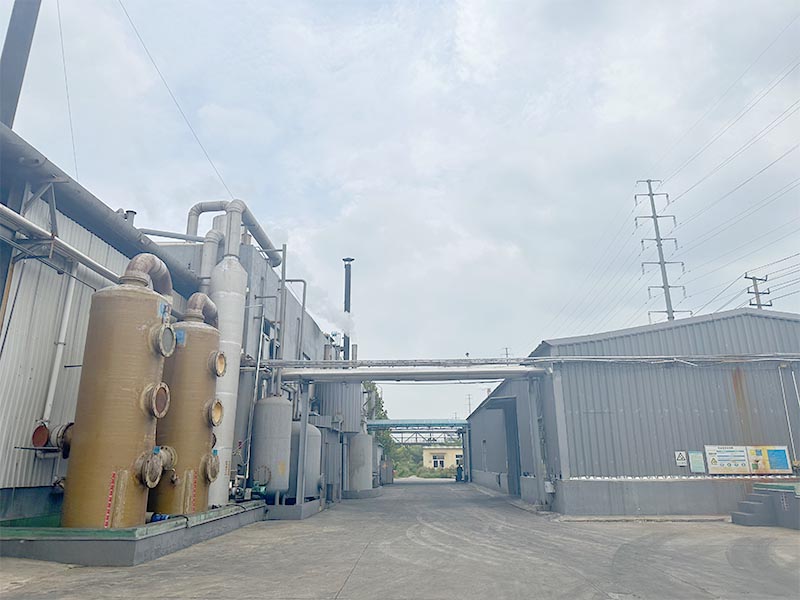
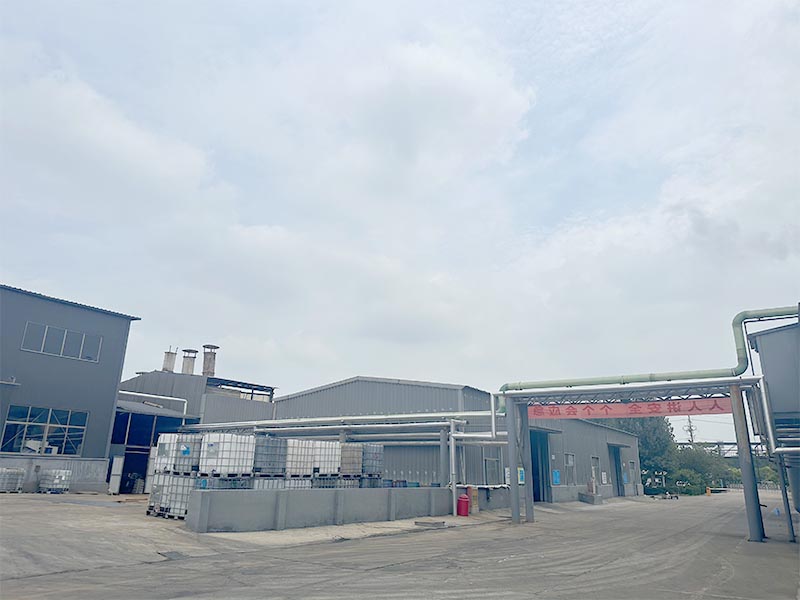
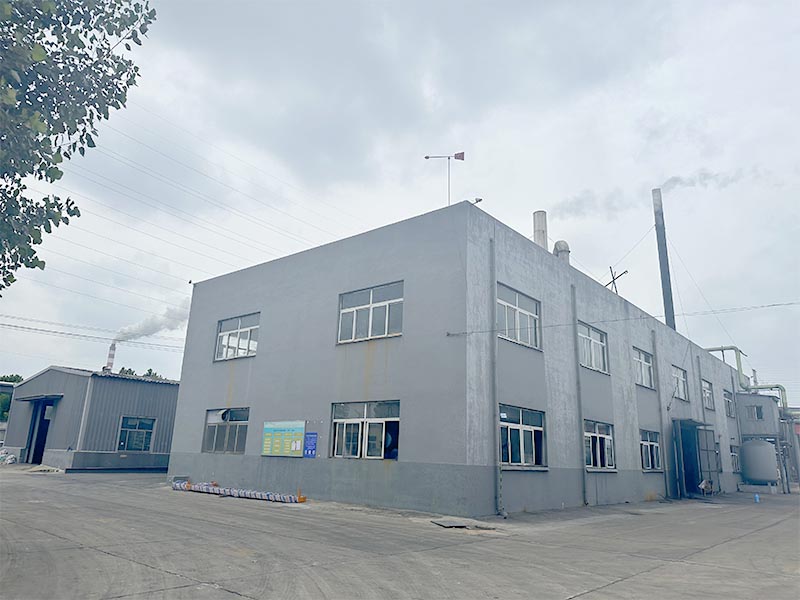
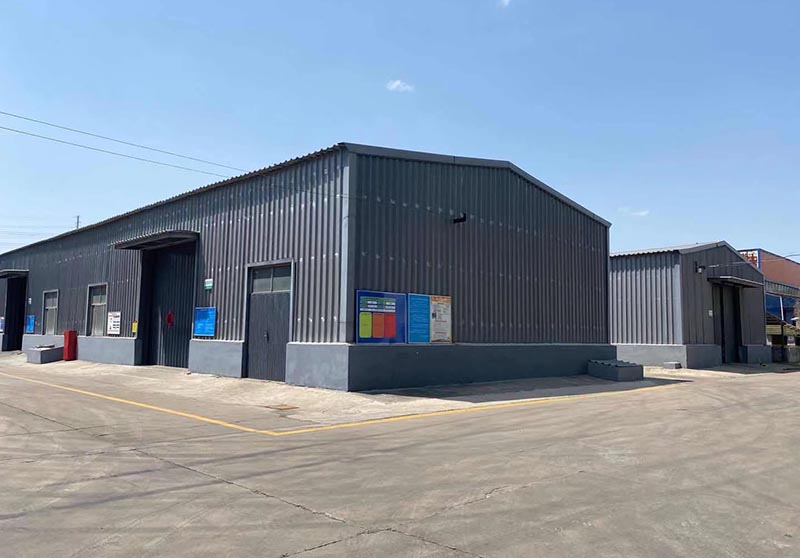
Our large-scale warehousing operations ensure standard lead times and reliable supplies for international textile hubs.
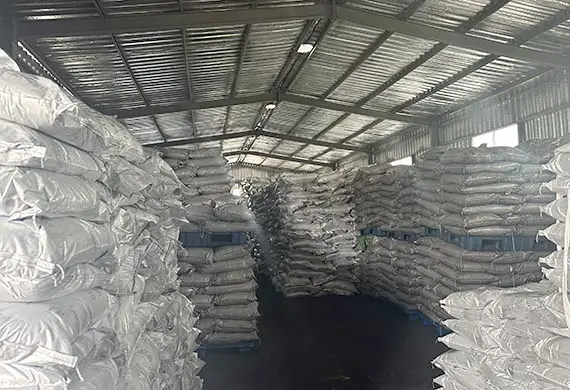
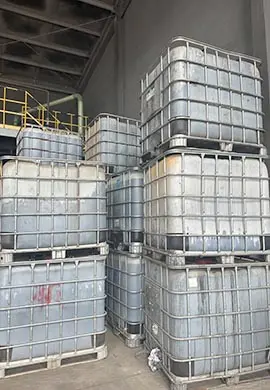
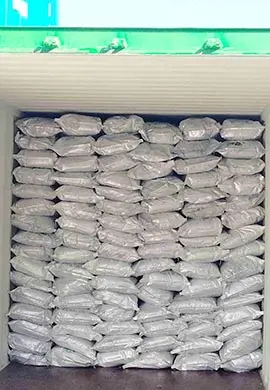
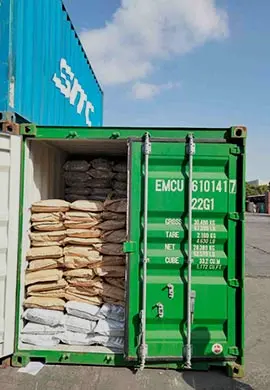
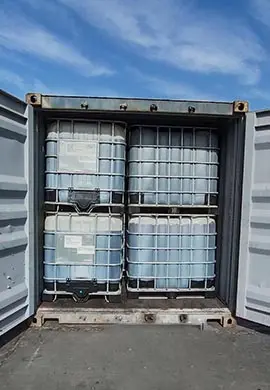
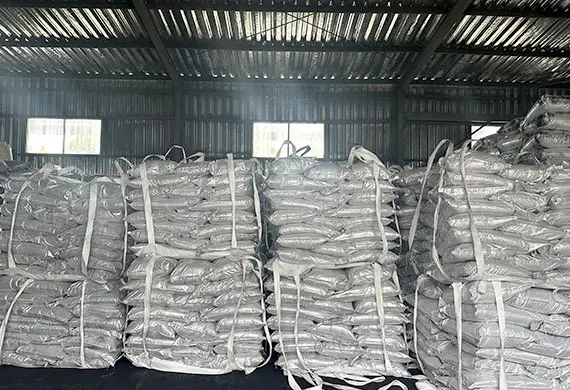
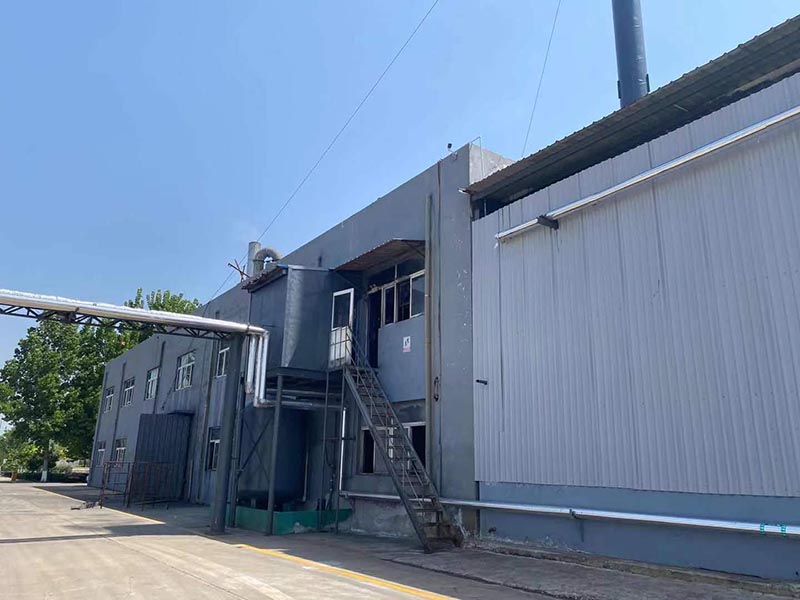
One of the main reasons why customers choose us is the stable supply of dyes we provide. We have developed highly efficient manufacturing processes to ensure a continuous supply of our products. Our factories feature state-of-the-art synthesis equipment and a highly knowledgeable workforce, enabling us to fulfill demanding, high-volume orders. With us, you can begin your manufacturing journey with confidence, knowing that dye availability will never be a bottleneck in your production flow.
Apart from steady supplies, the exceptional quality of our dyes is why we stand out in the global chemical market. We, SUNRISE CHEM, take pride in our commitment to producing dyes that consistently meet high standards of quality. Our experienced technicians carefully monitor the manufacturing process, ensuring that each batch of dyes is carefully tested for color fastness, durability and other essential parameters. By choosing us, you can rest assured that your products will stand out in the market due to the vibrant and long-lasting color our dyes provide.
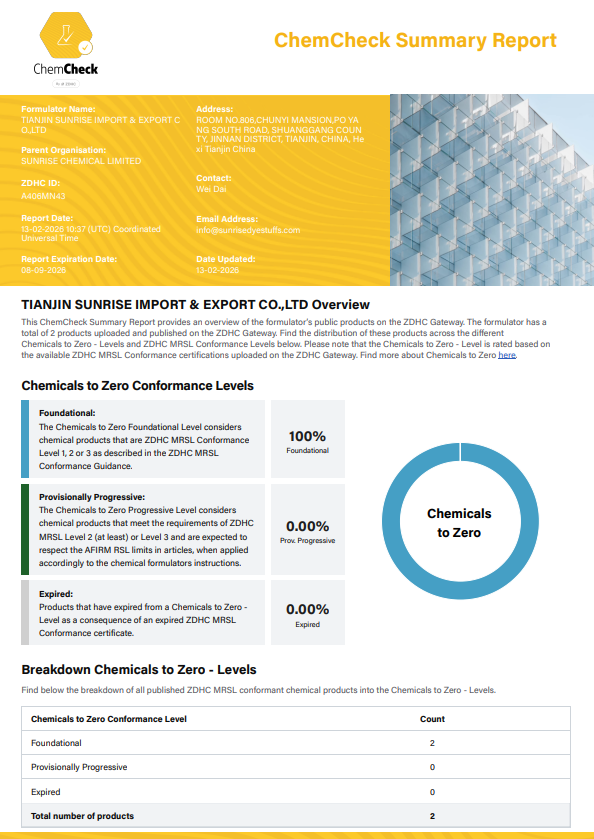
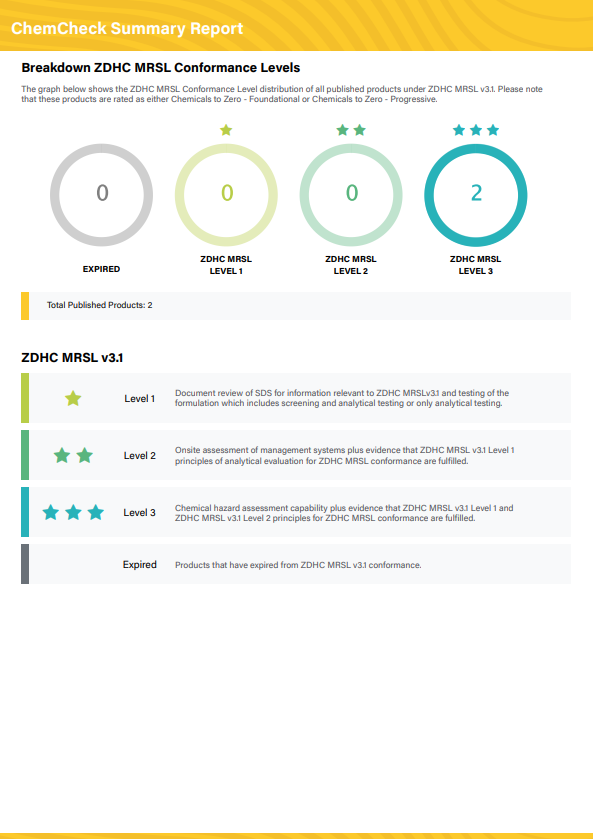
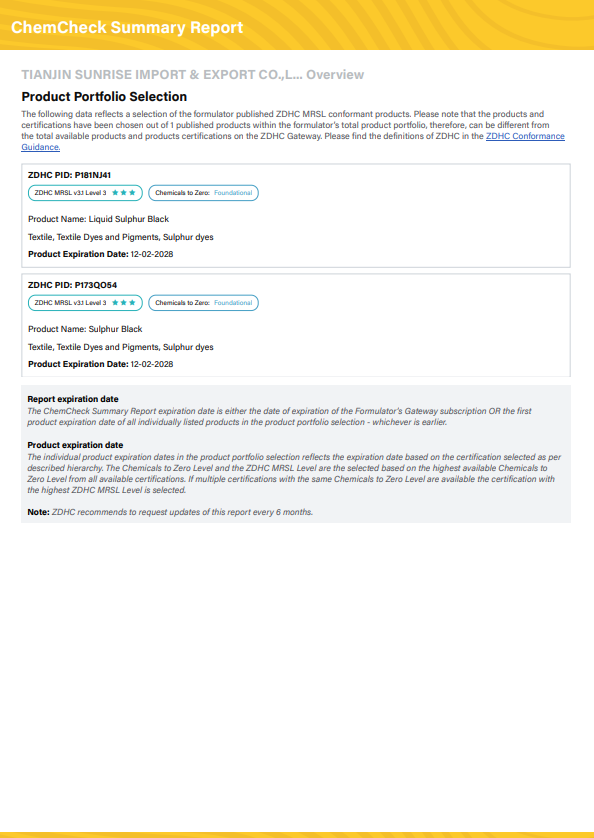
To maximize the coloring yield and colorfastness of Direct Yellow 12 (Chrysophenine G), our chemical engineering department recommends the following application protocols across different industrial mediums:
In exhaust systems, the dye affinity is highly dependent on bath temperature and electrolyte concentration. The following steps should be carefully executed:
For paper coloring, Direct Yellow 12 is added directly to the pulper or stock chest during stock preparation. Retention is key to reducing backwater color loading:
The chemical dyestuff industry is undergoing a paradigm shift towards low-carbon footprints and green chemistry. As a leading China manufacturer, Sunrise Chem Group is investing in research to replace traditional petroleum-derived stilbene intermediates with bio-based renewable feedstocks. Our goal is to reduce the greenhouse gas emissions associated with the synthesis of Direct Yellow 12 by 30% over the next decade.
Furthermore, we are optimizing our liquid dye formulations to assist paper mills in implementing zero-dust processing environments. Liquid Direct Yellow 12 solutions reduce handling hazards, eliminate dust explosions, and facilitate automated dosing systems, boosting worker safety and chemical utilization efficiency.
Expert answers addressing the technical, commercial, and environmental concerns of global chemical buyers and sourcing managers.
Complete your chemical recipe with our highly stable liquid, organic, and solvent dye formulations.
 Sunrise