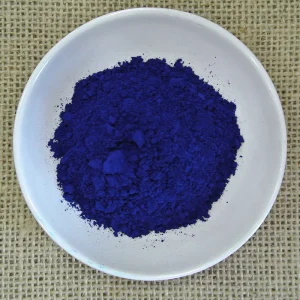
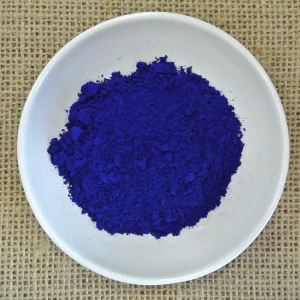
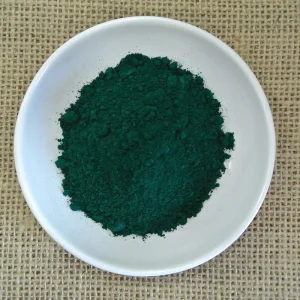
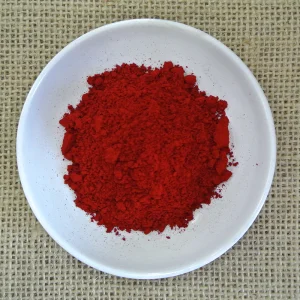
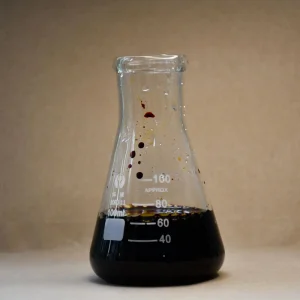
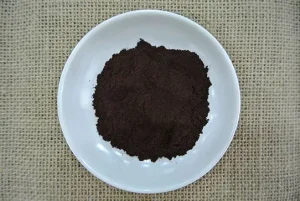
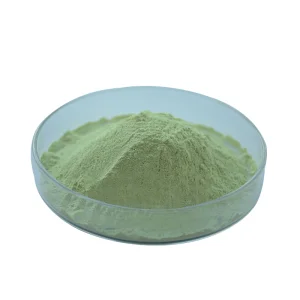
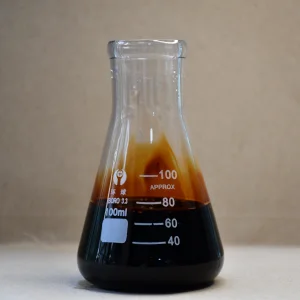
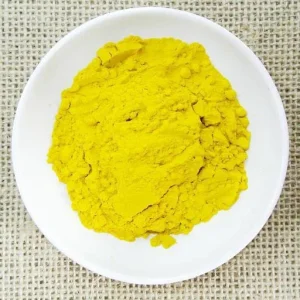
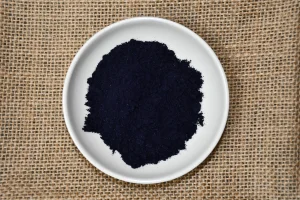
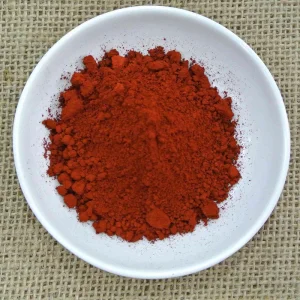
Direct supply paths of High-Performance Phthalocyanine Blues, Greens, and Organic Pigments connecting global manufacturing precision with the Gulf Coast petrochemical and industrial coating hubs.
Engineered for high thermal tolerance, low VOC emission, and maximum dispersion consistency required by chemical compounders and industrial paint manufacturers in the Gulf Coast.
How downstream petrochemical and industrial coating dynamics shape localized pigment procurement strategies along the US Gulf Coast.
The Greater Houston metropolitan area, flanked by the Port of Houston and the extensive Houston Ship Channel, represents the largest concentration of petrochemical plants, oil refineries, and downstream chemical compounders in the Western Hemisphere. Industries here—spanning marine anti-corrosive coatings, automotive refinishes, industrial plastics compounding, and protective epoxy sealants—depend heavily on the steady inflow of high-performance organic pigments.
Unlike standard dye formulations, industrial organic pigments such as Phthalocyanine Blue (15:0, 15:3) and Phthalocyanine Green 7 require superior molecular stability. In the humid, high-salinity environment of the Texas Gulf Coast, coatings applied to offshore drilling rigs, storage tanks, and structural steel must withstand intense UV radiation, oxidation, and marine chemical exposure. Consequently, Houston formulators require pigments with a minimum rating of 7-8 on the Blue Wool Scale for lightfastness and exceptional resistance to thermal degradation.
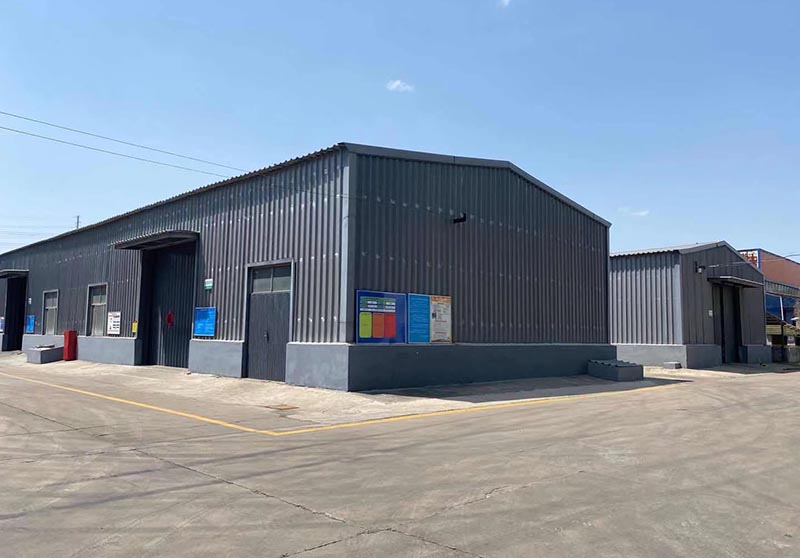
The global production of organic pigments has shifted over the past three decades from Western Europe and North America to highly consolidated and integrated manufacturing bases in Asia, with China leading the supply chain. Chinese chemical synthesis facilities, notably in industrial hubs like Tianjin, benefit from proximity to upstream raw material inputs (phthalic anhydride, copper salts, and sulfonated aromatics) and highly optimized thermal energy profiles.
For Houston importers, distributors, and large-scale paint manufacturers, sourcing directly from a vertically integrated Chinese factory like Sunrise provides a massive economic and technical buffer. By bypassing intermediate brokers, procurement managers secure pigment batches with consistent color value, narrow particle size distribution, and full compatibility with local binder systems, all while maintaining competitive unit pricing that offsets modern freight costs.
Engineered colorants that meet rigorous global standards, verified by advanced laboratory testing and eco-certificates.
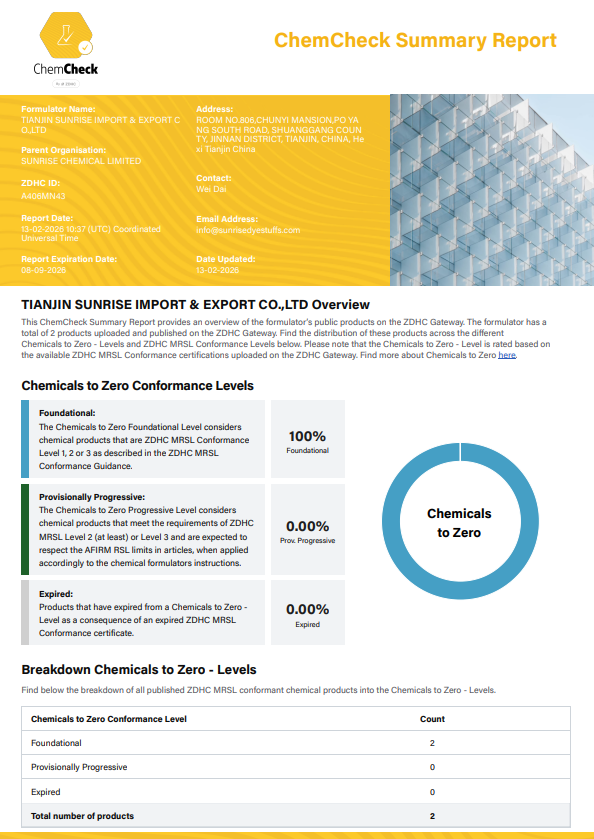
Formulations processed under strict Zero Discharge of Hazardous Chemicals guidelines, eliminating banned alkylphenol ethoxylates (APEOs) and heavy metal impurities.
Ensuring our organic pigments and water-soluble dyestuffs comply with ecological and social criteria for sustainable downstream textile and paper processing.
Every industrial batch undergoes color matching, dispersion testing, and oil absorption verification compared with master standard samples before dispatch.
Tianjin Sunrise Chem Group specializes in manufacturing and exporting high-performance organic pigments and versatile dyestuffs. Our comprehensive product portfolio includes Direct Dyes, Acid Dyes, Basic Dyes, Sulphur Dyes, Solvent Dyes, Liquid Dyes, and Fluorescent Dyes.
Backed by decades of industrial synthesis and global export experience, we have built an ironclad reputation for reliability and excellence, serving clients across diverse sectors including industrial coatings, plastics, automotive masterbatch, denim processing, paper mills, and textile printing.
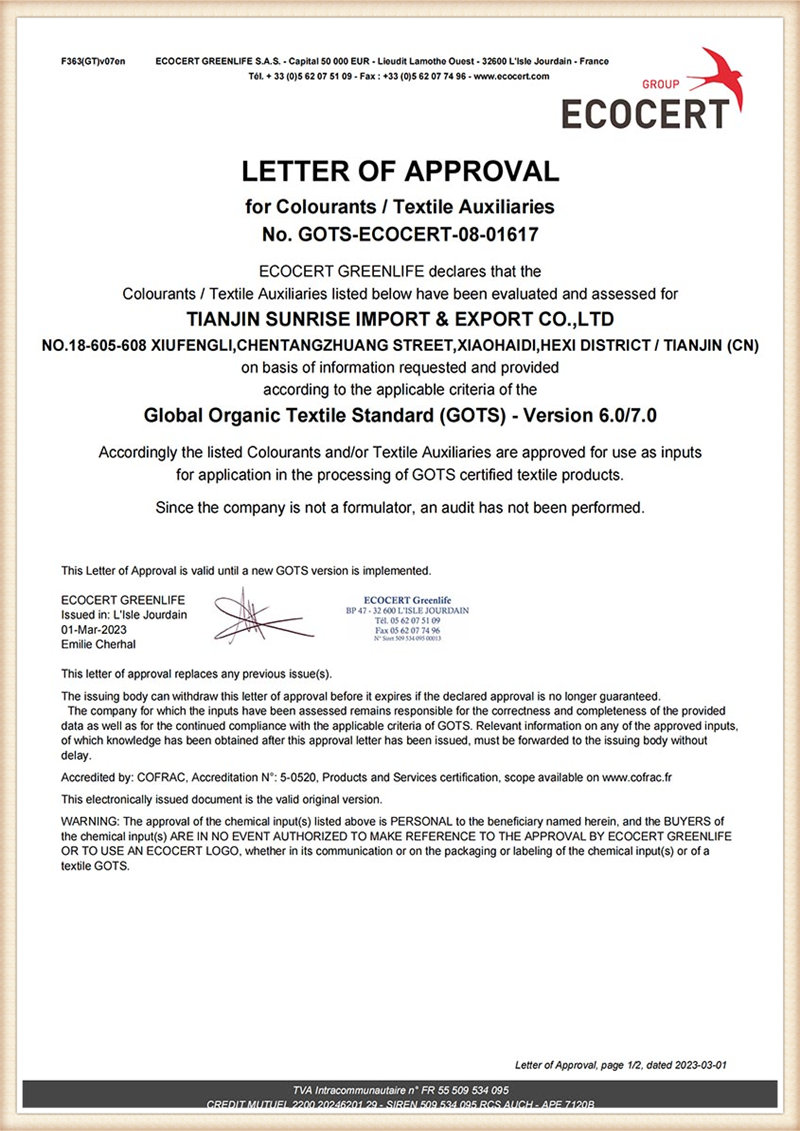
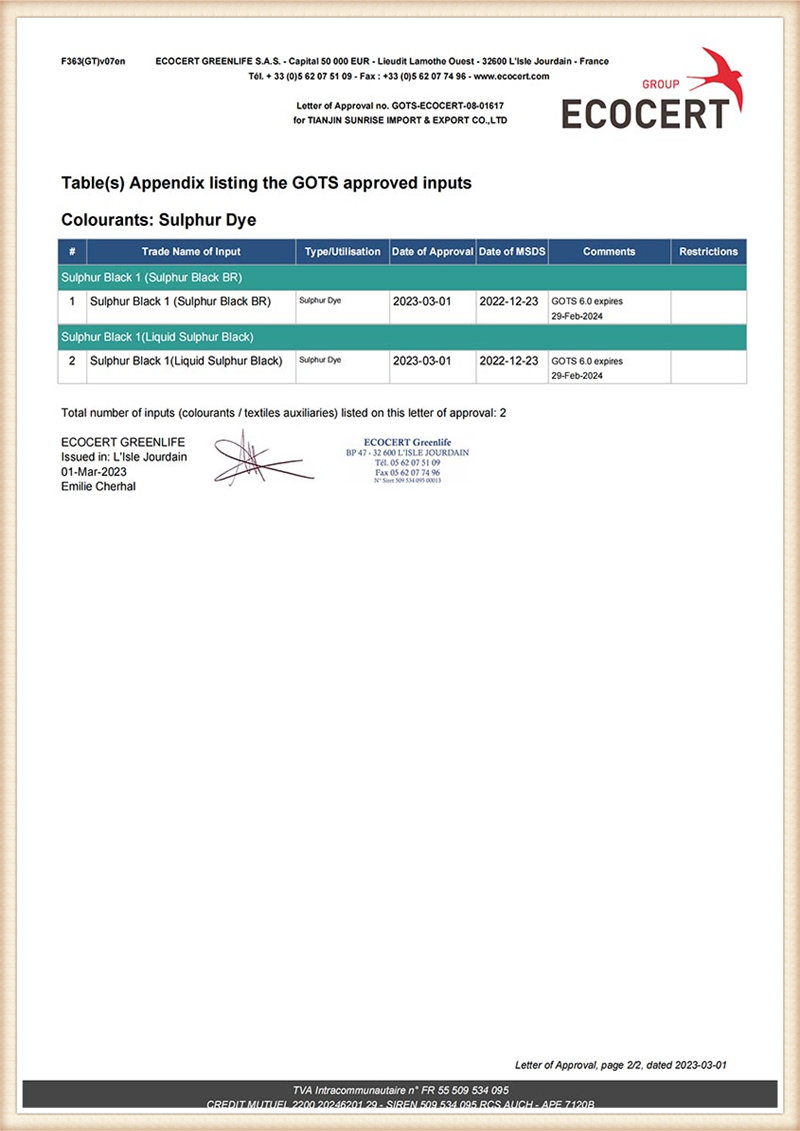
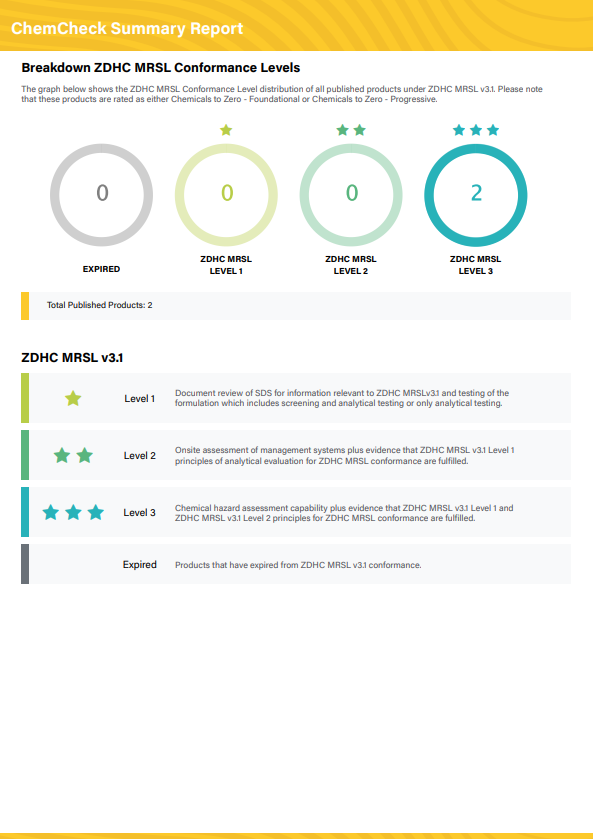
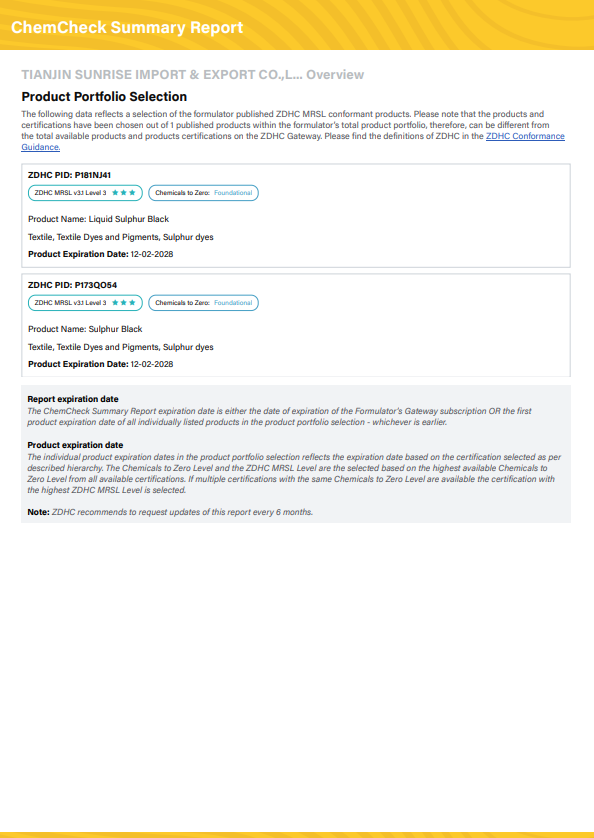
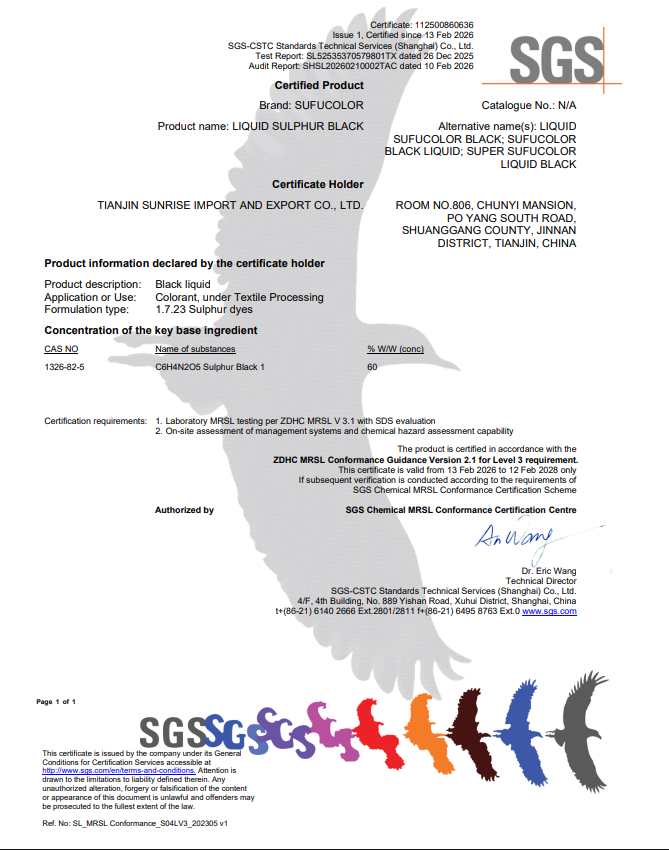
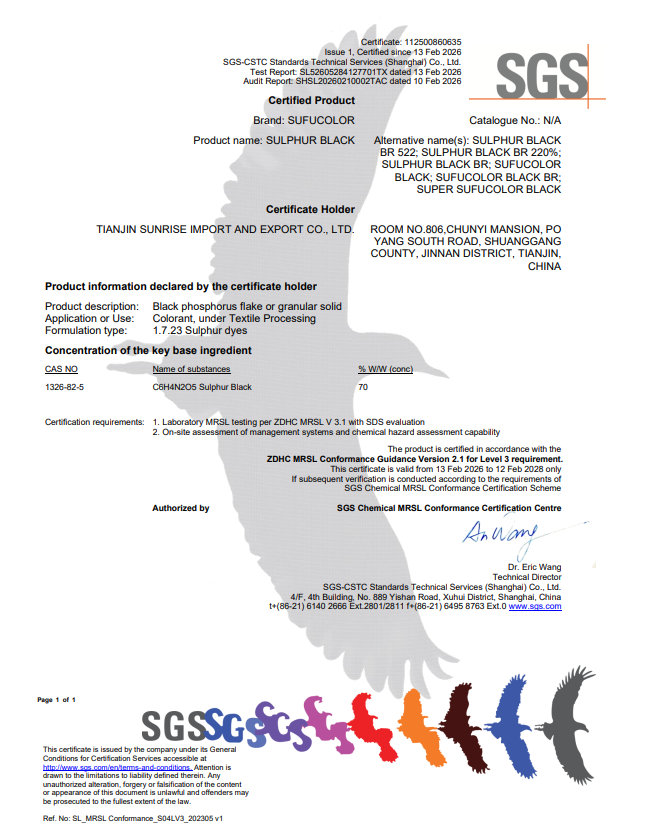
We place quality and consistency at the forefront of our operations. Every single batch is subjected to rigorous spectrophotometric color matching and performance testing prior to seaport delivery. Our adherence to ZDHC Level 3 standards and GOTS certification means your domestic and international compliance requirements are fully secured.
We excel at providing tailored colorant modifications. Our dedicated R&D chemists work in close synergy with clients to customize particle size distribution, solvent compatibility, and physical forms (powders, presscakes, or liquids) to align with specific production environments.
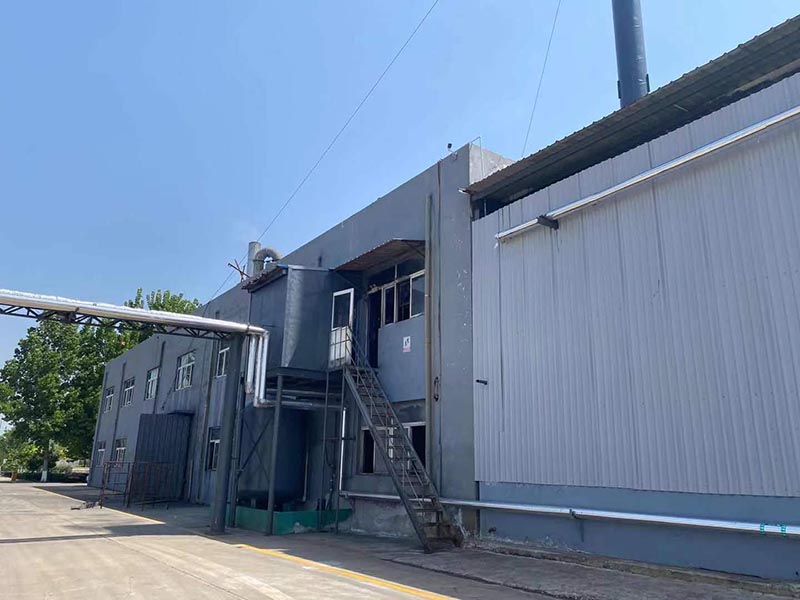
For chemical compounders, paint mills, and paper manufacturers, long-term supply stability is critical. Interruptions in pigment supply lines can stall production schedules and impact downstream profitability. Over years of collaboration with leading paper and textile mills, we have optimized our lead times, inventory safety thresholds, and container loading logistics.
Our operational mission centers on delivering high-performance products that balance industrial efficiency with environmental harmony. We aim to act as a growth catalyst for our clients by ensuring that quality pigments are delivered on time, every time, supporting sustainable manufacturing worldwide.
A transparent look at our warehousing, shipping logistics, and international supply chain pathways serving major ports including Houston, Rotterdam, and Shanghai.
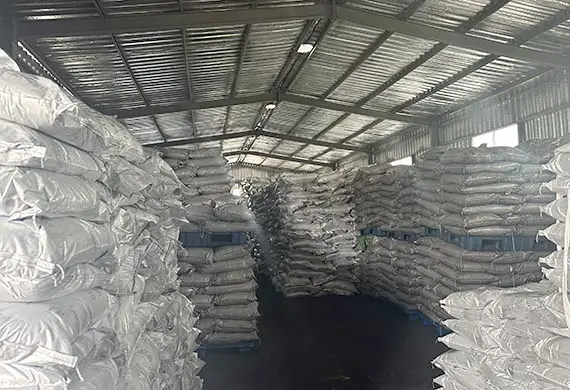
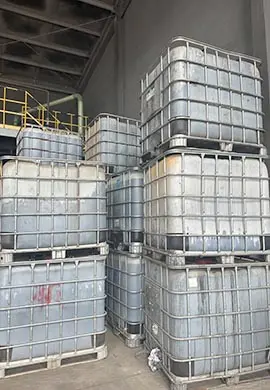
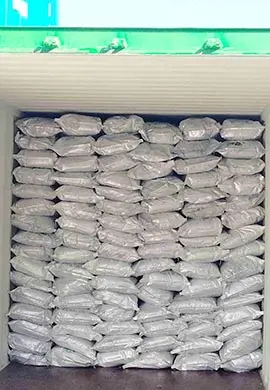
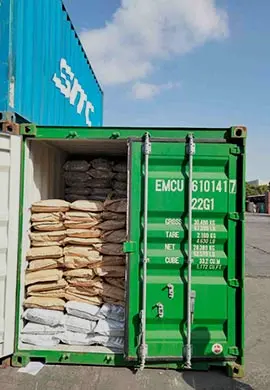
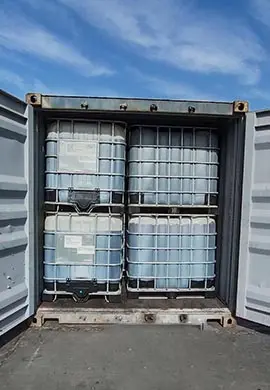
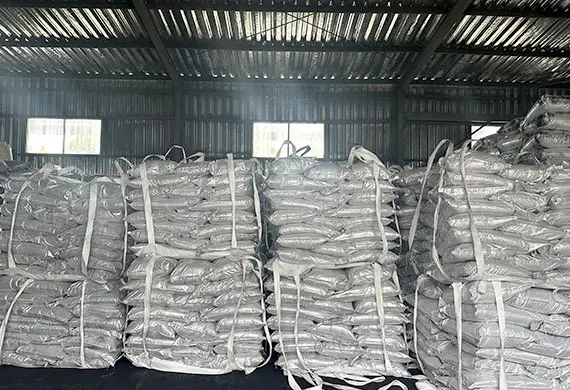
Preserving our complete line of industrial dyes, optical brighteners, and solvent formulations, adapted with localized parameters for Gulf Coast distribution.
Critical chemistry considerations for laboratory formulators and industrial procurement professionals operating in high-performance sectors.
One of the most common issues chemical formulators face is crystal phase transformation. Phthalocyanine Blue exists in multiple polymorphic modifications, the most commercially significant being the alpha (α) phase (Pigment Blue 15:0 and 15:1) and the beta (β) phase (Pigment Blue 15:3 and 15:4).
Pigment Blue 15:0 represents the unstable alpha form. It is highly prone to phase transformation when exposed to aromatic solvents (such as toluene, xylene, or solvent naphtha) and elevated processing temperatures. In solvent-borne paint systems, this transformation leads to crystal growth, resulting in color loss and reduced tinting strength. Therefore, Pigment Blue 15:0 is primarily recommended for plastics, rubber, and masterbatches processed under controlled thermal envelopes where solvent contact is absent.
Conversely, Pigment Blue 15:3 is the thermodynamically stable beta form. It possesses exceptional resistance to solvent attack and thermal recrystallization, making it the preferred choice for industrial coatings, packaging inks, and heavy-duty marine paint systems used along the US Gulf Coast. Knowing this difference helps prevent flocculation and viscosity drift in finished coating products.
Houston's protective marine coating industry relies heavily on two-pack epoxy and polyurethane formulations. When introducing organic pigments like Phthalocyanine Green 7, pigment particles have a natural tendency to clump together (flocculate) due to attractive van der Waals forces. Flocculation can lead to loss of gloss, color shifting, and reduced barrier properties of the dry film, which compromises corrosion resistance.
To prevent this, our production processes focus on tailoring the surface chemistry of the pigment particles. By controlled addition of hyper-dispersants and modifying the pigment surface to increase electrostatic repulsion, we ensure that our Pigment Green 7 and Pigment Blue 15:3 grades demonstrate quick wetting properties and long-term suspension stability in polar solvent mixtures.
In modern chemical supply chains, environmental compliance is no longer optional. The Zero Discharge of Hazardous Chemicals (ZDHC) program establishes a Manufacturing Restricted Substances List (MRSL) that defines limits for chemical impurities. ZDHC Level 3 certification, our highest level of compliance, indicates that our production processes and raw materials have been audited by a third party to verify that forbidden substances (such as restricted primary aromatic amines or heavy metal trace residues) are absent.
For US buyers sourcing materials for domestic and export products, utilizing ZDHC Level 3 and GOTS-certified pigments simplifies compliance with regulatory systems, including the EPA's Toxic Substances Control Act (TSCA) and European REACH protocols, reducing liability and supporting environmental safety.
Answering common technical, regulatory, and logistical questions from industrial chemists and purchasing managers.
Ocean freight from Tianjin Xingang Port (TSN) to the Port of Houston (HOU) typically averages between 32 to 42 days, depending on carrier routing and transshipment hubs. We optimize logistics by preparing export documentation in advance to ensure smooth clearance through US Customs upon arrival.
We employ a strict double-standard testing protocol. Each production batch is tested against a physical master standard sample using an advanced spectrophotometer to evaluate color strength, shade deviation (Delta E), and dispersion values. Shipment samples are retained for 12 months for traceability.
Yes, specific grades are designed with surface treatments optimized for water-borne systems. For instance, our Pigment Red 57:1 and customized Phthalocyanine Greens exhibit high compatibility with aqueous acrylic resins, commonly used in flexographical printing and eco-friendly architectural coatings.
Several of our high-purity organic pigment grades (specifically for plastic masterbatch applications) can be tailored to meet FDA 21 CFR regulations for indirect food packaging, provided they meet specific extraction limit testing. Please contact our laboratory team during your inquiry to specify compliance requirements.
Yes. We can customize surface modifications, modify pigment particle size, or provide pigments in presscake form depending on your dispersion equipment (such as bead mills or high-speed dispersers) and resin formulation.
 Sunrise