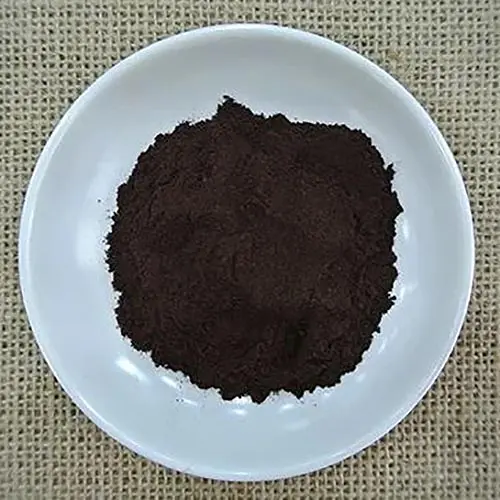
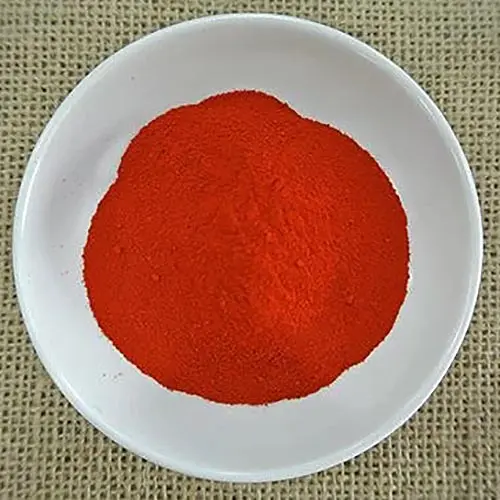
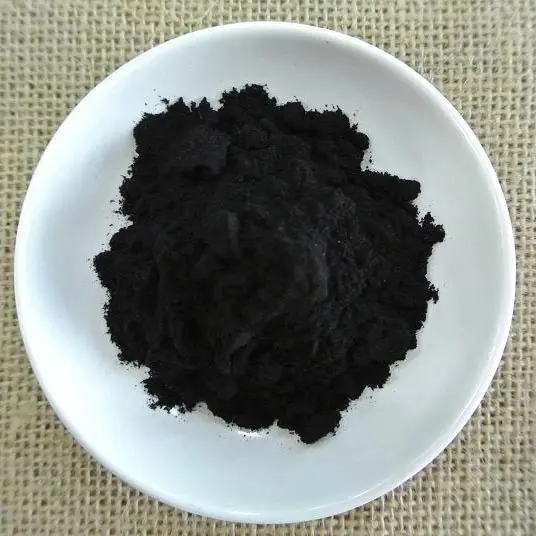
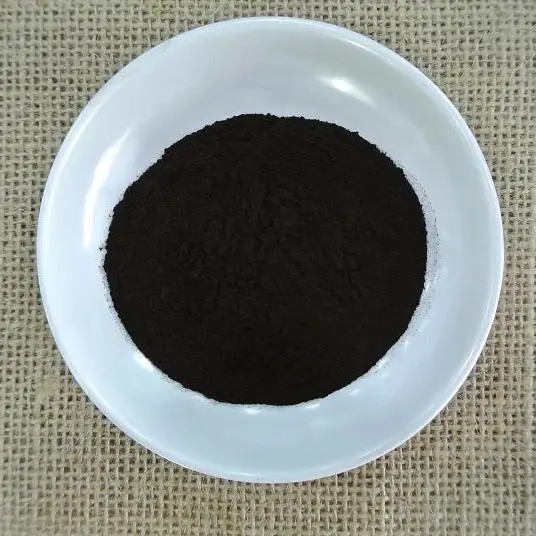
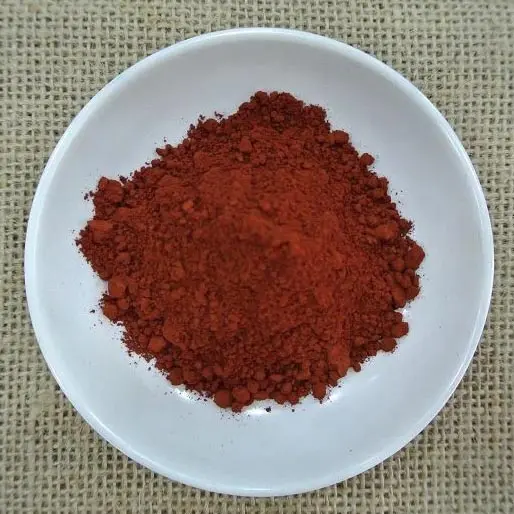
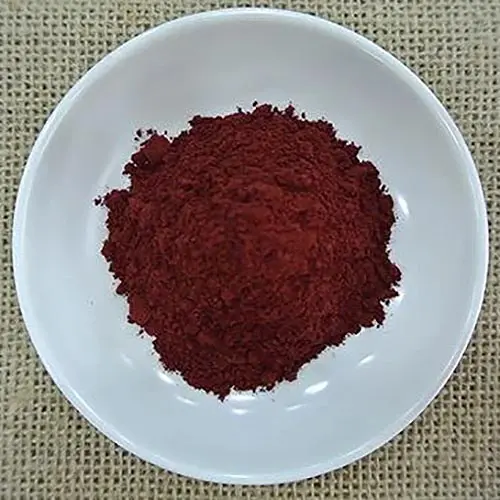
These selected high-affinity direct dyestuffs offer exceptional substantivity and uniform leveling on cellulosic substrates, widely used by advanced industrial paper and textile processors in Singapore.
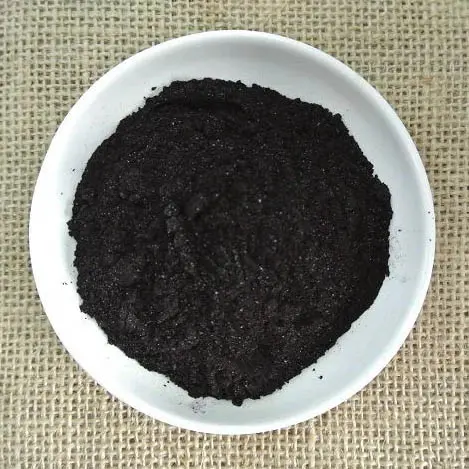
Engineered primarily for Singapore industrial packaging mills, offering superior water-fastness on recycled wood pulp.
View Specifications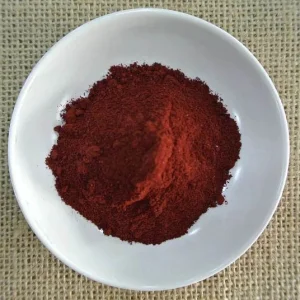
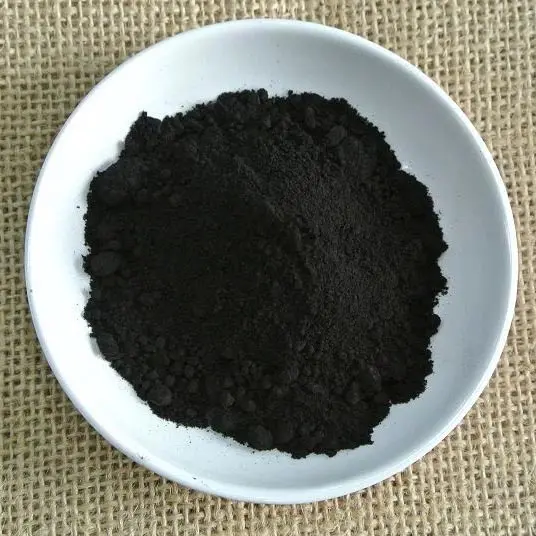
A molecularly stable dye with high exhaustion values on natural cotton fiber and viscose fabrics, ideal for ASEAN textile factories.
View Specifications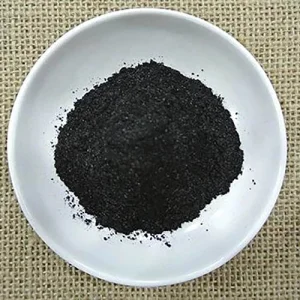
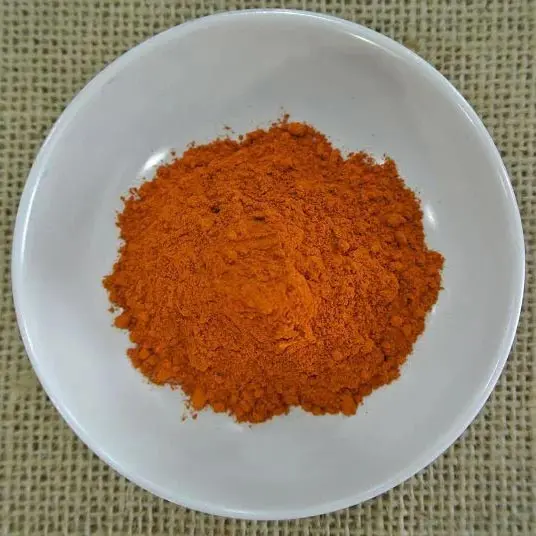
Features exceptional light fastness and deep coloring yield. Highly requested by bulk apparel dyeing plants.
View Specifications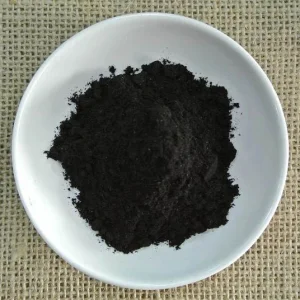
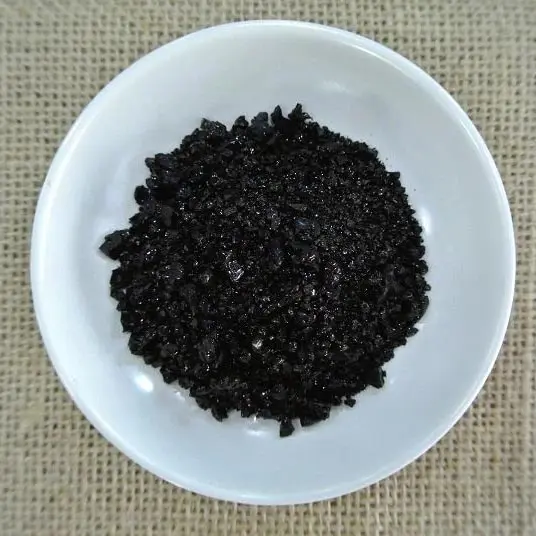
Optimized black dye providing rich coverage for cellulose fibers and blended fabrics with excellent salt solubility.
View SpecificationsThe industrial landscape in Singapore has evolved significantly, pivoting towards high-value advanced manufacturing, smart packaging, and sustainable chemical processing. While primary textile mills have decentralized across Southeast Asia, Singapore remains the central hub for R&D, chemical supply chain management, and high-performance eco-textile processing. Direct dyes (anionic dyestuffs) play a critical role in Singapore’s eco-friendly paper packaging, functional specialty textiles, and bio-medical research sectors.
Globally, the dyestuff market is experiencing a profound transition driven by environmental regulation. The demand for direct dyes is growing due to their simple application processes, water-based solubility, and the elimination of hazardous heavy metal fixatives. In comparison to reactive dyes, direct dyes require lower electrolyte concentrations and energy inputs, aligning perfectly with modern decarbonization objectives in manufacturing.
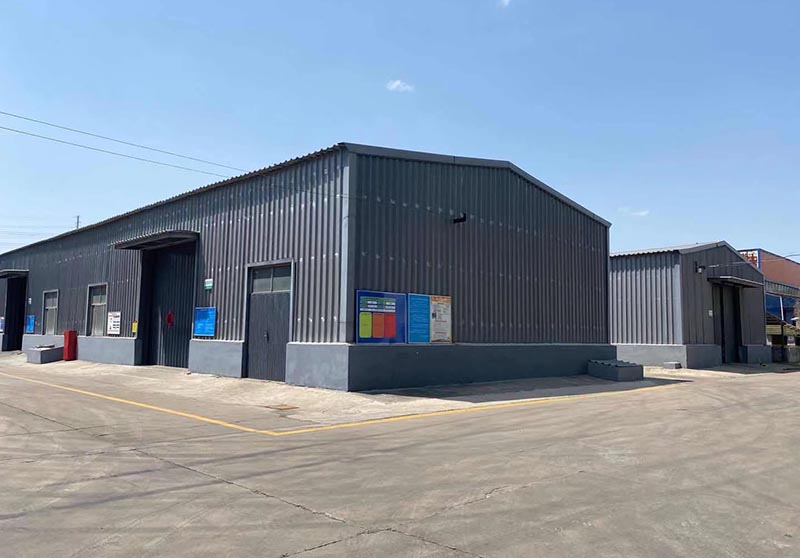
Our direct dyes are molecularly engineered to adhere spontaneously to cellulose fibers via hydrogen bonding and Van der Waals forces, eliminating the need for complex mordants.
Every dye batch undergoes spectrophotometric analysis and rigorous lab trials to guarantee color consistency, within an industry-leading tolerance threshold of Delta E < 0.5.
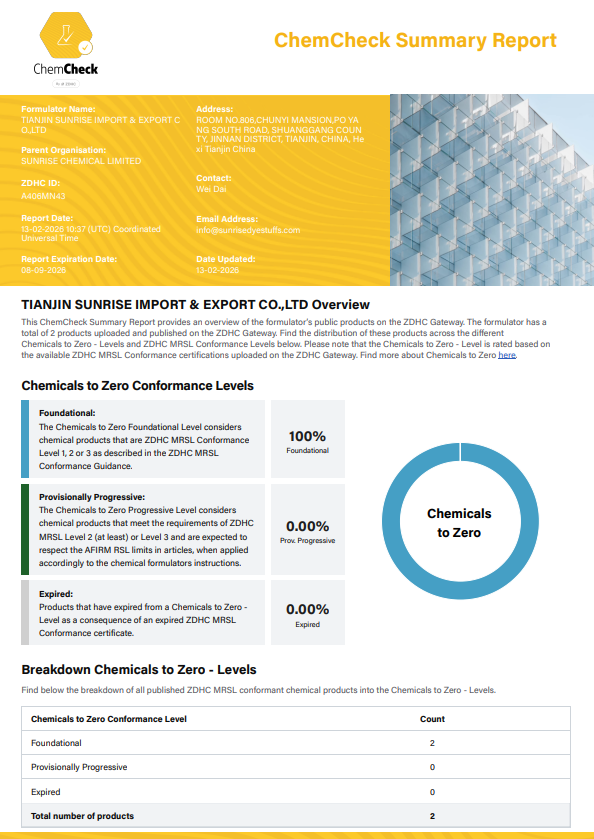
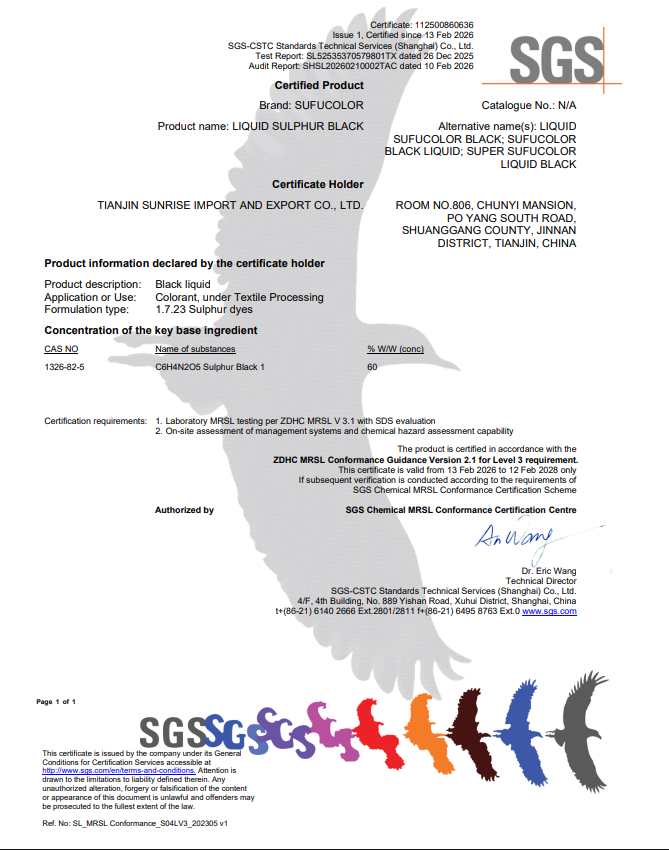
Certified to the highest international chemical safety standards, guaranteeing zero detectable restricted arylamines or heavy metals in the effluents.
Understanding the molecular architecture of direct dyestuffs is essential for optimizing textile exhaust processes and paper mill shading operations. Direct dyes are anionic compounds containing azo chromophores, sulfonate groups, and linear structures that align with cellulose molecules.
The dyeing mechanism relies on thermodynamic affinity. When cellulose fibers are immersed in an aqueous dye bath, they develop a negative surface potential (Zeta potential). To overcome this charge barrier and facilitate dye exhaustion, an electrolyte (such as sodium chloride or sodium sulfate) must be added. The sodium ions screen the fiber surface charge, allowing the dye molecules to diffuse into the amorphous regions of the cellulose matrix.
Furthermore, post-dyeing treatment with cationic fixing agents or cross-linking resins is highly recommended for applications requiring superior wet-fastness. These compounds form insoluble complexes with the anionic dyes inside the fiber structure, locking the color inside and drastically reducing bleeding during washing cycles.
| Parameters | Direct Dyes Specification | Optimization Method |
|---|---|---|
| Solubility | 30 - 50 g/L (at 80°C) | Dissolve with soft water at high temperature. |
| Electrolyte Requirement | 10 - 20 g/L NaCl / Na₂SO₄ | Add in portions to prevent uneven coloration. |
| Dyeing Temperature | 85°C - 95°C | Maintain plateau for 45-60 minutes. |
| pH Influence Range | 6.5 - 7.5 (Neutral) | Buffer system to keep stability. |
Pulp and packaging manufacturers in Singapore rely on our high-solubility direct yellow dyes for consistent shade control in industrial cardboard, kraft paper, and tissue coloring applications.
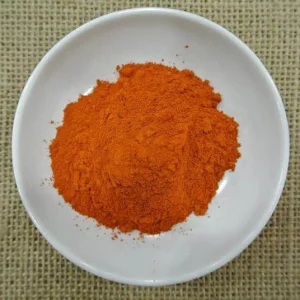
A high-purity yellow dye optimized for consistent absorption on mechanical and chemical wood pulp.
View Specifications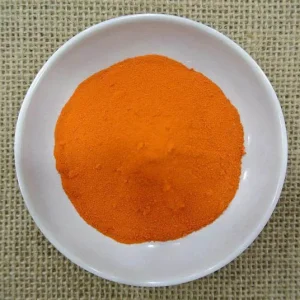
Delivers precise yellow tint adjustments with zero risk of metamerism under retail lighting environments.
View Specifications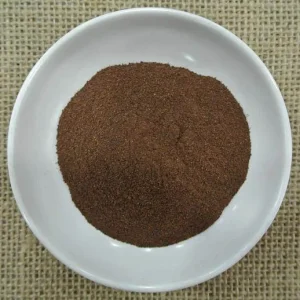
Popular choice for colored kraft board packaging, offering excellent resistance to heat and moisture bleeding.
View Specifications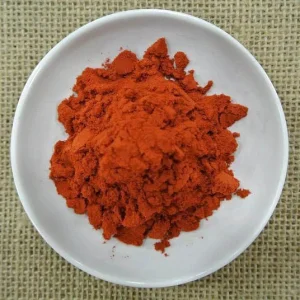
Extremely water-soluble formulation, leaving minimal residue in dye bath systems to ease wastewater treatments.
View SpecificationsFrom specialized high-strength paper packaging production in Jurong to precision textile finishing labs in Tuas, our direct dyes are optimized for performance and eco-compliance.
With Singapore positioning itself as a sustainable logistics center for Southeast Asia, the demand for recycled colored paperboard and sustainable packaging has grown significantly. Direct dyes like Direct Yellow 12 and Direct Brown 2 provide excellent wood pulp affinity, allowing paper factories to dye recycled pulp without adding chlorinated bonding chemicals, ensuring the final packaging remains 100% biodegradable.
Singapore’s textile industry specializes in high-margin sectors such as medical textiles, smart wearables, and flame-retardant industrial fabrics. These specialized materials require consistent leveling properties. Our direct black series (including Direct Black 19 and Direct Black 22) yields uniform penetration in synthetic-natural blended yarns, maintaining fabric breathability and tensile strength.
Advanced digital printing firms in Singapore utilize modified direct dye formulations for water-based inkjet systems. These applications demand extremely low metal contents and ultra-filtration steps, both of which are standard protocols at the Sunrise Chemical processing plants.
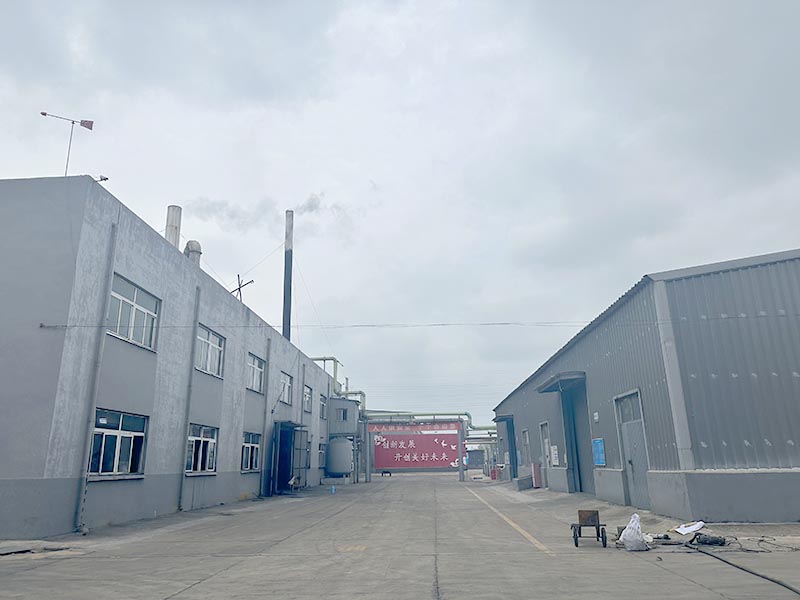
Operating global supply chains requires more than manufacturing capacity; it demands absolute reliability in storage, cargo logistics, and chemical safety certifications.
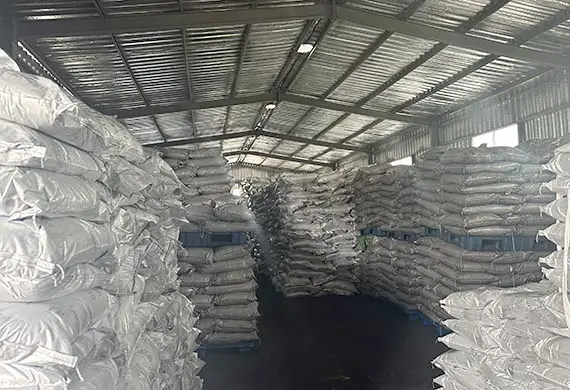
Moisture-controlled containment facility ensuring complete chemical stability of bulk dyestuffs prior to sea transit.
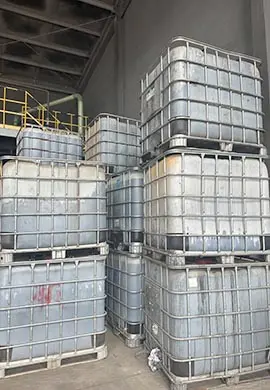
Automated homogenization equipment designed for dust-free applications in modern automated dye dispensaries.
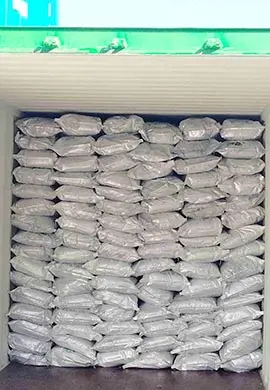
Palletized load securing in standard shipping containers, verified for trans-ASEAN maritime corridors.
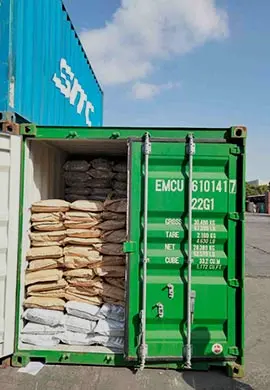
Strict shipping inspection processes ensure double-lined packaging remains intact during sea voyages.
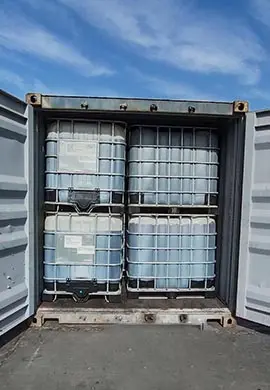
Dedicated IBC container filling and locking mechanisms, minimizing contamination risks during global freight.
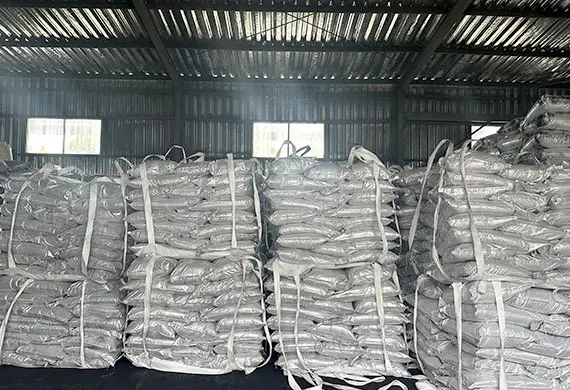
Integrated cargo bays managing daily departures to major Asian shipping gateways, including the Port of Singapore.
In modern industrial operations, environmental sustainability is no longer optional; it is a critical regulatory and operational requirement. The textile, paper, and leather processing industries face strict international laws governing water discharge and chemical safety. Brands exporting to Europe, North America, and Singapore must prove compliance with rigorous ecological benchmarks.
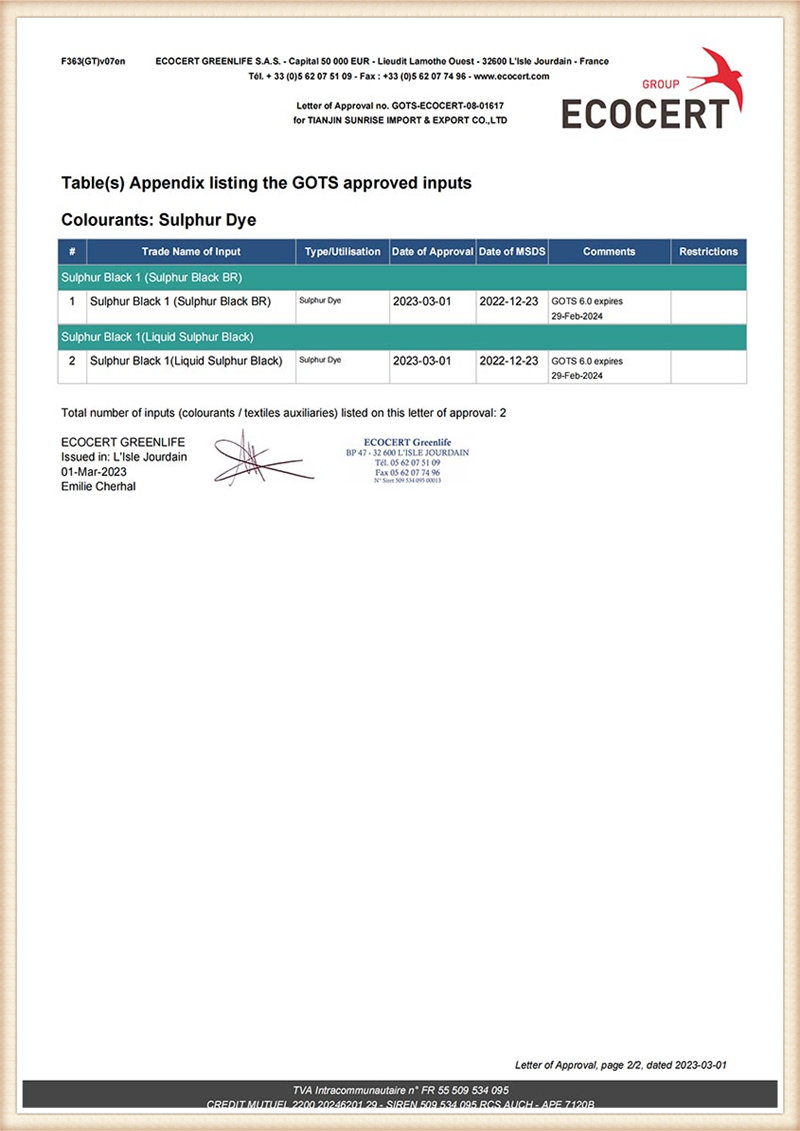
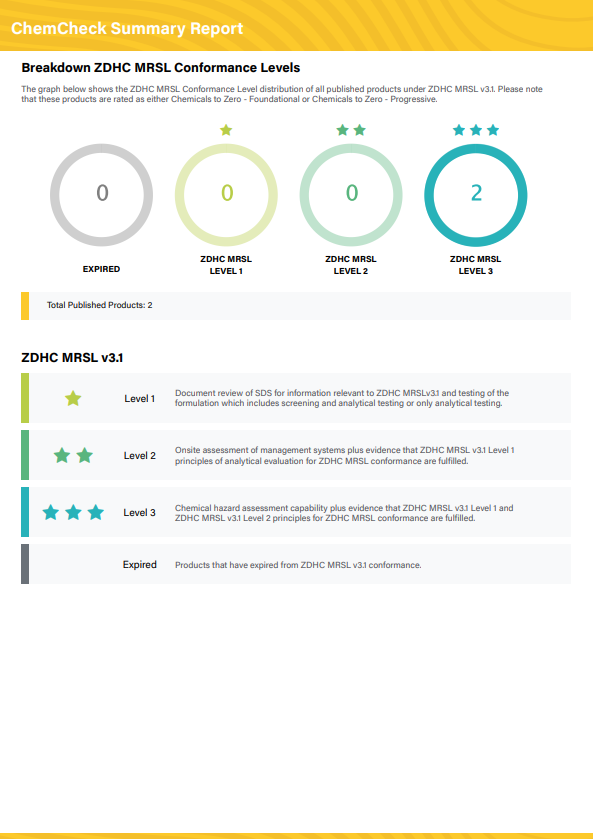
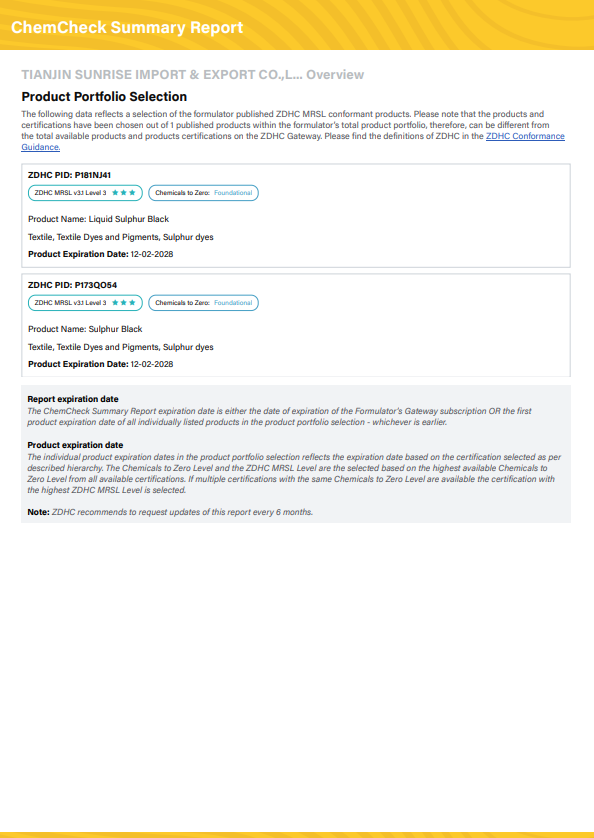
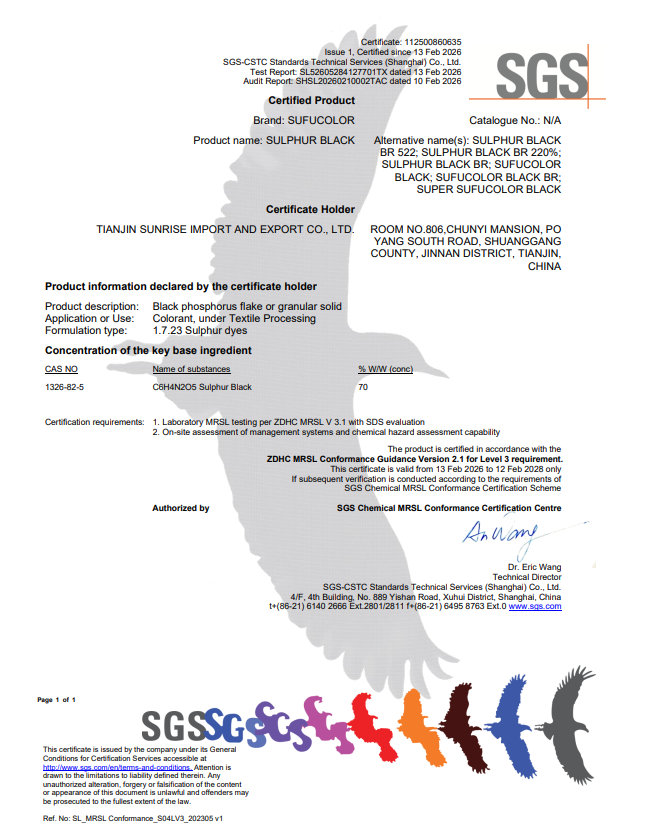
Our direct dye formulations are certified to ZDHC Level 3 and GOTS (Global Organic Textile Standard). These certifications guarantee that our products are formulated to avoid harmful components such as formaldehyde, heavy metals, and restricted aromatic amines. ZDHC Level 3 certification ensures that our chemicals are manufactured in compliance with strict environmental guidelines, protecting local waterways from hazardous waste discharges.
Years Global Export Experience
Batch Pre-Shipment Tested
ZDHC Environmental Certification
Color Variance (Delta E) Tolerance
Explore our primary line of anionic direct dyes, engineered for textiles, paper, and leather, providing rich colors with high washing fastness.
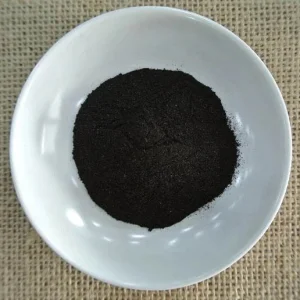
A cost-effective deep black dye, highly suitable for bulk cotton textile print operations.
View Specifications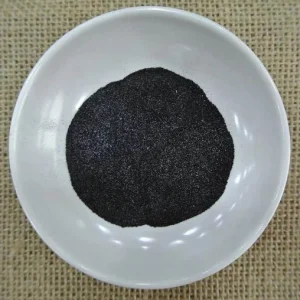
Delivers high-purity blue shades with excellent light-fastness on blended fibers.
View Specifications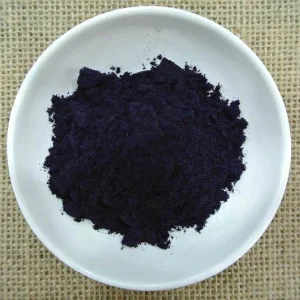
A phthalocyanine-based blue dye providing bright shades with superior wet-fastness on cotton.
View Specifications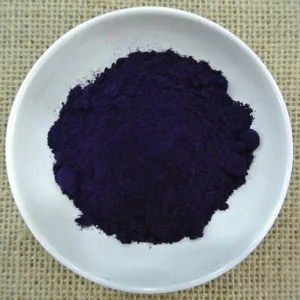
Provides bright turquoise shades, exhibiting excellent solubility and leveling properties.
View Specifications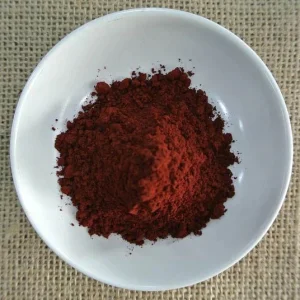
Highly recommended for natural fibers, offering excellent color leveling and minimal thermal migration.
View Specifications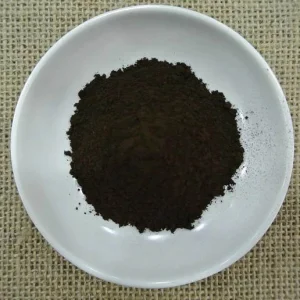
A high-concentration red powder dye designed for industrial wool and nylon blend coloring.
View Specifications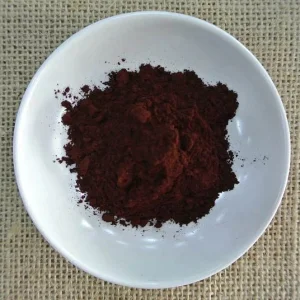
Highly compatible red dyestuff, widely used in both papermaking pulp and direct fabric printing.
View Specifications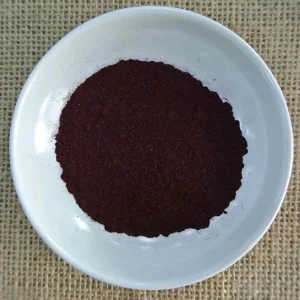
Multi-purpose red dye, providing high leveling performance on cotton, wool, and paper pulp.
View SpecificationsIn addition to direct dyes, Sunrise Chem Group offers specialized acid, sulphur, and mineral-based pigments to support a wide range of industrial applications.
Find answers to commonly asked questions regarding chemical kinetics, color fastness improvements, and eco-compliance certifications for Singapore manufacturing projects.
Direct dyes bind to cellulose fibers primarily through physical forces, including hydrogen bonding and Van der Waals forces, which are aided by structural linear alignment. Reactive dyes, by contrast, establish covalent chemical bonds with the hydroxyl groups of cellulose. Consequently, direct dyes are simpler to apply and more energy-efficient, though they generally require cationic fixing agents to achieve washing fastness levels comparable to reactive dyes.
ZDHC Level 3 is the highest level of certification in the Zero Discharge of Hazardous Chemicals program. It verifies that the chemical formulation meets strict criteria, ensuring that no restricted hazardous chemicals (MRSL) are used during manufacture. For importers in Singapore, this simplifies compliance with environmental discharge regulations monitored by the National Environment Agency (NEA).
Cellulose fibers naturally develop a negative electrical potential in water, which repels anionic dye molecules. Adding electrolytes like sodium chloride (NaCl) or sodium sulfate (Na₂SO₄) introduces sodium cations that screen the negative charges, allowing the dye molecules to approach and bind to the fiber structure. Adding these salts in portions helps ensure even dye absorption.
Applying a cationic fixing agent in a separate bath at 40°C to 50°C for 20 minutes is highly recommended. The cationic agent reacts with the anionic dye molecules to form insoluble structures inside the fiber pores, which prevents bleeding during washing.
Get in touch with our technical sales engineers for certified laboratory samples, customized color matching services, and bulk container pricing options for the Singapore market.
 Sunrise