High affinity, excellent leveling property, and optimized molecular stability for automated dyeing lines
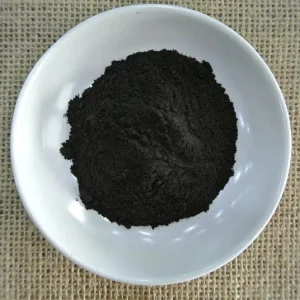
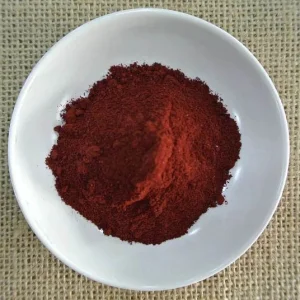
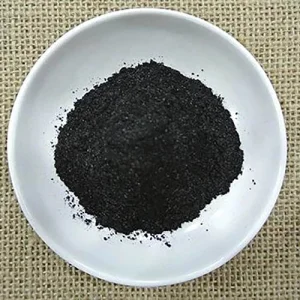
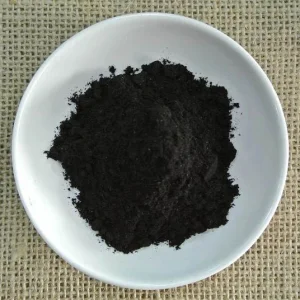
The Japanese textile, paper, and specialty chemical processing sectors are recognized globally for their uncompromising demands on precision, environmental metrics, and consistent color reproducibility. Direct dyes (substantive dyes) remain highly critical for cellulose-based applications due to their ease of application, cost-efficiency, and wide color spectrum. However, local regulations such as Japan's Chemical Substances Control Law (CSCL/MITI regulations) and evolving global green manufacturing mandates (e.g., Zero Discharge of Hazardous Chemicals - ZDHC Level 3, GOTS) have significantly redefined the parameters of industrial raw material procurement.
This whitepaper highlights how Tianjin Sunrise Chem Group bridges the gap between state-of-the-art Chinese synthesis operations and the highly localized technical requirements of the Japanese industrial market. By engineering high-affinity, salt-balanced molecular configurations with strict purity profiles, we provide direct dye solutions that meet the delicate color tolerances of Japanese paper mills and traditional/technical textile finishing plants alike.
The textile and specialty paper industry in Japan has pivoted toward high-end technical textiles and sustainable consumer goods. This transition requires suppliers who do not just supply raw color powders, but provide verified ecological safety profiles. Our direct dyes are synthesized under controlled temperatures and pressure cycles to minimize byproduct amines and heavy metal residues.
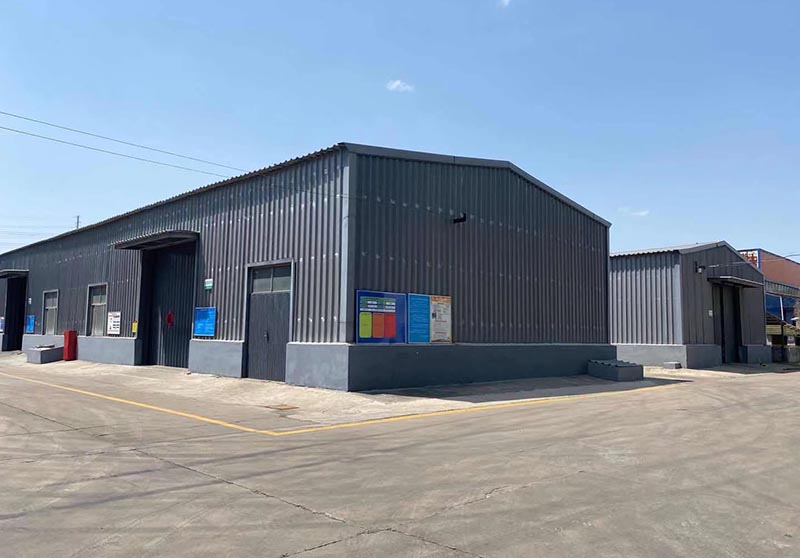
Understanding the chemistry of direct dyes and modern manufacturing parameters designed for zero-defect production
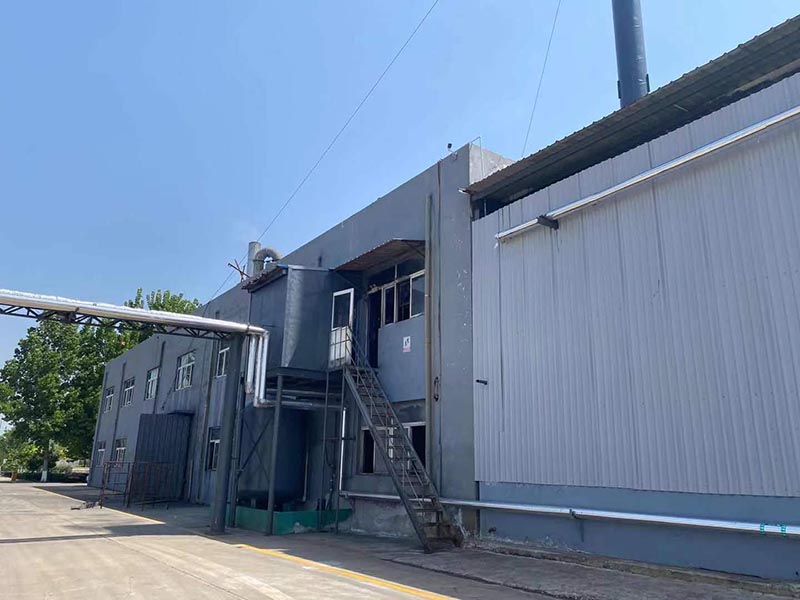
Direct dyes bind to cellulose substrates via a combination of hydrogen bonding and dispersion forces. The linear, coplanar aromatic structure of the dye molecule aligns perfectly along the linear chains of cellulose, ensuring robust physical attraction without the absolute necessity of covalent bond catalysts.
However, achieving perfect levelness (the uniform distribution of color across the fiber cross-section) requires precise control over the rate of exhaustion. In partnership with Japanese technologists, we have optimized the electrolyte-sensitivity curves of our direct dye formulations. By adjusting the concentration of inorganic salts (such as sodium sulfate) during synthesis, we manage the thermodynamic equilibrium between the dye bath and the fiber phase, preventing rapid, non-uniform absorption that causes streaking.
Our manufacturing plant leverages advanced spray-drying technology to ensure that the physical dye granules dissolve rapidly and completely, leaving zero insoluble micro-particles that could clog modern, high-speed automated dosing systems.
Strict selection of intermediates ensuring no trace of carcinogenic arylamines (complying with OEKO-TEX Standard 100 Class I for baby items).
Optimizing the ratio of sulfonic acid groups to balance water solubility and cellulose affinity, ensuring excellent wash and wet fastness.
Employing spectrophotometric color-matching (Delta E < 0.5) to guarantee that shipments to Yokohama and Osaka are identical batch-to-batch.
Unmatched quality control certifications and direct China-to-Japan supply chain logistics
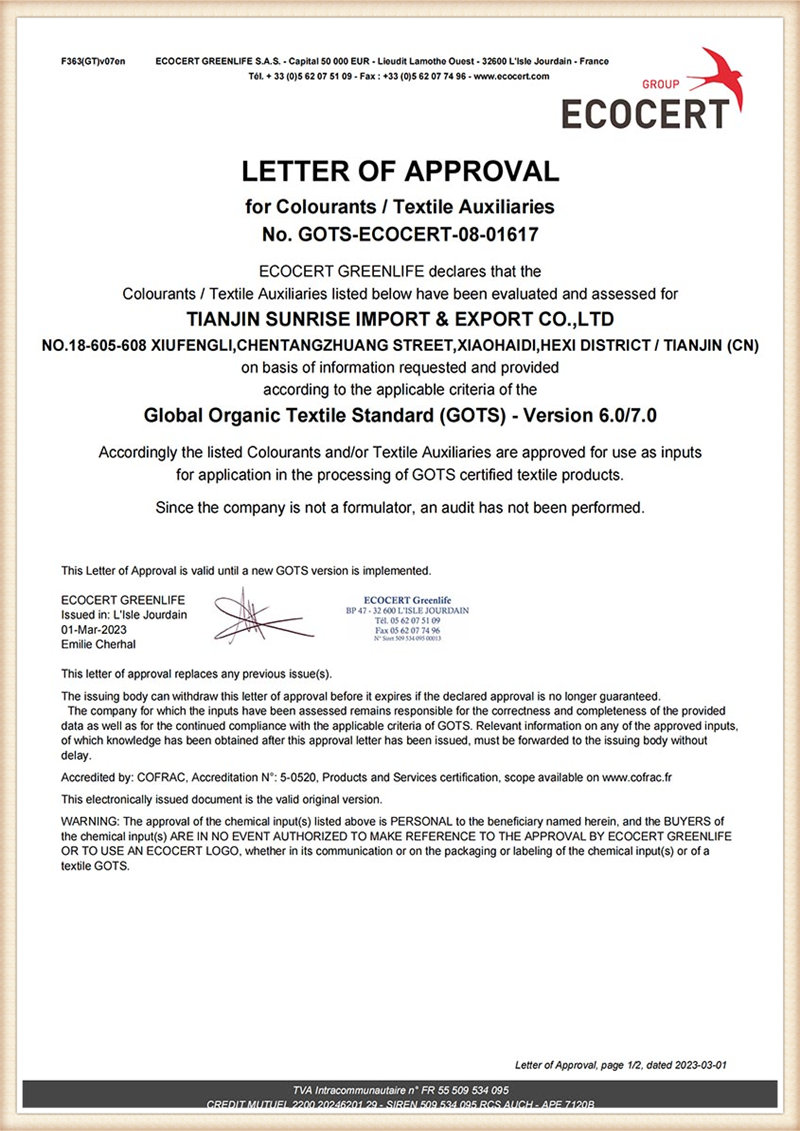
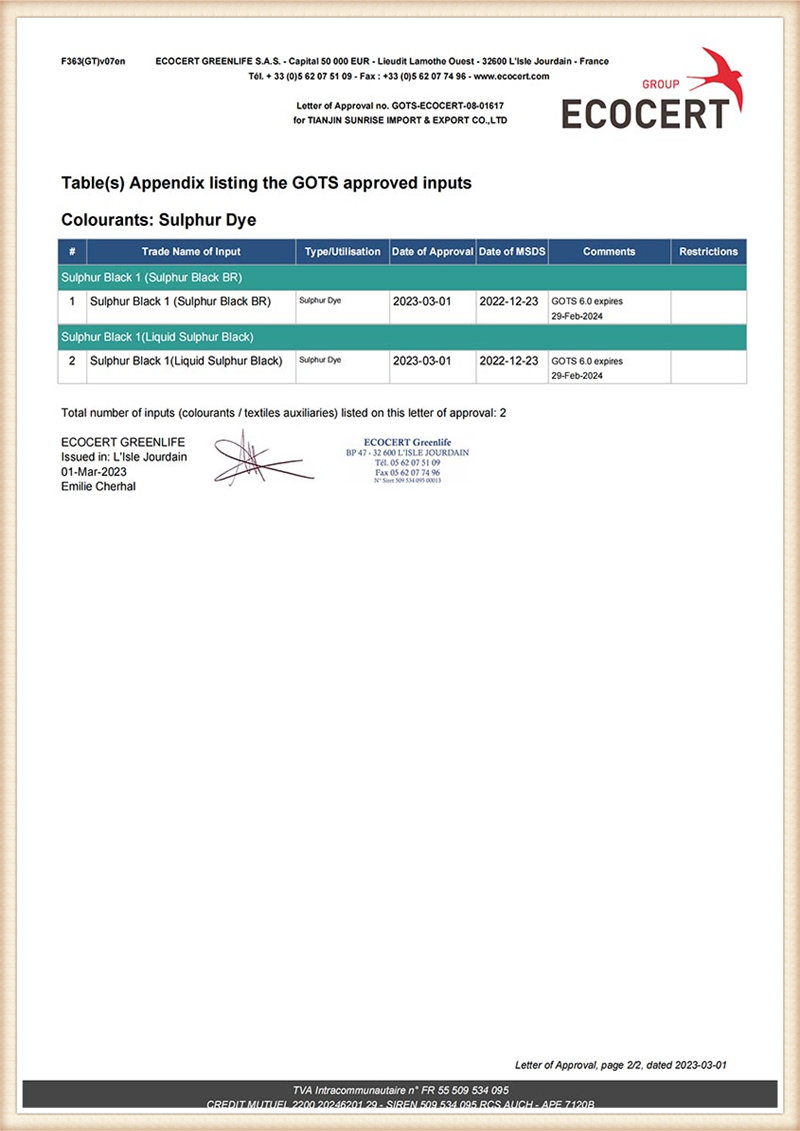
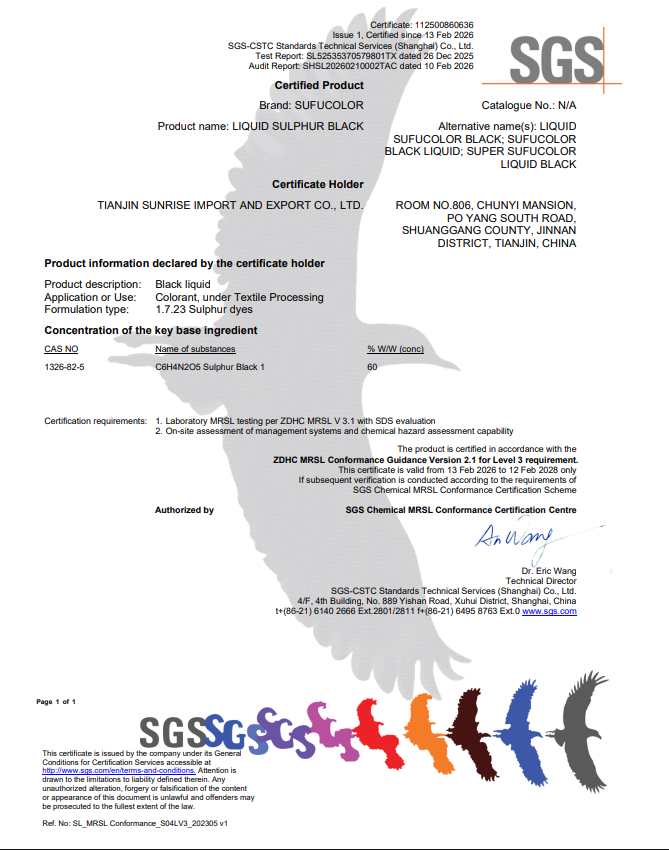
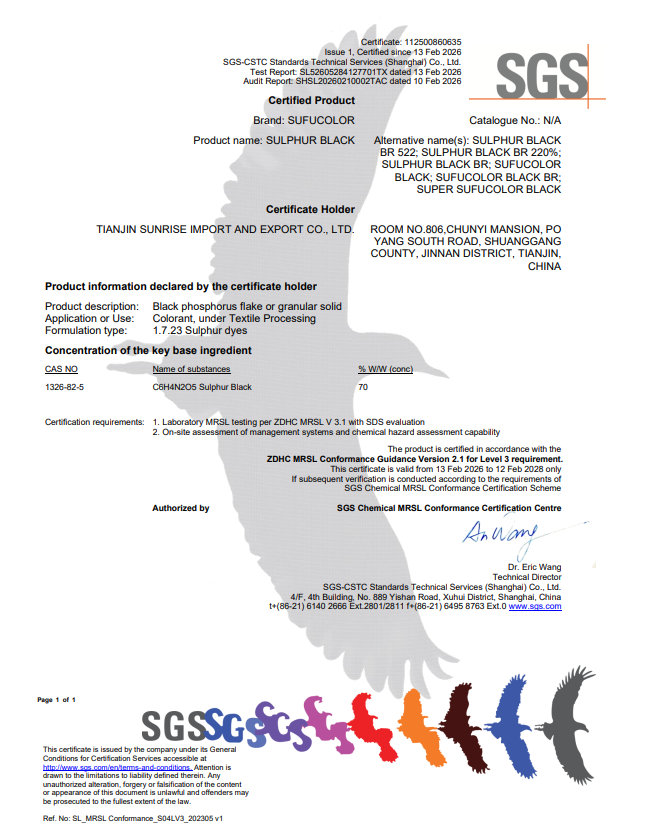
Tianjin Sunrise Chem Group is committed to environmental stewardship. Obtaining the ZDHC Level 3 (Zero Discharge of Hazardous Chemicals) and GOTS (Global Organic Textile Standard) certifications guarantees that our production processes omit hazardous chemicals. This prevents the release of priority pollutants into wastewater, protecting both the workers in the textile factories and the environment.
For the Japanese market, where corporate social responsibility (CSR) and green procurement policies are deeply integrated into supply chain contracts, partnering with a ZDHC Level 3 certified manufacturer reduces audit friction. It satisfies the strict purchasing guidelines of top-tier apparel brands and consumer conglomerates.
Our primary production and dispatch facilities are strategically located near Tianjin Port. This enables rapid, direct shipping connections to Japanese shipping hubs (including Yokohama, Osaka, Tokyo, Kobe, and Nagoya). Typical marine transit is completed within 4 to 6 days. Our logistics infrastructure is optimized for Just-In-Time (JIT) manufacturing requirements, preventing production downtime at customer facilities.
Actual project execution, warehouse operations, and technical product distributions across global markets
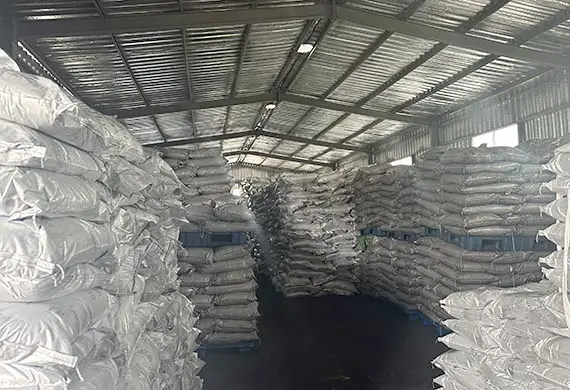
Our centralized storage facility houses standardized direct and sulfur colorants, prepared for immediate dispatch to the Japan market.
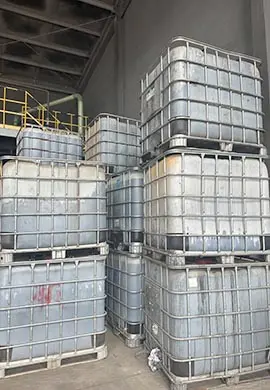
Specialized liquid formulations developed for high-speed continuous industrial dyeing machines used in modern Japanese paper mills.
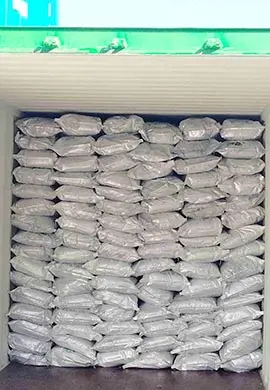
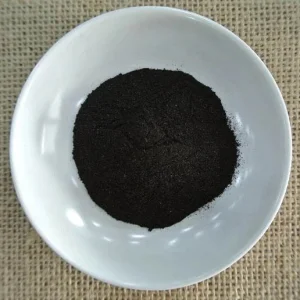
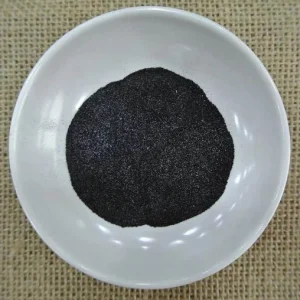
Sealed container loading of high-grade Sulphur Black colorants, adhering to international sea freight chemical safety standards.
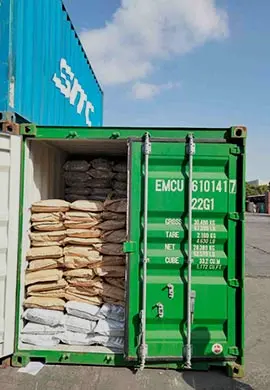
Export verification protocols for direct brown, red, and blue dyestuffs destined for textile manufacturers in the Osaka district.
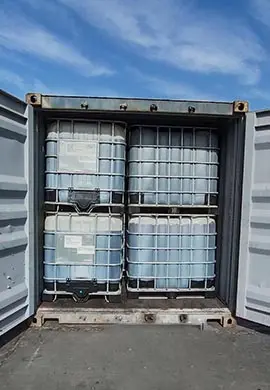
Bulk liquid dye shipments in heavy-duty containment systems to support high-efficiency automated coloring plants in Nagoya.
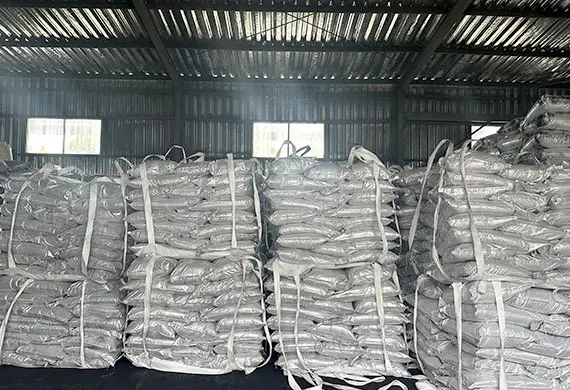
Pre-shipment batch validation using state-of-the-art analytical equipment to maintain quality consistency across all deliveries.
Comprehensive overview of color properties and recommended applications in Japanese industrial processing
| Dye Classification | Common Industrial Index | Best Suited Substrates (Japan Market) | Key Properties & Strengths |
|---|---|---|---|
| Direct Brown | Direct Brown 2 | Washi paper, Kraft packaging paper, Cotton yarns | Exceptional affinity, stable in neutral to weak alkaline baths, low eco-toxicity. |
| Direct Red | Direct Red 28 / Red 23 / Red 227 | Cotton fabrics, viscose fibers, specialty paper sheets | Bright coloration, high leveling capability, balanced build-up performance. |
| Direct Black | Direct Black 19 / Black 22 / Black 38 | Denim processing, cellulose blends, packaging board | Deep black shades, outstanding light fastness, compatible with sizing agents. |
| Direct Blue | Direct Blue 15 / Blue 199 / Turquoise GL | Technical textiles, premium writing paper, ink dyes | Brilliant turquoise/blue hues, high water solubility, clean discharge printing results. |
| Direct Yellow | Direct Yellow 12 / Yellow 86 / Yellow R / Yellow 142 | Tissue coloring, envelope papers, commercial textiles | Excellent solubility, swift fiber exhaust, optimal price-performance ratio. |
In addition to our primary direct dyes, we offer a comprehensive catalog of acid, basic, and sulphur dyes for diverse industrial applications
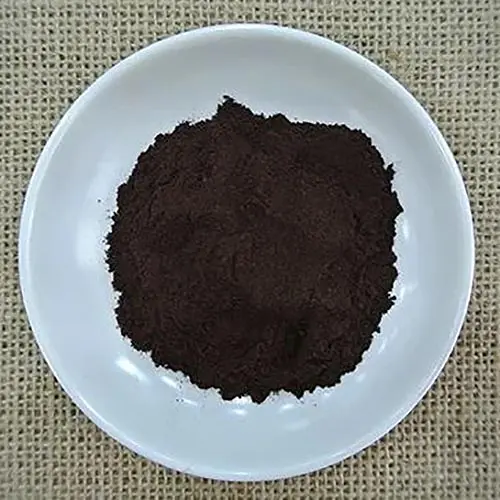
Acid Red 14 Application for Premium Leather Industries in Japan
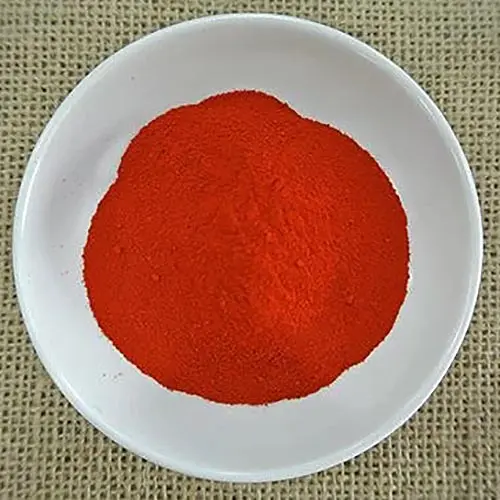
Acid Orange 7 Powder for Silk and Wool Dyeing in Japan
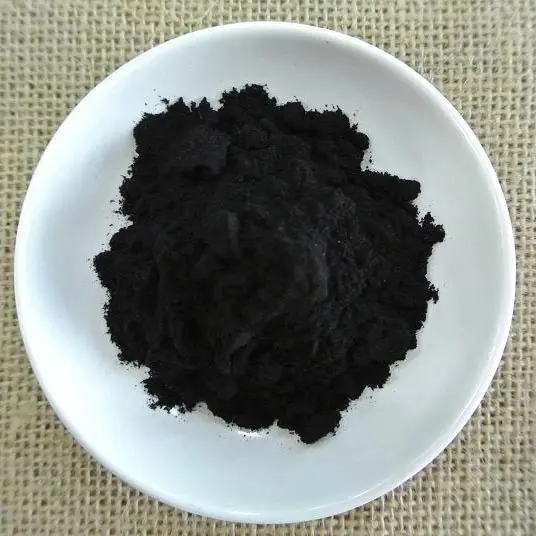
Acid Black ATT for Precision Yarn and Leather Dyeing
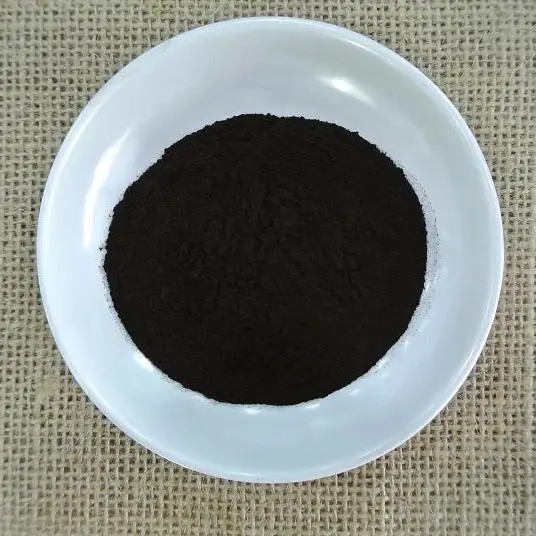
Acid Black 1 Powder Dyes for Fingerprints & Forensic Diagnostics
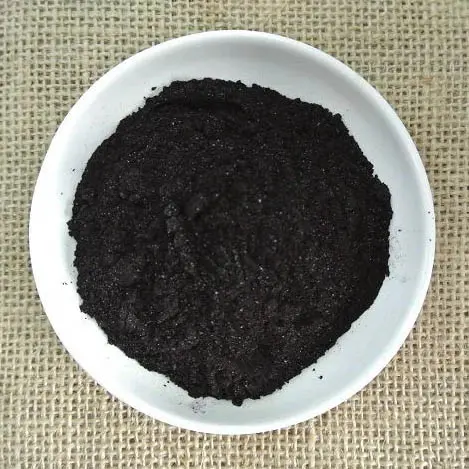
Sulphur Blue BRN 150% with Violet Appearance for Deep Indigo Tones
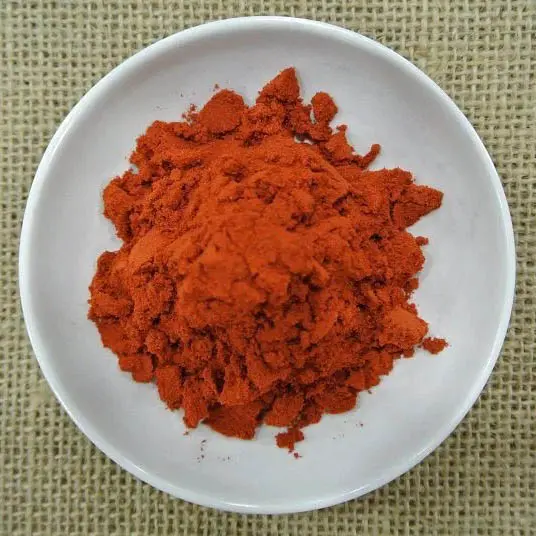
Water Soluble Textile Dyestuff Direct Yellow 86 for Cotton Blends
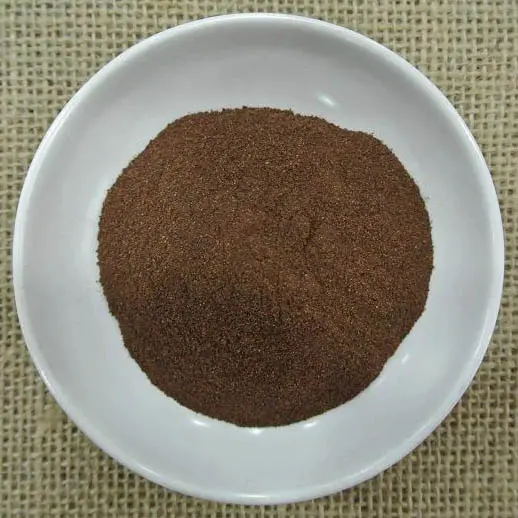
Paper Coloring Dyes Direct Yellow R for High-Speed Sizing Systems
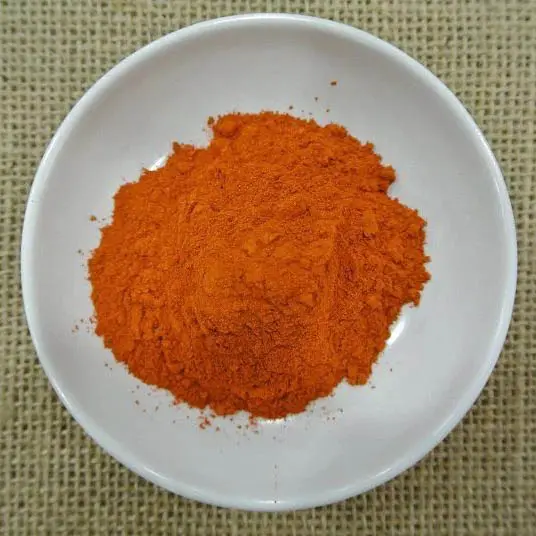
Direct Yellow 12 for Paper and Packaging Board Applications
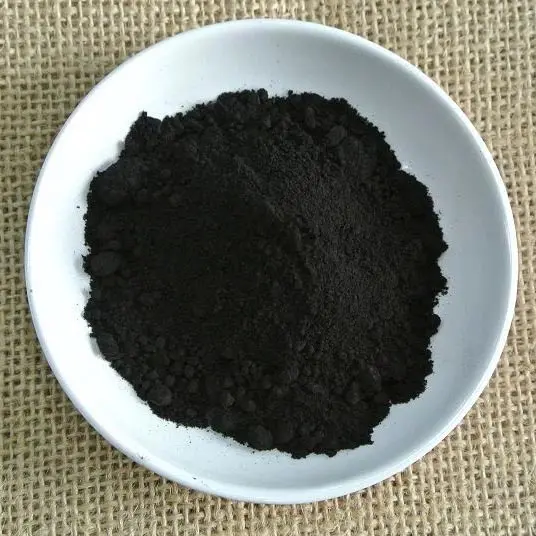
Iron Oxide Black 27 for Plastic and Composite Material Coloring
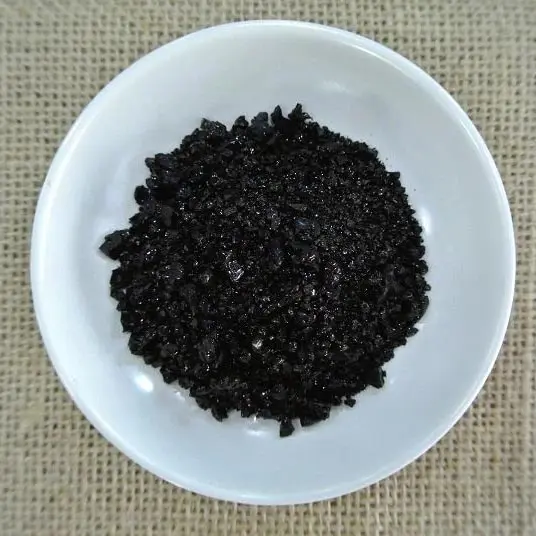
Shiny Black Crystal Nigrosine Acid Black 2 for Specialty Inks & Polishes
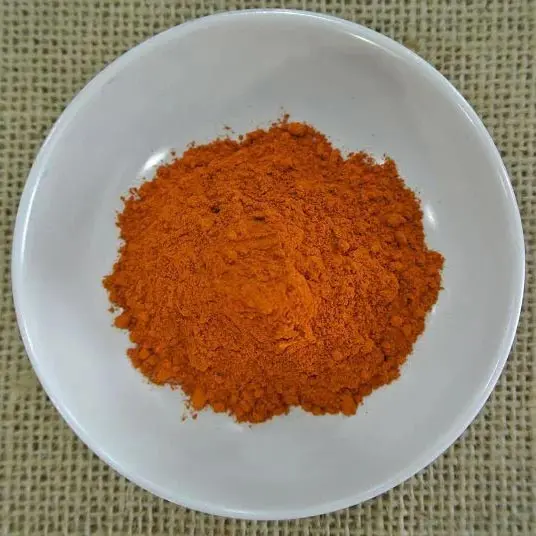
Acid Yellow 36 Color for Advanced Wool and Synthetic Textile Blends
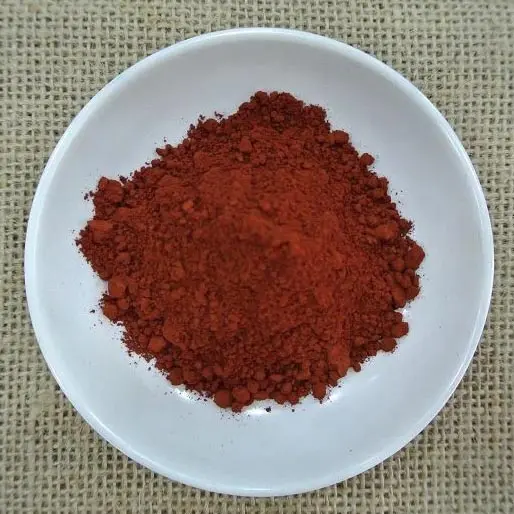
Acid Red 73 for Textile and Leather Surface Finishing Industries
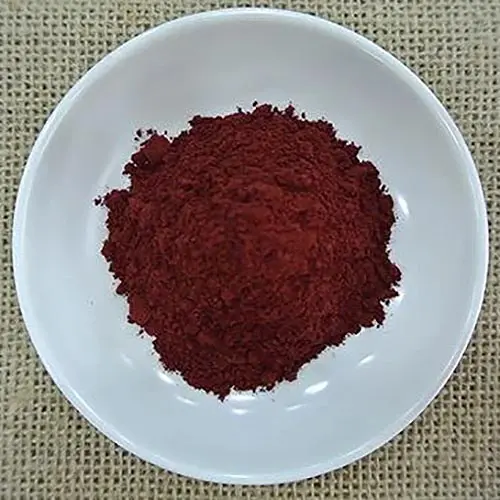
Acid Red 18 for Vibrant Textile Coloration & Fabric Printing
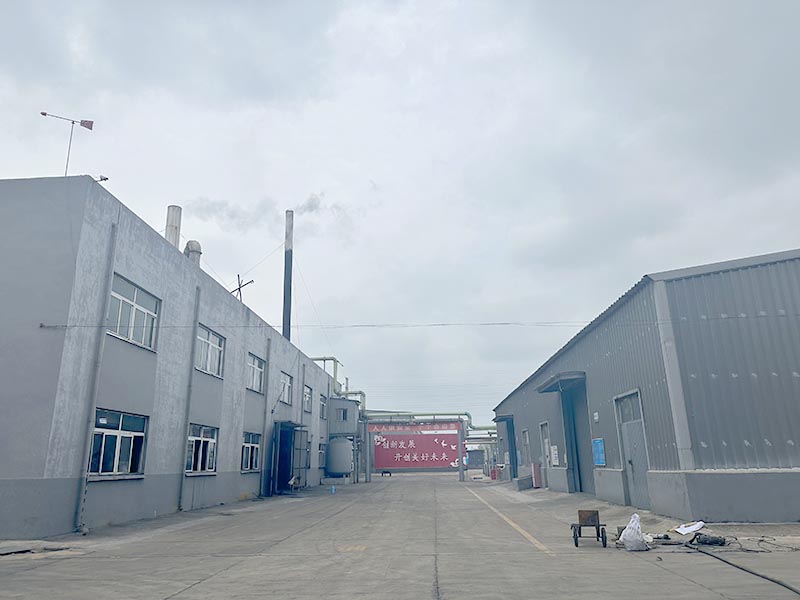
Pre-shipment Inspection Area - Heavy Duty Industrial Packing
Yokohama Port Direct Container Dispatch Integration Station
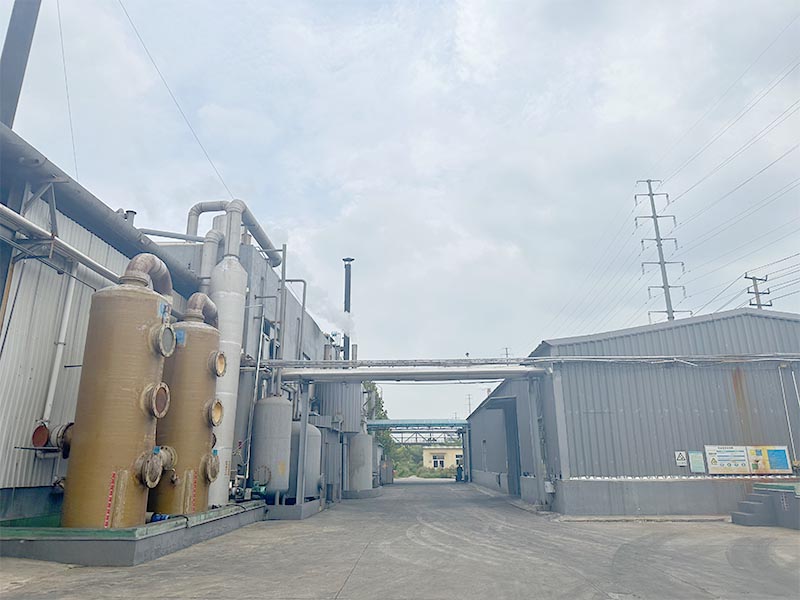
Automated Bulk Storage System for Export Dry Chemical Colorants
Verified manufacturing partners with world-class environmental credentials
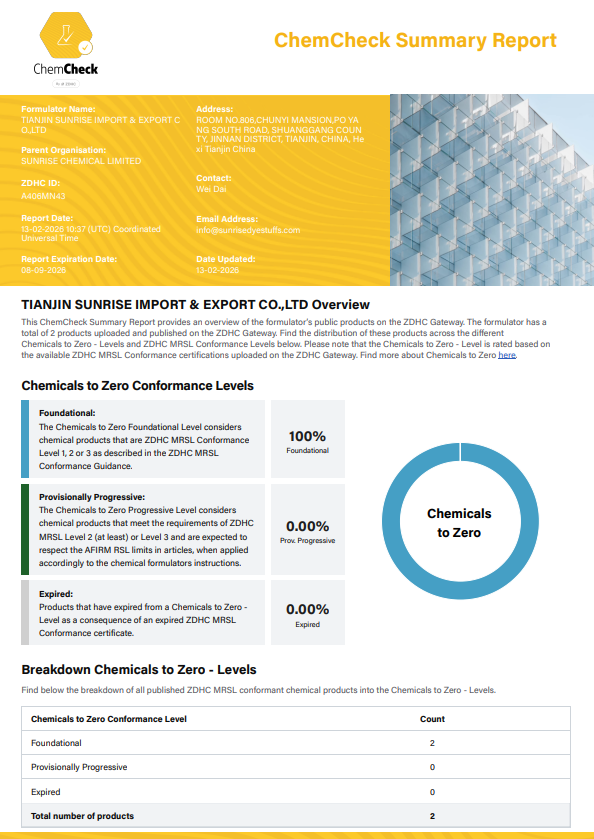
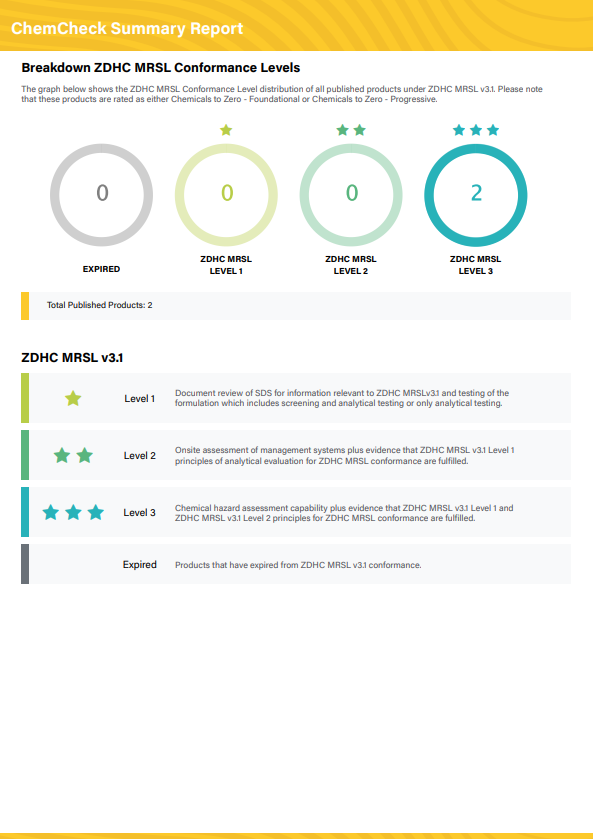
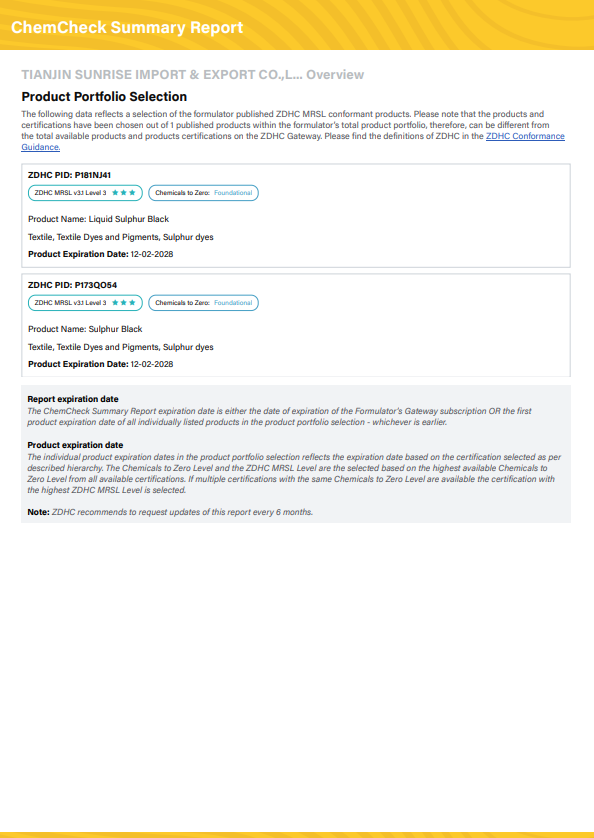
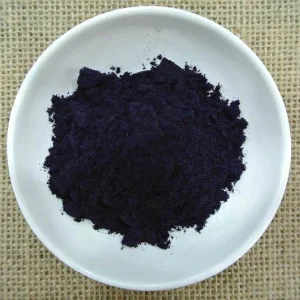
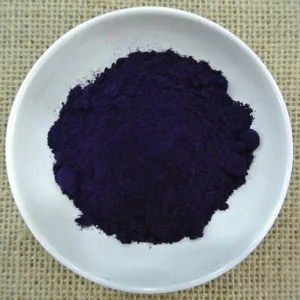
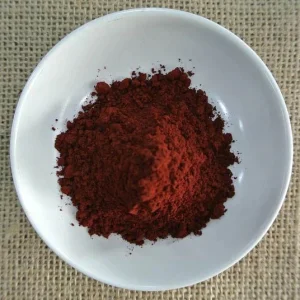
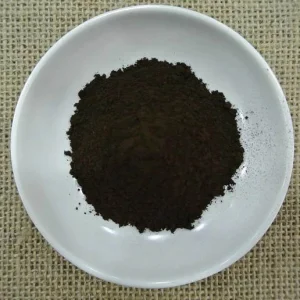
Explore our main direct dyes portfolio, formulated with optimized solubility, salt resistance, and ecological compliance
Additional Product Links in this Series:
Sunrise Direct Yellow 12 For Paper Uses | OEM Direct Yellow 142 For Paper Shading | Sunrise Paper Coloring Dyes Direct Yellow R | China Dyestuff Direct Yellow 86Clear, direct, and technically accurate answers to guide procurement and chemical compatibility decisions
 Sunrise