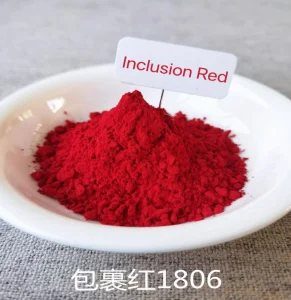
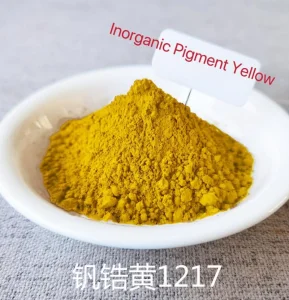
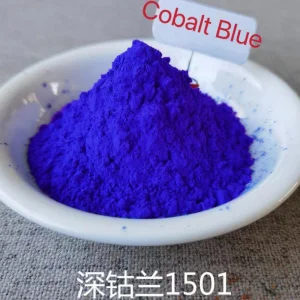
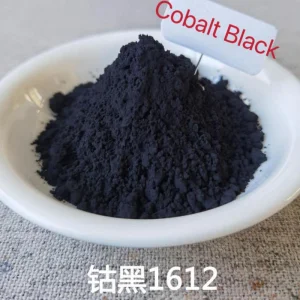
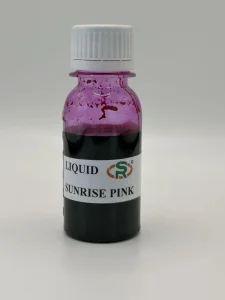
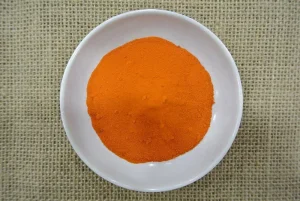
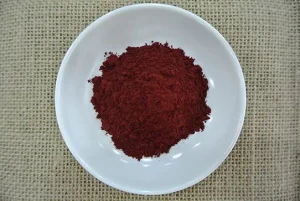
High-purity transition metal oxides engineered to withstand firing temperatures up to 1250°C, optimized for Malaysia's leading ceramic factories.
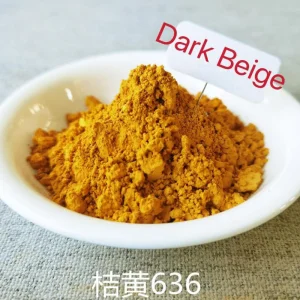
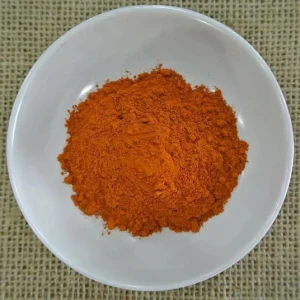
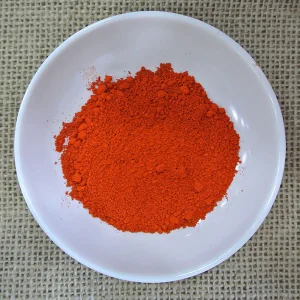
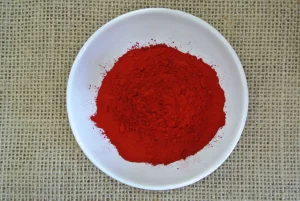
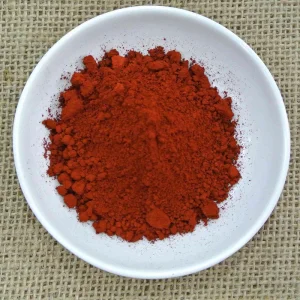
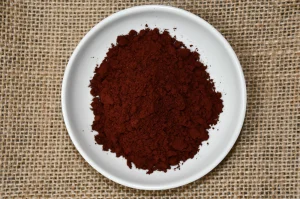
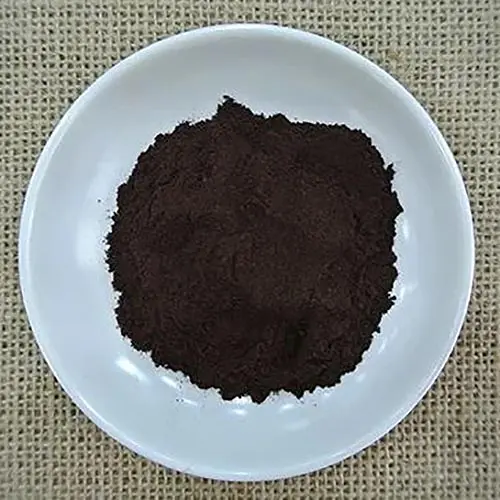
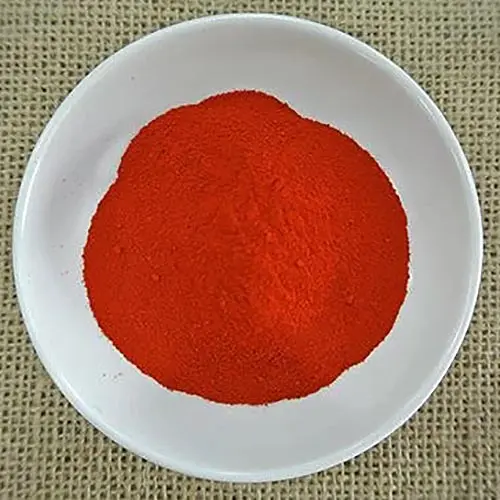
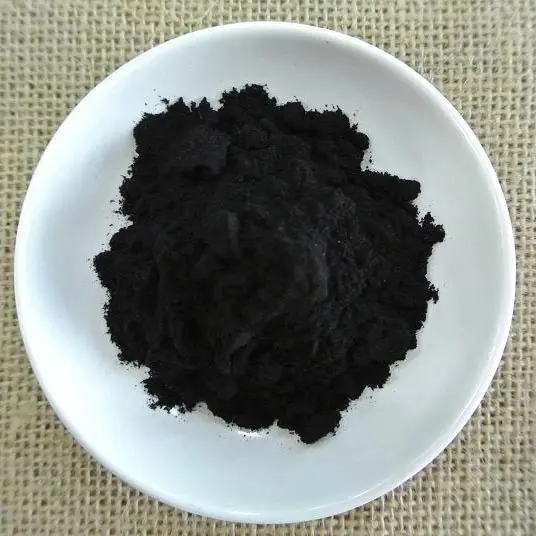
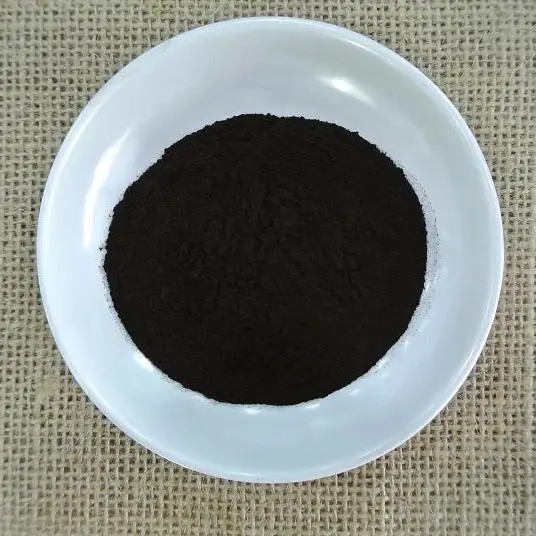
Ceramic tile pigments (or ceramic stains) are highly specialized inorganic metal oxides formulated to introduce stable, vibrant, and uniform colors into ceramic bodies, glazes, and digital printing inks. Unlike organic dyes that degrade rapidly under elevated thermal conditions, inorganic ceramic pigments are synthesized via high-temperature solid-state calcination. They are designed to withstand firing temperatures ranging from 1000°C to over 1250°C without undergoing phase transition, decomposition, or oxidation.
For the highly competitive Malaysian construction and architectural surfacing sectors, securing a stable supply of premium-grade pigments is crucial. Modern residential developments, commercial high-rises, and industrial infrastructures in Kuala Lumpur, Penang, and Johor Bahru demand floor and wall tiles that possess exceptional chemical stability, mechanical strength, and aesthetic longevity. Partnering with a proven global manufacturer ensures that local tile producers can consistently deliver products matching international quality standards.
The ceramic tile market in Malaysia is undergoing a significant transition. Rising demand for large-format porcelain slabs, rustic glazed tiles, and high-gloss vitrified tiles has put pressure on local factories to upgrade their production processes. Additionally, Malaysia's unique tropical equatorial climate presents distinct challenges for building materials:
To meet these rigorous standards, Malaysian ceramic manufacturers must source raw materials from suppliers who offer fully characterized, chemically tested inorganic pigments that conform to SIRIM (Standard of Industrial and Research Institute of Malaysia) and ISO guidelines.
"The chemical stability of ceramic pigments rests on their crystal structures. Spinels (such as Co-Al and Co-Cr), Zircon matrices (ZrSiO4 hosting Zr-Pr or Zr-V), and Rutile lattices are synthesized at temperatures exceeding 1200°C. This solid-state reaction creates a chemically inert mineral phase that locks the colorant ions inside, ensuring they do not dissolve into the molten glaze during the brief, high-temperature firing cycle."
China remains the global epicenter for chemical dye and inorganic pigment production. Partnering with a premier Chinese exporter like Tianjin Sunrise Chem Group provides Malaysian importers with unparalleled competitive advantages:
The deployment of premium ceramic pigments spans across multiple localized architectural and industrial environments within Malaysia:
In modern commercial developments like the Merdeka 118 or TRX district in Kuala Lumpur, high-traffic flooring requires vitrified tiles with absolute wear resistance. Cobalt blue and zirconium yellow pigments are mixed directly into the porcelain body (double-charge tiles) to ensure that even if the surface wears down, the color remains identical throughout the tile's cross-section.
To prevent heat island effects in cities like Penang and Johor Bahru, exterior tile cladding uses ceramic pigments with high solar reflectance. Specially formulated iron-free black pigments and dark beige shades absorb less infrared radiation, keeping buildings cooler and reducing overall air conditioning loads.
For manufacturing plants in the Klang Valley and food processing hubs in Selangor, heavy-duty floor tiles must withstand aggressive chemical washes, acids, and heavy machinery. Pigments like chromium green oxide and iron oxide red 104 are utilized to guarantee chemical inertness.
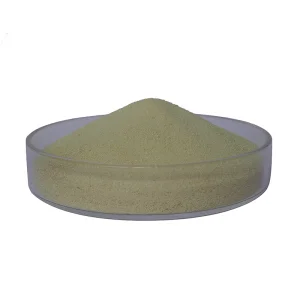
Broadening our industrial reach to specialized pigments, textile yellow colorants, and optical brighteners for multi-sector manufacturing applications.
Global excellence in chemical dyestuffs and high-temperature inorganic colorant technology.
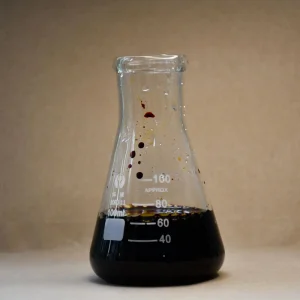
Tianjin Sunrise Chem Group specializes in manufacturing high-quality dyestuffs. Our product range includes Direct dyes, Acid dyes, Basic dyes, Sulphur dyes, Solvent dyes, Liquid dyes, and Fluorescent dyes.
Backed by decades of industry and export experience, we have built a reputation for reliability and excellence, serving clients from diverse sectors including denim, textile, leather, paper, plastic, and high-temperature ceramics.
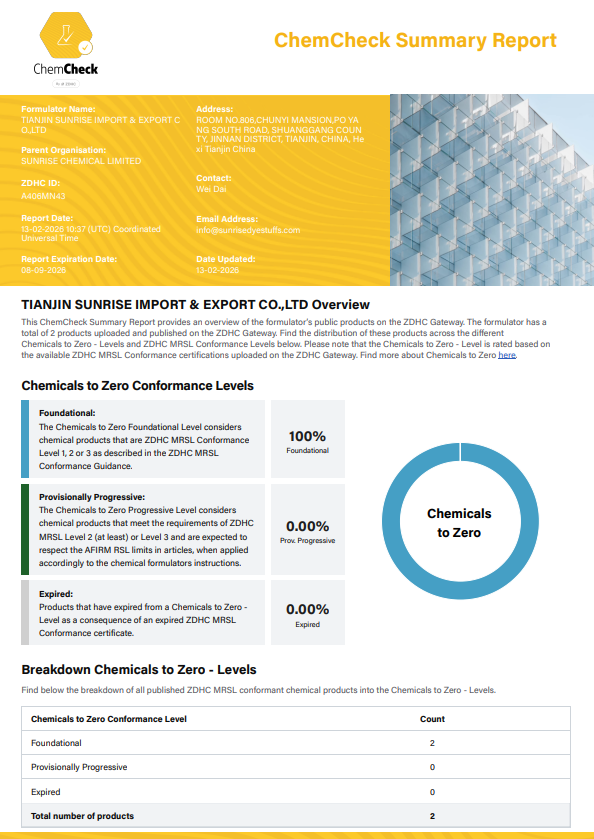
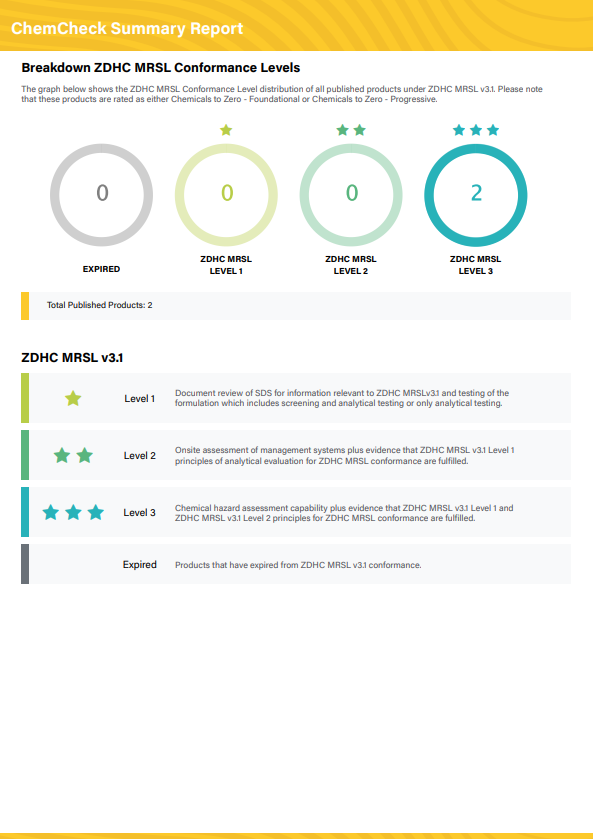
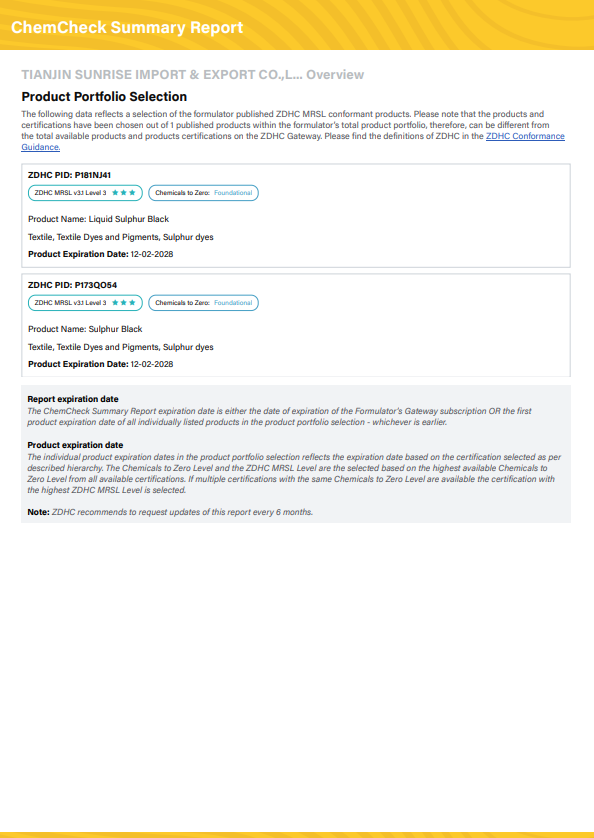
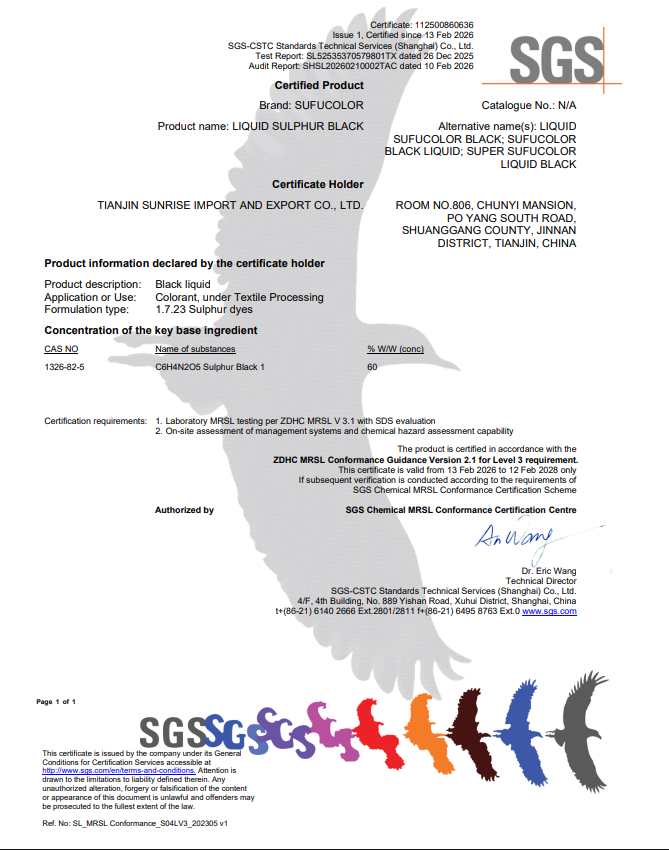
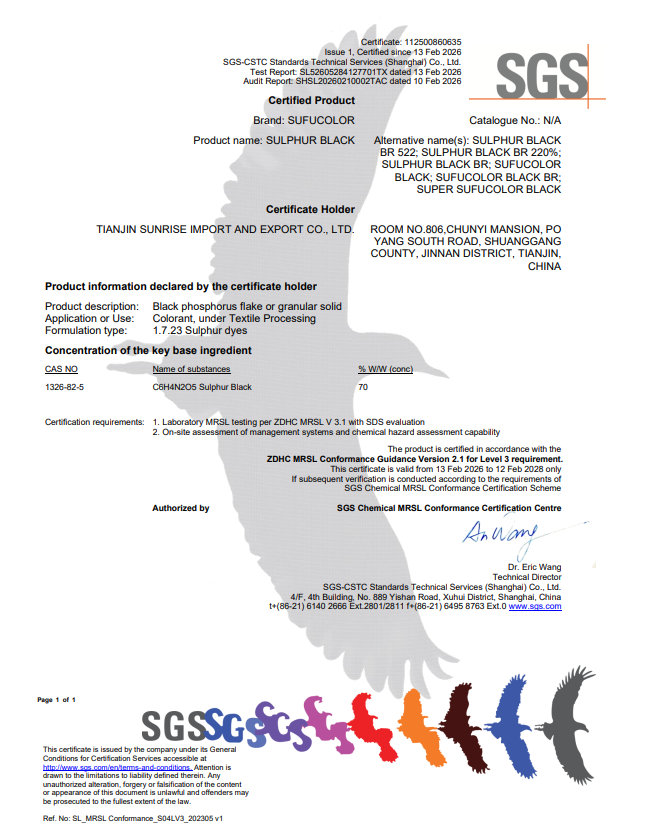
We always maintain a strong focus on product quality and stability. Each shipment undergoes rigorous testing before being sent to port. Our ZDHC Level 3 compliance and GOTS certification ensure that your quality and environmental standards are fully guaranteed.
We pride ourselves on offering customized solutions. Our team of experts works closely with clients to understand their unique needs and deliver tailored products and services. We actively seek strategic partnerships to expand our reach and enhance our offerings. Collaborate with us to explore mutual growth opportunities.
Environmental protection is the cornerstone of our innovation. We dedicate ourselves to providing clients with eco-friendly, high-quality colorants that balance productivity with environmental harmony, driving the industry towards a more sustainable development path while delivering high-performance products—for a greener textile industry and a sustainable future.
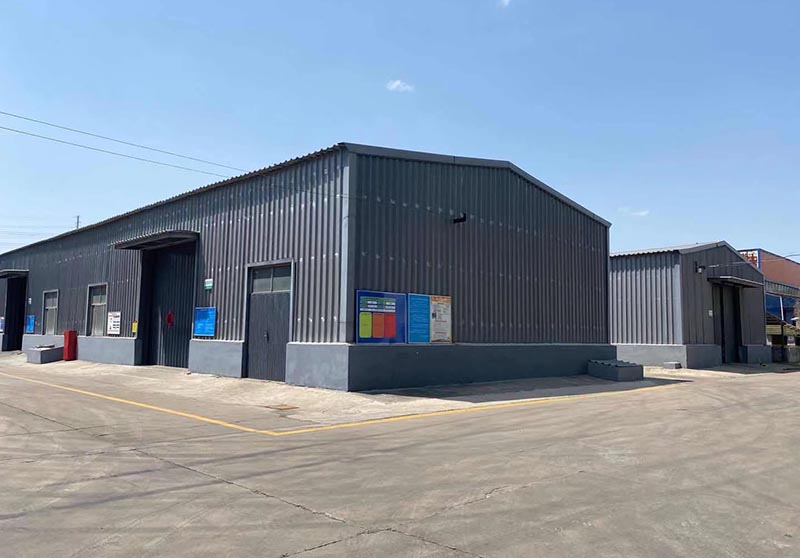
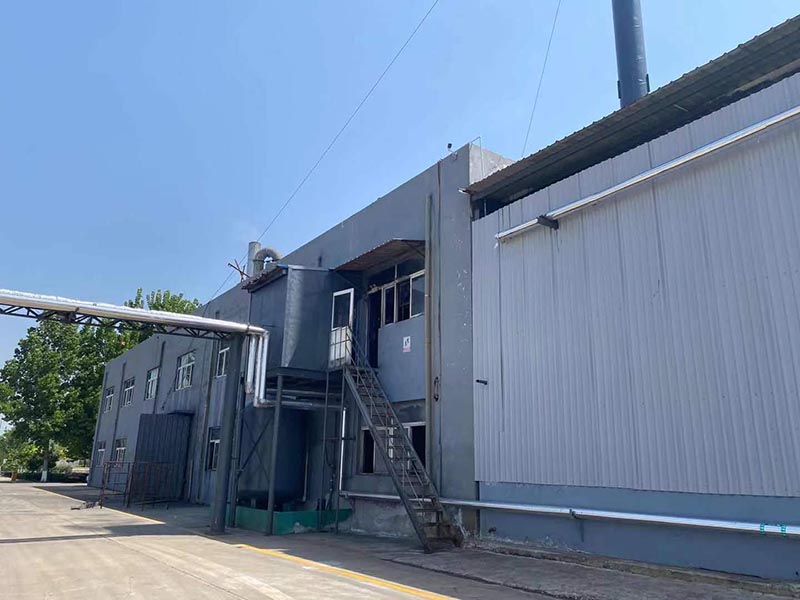
Cooperating with textile and paper mills for many years shows that the factory has established a strong and reliable business relationship. This kind of long-term collaboration can bring numerous benefits, such as consistent orders, shared resources, and mutual support. It also indicates that the factory has a good track record of delivering quality products and meeting the needs of its partners.
Our mission is to drive business growth by providing reliable and customized products. Our goal is to make a significant contribution to our customers' success by consistently delivering first-class products and exceptional customer service. By building lasting partnerships, we strive to be a catalyst for our clients' success.
With years of experience, we have successfully established strong partnerships in many countries. Our dedication to meeting global demands and exceeding customer expectations has earned us a reputation as a reliable supplier worldwide.
If you are looking for reliable, high-quality Dyes, we invite you to choose us as your trusted partner.
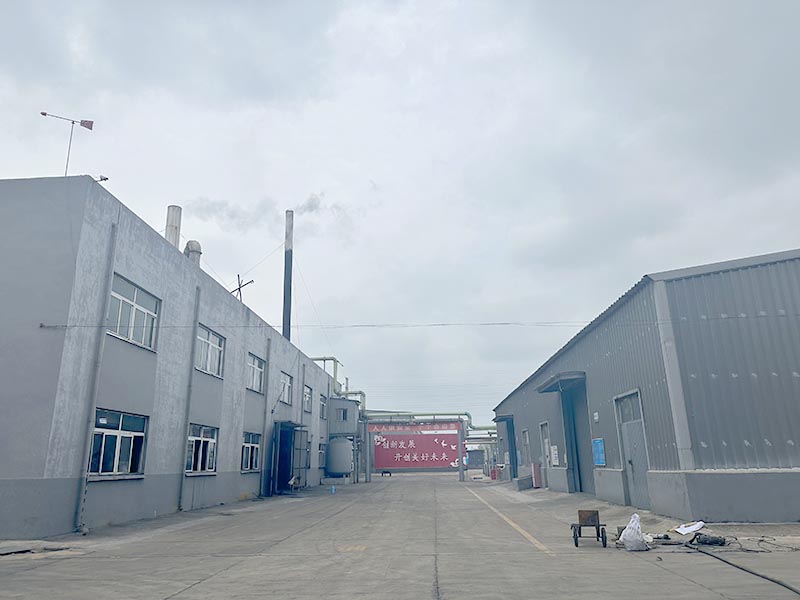
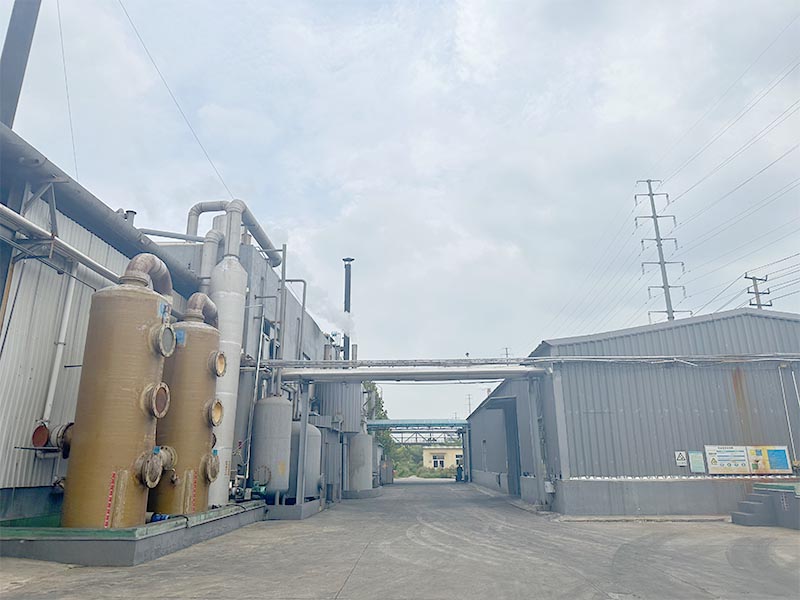
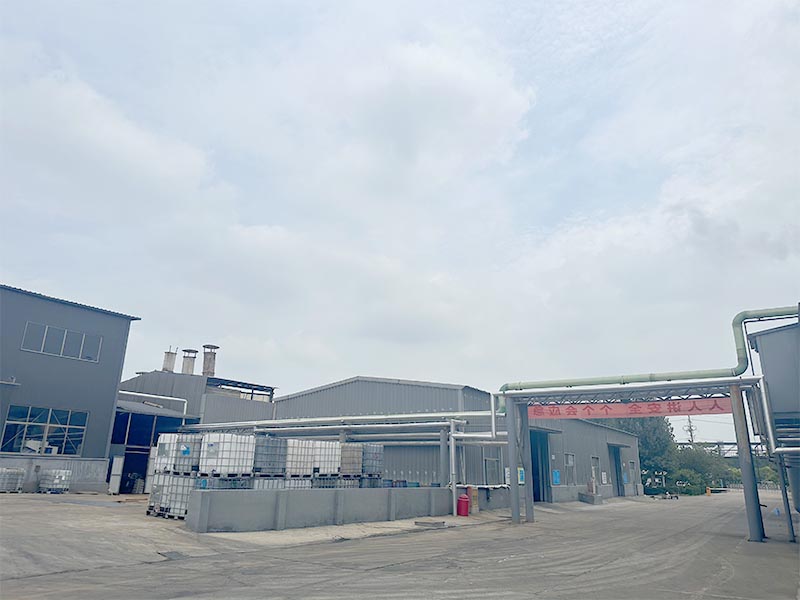
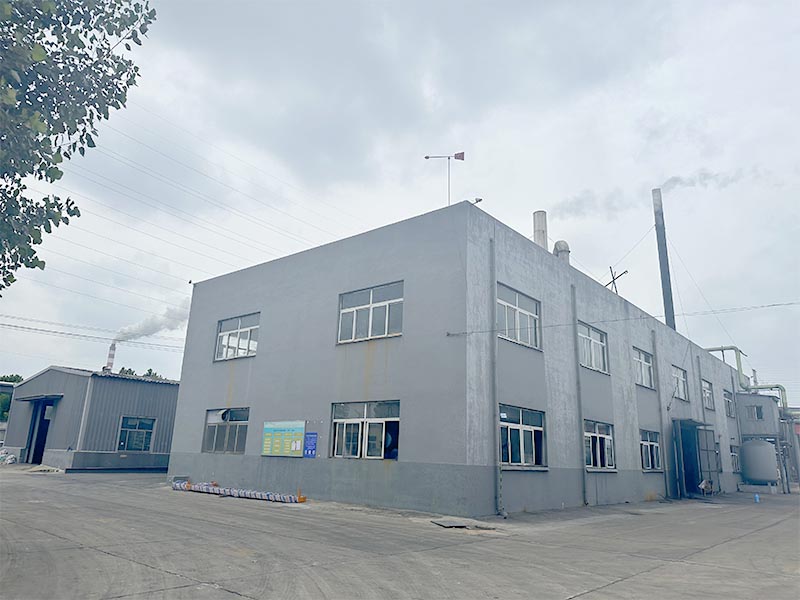
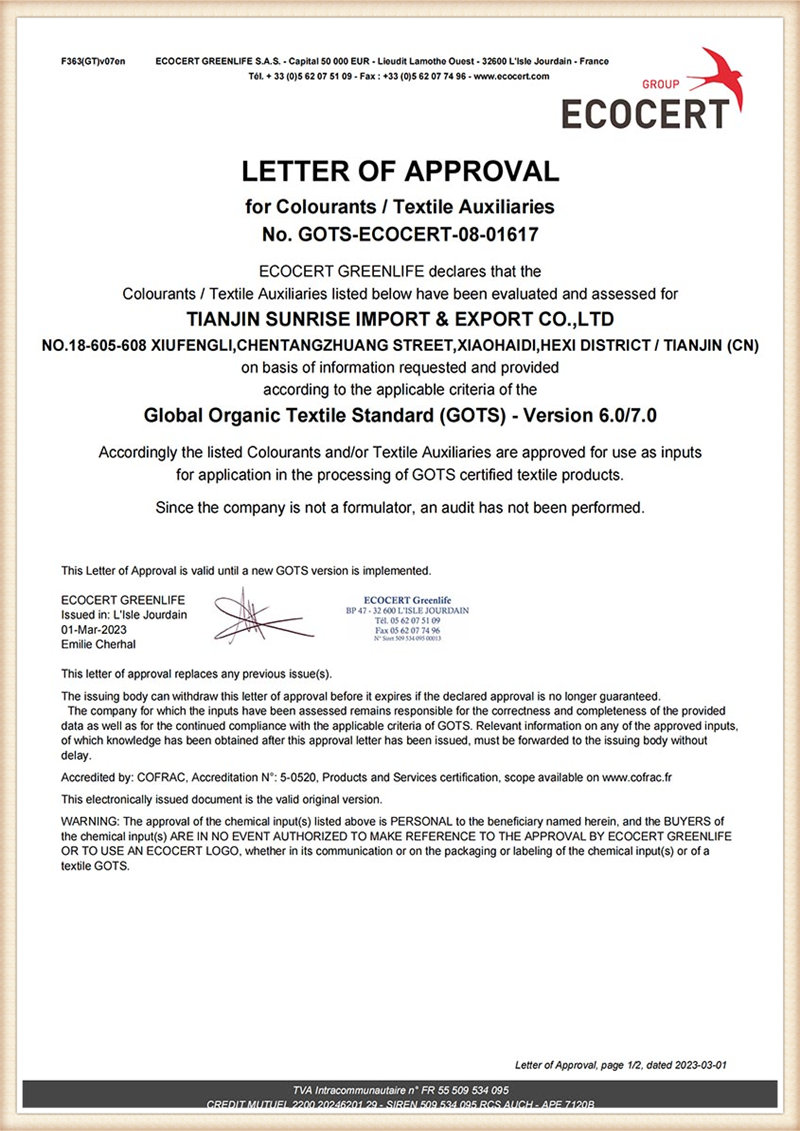
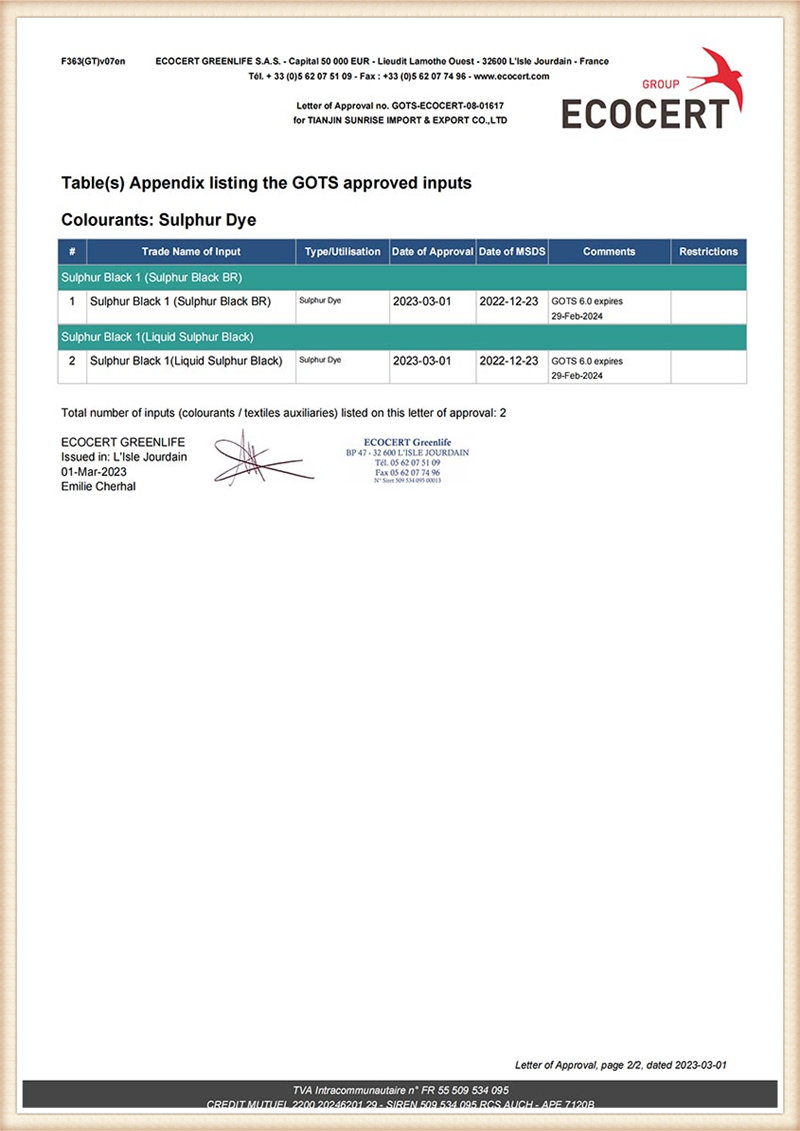
Verifying our compliance with international environmental and product standards.
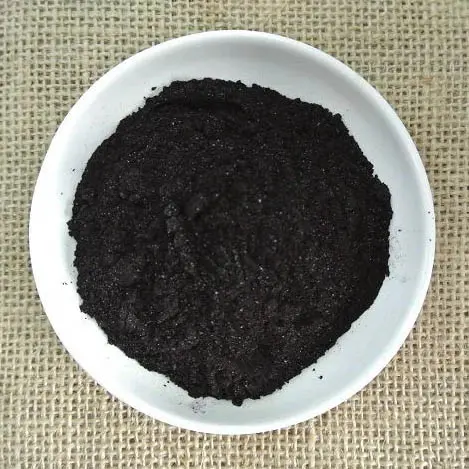
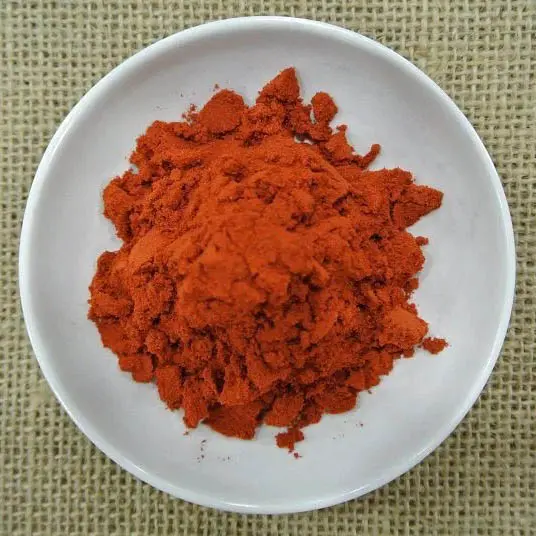
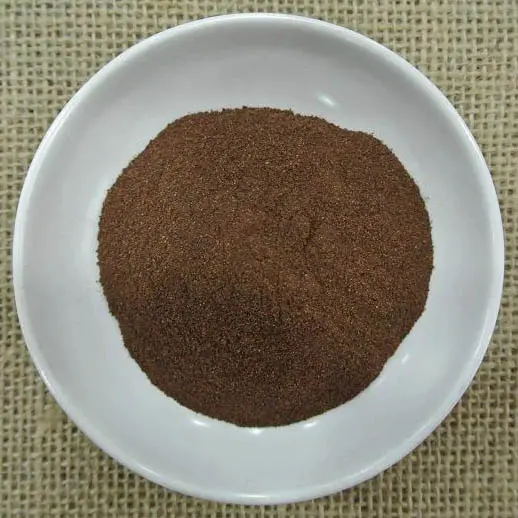
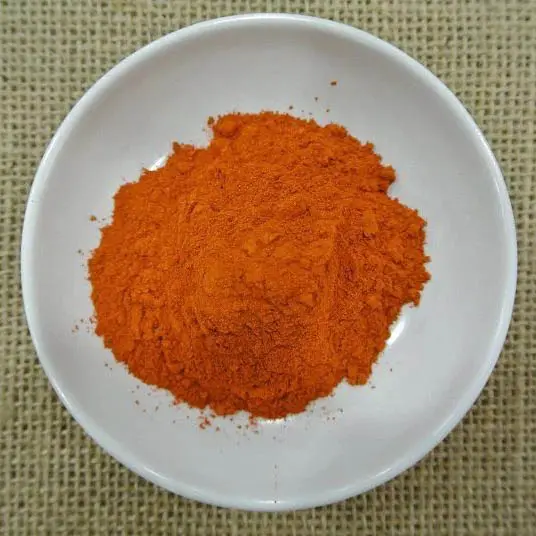
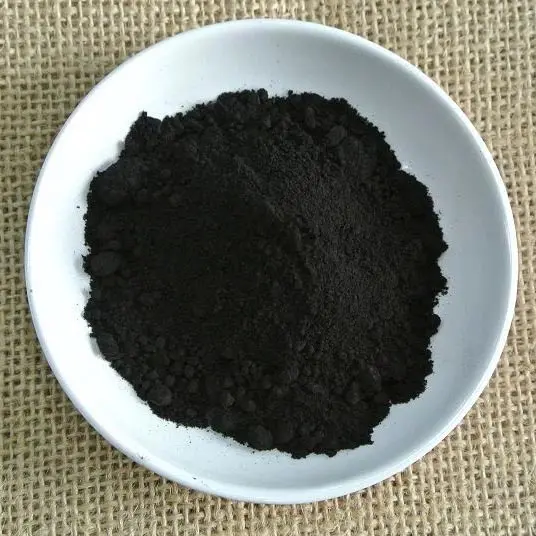
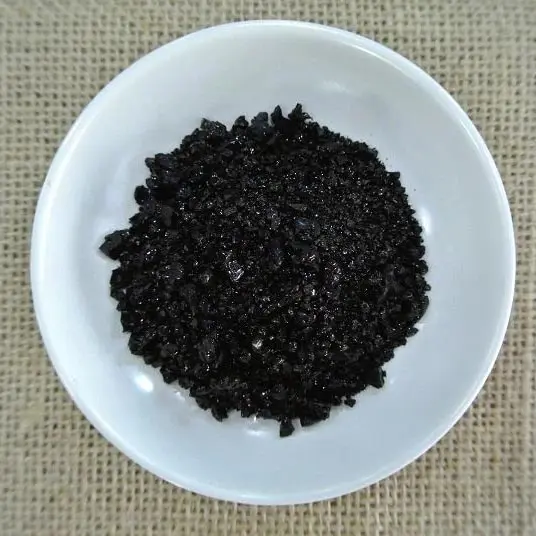
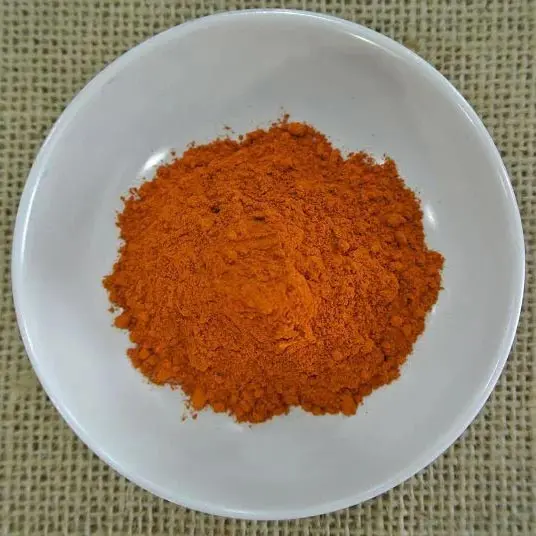
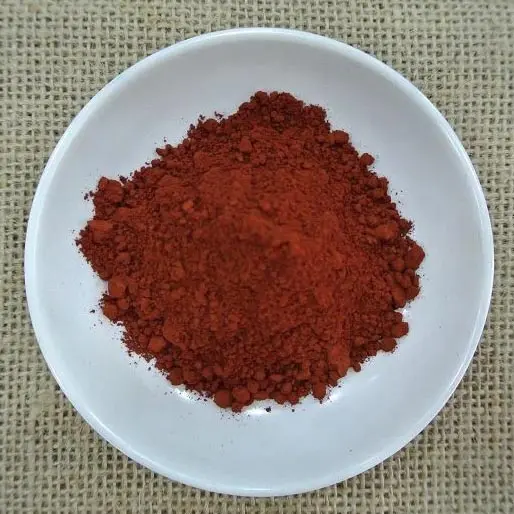
Industrial scale ceramic production often experiences defects due to poor pigment quality or compatibility issues. Our technical team works alongside clients to troubleshoot these common errors:
Our inorganic ceramic pigments, including Zirconium Yellow and Cobalt Blue, are calcinated at temperatures exceeding 1200°C. They remain stable up to 1250°C-1300°C, making them suitable for fast-firing roller kilns used in modern porcelain tile production.
Yes. We supply micro-milled pigment powders with specialized particle size distributions (D90 < 1.5μm) optimized for suspension in solvent and oil-based media, preventing printhead nozzle clogging.
These certifications verify that our products are free from restricted hazardous substances. This simplifies customs clearance under Malaysian environmental protection acts and helps local mills meet international compliance audits.
With our manufacturing facility near major shipping ports in Northern China, standard orders are processed and loaded within 10 to 14 days, with transit times to Malaysia ranging from 8 to 12 days.
Discover our full product line for textile processing, paper manufacturing, wax coloration, and construction aggregates.
Get in touch with our engineers today for customized formulations, packaging requirements, and wholesale quotes tailored to the Malaysian market.
Send Inquiry Now Sunrise