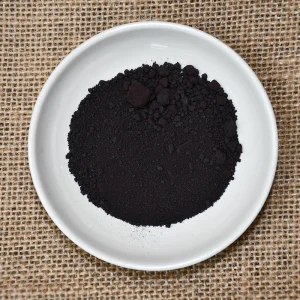
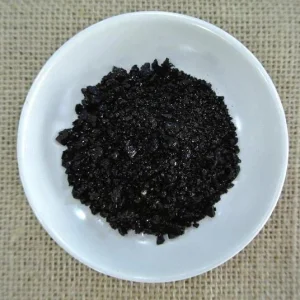
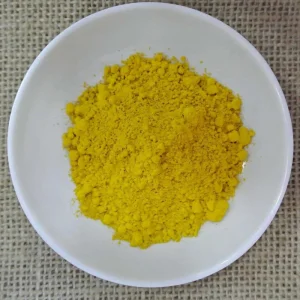
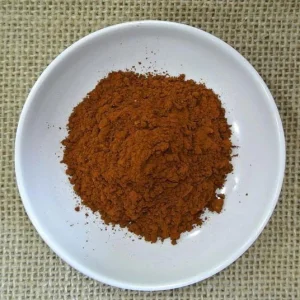
Designed for maximum thermal stability, chemical persistence, and mechanical wear resilience. These four select pigments represent our primary line for architectural ceramic tile factories and modern inkjet glaze decoration across Russia.
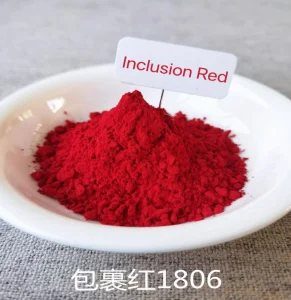
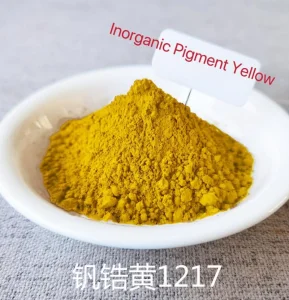
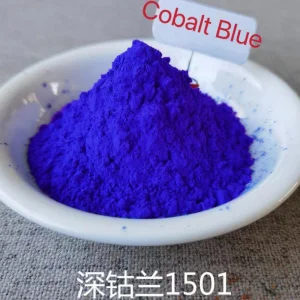
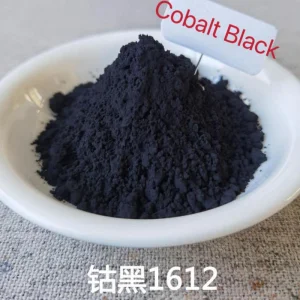
The Russian Federation boasts a highly demanding construction sector. Large-scale ceramic manufacturing operations located across the Moscow region, Saint Petersburg, Voronezh, and the Ural manufacturing corridors require stable, high-volume supplies of inorganic coloring agents. Historically dependent on Western European raw material pipelines, Russian ceramic processors have shifted their focus to secure, cost-optimized, and technologically equivalent alternatives from China.
Building materials intended for Russian infrastructure must endure extreme environmental parameters. In regions such as Siberia and the Far East, external wall tiles and ceramic claddings face extreme thermal gradients, with winter temperatures plunging below -40°C and summer temperatures rising above +35°C. This requires color pigments to display perfect chemical integration with the glaze phase to prevent thermal cracking, micro-fissuring, or shade degradation under heavy UV exposure.
Furthermore, local raw material profiles in Russian manufacturing zones—characterized by specific trace elements in clays and frits sourced from domestic deposits—require pigment suppliers to possess deep formulations knowledge to avoid devitrification or discoloration defects during high-temperature rapid firing cycles.
In industrial ceramics, color consistency is determined by phase stabilization at temperature extremes. Achieving vibrant tones requires high-level coordination of mineralizer parameters and calcination curves.
Our glaze pigments utilize robust crystal lattices (e.g., Zircon Silicate, Zirconia-Praseodymium, and Chrome-Alumina-Cobalt spinels) capable of resisting dissolution within highly aggressive alkaline glazes up to 1250°C. This prevents melting or fading during rapid firing schedules typical of Russian double-firing and single-firing wall and floor tile technologies.
For modern digital inkjet decoration lines, our pigments undergo rigorous wet-milling and classification processes. We maintain a narrow particle size distribution (D90 < 1.5 microns) to prevent settlement and blockages within high-speed printheads, ensuring clean, continuous printing results on large-format floor and wall slabs.
By regulating parameters like coefficient of thermal expansion (CTE) and reducing surface moisture absorption, our pigments integrate seamlessly with boron-zirconium glaze frits. This suppresses defects such as pinholes, crazing, orange peel surface textures, and edge glaze-peeling under cold structural loads.
| Pigment Class | Typical Crystal Structure | Firing Limit (°C) | Glaze Chemistry Compatibility | Russian Application Target |
|---|---|---|---|---|
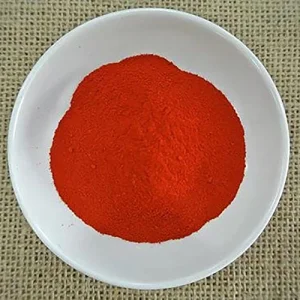
| Conclusion Red (Cadmium Selenium) | Zircon Encapsulated (ZrSiO4) | 1180°C - 1220°C | Needs low zinc oxide glaze matrix | Vibrant wall tiles & accent decors |
| Praseodymium Yellow | Zircon Silicate (Zr-Si-Pr) | 1280°C | High compatibility with borosilicate glazes | Porcelain stoneware, floor tiles |
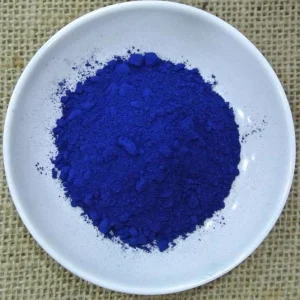
| Cobalt Blue Spinel | Cobalt Aluminate (CoAl2O4) | 1300°C | Extremely stable across all glazes | Heavy-duty industrial tile & pool ceramics |
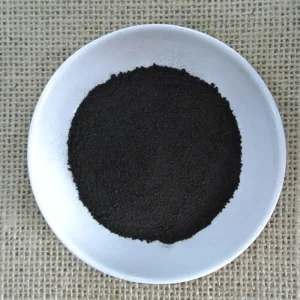
| Chrome-Iron Black | Spinel ((Cr,Fe)2O3) | 1260°C | Stable, resists oxidation states | External façade cladding, architectural granite |
Tianjin Sunrise Chem Group specializes in manufacturing high-quality dyestuffs and pigments. Our comprehensive product portfolio includes Direct dyes, Acid dyes, Basic dyes, Sulphur dyes, Solvent dyes, Liquid dyes, and Fluorescent dyes, serving a global industrial client base.
Backed by decades of industry and export experience, we have built a reputation for reliability and excellence, serving clients from diverse sectors including denim, textile, leather, paper, and plastic. We always highly focus on goods quality and stability. Each shipment is thoroughly tested and certified before sending to the port of exit.
Environmental protection is the cornerstone of our innovation. We dedicate ourselves to providing clients with eco-friendly, high-quality colorants that balance productivity with environmental harmony, driving the industry towards a more sustainable development path while delivering high-performance products—for a greener textile industry and a sustainable future.
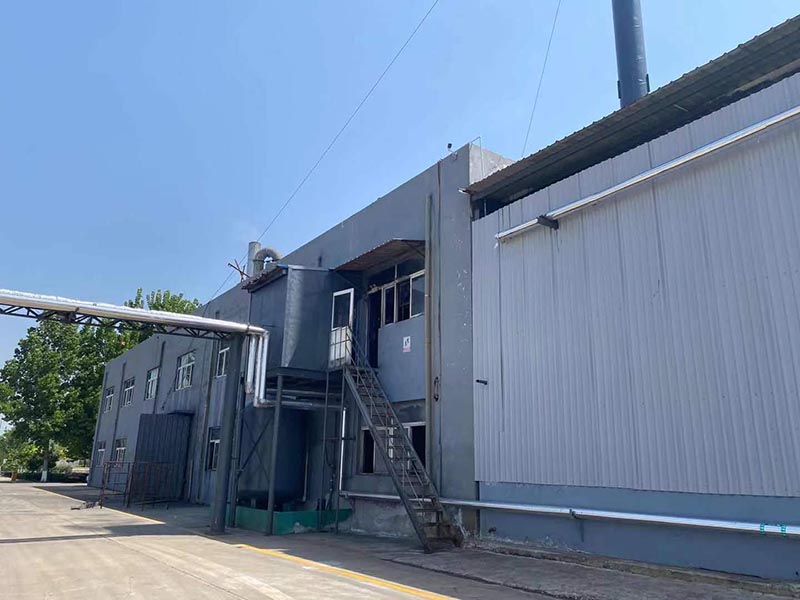
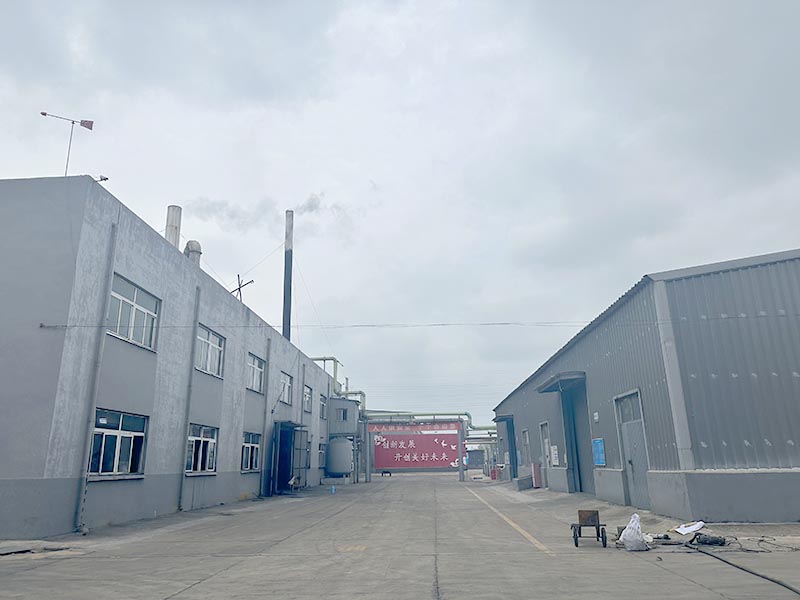
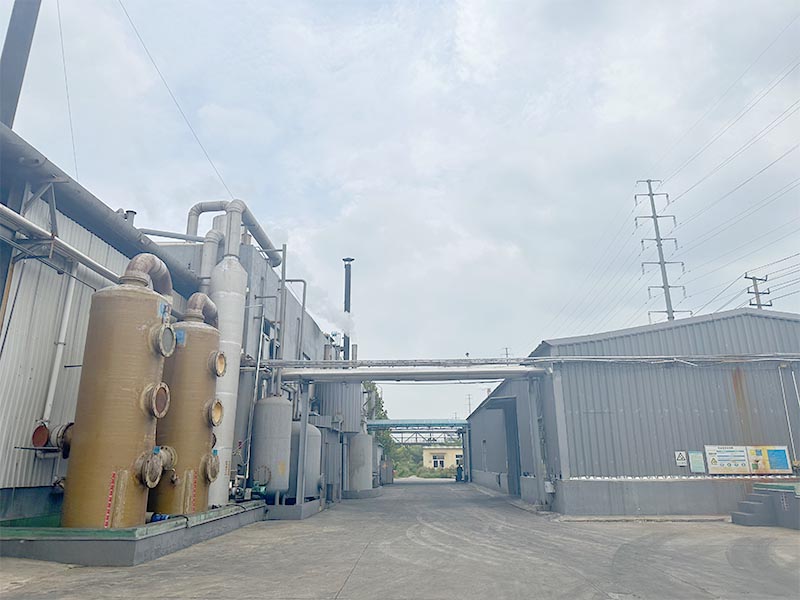
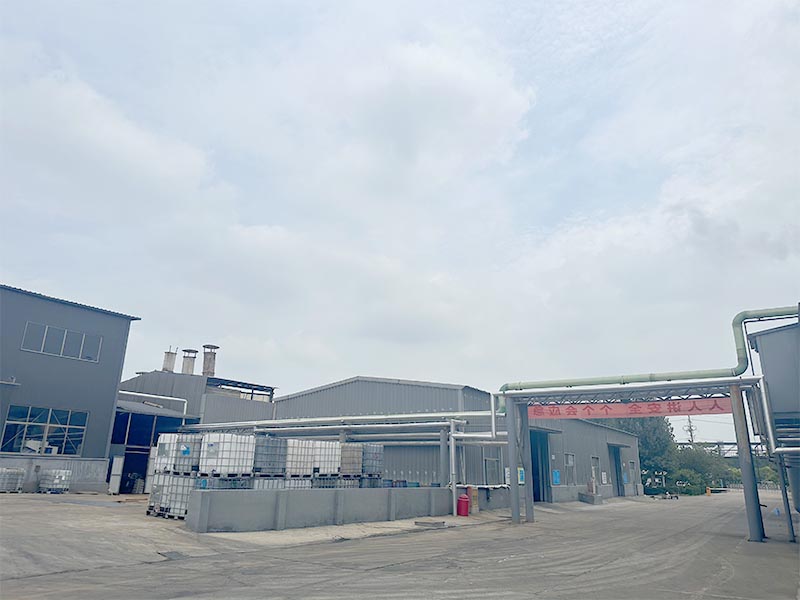
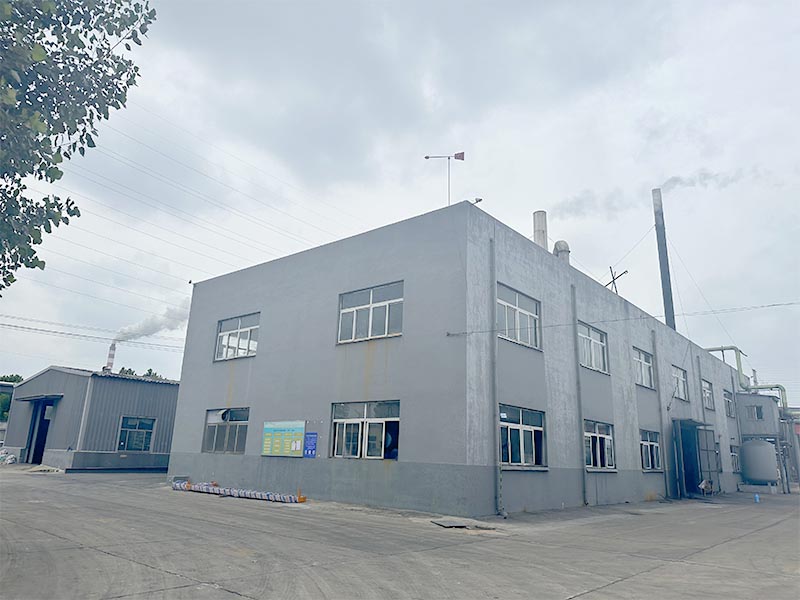
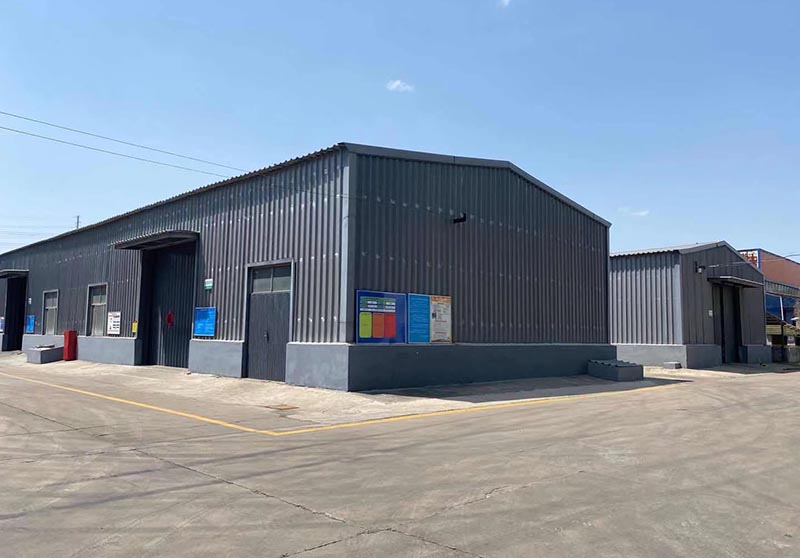
Cooperating with textile, paper, and ceramic mills for many years shows that our factory has established a strong and reliable business relationship. This kind of long-term collaboration brings numerous benefits, such as consistent orders, shared resources, and mutual support. It indicates that the factory has a good track record of delivering quality products and meeting the needs of its partners. Our mission is to drive business growth by providing reliable and customized products.
Through Tianjin Sunrise Chem Group's production networks, we guarantee delivery timelines for Russian buyers. Utilizing the China-Europe Railway Express (New Silk Road), direct container shipments depart from Tianjin, Xi'an, and Chengdu to arrive at Moscow (Vorsino / Bely Rast), Saint Petersburg, and Yekaterinburg logistics terminals. This bypasses maritime chokepoints and reduces transit times to 14–18 days, securing consistent production schedules for Russian manufacturers.
We provide comprehensive customs support, providing full EAEU (Eurasian Economic Union) customs declarations, technical safety documentation, and specialized test reports to ensure efficient cross-border transit.
While inorganic glazes represent a core segment, Sunrise Tianjin provides specialized color systems for multiple industrial sectors throughout Russia. From timber processing in the Siberian forests to heavy paper mill groups in the Northwestern Federal District, our specialized formulations ensure stable performance.
Our GOTS and ZDHC-compliant Sulphur and Acid dyes are optimized for heavy-density fibers, ensuring colorfastness and consistency for outerwear, workwear, and denim fabrics processed in regional Russian textile centers.
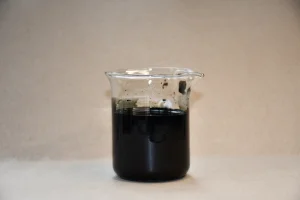
Supplying liquid brown and direct black colorants directly to large paper mills. Engineered for consistent affinity to bleached and unbleached kraft pulps, preventing effluent load spikes in municipal water systems.
Our metal-complex solvent dyes provide optical clarity and deep penetration for Siberian softwood staining, as well as thermal stability in masterbatch compounding for automotive and domestic plastics.
With years of experience, we have successfully established strong partnerships in many countries. Our dedication to meeting global demands and exceeding customer expectations has earned us a reputation as a reliable supplier worldwide. Explore our ongoing shipping, loading, and warehousing operations designed to maintain constant raw material levels for our clients.
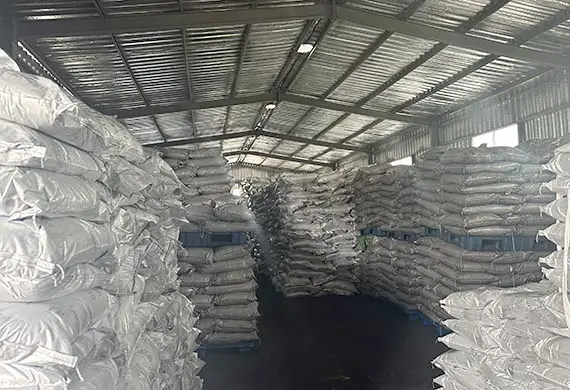
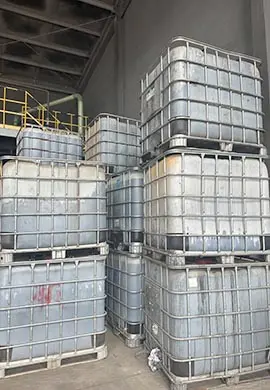
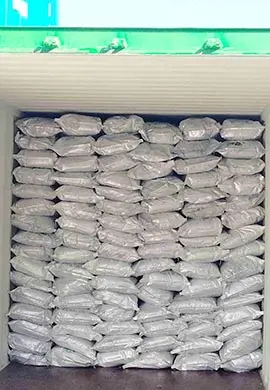
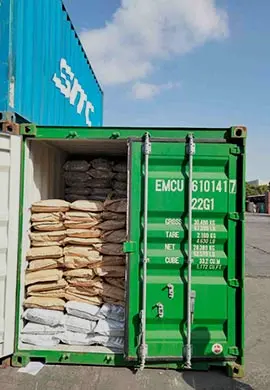
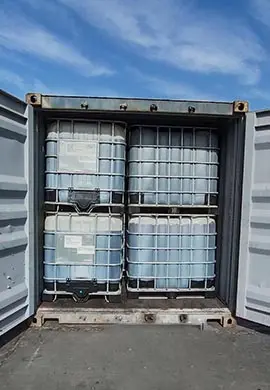
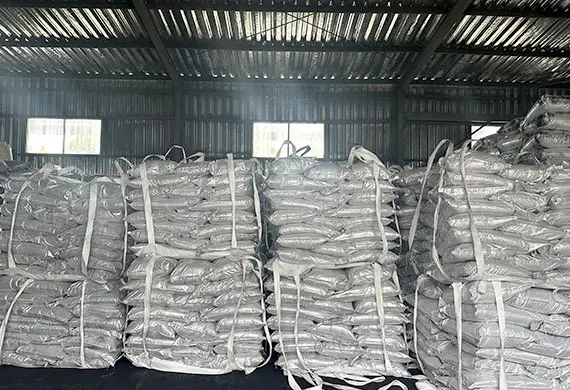
Sourcing raw chemical materials for the Russian market requires strict adherence to regulatory protocols. We assist import operations by ensuring all shipments comply with EAEU technical standards, providing detailed safety certifications in both Russian and English.
Our local technical team works directly with laboratory centers in Russia to adjust formulations for regional raw materials. By analyzing the chemistry of specific local clays and frits, we can match and optimize glaze compositions to eliminate common manufacturing defects and maintain consistent color yields.
Certified for direct import and distribution across the Eurasian Customs Union.
Consistent batch verification and tracking under global quality systems.
Minimizing environmental footprints to meet modern green building specifications.
Eliminating hazardous chemicals throughout our pigment supply chains.
Customized formulations matching local clays and structural criteria.
Explore our complete range of specialized pigments and industrial dyes. Optimized for high compatibility, stability, and yield, this selection serves diverse sectors across the Russian industrial market, including wood tinting, papermaking, and textile production.
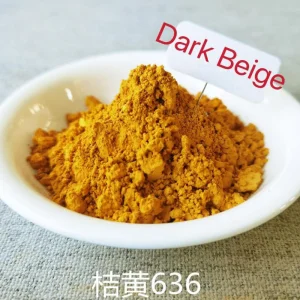
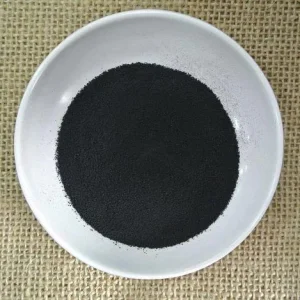
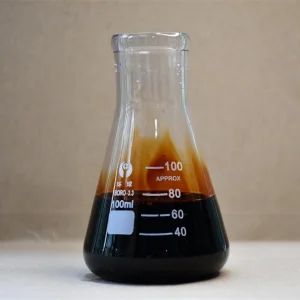
Find answers to common technical queries regarding chemical compatibility, kiln firing parameters, logistics, and compliance standards for the EAEU market.
Encapsulated red pigments lock the cadmium sulfoselenide (CdSSe) crystals inside a protective zirconium silicate (ZrSiO4) shell. This barrier prevents chemical breakdown during firing temperatures up to 1200°C. To ensure durability, the base glaze should maintain low concentrations of aggressive oxides (such as zinc and high lead phases) which can etch the zirconium shell.
Our R&D center analyzes the mineralogy of clay and frit samples sent by customers. By testing behavior under simulated firing profiles, we adjust pigment formulations to prevent issues like pinholing, devitrification, or discoloration, matching the thermal properties of the local substrate.
We coordinate cargo shipments via the China-Europe Railway Express, routing containers through the Manzhouli/Zabaikalsk or Alashankou/Dostyk borders to Russian freight stations. This land transport bypasses maritime variables, delivering within 14–18 days to support steady manufacturing cycles.
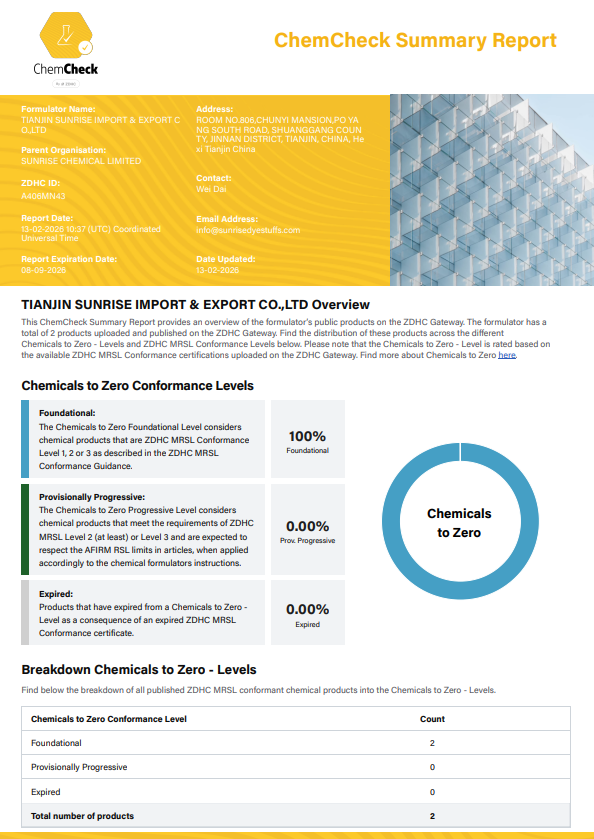
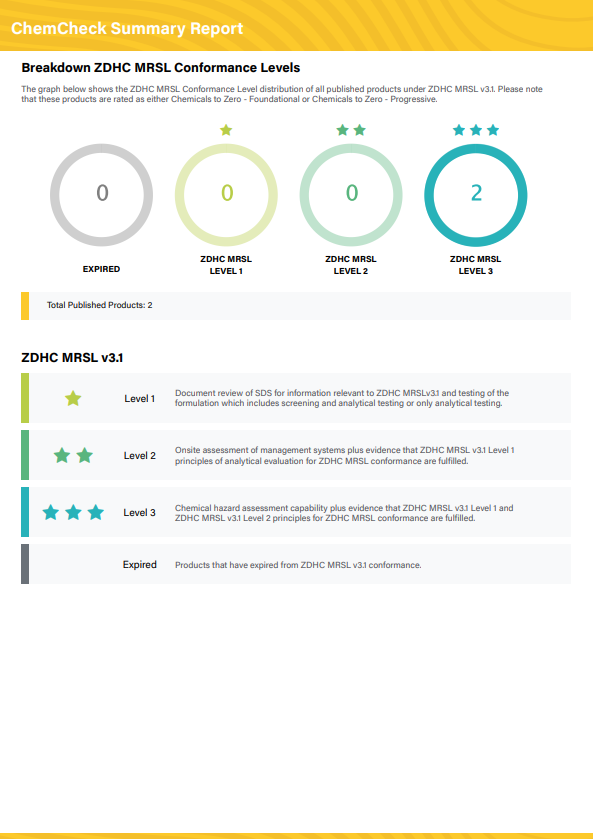
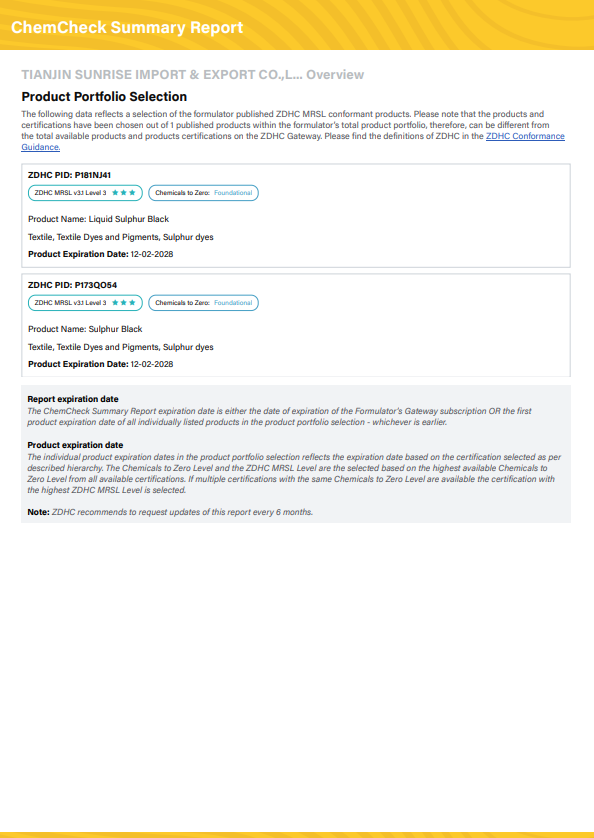
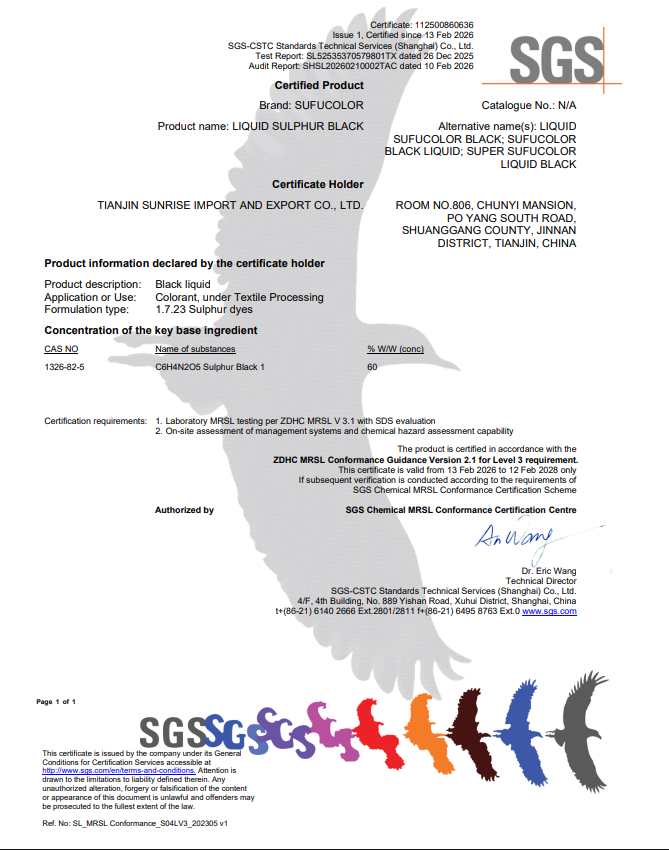
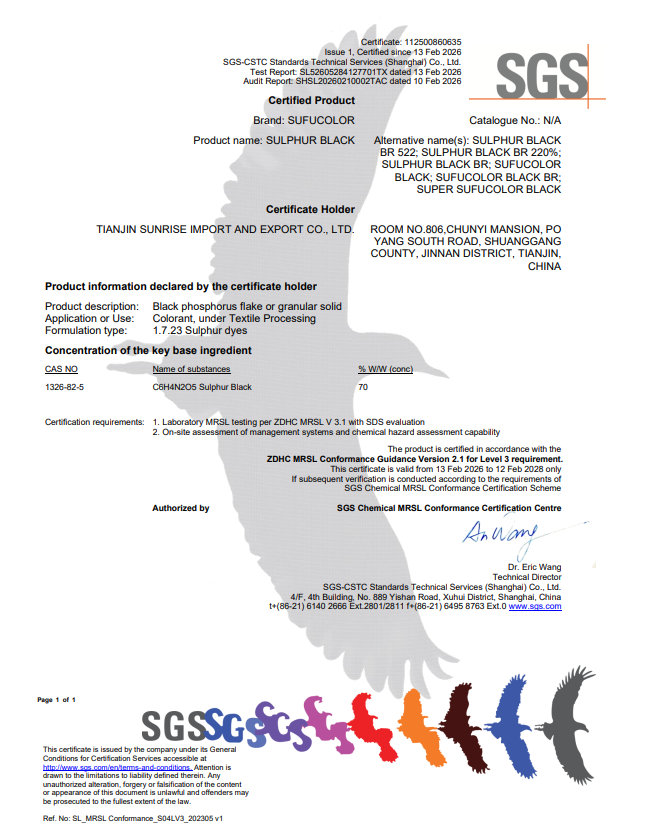
Yes, our chemical lines carry ZDHC Level 3 and GOTS certifications. This guarantees that our manufacturing processes restrict hazardous substances, meeting strict environmental safety requirements for international markets.
We apply advanced milling processes to keep the particle size distribution narrow, targeting D90 below 1.5 microns. This reduces nozzle wear and prevents sedimentation in printer lines, ensuring consistent print results on large-format floor and wall slabs.
Partner with Sunrise Tianjin to receive certified, high-grade inorganic pigments and industrial dyestuffs customized for your plant machinery. Request samples, SDS data sheets, and custom matches today.
 Sunrise