Engineered for high fastness, intense exhaustion, and strict environmental compliance in local textile and leather mills.
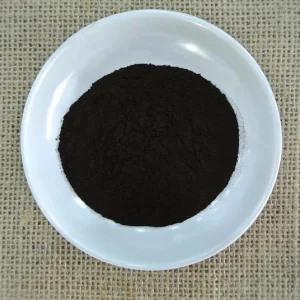
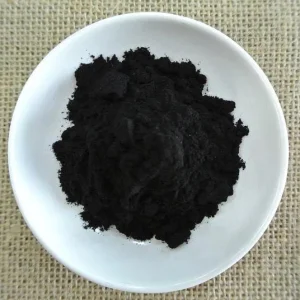
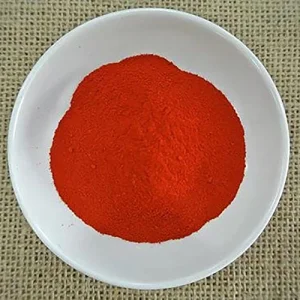
Bangladesh has solidified its position as the world's second-largest ready-made garment (RMG) exporter, representing a vital pillar of the global apparel supply chain. As the country prepares to graduate from the Least Developed Country (LDC) status, its wet processing, textile dyeing, and finishing mills are shifting towards higher-value products. The demand for wool, silk, synthetic blends, nylon, and premium leather has surged, triggering a critical reliance on high-performance colorants, particularly Acid Dyes.
Unlike basic cotton processing which relies on reactive or direct dyes, technical fibers and premium leather substrates require chemical molecules with superior ionic affinity. Acid dyes, characterized by their water-soluble anionic properties, are uniquely suited to form salt linkages with the cationic amino groups of wool, silk, nylon, and chrome-tanned leather.
For mills based in major industrial hubs like Gazipur, Narayanganj, Savar, and Chittagong, sourcing high-purity, environmentally compliant acid dyes is no longer just a purchasing decision—it is a critical compliance mandate. European and North American fashion buyers enforce strict limits on restricted substances, requiring local manufacturers to partner with chemical suppliers certified under global frameworks such as ZDHC Level 3 and GOTS.
Chemical Compliance
Organic Standard
Batch Tested
Export Countries
Understanding intermediate synthesis, logistical routes, and global trade factors influencing Bangladesh's chemical availability.
Upstream chemical synthesis of H-acid, J-acid, and tobias acid dictates market pricing. Direct factory partnerships bypass brokers for pricing stability.
Efficient shipping routes from manufacturing facilities directly to Dhaka and Chittagong ports protect against raw material shortages.
Every single batch undergoes rigorous spectrophotometric evaluation to guarantee reproducibility across differing fiber qualities.
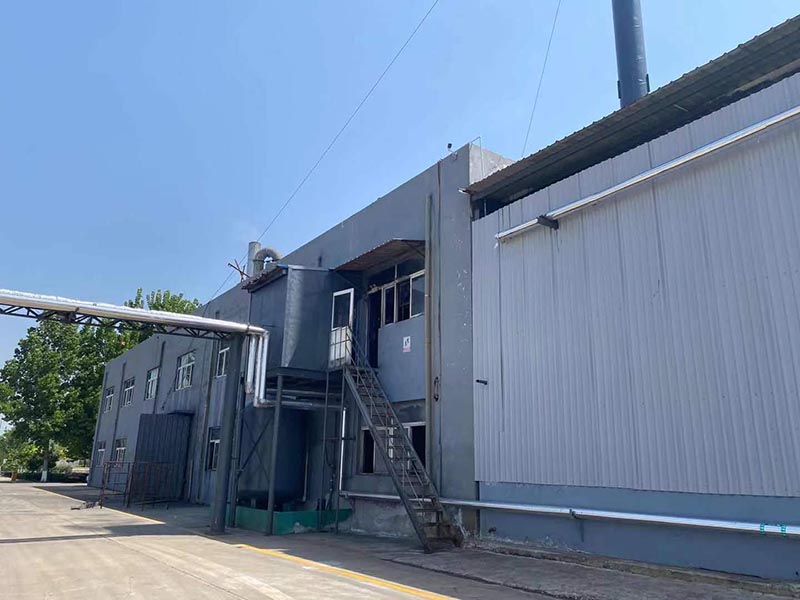
Cooperating with textile and paper mills for many years shows that the factory has established a strong and reliable business relationship. This kind of long-term collaboration can bring numerous benefits, such as consistent orders, shared resources, and mutual support. It also indicates that the factory has a good track record of delivering quality products and meeting the needs of its partners.
Our mission is to drive business growth by providing reliable and customized products. Our goal is to make a significant contribution to our customers' success by consistently delivering first-class products and exceptional customer service. By building lasting partnerships, we strive to be a catalyst for our clients' success.
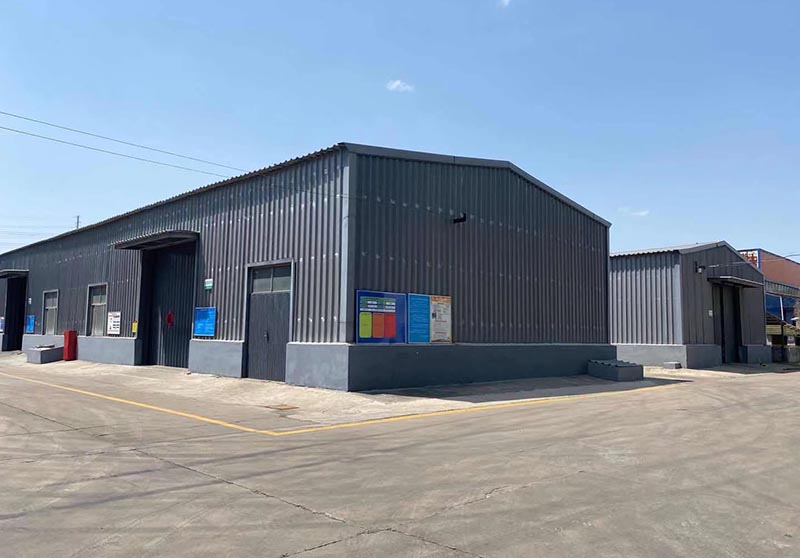
Tianjin Sunrise Chem Group specializes in manufacturing high-quality dyestuffs, including Direct dyes, Acid dyes, Basic dyes, Sulphur dyes, Solvent dyes, Liquid dyes, and Fluorescent dyes. Backed by decades of industry and export experience, we have built a reputation for reliability and excellence.
The chemistry of acid dyeing revolves around the interaction between the anionic dye molecule (which typically contains one or more sulfonic acid sodium salt groups, -SO3Na) and the fiber substrate. In acidic conditions, protein fibers (such as wool and silk) and polyamide fibers (nylon) develop a positive charge because their amino groups protonate into -NH3+.
The chemical equation representing the bonding is:
Controlling pH is essential to achieving consistent dye exhaustion and levelness:
Polyamide fibers require high wet-fastness and chlorinated water fastness. Our Acid Red 18 and Acid Yellow 36 deliver brilliant, stable hues suitable for performance swimwear and outdoor gear manufactured in Dhaka’s processing units.
Savar’s relocation of tanneries has elevated environmental and penetration standards. Acid Black ATT and Acid Red 14 provide superior grain penetration, surface coverage, and buffering stability during drum dyeing operations.
The export of sweaters from Bangladesh demands high light-fastness and soft handle. Low-temperature exhaust protocols for Acid Orange 7 on wool protect delicate keratin structures while achieving complete dye exhaustion.
Environmental protection is the cornerstone of our innovation. We dedicate ourselves to providing clients with eco-friendly, high-performance colorants that balance productivity with environmental harmony, driving the industry toward a sustainable development path.
The ZDHC (Zero Discharge of Hazardous Chemicals) program is a collaborative effort by leading brands, retailers, and suppliers in the textile and footwear industry to eliminate hazardous chemicals. Achieving ZDHC Level 3 certification indicates that our manufacturing processes, raw materials, and finished products undergo independent verification, guaranteeing the elimination of unintended priority hazardous chemicals.
The Global Organic Textile Standard (GOTS) ensures the organic status of textiles from harvesting of raw materials to environmentally and socially responsible manufacturing. The GOTS certification guarantees that our dyestuffs are evaluated against strict ecotoxicological and toxicity criteria.
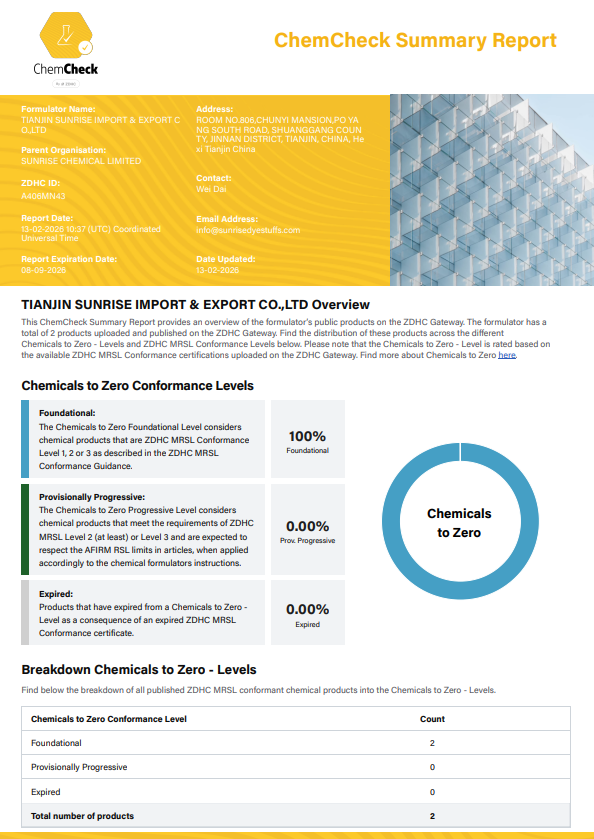
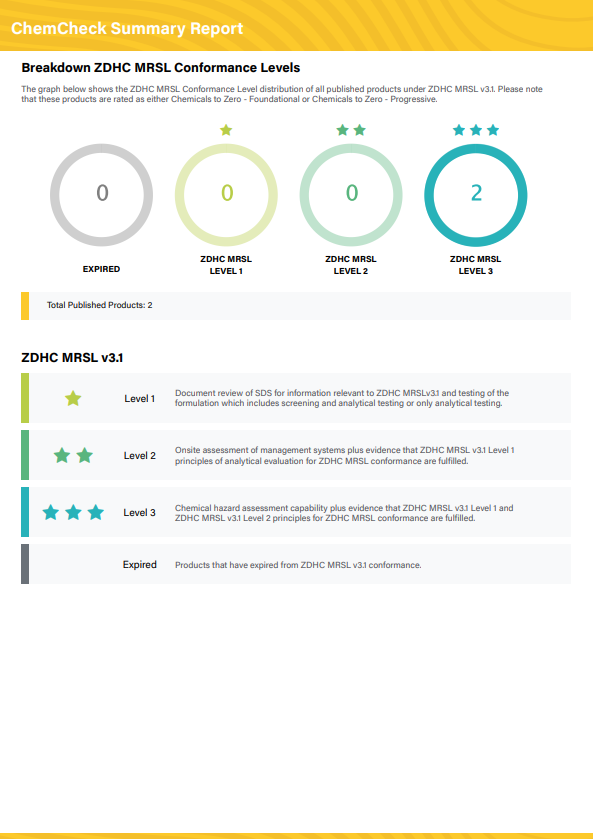
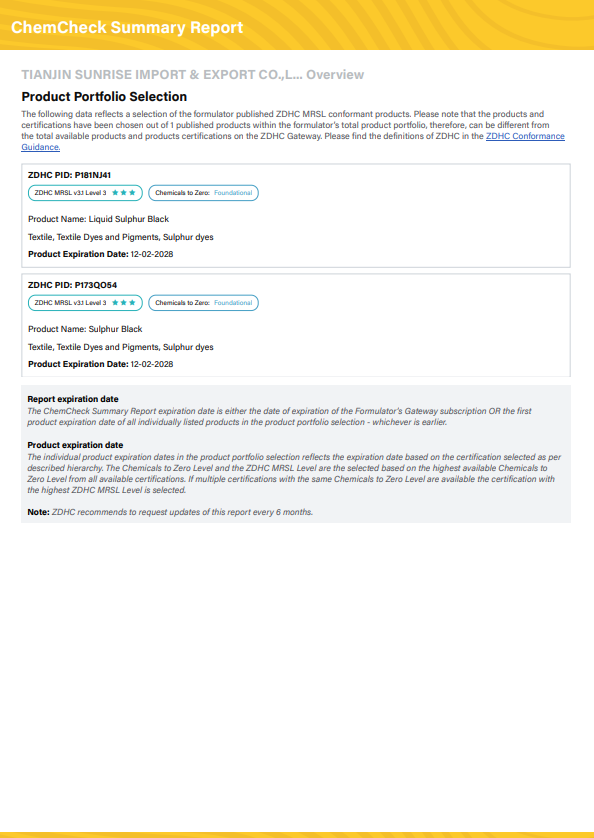
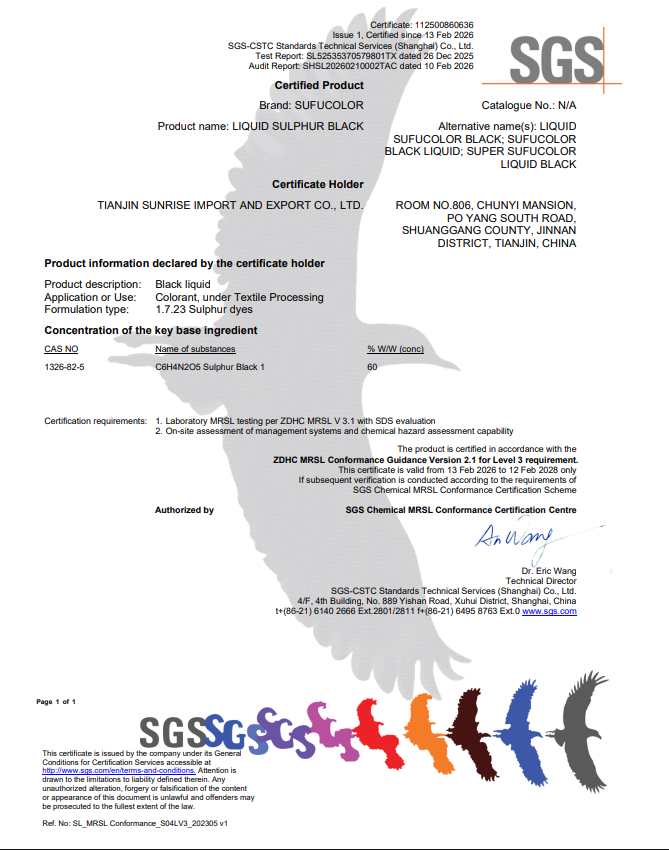
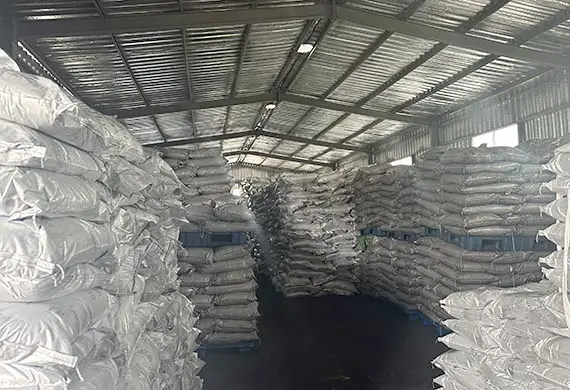
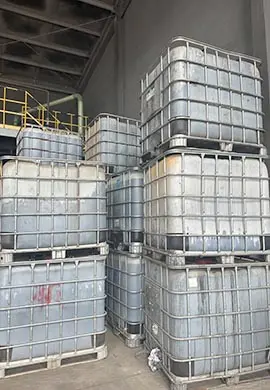
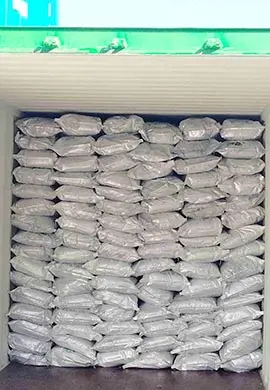
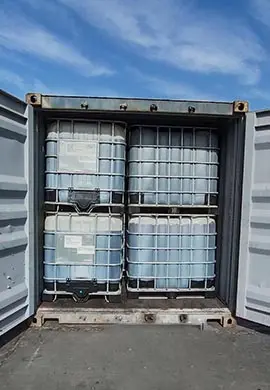
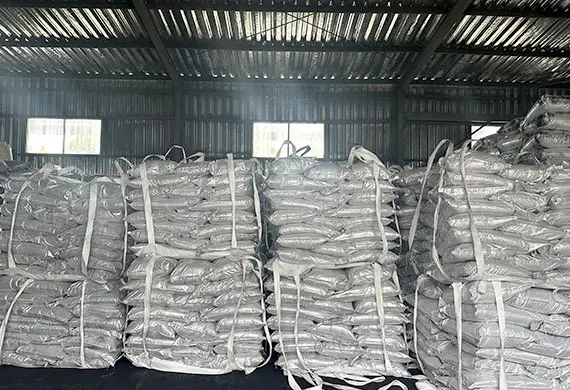
Providing global logistics, storage, and container shipments to major manufacturing corridors in Bangladesh.
We not only produce and export dyes and pigments but also prioritize long-term cooperation with our customers, providing them with quality services that exceed expectations.
Request Logistics PortfolioPioneering clean synthesis technologies and intelligent color matching for the next era of industrial dyeing.
Conventional powder dyes contain significant inorganic salt filler. We are continuously shifting manufacturing parameters to create low-salt and liquid formulations. This directly decreases TDS (Total Dissolved Solids) in wastewater, relieving pressure on textile mill ETPs (Effluent Treatment Plants) in Bangladesh.
Using spectrophotometer files (QTX format), our lab assists local mills to achieve recipe optimization. AI modeling reduces correction cycles, cuts chemical waste, and saves dye-house energy during bulk recipe conversion.
Our R&D is focused on transitioning from petrochemical-derived intermediates to biosynthesized precursors. This innovation reduces carbon footprint metrics, providing local exporters with key sustainability selling points for Western markets.
Addressing the technical, regulatory, and logistics queries that process engineers and purchasing managers frequently encounter.
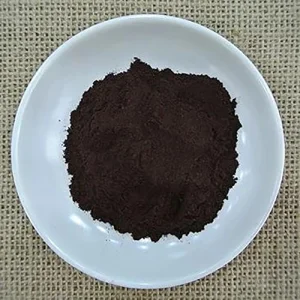
Comprehensive selection of direct and acid dyes engineered for high fastness, intense color values, and easy processing.
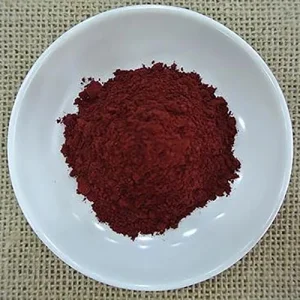
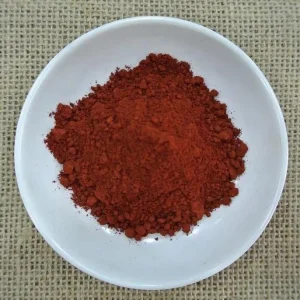
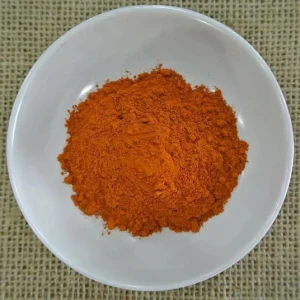
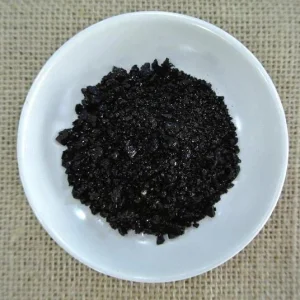
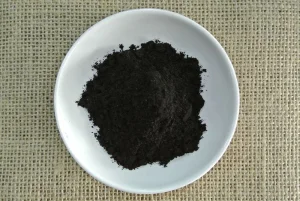
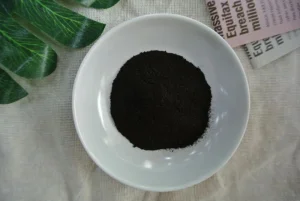
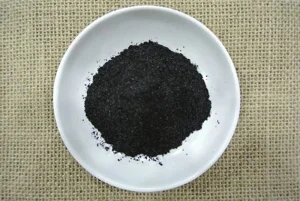
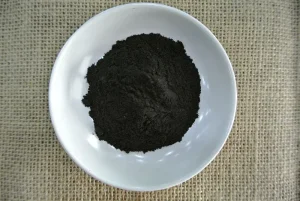
We also supply Sunrise Direct Red 28 used for cotton, viscose, and silk (Product Link), High-Quality Acid Black 1 for dyeing leather, wool, and silk (Product Link), Sunrise Acid Black Att 100% Blackish Shade leather dyes (Product Link), and OEM Acid Orange II for wool coloring (Product Link). Contact our chemical application lab for technical specification files and batch samples.
 Sunrise